Santa Rosa Island Snorkeling: What to Expect Before You Go
Santa Rosa Island snorkeling suits experienced swimmers who accept strong wind and cold water. Here is how entry, conditions and boat access work.
On this page
Santa Rosa Island is the Channel Islands destination for snorkelers who want solitude and are comfortable managing wind, cold water and a remote shoreline without services. The National Park Service rates swimming, snorkeling, diving and kayaking here as limited and best suited to experienced visitors, so the island rewards preparation rather than spontaneity. If that sounds like your kind of day, the planning below is what separates a good swim from a long, frustrating crossing.
The island sits within Channel Islands National Park off the Ventura County coast, reached by concessionaire boat rather than a bridge or causeway. That distance shapes everything: gear, timing, shelter from the wind and how much you can reasonably carry. Treat the ferry timetable as the spine of your plan, not an afterthought.
Why Santa Rosa Island Snorkeling Suits Experienced Swimmers
The National Park Service describes wind on Santa Rosa as strong and persistent, with 30-knot gusts not uncommon at any time of year, and it recommends water sports here only for experienced visitors. That single constraint changes the calculus: you are not choosing between snorkel spots so much as choosing whether you can handle open, wind-driven water far from help. Strong swimmers who read conditions well will find the island quiet and uncrowded compared with the eastern islands.
For context on how Santa Rosa fits alongside the rest of the archipelago, see this guide to snorkeling in Channel Islands National Park, which compares the islands by access and difficulty. The short version: Santa Rosa is the advanced option, and other islands deliver easier entries.
Where Santa Rosa Island Is and How You Reach It
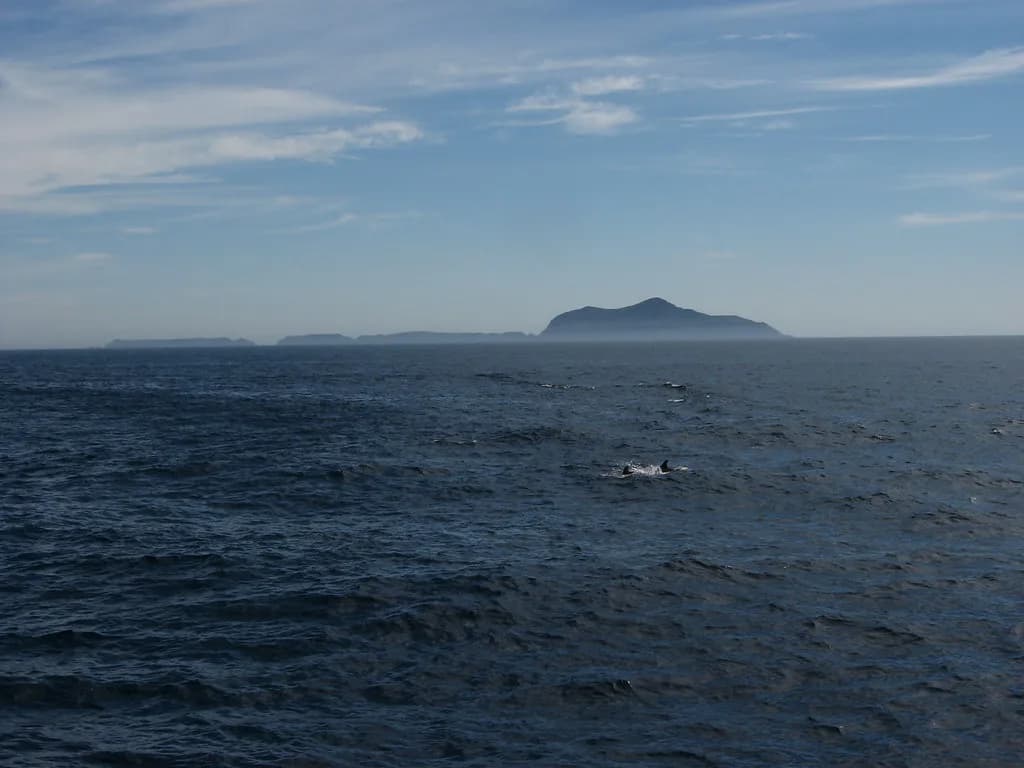
Island Packers runs boat transportation to Santa Rosa from spring through fall, with a crossing of about three hours, and the boat lands at Bechers Bay via a pier. Strong winds and rough seas are possible on the crossing, so plan the day around the ferry rather than around a fixed snorkel window. There is no visitor center on the island; information comes from island staff or the park visitor center in Ventura.
Because the concessionaire timetable governs the day, minimum stays are generally driven by the boat schedule, and the campground sits about a 1.5-mile flat hike from the pier. That distance matters when you are carrying fins, a wetsuit and water. Pack as if you will walk everything you bring.
Getting In
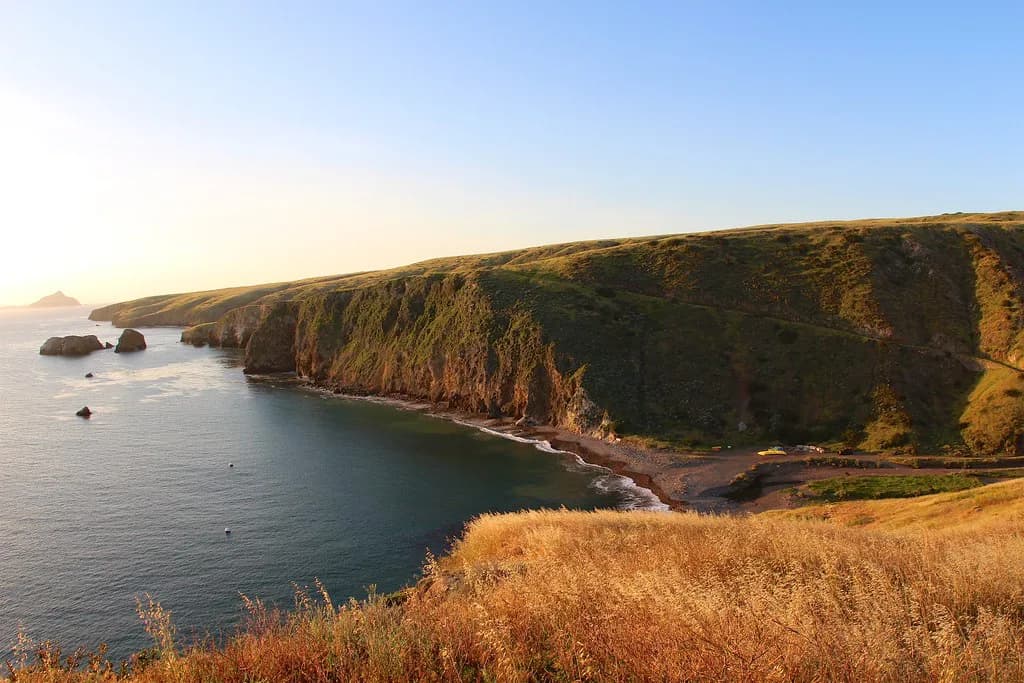
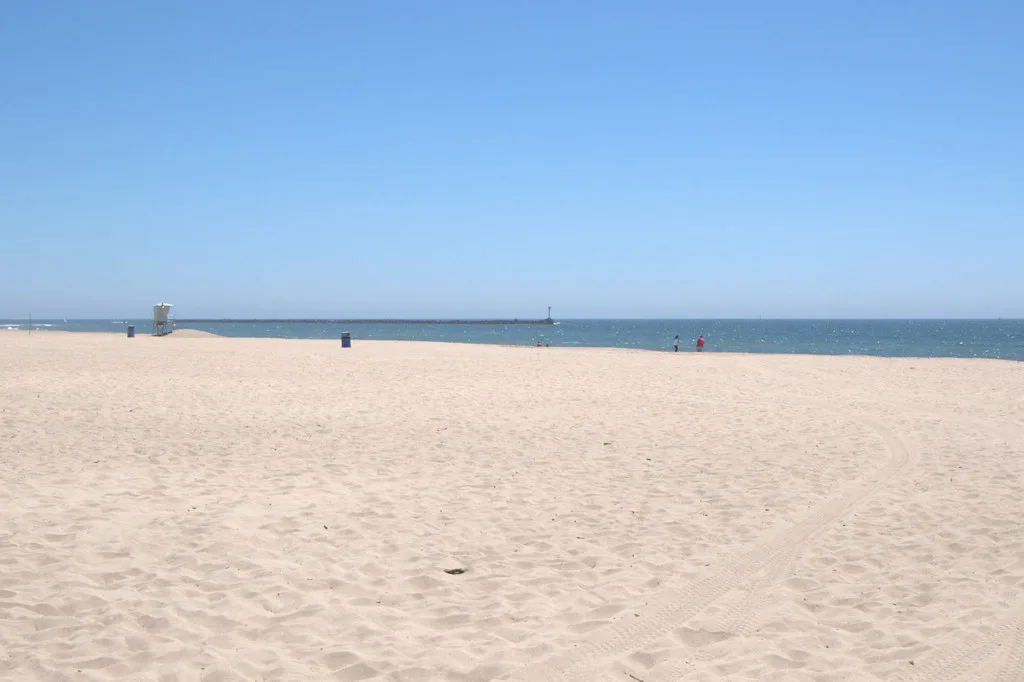
Shore access concentrates around Bechers Bay, where you can enter the water near the pier, and at Water Canyon Beach, just over a mile from the pier and down canyon from the campground. Those two areas are the practical bases for a snorkel session, because the rest of the coastline is remote and reached by boat or backcountry camping. Aim for the calmer side of the bay and stay close to your exit point.
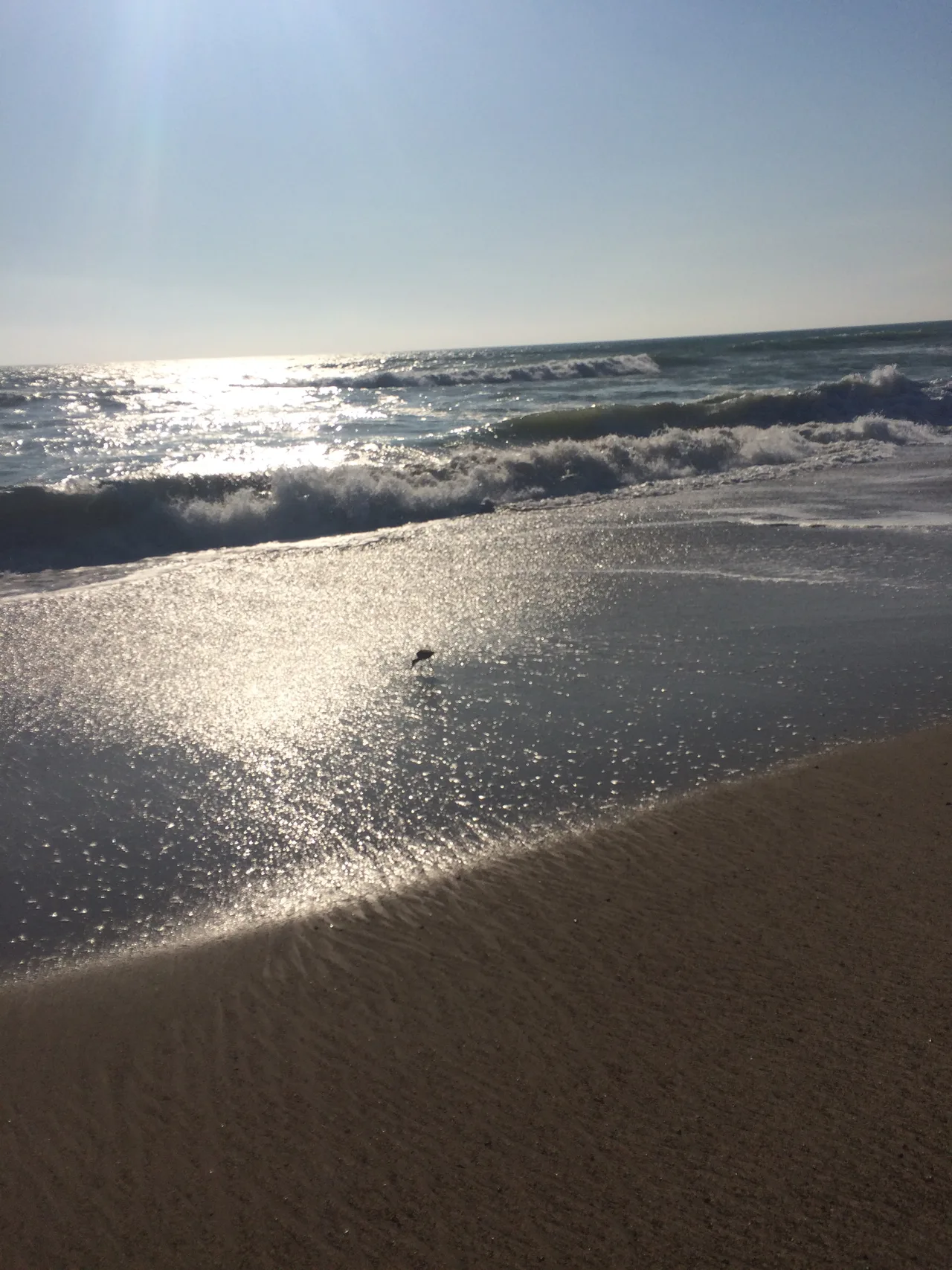
Many beaches on the Channel Islands have steep, dangerous shore breaks, and the wind and swell generally come from the northwest and strengthen as the day goes on. That combination means the walk-in entry you scouted at midmorning may look very different by afternoon. Enter early, watch the sets before you commit, and keep your fins on for control in the shallows.
What Limits You: Wind, Cold Water and Exposure
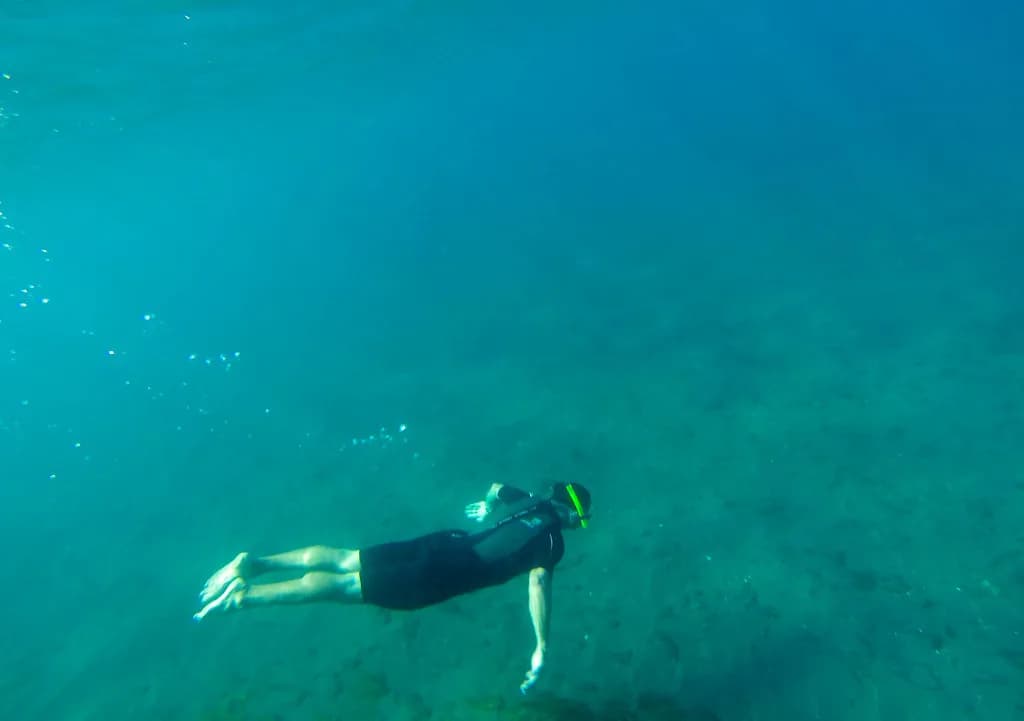
Water in the park runs roughly 55 to 70 degrees Fahrenheit, and the park recommends wetsuits and hoods for snorkelers and divers. That range makes thermal protection the central gear decision rather than an accessory: a full wetsuit with a hood extends your comfortable time and keeps you functional if the wind picks up on exit. Plan your layering around the cold end of that range, not the warm end.
Ocean currents outside coves and protected beach areas can be strong and extremely dangerous, so the sheltered water near the pier and the bay is where most snorkeling happens. Treat the open coast as a boat-assisted proposition rather than a swim-out. If the wind is already building when you land, shorten your session instead of stretching it.
What You Will See
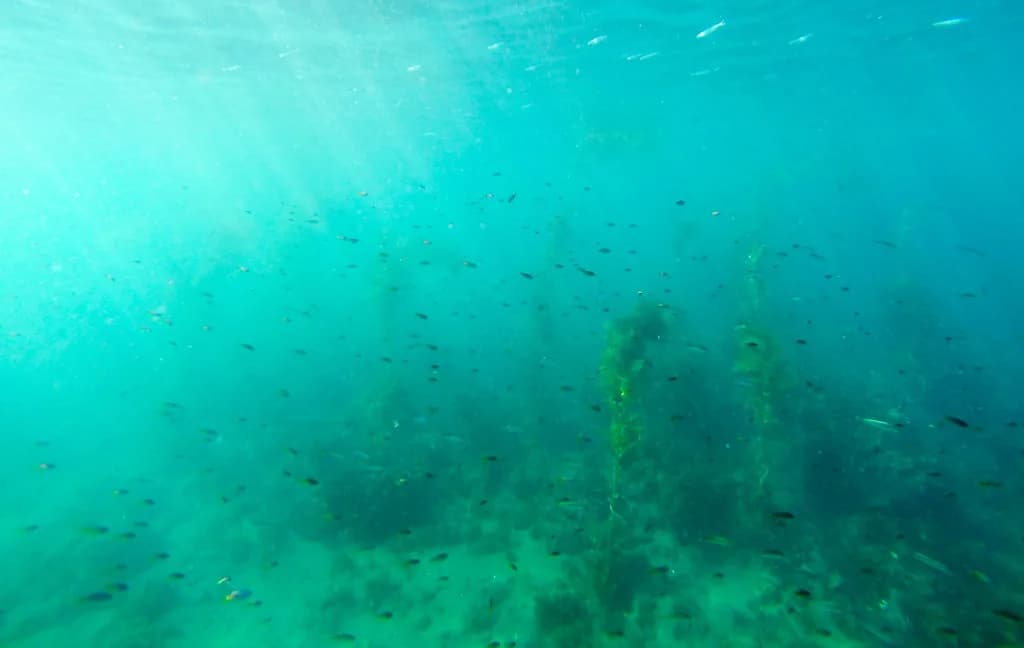
The park's draw for snorkelers is the combination of kelp forests, sea caves and coves, with the best snorkeling concentrated at Santa Barbara, Anacapa and eastern Santa Cruz Islands. On Santa Rosa, expect rocky shore life and tidepool-style habitats inside Bechers Bay, including spots just east of the pier and near East Point. Kelp and rocky structure reward slow, close observation rather than long swims.
Pinniped viewing on Santa Rosa is limited to remote locations that require backcountry camping to reach, so do not plan a snorkel day around seals and sea lions. Give any marine mammal you encounter plenty of room and let it choose the distance. Never touch, feed or chase wildlife, and keep your buddy informed when animals are nearby.
Skill Level and Who Should Pick a Different Island
Beginners, kids and families are better served by the eastern islands, where the park points snorkelers first. Anacapa Island snorkeling and the protected water at Scorpion Anchorage on Santa Cruz offer easier entries and shorter crossings than Santa Rosa's three-hour run. If your group includes mixed abilities, split the trip: send strong swimmers to Santa Rosa and keep the rest on Santa Cruz.
Channel Islands Adventure Company, the authorized concession at Scorpion Anchorage on Santa Cruz, runs snorkel equipment rentals and guided snorkel tours there. Santa Rosa has no goods, services or accommodations, so gear and food must come with you on the boat. Renting on Santa Cruz and carrying your own on Santa Rosa is the realistic split.
Best Time of Day and Season
The park notes that wind and swell generally come from the northwest and become stronger as the day continues, so early in the day is the more sheltered window for a shore entry. From October through January, visitors must also be prepared for strong east or Santa Ana winds that can change which side of the bay feels calm. Build your session around the morning and keep the afternoon flexible.
Boat service to Santa Rosa runs spring through fall, which sets the practical season for most visitors. Summer and early fall bring the most reliable crossings, but wind is a year-round factor on the island. Check the marine forecast for the Santa Barbara Channel through the National Weather Service before you commit to a shore session.
Hazards
There are no lifeguards on duty in the park, so all water sports are at your own risk, and the buddy system is the park's stated approach for swimmers and snorkelers. Currents strengthen outside protected coves, and steep shore breaks catch people on the way in and out. Sea caves can fill unexpectedly with large waves or swells, and the park recommends a helmet if you explore them.
Boat landing operations at the pier deserve a wide berth; keep clear of skiffs conducting surf landings when you are entering or exiting the water. Leave a float plan with someone on shore before you depart, and display a dive flag as the law requires. These are simple habits that matter more here than at a guarded beach.
Parking, Fees and Logistics
The pier landing at Bechers Bay means you arrive on foot, so the logistics revolve around what you carry rather than where you park. Water Canyon campground charges 15 dollars per night per site and requires reservations, with a picnic table, food storage box, windbreak, pit toilet and water provided. Drinking water is available at the campground and in the historic ranch area, but there are no goods, services or accommodations on the island.
Ferry tickets and guided snorkel excursions are sold by the concession operators rather than the park, and Island Packers handles the boat crossing. A snorkel excursion at Scorpion Anchorage on Santa Cruz is listed at 165 dollars per person plus a 72 dollar adult ferry ticket, which illustrates the cost structure of a guided day on the islands. For Santa Rosa, price your trip around the ferry fare and your own gear, and check current rates with Island Packers or Channel Islands Adventure Company when you book.
Rules: Marine Reserves and Wildlife
Three marine reserves surround Santa Rosa Island, and no fishing is allowed inside them; outside those areas, fishing requires a valid California state fishing license with an ocean enhancement stamp and follows California Department of Fish and Game regulations. Snorkelers should know the reserve boundaries before carrying or using any gear that could be mistaken for fishing equipment. The park's laws and policies page is the reference for the full set of rules.
Wildlife rules apply everywhere in the park: give marine mammals and seabirds space, never touch or feed them, and never chase an animal to get a better look. The buddy system and a displayed dive flag are legal and practical requirements, not suggestions. Read the park's wildlife guidance before you go so your behavior matches the rules on the water.
How Santa Rosa Fits the Channel Islands Lineup
The park names Santa Barbara, Anacapa and eastern Santa Cruz as the best islands for snorkeling and diving, and it warns that Santa Rosa and San Miguel's windy conditions are unsuitable for novices. If you want a mainland comparison for a confident-but-cautious group, La Jolla snorkeling offers cove entries and a protected underwater park. Anacapa and eastern Santa Cruz therefore make the easier first trip, while Santa Rosa is the return visit for a confident swimmer. Choose the island to match your group's weakest swimmer, not its strongest.
If you want a structured day with guides and rental gear, compare Channel Islands snorkeling tours before booking, since most guided options operate from Santa Cruz rather than Santa Rosa. Independent snorkelers who bring their own kit and a flexible schedule get the most from Santa Rosa's quiet shoreline.
Nearby Spots and Trips to Combine
Multi-island, overnight boat trips frequently visit Santa Rosa alongside other islands, which lets you pair its quiet coast with easier snorkeling elsewhere. Backcountry beach camping on Santa Rosa is limited to certain beaches between August 15 and December 31, and the closest camping beach is 10 miles from the boat drop-off at Bechers Bay. That window suits strong hikers who want remote coastline rather than a day trip.
Combine a Santa Rosa crossing with a Santa Cruz day at Scorpion Anchorage, where gear rental and guided snorkel tours make a beginner-friendly counterpoint. Water Canyon Beach and the pier area on Santa Rosa give you an easy beach walk and tidepooling when wind keeps you out of the water. Build one sheltered session into each island day rather than filling every hour.
Plan Your Visit
Santa Rosa Island snorkeling is a trip for experienced, self-sufficient swimmers who bring their own wetsuit, hood and gear and accept a three-hour crossing and persistent wind. Book the Island Packers ferry, reserve the campground if you plan to stay, and leave a float plan before you enter the water. Confirm the marine forecast with the National Weather Service in the days before you go, and let the wind decide how long you stay in.
Frequently Asked Questions
Can you snorkel on Santa Rosa Island?
Yes, but the National Park Service rates swimming, snorkeling, diving and kayaking on Santa Rosa as limited and best suited to experienced visitors because of strong, persistent wind. Shore access concentrates near the Bechers Bay pier and at Water Canyon Beach. Beginners and families are better served by Anacapa or eastern Santa Cruz.
Is Anacapa or Santa Cruz better for snorkeling?
Both rank among the park's best islands for snorkeling, and the choice comes down to access and group ability. Santa Cruz has the Scorpion Anchorage concession with gear rentals and guided snorkel tours, while Anacapa offers its own shore entries and a shorter crossing. Santa Rosa is the harder, windier alternative for experienced swimmers.
Which Channel Island is best for snorkeling?
The National Park Service names Santa Barbara, Anacapa and eastern Santa Cruz as the best islands for snorkeling and diving within the park. Santa Rosa and San Miguel are windier and should not be attempted by novices or anyone not properly trained and equipped. Pick an eastern island for your first trip.
Can you swim at Scorpion Anchorage?
Scorpion Anchorage on Santa Cruz is the park's concession hub for snorkeling, with gear rentals and guided tours operated by Channel Islands Adventure Company. It is the more accessible option for swimmers who want a guided or rental-supported day. Santa Rosa has no goods, services or rentals, so everything must come with you.
Do you need a wetsuit to snorkel Santa Rosa Island?
The park recommends wetsuits and hoods because water temperatures in the Channel Islands run roughly 55 to 70 degrees Fahrenheit. A full wetsuit with a hood makes a long session far more comfortable and keeps you functional if wind picks up on exit. Plan for the cold end of that range.
How long is the boat ride to Santa Rosa Island?
Island Packers provides transportation to Santa Rosa from spring through fall, and the crossing takes about three hours, landing at Bechers Bay via a pier. Strong winds and rough seas are possible, so plan the day around the boat schedule rather than a fixed snorkel window. There is no visitor center on the island.
Sources
Snorkeling notes for your next trip
Optional updates to our snorkeling guides.
You might also like
Continue reading
More guides you'll find useful