Channel Islands Snorkeling Tours: Which Trip to Book
Compare Channel Islands snorkeling tours by island, departure harbor, and what is included, and see why eastern Santa Cruz and Anacapa suit most snorkelers.
On this page
Channel Islands National Park packs kelp forests, sea caves and rocky coves into five islands off the Southern California coast, and the snorkeling is best around Anacapa and eastern Santa Cruz. Those two islands carry essentially all of the tour and rental activity, which makes the booking decision simpler than the map suggests. This guide sorts the formats by island, departure logistics, cost structure and the swimming ability each one assumes, so you can pick a trip that matches your group rather than the flashiest listing.
What the tours actually are
Nearly every Channel Islands snorkel product is a guided excursion that runs out of Ventura Harbor and lands on Anacapa or eastern Santa Cruz Island. At Scorpion Anchorage on Santa Cruz, Channel Islands Adventure Company, the authorized kayak and snorkel concession in that area, runs equipment rentals and guided snorkel tours. That concentration is the single most useful fact for planning: you are choosing a format and an island, not shopping across a dozen vendors scattered through the archipelago.
Why eastern Santa Cruz and Anacapa get the snorkel trips
The National Park Service names Santa Barbara, Anacapa and eastern Santa Cruz as the islands best suited to snorkeling and diving, and it singles out Santa Rosa and San Miguel as places where extremely windy conditions make these activities unsuitable for novices or anyone not properly trained, conditioned and equipped. In practice that means tour operators build their snorkel days around the eastern islands, where coves and protected beach areas offer shelter from open-ocean current. If a listing suggests casual snorkeling at Santa Rosa or San Miguel, treat it as a different kind of day than a guided reef swim.
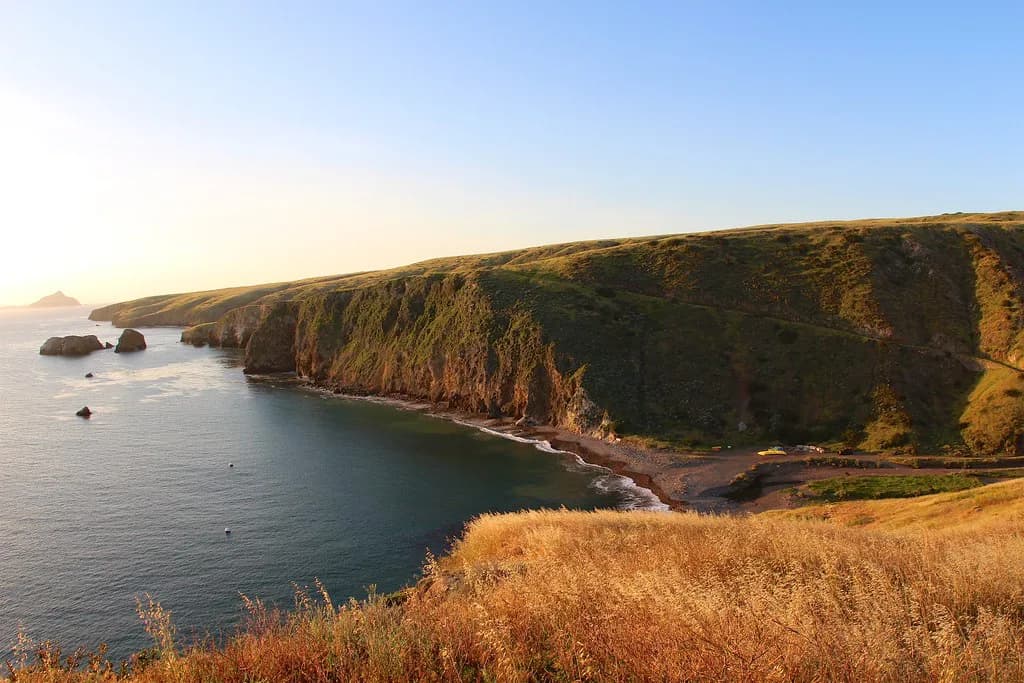
Scorpion Anchorage on Santa Cruz Island
Scorpion Anchorage is the one place in the park where the Park Service identifies rentals and guided snorkel tours, both operated by the concession in that area. The appeal for mixed-ability groups is that you can rent gear and snorkel from shore or join a guided tour without committing to a full outfitted excursion. Many visitors pair the water time with a kayak session, since the same concession runs kayaking in the same anchorage, which makes for a full day off the ferry without adding another booking.
The setting is a protected anchorage backed by rocky shoreline and kelp, so the swim is a shore or near-shore affair rather than a boat drop on a distant reef. Because Channel Islands Adventure Company handles both rentals and tours here, you can decide on arrival whether the conditions suit a self-guided swim or a guided one. Its rental page lists current equipment offerings, so you can see what is on hand before counting on a particular item.
Anacapa Island: what a snorkel stop looks like
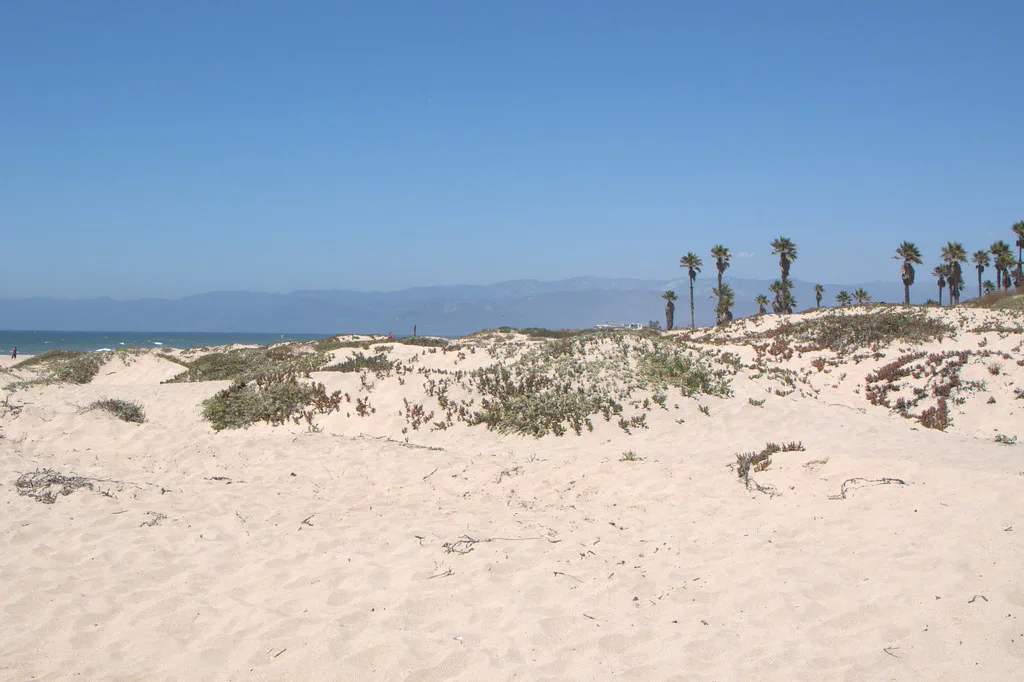
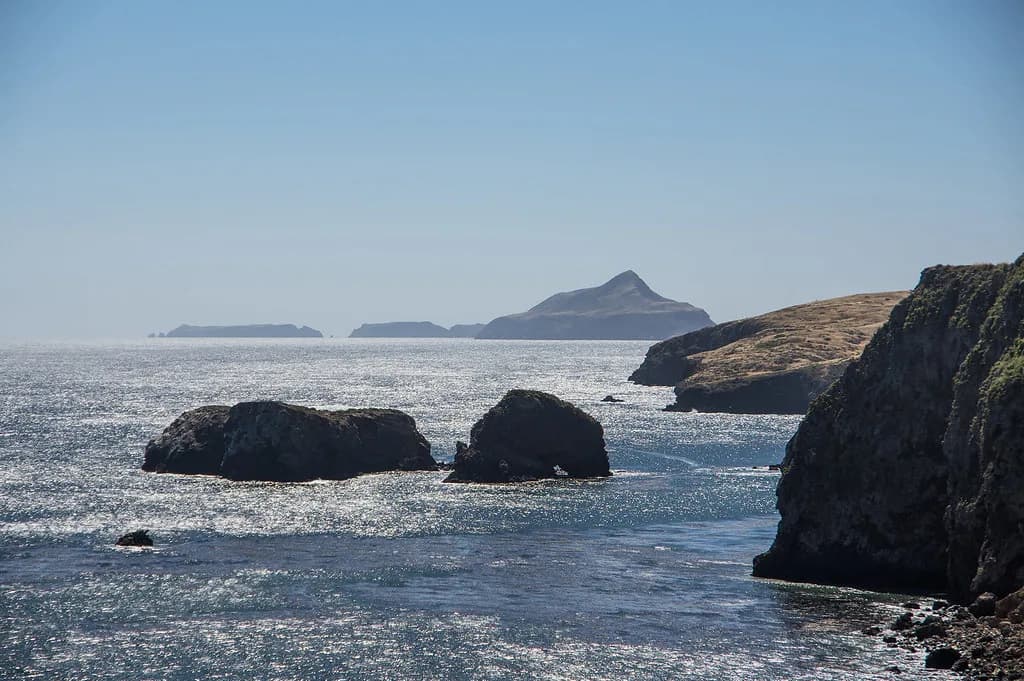
Anacapa is a narrow, cliff-edged island with no broad beach to stroll into the water from, so snorkeling here happens around the landing area and from a boat rather than as a casual wade-in. That makes it a good fit for travelers who want the guided structure and are comfortable entering the water from a platform or rocky edge with instruction. The payoff is the rocky-reef and kelp habitat the Park Service highlights around the eastern islands.
Because there is no sandy transition zone, Anacapa rewards snorkelers who are relaxed in deeper water and can handle a less forgiving entry. Families with young children usually have an easier time at a protected anchorage with a gentler shoreline. If your group spans both ends of that spectrum, splitting the trip by island is more realistic than trying to make one landing work for everyone.
Departure logistics from Ventura Harbor
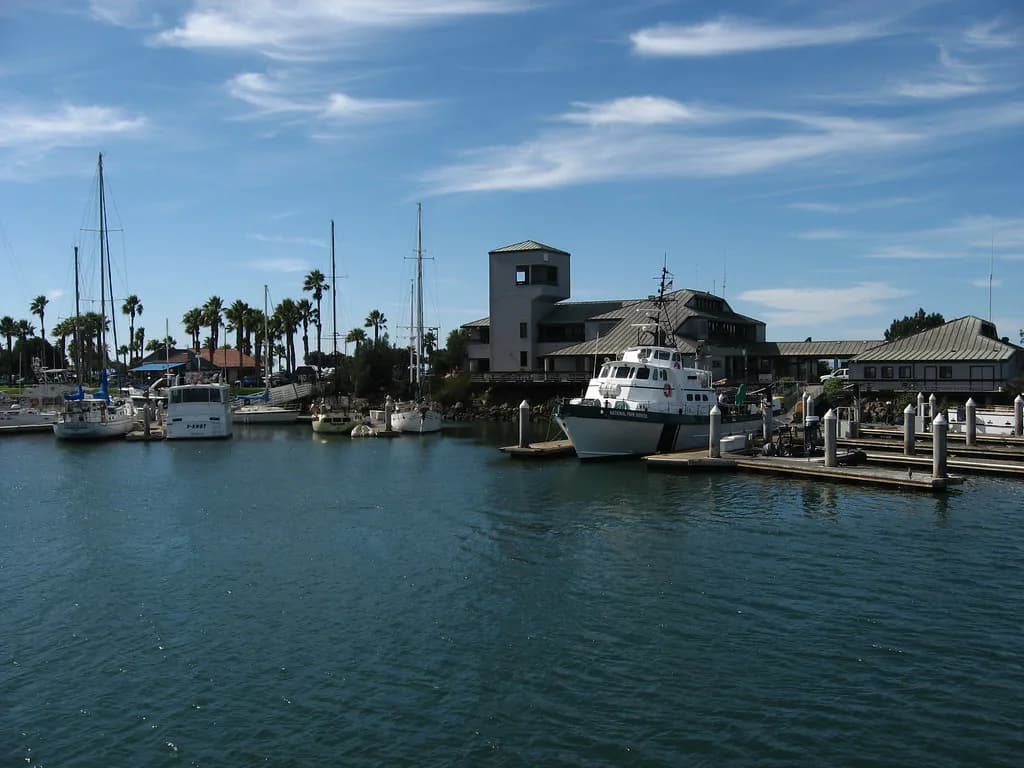
Trips begin at Ventura Harbor, where the park's ferry concession carries visitors to the islands and tour operators build their snorkel time around that boat schedule. The Park Service lists its mailing address at 1901 Spinnaker Drive in Ventura, the harbor base for island access. Book the ferry crossing and the snorkel component as one plan, because your time in the water is bounded by the return boat rather than by how long you would like to stay.
Crossing durations, departure times and seasonal schedules change, so pull them from the ferry operator and your tour provider when you book rather than planning around a remembered timetable. Build slack into your morning for parking and check-in at the harbor. A full day out is the realistic expectation once the boat ride is factored in on both ends.
What a guided snorkel excursion costs
Santa Barbara Adventure Company publishes a guided snorkel excursion at $165 per person plus ferry transportation, with ferry fares listed at $72 for adults and $52 for children 12 and under. That structure matters: the snorkel guide fee and the boat crossing are separate line items, so compare quotes on the combined total rather than the headline tour price. Rates are published figures that can change, so check the listed prices on the company's pricing page when you book.
A gear-rental day at Scorpion Anchorage works differently, since you pay for the ferry crossing and then for whatever equipment or guided time you add at the island. For a couple or a family, that spread can matter more than the per-person tour rate. Price both formats for your group size before deciding, and ask Channel Islands Adventure Company for its current rental rates.
Skill level and who each format suits
A guided excursion is the better call if anyone in your group is new to cold, open water, unsure about entering from a boat or rocky edge, or simply wants instruction and a buddy built into the day. Rentals at Scorpion Anchorage suit competent swimmers who are comfortable reading conditions themselves and staying inside a protected anchorage. Neither format removes the need for basic fitness, since the water is cold and the swims are not pool-length.
The Park Service recommends the buddy system for all snorkelers, divers and swimmers so someone can go for help if trouble arises, and that applies equally whether you are on a tour or self-guided. Non-swimmers and weak swimmers are better served by a beach snorkel elsewhere in California than by an island trip. Be honest about your group's comfort level before you pay for a boat seat.
Water temperature and exposure protection
Water around the islands runs roughly 55 to 70 degrees Fahrenheit, and the Park Service recommends wetsuits and hoods for snorkelers and divers. That is cold enough that a swimsuit and a rented mask will not carry you through a long session, so plan on exposure protection as part of the budget rather than an optional extra. Ask whether your tour includes a wetsuit or whether you rent one separately, because that changes both cost and packing.
A well-fitted hood makes a bigger difference than most first-timers expect, since heat loss at the head is what ends many cold-water sessions early. If you own a wetsuit, bring it; if not, confirm sizing availability with the concession before you rely on rental stock. Layering a windproof shell over the suit for the boat ride is a small comfort worth planning for.
What you may see underwater
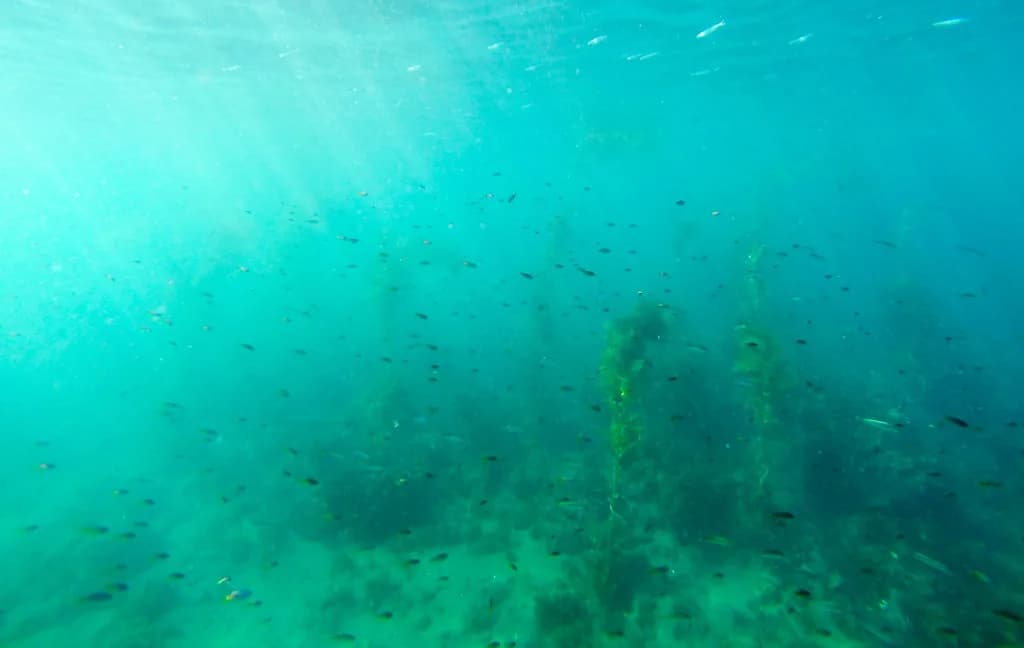
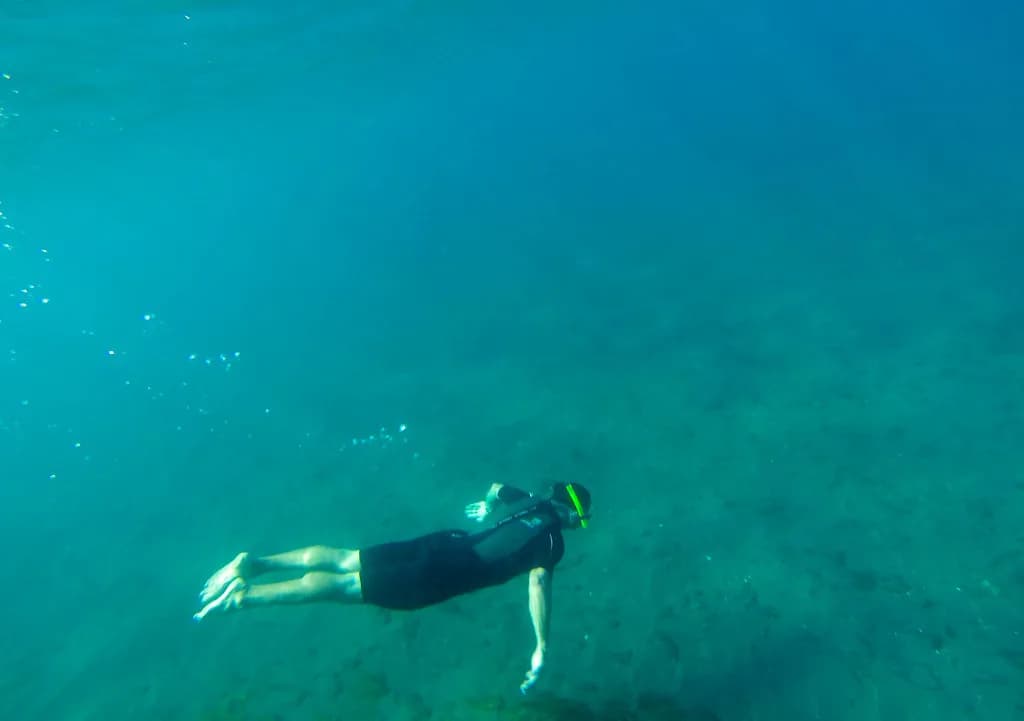
The park's draw is habitat rather than a guaranteed checklist: kelp forests, sea caves and rocky coves, with the eastern islands holding the most accessible examples. Snorkelers around Anacapa and eastern Santa Cruz swim over rocky reef and kelp, where fish hold in the structure and the light filters through the canopy. Sea caves are spectacular but belong to trained divers in calm conditions, not to casual snorkelers.
Watch marine life from a distance and let animals dictate the encounter; never touch, feed or chase anything you see. Sea lions, fish and birds are wild residents of a protected park, and the experience is better when you hold still and let them pass. Bring a thin dive light only if your guide suggests it, and keep hands off the reef structure.
Hazards to plan around
Wind and swell generally come from the northwest and strengthen as the day goes on, which argues for booking the earliest water time you can get. Ocean currents outside coves and protected beach areas can be strong and dangerous, and many island beaches have steep shore breaks. From October through January, visitors should also be ready for strong east or Santa Ana winds.
There are no lifeguards on duty, so all water activities are at your own risk, and the Park Service advises staying clear of skiffs conducting surf landings at the boat landing. That last point is easy to overlook when you are focused on the reef. Keep your distance from landing operations and pick your entry point away from boat traffic.
Sea cave etiquette and helmets
Large waves or swells can fill a sea cave unexpectedly, which is why the Park Service calls caves extremely dangerous and directs anyone exploring them to wear a helmet at all times. On a guided tour, follow the guide's call on whether a cave is in play that day; the decision belongs to the person reading the swell, not to the group's enthusiasm. If a cave is closed off by conditions, the reef outside it is still the reason you came.
Rules and safety basics
The law requires divers to display a dive flag while diving, so if your group plans any diving alongside snorkeling, plan for the flag. The Park Service also recommends unloading spear guns at least 50 feet from the beach. Leave a float plan or itinerary with someone on shore who can be reached easily, which is standard practice on a remote island with limited services.
Beyond these basics, park-wide regulations on wildlife distance and protected areas apply, and the concession will brief you on local expectations before you enter the water. Sunscreen choice matters in the park's marine setting, so pack a mineral-based product rather than relying on the boat to supply one. Ask your guide about any specific no-take zones near your snorkel site.
Best time of year and time of day
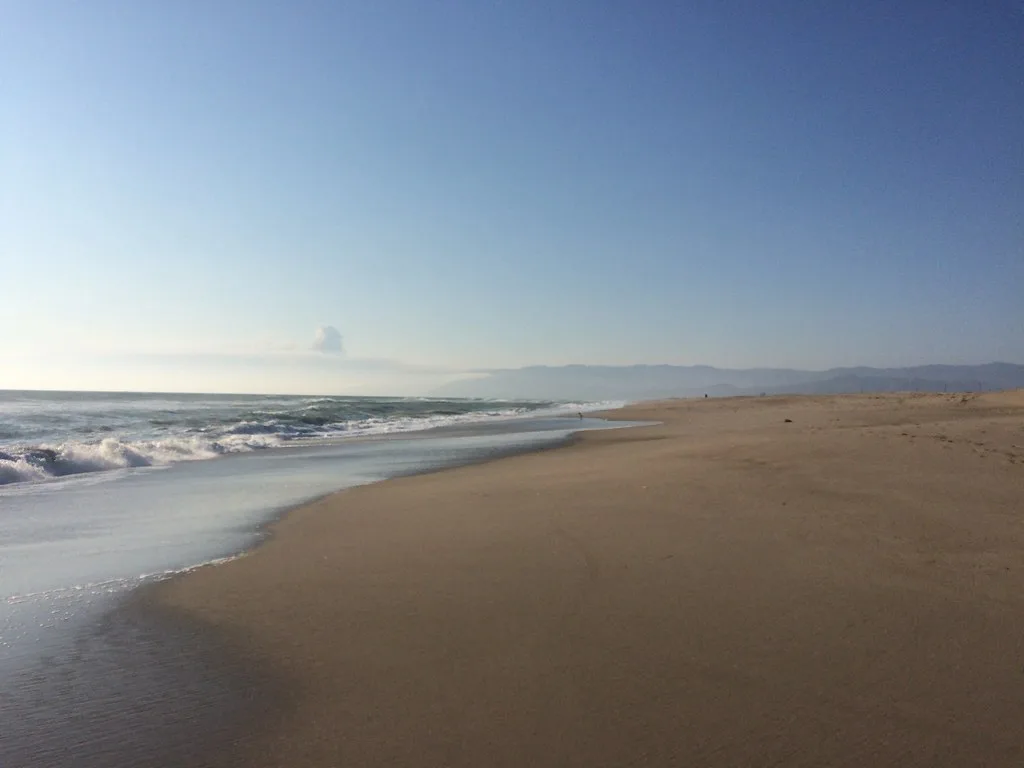
The pattern to plan around is daily rather than seasonal: northwest wind and swell build through the day, so morning water is usually the calmer window. October through January brings the added variable of strong east or Santa Ana winds, which can change which side of an island is sheltered. Book the earliest ferry and snorkel slot your operator offers and treat the afternoon as the fallback.
Summer and early fall generally bring the mildest overall weather for a boat crossing, though the cold water is a constant regardless of season. The Park Service's temperature range applies year-round, so exposure protection does not become optional in August. Watch the marine forecast in the days before your trip and be ready to move your water time earlier if wind is forecast to build.
Combining a snorkel tour with kayaking or a hike
At Scorpion Anchorage, kayaking and snorkeling share the same concession and the same anchorage, so pairing them is the natural way to fill a landing day. On Anacapa, the landing itself is short and the walking is limited, which keeps the focus on the water. Either way, plan your activities around the return boat rather than around how long you want to stay.
If your group includes someone who would rather hike than swim, the island landings offer trails and overlooks that make the ferry trip worthwhile on their own. Split the group for the water session and regroup for the boat. That arrangement works better than pushing a reluctant swimmer into cold water.
Operator and tour comparison
The practical split is between a full-service guided excursion that bundles guiding and often gear with the ferry, and a ferry-plus-rental day at Scorpion Anchorage where you assemble the pieces yourself. The guided excursion costs more per person but removes decisions and supplies a guide in the water. The rental route rewards confident swimmers who want flexibility and are willing to manage their own gear and timing.
Check what each price includes before comparing: guide, wetsuit, mask and fins, and the ferry fare are separate line items in some quotes and bundled in others. Ask about group sizes and whether the tour enters from shore or from a boat, since both shape the day. The concession at Scorpion Anchorage is the only in-park rental and guided snorkel operation the Park Service identifies.
When a Channel Islands tour is not the right call
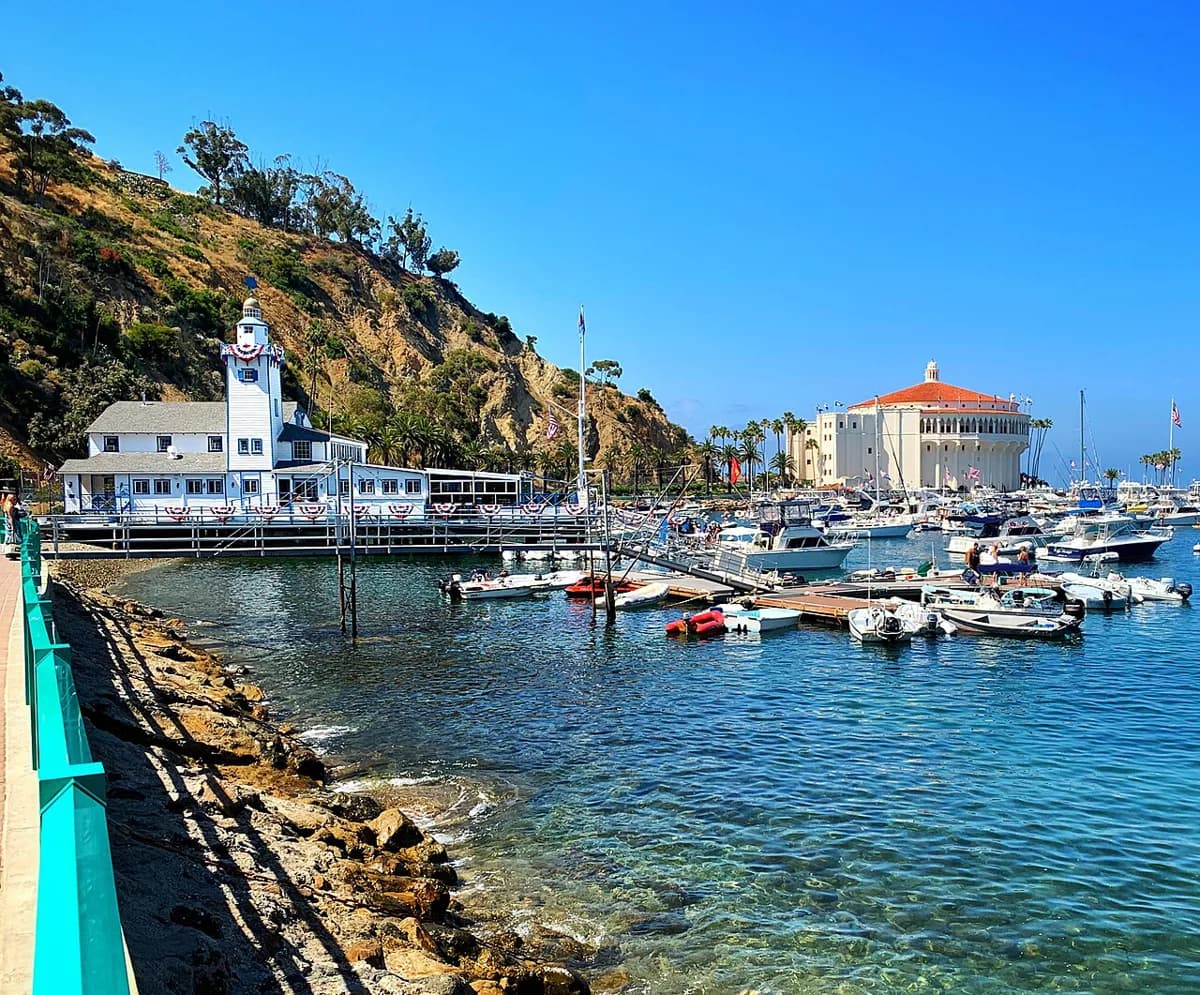
If your group wants warm water, easy sandy entries and a short drive from a hotel, a Channel Islands snorkel tour is the wrong tool; the water is cold, the crossings are long and the entries are not always gentle. Southern California mainland beaches and coves deliver a simpler day for beginners and young children. If you are weighing a mainland alternative with similar boat logistics, snorkeling in Catalina Island offers ferry access and protected coves worth comparing. Save the island trip for a group that is comfortable with cold water and a full day of boat logistics.
Plan Your Visit
Decide first between a guided excursion and a ferry-plus-rental day at Scorpion Anchorage, then pick the island that matches your group's comfort in cold, open water. Anacapa and eastern Santa Cruz carry the snorkel activity, and both reward an early start before the northwest wind builds. Book the ferry and the water time together, and check current prices and conditions with the National Park Service before you go.
Frequently Asked Questions
Which Channel Island is best for snorkeling?
Anacapa and eastern Santa Cruz Island are the Park Service's recommended choices, with Santa Barbara also suited to the activity. Santa Rosa and San Miguel see extremely windy conditions that make snorkeling unsuitable for novices. Rentals and guided snorkel tours are identified at Scorpion Anchorage on Santa Cruz Island.
What is the best month to visit Channel Islands for snorkeling?
Plan around daily wind rather than a single month: northwest wind and swell build through the day, so mornings are usually calmer. October through January adds strong east or Santa Ana winds. Summer and early fall tend to bring milder crossing weather.
How much does a Channel Islands snorkeling tour cost?
Prices are published by the operators and change over time. Santa Barbara Adventure Company lists a guided snorkel excursion fee plus separate adult and child ferry fares, while a Scorpion Anchorage day combines the ferry crossing with rental or guided costs on the island. Compare the combined total for your group size.
Do you need a wetsuit to snorkel the Channel Islands?
Water runs roughly 55 to 70 degrees Fahrenheit, and the Park Service recommends wetsuits and hoods for snorkelers. Ask your operator whether exposure protection is included or rented separately, and confirm sizing before you rely on rental stock.
Can beginners snorkel at Scorpion Anchorage?
Beginners do better on a guided tour there than on self-guided rentals, since a guide handles instruction and stays with the group. The anchorage is protected, but the water is cold and there are no lifeguards on duty, so the buddy system applies to everyone.
Are there lifeguards at Channel Islands snorkeling spots?
No. The Park Service states there are no lifeguards on duty and that all water sports are at your own risk. Stay clear of skiffs conducting surf landings and use the buddy system.
What marine life can you see on a Channel Islands snorkel tour?
The eastern islands offer kelp forests, sea caves and rocky reef habitat where fish hold in the structure and light filters through the canopy. Sightings are never guaranteed, and wildlife should be observed from a distance without touching, feeding or chasing animals.
Is a guided snorkel tour better than renting gear on Santa Cruz Island?
A guided tour suits newcomers to cold water and anyone who wants instruction and a guide in the water. Rentals at Scorpion Anchorage suit confident swimmers who want flexibility and will manage their own gear and timing. Price both formats for your group before deciding.
Sources
Snorkeling notes for your next trip
Optional updates to our snorkeling guides.
You might also like
Continue reading
More guides you'll find useful