Snorkeling Santa Cruz Island: Scorpion Anchorage and Beyond
Snorkel Santa Cruz Island from Scorpion Anchorage: boat access, beach entry into kelp, cold water, wildlife and the rules that protect this marine reserve.
On this page
Santa Cruz Island suits snorkelers who want kelp forest, clear island water and sea-cave shoreline without committing to a liveaboard. The catch is that everything happens on an island with no lifeguards and no easy exit, so the day is built around a boat schedule and cold water. Scorpion Anchorage, on the eastern end of the island, is the one place where you can walk off the beach and swim into the kelp on your own.
This guide separates that self-guided Scorpion day from the boat-based trips along the wilder western coastline, and it flags the rules that actually shape where you can get in. If you are still deciding among the park's islands, start with the broader snorkeling in channel islands overview and come back here for the Santa Cruz specifics.
Why Santa Cruz Island Rewards a Snorkel Day
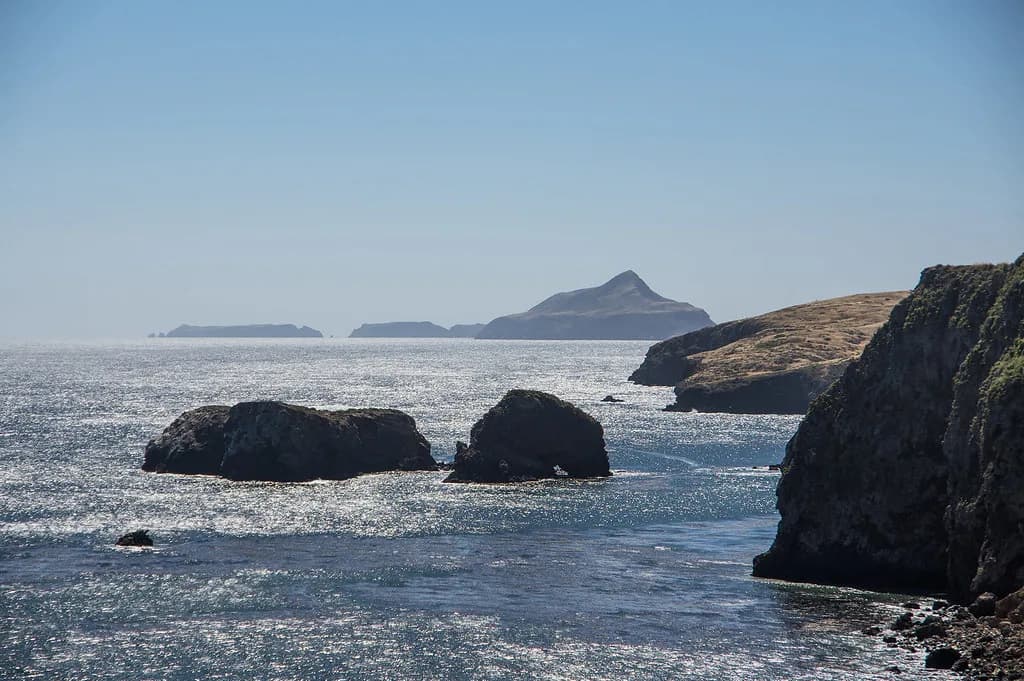
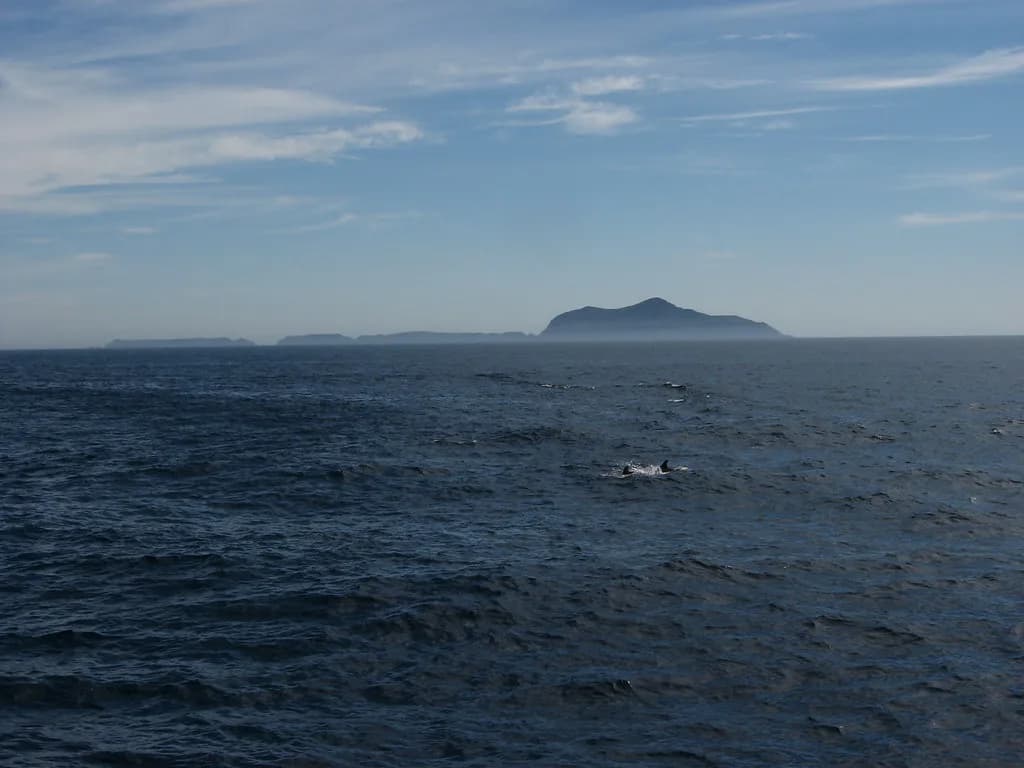
The park's kelp forests, coves and sea caves draw snorkelers and divers, and the National Park Service names Santa Barbara, Anacapa and eastern Santa Cruz as the best of the islands for these activities. Santa Cruz is the largest of them, and its northern volcanic coastline holds arches and caves that give a snorkel day more variety than a single sandy bay. The payoff is a shoreline that looks nothing like a mainland beach park.
What makes the snorkeling work is the protected water: the islands sit inside Channel Islands National Marine Sanctuary, and marine reserves around them are closed to fishing. Expect fish that hold their ground rather than scatter, plus invertebrate life on the rock. The trade-off is remoteness, since everything you need for the day travels over with you.
Where You Snorkel: Scorpion Anchorage and the East End Shoreline
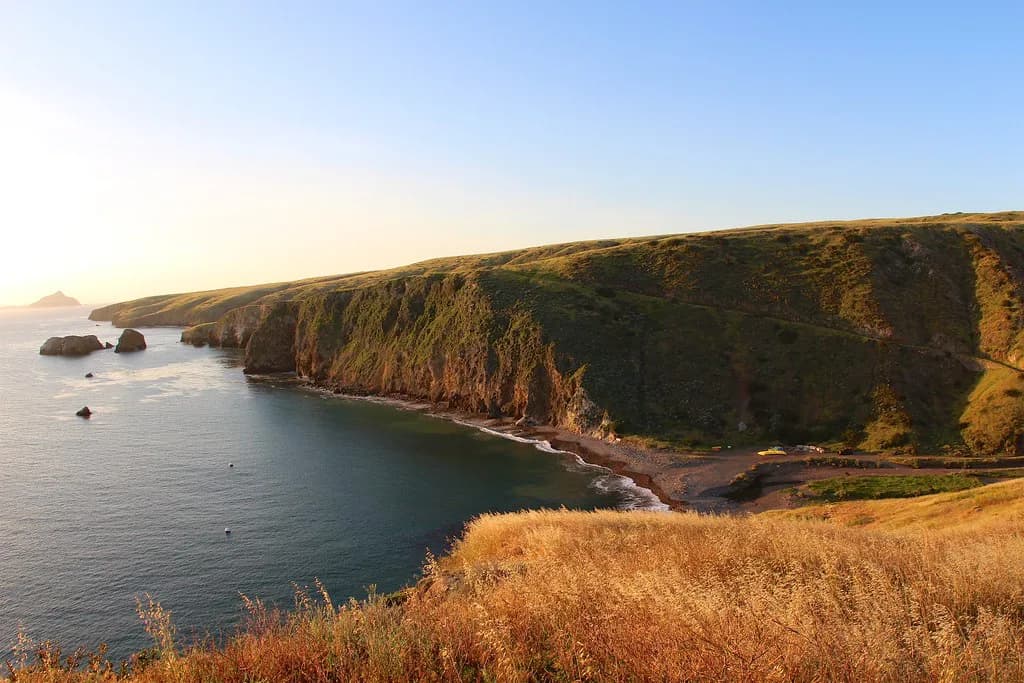
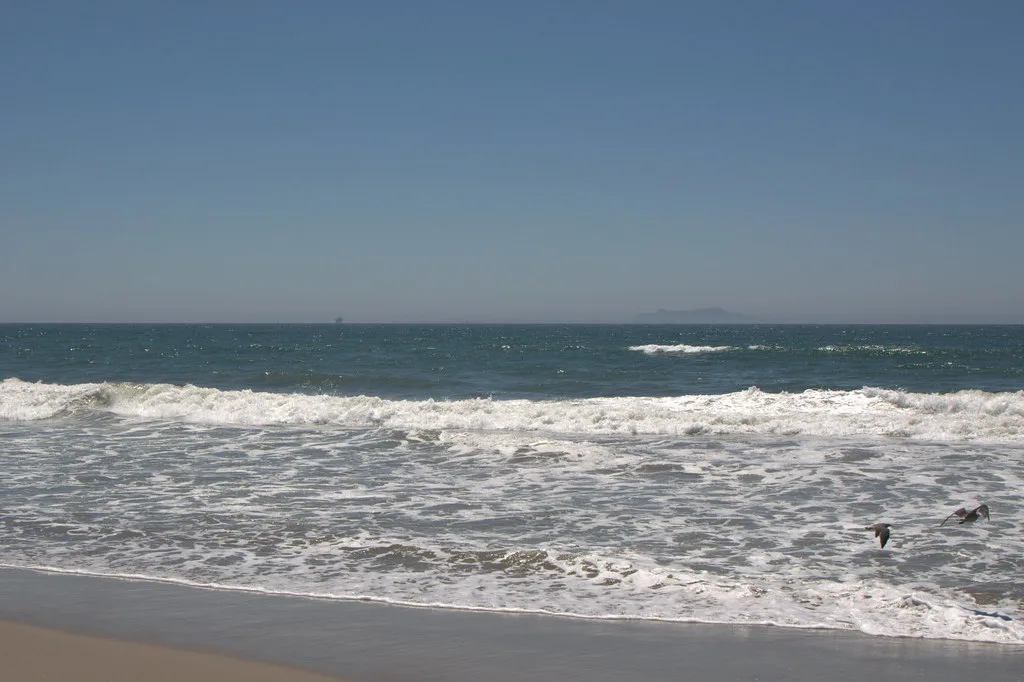
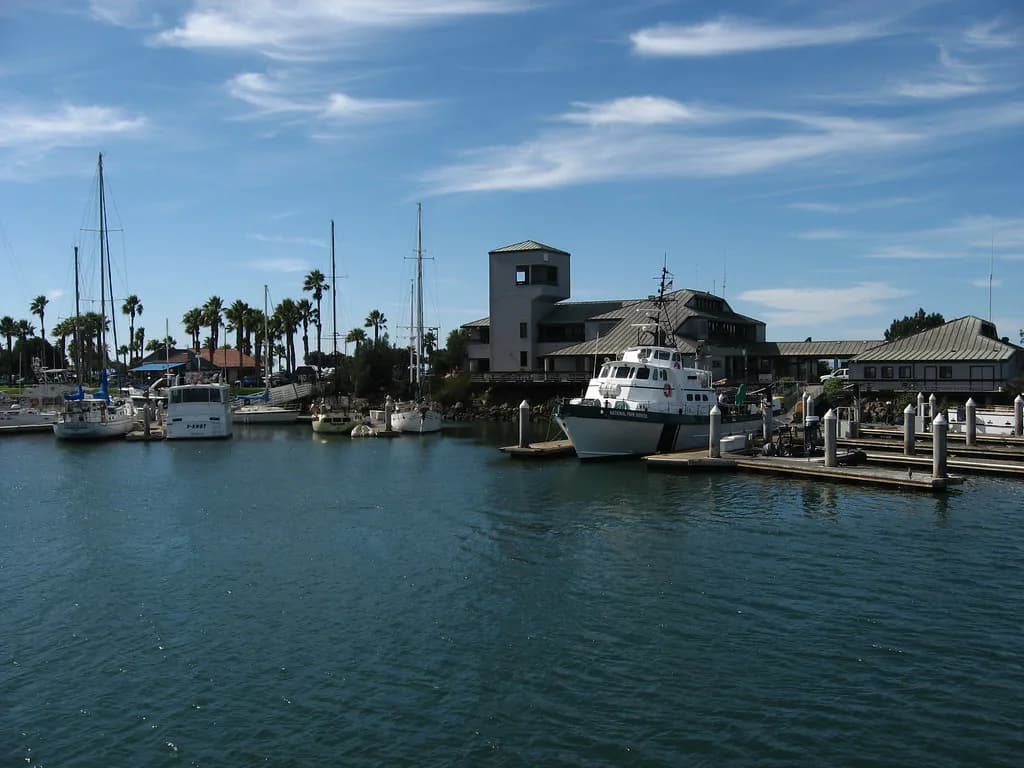
Scorpion Anchorage sits on the eastern end of Santa Cruz, the part of the island owned by the National Park Service. The NPS treats the Scorpion Beach area as the park's most popular sea-kayaking base because of its easy beach access, clear water, nearby camping and regular concessionaire boat service, and those same qualities make it the default snorkel entry. The cove faces a working pier, so your swim zone is the beach and the water off it, not the pier channel.
Think of the anchorage as two pieces: the landing area around the pier where boats come and go, and the beach itself, which shelves into the cove. Snorkelers get in from the beach and work the edges of the cove rather than crossing the boat lane. That layout is why this is the one Santa Cruz spot a self-guided snorkeler can reasonably plan around; the full scorpion anchorage snorkeling breakdown covers the cove's corners, the Cavern Point side and where kayak traffic concentrates.
Visitors who want a boat landing without permits can come ashore on the eastern 24 percent of Santa Cruz, east of the property line between Prisoners Harbor and Valley Anchorage. The NPS warns that surf and swell make every beach landing tricky, especially Smugglers Cove and south- and southeast-facing beaches between San Pedro Point and Sandstone Point. For a snorkeler, that means surf at the water's edge is the first thing to read before you put a mask on.
Getting There: The Boat from Ventura
There is no bridge and no road; you reach Santa Cruz by concessionaire boat from the Ventura area, and the park directs Scorpion-bound visitors to the authorized concession at Scorpion Anchorage for on-island services. Book the crossing before you plan anything else, because the return boat sets the hard stop on your day and a missed departure means no exit.
Everything you need goes in your bag: there are no goods, services or lodging on the islands beyond what the concession operates, and the NPS is explicit that poor planning has no remedy once you have arrived. Do not count on finding drinking water at Scorpion. Carry your own food, water and sun protection for the full day, plus a dry layer for the ride back.
Getting In: Sand Entry at Scorpion Beach and Where the Kelp Starts
Entry at Scorpion Beach is a walk-in from sand, which is the reason beginners can manage here at all. Gear up on the beach, wade past the shorebreak, and start looking down as soon as you are clear of the sand; the rock and kelp are close enough that you do not need a long surface swim. Pick your line along the beach away from the pier and stay oriented on the cove, since the open water beyond is not a place to wander.
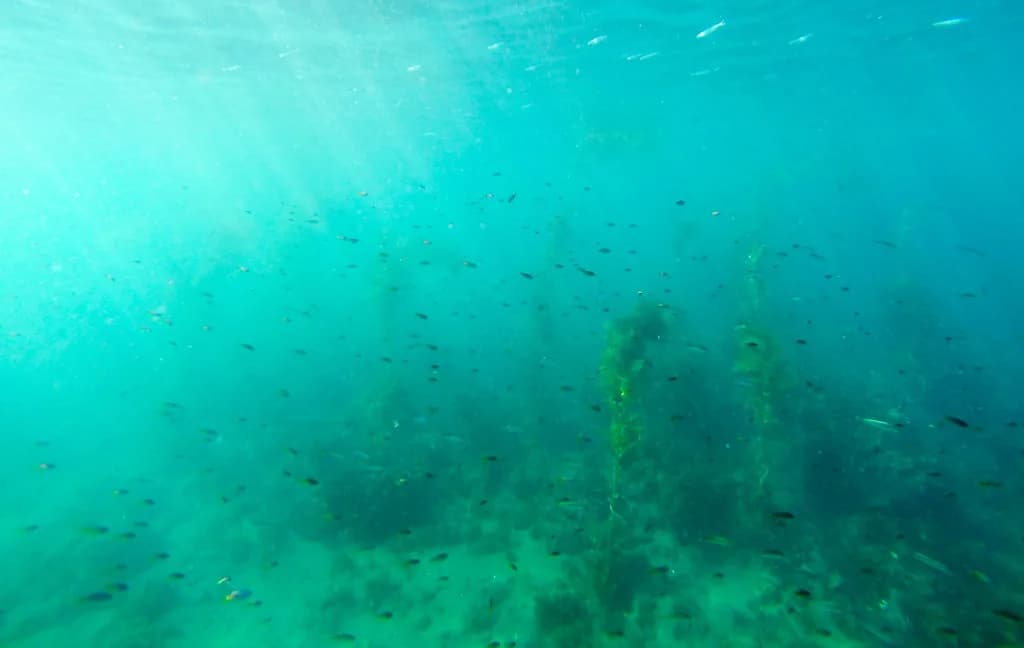
Kelp grows where rock gives it hold, so follow the edges of the cove rather than the middle of the channel. The forest rises from the bottom toward the surface, and the most comfortable snorkeling is along its fringe, where light comes through and you can see both the kelp and the rocky bottom. Where the kelp thins and the bottom drops away, turn back.
The west end of Santa Cruz, including the Painted Cave area, is a different proposition. It is rough, exposed coastline reached by full-day guided excursions rather than a beach entry, and it is a poor fit for anyone uncomfortable in open ocean swell.
What You Will See
The signature fish is the garibaldi, a bright orange damselfish that holds territory around rocky cover and will face down a snorkeler rather than flee. California sheephead and kelp bass work the deeper structure, while opaleye and smaller rockfish cluster nearer the kelp stipes. Look down rather than out: spiny lobster sit in crevices, urchins carpet the rock, and sea stars and nudibranchs reward slow, close swimming.
Leopard sharks and bat rays use the sandy and eelgrass habitat, and they typically move away from a swimmer. Harbor seals and California sea lions are the memorable encounters, and both are protected: keep your distance, do not chase, block or corner an animal, and let it choose the interaction. The NPS prohibits feeding, touching, teasing, frightening or intentionally disturbing wildlife anywhere in the park.
Do not count on a particular animal showing up. Wildlife moves with tide, light and season, and a quiet day on the reef is still a good snorkel. If a seal or sea lion takes interest, hold your position and let it pass.
Water Temperature and Wetsuit Choice
The NPS puts ocean water at the park at roughly 55 to 70 degrees Fahrenheit and recommends wetsuits and hoods for snorkelers and divers. Plan for the cool end of that range on any given morning, since the published figure is a range, not a promise for your date.
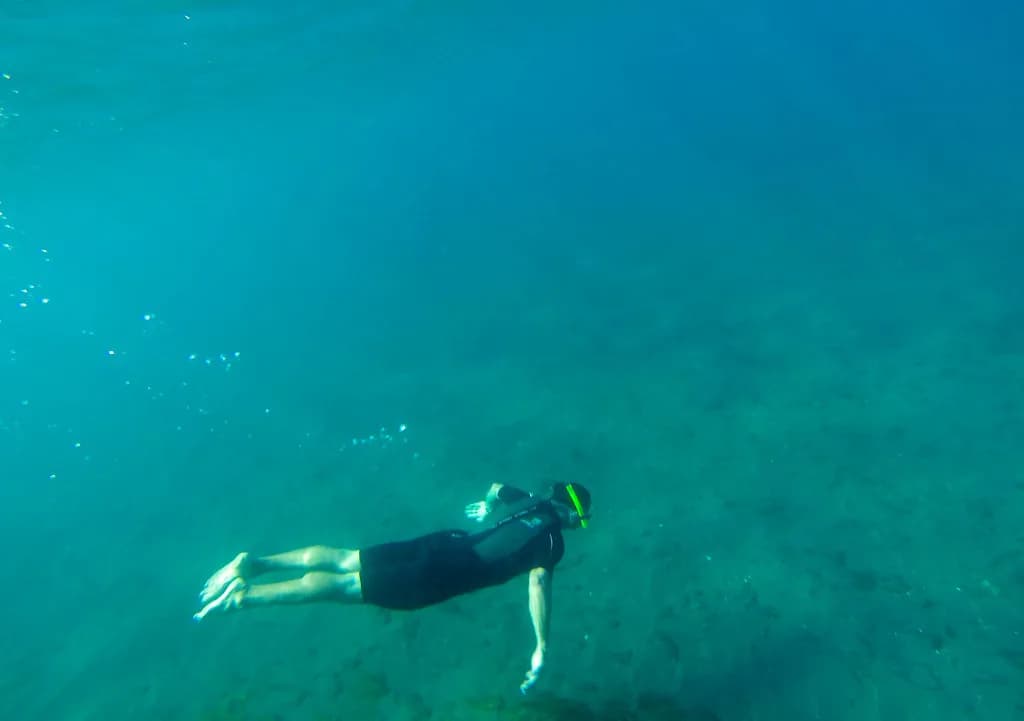
Treat the wetsuit as the central gear decision. A full suit with a hood keeps a long snorkel comfortable, and layering a thin neoprene top under it adds warmth on a cold crossing; gloves and booties help on a long session. Rental gear at Scorpion comes through Channel Islands Adventure Company, the authorized concession, and its published snorkel-tour information requires guests to know how to swim and to have prior snorkeling experience, so read the tour terms before booking.
Skill Level: Who Scorpion Suits
Scorpion is the park's beginner-friendly self-guided option, which is not the same as an easy swim. You need to be a competent swimmer, comfortable putting your face in cold water, and able to manage your own gear without a guide beside you. Children who swim well can enjoy the shallow edges of the cove with an adult, but the open cove is not a pool.
By contrast, the NPS advises that snorkeling and diving not be attempted at Santa Rosa and San Miguel by novices or anyone not properly trained, conditioned and equipped, because of persistent extreme wind. If your group mixes strong and weak swimmers, Scorpion is the sensible base and the west-island trips are the upgrade for the experienced ones. Compare the anacapa island snorkeling option as well, since Anacapa's landing cove offers a ladder entry into kelp but demands open-ocean comfort and has no lifeguards. For a mainland alternative with similar kelp and cold water, the snorkeling in Monterey guide is the closest comparison to weigh against a boat day here.
The cold-water, remote setting is exactly why the park's guided snorkeling tours exist: a guide handles the conditions call and the route, which matters most for a first cold-water trip or a group with mixed experience.
Guided Snorkel Tours and Rentals at Scorpion Anchorage
Channel Islands Adventure Company, the park's authorized kayak guide and outfitting concession for the Scorpion Anchorage area, runs snorkel equipment rentals and guided snorkel tours there, and the NPS notes this is the only place in the park with those services. There are no kayak rentals on the island, so anything you want to paddle has to be arranged in advance. Pricing and availability change by season, so it is worth asking Channel Islands Adventure Company about current rates when you book the boat.
A guided snorkel removes the gear logistics and adds a marine-life briefing, which is worth the money on a first visit to cold kelp water. Tours fill, and Channel Islands Adventure Company asks guests to book ahead. If you would rather self-guide, reserve the rental with the same booking so your fins and wetsuit are waiting when the boat lands; check current dates and prices with Channel Islands Adventure Company when you reserve.
Best Time of Year and Time of Day
The NPS notes that the calmest winds and sea conditions in the Santa Barbara Channel often come August through October, while the other months carry a much greater chance of adverse wind and sudden change. Winds are typically calm in the early morning and build through the afternoon, and the prevailing direction is northwest. That pattern argues for a morning snorkel and a hike or beach walk once the chop comes up.
Strong east or Santa Ana winds are possible at any time and most common September through April, and dense fog is common in summer. Fog does not stop a snorkel but it can scrub the boat ride, so build slack into your plans rather than a tight same-day turnaround. When the forecast looks marginal, ask the boat operator and park staff for a conditions read before you commit to the crossing.
Hazards: Wind, Currents, Cold Water and Boat Traffic
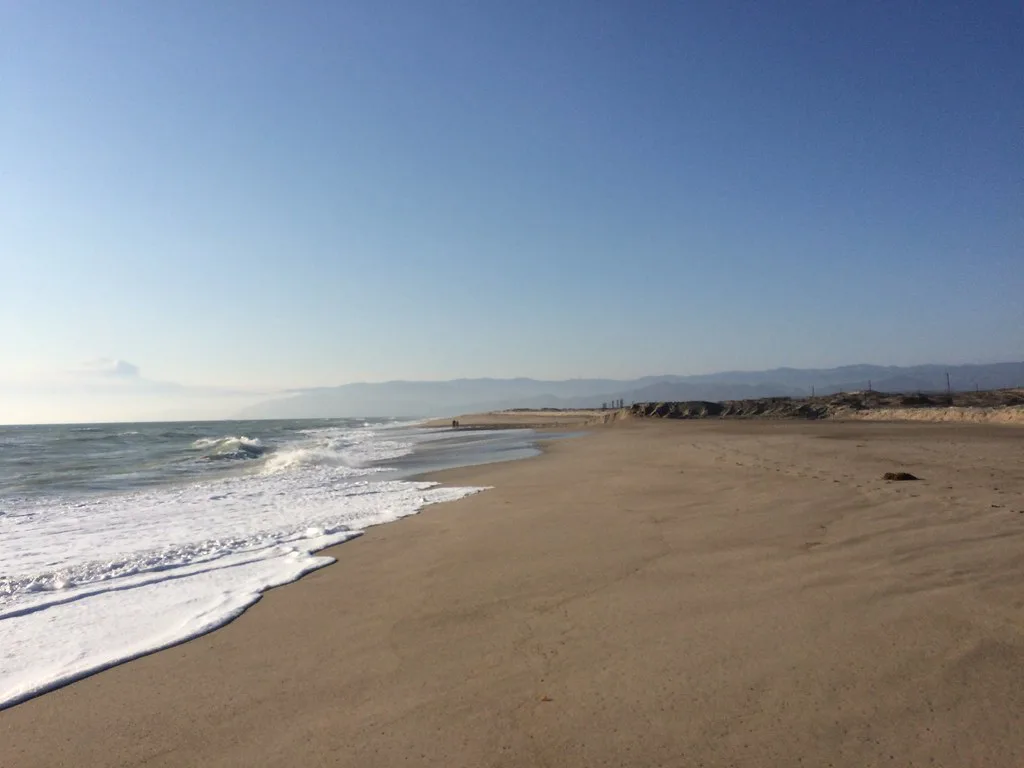
The NPS states plainly that there are no lifeguards on duty and all water sports are at your own risk. Currents outside coves and protected beach areas can be strong, and many island beaches have steep, dangerous shore breaks. Winds and swell generally arrive from the northwest and strengthen as the day goes on, so an afternoon swim is a different proposition from a morning one.
Boat traffic is a real factor at a working anchorage: stay clear of skiffs conducting surf landings and out of the pier approach. Sea caves are the other trap; large waves or swells can fill a cave unexpectedly, and the NPS asks kayakers in caves to exit only if they know the conditions, wear a helmet and never leave the boat inside. A snorkeler should treat caves and arches as view-from-outside features. Snorkel with a buddy so someone can raise the alarm if something goes wrong.
Stick to the skills of the least experienced person in your group and save energy for the swim back. If the wind picks up and the surface gets choppy, head in early rather than pushing the far side of the cove.
Rules: Marine Reserves, Wildlife and Closed Rocks
The marine reserves in the park are closed to fishing, so a snorkel here is a look-don't-take experience. It is illegal to feed, touch, tease, frighten or intentionally disturb wildlife, which covers everything from garibaldi to sea lions. Do not handle animals, do not move them, and do not chase a photo.
Scorpion Rock and all other offshore islets in the park are off limits, with no landing on rocks or islets on or near any island, and pets are not allowed in the park. The Santa Cruz shoreline between Arch Point, northwest of Scorpion Anchorage, and the east boundary of Potato Harbor is closed to landing to protect nesting seabirds. Other shorelines and beaches can close seasonally for pinnipeds and seabirds, so plan your route inside the anchorage rather than along the closed stretches.
On Santa Rosa, the back beaches and dunes from Skunk Point to just north of East Point close from March 1 to September 15 to protect nesting snowy plover, a federally listed threatened shorebird, and the beaches around Sandy Point close year-round. The closures change by island and season, so confirm your specific beach with island staff when you land.
Beyond Scorpion: Pelican Bay, Painted Cave and the West Island
Pelican Bay, reached by a strenuous hike from Prisoners Harbor on the island's north shore, offers a secluded rocky entry and clear water over urchin-covered rock, with a barnacle shelf that makes getting out awkward. The NPS requires a landing permit for The Nature Conservancy property on Santa Cruz, which covers that side of the island, so reaching it by boat is a permit-and-plan proposition rather than a walk-on. The park directs boaters to the Conservancy for the permit and notes a fee applies, allowing 10-12 days for processing.
Painted Cave and the rugged west end are the big-ticket scenery, and the sea state there often keeps boats away. The practical route is a full-day guided excursion out of the harbor rather than a self-guided swim. If you want the broader picture of what the park's other islands offer, the Snorkeling in Channel Islands National Park guide and the Santa Rosa Island page put Santa Cruz in context.
Combining the Swim with Hiking and Camping
Scorpion rewards a full day rather than a quick dip. The NPS describes the anchorage as a base with nearby camping and plentiful hiking, so pack a lunch, snorkel in the morning, then walk the bluffs in the afternoon when the wind builds. The campground sits within easy reach of the landing.
Camping turns one boat day into two and puts you in the water at first light, before the day visitors land. That is the best argument for carrying a tent on the crossing. Bring a food storage box or use the animal boxes, because foxes, ravens and gulls will work zippers for food and keys.
What to Bring and How to Plan the Boat Day
Pack a mask that fits, fins, a full wetsuit with a hood, booties, a towel and a warm layer, plus all your food and water for the day. A dive flag is required for divers, and the NPS advises unloaded spearguns at least 50 feet from the beach. Leave an itinerary with someone on shore, including your boat, your return time and your plan, and know your boat's departure time cold.
Sunscreen, a hat and sunglasses matter more than people expect on a boat, and reef-safe products are the courteous choice for a protected marine environment. Cash and a charged phone are worth the weight. When the forecast looks uncertain, ask the boat operator before you load gear, and check the park's current alerts before the crossing so a beach or shoreline closure does not catch you at the water's edge.
Plan Your Visit
Santa Cruz Island is the most attainable cold-water kelp snorkel in the national park system: a boat from Ventura, a sandy entry at Scorpion Beach and rock-and-kelp structure a short swim from shore. Go in the morning, wear more neoprene than you think you need, and stay inside the cove rather than testing the open channel.
Book the boat and any guided snorkel or rental together, treat the return departure as fixed, and follow the reserve and wildlife rules that keep the fish calm and the animals wild. If you want more options before you commit, weigh the Snorkeling Scorpion Anchorage, Santa Cruz Island cove details against the Anacapa landing-cove alternative and pick according to your group's open-water comfort.
Frequently Asked Questions
Can you snorkel Santa Cruz Island without a tour?
Yes, at Scorpion Anchorage on the east end. You take the concessionaire boat from Ventura, walk in from Scorpion Beach and swim to the kelp on your own. You still need a competent swimmer in the group and all your own gear or a rental arranged in advance, because there are no lifeguards and no services beyond the concession.
How do you get to Scorpion Anchorage for snorkeling?
By concessionaire boat from the Ventura area; the park directs Scorpion-bound visitors to its authorized concession at the anchorage. There is no road access to the island, and the return boat sets your hard deadline. Book the crossing first and build the rest of the day around it.
What water temperature should you expect snorkeling Santa Cruz Island?
The National Park Service gives a park-wide range of roughly 55 to 70 degrees Fahrenheit and recommends wetsuits and hoods. Treat that as a range rather than a forecast: mornings and the shoulder seasons run cooler, and a full suit is the difference between a long snorkel and a short one.
Do you need a wetsuit to snorkel the Channel Islands?
The park recommends one, and most snorkelers will be far more comfortable in a full suit with a hood, gloves and booties. Rentals at Scorpion come through the authorized concession, so reserve yours with the boat booking rather than assuming gear is available on the beach.
What fish will you see snorkeling Scorpion Cove?
Garibaldi are the most conspicuous, holding territory over rocky cover, with California sheephead, kelp bass, opaleye and rockfish around the kelp and rock. Urchins, sea stars and spiny lobster fill the crevices, and leopard sharks, bat rays, harbor seals and sea lions pass through. Sightings vary by day and none are guaranteed.
Is Santa Cruz Island snorkeling good for beginners?
Scorpion is the park's realistic self-guided option for a swimmer with some open-water comfort, thanks to the sandy entry and short swim to the kelp. It is not a beginner pool: there are no lifeguards, the water is cold and the wind builds through the day. A guided snorkel is the better call for a first cold-water trip.
When is the best time of year to snorkel Santa Cruz Island?
The park notes the calmest winds and seas typically come August through October, with wind strongest in the afternoon and generally from the northwest. Strong east winds are most common September through April. Plan a morning swim regardless of season, and check the marine forecast when conditions are marginal.
Are there snorkel rentals on Santa Cruz Island?
Yes, at Scorpion Anchorage only, through Channel Islands Adventure Company, the park's authorized concession for that area, which also runs guided snorkel tours. There are no kayak rentals on the island, and tour spots fill, so reserve ahead. Rates are set at booking.
Sources
Snorkeling notes for your next trip
Optional updates to our snorkeling guides.
You might also like
Continue reading
More guides you'll find useful