Juniper Springs Snorkeling: Florida Springs Guide
Snorkeling Juniper Springs means a 72°F headspring pool, sand boils and turtles in Ocala National Forest. Here is entry, depth, fees and what to bring.
On this page
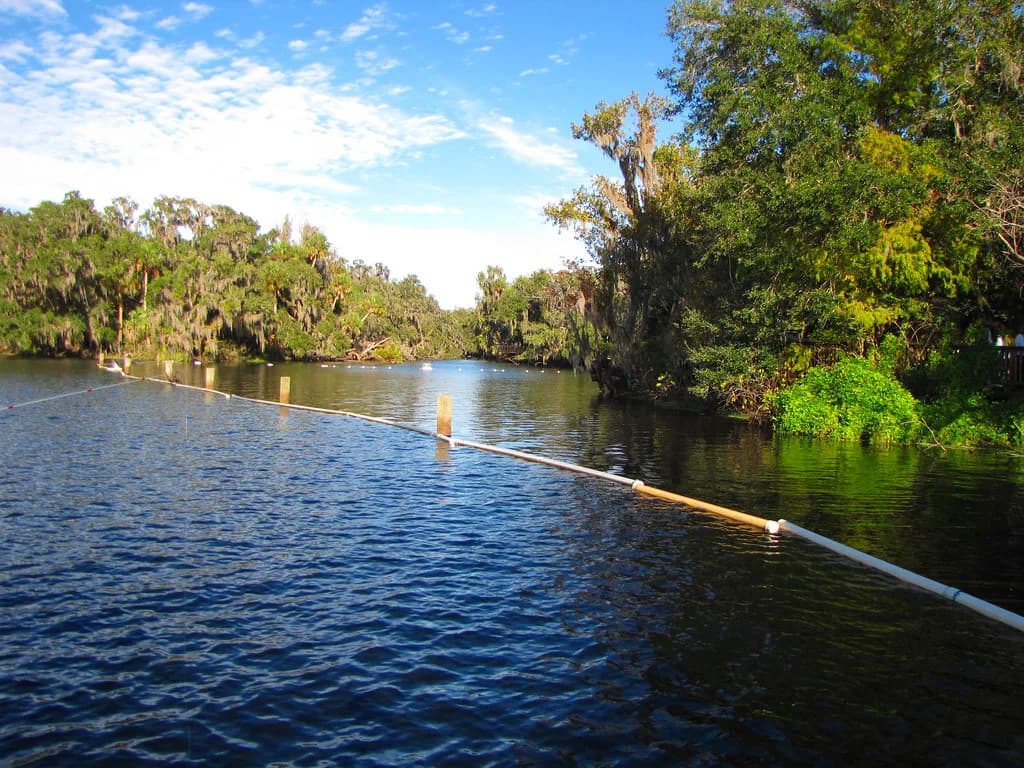
Juniper Springs is the rare freshwater snorkel where you can step off a paved path into cold, glass-clear water and watch the bottom move. The swimming basin sits under palms and oaks inside the Big Scrub of Ocala National Forest, and the water holds a constant 72°F year-round, which is what makes a rash guard worth packing even in July.
This is a good fit for casual swimmers, kids comfortable standing in a pool, and anyone who wants a mask-and-fins session without a boat ride or a long hike. Strong open-water snorkelers will find the basin small, and the real reward here is the clarity and the spring geology rather than reef-scale distance.
Where Juniper Springs Is
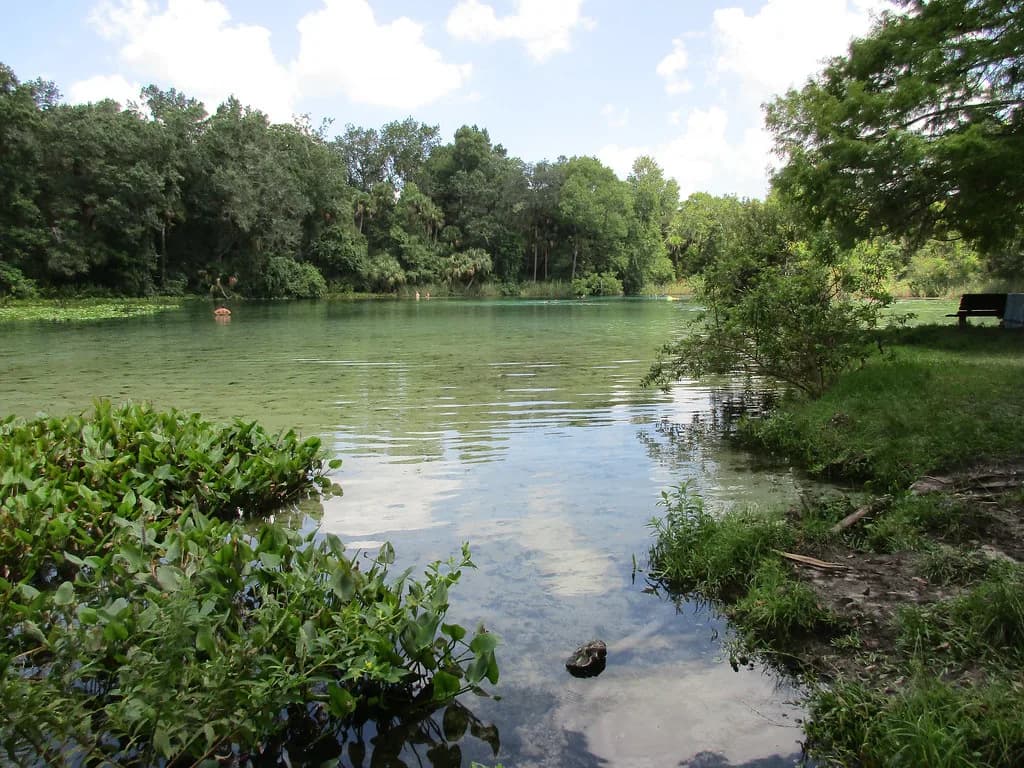
The recreation area sits at 26701 SR 40 in Silver Springs, on the eastern edge of Ocala National Forest, about 30 minutes from Ocala. From the parking area you follow a paved path between the buildings to the bathhouse and concession store, then out to the patio and picnic area that overlooks the spring basin.
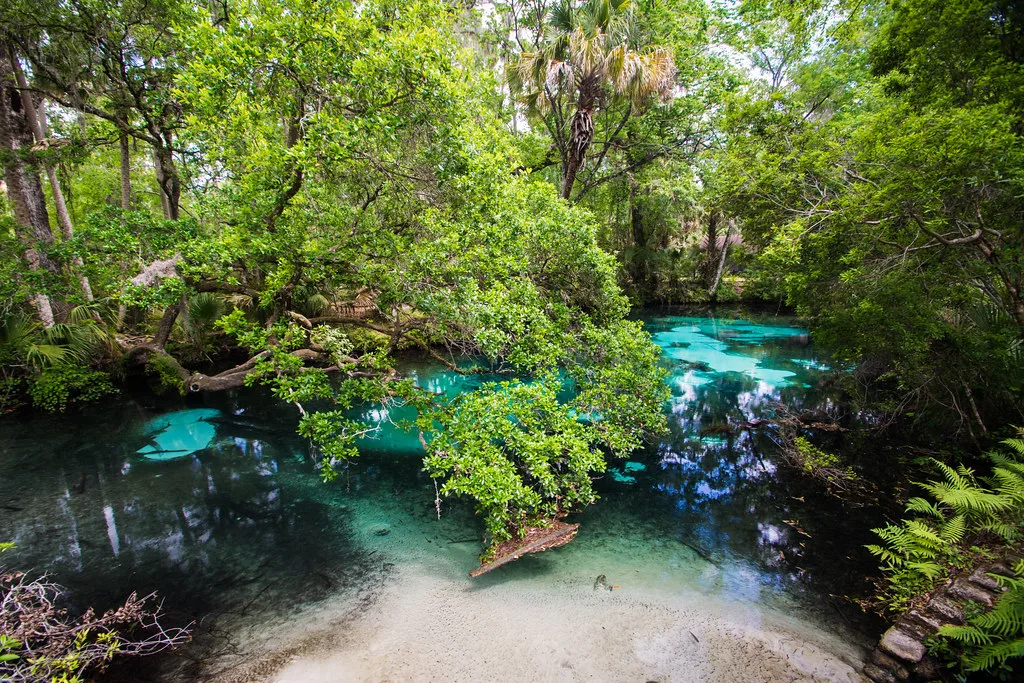
The setting is what surprises first-time visitors: the spring emerges from a cavern in the middle of the world's largest scrub forest, so a jungle-like hammock of palms and ferns sits inside an otherwise dry, sandy landscape. The Civilian Conservation Corps built the swimming and camping area in the 1930s, and the old mill at the outflow once generated electricity for the campground.
Getting In
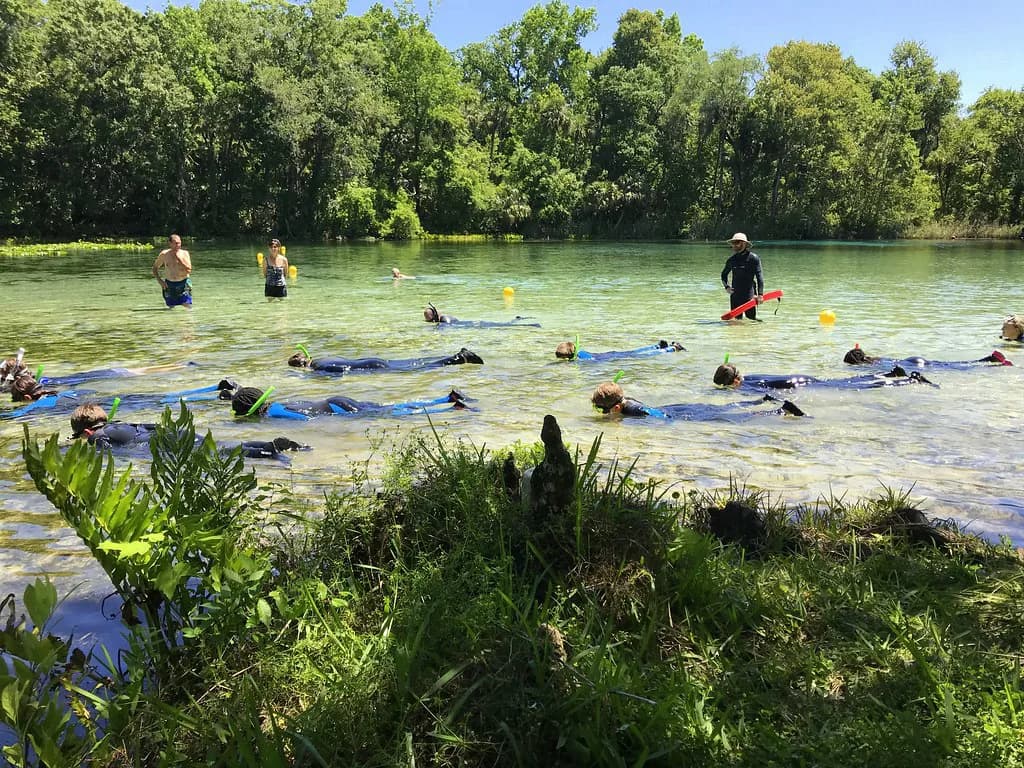
Entry to the water is a straightforward walk-in from the paved path and patio, with no boat, ladder or rock scramble required. You are swimming in a developed basin at the headspring rather than finning out over a wild reef, so mask, snorkel and fins are enough; leave the dive gear at home.
Because it is a contained pool, the basin behaves like typical Florida spring swimming water: shallow enough to stand in around the edges, with the cavern outflow at the head. Treat the basin as pool-style snorkeling and keep your fins off the bottom, where silt and vegetation sit.
What the Water Is Like
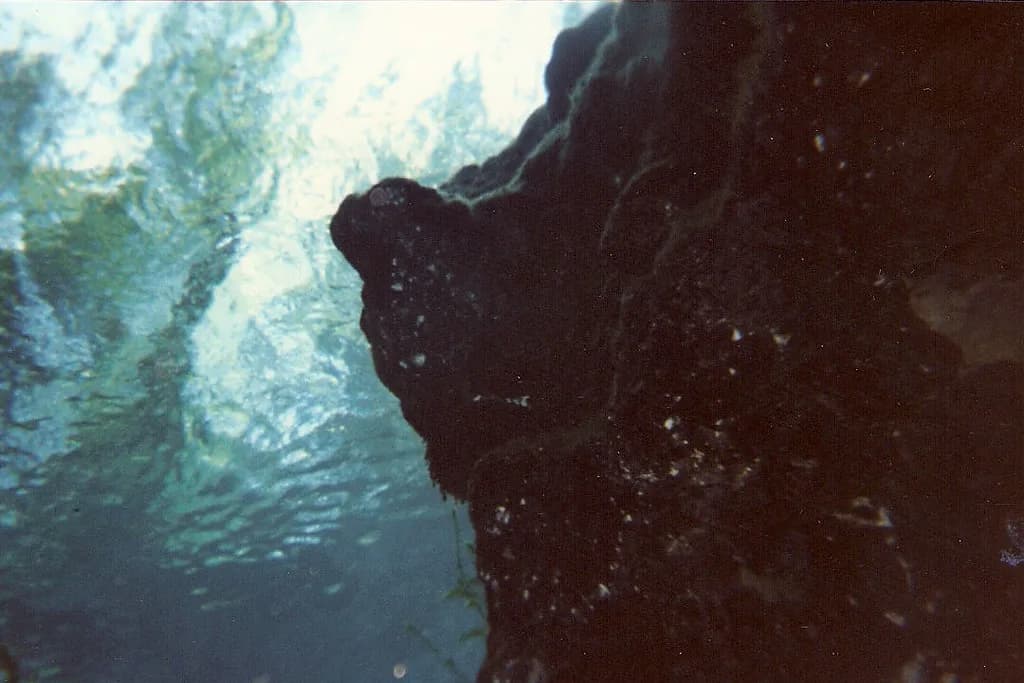
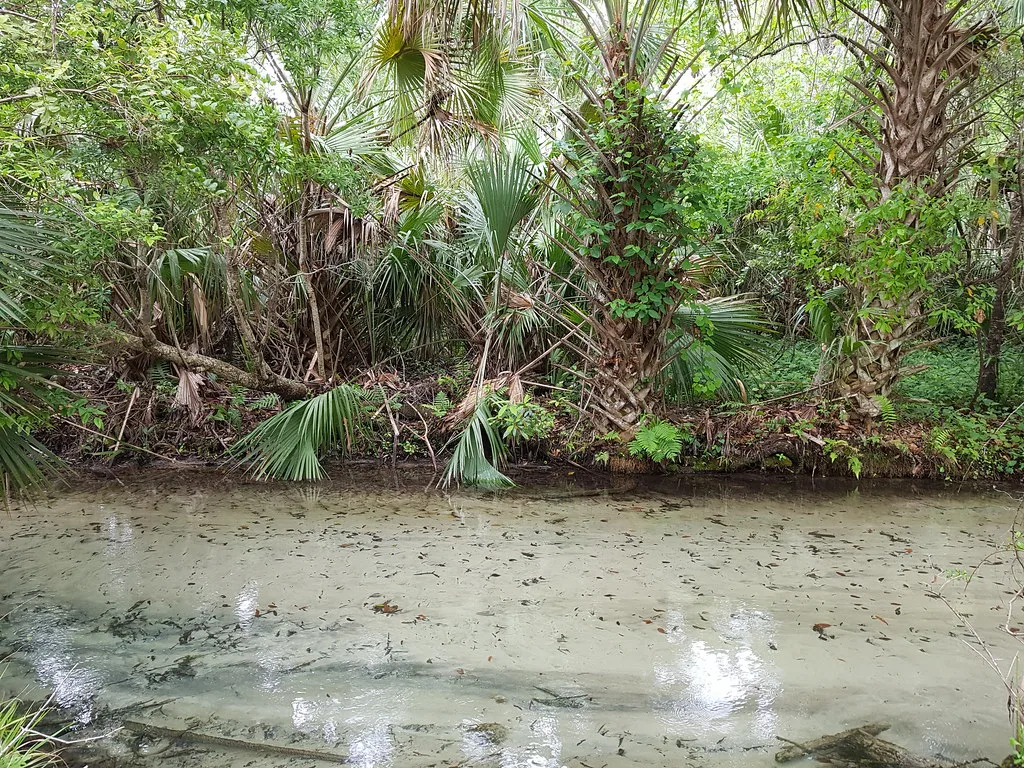
The headspring pours out of a cavern, and the spring run beyond it is studded with tiny bubblers that push up through the sandy bottom. In Fern Hammock, the flow forms flat, eerie boils and larger upwellings that lift clouds of sand, which is the closest thing here to watching a reef in motion.
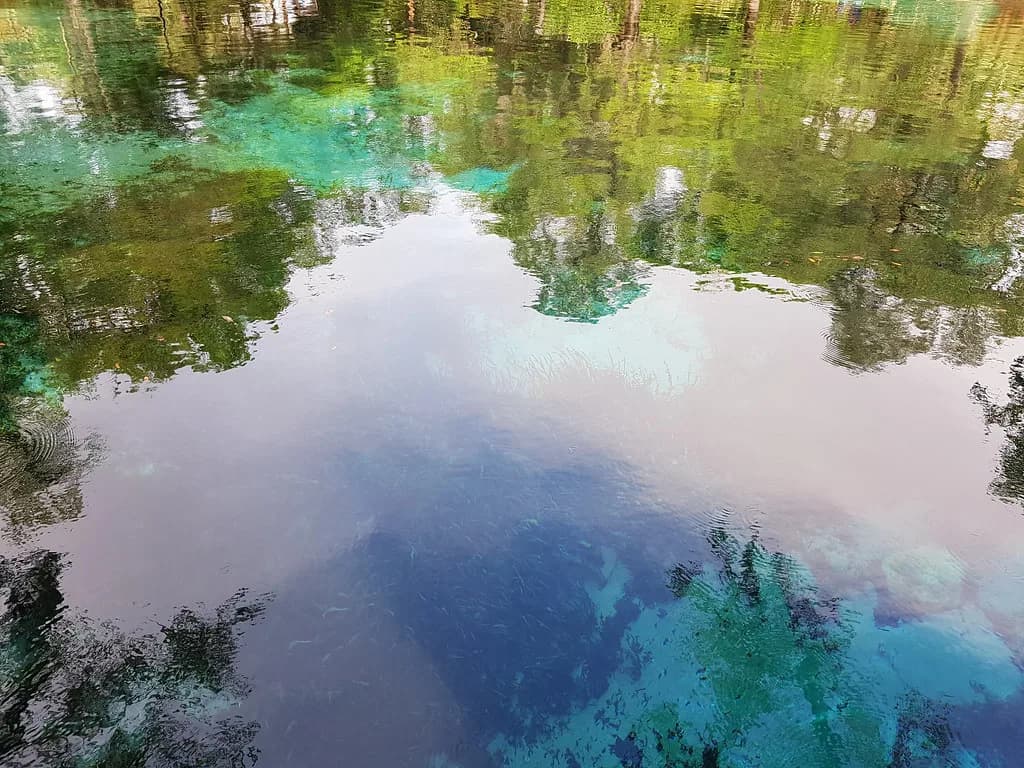
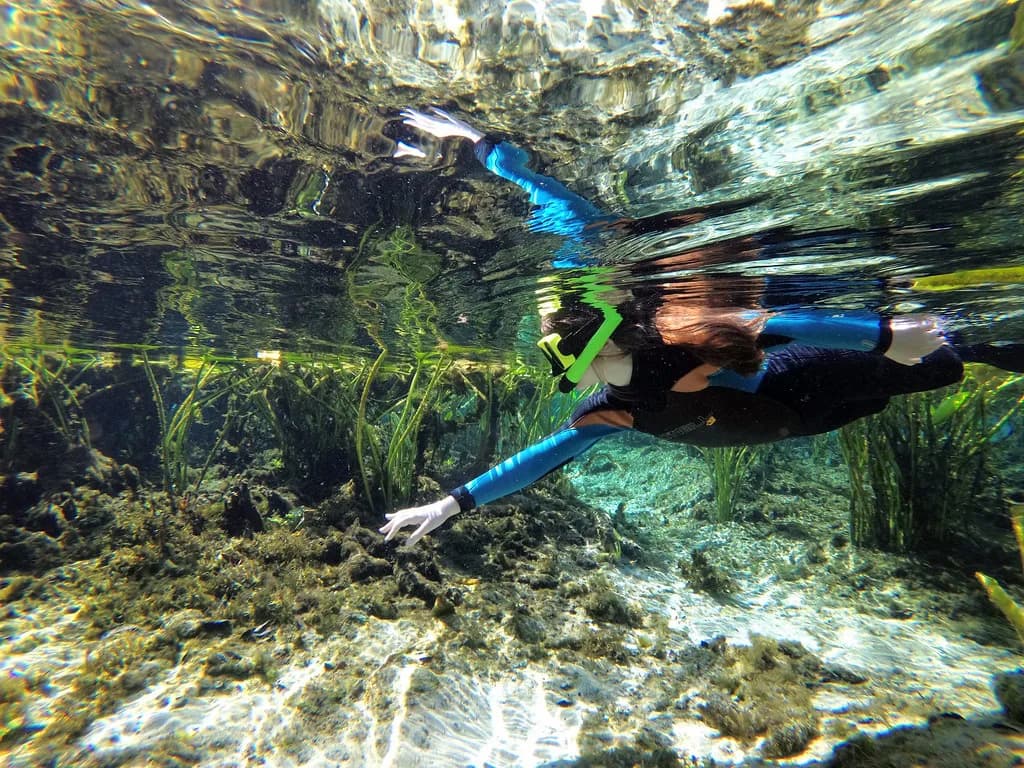
Visibility in these springs is high, and the water stays cold all year, so a thin rash guard or swim shirt extends your comfortable time in the basin considerably. Morning light angles into the pool and makes the sand and submerged greenery easier to read than at midday.
What You Will See
Turtles and fish are the reliable sightings in the clear spring water, and the sandy boils themselves are the main attraction, reshaping minute by minute as you watch. You may also spot the odd blonde squirrel on the hammock trails, a genetic quirk of the local gray squirrel population.
The palm- and oak-covered oasis around the swimming area supports turtles, deer and other forest wildlife, so keep your distance and let animals move through on their own terms. Food storage matters here: bears and raccoons raid loose food and tents, and securing food and scented items in your vehicle is required throughout National Forests in Florida.
Fern Hammock Springs and the Nature Trail
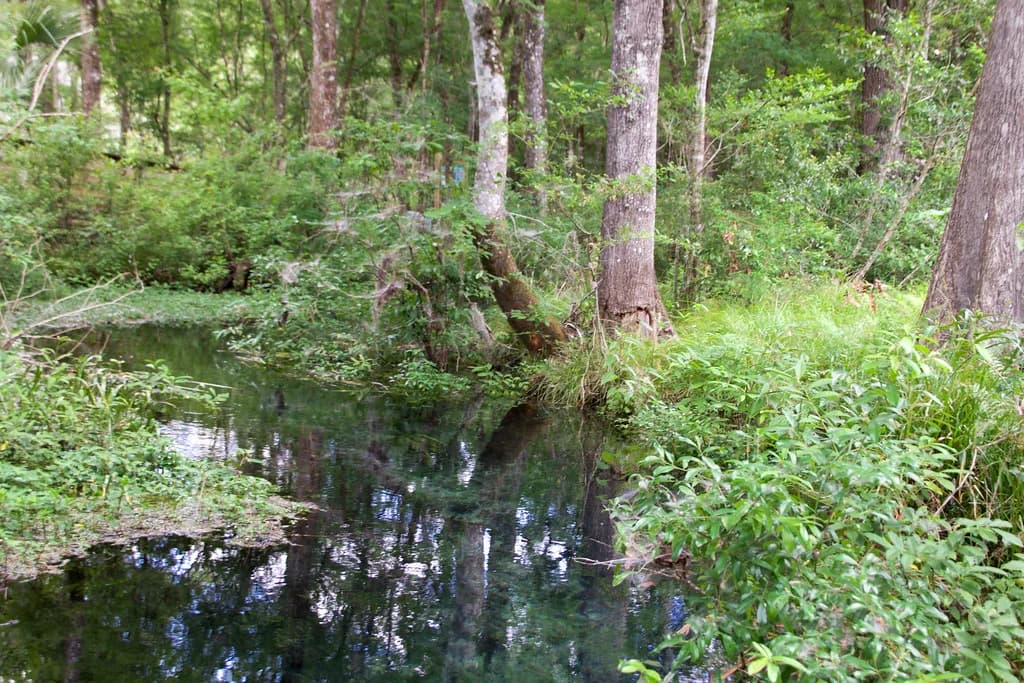
The Juniper Creek Nature Trail runs between Juniper Springs and Fern Hammock Springs, crossing a bridge over the run where the giant aquamarine boil is easiest to see from above. Walking it gives you a dry-land read on the same geology you are snorkeling, including the quicksand-like patches where springs push up through the bed.
The boardwalk section passes needle palms, marsh fern and sword fern in dense subtropical hammock, and the round trip is about 1.4 miles. Pair a morning swim with the walk to see the boils without finning over them.
Skill Level and Who It Suits
Snorkeling in the headspring basin is beginner territory, and families with kids who can stand in a pool will be comfortable. The deeper water here is a different proposition: Juniper Run, the spring-fed creek that flows out of the recreation area, is a remote wilderness paddle that the concession operator explicitly does not recommend for beginners, and mechanical tools are not permitted on it.
If you want a bigger underwater day than a headspring pool, compare this with the spring runs covered in the guide to the best springs to snorkel in Florida before committing to Juniper as your main stop. Snorkelers weighing other saltwater options can also read the broader guide to snorkeling in Florida for shore versus boat choices. Paddlers who want the run should book through the concession and expect a four-hour downstream journey to the SR 19 take-out.
Best Time to Go
The water holds a constant 72°F, so summer visits feel bracing rather than bathtub-warm, and winter visits are swimmable with a rash guard. Go early: day use is first-come, first-served until the area reaches capacity, and the gate fills on warm weekends.
Hazards to Plan Around
Alligators do live in these springs, so keep to the developed swimming basin and stay alert in the run and along the banks. The cold water itself is the other factor: 72°F feels chilly after twenty minutes, and children tire faster than adults in it.
Treat Juniper Run as a wilderness trip, not a float; Adventure Ocala, the concession that runs Juniper Springs, describes it as remote, and the take-out sits along SR 19 roughly nine miles north of SR 40, well away from the swimming area. Gate and launch details come from the concession, so plan around the day-use hours posted at the entrance before you drive out.
Fees and Hours
Day use carries a per-person admission fee collected at the gate, currently published at $14.50 per person plus tax, with children 5 and under free and an annual day use pass available on site. The recreation area is open 8 a.m. to 8 p.m. daily under the current concession operation, and entry is first-come, first-served until capacity is reached.
Paddlecraft rentals are listed at $65 for a single kayak and $75 for a double kayak or canoe, with an optional $15 shuttle per vessel. Paying at the gate is faster with the Recreation.gov app's Scan and Pay feature, which the county visitor bureau recommends downloading before arrival.
Rules and Facilities
Pets are not allowed in the day-use area, restrooms, boardwalk or on the canoe run, and alcohol is banned in the day-use area. Bicycles are also barred within the recreation area and along the nature trail, so plan to walk everything.
Facilities include restrooms at the bathhouse, a concession and camp store, picnic tables, a pavilion and paved paths, with the swimming and picnic area shaded by the surrounding hammock. Bring towels and warm layers for after the swim; the shade that makes the picnic area pleasant also keeps it cool.
Parking and Camping
Parking is on site at the recreation area, and the walk to the basin is short and paved. Campers can stay in the CCC-era campground tucked into the scrub forest, with tent and RV sites that connect to the spring by footpaths; sites are listed at $34 per night and must be reserved in advance through Recreation.gov.
Staying overnight turns one cold swim into two, with early-morning water before the day-use gate fills. Bear country rules still apply in camp, so lock food and scented items in your vehicle.
Nearby Springs to Combine
Silver Glen Springs, a first-magnitude spring with a strong aquamarine hue in the same national forest, makes an easy second stop on a springs-focused day. Silver Springs, closer to Ocala, adds a spring-run option if you want more time in clear water.
For a very different entry — a sunken cavern rather than a palm-shaded pool — the Devil's Den Snorkeling Guide covers a Williston spring reached by stairs into a collapsed chamber. Comparing the two helps you decide whether you want open sun and a boardwalk or a dark, enclosed swim.
What to Bring
Pack a mask, snorkel, fins and a rash guard for the 72°F water, plus a towel and dry clothes for the shaded picnic area. Water shoes help on the paved, sometimes slick paths near the basin and along the boardwalk.
Plan Your Juniper Springs Snorkel Day
Juniper Springs works best as a half-day: arrive near opening, swim the headspring basin while the light is good and the gate is quiet, then walk the nature trail to see Fern Hammock's boils from the bridge. Bring cash or the Recreation.gov app for the per-person gate fee and a rash guard for the constant cold water.
If you want a longer paddle, book the Juniper Run trip through the concession only if your group is experienced on moving water, and pair the day with Silver Glen Springs or another stop from the Florida springs guide. Adventure Ocala publishes current gate hours and fees, so check those before you go.
Frequently Asked Questions
Can you snorkel at Juniper Springs?
Yes. The headspring basin at Juniper Springs Recreation Area is a developed swimming area reached by a paved path from the parking lot, and it works well for mask-and-fins snorkeling in clear, cold water. The deeper Juniper Run creek is a separate paddle trip, not a snorkel route.
How deep is Juniper Springs?
Published descriptions focus on the cavern outflow at the headspring and the shallow boils along the run rather than giving a measured depth for the swimming basin. Treat the basin as pool-style swimming water where you can stand near the edges, and keep fins off the silty bottom.
What is the water temperature at Juniper Springs?
The spring holds a constant 72°F year-round, which feels refreshing in summer and genuinely cold in winter. A rash guard or thin swim shirt makes a longer session comfortable.
Do you need to bring your own mask to Juniper Springs?
The concession store stocks camp supplies, but the published amenity lists do not include snorkel gear rentals. Bring your own mask, snorkel and fins, and add water shoes for the paths around the basin.
Is Juniper Run good for beginners?
No. The concession operator describes Juniper Run as a remote wilderness paddle and states it is not for beginners, with mechanical tools not permitted on the run. The four-hour trip ends at a take-out along SR 19 well north of the recreation area.
How much is day use at Juniper Springs?
Day use is charged per person at the gate, with a reduced rate structure for young children and an annual pass option. Rates are set by the concession operator and can change, so confirm the current amount with Adventure Ocala or on the Recreation.gov listing before your visit.
Is there a lifeguard at Juniper Springs?
No source states whether a lifeguard is on duty at the swimming basin, so plan as you would for any developed spring swim: supervise children closely, account for the cold water, and stay within the marked swimming area.
Are there alligators at Juniper Springs?
Alligators do live in these springs, so stay in the developed swimming basin and keep alert along the run and banks. Do not feed or approach wildlife, and follow National Forests food-storage rules to keep animals out of camp.
Sources
Snorkeling notes for your next trip
Optional updates to our snorkeling guides.
You might also like
Continue reading
More guides you'll find useful