Ginnie Springs Snorkeling: Entry Points, Depths and Costs
Plan a snorkel day at Ginnie Springs near Gainesville: sandy basin entry, shallow spring run, fish and turtles, plus fees and the rules that shape a visit.
On this page
Ginnie Springs is the rare freshwater site where you can float over a broad, sandy basin in gin-clear water and then let the current carry you down a spring run toward the Santa Fe River. The park is privately owned and near High Springs, a short drive from Gainesville, which makes it an easy half-day for families and first-time snorkelers as well as a full day for anyone who wants to combine swimming, tubing and camping. Know in advance where the snorkeler-friendly water ends and the diver-only zones begin, because that boundary is the single most useful thing to understand before you go.
What Makes Ginnie Springs Worth the Swim
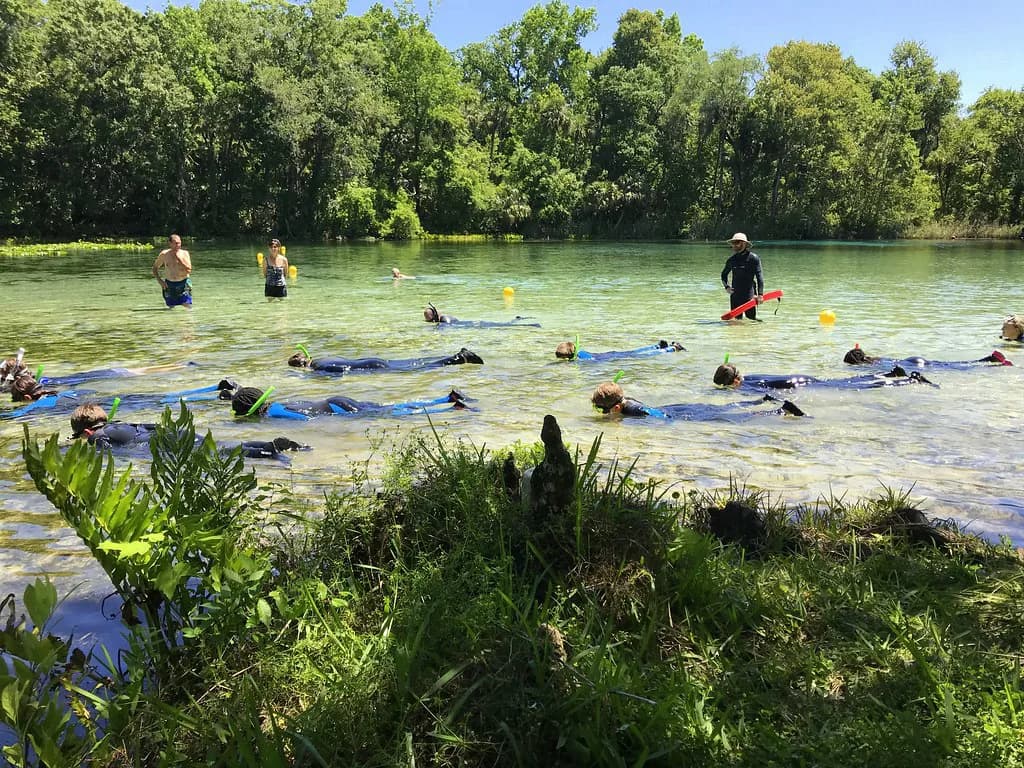
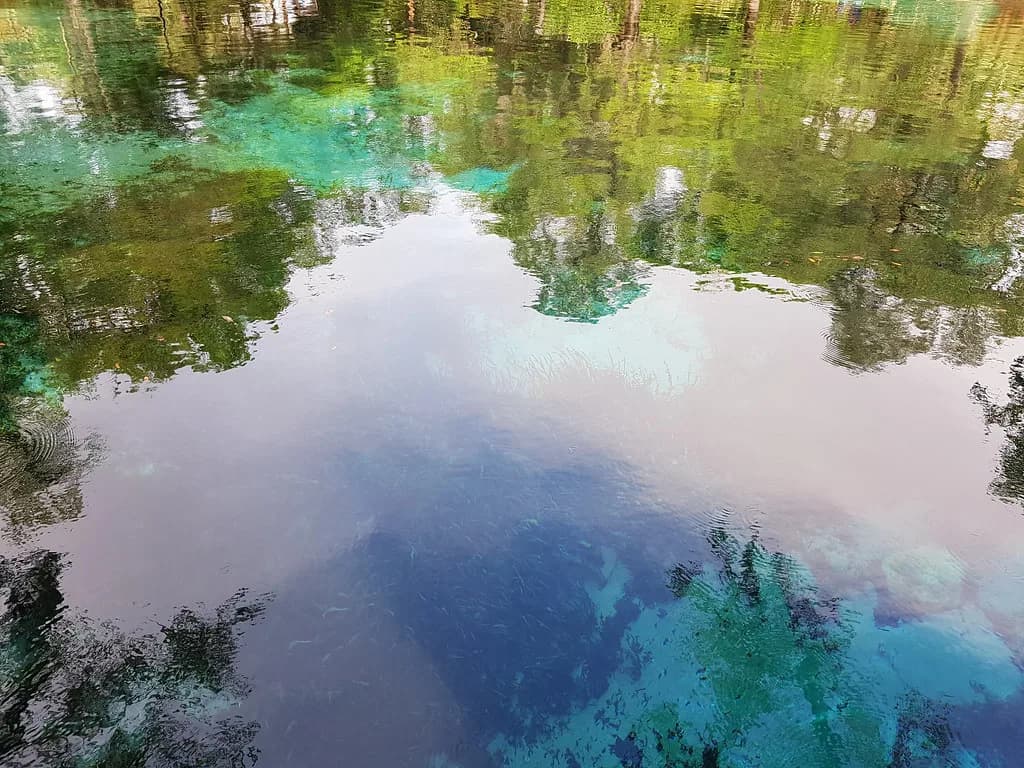
The draw is visibility and consistency: the spring-fed water is clear, shallow in the main basin and stays cool year-round, so the underwater scene is readable on a calm morning without a boat or long swim. You can wade in, put your mask down and watch fish move between plants and limestone within a short distance of shore, which is exactly the setup beginners want.
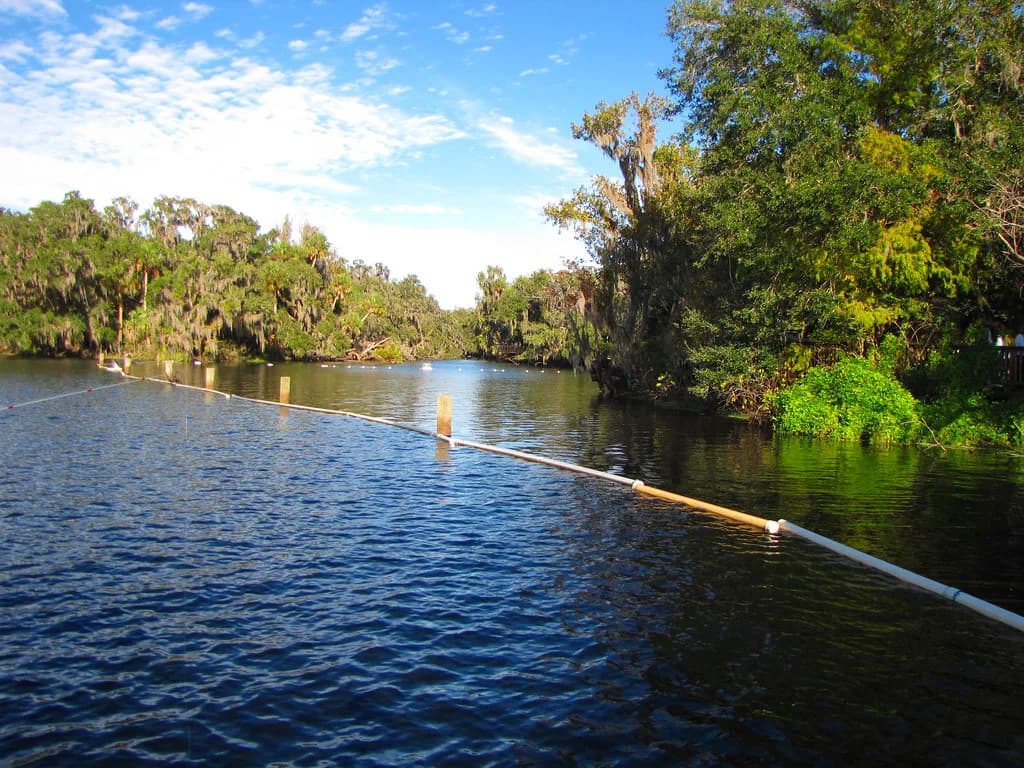
The headspring basin feeds a short run that connects to the Santa Fe River, giving you two different experiences in one visit: still, protected water in the basin and moving water along the run. Snorkeling is the right way to cover both, since the depths in the basin stay modest.
Where It Is and How to Get There
Ginnie Springs sits on the Santa Fe River just outside High Springs, northwest of Gainesville in Gilchrist County. The drive from Gainesville is short and mostly rural, so most visitors base themselves in High Springs or Gainesville and treat the spring as a day trip.
Because the park is private rather than a state park, its entrance procedures, fees and rental setup come from Ginnie Springs Outdoors, not from a county or state agency. Before you commit to a date, read the current visitor information on the park's own site so you know whether you need to pre-book and what the day pass covers.
Getting In: Sandy Entry and the Spring Run
Entry to the main basin is gradual over a sandy bottom, which is the most forgiving start for kids and anyone new to a mask and snorkel. You can stand in the shallows, adjust your gear and ease out until the bottom drops away, rather than committing to a deep plunge from a platform.
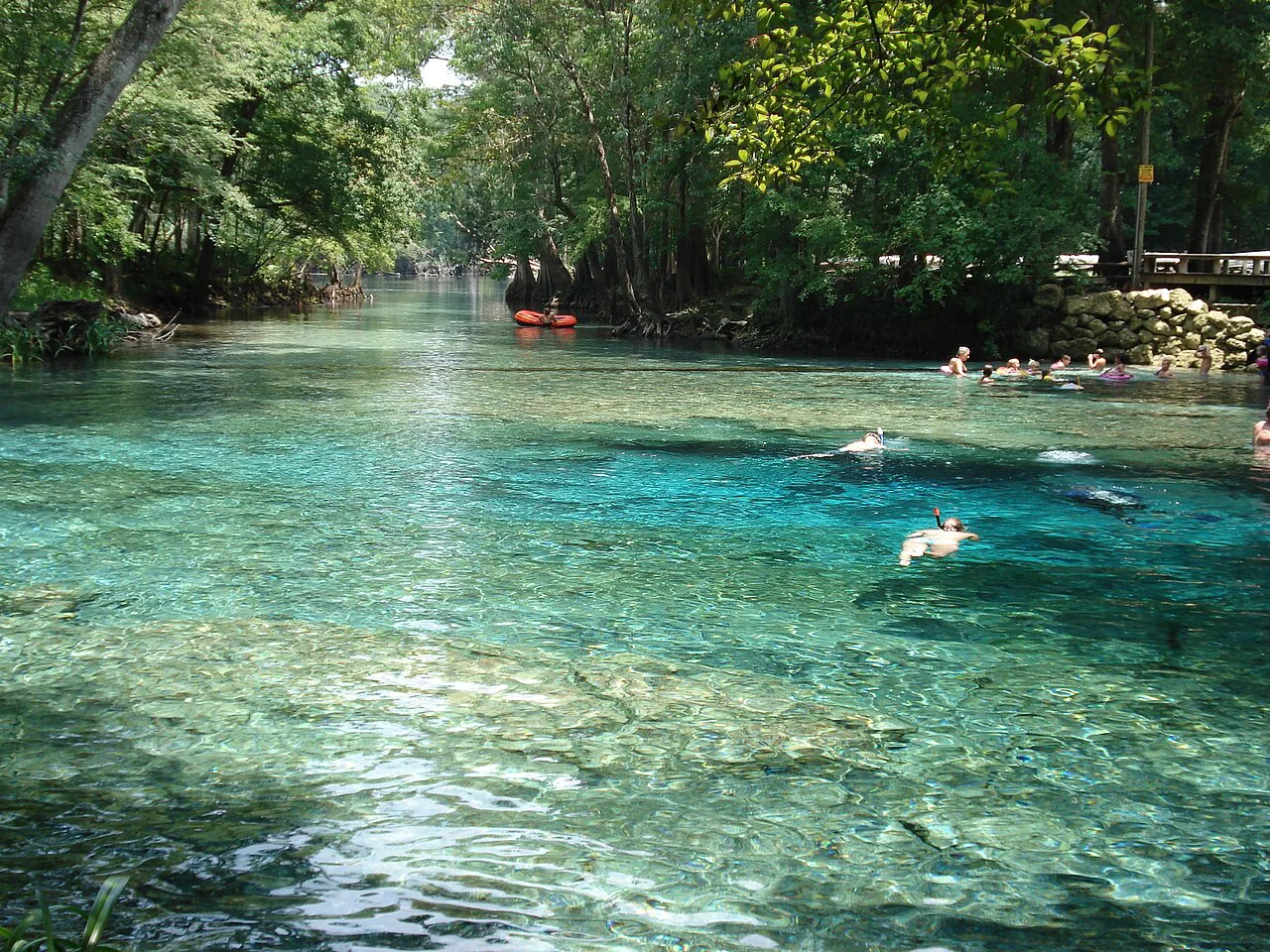
The spring run is the second phase of a snorkel session: instead of swimming in circles in the basin, you drift with the flow and use the edges and eddies to slow down and look around. Plan your exit before you start downstream, and keep a partner in sight, since floating with the current is easy and swimming back against it is not.
How the Basin Is Laid Out
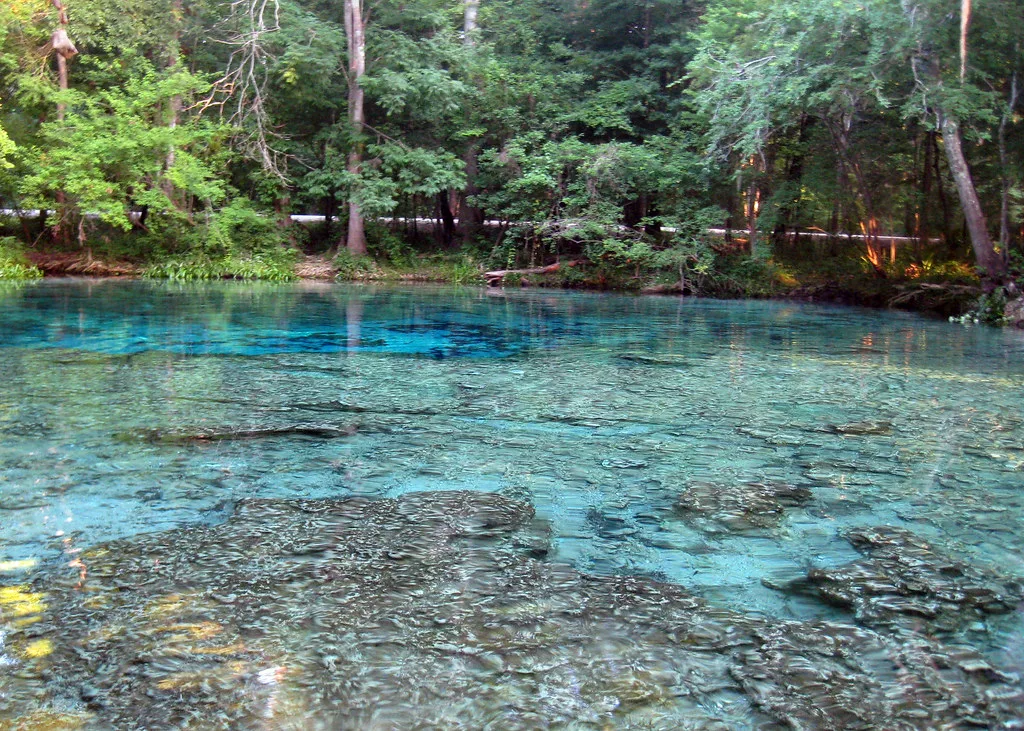
The headspring is a wide, open bowl, often called the ballroom, with a shallow rim that deepens toward the middle. That shape suits snorkelers: you can hover over the shallow shelf watching fish and plants, then swim a few strokes toward the center where the water is deeper and the light shifts.
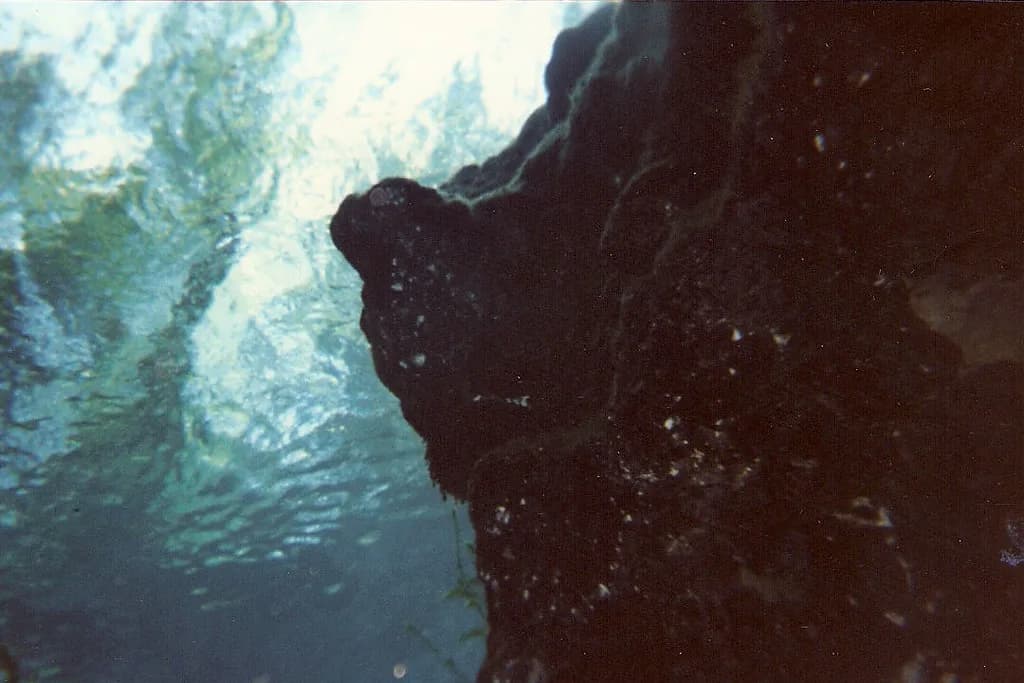
Below the basin, a cavern entrance opens into the spring's cave system, and that zone belongs to certified divers, not snorkelers. Treat the dark opening at the bottom as a boundary rather than a destination: snorkeling stays in the open, daylit water above it, and cavern or cave travel requires dive training and the park's diving rules.
What You Will See
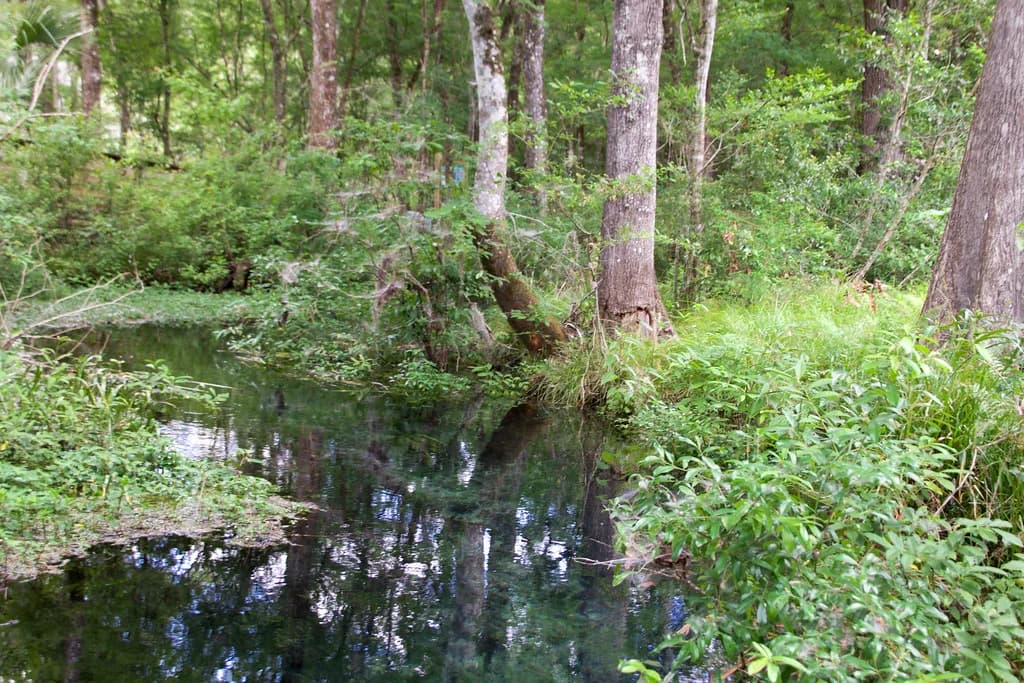
Expect a freshwater scene rather than a coral reef: sandy patches, submerged logs, aquatic grasses and limestone edges, with fish holding near cover and in the shaded corners of the basin. Turtles turn up in Florida spring runs, and the overhanging trees and riverbank give you plenty to scan between fish.
Florida spring residents are wild animals, so keep your distance and let them move on their own terms; never chase, touch or feed anything, and give turtles and any other wildlife room to swim away. Sightings vary by season, water level and how busy the spring is, so treat any particular animal as a bonus rather than a guarantee.
Depth and Snorkeling Limits
Snorkeling happens in the open basin and run, where you can stay in a few feet of water near the edges or hover over deeper water in the middle without ever needing to descend. The cavern and cave zones are a separate activity governed by the park's dive rules and certification requirements, so plan a snorkel day that stays above them.
If you want a second freshwater spring where the whole family can swim from shallow, marked entry steps, Alexander Springs in the Ocala National Forest is a useful comparison. For a saltwater alternative when you want shore-entry snorkeling instead of a spring basin, snorkeling in Sarasota offers its own set of shallow, beginner-friendly spots. Read the guide to the best springs to snorkel in Florida to see how the state's spring options differ in depth, entry and setting.
Skill Level and Who It Suits
Beginners, families with kids and casual snorkelers get the most from the basin, where shallow water, a sandy bottom and easy wading make it simple to build confidence. Strong swimmers can cover more ground by following the run, but the point of Ginnie is relaxed floating and looking, not distance.
Anyone hoping to see the cavern should plan a separate, certified dive trip rather than treating it as a snorkel add-on. If you want an underground spring experience without cave training, Devil's Den in Williston is a cavern dive site with its own certification and gear rules; see the Devil's Den snorkeling guide for how that site works.
Best Time to Go
Go early. Gates and rental counters build queues as the morning wears on, and summer weekends bring tubers in numbers that turn the basin into a busy, splashing scene rather than a quiet one. An early arrival also gives you calmer water and better light before the crowd churns the surface.
Season matters less than you might think, because the spring water temperature holds steady, but air temperature swings the other way: midsummer afternoons are hot and humid, while winter mornings can be genuinely chilly on the walk from the car. A rash guard or thin neoprene top handles both the cool water and the sun, and a weekday visit in spring or fall is the most comfortable compromise.
Fees, Reservations and What Entry Includes
Ginnie Springs is privately operated and charges admission, with separate rates published for certified divers, and the park also sells camping, tubing and rental options. Rates change, so confirm the current day-pass price, any booking requirement and what gear rental costs on Ginnie Springs Outdoors' site before you drive out.
Entry fees at Florida springs commonly cover the day's access only, with rentals and camping priced separately, and some springs require timed vehicle reservations on peak weekends. Silver Glen Springs, for instance, requires a timed vehicle reservation on Saturdays, Sundays and holidays between Memorial Day and Labor Day weekends, and that pass does not include the per-person gate fee, so check each spring's own booking page.
Bring cash or a card as the park prefers, plus a printed or saved copy of any reservation, because cell service in this part of the Santa Fe corridor can be thin. Budget for a tube or snorkel rental only if you plan to use it; your own mask that fits well matters more than any rental upgrade.
Rules and Gear
Florida springs have firm rules on what comes in, and Ginnie's own posted policies govern glass, alcohol, pets, coolers and gear. Read the park's rules page before packing, since bags and coolers are subject to inspection at many spring entrances.
Bring your own well-fitting mask, snorkel and fins, and consider a rash guard for the cool water; a thin neoprene top extends a session comfortably when the spring is running at its usual chill. Leave fishing gear at home unless Ginnie's posted rules say otherwise, and keep all wildlife interactions at a distance.
Hazards to Plan Around
The main planning hazards are cold water, moving water where the run meets the Santa Fe River, and boat traffic on the river itself. The spring stays cool year-round, so a long session without a thermal layer gets uncomfortable, and the river confluence is where currents and passing boats demand extra care.
Snorkel with a buddy, stay inside the open basin and run, and keep a bright fin or float visible if you drift near the river. In summer, afternoon thunderstorms build quickly; check the forecast and be ready to leave the water when thunder starts. Ginnie Springs posts current closures and conditions, so look before you travel on a stormy week.
Parking, Facilities and Camping
Parking is on site, with a walk of a few minutes from the lot to the basin and run. Camping is available within the park, which is why some visitors treat Ginnie as a base for a weekend of spring-hopping rather than a single-day stop.
Expect a concession-style setup with rentals, restrooms and changing space rather than a full-service resort. Pack water, snacks, sun protection and a dry bag, and leave the glass and alcohol at home per park rules.
Nearby Springs to Combine
The High Springs area is dense with springs, so you can easily pair Ginnie with a second stop. Poe Springs and Rum Island Park are close by on the Santa Fe, and the town of High Springs has the cafes and outfitters you will want between swims.
For a longer spring itinerary, Salt Springs Recreation Area in the Ocala National Forest makes a good second-day stop, with its own rules and entry setup. Read the Salt Springs snorkeling guide before you add it to the plan, and compare options across the state in the guide to the best springs to snorkel in Florida.
Plan Your Ginnie Springs Snorkel Day
Treat Ginnie Springs as a shallow, clear-water float in the basin and run, and leave the cavern to certified divers. Go early, bring your own well-fitting mask and a thermal layer, and know Ginnie Springs Outdoors' current fees and rules before you drive out.
If you want a second freshwater stop, look at Rainbow River for a drift-style float and Devil's Den for a cavern experience, then build the day around High Springs and Gainesville for food and supplies.
Frequently Asked Questions
Is Ginnie Springs good for snorkeling?
Yes, for relaxed freshwater snorkeling in the open basin and spring run. The sandy entry, shallow edges and clear water suit beginners and families, while the cavern below the basin is for certified divers.
How deep is Ginnie Springs for snorkelers?
Snorkelers stay in the open basin and run, hovering over shallow shelves near the edges and deeper water in the middle without descending. The cavern and cave zones are separate dive terrain, so check the dive rules before planning anything below the surface.
Do you need a reservation for Ginnie Springs?
Booking requirements are set by the private operator and can change with the season and expected crowds. Check the park's own site before your visit to see whether you should pre-book and what the pass includes.
What is the water temperature at Ginnie Springs?
Florida spring water stays cool year-round, so pack a rash guard or thin neoprene top for longer sessions. Check conditions before a winter visit, when the air can be chilly on the walk from the car.
Can you snorkel in the Ginnie Ballroom?
You can snorkel in the open headspring basin above the cavern, which is the wide, shallow bowl most visitors float over. The cavern entrance itself belongs to certified divers, so plan a dive trip if you want to see it.
Is fishing allowed at Ginnie Springs?
Fishing rules are set by the private operator, so read the park's posted policies before bringing gear. If fishing is not listed as allowed, plan your day around snorkeling, tubing and swimming instead.
Which nearby springs can you combine with Ginnie Springs?
Poe Springs and Rum Island Park are close on the Santa Fe, and High Springs has food and outfitters between stops. Alexander Springs, Salt Springs and Juniper Springs in the Ocala National Forest work well as a second day.
Sources
Snorkeling notes for your next trip
Optional updates to our snorkeling guides.
You might also like
Continue reading
More guides you'll find useful