Salt Springs Snorkeling Guide: Florida Springs Planner
Salt Springs in Ocala National Forest offers spring-fed snorkeling plus fishing, hiking and paddling. Here is how to plan a day in this mineral spring.
On this page
Salt Springs is the Ocala National Forest spring for snorkelers who want something other than a pure blue boil. Its mineral-rich water has a salty character, and the recreation area wraps a freshwater basin where you can swim, fish, hike and paddle on the same day. It suits families and beginners who want a calm freshwater swim, and anyone building a two-spring itinerary in the forest.
Why Salt Springs Is Worth a Snorkel
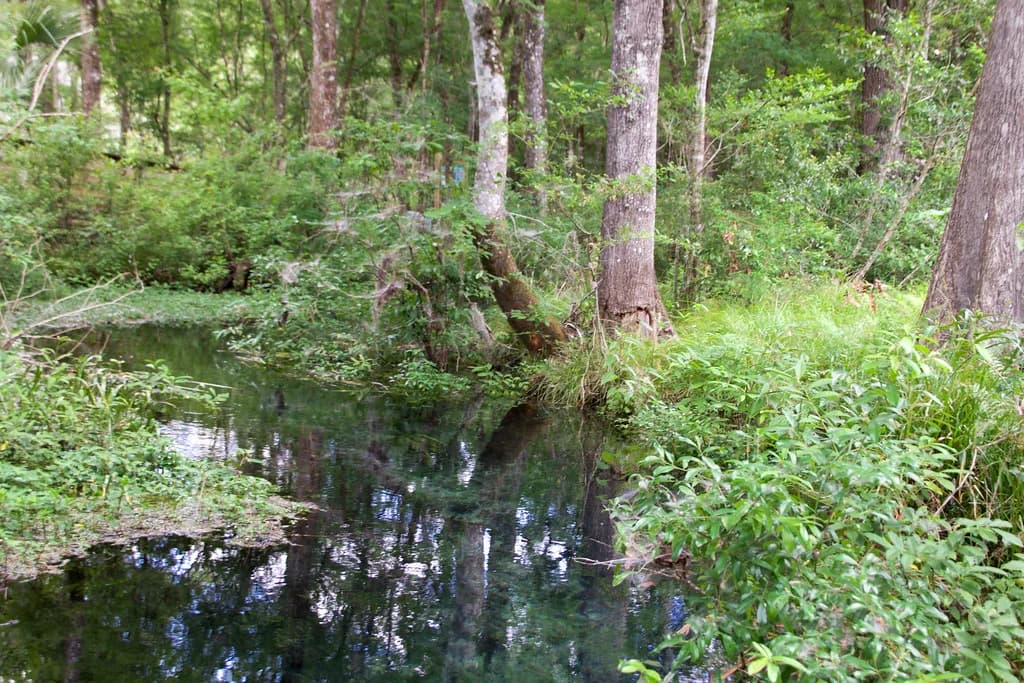
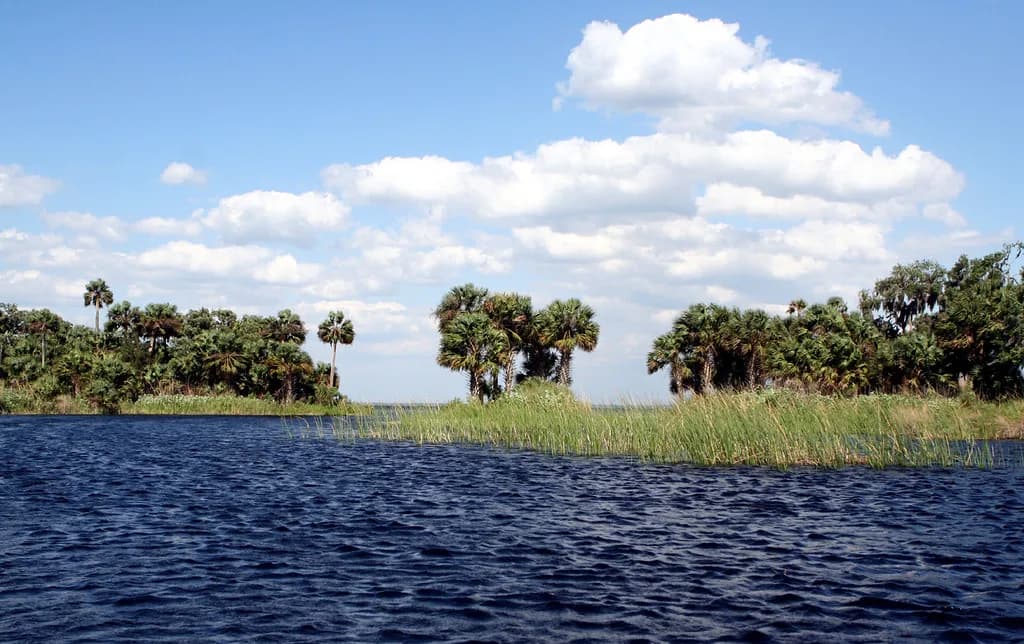
Salt Springs Recreation Area sits in Ocala National Forest, between the St. Johns and Ocklawaha rivers, and its draw is a natural mineral spring rather than a limestone boil. The 383,000-acre national forest around it protects the world's largest contiguous sand pine scrub forest, so the setting is longleaf pine and scrub rather than beach. Day-use visitors come for swimming in the springs, fishing, snorkeling, hiking and boating, which makes it easy to build a full day around one entry point.
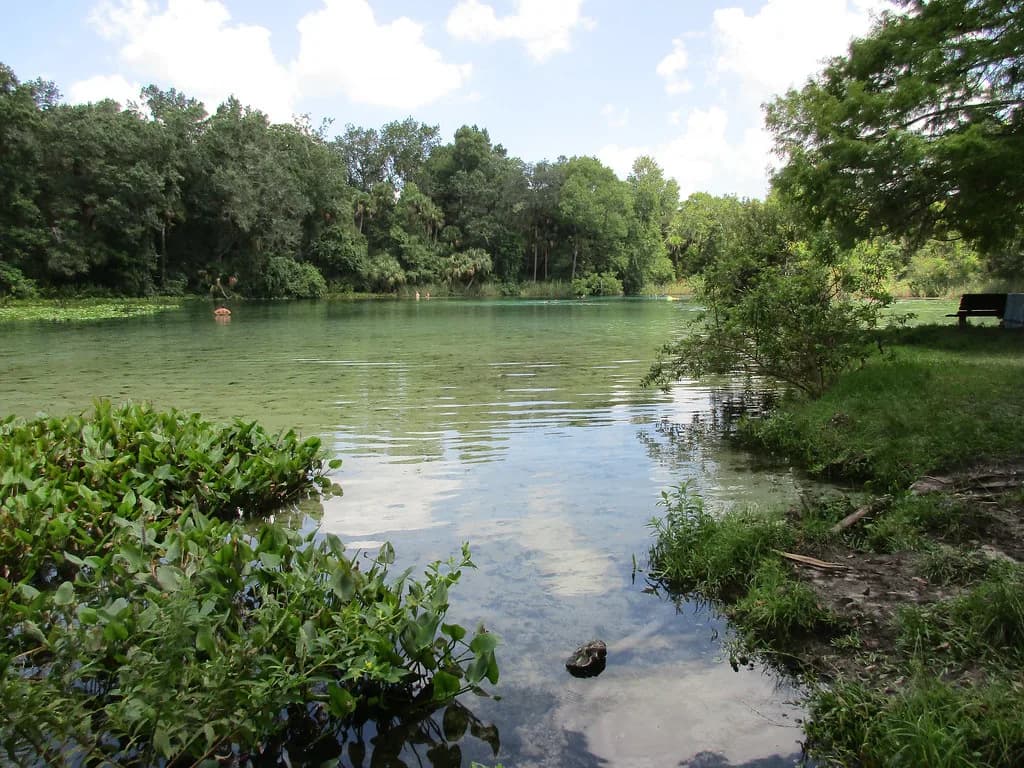
If you have snorkeled reef sites in the Florida Keys or on the Gulf coast, reset your expectations: this is a freshwater swim with fish and aquatic plants, not coral. The reward is clear spring water, a shaded forest setting and a quieter pace than the big theme-park springs. Treat the wildlife as a bonus and let the fish come to you rather than chasing them. For the saltwater side of that contrast, snorkeling in Florida covers reef and shore options across the state.
Where It Is
The recreation area is at 13851 N Highway 19, Salt Springs, Florida, about 35 miles east of Ocala. That puts it on the eastern side of the forest, reachable from Ocala via State Road 40 and from the coast via Highway 19. Plan the drive around daylight so you arrive with time to swim before afternoon storms build.
The surrounding forest spans four counties and is the southernmost and oldest national forest east of the Mississippi River, so cell coverage and services thin out between towns. Fuel up in Ocala or Palatka and carry water and snacks rather than counting on a store at the spring. The birding trail lists the site as open daily from sunrise to sunset, which is useful for planning an early start.
Getting In
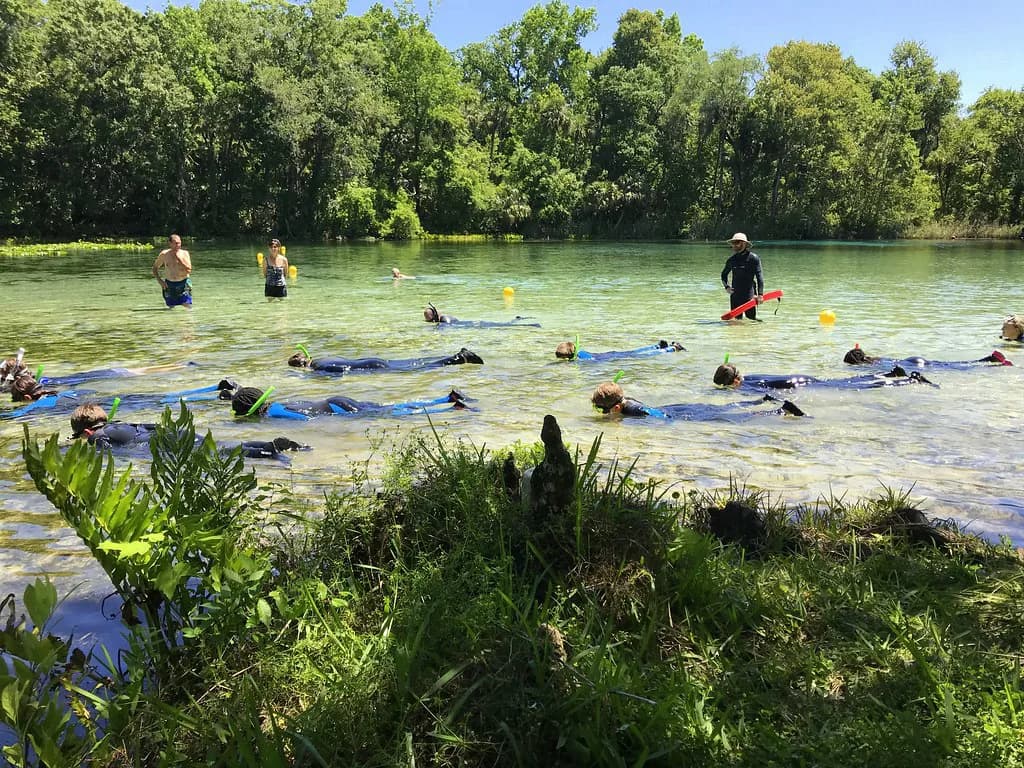
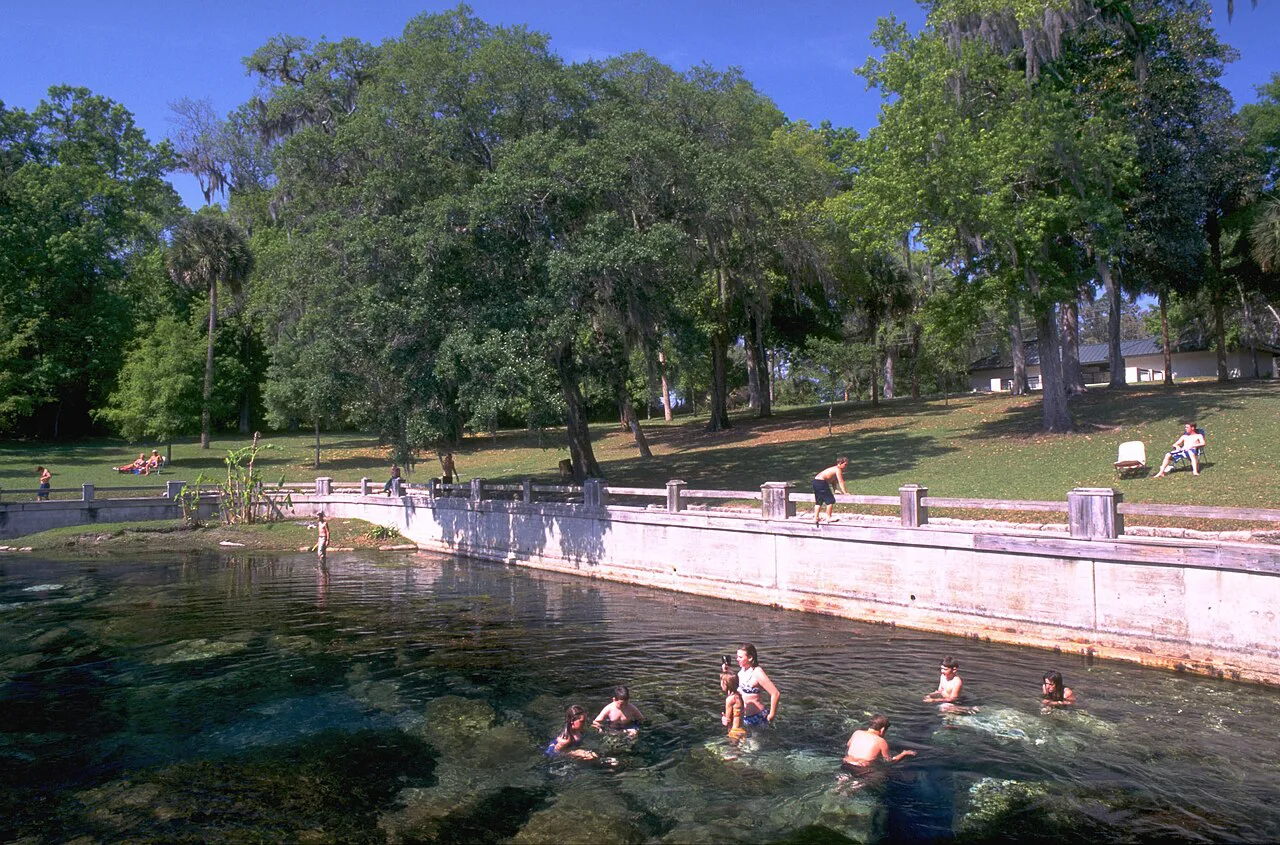
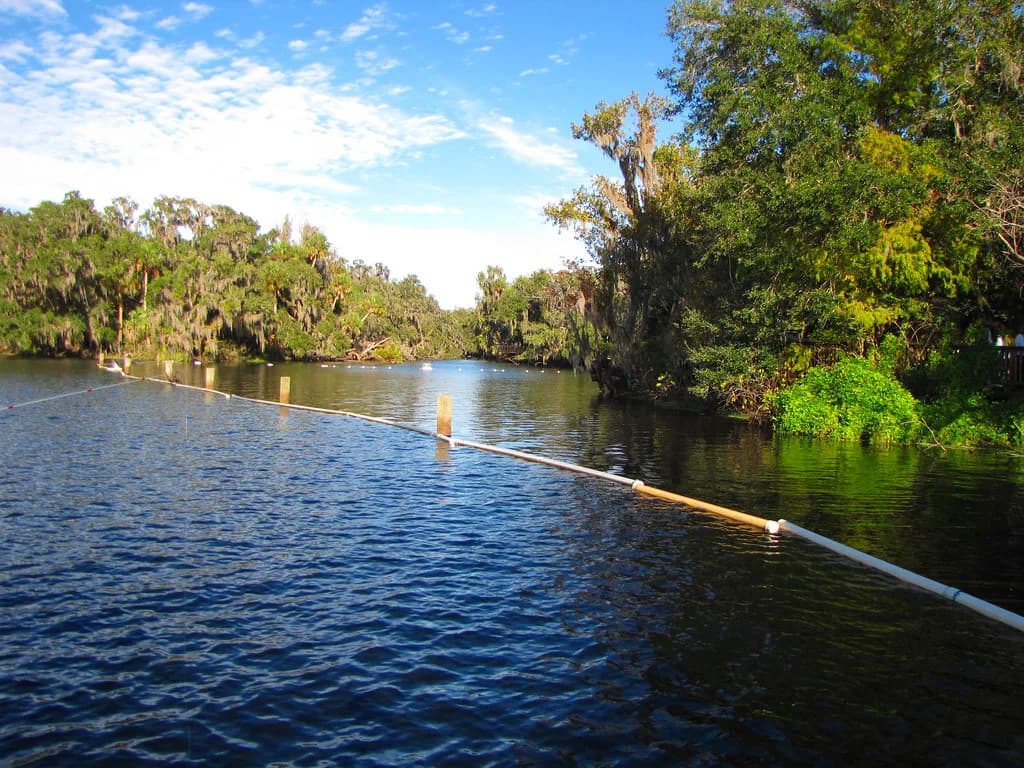
Entry is from the recreation area's day-use swimming area, which is the practical launch point for snorkeling. The spring basin is the calmest water in the park and the place to start if you have kids or new snorkelers in the group. Walk in from the bank, get used to the cool water and mask fit, then explore the edges where plants and structure hold fish.
The forest's springs are fed by rainwater moving through limestone, which is why the water stays cool and clear even in summer heat. If you want a second freshwater site with formal access, Alexander Springs has two concrete stairs with handrails leading into its swimming area, which is a useful comparison for anyone deciding how easy an entry they need.
What You Will See
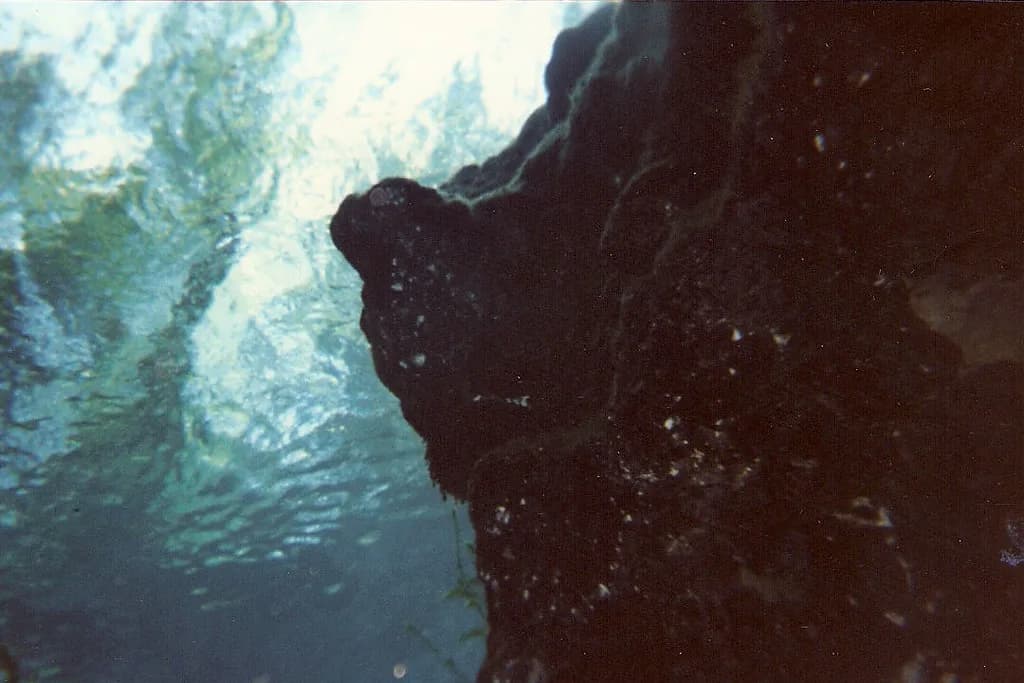
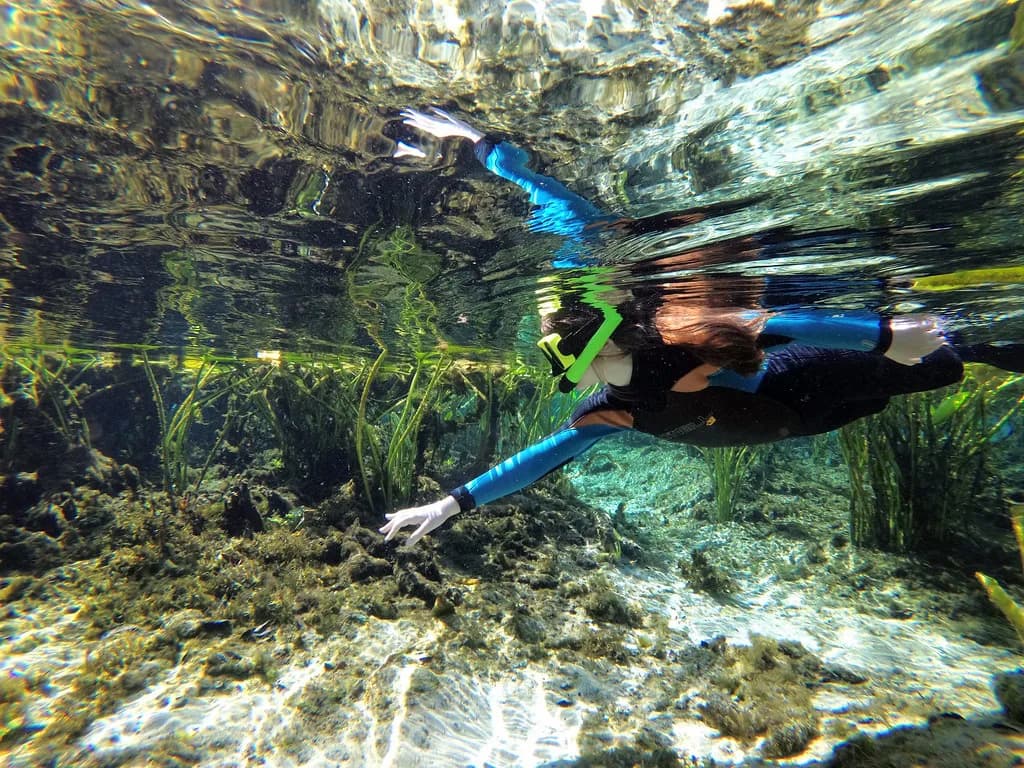
Expect freshwater fish, blue crabs and aquatic plants rather than reef fish and coral. Fish gather around vegetation and shaded edges, so snorkel slowly along the plant lines instead of crossing open water. Bring a fish identification card if you want to name what you see, since the species here are sunfish, bass and other freshwater varieties.
For comparison, Alexander Springs is known for spotted bass, mullet, bluegill and redbreast sunfish around its aquatic plants, with visibility that can reach 90 to 100 feet on a good day. Salt Springs offers the same kind of freshwater fishwatching, though conditions vary with rain and visitor traffic. Never touch, feed or chase the animals, and give any turtle or water snake plenty of room.
Skill Level and Who It Suits
The swimming area at Salt Springs is the right zone for beginners, families and kids who are comfortable in a mask and snorkel. Freshwater springs have no surf or swell, so the main adjustments are cold water and often busy swim areas. Strong swimmers can explore farther along the run, but stay inside the posted recreation-area boundaries.
If you want a freshwater spot with a defined snorkeling zone and a firm cap on access, Alexander Springs limits snorkelers to its swimming area, called Alexander Pool, which is roughly 393 feet long and 229 feet wide. That is the model to expect at Salt Springs too: you snorkel the designated swim area, not the whole spring run.
Best Time to Go
Mornings and weekdays give you the quietest water and the best chance of seeing fish before the swim area fills. The birding trail notes the site gets quite busy as a swimming location and recommends early visits and weekdays for that reason. Summer weekends and holidays bring the biggest crowds, so arrive at opening if you want parking and space in the water.
Florida's afternoon thunderstorms are a real scheduling factor from late spring through early fall. Plan your snorkel for the morning, keep an eye on the sky and leave the water when you hear thunder. Cooler months mean brisker air but the spring water stays steady, so a rash guard or thin wetsuit makes a winter swim more comfortable.
Hazards
Spring water is cold year-round, and cold shock is the first thing a new snorkeler notices. Enter slowly, breathe through the snorkel before putting your face down, and use a rash guard or short wetsuit if you chill easily. Keep an eye on kids and weaker swimmers near deeper sections of the basin.
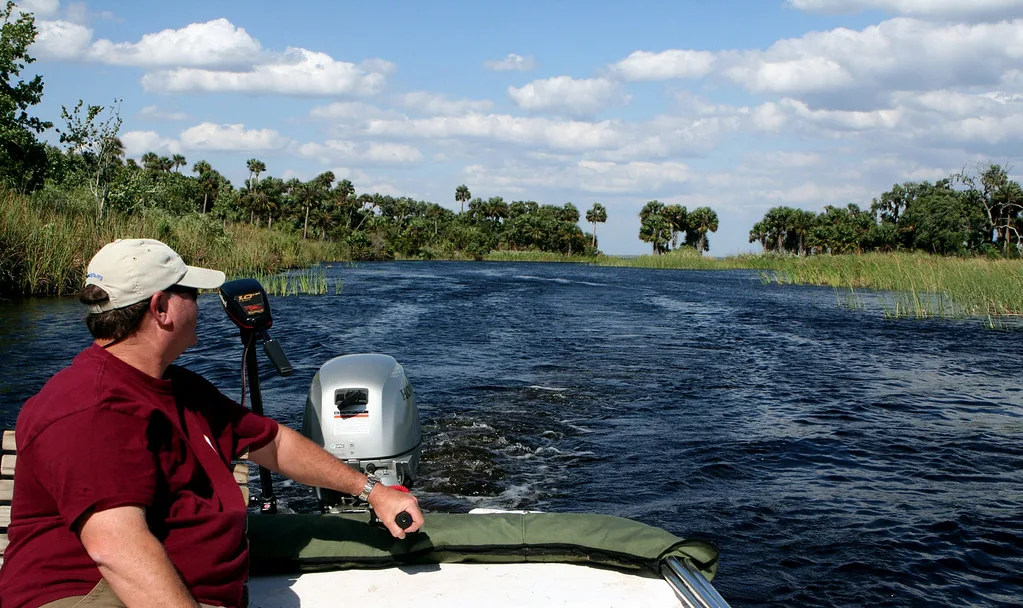
The open swimming area offers little shade, so sunburn is a bigger risk than most people expect on a spring day. Wear a reef-safe sunscreen or a long-sleeved swim shirt and reapply on the bank. Boat traffic occurs on the rivers and spring run, so keep close to shore and stay visible if you leave the designated swim area.
Parking, Fees and Facilities
The recreation area operates as a day-use site with a campground on-site, so you can stay overnight and swim at the start and end of the day. Parking is at the recreation area entrance, and the campground is booked through the official reservation system. Showers and flush toilets are available in the recreation area, which makes rinsing off after a freshwater swim easy.
Day-use fees at Ocala National Forest springs are set by the U.S. Forest Service and can change by season and day of week, so check the current fee before you drive out. The Ocala/Marion County listing gives the recreation area's phone number, (352) 685-2048, for questions about the site. Bring cash as a backup and plan for a self-service or staffed entrance on busy mornings.
Rules
Salt Springs is inside Ocala National Forest, so national forest regulations apply alongside recreation-area rules for the swim area. Keep fishing gear away from swimmers, and don't disturb vegetation or the spring bottom. For freshwater snorkeling in Florida, choose reef-safe sunscreen and avoid anything that could wash into the spring.
Wildlife rules apply here just as they do at any Florida spring. Do not touch, feed or chase fish, turtles, snakes or alligators, and give animals space to move away on their own. If a ranger or lifeguard asks you to leave the water, do so immediately; posted instructions at the recreation area take priority over any guide.
Nearby Spots to Combine
Salt Springs pairs naturally with Alexander Springs and Silver Glen Springs, both within a short drive and both inside Ocala National Forest. Alexander Springs is the more structured snorkel site, with its defined pool and handrail stairs, while Silver Glen is a spring run known for clear water and manatee visits in cold months. Doing two springs in one day gives you a good sense of how varied Florida's freshwater systems are.
If you want a wider tour of Florida springs, the best springs to snorkel in Florida guide covers sites from Ichetucknee Springs State Park to the Gulf coast. For a very different freshwater experience, Devil's Den snorkeling in Williston takes you into a collapsed cave rather than an open spring basin.
Plan Your Visit
Salt Springs is a freshwater snorkel for travelers who want a relaxed forest day rather than a reef trip. Arrive early, bring your own mask, snorkel and reef-safe sunscreen, and plan to swim the designated area at a pace kids can handle. Pair it with Alexander Springs or Silver Glen Springs for a full day in Ocala National Forest.
Check current conditions with the U.S. Forest Service before you drive out, especially after heavy rain or during summer storm season. If the swim area is crowded or closed, shift to a nearby spring rather than forcing the day. Book the campground through the official reservation system if you want to stay overnight.
Frequently Asked Questions
Can you snorkel at Salt Springs in Ocala National Forest?
Yes. Salt Springs Recreation Area lists snorkeling among its day-use activities, and the freshwater basin is the place to do it. Enter from the swimming area, stay within posted boundaries, and bring your own mask and snorkel.
What will I see snorkeling at Salt Springs?
Freshwater fish, blue crabs and aquatic plants are the likely sightings, with turtles or water snakes occasionally present. This is not a coral reef, so set expectations for a spring swim rather than a tropical fish dive, and keep your distance from wildlife.
Is Salt Springs good for beginners and kids?
The designated swimming area is calm and suits beginners, families and kids comfortable in a mask and snorkel. Cold water is the main adjustment, so enter slowly and use a rash guard or short wetsuit if you chill easily.
When is the best time to snorkel Salt Springs?
Mornings and weekdays are the quietest times, according to the Florida Birding Trail, which notes the site gets quite busy as a swimming location. Plan around summer afternoon storms and arrive at opening on weekends and holidays.
What other springs are near Salt Springs?
Alexander Springs and Silver Glen Springs are both inside Ocala National Forest within a short drive. Alexander Springs has a defined swim pool and handrail stairs, while Silver Glen is a clear spring run where manatees sometimes appear in cold months.
Sources
Snorkeling notes for your next trip
Optional updates to our snorkeling guides.
You might also like
Continue reading
More guides you'll find useful