Silver Glen Springs Snorkeling: Entry, Depth and What You'll See
Snorkel Silver Glen Springs from a non-slip ramp into 73-degree water 2 to 4 feet deep. Striped bass, turtles and winter manatees reward a calm morning.
On this page
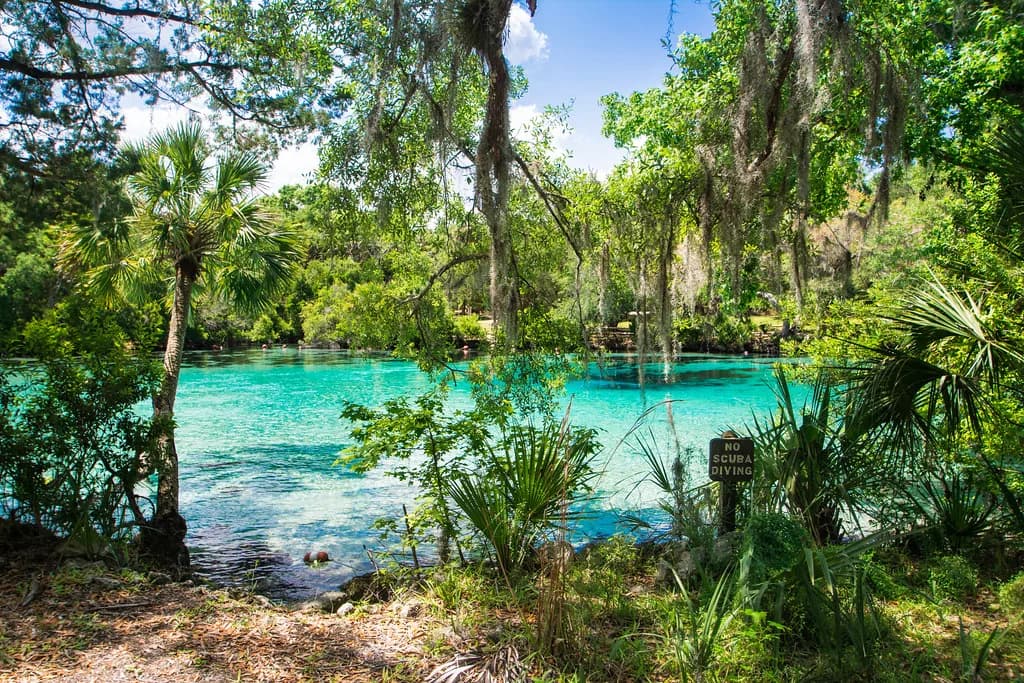
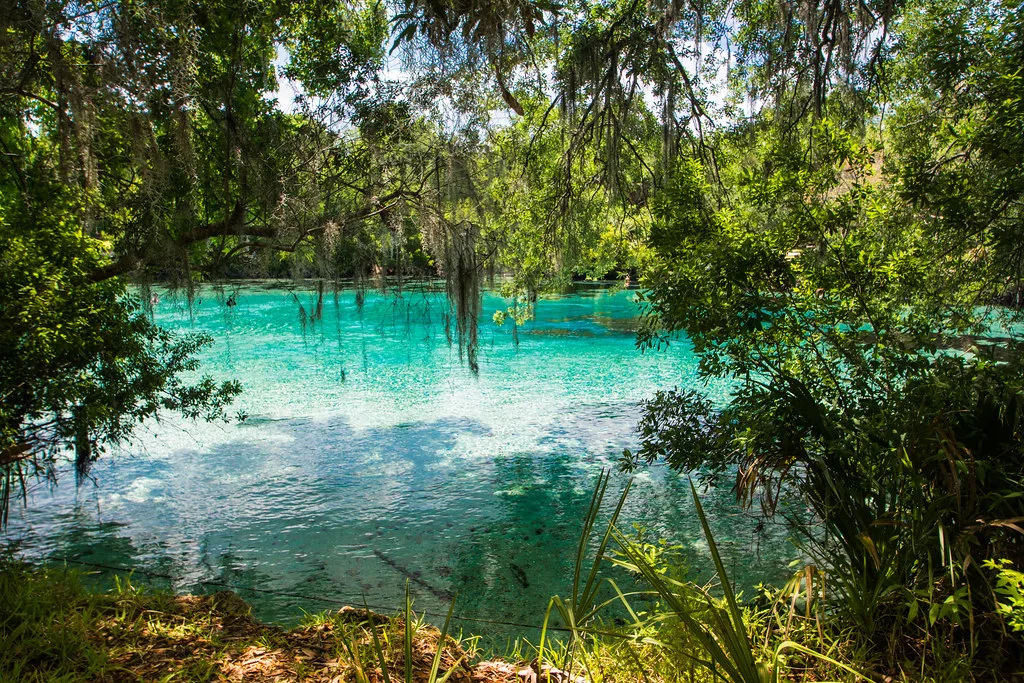
Silver Glen Springs is the rare snorkel site where you walk in down a ramp instead of wading through surf, and the payoff is a wide, glass-clear basin over a sandy floor. It suits families, first-timers and anyone who wants an easy freshwater swim with fish all around them rather than a long swim out to a reef.
The pool stays a constant 73 degrees year-round, and the Forest Service bills it as a popular swimming hole where you can bring a snorkel and meet the fish face to face. That steadiness is the draw: a January morning and a July morning look much the same underwater.
Why Silver Glen Springs Suits Beginners and Families
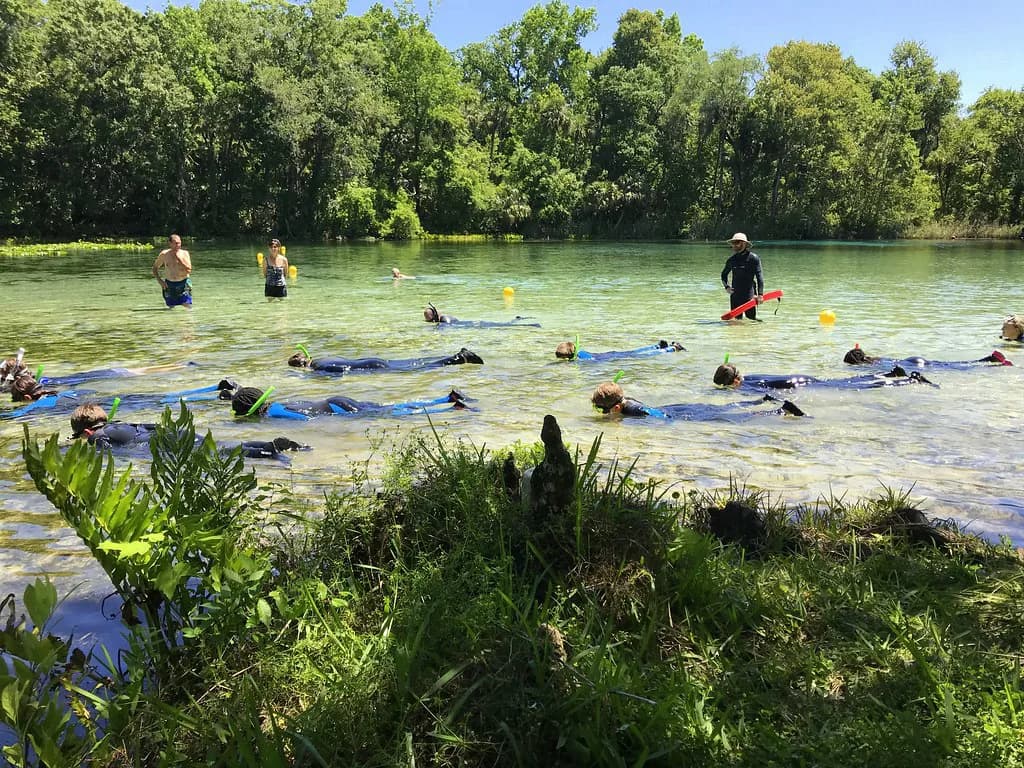
Most of the spring pool runs only 2 to 4 feet deep, so an adult can stand in the middle of it and a child in a vest can paddle alongside on a tether. The basin is about 60 meters wide and the swimming area is closed to boats, which removes the biggest anxiety of open-water snorkeling. You float over a sandy bottom flecked with limestone, roots and algae rather than coral, so there is nothing to bump into.
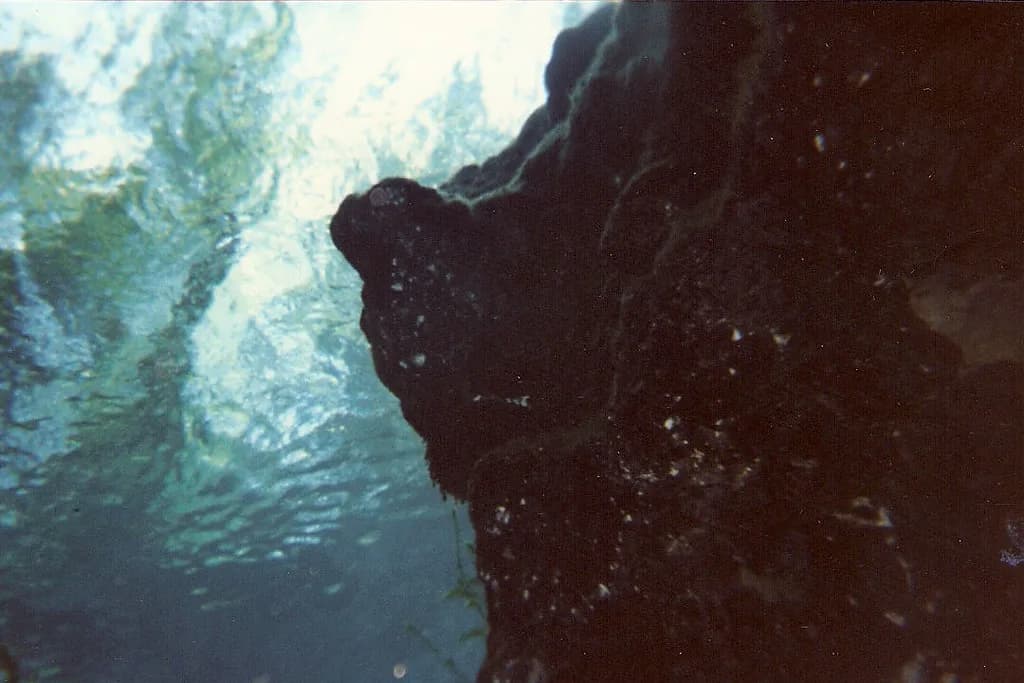
The one place the floor drops is the outflow vents, where the depth reaches about 18 feet and the water boils up from below. Beginners should snorkel the shallow rim and look toward the vents from a distance; strong swimmers can hover over the edge for a view of the upwelling without diving down.
Where the Spring Sits in the Ocala National Forest
Silver Glen Springs lies in the Ocala National Forest on the western shore of Lake George, reached from SR19 about 6 miles north of its junction with SR40. The address is 5271 N Highway 19, Fort McCoy, which puts it in Marion County and within an easy drive of the Orlando area and the I-75 corridor.
Cell service is patchy in pockets of the forest, so pull up directions and your reservation before you leave pavement. If you are building a wider trip around the region, this site sits well within the range covered by this Florida Springs snorkeling guide, which maps the other clear-water pools within day-trip distance.
Getting In
Entry is from a ramp with a non-slip coating on the east side of the pool, so you step down into knee-deep water and walk out until it reaches your waist. That feature alone makes Silver Glen easier than most springs, where you often slide down a steep bank or step off a ledge. Fins are optional here; bare feet or booties work fine on the ramp and the sand.
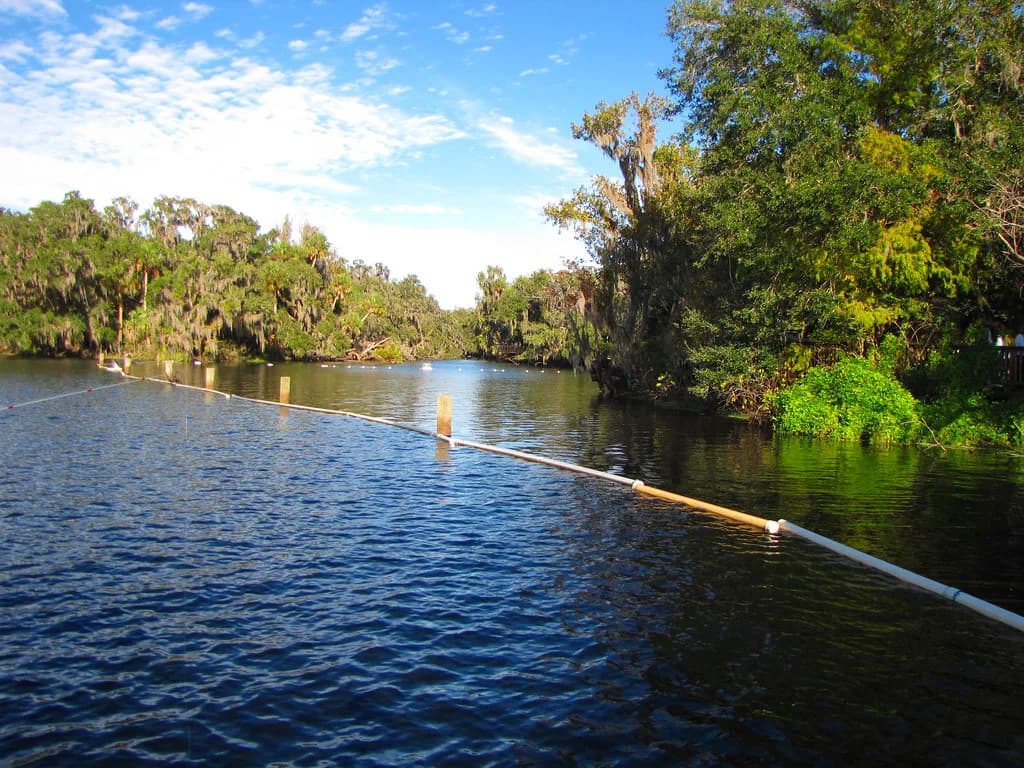
On the spring run side, a line of buoys marks the boundary of the snorkel area, keeping you inside the pool and away from the outflow channel. Treat that line as your edge: it separates calm water from a moving stream, and it is where you should turn around.
Depth and Floor Layout
Think of the basin as a shallow bowl with a few deep holes. The sandy rim at 2 to 4 feet is where you will spend most of your time, scanning the bottom for turtles and watching striped bass hang in the current. The vents near the outflow are the only steep drop, and they are also where the clearest upwelling water shows the spring's true color.
Visibility here is genuinely high, which means you can hover in three feet of water and still see the drop-off ahead of you. Keep your fins off the bottom so you do not kick up silt and algae; a single careless kick can cloud a patch for several minutes.
What You Will See
The headline sight is a shoal of striped bass, sometimes numbering in the hundreds, hanging in the open water of the pool. Mullet and sunfish work the shallows, and freshwater turtles typically stay close to the shoreline, where they rest on roots and limestone. All of this is a freshwater community, not a reef: expect fish and turtles, not coral.
In the cooler months, manatees occasionally slip into the warm spring basin, which is one more reason to plan a winter visit. Give them space and let them come to you; never chase, block a manatee's path to the surface, or try to touch one. Manatees are protected, and the encounter is far better when the animal simply drifts past.
Rules That Shape the Snorkel
Scuba diving and freediving are not allowed in the pool, which keeps the basin uncrowded below the surface and avoids the crush of tanks and weights at the entry ramp. Snorkelers get the water largely to themselves, with swimmers and waders on the surface. Leave the dive gear at home and pack a mask, snorkel and maybe a light vest.
The buoy line boundaries, the prohibition on diving and the pace of the site all point to one attitude: this is a place to float and watch. Chasing a striped bass for a photo or cornering a turtle against the shore will end the encounter faster than waiting quietly. Keep hands, fins and camera housings off the animals and off the bottom.
Skill Level: Who It Suits
Beginners, kids comfortable in shallow water, and anyone who prefers calm freshwater to surf will find this an easy day. The gradual ramp, the wide shallow rim and the boat-free swimming area keep the demands low, and a child who tires can stand up almost anywhere in the basin. Strong swimmers who want more ground can circuit the outer rim and the vent edge for a longer outing. If you'd rather compare this decision against a saltwater option, snorkeling in Sarasota covers shore spots and boat trips with a very different entry and depth.
The one skill worth practicing before you go is duck-diving without touching the bottom. You will want it to look down at a turtle or under a limestone ledge, and it keeps you off the sand and algae. Anyone who cannot yet clear a snorkel or float comfortably should stay on the shallow side of the pool.
Best Time of Day and Season
Arrive early. The basin is brightest when the sun is high enough to angle into the water, and the visitor site notes that light hitting the spring at the right angle throws rainbows across the bottom. Morning tends to be quieter than midday, so you will get cleaner water and an easier entry before the crowd builds.
Winter is the season for manatee encounters, since the animals seek out warm spring water when lake temperatures drop. Summer is the busiest stretch, and reservations are required on weekends and holidays regardless of season. Whatever the date, the water temperature holds steady, so a 3mm top or a rash guard is enough warmth for most snorkelers.
Hazards to Plan Around
The real risks here are small and predictable: a sudden drop at the vents, a strong swimmer crowding the buoy line, and the current beyond it on the spring run side. Stay inside the buoys, keep an eye on children near the deeper holes, and stay off the outflow channel. Boats are excluded from the swimming area, so the surface is calm.
Wildlife encounters have their own rules. Give manatees and turtles room, never feed or touch them, and let a manatee surface on its own schedule. Before any spring day, check conditions and posting with the U.S. Forest Service once, and plan around what they report.
Fees and Reservations
Day-use admission is charged per person, with children 5 and under free, and a vehicle reservation is required on weekends and holidays. Fees and reservation windows can change, so check current prices and book through ReserveOcala.com for your specific date. Bring the reservation confirmation on your phone or printed, since the entrance station is where it gets checked.
If you are deciding between several springs for one trip, factor in how each one handles entry and fees, because a per-person charge adds up for a family. The Best Springs to Snorkel in Florida comparison weighs entry style, depth and facilities across the region's clearest pools.
Hours and Facilities
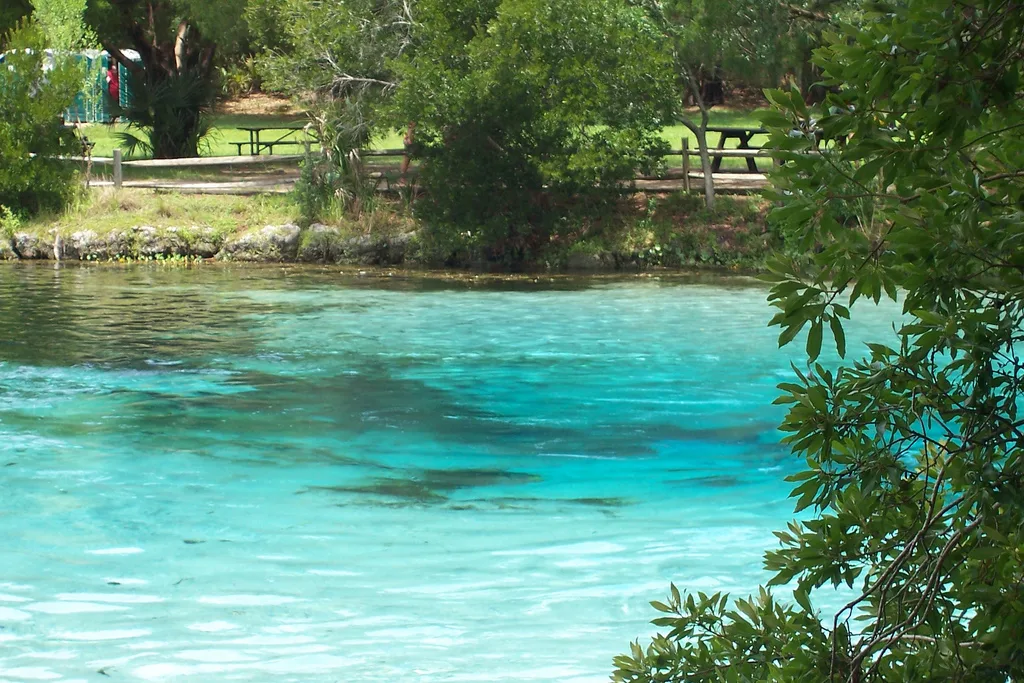
The recreation area opens daily at 8 am and closes at 8 pm, with hours shifting by season, so check the gate time for your date before you plan a late swim. Inside, you will find parking, restrooms, drinking water, picnic tables and grills, which makes it easy to base a half-day here rather than just a quick dip.
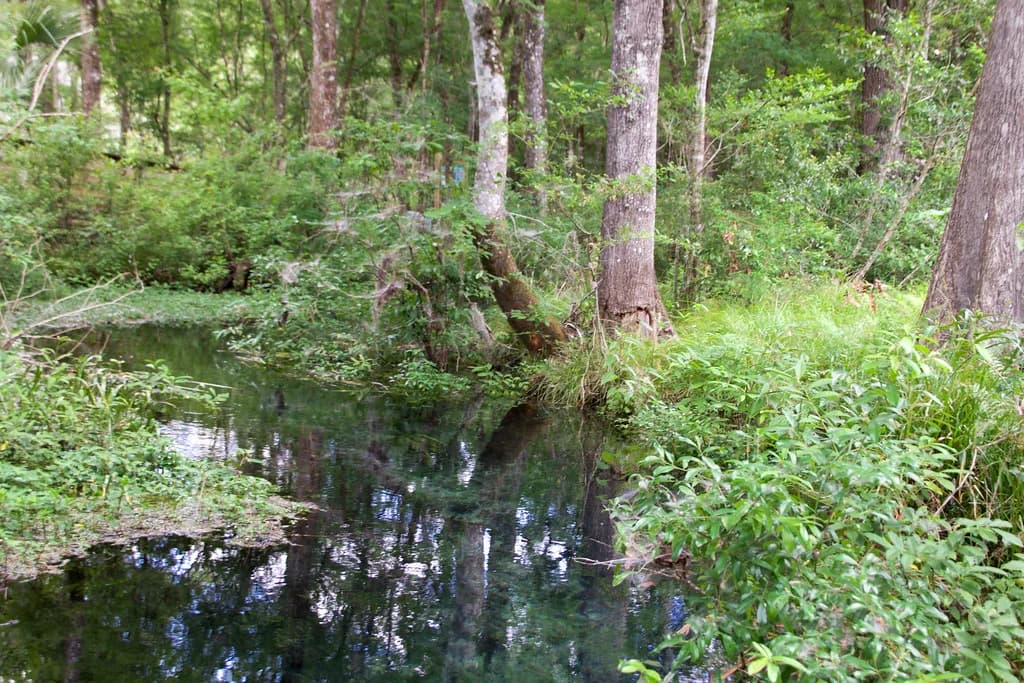
Kayak and canoe rentals let you extend the day onto Silver Glen Run, and a short walk on the Spring Boils Trail leads toward Jody's Spring. The Lake George Trail runs about 3 miles round trip through the woods for anyone who wants a hike between swims.
Nearby Springs to Combine
Two other snorkelable springs sit within a short drive: Salt Springs about 10 miles north and Alexander Springs about 17 miles south. Together they make a two- or three-spring day, each with different entry and floor character. Alexander Springs snorkeling is the closest comparison for a shallow, beginner-friendly basin, and it works well as an afternoon add-on.
If you are coming from the city and want a wider menu, this orlando snorkeling roundup covers spring options within a reasonable drive. For a very different freshwater experience, the Devil's Den Snorkeling Guide explains a cavern dive site where the entry and setting are nothing like a sunlit spring pool.
What to Bring
Pack a mask that fits, a snorkel, and a rash guard or thin wetsuit top for the constant cool water. Water shoes help on the ramp and the limestone edges, and a dry bag keeps phones and car keys safe near the picnic area. Skip heavy fins; a short pair or none at all is fine in a pool this shallow.
Bring your own drinking water and a picnic to eat at the tables, and carry out everything you bring in. Food left on tables draws raccoons, crows and the occasional bear, so clear the site before you walk away.
Planning Your Silver Glen Springs Day
Silver Glen Springs rewards a simple plan: book ahead for a weekend or holiday, arrive early, enter from the east-side ramp, and stay inside the buoy line. Spend your time over the shallow sandy rim watching striped bass and turtles, glance toward the vents from a safe distance, and give any winter manatee plenty of room.
If you want more water after lunch, Salt Springs and Alexander Springs are close enough to add, and the wider Florida springs guide helps you pick a second stop that matches your group's comfort level.
Frequently Asked Questions
Can you snorkel in Silver Glen Springs?
Yes. The recreation area is a freshwater swimming hole in the Ocala National Forest with a ramp entry on the east side of the pool, and the Forest Service encourages visitors to bring a snorkel. Scuba diving and freediving are not allowed in the pool, so it stays a surface-snorkeling site.
How deep is the water at Silver Glen Springs?
Most of the pool is only 2 to 4 feet deep over a sandy floor, which is why it works so well for beginners and kids. The exception is the outflow vents, where the bottom drops to roughly 18 feet. Snorkel the shallow rim and view the vents from a distance.
Is Silver Glen Springs good for beginners and kids?
It is one of the easier springs for a first snorkel. You walk in down a non-slip ramp, the basin is wide and boat-free, and a child can stand up in most of the pool. The deeper vents are the one spot to keep young swimmers away from.
What fish will I see snorkeling Silver Glen Springs?
Striped bass are the star, often gathered in large shoals in the open water of the pool. Mullet and sunfish work the shallows, and freshwater turtles usually stay close to shore. Sightings vary by day and season, so treat any list as a likelihood rather than a promise.
Do you need a reservation for Silver Glen Springs?
A vehicle reservation is required on weekends and holidays, and day-use admission is charged per person. Book through ReserveOcala.com for your date and keep the confirmation handy for the entrance station. Weekday visits still require the per-person fee.
How much does it cost to get into Silver Glen Springs?
Admission is charged per person for day use, with children 5 and under free. Rates and reservation requirements change, so confirm the current fee on ReserveOcala.com when you book rather than relying on an older figure.
Can you see manatees at Silver Glen Springs?
Manatees occasionally enter the pool during the cooler months to enjoy the warm spring water. Sightings are never guaranteed. If one appears, keep your distance, never touch or chase it, and let it surface and leave on its own.
Can you scuba dive at Silver Glen Springs?
No. Scuba diving and freediving are not allowed in the pool, which keeps the basin calm for snorkelers and swimmers. Leave tanks and weights at home and bring a mask, snorkel and light exposure protection instead.
Sources
Snorkeling notes for your next trip
Optional updates to our snorkeling guides.
You might also like
Continue reading
More guides you'll find useful