Ichetucknee Springs Snorkeling: Blue Hole and the River
Plan a snorkel day at Ichetucknee Springs: hike to Blue Hole, float the clear river, and know the entry, depth, cold water and park layout before you go.
On this page
Ichetucknee Springs offers two distinct snorkel experiences in one North Florida park: a quiet, deep spring basin reached on foot and a shaded river run that suits floaters and families. The water stays cold and clear year-round, so the day is less about warm-weather swimming and more about planning your entry, your layers and your timing. This guide covers both swims, the practical layout of the park and what to expect underwater.
The park sits near Fort White, with the address listed as 12087 SW U.S. Highway 27, Fort White, FL 32038, roughly 34 miles from Gainesville. The drive from Interstate 75 follows U.S. 27 east toward Fort White and then posted park signs.
Why snorkel Ichetucknee Springs
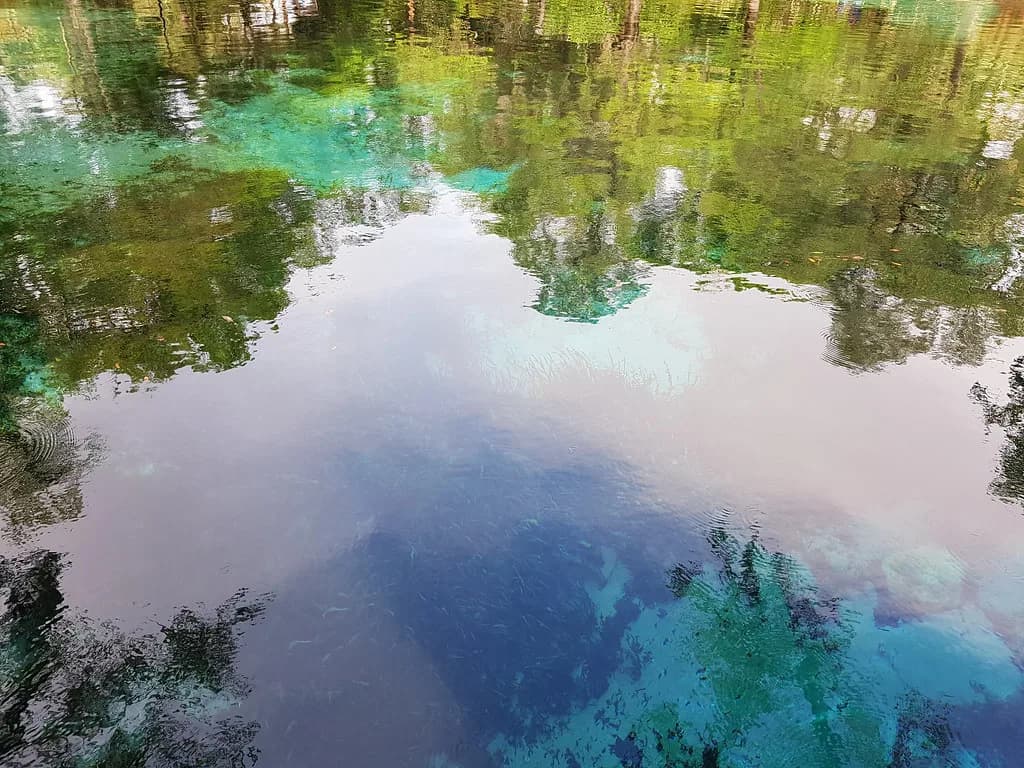
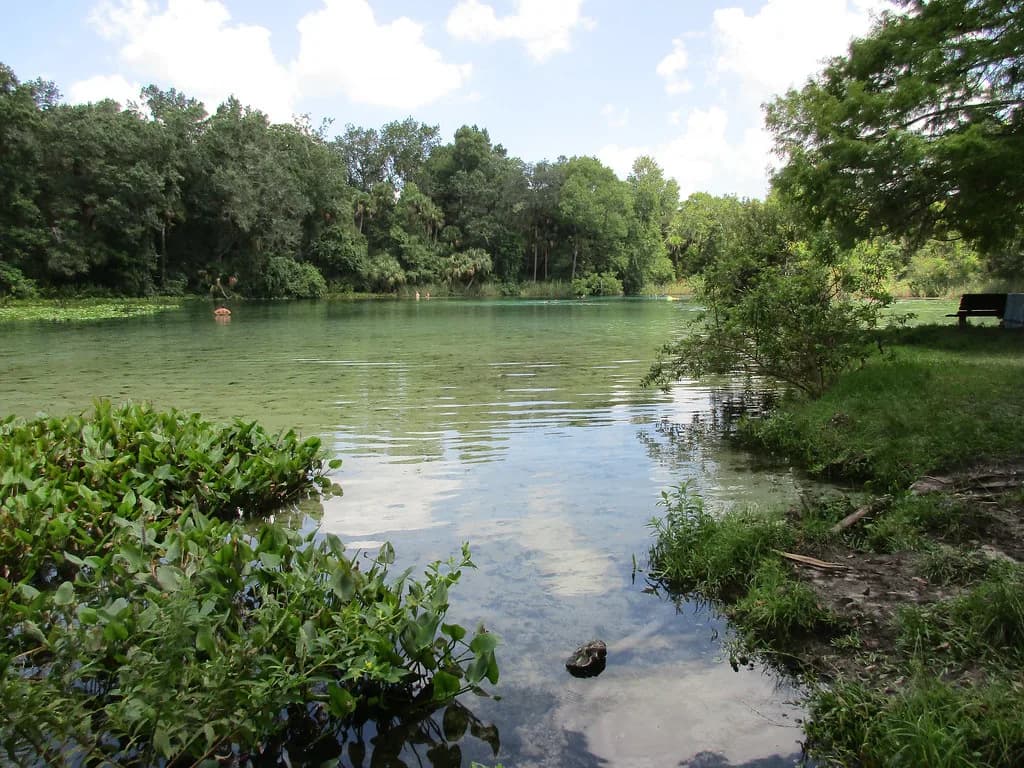
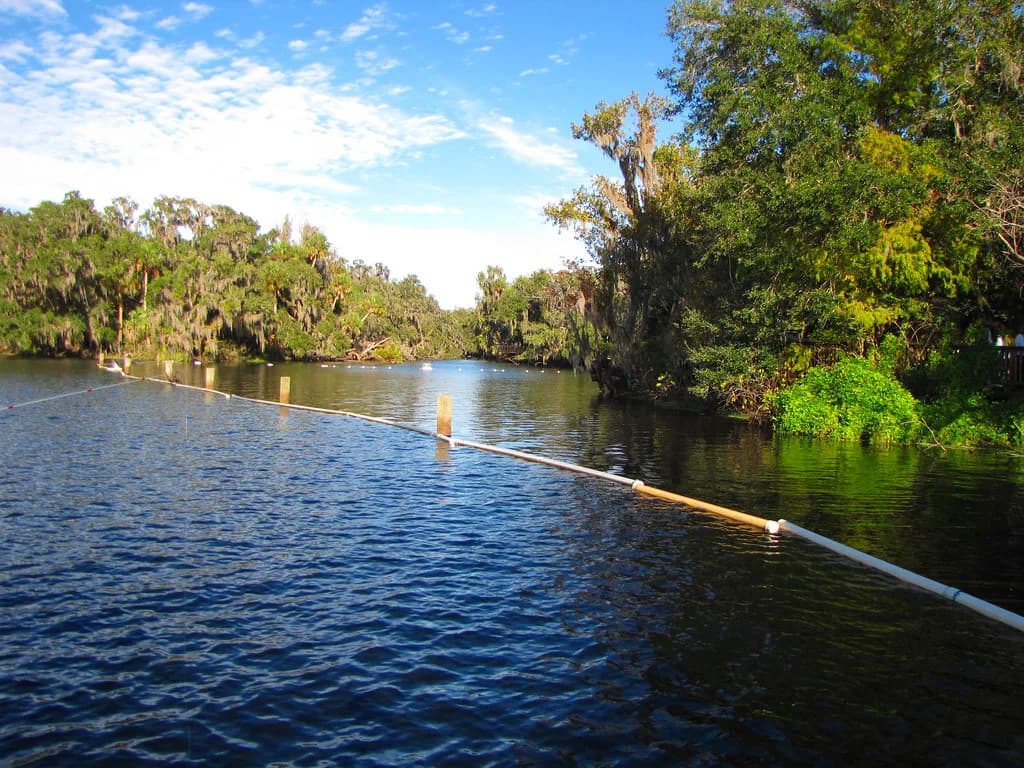
The draw is water clarity: a chain of springs feeds a river corridor that reads almost glassy in the right light, with underwater plants and fish visible well before you put your mask on. Because the spring water stays cool even in summer, the park works as a hot-weather escape and as a shoulder-season swim.
The park protects a large spring system and a shaded river run, and swimming and snorkeling are allowed in designated areas. That designation matters: you are not free to drop in anywhere along the run, so treat the posted swim zones as the boundary of your day.
Where the park is and which entrance to use
Ichetucknee Springs State Park has two main entrances, and the one you choose decides what kind of day you get. The north entrance serves the headspring and the trail to Blue Hole, while the south entrance puts you closer to the tubing and river access side of the park.
For a snorkel-focused visit, head to the north entrance. Once parked, walk toward the main spring and look for the boardwalk on your left before the picnic area; that boardwalk marks the start of the Blue Hole route. If you arrive at the south entrance by mistake, the two gates are only a few miles apart and staff at the guard shack can redirect you.
Blue Hole (Jug Hole): the trail and the spring
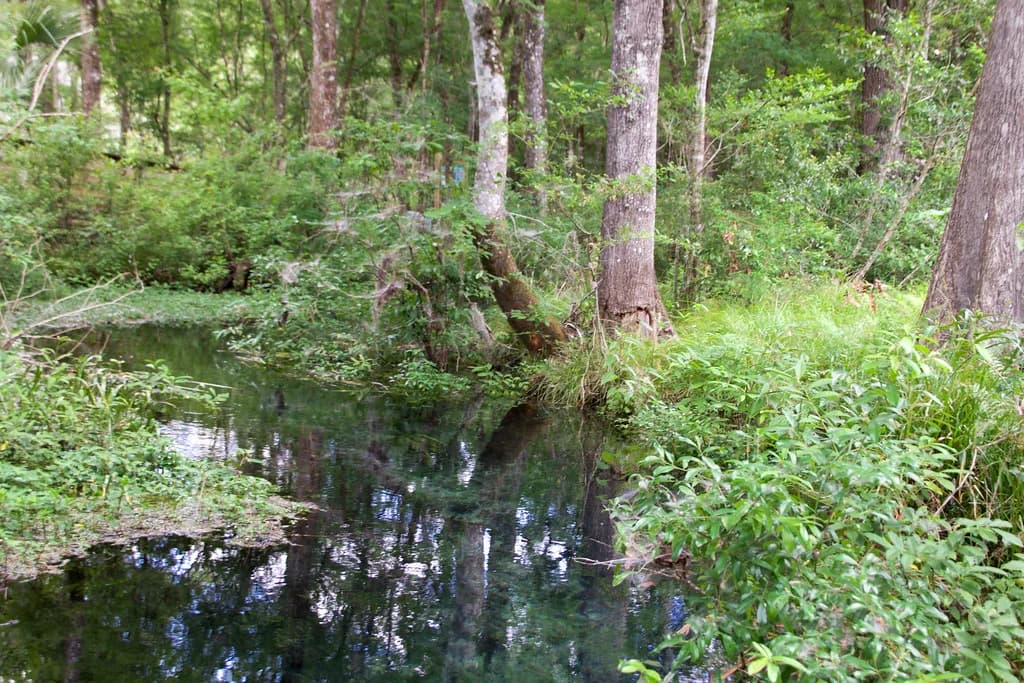
Blue Hole, also called Jug Hole, sits about half a mile from the end of the boardwalk, reached on a dirt trail through the woods. The walk takes roughly 10 to 15 minutes at an easy pace, and the boardwalk itself runs only about a hundred yards before turning into trail.
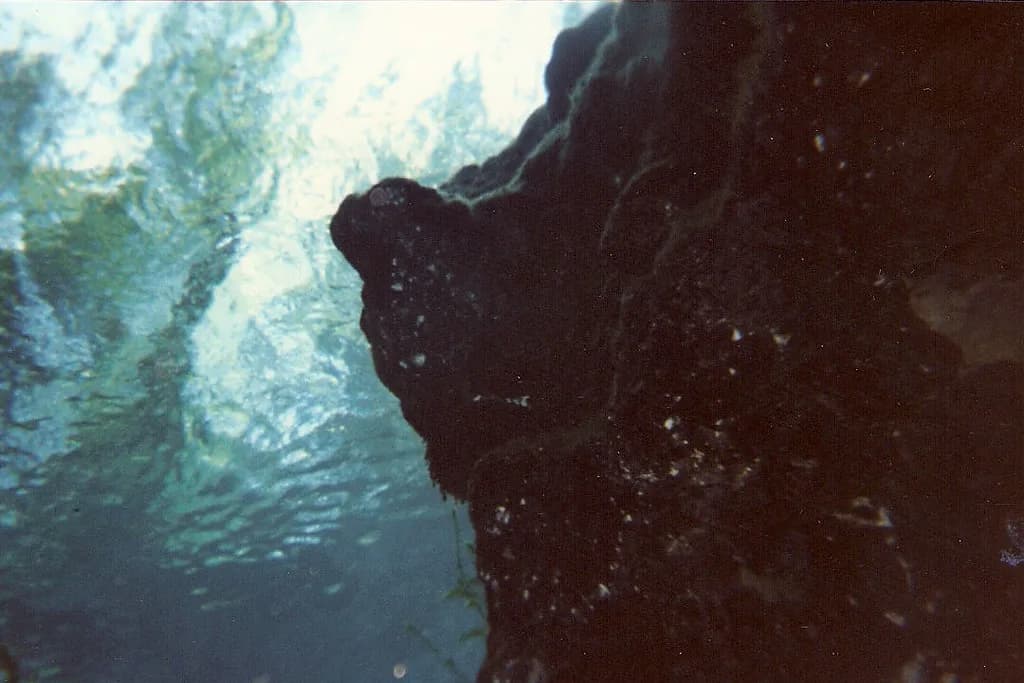
The spring presents as a clear basin with a vent pushing water from below, and its maximum depth runs roughly 30 to 40 feet depending on river levels. A cave extends beyond the basin and is popular with trained cave divers, who register at the guard shack and dive it only from May through November. Snorkelers stay in the open basin, where the water is deep enough to free-dive but shallow enough to read the bottom from the surface.
Getting in at Blue Hole
Entry at Blue Hole is a natural spring-basin entry rather than a ladder or stair, so you ease in from the edge and swim out over the vent. There is no sandy beach to wade from; the appeal is the deep, clear water right at the entrance, which is why freedivers favor it.
Expect a steady push of flow from the spring vent and cold water that can feel sharp on first entry. Swimming at Blue Hole is allowed year-round, so the water temperature, not the season, sets how long you stay in.
The Ichetucknee River: snorkeling and floating
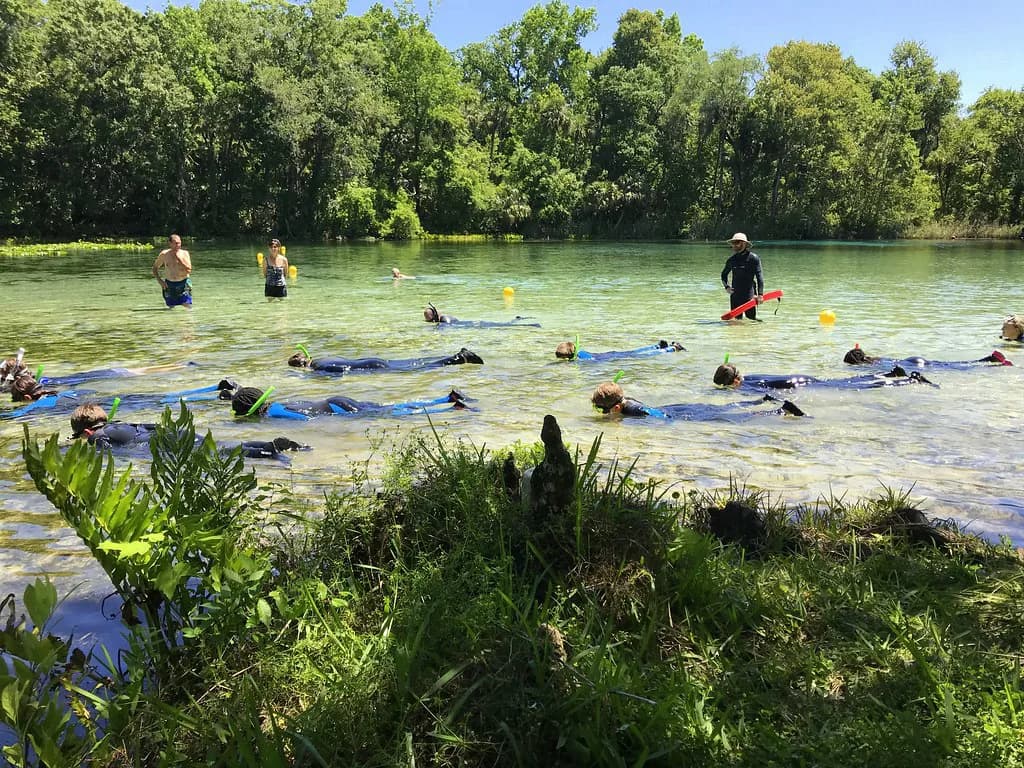
The river side of the park is the gentler swim: a clear spring run where tubing is the headline activity and snorkelers share the water in designated zones. The current carries you downstream, which makes it a good choice for families and weaker swimmers who want the water to do the work.
Plan the float as a one-way trip rather than an out-and-back swim, and arrange your return before you enter the water. Tubing is most popular in the warmer months, and conditions and access can shift by season, so read the park's current updates before you commit to a float plan.
What you will see underwater
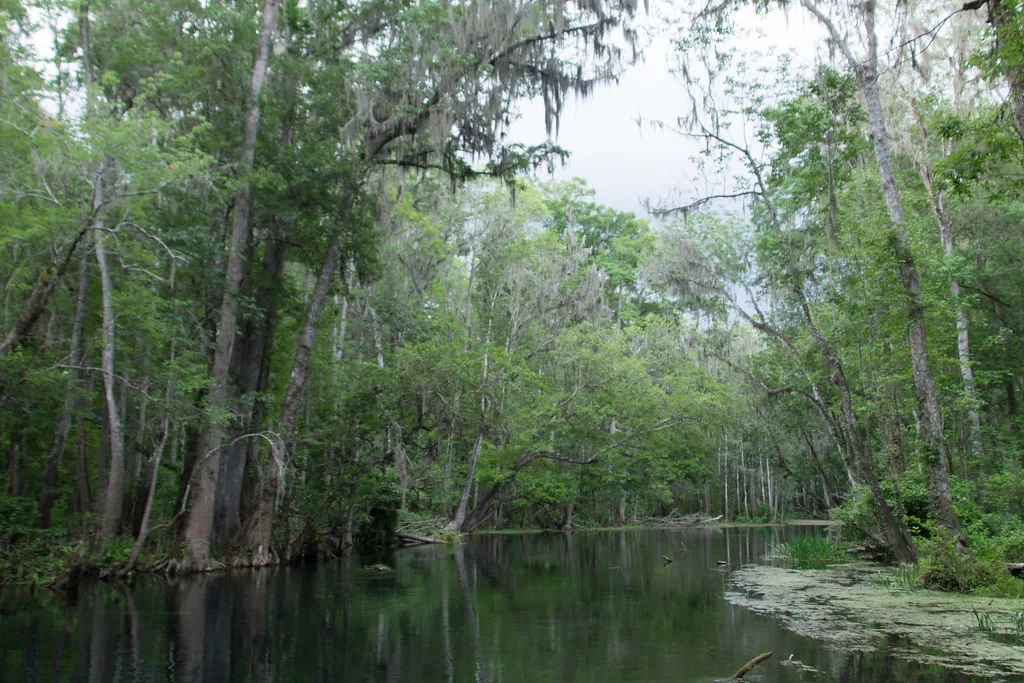
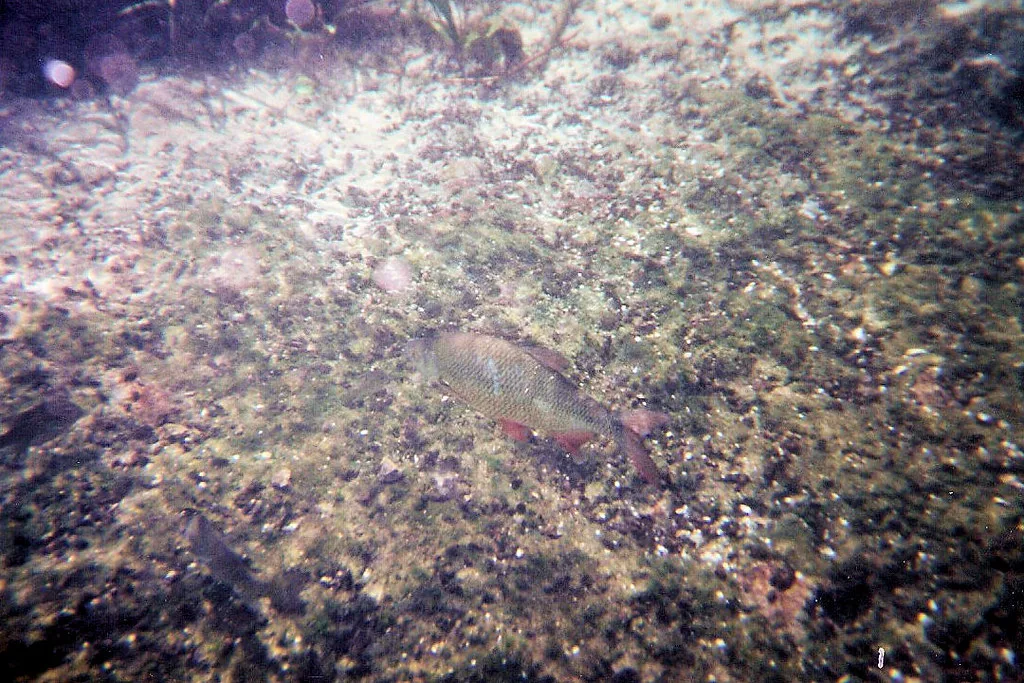
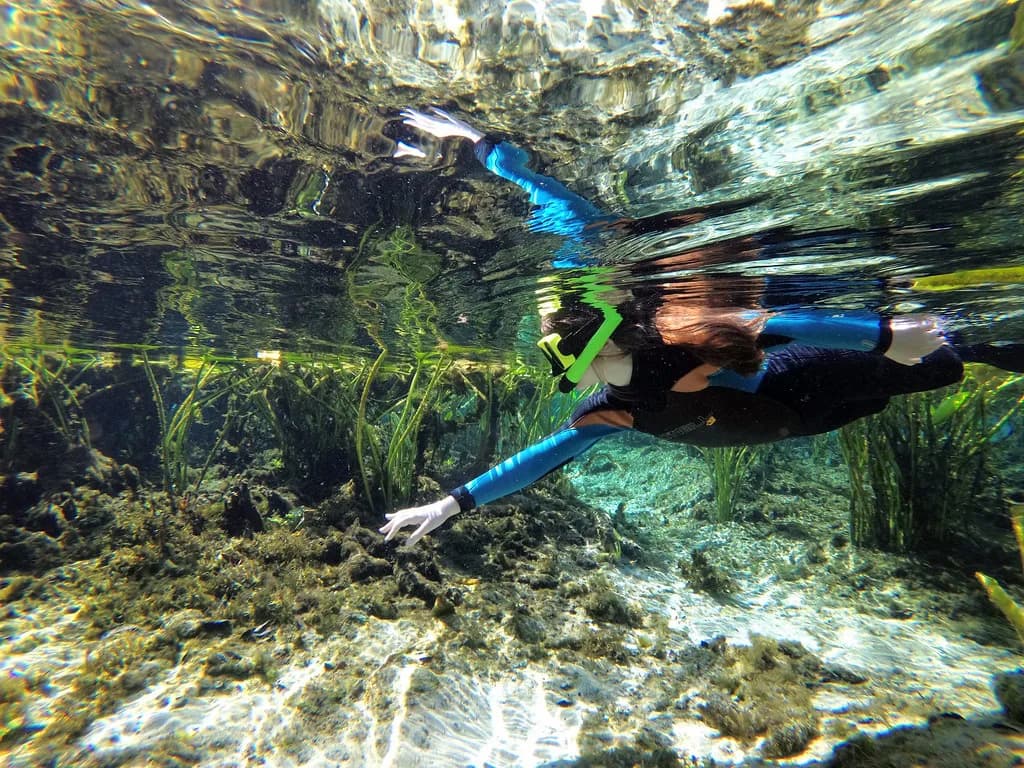
The clear water shows underwater plants across the river bottom and fish moving through the spring run, which is what makes a mask worthwhile even on a short float. Birds, turtles and other wildlife are common along the corridor, and the park notes that alligators can be present in surrounding areas.
Keep a respectful distance from anything you encounter and never feed or chase animals; the park asks visitors to respect wildlife and stay back. At Blue Hole, the show is the basin itself, with the vent and the deep clear water visible from the surface.
Skill level and who it suits
Blue Hole suits confident swimmers and freedivers who are comfortable in deep, cold water with no beach entry, and it is not the easiest first snorkel for young children. The river run is the family-friendly option, with current assistance and designated swim areas.
If you are building a spring-snorkeling trip, this pair covers both ends of the spectrum, which makes it a useful stop alongside the region's other spring dives. The wider guide to the best springs to snorkel in Florida helps you sequence Ichetucknee with nearby options.
Best time to go
Summer is peak season for tubing and swimming, and the park limits visitor numbers in busy periods to protect the river. Early mornings and midweek days ease the crush, and the off-season brings quieter water and easier parking.
The park's own guidance points to late spring through early fall for warm-weather swimming and tubing, with early arrival on weekends and holidays to secure parking. Blue Hole itself tends to stay uncrowded even when the river side is busy.
Cold water: what to wear
Spring water here stays cold year-round, so a swimsuit alone is a short experiment rather than a full snorkel session. A thin wetsuit or a rash guard plus fins extends your comfortable time in the water, and fins help you hold position against the flow at Blue Hole. If you want a warmer-water comparison for the same gear decisions, our guide to snorkeling in Florida covers shore and boat options across the state.
Pack water shoes for the trail and the slippery edges around the spring, and layer up for the walk back. The cold is the main reason snorkelers cut sessions short here, not visibility.
Hazards and how to handle them
The real hazards are simple: cold water, slick rock at the spring edge, a steady push from the vent at Blue Hole, and current on the river run. Water shoes and fins address most of it, and a buddy who watches your entry covers the rest.
Wildlife awareness belongs in the plan too, since alligators live in the surrounding waters and the park asks visitors to keep their distance. Follow posted swim-area boundaries and any advisories at the guard shack rather than improvising your own entry point.
Parking, entrance fee and facilities
There is a state park entrance fee, and the park lists an entrance fee of 6, with payment handled at the gate before you drive to the parking area. Busy summer days can bring visitor limits, so arriving early protects both your parking spot and your entry.
Facilities include restrooms, picnic areas and pavilions, drinking water, concessions, a visitor center and a boat ramp. Trail descriptions list the Blue Hole Trail as an easy 2,640-foot walk with minimal elevation gain, which matches the short forest hike to the spring.
Rules to follow
Swim and snorkel only inside designated areas, and treat the posted zones as firm boundaries rather than suggestions. Cave diving at Blue Hole is a separate, regulated activity that requires registration at the guard shack and runs only from May through November.
Dogs are allowed only in designated areas, must stay leashed, and are barred from buildings, swimming areas and trails. Wildlife should be watched from a distance and never fed, and reef-safe sunscreen is the recommended choice to protect the spring water.
Nearby springs to combine
Rum Island Spring sits about 11 miles away and works as a relaxed second swim, while the Santa Fe River corridor is roughly 15 miles out for paddling and scenery. O'Leno State Park, about 18 miles away, adds hiking and river views if you want a non-swimming afternoon.
Snorkelers chasing more dramatic spring settings often pair an Ichetucknee day with a cavern dive at Devil's Den in Williston, where the sunken opening creates a very different underwater scene. Book that one as its own session rather than tacking it onto a river float.
What to pack for a spring snorkel day
Bring a mask that fits, fins, water shoes, a towel and a dry bag for valuables, plus drinking water and snacks since shade and food access vary across the park. A rash guard or thin wetsuit makes cold water bearable for longer sessions.
Plan for the walk to Blue Hole with footwear you can hike half a mile in, and carry your gear rather than expecting to stash it. A dry bag for the float back is worth the space.
Plan Your Snorkel Day
Ichetucknee Springs rewards a split plan: hike to Blue Hole for deep, clear, cold water and a vent worth freediving, then float the river run where the current does the work for families and newer snorkelers. Arrive early at the north entrance, pay the entrance fee at the gate and dress for cold water.
Use the park's posted swim zones, wildlife guidance and trail signage as your operating plan, and check current conditions with Florida State Parks before a summer visit. If you want more spring options nearby, compare Ichetucknee against the state's other clear-water swims before you lock in the itinerary.
Frequently Asked Questions
Do you need a reservation for Ichetucknee Springs?
Some activities, dates and entry periods may require reservations, and the park can reach capacity on weekends and holidays. Check the official Florida State Parks page for the current entry process before you drive out.
Can you snorkel at Blue Hole?
Yes. Blue Hole is a deep spring basin reached by an easy half-mile forest trail from the end of the boardwalk, and snorkelers use the open basin while cave divers register separately for the cave.
How deep is Blue Hole at Ichetucknee?
The spring's maximum depth runs roughly 30 to 40 feet, depending on river levels. The vent pushes water from below, so the basin is deep enough for free-diving near the entrance.
Is the water cold at Ichetucknee Springs?
Yes, the spring water stays cold year-round. A thin wetsuit or rash guard plus fins makes longer sessions comfortable, and the cold is what limits most snorkel sessions here.
Which entrance should snorkelers use?
Use the north entrance for the headspring and the trail to Blue Hole. The south entrance serves the river and tubing side, and the two gates are only a few miles apart if you arrive at the wrong one.
What town is Ichetucknee Springs near?
The park address is in Fort White, Florida, about 34 miles from Gainesville and 12 miles from High Springs. Access from Interstate 75 runs via U.S. 27 east toward Fort White.
Can kids snorkel at Ichetucknee?
The river run suits families and beginners because the current assists the float, while Blue Hole is better for confident swimmers due to cold, deep water and a natural basin entry with no beach.
How long should you plan for a visit?
Allow a half day at minimum: the Blue Hole trail takes 10 to 15 minutes each way, and a river float plus parking and gate time fills several hours. Add time if you combine nearby springs.
Sources
Snorkeling notes for your next trip
Optional updates to our snorkeling guides.
You might also like
Continue reading
More guides you'll find useful