Alexander Springs Snorkeling Guide: Entry, Depth & What You'll See
Snorkel Alexander Springs in Ocala National Forest from concrete steps into 72°F water. Plan around the shallow basin, deep vent, fish life and day-use fees.
On this page
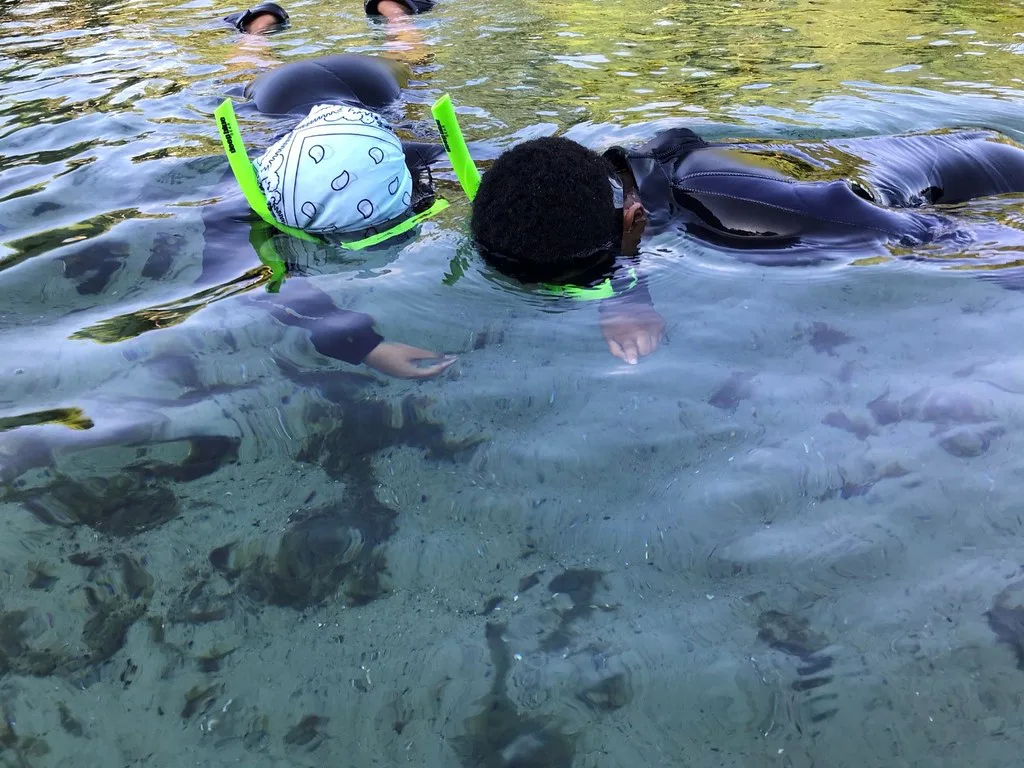
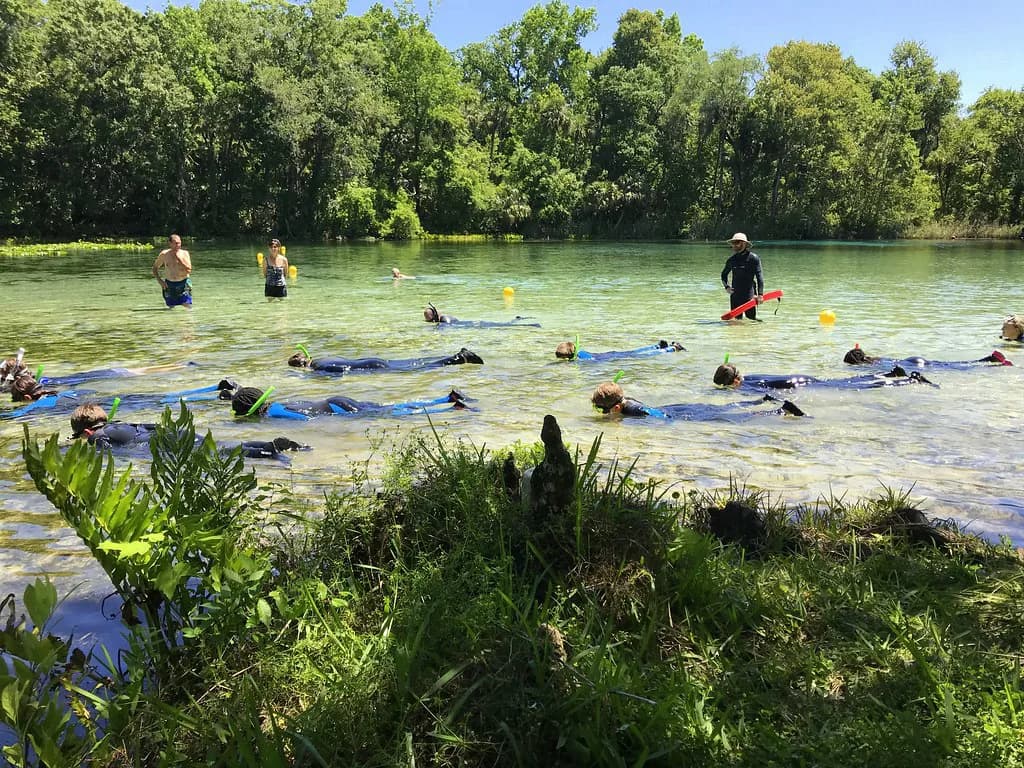
Alexander Springs rewards snorkelers who want an easy, roomy freshwater swim rather than a reef. Two concrete stairs with handrails lead straight into the spring pool, the water holds near 72°F all year, and the basin runs mostly chest-deep, so first-timers and children can settle in without a long surface swim.
The pool sits inside the Ocala National Forest, just over an hour's drive north of Orlando, with parking at the recreation area entrance. Because the whole experience happens inside a marked swimming area, you plan a route across the basin and its plant edges instead of navigating surf, boat lanes or open-ocean current.
Why This Spring Suits First-Time Snorkelers
The draw here is a large, sheltered pool with a shallow, sandy floor and clear water, which is about as forgiving as a first mask-and-snorkel session gets. There is no surf zone, no beach break and no long kick out to structure, so beginners spend their energy looking at fish and plants instead of fighting chop.
It also works as a family stop because the entry is fixed and predictable rather than a sand slope that shifts with conditions. Kids who are comfortable standing in waist-deep water can hover over the shallow basin, while confident swimmers in the group can drift toward the deeper vent area on the right side.
Where the Spring Sits
Alexander Springs is a developed recreation area in the Ocala National Forest, roughly an hour and a bit north of Orlando. Parking is at the entrance to the site, so you walk in with gear rather than driving between scattered lots.
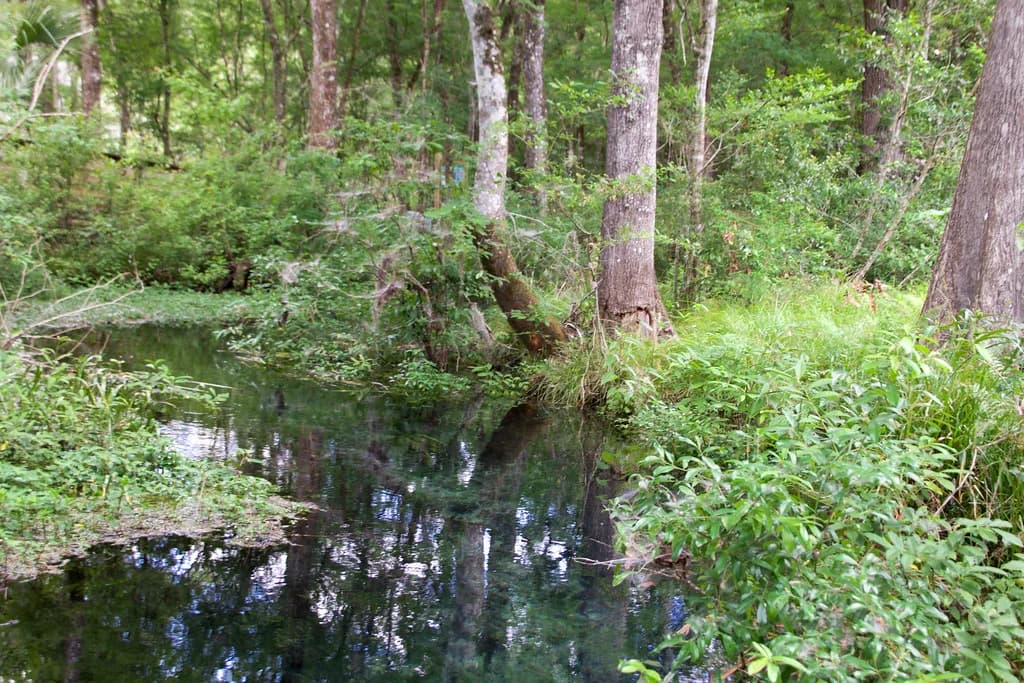
The forest itself is managed by the U.S. Forest Service, and the springs sit within a broader network of recreation sites across Florida's national forests. If you are building a multi-day springs trip, this is a natural anchor because you can camp on site instead of driving back to the city each evening.
Getting In
Entry is by two concrete stairs fitted with handrails, which drop you directly into the Alexander Pool. That changes how you pack: secure sandals or booties are worth having for the steps and for standing on the limestone and moss patches around the basin, and a dry bag keeps car keys safe on the stair landing.
Because there is no gradual beach, families with very small children should plan to carry or hand-hold kids down the steps and set up at the water's edge rather than letting them run in. Snorkeling here is limited to the swimming area, so you do not need to plan a route beyond the marked pool.
How the Pool Is Laid Out
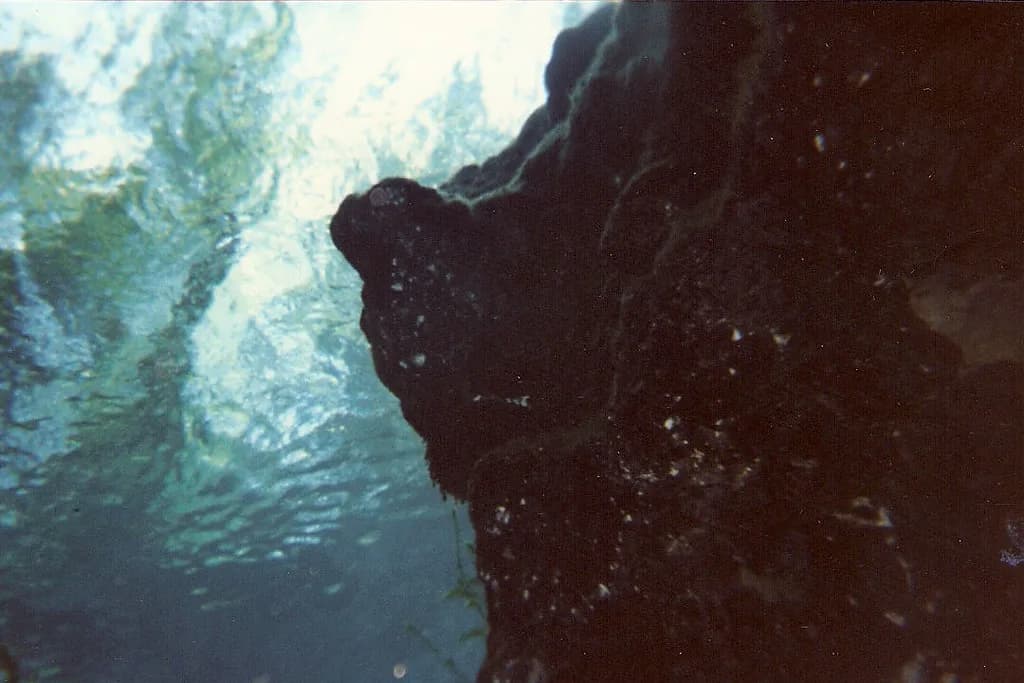
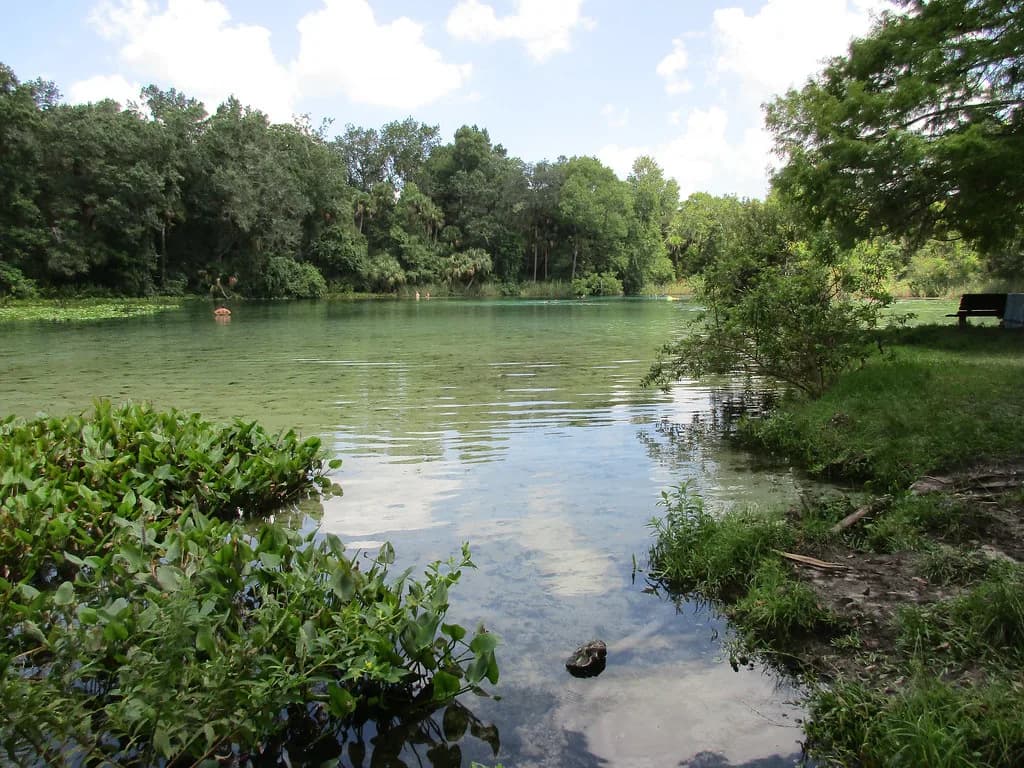
Alexander Pool measures roughly 393 feet long and 229 feet wide, which is big enough to spread out but small enough to cross in a few minutes. Most of the basin runs about 4 to 6 feet deep over a sandy floor, with moss and limestone rocks scattered across the bottom.
The exception is a deeper pocket on the right side of the basin near the vent, where depth reaches about 27 feet. That is the one part of the swim that demands a settled breath-hold and a buddy watching from the surface, so weaker swimmers should treat the shallow center and left as home base.
What You Will See
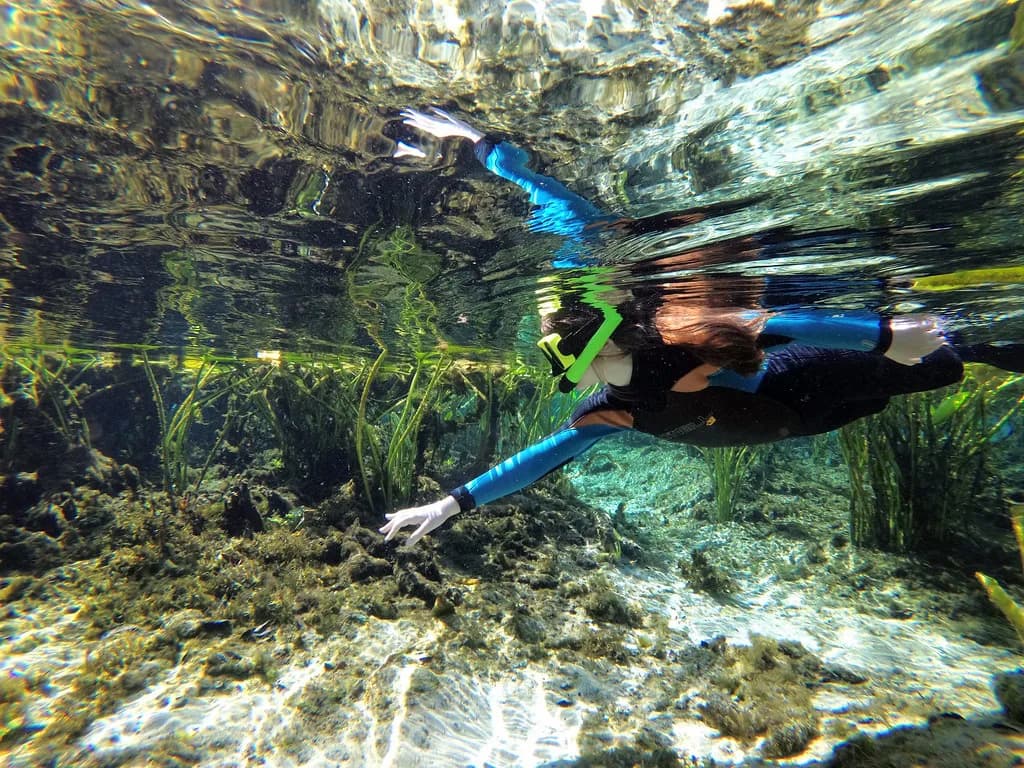
The edges of the pool, particularly the northeastern corner, hold dense water lilies and other aquatic plants that read as underwater forests from the surface. Point the mask along those margins and you will find the highest concentration of fish and the best light for photos.
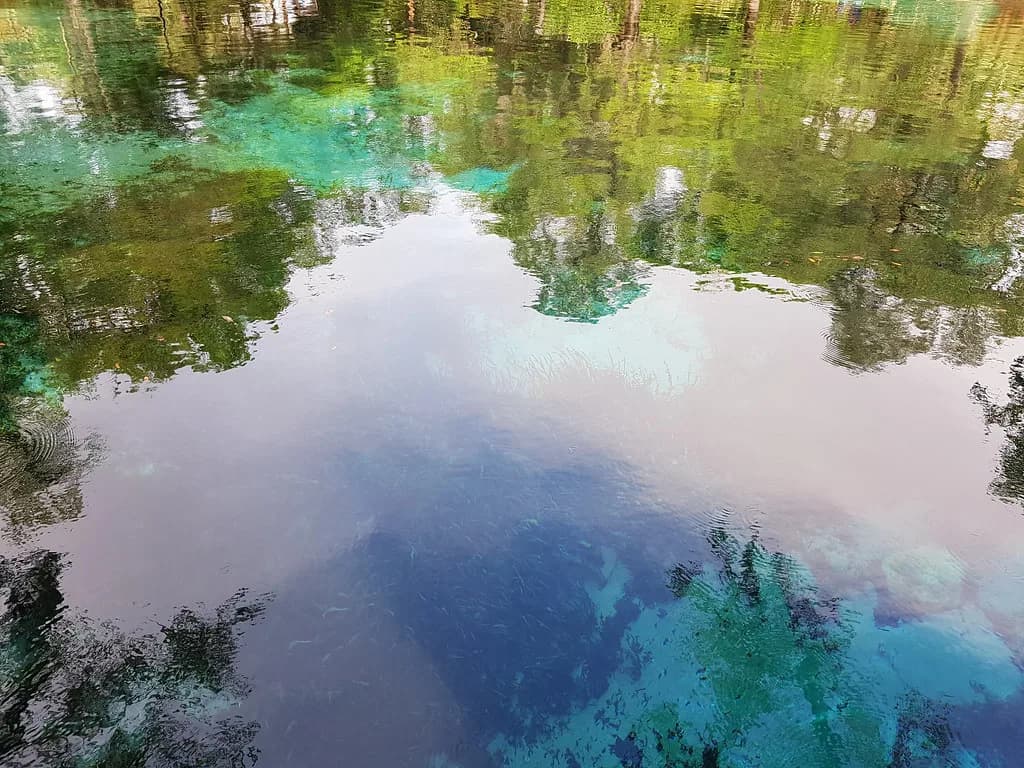
Expect freshwater species rather than reef tropicals: bluegill, redbreast sunfish and mullet are common around the plant beds, while spotted bass tend to lurk close to the bottom and are more often seen over the open sand. Visibility in the spring typically reaches 90 to 100 feet, which is why the plant landscapes photograph so well.
Freshwater Wildlife and How to Behave Around It
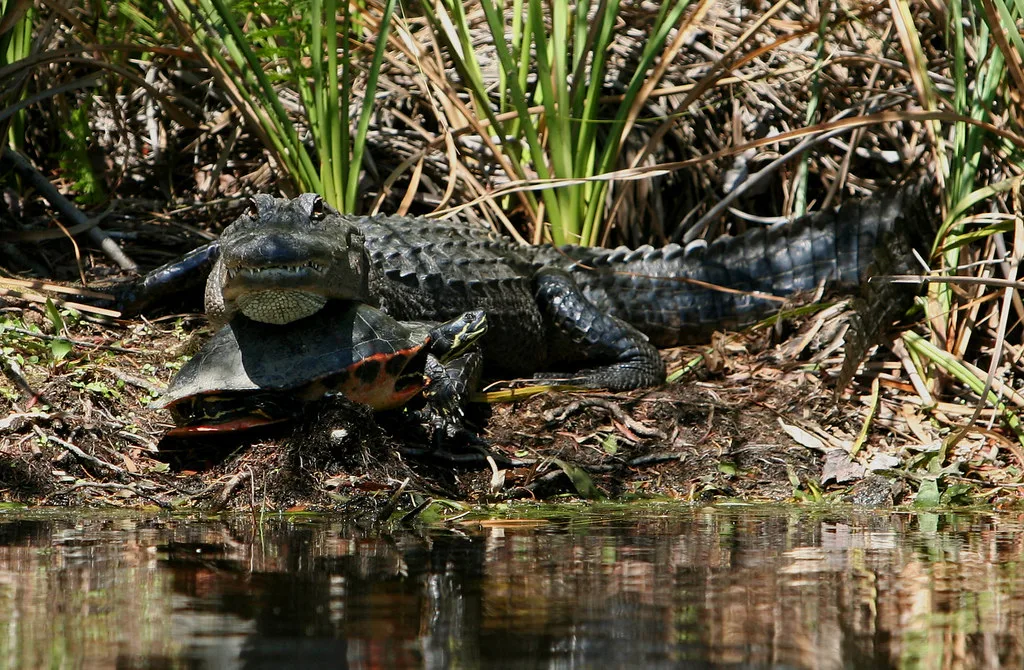
Turtles, water snakes and small alligators are occasional possibilities in the basin, so treat any encounter as a viewing moment from a respectful distance. Keep hands and fins away, give animals room to move off on their own, and never feed or chase anything you meet.
A simple habit helps: scan the surface before you put your face down, and surface often near the plant edges where visibility into the shallows is limited. If an alligator is present in the pool, leave the water and let staff manage the situation.
Best Time of Day and Season
The spring flow holds around 72°F year-round, so the swim is comfortable in winter and refreshing in summer, and there is no bad season for water temperature. Morning arrivals tend to get calmer surface conditions and fewer people in the pool, which matters most for photography and for kids finding their feet.
Summer weekends bring the heaviest use, and the recreation area's day-use rates are higher on weekends than weekdays, so a midweek visit buys both space and savings. Check the U.S. Forest Service recreation page for the current operating schedule before you commit to a date.
Parking and Day-Use Fees
Parking sits at the entrance to the site, so you park once and walk to the spring. Day-use admission was reported at $9 per person on weekdays and $12 per person on weekends in 2023; rates change, so confirm the current figure with the recreation area before you go.
Budget per person rather than per car, because the fee is charged by head and adds up quickly for larger families. A midweek visit keeps the cost lower and the pool quieter, which is often the better trade for snorkelers who want clear, undisturbed water.
Camping and Facilities
The recreation area includes a shaded, 67-unit campground within an easy walk of the springs swimming and picnic area, which is what turns this from a stop-off into an overnight spring trip. Staying on site means you can swim early before day visitors arrive and again in the evening.
Public toilets and showers are available on site, so you can rinse off after a freshwater swim and change comfortably. Campground booking runs through the official recreation site, and it is worth reserving ahead for summer weekends.
Rules That Shape Your Swim
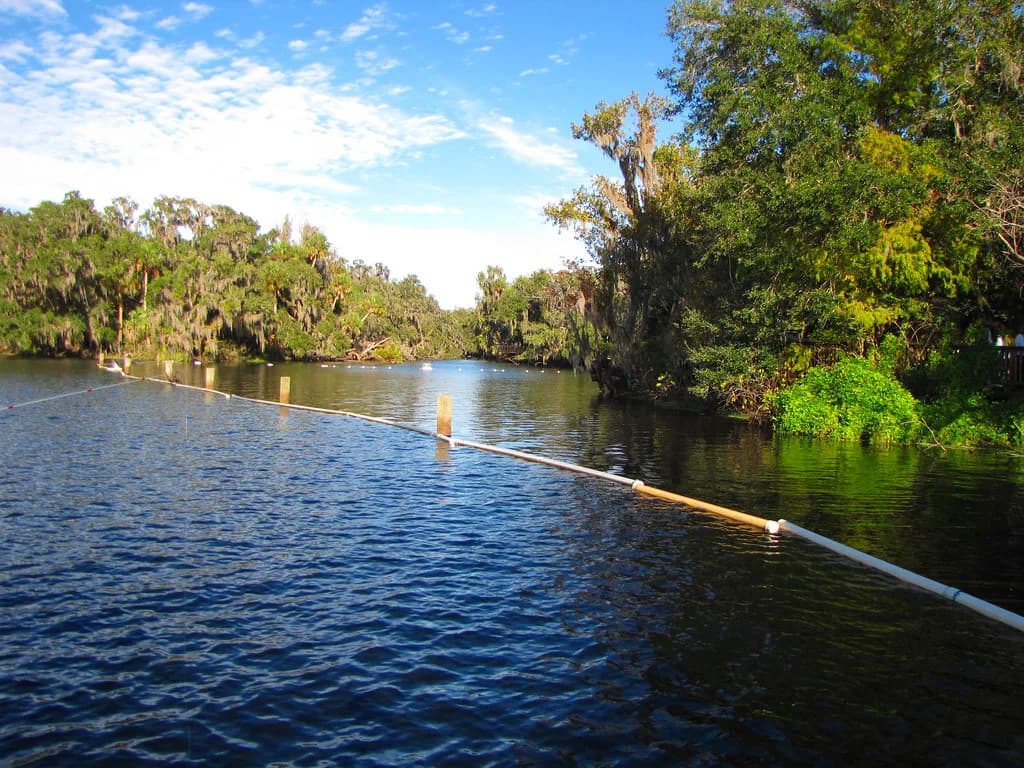
Snorkeling is allowed only inside the Alexander Pool swimming area, so plan your entire session within those bounds rather than exploring beyond the marked pool. That keeps you clear of the spring run and out of the way of other users.
For a wider look at how Florida's springs handle access, entry points and swimming zones, our guide to the best springs to snorkel in florida compares the options side by side.
Gear for a Freshwater Spring
A low-volume mask and a simple open-tube snorkel are enough here, since you will mostly be hovering over a shallow sandy floor rather than diving. Short fins or even good water shoes work well in the plant margins, where long blades stir silt and tangle in stems.
Because the water stays cool year-round, a thin rash guard or a 1–2 mm top extends comfortable session time without overheating on the walk in. A mesh bag for the stairs and a small dry pouch for keys round out a light kit.
Nearby Springs and Caves to Combine
Silver Glen Springs and Salt Springs sit within a short drive and offer different water and different fish, making them natural pairings for a two-spring day. Silver Glen is known for clear water and occasional manatee visits, while Salt Springs runs saltier with blue crabs among its draw.
If you want a contrasting overhead environment, devils den snorkeling near Williston offers a cavern dive setting that feels nothing like an open spring basin. It suits snorkelers ready to trade sunlight and plants for rock walls and still water.
Add-Ons on Dry Land
The 1.1-mile Timucuan Trail loop starts nearby and highlights the vegetation and history of the area, making it an easy add-on after a morning swim. Walking it also gives your gear time to dry before the drive home.
Pair the hike with a picnic at the springs area, and you have a full day without moving the car between stops. Bring lunch and water, since the day is easier when you are not driving out mid-afternoon.
Who Should Skip It
Snorkelers chasing coral, reef fish or open-water depth will find Alexander Springs too contained. This is a freshwater basin with plant beds and bass, not a reef, and the swimming area boundary keeps the swim short and shallow.
Strong swimmers who want a long surface route or a boat drop should look at coastal Florida options instead, and our guide to snorkeling in Florida breaks down shore versus boat access. Alexander Springs is best appreciated as a calm, clear, easy-access swim with a camera and a slow pace.
Plan Your Visit
Build your day around the stairs: arrive early, claim a spot near the water's edge, and start in the shallow center before drifting toward the plant beds in the northeastern corner. Save the deeper vent area for confident swimmers with a buddy on the surface.
Check the current day-use rate and campground availability through the U.S. Forest Service before you travel, and keep your session inside the Alexander Pool boundary. Done that way, this is one of the easiest freshwater snorkels in Florida to plan and one of the most photogenic.
Frequently Asked Questions
Can you swim in Alexander Springs?
Yes. The spring has a designated swimming area called Alexander Pool, and snorkeling is allowed within that pool. You enter by two concrete stairs with handrails rather than from a beach.
Are there alligators at Alexander Springs?
Small alligators are an occasional possibility in the basin, along with turtles and water snakes. Keep a respectful distance, never feed or chase wildlife, and leave the water if an alligator is present so staff can handle it.
How deep is Alexander Springs?
Most of the pool is about 4 to 6 feet deep over a sandy bottom. A deeper pocket on the right side near the vent reaches roughly 27 feet, which is the part of the swim that suits confident swimmers rather than beginners.
Do you need reservations for Alexander Springs?
Day-use entry does not run on a reservation in the usual sense, but the on-site campground is booked through the official recreation site. Check the U.S. Forest Service recreation page for current day-use details and campground booking.
Is Alexander Springs good for snorkeling with kids?
It suits families well because the shallow basin is roomy and the entry is fixed stairs with handrails. Plan to hand-hold small children down the steps and keep them in the shallow center away from the deeper vent area.
What fish can you see snorkeling at Alexander Springs?
Bluegill, redbreast sunfish and mullet are common around the aquatic plants, while spotted bass are usually seen near the bottom over open sand. Freshwater turtles turn up occasionally along the edges.
Sources
Snorkeling notes for your next trip
Optional updates to our snorkeling guides.
You might also like
Continue reading
More guides you'll find useful