Blue Spring State Park Snorkeling: When You Can Get In
Snorkel the clear 72-degree run at Blue Spring State Park in Orange City, outside manatee season. Learn the winter closure, entry, rules and timing.
On this page
Blue Spring State Park rewards snorkelers with water so clear the bottom reads at a glance, all within an easy drive of Orlando in Orange City. The catch is timing: this is a designated manatee refuge, and the spring and run close to all water activity for part of the year. Snorkelers who plan around that closure get a cold, bright, compact swim that suits beginners and kids far better than open-ocean reef snorkeling.
Where the park is and how the spring is laid out
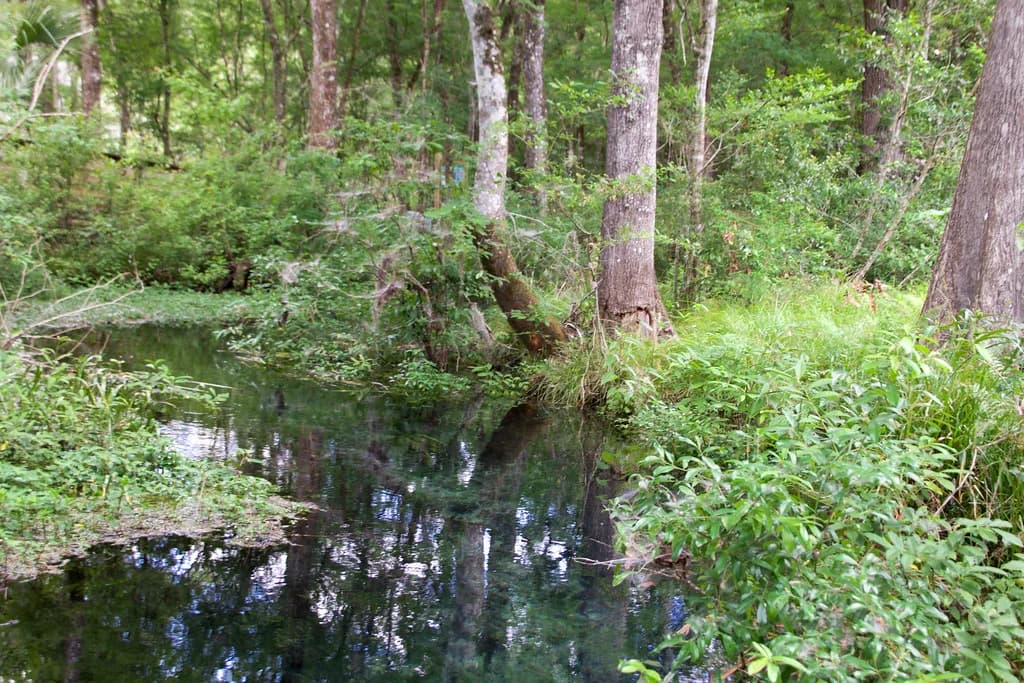
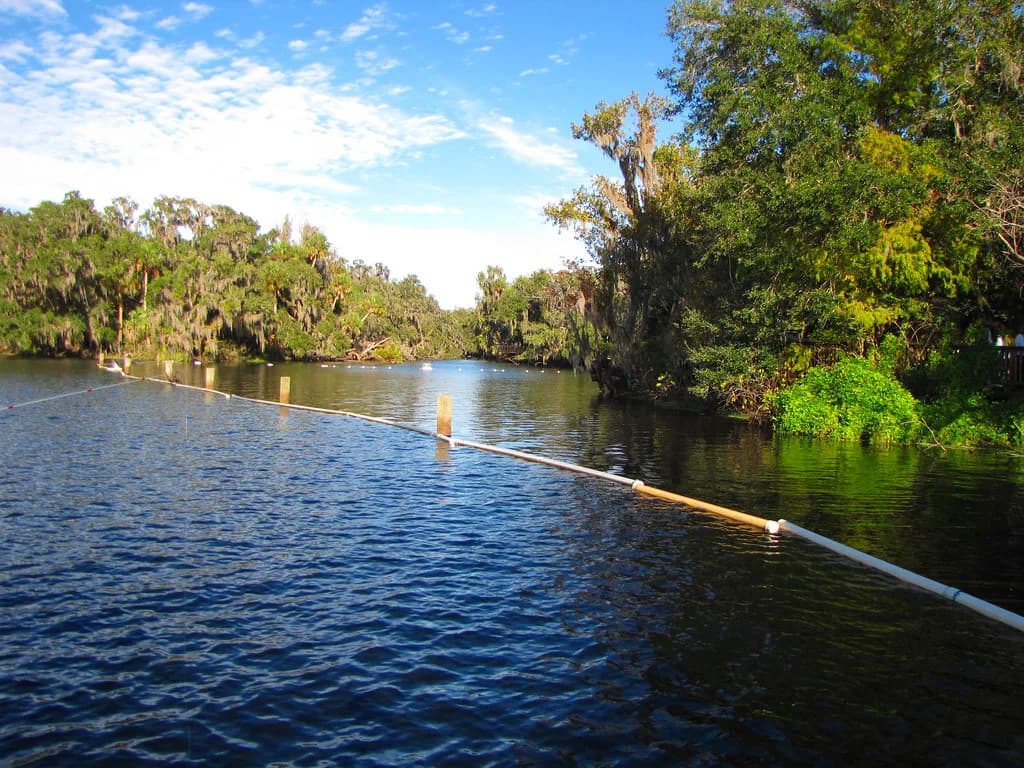
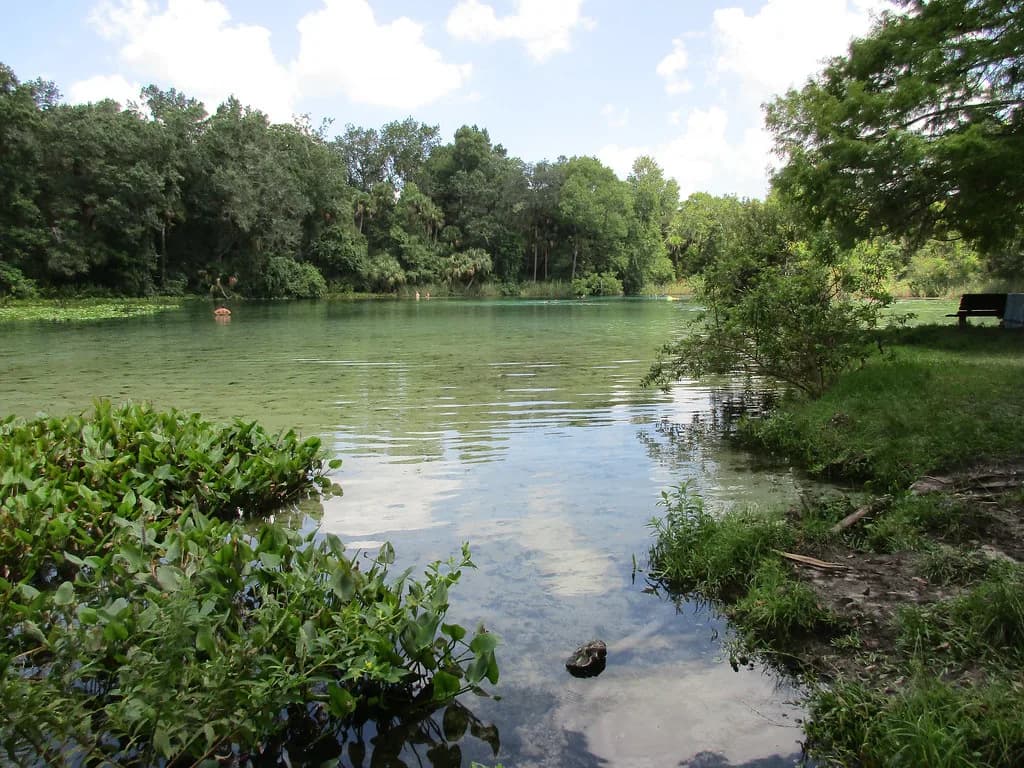
The park sits at 2100 West French Avenue in Orange City, reached from Interstate 4 exit 114 and then south on 17/92. The centerpiece is the largest spring on the St. Johns River: a deep boil that feeds a spring run flowing out to the river. Swimming happens in that run, not the open river, which keeps the space contained and the visibility high.
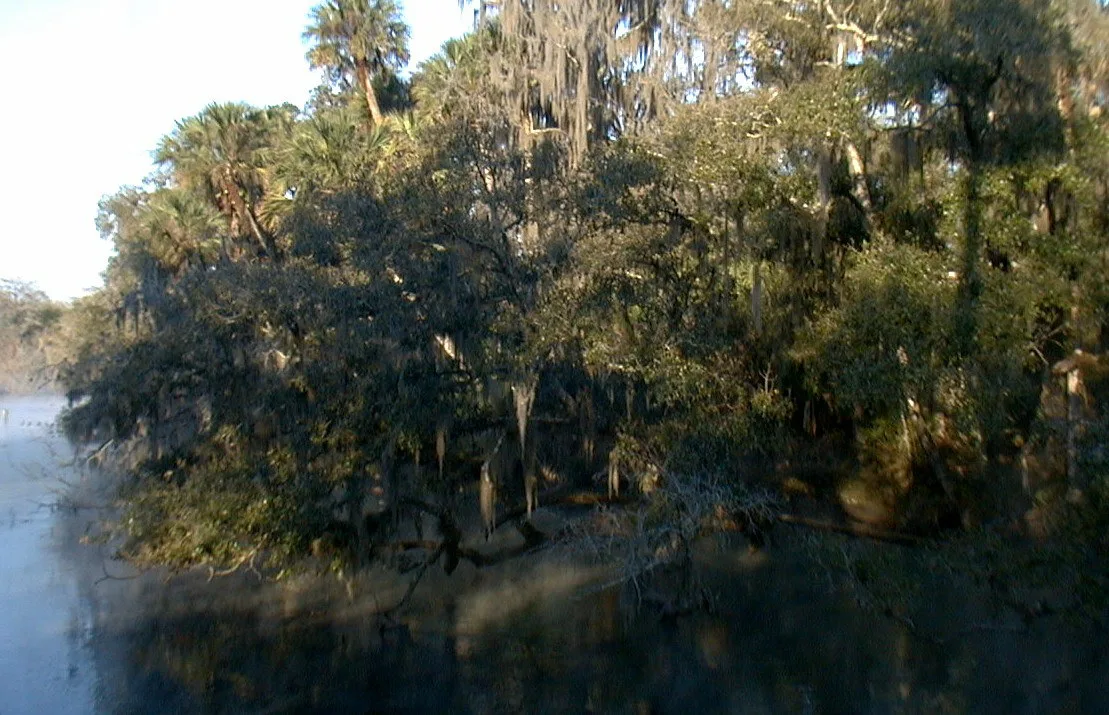
A boardwalk leads from the parking and picnic areas through hammock to the spring, and the historic Thursby House stands near the water. Read the layout before you go: the run is a narrow corridor with the boil at one end, so most snorkeling is a there-and-back rather than a loop. That makes it easy to gauge distance and stay within your comfort zone.
Getting in: entry from the swim area
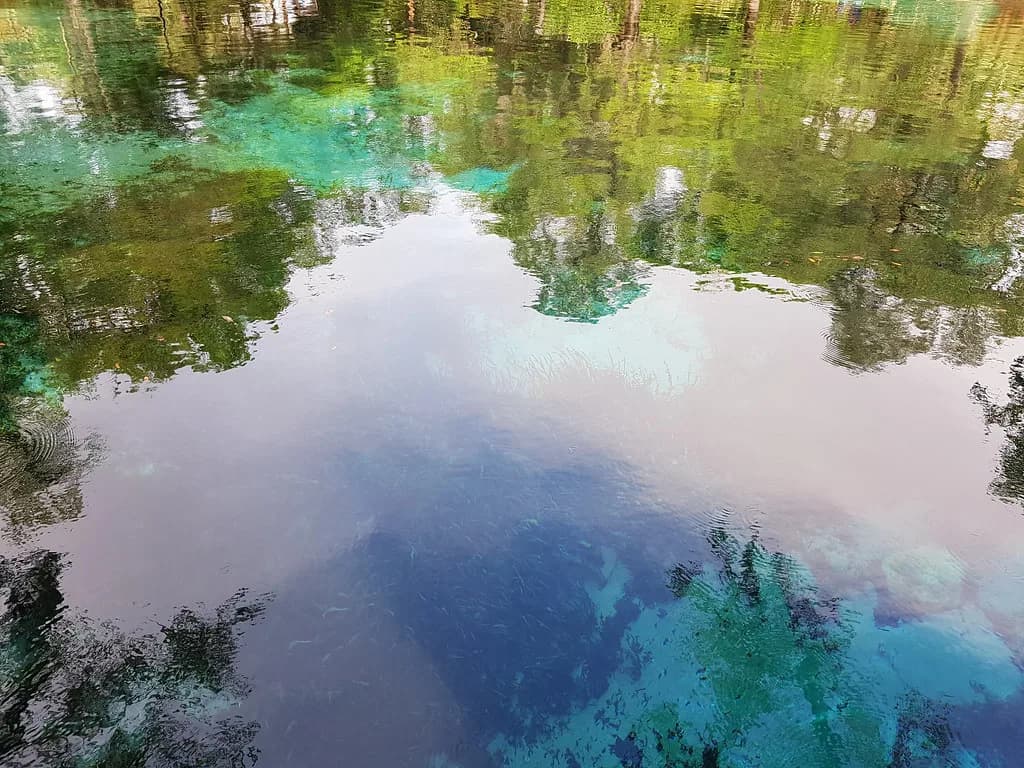
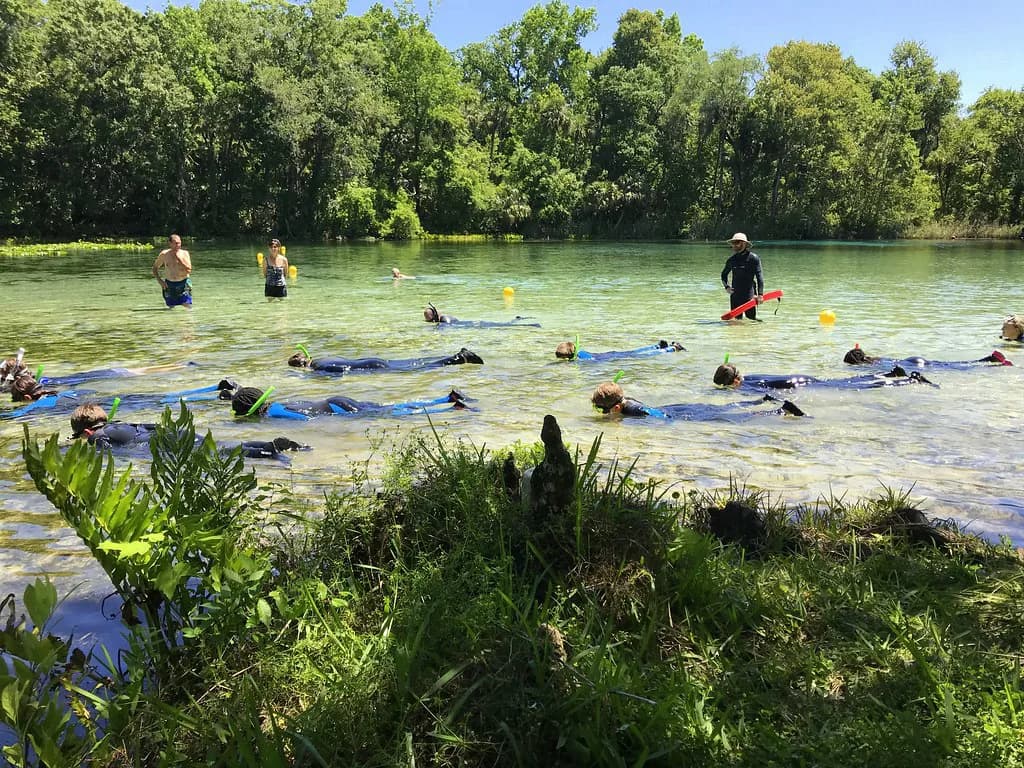
Entry is from the park's swim area at the head of the run, where the water is calm and the bottom shelves away toward the boil. You wade in rather than jump from a platform, which keeps the start gentle for children and less confident swimmers. Once past the shallows, the bottom drops and the water goes deep and blue.
Plan on a short session rather than a long tour. The water holds a constant 72 degrees year-round, which feels bracing the moment you submerge and drains heat faster than Gulf or Atlantic water in summer. A rash guard or thin wetsuit top extends your time, and a towel and warm layer on shore make the exit comfortable for kids.
What you will see underwater
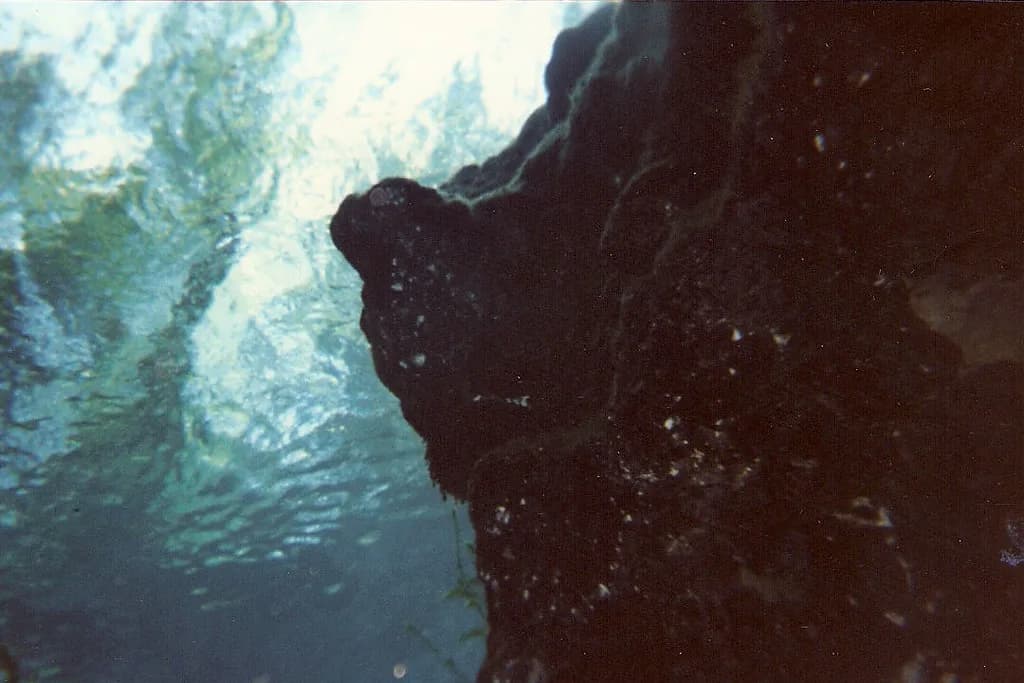
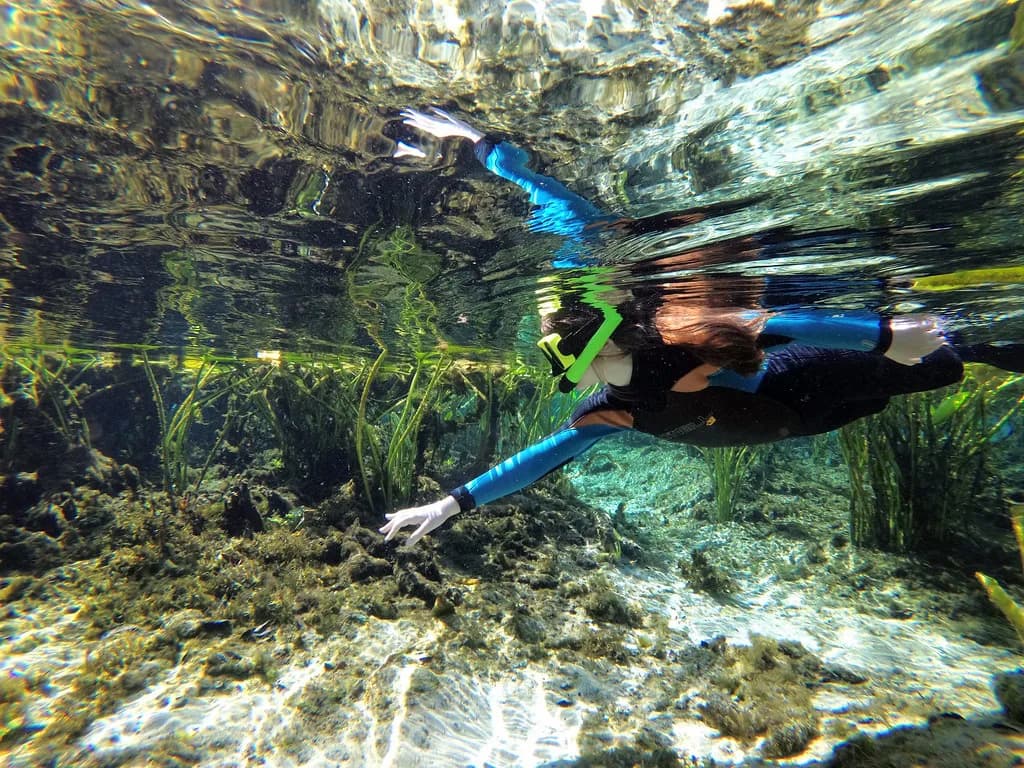
The run is a freshwater viewing window: expect fish and turtles over pale limestone and karst rock formations, with the visibility that makes each one easy to spot. Snorkeling is a matter of hovering over the rock and letting the fish move around you rather than chasing them.
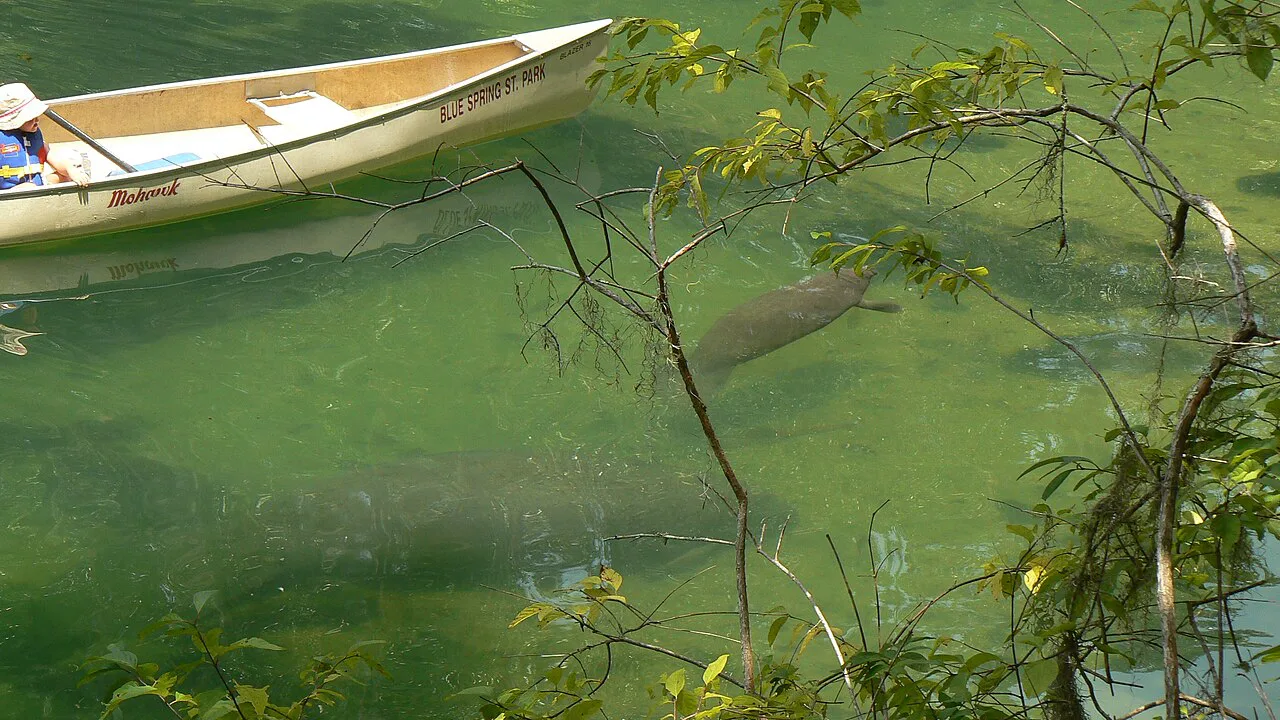
In winter, West Indian manatees gather in the warm spring run, and the park describes the site as their winter home from mid-November through March. That gathering is the reason the water closes to people in the coldest months. Treat the manatee season as a viewing season from the boardwalk, not a snorkeling season.
The seasonal water closure
To protect manatees through the cold months, the spring and spring run close to all water-related activity, including swimming, snorkeling, scuba diving and boating, from November 15 through March 1. Plan your snorkel day outside that window; a January or February visit means the boardwalk and the manatees, not the water.
The practical shape of the year is therefore spring through early fall for snorkeling, with late fall and winter reserved for dry-land viewing. If your trip falls near either boundary date, ask the park directly before building a day around swimming, since an early cold snap can shift the manatee picture.
Skill level and who it suits
This is a beginner-friendly snorkel: a contained run, calm surface and clear water mean you can see where you are going without navigating surf or a long reef swim. Kids who are comfortable in cold freshwater do well here, and the short distance from entry to interesting bottom keeps attention spans intact.
Strong swimmers get less of a workout than on a coastal reef, but the depth near the boil demands real comfort in deep water. Weak swimmers should stay over the shallower shelf and use a flotation aid; the cold alone is enough to shorten a swim. If you want a longer, warmer float, look at the best springs to snorkel in florida as an alternative, or compare options with this guide to snorkeling in Florida for shore and boat spots beyond the springs.
Best time of day and season
Gates open at 8 a.m. and the park stays open until sundown, so an early arrival gets you calmer water and a better chance at a parking space. Summer weekends fill fastest, and the park closes its gates when the lot reaches capacity. A weekday in late spring or early fall is the calmest compromise.
Morning light also flatters a spring run, with the sun high enough to light the bottom without the harsh glare of midday. Carry cash or a card for the entrance station and check the park's page for current capacity notices before you drive out.
Hazards and cold-water comfort
The main hazard is the water itself: a constant 72 degrees is cold enough to chill a small child in minutes and to leave an adult shivering after a long session. Set a time limit before you get in, get out when you feel the cold, and keep a dry layer waiting.
Deep water near the boil and the pull of the run on a busy day are the other considerations. The park posts swimming as at your own risk, so judge your group's ability honestly and keep children within arm's reach.
Rules: a manatee refuge, not a petting pool
Swimming or diving with the manatees is not permitted, and the park states the rule is strictly enforced. During manatee season, that means keeping to the boardwalk and watching from above rather than entering the run. Never touch, feed or follow an animal, and give any manatee that approaches you space to move on.
Certified scuba divers may register at the entrance station between 8 a.m. and 3 p.m. with a current certification card and a buddy, so the park does support organized diving outside the closure. Snorkelers should read posted signs at the swim area for any day-to-day restrictions before entering.
Parking, fees and reservations
Parking is the limiting factor on busy days, and the gates close once the lot fills, which can happen early on summer weekends. Arriving at opening or choosing a weekday is the most reliable workaround. Entrance fees are collected at the ranger station, and the park publishes current rates rather than a fixed figure travelers can rely on year to year.
For camping, the park offers a full-facility campground with 51 sites plus six two-bedroom cabins, and those are the reservations worth booking ahead. Day-use snorkelers generally do not need a reservation, but groups planning a pavilion should call the park office. Check with Florida State Parks for current conditions and gate status the morning of your visit.
Facilities on site
The park has picnic areas, two covered pavilion areas with grills, and a boardwalk through hammock to the spring. Canoes can be rented from the park concession, and river boat tours run on the St. Johns. Restrooms and changing facilities sit near the swim area, so you can arrive in street clothes and change on site.
A concession stand and picnic tables make this an easy half-day rather than a rugged outing. Bring water, a towel and sun protection, and remember that shade around the swim area is limited at midday.
Nearby springs and parks to combine
Blue Spring sits in a dense cluster of central Florida water, so it pairs well with a second stop. Wekiwa Springs State Park and Hontoon Island State Park are close by, and both offer a different kind of day on the water, one with a swim area and the other reached by boat or ferry.
For a different freshwater experience, consider devils den snorkeling near Williston, a spring in a collapsed cavern with a very different feel from an open run. Further afield, salt springs snorkeling in the Ocala National Forest adds another stop to a springs road trip.
Plan Your Visit
Blue Spring State Park is a spring snorkel defined by its calendar: spring through early fall for the water, late fall and winter for manatees viewed from the boardwalk. Build your day around an 8 a.m. arrival, a short cold-water session, and a warm layer waiting on shore. Snorkelers who respect the refuge rules and the 72-degree water get one of central Florida's clearest freshwater swims.
Frequently Asked Questions
Can you snorkel at Blue Spring State Park year-round?
No. The spring and spring run close to all water-related activities, including swimming and snorkeling, from November 15 through March 1 to protect wintering manatees. Plan your snorkel for spring through early fall.
When is Blue Spring State Park closed to swimming and snorkeling?
The water closure runs from November 15 through March 1. During that window the park remains open for boardwalk viewing of manatees, but the run itself is off-limits to people.
What is the water temperature at Blue Spring?
The spring run holds a constant 72 degrees. That is cold enough to shorten a session, so bring a rash guard or thin wetsuit top and limit time in the water, especially with children.
Can you swim with the manatees at Blue Spring?
No. Swimming or diving with manatees is not permitted, and the park states the rule is strictly enforced. Watch from the boardwalk and never touch, feed or follow an animal.
How much does it cost to get into Blue Spring State Park?
Entrance fees are collected at the ranger station and change over time, so confirm the current rate with the park before your visit. Camping and cabin stays are booked separately.
What time does Blue Spring State Park open?
Gates open at 8 a.m. and the park stays open until sundown. Arriving at opening helps on summer weekends, when the lot can fill and the gates close.
What can you see snorkeling in the spring run?
Expect fish, turtles and pale limestone karst formations in very clear water. In winter the run hosts manatees, but that season is for boardwalk viewing rather than snorkeling.
What other springs are near Blue Spring State Park?
Wekiwa Springs State Park and Hontoon Island State Park are close by, and the Ocala National Forest springs lie within a longer day's drive. Pair the spring with a second stop for a full day out.
Sources
Snorkeling notes for your next trip
Optional updates to our snorkeling guides.
You might also like
Continue reading
More guides you'll find useful