Snorkeling in Sarasota: Point of Rocks vs Boat Trips
Snorkel Sarasota from shore at Point of Rocks on Siesta Key, or take a private boat to artificial reefs and sandbars. Compare entry, skill level and timing.
On this page
Sarasota sits on a stretch of Gulf coast where the bottom is limestone and sand rather than coral, and that geology shapes every snorkel day here. The signature swim is a walk-in over rock ledges at the south end of Siesta Key, but a second option runs from a boat ramp north of the island toward artificial reefs and open sandbars. Knowing which one fits your group, your gear and your appetite for a swim decides more about the day than any ranking.
Why Sarasota snorkeling looks different
There is no barrier coral reef off Sarasota. Instead, the coast is built on quartz sand beaches interrupted by ancient limestone outcroppings, and offshore the bottom is largely sand and rock with man-made artificial reefs added for fish habitat. That means you are snorkeling structure, not a coral garden: fish cluster around ledges, crevices and hard surfaces where food and cover exist. The practical payoff is that shore-accessible rock sits within wading distance at Siesta Key, and boat trips target reef balls and rubble fields a swimmer could never reach from the beach.
Point of Rocks at Crescent Beach: where it sits and how you get in
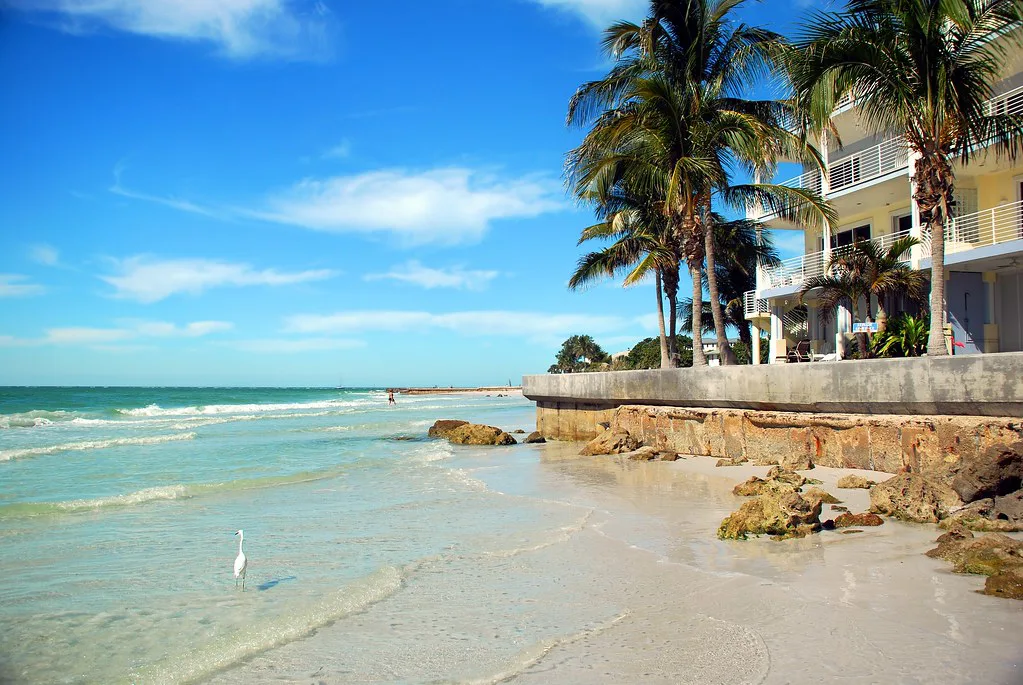
Point of Rocks occupies the southern end of Crescent Beach on Siesta Key, roughly a mile south of Siesta Key Public Beach, where limestone ledges run out into the Gulf instead of the island's famous powder sand. Entry is from the beach itself, walking straight off the sand into shallow water among the rock; no boat, ladder or pier is involved. The rocks form tidal pools and low natural reef at the shoreline, with shallow and slightly deeper zones within a few feet of each other, so you can start in knee-deep water and work outward. Access to the water is free.
The formation's shape is what makes the swim workable. Limestone ledges extend into the Gulf and break up incoming waves, which keeps the inner zone noticeably calmer than open beach on many days and gives snorkelers a protected corridor to follow. Visibility on calm days can reach 20 feet or more, enough to read the ledges and fish from the surface without diving. Treat that as a good-day figure rather than a promise, since wind and tide reset it constantly.
What you will see at Point of Rocks
The ledges are the attraction because they concentrate life. Sergeant majors, striped and bright, hover near the rock faces; sheepshead graze barnacles off hard surfaces; parrotfish work algae with beak-like mouths; and snook and snapper cruise the deeper channels between formations. Look down rather than out: sea urchins wedged in cracks, blue and hermit crabs under ledges, and sea stars and anemones clinging to shallow rock are all part of the usual inventory.
Manatees and small stingrays pass through the area, and either is a bonus rather than a plan. Both are protected, and the standard guidance applies: observe from a respectful distance, never touch, feed or chase, and give a manatee room to surface and breathe. Keep your hands off the rock life as well, since the algae and soft coral coating the ledges is what feeds the fish you came to see.
Skill level: inner ledges versus the outer formations
Point of Rocks splits cleanly by ability. The inner ledges are shallow, close to the sand entry and sheltered by the rock, which makes them workable for first-timers and for children supervised in the shallows. The outer formations run farther into the Gulf and into deeper water, suiting stronger swimmers, and the current there can shift with the tide. Plan the day around the inner zone if anyone in your group is uneasy in open water, and save the outside edge for confident adults.
A few habits make the swim easier for everyone. Fins help you hold position against gentle current without exhausting yourself, and a brightly colored float or vest keeps a snorkeler visible to boats and to whoever is watching from shore. A low-to-mid tide is often cited as the better window for viewing the ledges, since more rock structure sits within reach of the surface. Stay aware of tidal flow as you move outward, and turn back before you feel the pull rather than after.
Best time to go
Go early. The recommended window at Point of Rocks is roughly 8 to 10 a.m., before afternoon winds build and before the beach crowd arrives, which is when you get the cleanest water and the easiest entry. Seasonally, spring through early fall brings warm Gulf water, with summer temperatures typically reaching the mid-80s, comfortable for long surface swims. Winter still delivers swimmable sunny days, and a short wetsuit extends time in cooler water.
Two conditions reliably flatten visibility. Red tide events and heavy rain both cut clarity, and snorkeling is best avoided during either, so build a backup beach day into the plan. Local dive shops and marine weather reports are the fastest read on conditions the morning you go.
Getting to Point of Rocks: two approaches
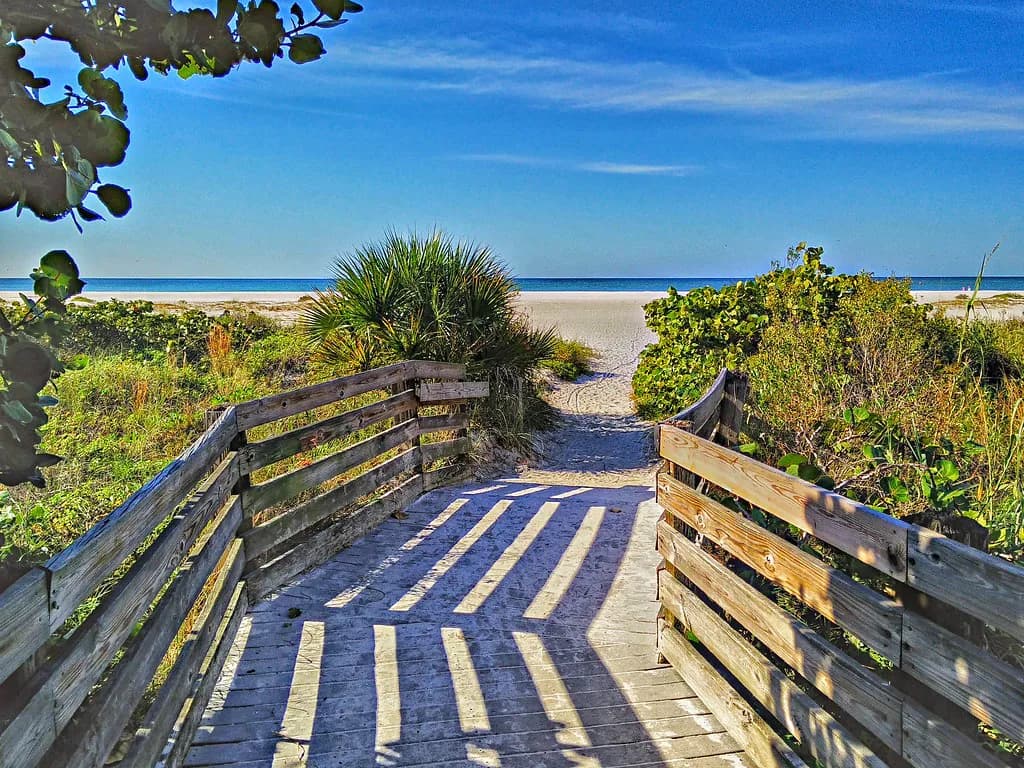
The direct route is Crescent Beach Access #12. Park along Midnight Pass Road and walk through the narrow beach access path, then turn south, to your left, once you hit the sand. Parking near Access #12 is limited, especially in peak season, so an early arrival matters more here than almost anywhere else on the island.
The alternative is a shoreline walk from Turtle Beach, heading north along the sand until the rock formations appear. It trades a longer walk for a different parking base and suits anyone already staying at the south end of the island. If you are lodging nearby, walking or biking beats hunting for a Midnight Pass Road space entirely.
Facilities, parking and what to bring
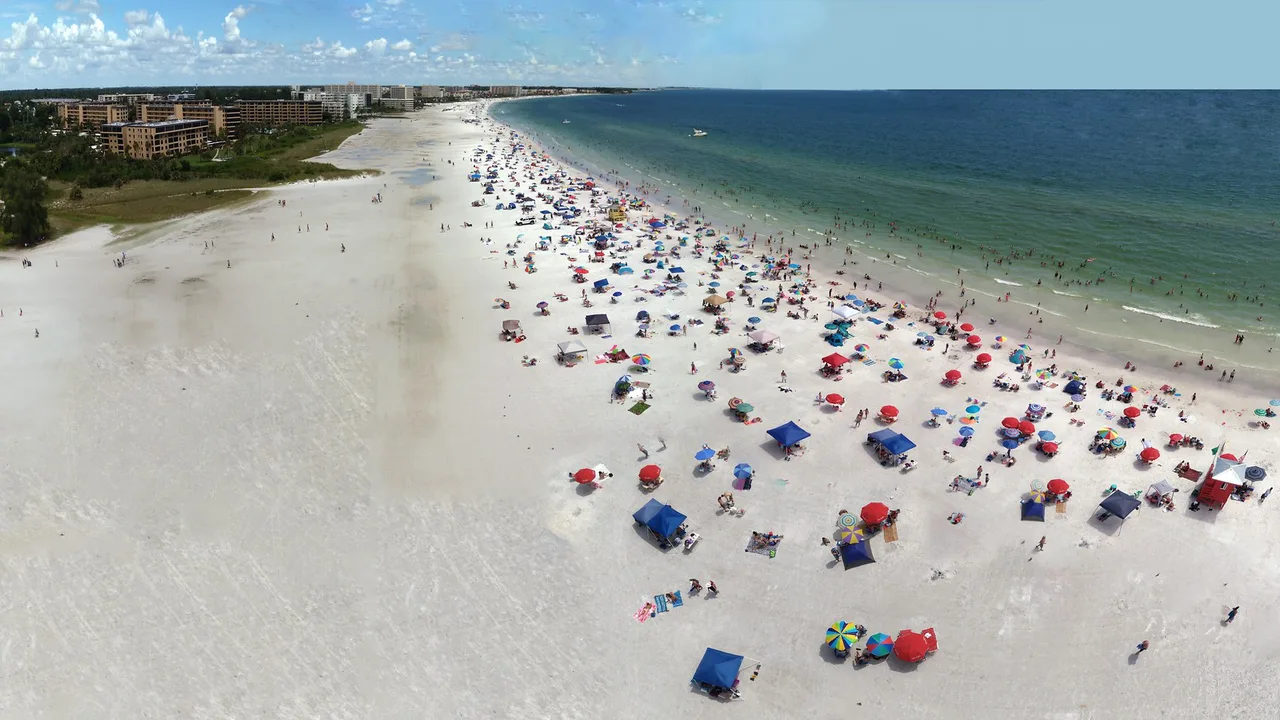
There are no restrooms or concessions directly at Point of Rocks, so plan the day around what the surrounding beach area offers. Siesta Key Village and the Crescent Beach shops are a short drive away for food, drinks and gear rental, which makes them the practical staging point if you need to pick up fins, masks or a vest. Carry water, sun protection and footwear you can walk on hot sand in, and leave valuables behind rather than stashing them at the access path.
Boat-based snorkeling from Nora Patterson Park
The other half of Sarasota snorkeling runs from the water. Siesta Key Snorkel operates private snorkel excursions, sandbar trips, shelling outings and eco tours, all departing from Nora Patterson Park at 946 Siesta Drive in Sarasota. The boat format opens up artificial reefs and open sandbars that shore snorkelers cannot walk to, and private trips keep the group to your own party. Use the park address to judge drive time from your lodging before you reserve a date.
Siesta Key Snorkel markets these as family-friendly private charters that combine snorkeling with sandbar stops, shelling and looking for dolphins and manatees from the boat. Treat wildlife as possible, not scheduled, and expect the crew to follow the same viewing rules as shore snorkelers. Rates, departure times and booking terms are set by Siesta Key Snorkel itself, so ask for them when you reserve instead of guessing a price from a listing.
Shore entry versus boat trip: how to choose
Shore snorkeling at Point of Rocks costs you nothing to enter and asks only for your own gear, a short walk and the patience to find parking. It gets you rock ledges, shallow structure and a calm inner zone, but it caps your range at whatever you can swim from the beach. A private Siesta Key Snorkel trip flips that: you pay the company, you commit to a departure slot, and in exchange you reach artificial reefs and sandbars beyond walking distance with a captain handling navigation. Choose shore if you want a flexible, low-cost morning; choose the boat if your group wants distance, shelling or a guided day on the water. It is worth checking current prices and dates with Siesta Key Snorkel before you settle on a boat day.
Snorkeling with kids and first-timers
For young children and nervous first-timers, the inner ledges at Point of Rocks are the simplest introduction in the area: sand entry, shallow water and rock that blocks the swell. Keep everyone inside the sheltered zone, put a bright float or vest on weaker swimmers, and pair each child with an adult within arm's reach. The boat option works well for families too, because a captain manages the route and sandbar stops give kids a break from mask-and-snorkel time.
Strong swimmers and confident snorkelers should head for the outer formations on a calm morning, when the deeper rock is most readable and current is least pushy. Bring fins, watch the tide, and do not cross into open Gulf water alone. If you want a second shore option on another day, Anna Maria Island north of the city offers its own beach-entry swimming, and nearby Venice adds shark-tooth beaches on the same stretch of coast.
Gear for a Gulf shore snorkel day
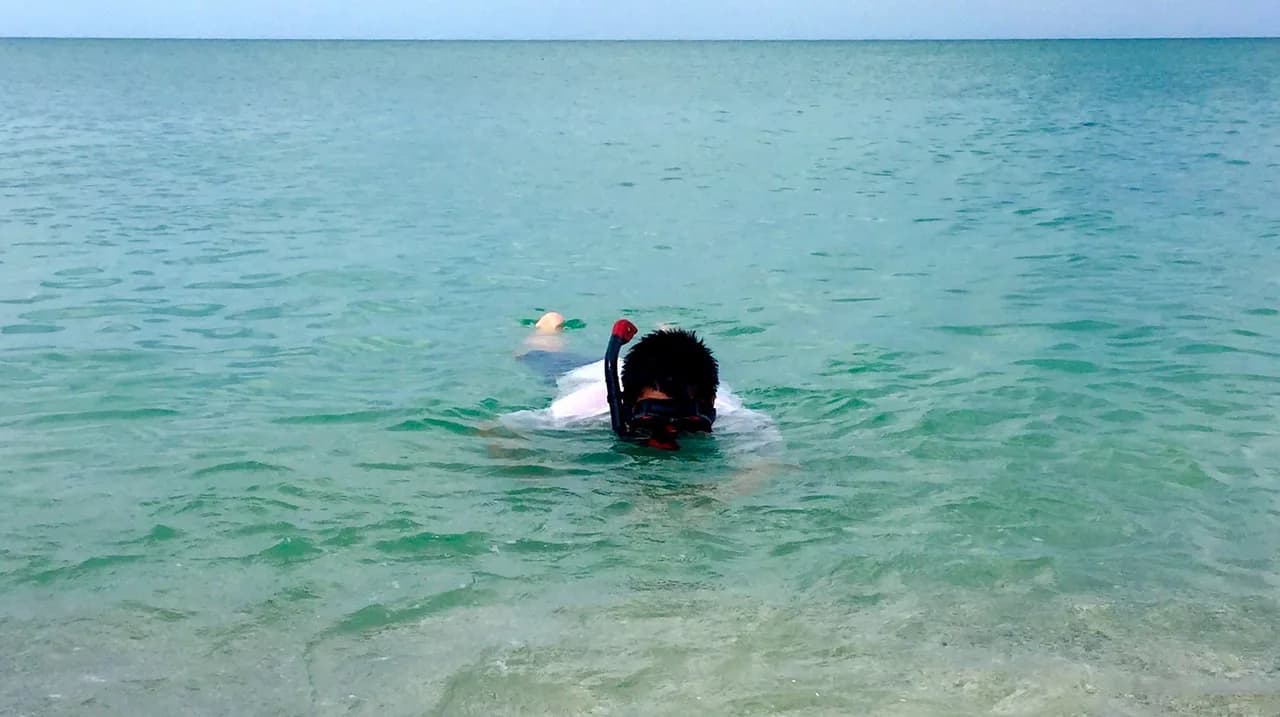
A Gulf shore snorkel does not need much: a well-fitted mask, a snorkel with a simple dry or semi-dry top, and fins that fit without rubbing. Fins matter more than usual at Point of Rocks because they let you hold position over the ledges without arm fatigue. A rash guard or short wetsuit handles both sun and cooler winter water, and a colored surface float adds visibility where boats and other swimmers share the water.
Buy gear to fit, not to a rating: check that the mask seals on your face without a strap, that the fin pocket matches your foot with a bootie if you wear one, and that the snorkel mouthpiece sits comfortably. Rental from a Siesta Key outfitter is the sane choice if you snorkel once or twice a year. If you later want calm, current-free water as a contrast to the Gulf, the best springs to snorkel in Florida make an easy add-on to a longer trip.
Wildlife viewing rules
Sarasota's inshore water is shared with protected animals. Manatees, sea turtles and stingrays should be watched from a distance, never touched, fed, chased or blocked from the surface, and a manatee surfacing to breathe needs clear space above it. The same restraint applies at the rocks: do not stand on ledges, pry at urchins or pocket shells that are still occupied. These are the rules that keep the site worth snorkeling next season.
Water conditions that change the plan
Wind, tide and runoff drive the day more than the calendar does. Afternoon sea breeze roughens the Gulf and muddies the shallows, which is why the early window at Point of Rocks is worth protecting. Tide shifts the current around the outer formations, and heavy rain or a red tide event can wipe out visibility for days. Build a flexible plan with a beach or boat alternative, and take the morning read from a local dive shop or marine forecast before you load the car.
Combining Point of Rocks with the rest of a Siesta Key day
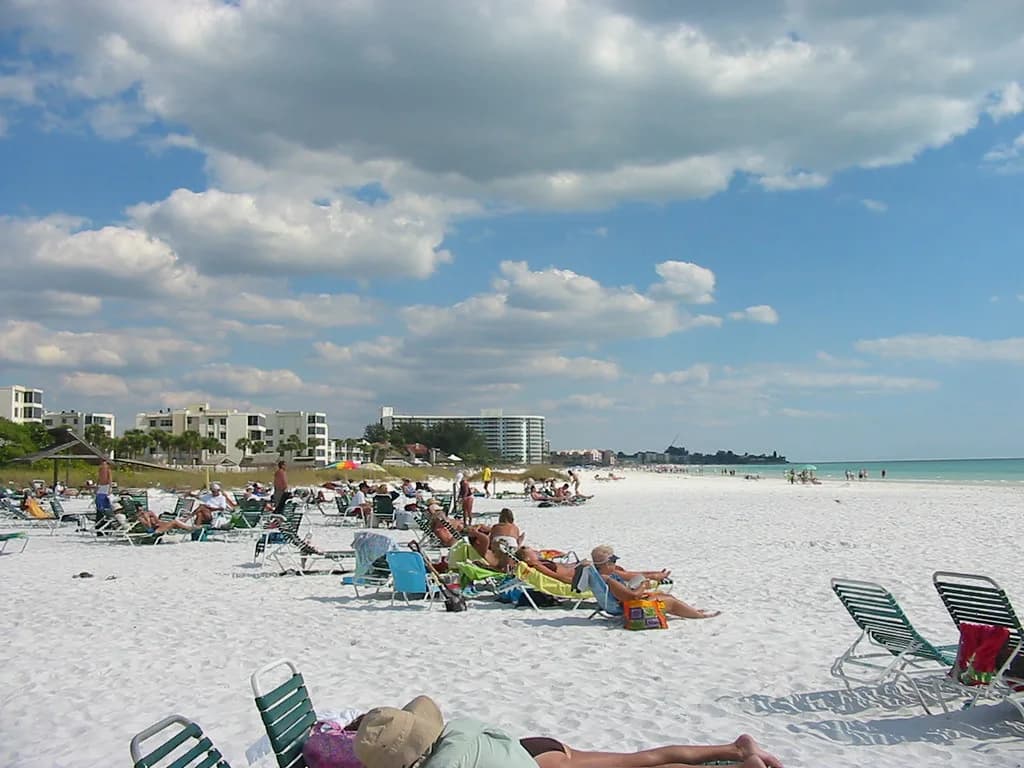
Point of Rocks sits at the south end of Crescent Beach, which makes it easy to pair with the rest of the island. Snorkel early, then walk north along Crescent Beach or drive to Siesta Key Public Beach for the wider sand and facilities; finish in Siesta Key Village for food and gear. Staying near Crescent Beach or the Village shortens the morning drive and lets you beat the Access #12 parking crunch.
If you are based in Sarasota rather than on the key, the boat departure at Nora Patterson Park is the closer launch point and pairs with a half-day on the water. Travelers building a longer Gulf Coast itinerary can also compare Longboat Key, just north of Siesta Key, for a quieter beach day between snorkel mornings.
Where to stay to be closest to the entry points
Proximity decides how early you actually get in the water. Condos and rentals around Crescent Beach put Point of Rocks within walking distance, which removes the Access #12 parking problem entirely and lets you snorkel at first light. Lodging in Siesta Key Village trades a short drive for restaurants and shops on foot, while staying in Sarasota near Siesta Drive shortens the trip to the boat departure at Nora Patterson Park.
Plan Your Sarasota Snorkel Day
Pick your access first: walk-in ledges at Point of Rocks for a free, flexible morning, or a private boat from Nora Patterson Park for artificial reefs, sandbars and shelling beyond the beach. Either way, start early, bring fins and a visible float, and keep the inner zone in reserve for beginners and kids. Check the marine forecast the morning you go, and give manatees and rays their distance.
Explore more Sarasota snorkeling
Frequently Asked Questions
Can you snorkel at Siesta Key Beach?
Yes, but the spot people mean is Point of Rocks at the southern end of Crescent Beach, about a mile south of Siesta Key Public Beach. You walk in off the sand into shallow limestone ledges; there is no boat or pier entry. The main public beach itself is broad quartz sand with less structure to snorkel.
Is snorkeling at Point of Rocks free?
Entering the water at Point of Rocks is free, and you can walk in directly from Crescent Beach. You pay only for gear if you rent it from a Siesta Key outfitter, plus whatever parking costs apply along Midnight Pass Road. Boat trips are priced separately.
Do you need a boat to snorkel in Sarasota?
No. Point of Rocks is a genuine shore snorkel with sand entry and rock structure within wading depth. A boat helps if you want artificial reefs and open sandbars beyond swimming distance, or a guided day with a captain handling navigation.
What marine life can you see at Point of Rocks?
Common sightings include sergeant majors, sheepshead, parrotfish, snook and snapper around the ledges, plus sea urchins, crabs, sea stars and anemones on the rock. Manatees and small stingrays pass through sometimes, but no sighting is guaranteed, and all wildlife should be observed without touching or chasing.
When is the best time of day to snorkel in Sarasota?
Early morning, roughly 8 to 10 a.m., gives the calmest water and the clearest visibility before afternoon winds build and the beach fills. Low to mid tide is often the better window over the ledges at Point of Rocks. Spring through early fall brings the warmest water.
Is Point of Rocks good for beginners and kids?
The inner ledges suit beginners, supervised children and anyone uneasy in open water, thanks to sand entry, shallow depth and rock that breaks up the swell. The outer formations reach deeper water with shifting tidal current and are better left to stronger swimmers.
How do you get to Point of Rocks from Crescent Beach?
Use Crescent Beach Access #12, park along Midnight Pass Road, walk through the narrow beach path and turn south along the sand to the rocks. Alternatively, walk north along the shoreline from Turtle Beach. Parking near Access #12 is limited in peak season, so arrive early.
Where do boat snorkel trips in Sarasota depart from?
Siesta Key Snorkel runs private snorkel excursions, sandbar trips and eco tours departing from Nora Patterson Park at 946 Siesta Drive in Sarasota. Rates, departure times and what each trip includes are available from the company; check current details before booking.
Sources
Snorkeling notes for your next trip
Optional updates to our snorkeling guides.
You might also like
Continue reading
More guides you'll find useful