Siesta Key Snorkeling: Point of Rocks and Where to Get In
Snorkel Siesta Key at Point of Rocks off Crescent Beach: limestone ledges, fish and rays, Gulf swell timing, and charters with a Big Pass sandbar stop.
On this page
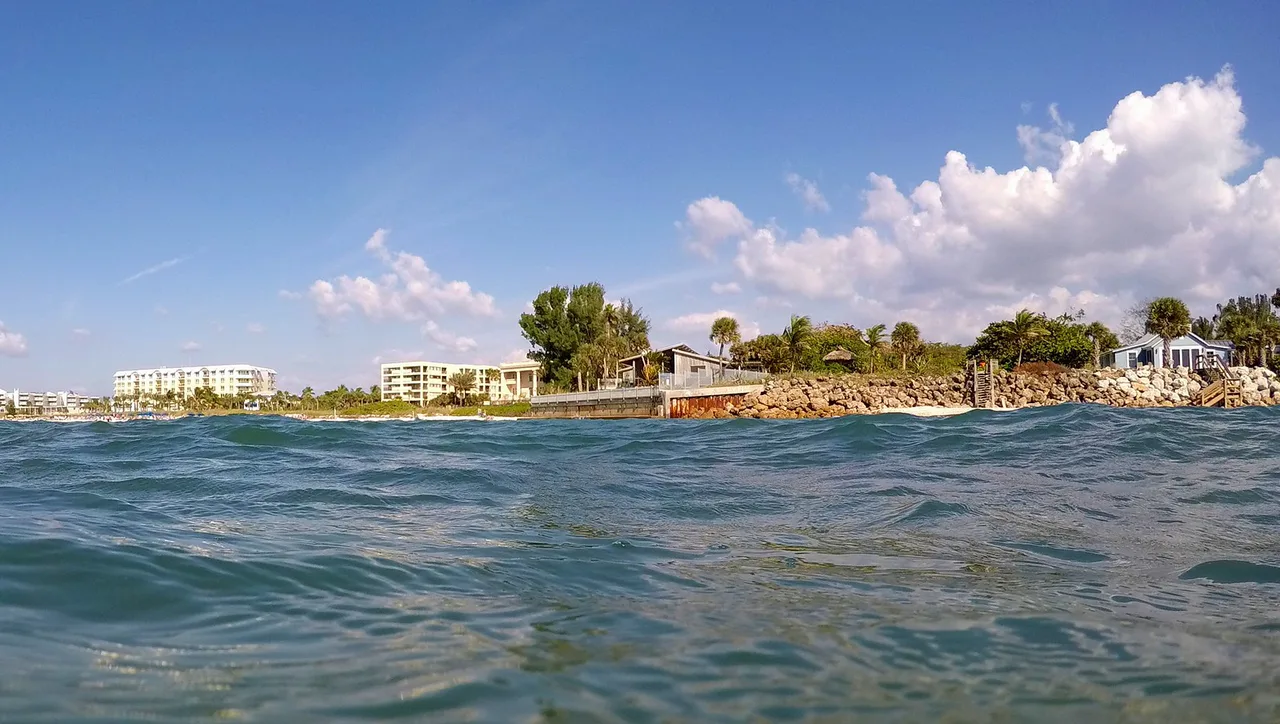
Point of Rocks is the reason snorkelers gravitate to Siesta Key: a run of limestone ledges at the south end of Crescent Beach where fish gather close to shore and the bottom reads like a maze rather than a flat sand plain. It is a rock formation, not a coral reef, so you swim it looking for fish and structure rather than a coral garden.
This guide covers the shore entry, how the ledges lay out, the seasonal wildlife window and the practical trade-offs between a self-guided swim and a charter. It suits families who want shallow water near the beach and stronger swimmers who prefer the outer rock.
Where Point of Rocks Sits
Point of Rocks occupies the southern tip of Crescent Beach on Siesta Key, an open Gulf of Mexico shoreline rather than a protected bay. The formations begin at the beach's south end and run south along the shore as a band of exposed and submerged rock.
Because the site faces the Gulf, you are swimming in open water the moment you leave the sand. That exposure is the whole character of the place: it shapes visibility, decides which days are worth attempting and dictates how you plan the rest of a Siesta Key day.
Getting In
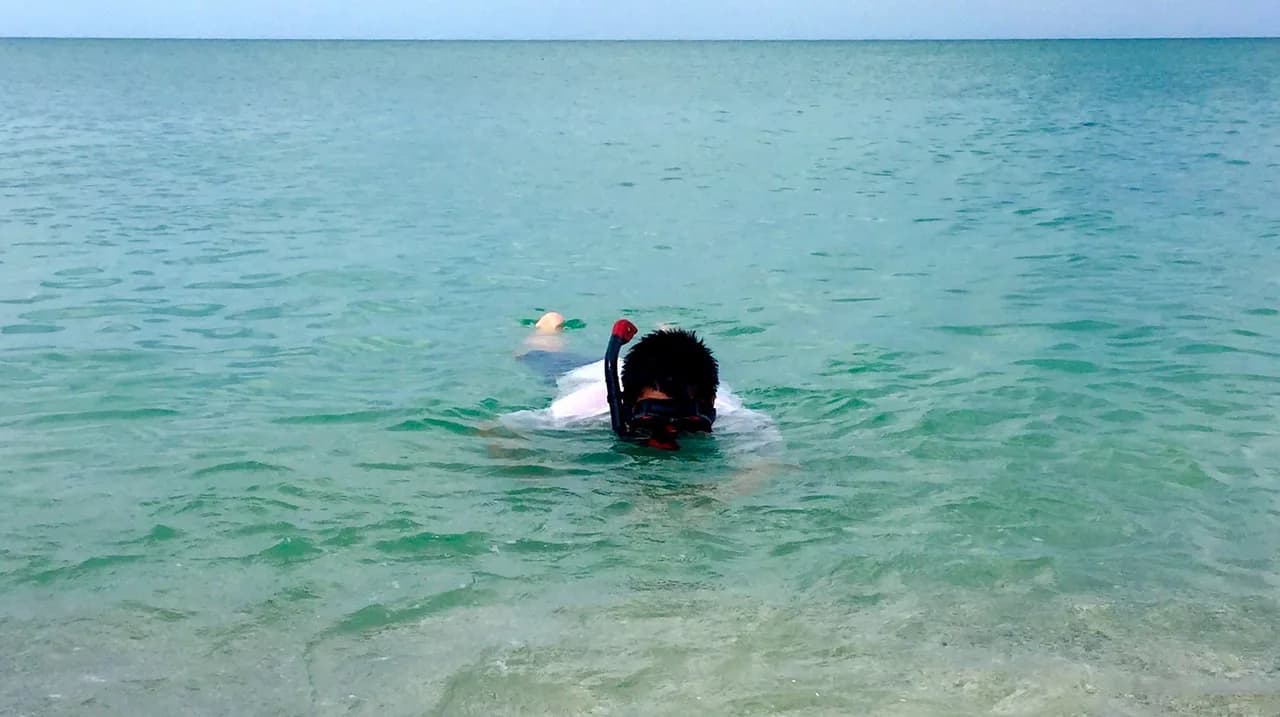
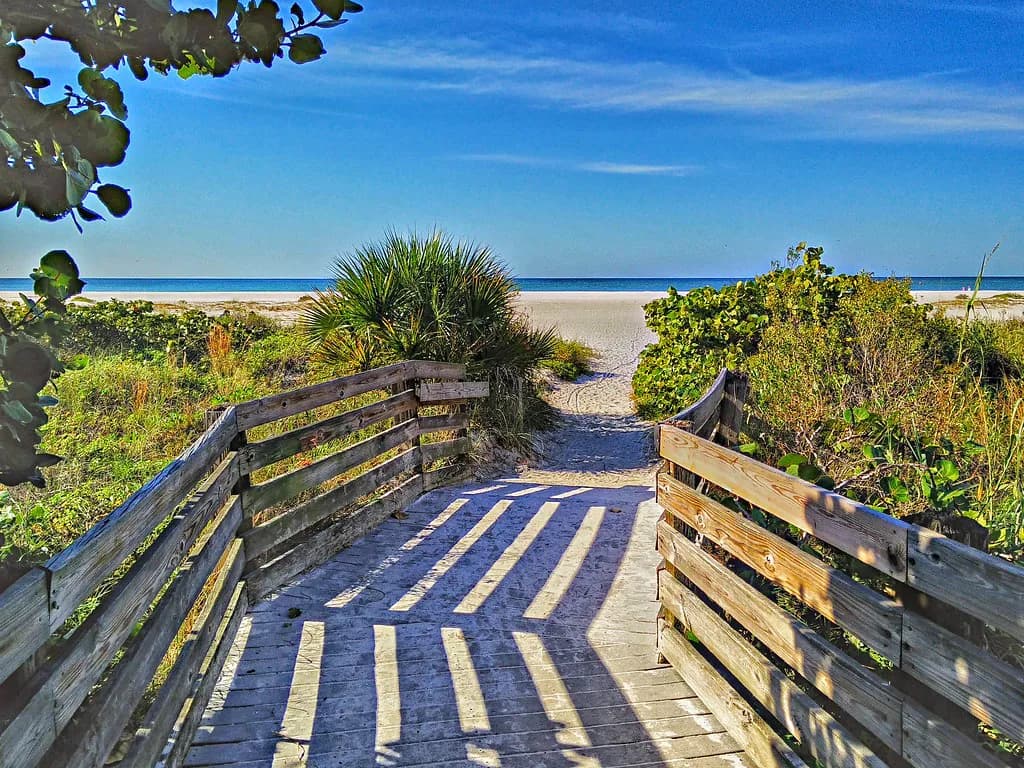
Shore snorkelers enter from Crescent Beach and pick their way over sand and rock, so the approach is a careful walk rather than a stride into open water. Booties or sturdy reef shoes make the rocky sections far more comfortable than bare feet.
A boat drop avoids the walk-in entirely, and local charters run the site from the water side. Point of Rocks is reached on most half-day tours out of the Sarasota area, where snorkel gear is included and a Big Pass sandbar stop is often part of the day.
Suncoast Adventure Tours and Charters describes the formations as limestone, molluscan grindstone and quartz, estimated to have formed roughly 4,300 years ago. Treat the ledges as fragile structure: stand on sand where you can and keep fins clear of the rock surface.
How Far Out and How Deep
The snorkeling starts almost immediately: shallow rock sits close to the beach, then the formations fan out and southward into deeper, more broken ground. Beginners can stay over the inner ledges in waist-to-chest water while confident swimmers work the outer rock.
Think of the site as a band rather than a single reef. You follow the rock south, ducking into gaps and along the faces where fish hold, and you can always turn back toward the sand if the surge picks up.
What You Will See
On clear days there is plenty of fish life over the rock, and the structure itself holds small tropicals and reef fish in the crevices. Summer is the season for spotted eagle rays, with manta rays and manatees also recorded around the point.
Wildlife is never guaranteed. Scan the open water beyond the ledges for eagle rays cruising past, and give any manatee or turtle plenty of room, letting the animal choose the distance.
Skill Level and Who It Suits
Families and new snorkelers do best in the calm shallows close to the beach, where the bottom is visible and the exit is short. Confident swimmers who are happy in open Gulf water get more from the outer ledges and the southern stretch of rock.
Anyone uneasy in swell should stay inside the inner zone or snorkel from a boat with a guide. If you want a calmer, more sheltered alternative on the same trip, Anna Maria Island snorkeling in Sarasota Bay offers a very different, gentler day.
Best Time of Day and Season
Mornings usually bring the lightest wind and the clearest water before the afternoon sea breeze builds. Gulf-side conditions decide everything here: windy days stir the bottom and can make the site unworkable, and Suncoast Adventure Tours and Charters notes the point is not accessible on windy days because of its Gulf position.
Summer is the ray window, with eagle rays most often seen in the warmer months and mantas and manatees as occasional visitors. Check the marine forecast for wind and swell direction the evening before you go.
Hazards
The main hazards are honest ones: Gulf swell and surge pushing against the limestone, a current that can run along the point, and boat traffic near the pass. Limestone is sharp in places, so keep your hands off the rock and your fins under control.
There is no sheltered bay to fall back on, so judge conditions from the beach before you commit. If the surf is up or the water is murky, save the swim for another day and shell the sand instead.
Rules and Wildlife Distance
This is a rock reef rather than a coral reef, but the etiquette is the same: no touching, feeding or chasing rays, manatees, turtles or any other animal. Keep a respectful distance, move slowly and let wildlife pass.
Reef-safe practice matters on any Florida snorkel day, and reef-safe sunscreen is the sensible default where local rules require it. Check posted signage at Crescent Beach access points for current wildlife and water-safety advisories before you get in.
Boat Charters That Combine Point of Rocks With the Big Pass Sandbars
Charters give you a guided route around the point and can pair the rock with a sandbar stop at Big Pass, the channel between Siesta Key and Lido Key. Suncoast Adventure Tours and Charters runs half and full day options serving Sarasota, Siesta Key and the Venice area, with half-day departures at 9:00am and 11:30am daily.
Gear is provided on these trips, and a waterproof camera earns its place over the rock. Booking directly with Suncoast Adventure Tours and Charters is the way to confirm what a given day's itinerary includes.
If boat time is the main draw, compare sheltered bay options such as Lido Key snorkeling and Longboat Key snorkeling with the open-Gulf Point of Rocks experience before you commit. You can weigh the same shore-versus-charter trade-off when snorkeling in Naples, which lays out its own reef and boat-trip options.
Parking, Access and Facilities Around Crescent Beach
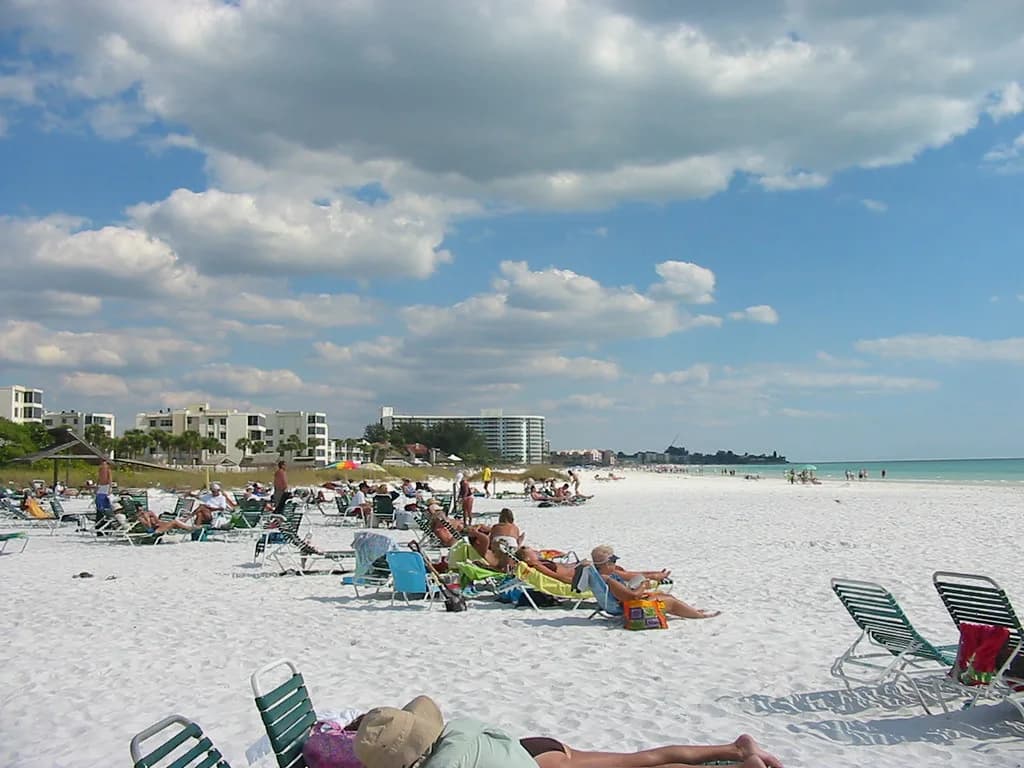
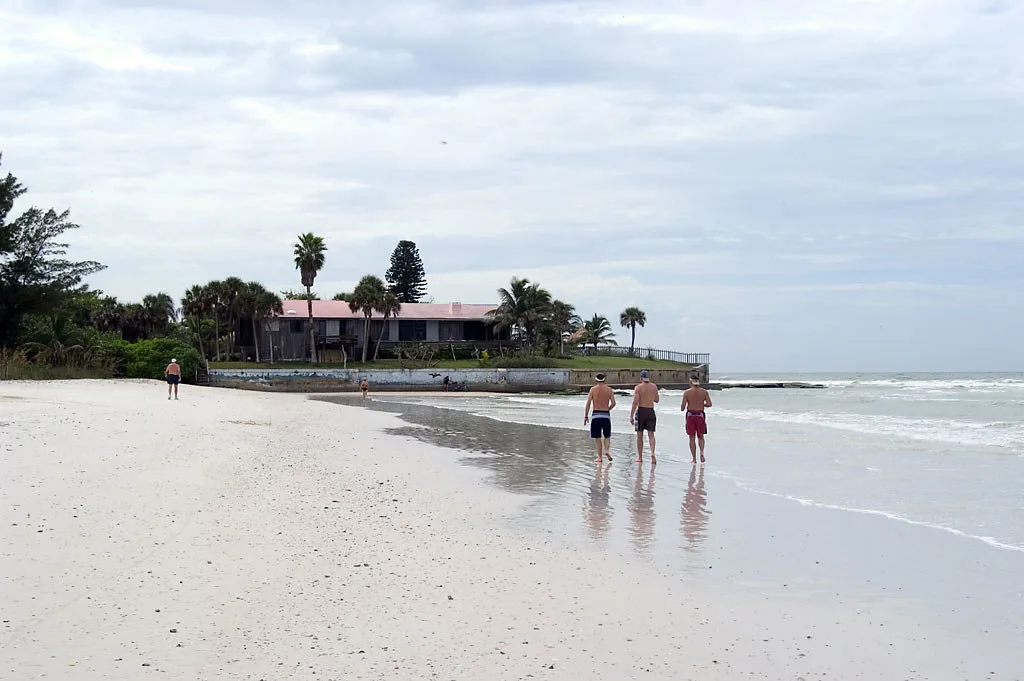
Crescent Beach has public beach access points with parking, and the south-end access puts you closest to the rock. Arrive early in season, when beach lots fill and the walk to the entry gets longer.
Facilities vary by access point, so read the signage where you park for restrooms, showers and any posted swimming advisories. Bring water, sun protection and a dry bag rather than counting on rentals at the entry.
Nearby Spots to Combine
Turtle Beach, at the island's southern end, makes a natural second stop on the same drive and has a calmer, sandier character. Lido Key and the Big Pass sandbars round out a day on the water, whether by kayak, paddleboard or charter.
For the full picture of launches, charters and shore entries across the area, use this guide to snorkeling in sarasota as your planning base.
What to Bring for a Rock-and-Sand Entry
Pack reef shoes or booties, a mask that seals well, fins you can control in shallow water and a rash guard for sun and scrapes. A waterproof camera is worth the weight over the ledges, and a dry bag keeps keys and phone safe on the sand.
Travel light for the walk-in, carry water, and rinse gear with fresh water afterward to protect it. If you are also planning a day around Venice's shark-tooth beaches, Snorkeling in Venice, Florida covers that separate set of entries.
Plan Your Siesta Key Snorkel Day
Point of Rocks rewards a flexible plan: pick a calm, low-wind morning, enter carefully from Crescent Beach and work the inner ledges first before committing to the outer rock. Families should stay shallow, and stronger swimmers can push south along the formations.
If the Gulf is up, switch to a charter or a calmer bay alternative rather than forcing the entry. Either way, the limestone ledges, summer eagle rays and the Big Pass sandbars make Siesta Key one of the more distinctive snorkel days on Florida's Gulf coast.
Frequently Asked Questions
Is Siesta Key good for snorkeling?
Yes, in the right conditions. The draw is Point of Rocks at the south end of Crescent Beach, a limestone formation with fish life and seasonal rays. It sits in open Gulf water, so calm, low-wind days are the ones worth planning around.
Where do you snorkel on Siesta Key?
Point of Rocks is the main snorkel site, reached from the south end of Crescent Beach. The shallow inner ledges suit beginners and the outer rock suits confident swimmers. Turtle Beach at the island's south end is a calmer alternative for a second stop.
Can you snorkel at Point of Rocks from the beach?
You can. Shore snorkelers enter from Crescent Beach over sand and rock, so reef shoes help on the approach. A boat drop is the alternative and avoids the walk-in entirely, with charters running the site from the water side.
What fish can you see snorkeling Siesta Key?
Clear days bring plenty of fish over the rock, and summer is the season for spotted eagle rays. Manta rays and manatees are occasional visitors around the point. Sightings are never guaranteed, so keep your distance and let animals approach on their own terms.
When is the best time to snorkel Siesta Key?
Mornings usually bring the lightest wind and clearest water. Summer is the best window for eagle rays and other large visitors. Windy days stir the Gulf and can make Point of Rocks unworkable, so check the marine forecast before you go.
Are there snorkeling tours from Siesta Key?
Yes. Local charters serve Sarasota, Siesta Key and the Venice area, with half and full day options and half-day departures listed at 9:00am and 11:30am daily. Most half-day tours reach Point of Rocks and add a Big Pass sandbar stop, and snorkel gear is provided.
Do you need a boat to snorkel Point of Rocks?
No. The site is reachable on foot from Crescent Beach, which is how most independent snorkelers swim it. A boat helps on days when the walk-in is awkward or when you want a guide and a sandbar stop added to the day.
Sources
Snorkeling notes for your next trip
Optional updates to our snorkeling guides.
You might also like
Continue reading
More guides you'll find useful