Venice, Florida Snorkeling: Shark Tooth Beds and Gulf Reefs
Plan a snorkel day in Venice, Florida, with beach entries, shallow fossil beds and boat charters to the Boneyard, plus what you will see and when to go.
On this page
Venice earns its Shark Tooth Capital of the World nickname from what sits on and under the Gulf bottom: fossilized teeth washed out of ancient beds and mixed into shell hash and gravel just off the sand. That makes it a different kind of snorkel day from a Florida Keys reef, and it suits families who want a shallow wade-and-look session as much as it suits collectors who want a charter out to the deeper fossil ground.
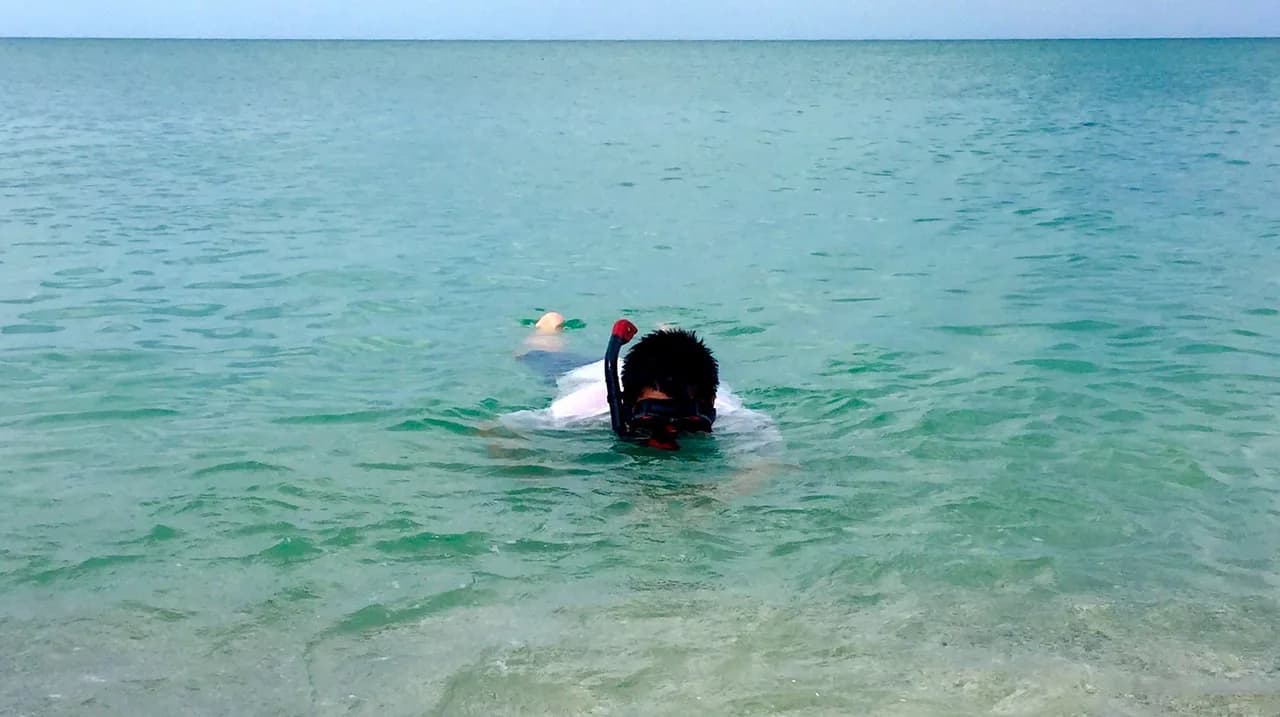
You have two distinct plans here: a beach entry off the Venice shoreline where you swim out over a gently sloping sandy bottom, or a boat trip to offshore fossil terrain that a charter crew knows how to work. Choose the beach if you have young kids and calm surf, and the boat if you want a guided hunt and the range to reach deeper beds.
Why Venice Rewards a Snorkel Mask
Most snorkel destinations sell coral and tropical fish. Venice sells discovery: the bottom is often sand and shell material, and the reward is a small, heavy, dark fossil in your hand rather than a reef scene. If you need clear water over colorful coral to enjoy a swim, set expectations accordingly and treat it as a beach day with a treasure hunt attached.
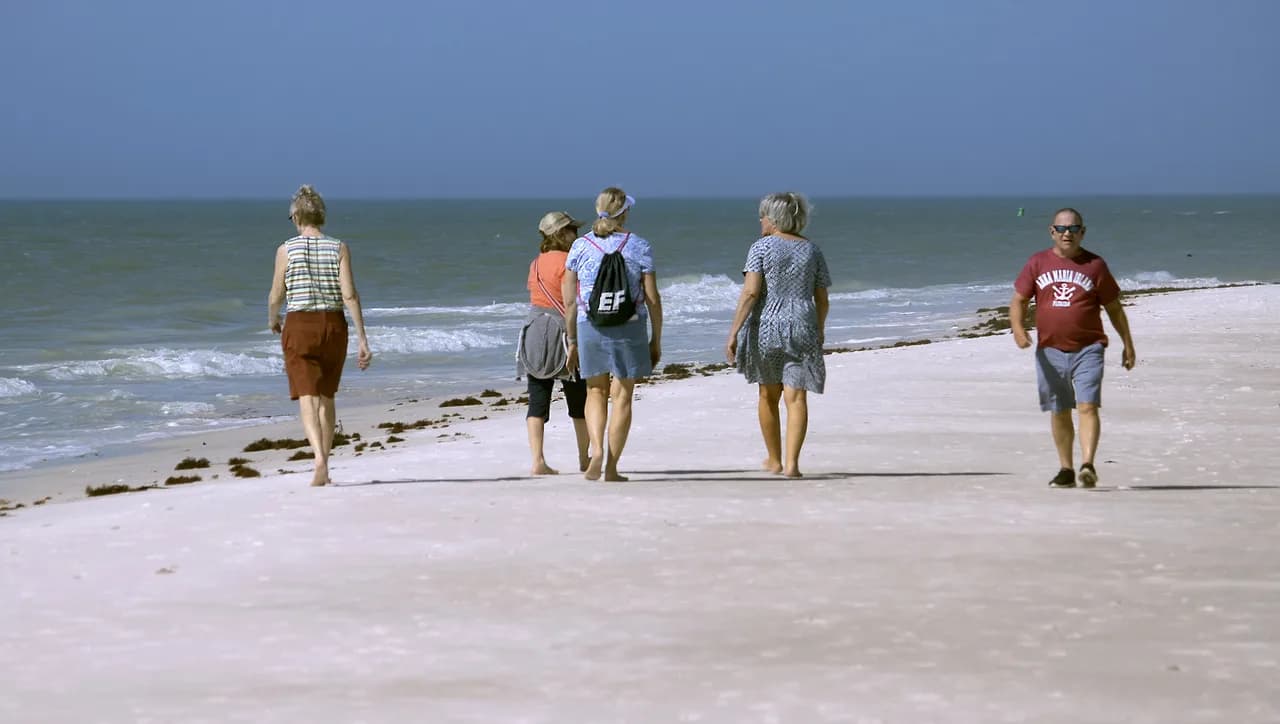
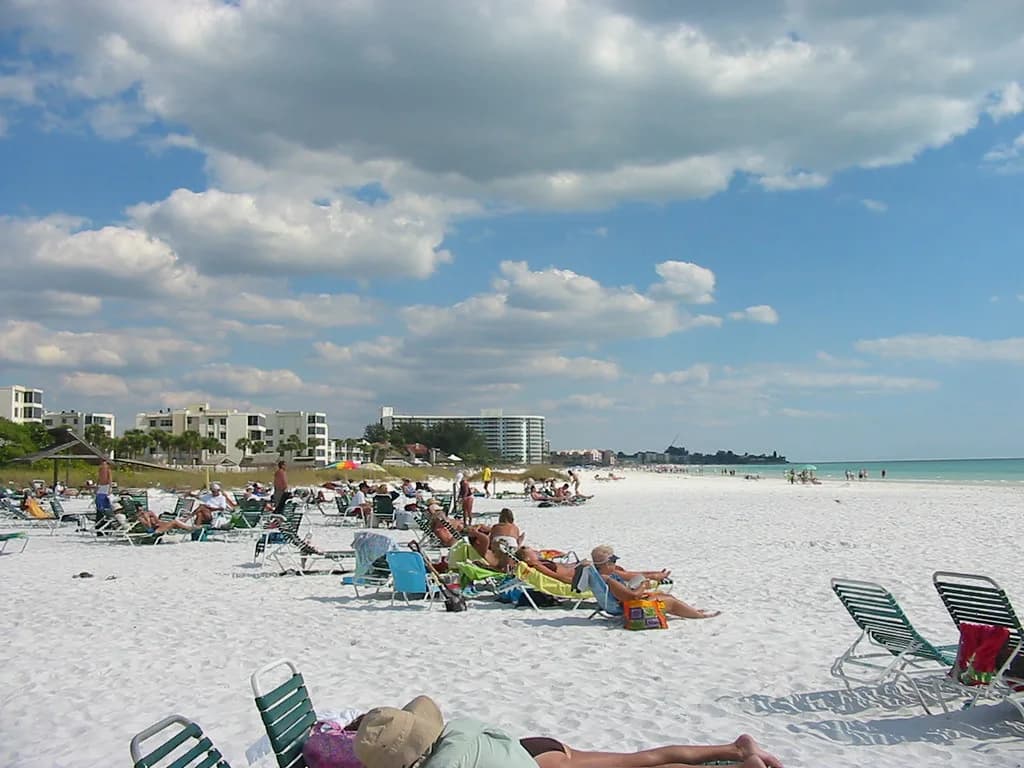
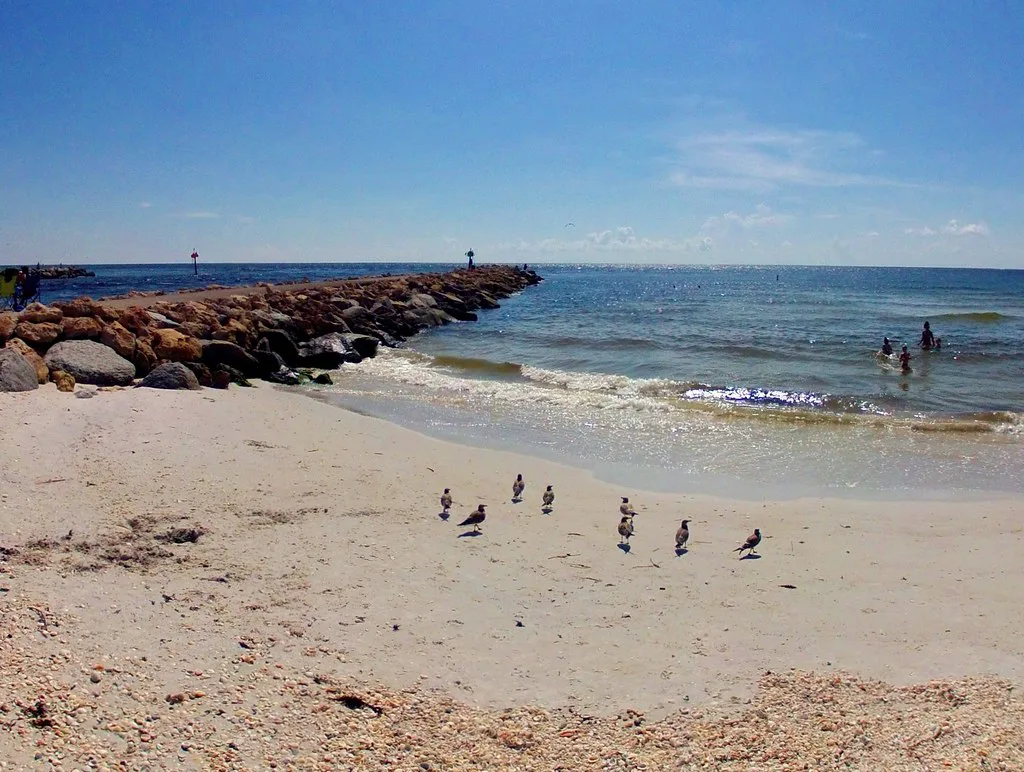
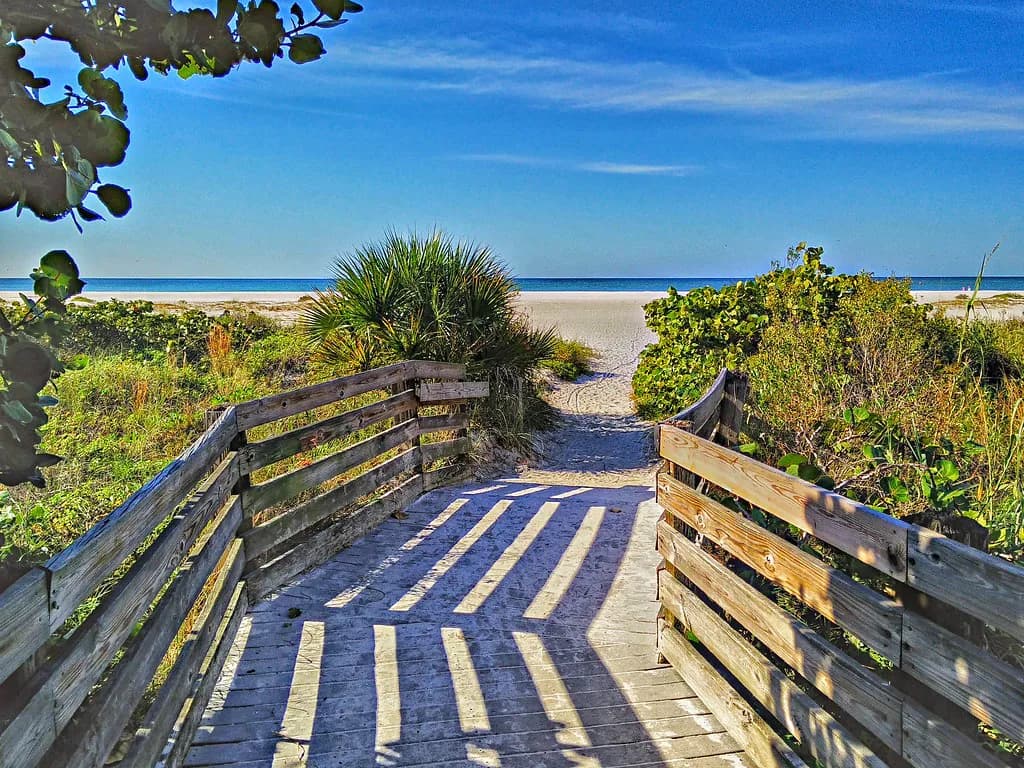
The beaches themselves are wide, sloping Gulf strands with easy sand entry, which is the practical reason families do well here. Walk in, wade to waist depth, put your mask on and float; you do not need a ladder, a rocky ledge or a long surface swim to start looking. For a broader view of the region's entries and how they compare, the snorkeling in sarasota roundup covers the shoreline options.
Stronger swimmers and repeat visitors tend to gravitate to the offshore fossil beds, where charter boats put snorkelers over gravel and shell hash that beach walking rarely reaches. That is where the trip format matters more than the beach: a guided boat trip covers ground a shore swimmer cannot, and the crew explains the fossil layer you are working.
Where the Spots Are
Venice sits on the Sarasota County Gulf coast, south of Sarasota and north of Englewood, and its beach front runs from Caspersen Beach at the south end up through the Venice municipal beach area. The beaches are the shore-entry side of the equation; the Boneyard, the offshore fossil ground the charters work, is reached by boat.
Keys Huka Dive runs its trips out of the Escape Resort on Casey Key Road in Nokomis, just south of Venice, which is a useful landmark when you are deciding where to stay relative to the departure point. If you are weighing a beach day against a charter, the drive time between the Venice beaches and that Nokomis base is short.
Venice also pairs naturally with the rest of the Sarasota shoreline. Siesta Key Snorkeling at Point of Rocks is the region's best-known rock-and-reef entry and makes a logical second day, while Longboat Key and Lido Key add calmer bay-side alternatives when Gulf surf is up.
Getting In
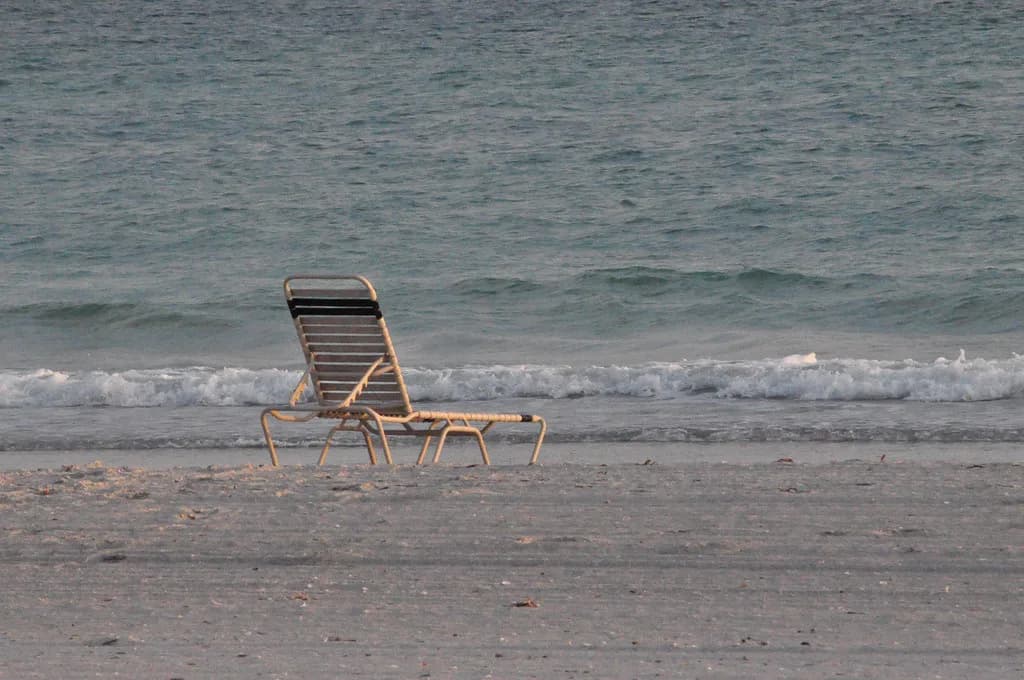
Shore entries in Venice are sand entries over a gently sloping Gulf bottom. You walk in, clear the shorebreak, and start floating; there is no rock shelf, no ladder and no boat required. That simplicity is why these beaches work for kids and first-timers, provided the surf is small.
The offshore fossil beds are boat-only. Charters run snorkelers out to the Boneyard, where you enter from the boat and work the bottom with a guide nearby, which is a different skill set from a beach wade: you need to be comfortable in open water, comfortable getting back aboard, and able to follow a crew's instructions.
One local variation worth knowing is huka diving, a shallow-water diving format Venice charter companies such as Keys Huka Dive run alongside snorkeling and scuba. The Shark Tooth Adventure trip is listed as all ages, four hours, from 99 dollars, with no experience needed, and it lets you dive, snorkel or paddleboard the fossil ground rather than only float at the surface.
What You Will See
The headline find is fossilized shark teeth, including megalodon teeth, sitting in shell hash and gravel on the Gulf floor. Expect small dark teeth, fossilized bone fragments and shell material rather than a coral reef; the search pattern is slow hovering over the bottom and sifting with your hands or a small scoop.
Over the sand you will also see typical Gulf of Mexico inshore life: small baitfish, pinfish, occasional sheepshead and other structure-loving fish around any nearshore rocks or pilings, plus the chance of a passing ray. The charters also run dolphin and manatee watching, but sightings are never guaranteed, and the wildlife rules still apply when animals appear.
Depth and How Far Out the Action Is
From the beach, the useful zone starts almost immediately: the bottom slopes away gradually, so you are in chest-deep to overhead water within a short swim rather than a long surface crossing. That short approach is the main reason the Venice beaches work for mixed-ability groups.
The deeper fossil terrain, and the reason people book boats, is further offshore in water a shore swimmer cannot comfortably reach. On the Shark Tooth Adventure the boat does the traveling and you dive or snorkel the ground it anchors over, which is why a four-hour block is scheduled for a trip that spends part of its time in transit and briefing.
A separate operator listing describes the same format as a four-hour boat tour with snorkeling and diving on the Shark Tooth Capital ground, which is consistent with how the trips are marketed locally. If you are booking, ask how much of the window is in the water versus transit, since that ratio matters more than the headline duration.
Skill Level and Who It Suits
Beginners and kids fit the beach entries best on small-surf days: shallow sand entry, no boat, and the freedom to get out whenever anyone gets cold or bored. On days with a shorebreak running, the same beach becomes a washing machine at the waterline, so watch the surf before you commit a whole morning.
Charters suit swimmers who are comfortable in open water and can handle a boat ladder and a group briefing. Keys Huka Dive lists the Shark Tooth Adventure as all ages with no experience needed, while its Discovery Diving and refresher courses are for people who want to go further; the private boat tour is listed for ages five and up, and scuba and huka diving on that trip cost extra.
Non-divers who want a guided fossil hunt should look at the snorkel format rather than the scuba courses. The guided shore dive, for certified divers, starts from the beach with a divemaster and gear included, but it requires a dive certification, so it is not the entry point for a first-time snorkeler.
Best Time of Day, Season and Swell
Mornings are the practical choice: lighter wind, flatter Gulf surface and easier parking before the beach fills. Venice faces west into the Gulf, so afternoon sea breezes build chop, and an onshore swell stirs the sand and cuts visibility in the shallows.
Season changes the plan more than the clock. Summer brings warm water but also afternoon storms and higher surf from tropical systems, while winter and spring often deliver cleaner, calmer Gulf days with cooler water that calls for a thicker suit or a rash guard. Whatever the season, check the marine forecast and surf report the morning you go.
Book charters ahead in peak season, and expect weather calls to come from the captain rather than from you. Keys Huka Dive lists its trips with per-person start prices and minimum ages on the site, which is the place to compare formats before you commit a date.
Hazards
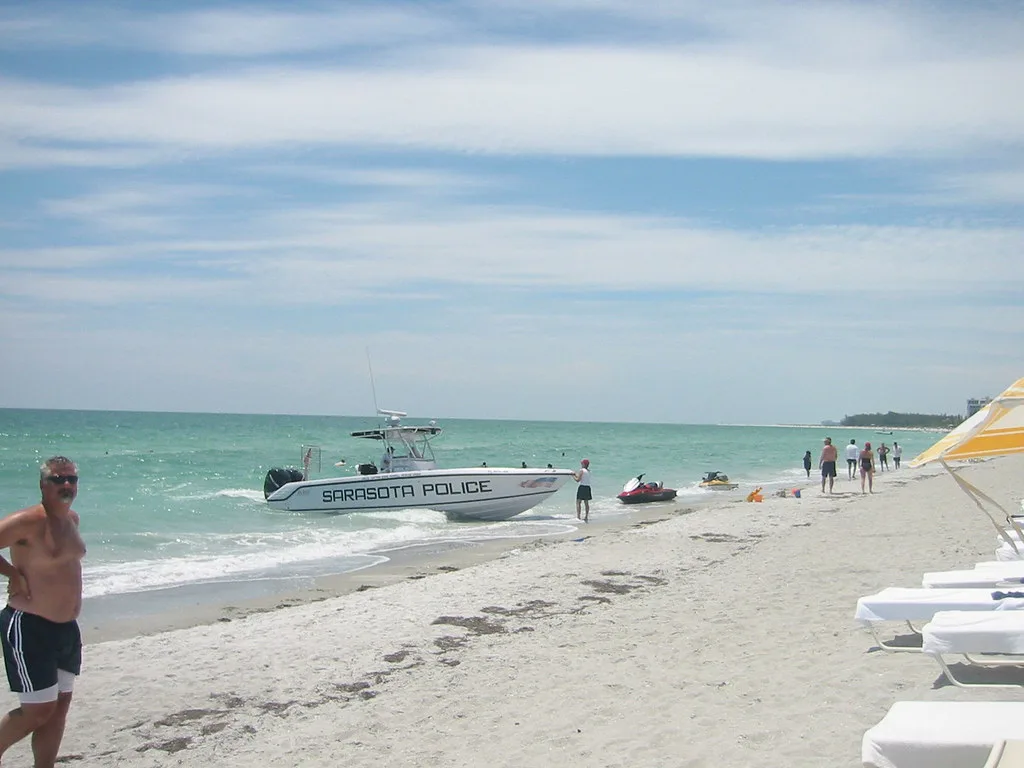
The main beach hazards are surf and shorebreak, inshore currents and the usual Gulf stingray risk of shuffling your feet in sand. There is also boat traffic on the charter routes offshore, which is why snorkelers stay with the boat and use a flag or follow the crew's positioning rather than wandering.
Jellyfish, including box jellyfish, and stingrays turn up in Florida Gulf waters seasonally, and posted advisories at the beach are the local authority. Read the signs at the access and stay out of the water when the surf is beyond your ability; a fossil hunt is never worth a bad shorebreak exit.
When you are near wildlife, keep the distance the rules require, never touch or feed turtles, manatees or dolphins, and never chase an animal for a photo. The charter crews brief passengers on this, and on a shared boat the rule is simple: the animal decides the distance.
Parking, Fees and Facilities
Sarasota County's beach parks publish their own parking, access and facility details, so use the county park pages for the specific beach you pick instead of treating one Venice beach as interchangeable with another. Showers, restrooms, lifeguard coverage and any parking charge are set per park, and the county page is the source that applies to your day.
On the water side, prices, durations and minimum ages are published by Keys Huka Dive. The Shark Tooth Adventure is listed from 99 dollars for four hours, and the tiki tour runs three hours from the same rate, while guided shore dives are listed at 169 dollars with gear and a divemaster included.
For a wider comparison of charter operators working out of Venice, including Aristakat Charters, Aquanutz Dive Charter, Florida West Scuba and Charters and Paradise Charters of Venice, the local dive and snorkel operator listings give you names to price against each other.
Rules and Fossil Collecting
Florida regulates fossil collecting, and the rules differ between land and submerged state waters, so read the Florida Fish and Wildlife Conservation Commission and state land guidance before you pocket anything. Surface collecting on the beach is a different activity from digging or collecting in state waters, and the rules follow the location, not the fossil.
Marine wildlife rules apply throughout: give turtles and manatees space, do not block an animal's path to the surface, and never touch or ride them. On the boat, follow the crew's instructions on where to swim and how to reboard, and keep hands off anything living on the bottom while you sift gravel.
Sunscreen choice gets attention in Florida, and reef-safe formulations are the sensible default for any snorkel day. Apply before you get in, choose a mineral-based product where you can, and reapply on the beach rather than in the water.
Nearby Spots to Combine
Give Venice a day and give the region's rock-and-reef entry another. Siesta Key snorkeling at Point of Rocks puts you over limestone ledges and reef fish instead of fossil gravel, which makes a good contrast day and a better pure snorkeling experience for anyone who wants fish.
For calm bay water on a windy day, lido key snorkeling and longboat key snorkeling are the fallbacks, and anna maria island snorkeling sits further north for a separate outing. Build the week around wind direction: Gulf side when it is calm, bay side when it is not.
If you are building a longer Sarasota trip, the broader snorkeling guide covers the full set of entries and how they fit together by season and skill level. If you are comparing this stretch of coast with other Gulf and Atlantic options, the Florida snorkeling guide sets out the statewide shore-versus-boat picture.
What to Bring
Pack a mask that fits, a snorkel, and for the fossil hunt a small mesh bag and a floating sieve or scoop so you are not stuffing gravel in a pocket. A rash guard or thin wetsuit extends your water time in cooler months, and water shoes help on shell-strewn sand.
Bring sun protection you can reapply, water, and a dry bag for the teeth you find. On a charter, add a towel and a warm layer for the ride back, and ask Keys Huka Dive whether masks, fins and snorkels are supplied or whether you should bring your own gear.
Plan Your Venice Snorkel Day
Decide first whether you want a beach wade over the sand and shell hash or a boat trip to the offshore fossil beds, because that choice sets your budget, your skill requirement and your morning. Families and first-timers should start from the beach on a small-surf day; collectors and confident swimmers should book a charter and go in the morning.
Watch the Gulf forecast the day before, read the county park page for the beach you choose, and check Keys Huka Dive's published trip details for current duration, age minimums and prices. Then leave room in the week for a Siesta Key reef day, which is the closest thing to classic snorkeling in this part of Florida.
Frequently Asked Questions
Where can you snorkel from shore in Venice, Florida?
The Venice beach front, from Caspersen Beach through the municipal beach area, gives you sand entries over a gently sloping Gulf bottom. You walk in and start floating within a short distance of the waterline, which is what makes these beaches practical for families and first-timers on calm days.
Do you need a boat to find shark teeth in Venice?
No, but a boat gets you to the offshore fossil ground known as the Boneyard, where charter crews put snorkelers and huka divers over deeper gravel and shell hash. Beach entries let you search the shallows; charters cover more ground and include a guide who knows the fossil layer.
What will you see snorkeling in Venice besides shark teeth?
Expect fossilized bone fragments, shell material and gravel on the bottom, plus small Gulf fish such as baitfish and pinfish over sand, with sheepshead and other fish around nearshore structure. Rays and other inshore life turn up, and charters also watch for dolphins and manatees, though no sighting is guaranteed.
Is Venice, Florida snorkeling good for beginners and kids?
Yes on small-surf days, because the beach entries are sand with no ladder or rock ledge and the bottom slopes gradually. When a shorebreak is running, the waterline gets rough, so watch the surf before committing. Charters list all-ages trips with no experience needed, but open-water comfort and a boat ladder still matter.
When is the best time of year to snorkel in Venice, Florida?
Mornings are consistently the calmest window, with lighter wind and flatter Gulf surface. Summer brings warm water alongside afternoon storms and tropical swell, while winter and spring often deliver cleaner, calmer days with cooler water that calls for a rash guard or thin wetsuit.
How much do snorkeling charters in Venice cost?
Prices are published by each operator. Keys Huka Dive lists the four-hour Shark Tooth Adventure from 99 dollars per person with no experience needed, the three-hour tiki tour at the same starting rate, and guided shore dives at 169 dollars with gear and a divemaster included. Compare operators directly before booking.
Can you keep the shark teeth you find in Venice?
Collecting is regulated, and the rules depend on whether you are on the beach or in state waters, so read the Florida Fish and Wildlife Conservation Commission guidance before you keep anything. Surface collecting on the sand is treated differently from collecting in submerged state waters.
Sources
Snorkeling notes for your next trip
Optional updates to our snorkeling guides.
You might also like
Continue reading
More guides you'll find useful