Longboat Key Snorkeling: Sarasota Reef and Beach Guide
Longboat Key snorkeling is shallow Gulf beach and seagrass paddling, not coral reef. Know what you will see and when a reef trip south makes sense.
On this page
Longboat Key rewards snorkelers who want an easy, shallow Gulf day: a sandy bottom, patchy seagrass and scattered hardbottom where small fish drift in and out of view. It suits families and casual floaters who like warm, knee- to chest-deep water close to shore more than divers chasing coral. The reef most people picture when they search for Florida snorkeling lies a long way south. For the practical details, see the snorkeling in sarasota.
The trade-off is simple. You get quick beach access and calm-water windows on the Gulf side, but you give up the coral structures, sponges and bigger tropical fish that make the Keys famous. Treat Longboat Key as a gentle warm-up swim and a wildlife-watching float, and build a separate day around a boat trip if coral is the goal.
What Longboat Key Snorkeling Is Really Like
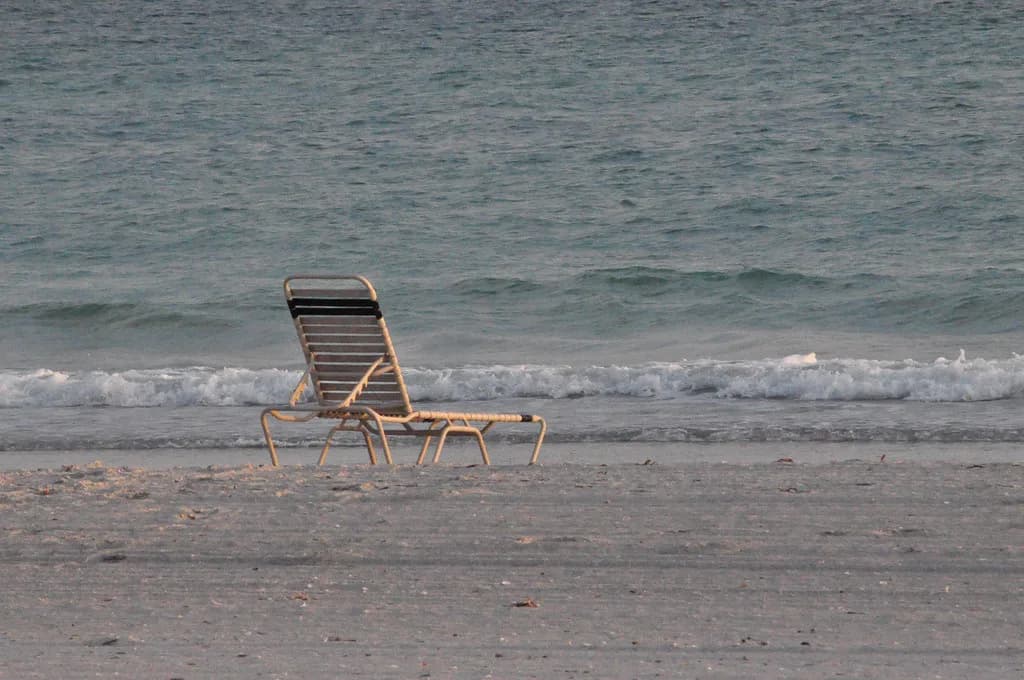
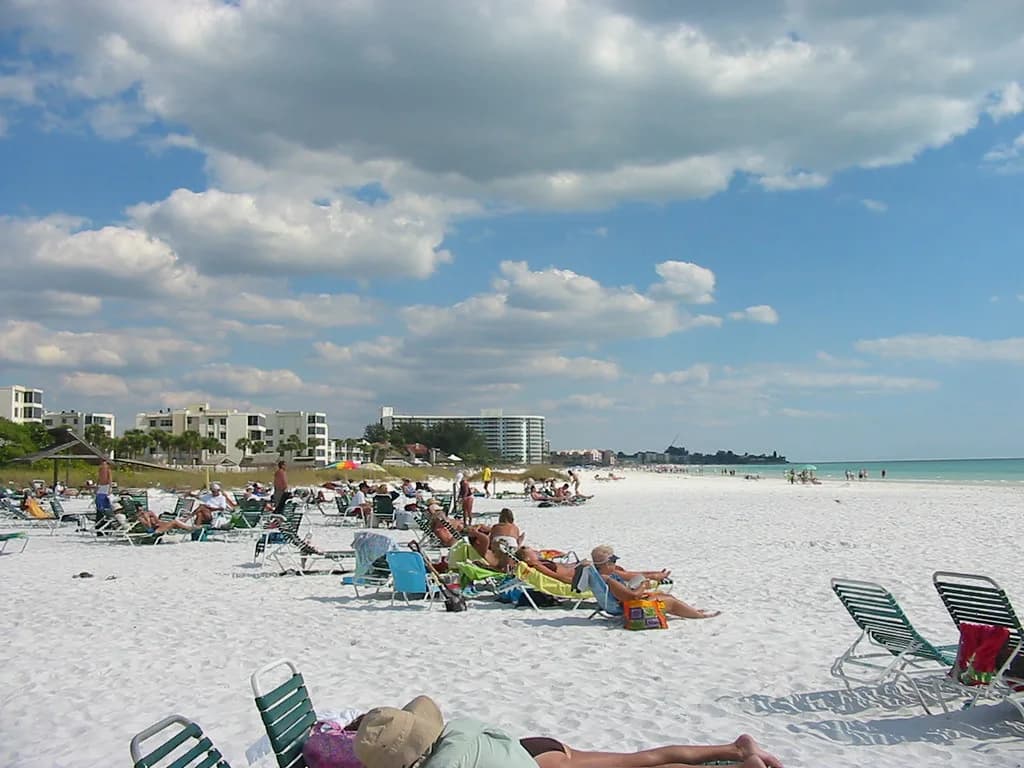
Longboat Key is a long, narrow barrier island between the Gulf of Mexico and Sarasota Bay. The Gulf side is a broad sand beach with a gentle slope, and the bottom close to shore is mostly sand with seagrass flats and low hardbottom further out. That is fish-watching terrain, not reef terrain.
Expect small reef fish and the occasional ray over open sand, and don't plan your day around coral heads or big ledges. Snorkelers comparing Sarasota-area beaches with the Florida Keys consistently land on the same point: you see fish here, but there is no coral reef comparable to the Keys. If coral, sponges and turtles are the draw, that is a different trip entirely.
Getting in Along the Gulf Shore
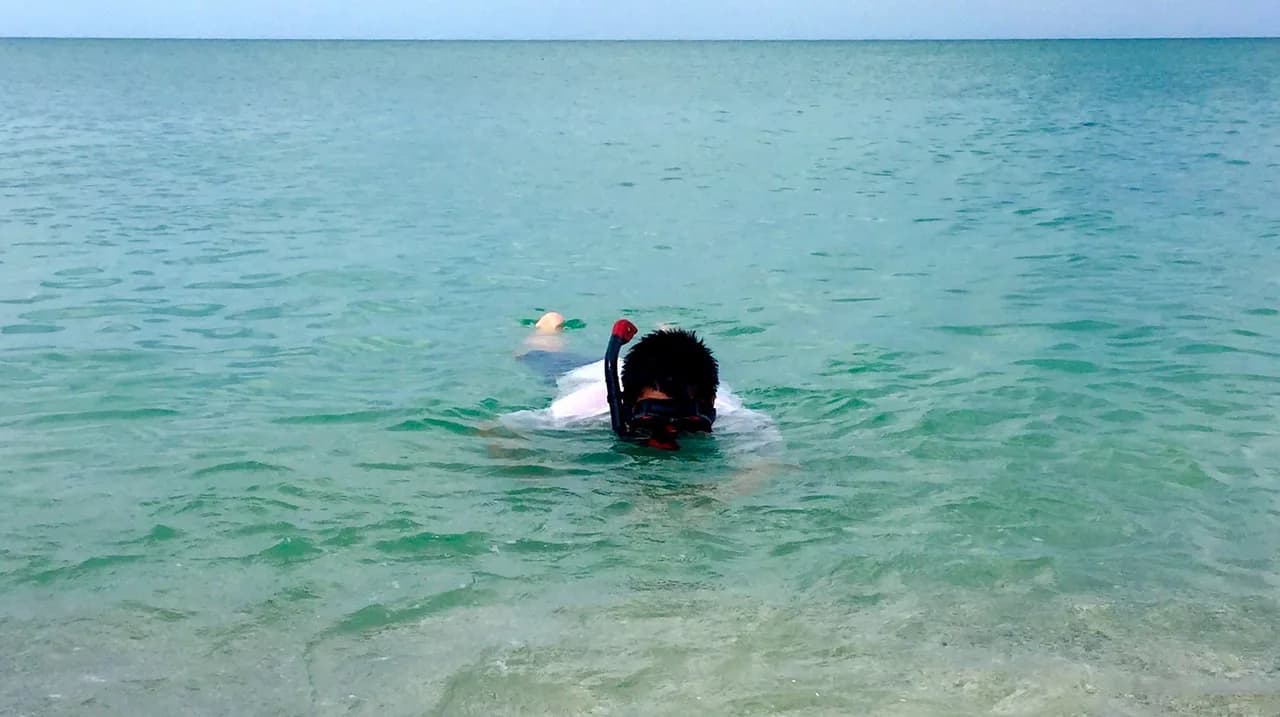
Most snorkeling here starts from a Gulf-side beach access, stepping off sand into shallow water and wading until it deepens past your knees. The entry is about as forgiving as it gets: no rocks, no ladder, no boat required. Bring water shoes anyway, because the shallows hide scattered shell and hardbottom.
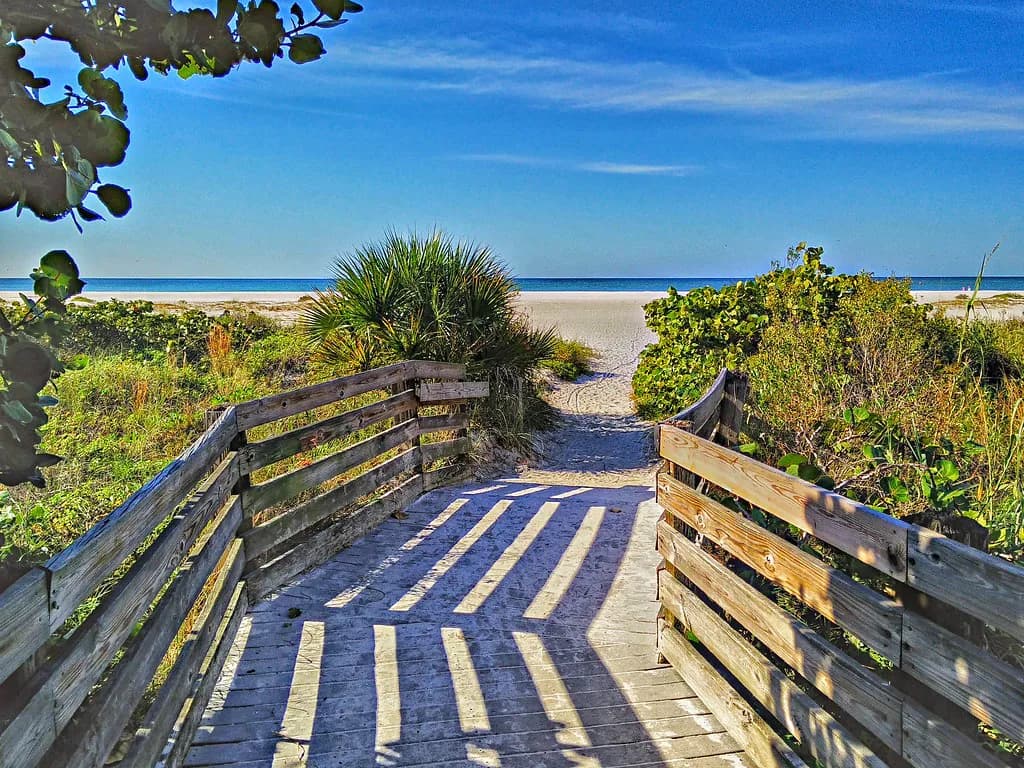
Where the beach is wide and the slope gentle, the water stays shallow a long way out, so you can float over sand and grass without swimming hard. Work along the shore rather than straight out, since the most interesting patches tend to sit where grass meets sand. Approach beach access points from the island's main road and walk over the dune boardwalks to reach the sand.
How Far Out and How Deep
The nearshore zone is wading depth for a good distance, then gradually chest-deep over sand and seagrass. You do not need to swim far to find fish; the first grass patches and any small hardbottom close to shore usually hold them. Deeper water further out is mostly more sand, so there is little reason to push beyond comfortable depth.
Pick a line parallel to the beach and keep the shore at a distance you could swim back easily. If the bottom stops changing and you are only seeing sand, turn around rather than swimming further hoping for structure. The best snorkeling on a beach like this is usually within the first stretch of grass and rubble.
What You Will See
Expect the resident small stuff: pinfish, grunts, sheepshead near any hard cover, and silvery schools flicking over the grass. Rays often rest half-buried in open sand, so shuffle your feet as you wade and give them room to move off. Crabs, small blennies and the odd starfish turn up in the rubble and grass edges.
What you will not find here is a coral reef system. There are no coral gardens, big sponges or reef ledges to follow, so set expectations around fish, sand and grass rather than a bucket-list reef dive. Wildlife sightings are never guaranteed, and viewing rules on this coast call for distance rather than pursuit when a ray or turtle passes.
Skill Level and Who It Suits
This is beginner and kid territory: shallow entry, warm water and a short swim to anything interesting. Families who want to float, watch fish and get out easily will be comfortable here, and nervous first-timers get a low-stakes introduction to mask and snorkel.
Strong swimmers who want structure, depth and marine life with size should look elsewhere. The same is true for anyone hoping to freedive or practice skills, since the bathymetry is flat and shallow. Match the day to the group: casual floaters here, reef hunters on a boat trip.
Best Time of Day and Conditions
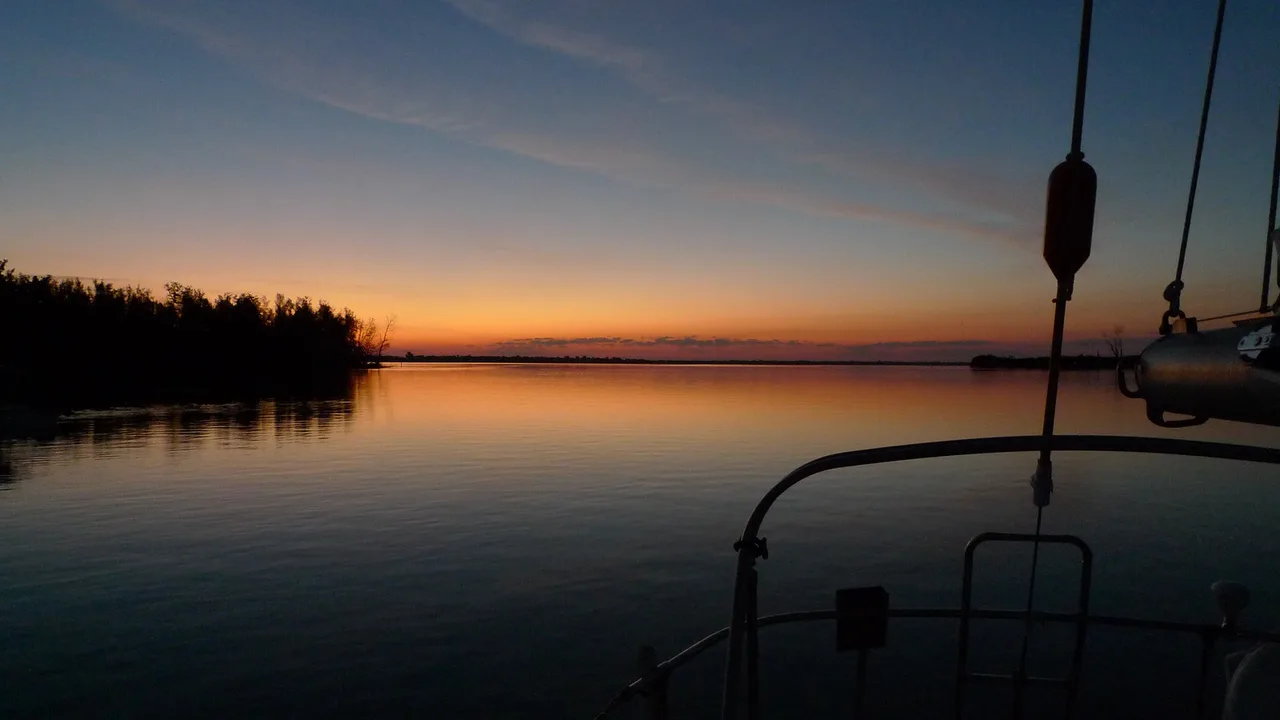
Go in the morning when the Gulf is typically calmest and the light is best for spotting fish over sand. Wind direction matters more than the spot here: an onshore breeze stirs up the shallows and cuts clarity, while offshore or light winds leave the water clear. Check the marine forecast and surf report before you commit.
Tide changes the picture too. A rising tide brings clearer water over the flats, and a low tide exposes more hardbottom and shallows. After heavy rain or a blow, give the water a day to settle and pick another window. There is no reliable year-round pattern worth betting on beyond calm mornings and light wind.
Hazards in Passes, Channels and Shallows
The real hazard on Longboat Key is boat traffic, not the beach itself. Passes and channels at either end of the island carry moving boats, and swimming or snorkeling in those inlets is a bad idea. Stay on the Gulf-side beach, away from channel mouths and marked navigation routes.
In open sand, stingrays are the other common risk, so shuffle rather than step and never stand on one. Watch for posted advisories on high surf, rip currents and water quality, and stay out when the flags say so. If a lifeguard is on duty, follow their direction; if not, treat it as a swim at your own risk.
Parking, Access and Facilities
Public beach access on Longboat Key comes through the town's beach access points and county park properties along Gulf of Mexico Drive. Parking is limited and often fills early in season, so arrive in the morning and be ready to walk a short way from a roadside access. Facilities vary by access point, so pick one with the amenities you need before you drive over.

Rules on the Flats and Around Wildlife
Seagrass flats are fragile and slow to recover, so float over them rather than standing, dragging fins or kicking up sand. Use reef-safe sunscreen and skip anything that touches or feeds marine life. State wildlife rules on this coast require distance from sea turtles, manatees and resting shorebirds, and touching or chasing them is not permitted.
When to Leave the Island for a Reef Trip
If coral and turtles are the reason you came, the Florida Keys are the answer, and the trip is a full day rather than a detour. A guided excursion from Hawks Cay Marina on Duck Key runs to Coffins Patch Reef, a shallow protected reef in the Florida Keys Marine Sanctuary known for coral, tropical fish and sea turtles, then on to the waist-deep Valhalla Sandbar. That trip suits families too, but it is a boat day, not a beach stop.
The Keys themselves are roughly a four-hour drive south of Sarasota, so plan it as an overnight or a dedicated outing rather than a same-day add-on. The reef system there is a protected marine sanctuary with its own rules, which charter crews such as those running out of Hawks Cay Marina cover before you get in the water. If you want a reef experience that matches what people search for, this is the version worth booking, though it is worth checking current prices and departure dates before you commit.
Nearby Spots to Combine on the Same Day
Longboat Key sits in a cluster of Sarasota-area beaches, so you can pair a morning float here with a different entry point in the afternoon. For a change of bottom, head to Siesta Key, where Siesta Key Snorkeling at Point of Rocks offers limestone ledges and reef fish close to shore. That is the closest thing to a reef structure in the immediate area.
Inland and bay-side options around Sarasota reward snorkelers who like fish and seagrass rather than coral, and the broader guide to snorkeling in sarasota covers the alternatives. Venice, Florida Snorkeling is worth a look if you want to combine a beach day with fossil hunting in the shallows. Plan around one entry per half-day rather than cramming several into a single tide window.
Plan Your Longboat Key Snorkel Day
Treat Longboat Key as an easy, shallow Gulf float: sand entry, warm water and small fish over grass, best on a calm morning with light wind. Check the marine forecast and any posted beach advisories before you go, and keep your swim on the open beach away from the passes.
If the day is really about coral and turtles, budget a separate trip south to the Keys and book a guided reef run rather than hoping the Gulf coast delivers. Match the plan to the group: beginners and kids on the island, reef hunters on the boat. The Sarasota snorkeling guide compares Longboat Key with Siesta Key, Lido Key and the other spots along this coast.
Frequently Asked Questions
Can you snorkel off the beach on Longboat Key?
Yes. Gulf-side beach access points let you wade straight in from sand, and the water stays shallow over sand and seagrass for a good distance. Expect small fish and the occasional ray rather than coral reef.
Is Longboat Key part of the Florida Keys?
No. Longboat Key is a barrier island off Sarasota on Florida's Gulf coast, several hours' drive north of the Florida Keys. Its shoreline is sand, seagrass and low hardbottom, not the coral reef system found in the Keys.
Is Longboat Key snorkeling worth it?
It is worth it for a calm, shallow, family-friendly float where you can watch small fish over grass. It is not worth planning as a reef trip. If coral and turtles are your priority, book a guided reef excursion in the Florida Keys instead.
Do you need a boat to snorkel on Longboat Key?
No. The usual approach is walking in from a Gulf-side beach access and wading out over the shallows. A boat is only needed if you want to reach the reef structures further south.
What should you avoid when snorkeling on Longboat Key?
Avoid the passes and channel mouths where boat traffic moves, and stay off the seagrass rather than standing on it. Shuffle your feet over sand to avoid stingrays, and follow posted beach advisories and lifeguard direction.
When is the best time to snorkel Longboat Key?
Calm mornings with light or offshore wind give the clearest water and easiest entry. An onshore breeze stirs up the shallows, so check the marine forecast and pick a settled day rather than a specific hour.
Sources
Snorkeling notes for your next trip
Optional updates to our snorkeling guides.
You might also like

Continue reading
More guides you'll find useful