Prescription Snorkel Mask: How to Choose Lenses and Fit
Learn how prescription snorkel masks work, from pop-in lenses and optical inserts to stick-on bifocals, plus how to match lens power and mask fit before buying.
On this page
A prescription snorkel mask decides whether you spend the swim squinting at shapes or actually reading the reef: individual fish, coral heads, the gauges on your wrist. It suits glasses wearers of every level, from a first snorkel trip to a weekly shore dive, and the right route depends on your prescription, your face size and whether you already own a mask you trust.
There are three practical routes. Pop-in corrective lenses swap into purpose-built masks from TUSA and Cressi, full-lens prescription masks arrive ready to wear, and optical inserts or stick-on readers add power to a mask you already own. Each carries a different trade-off in cost, lead time and how much of your prescription it can actually correct.
Why a Prescription Snorkel Mask Changes the Swim
Snorkeling puts your eyes inches from the water, so a sharp image matters more than it does on land. Seeing clearly lets you hold a comfortable distance from coral and animals instead of drifting in for a closer look, and it makes it easier to spot a turtle resting under a ledge or a moray tucked in a crevice from a safe few feet away.
Yes.
It also changes how you handle the surface. You can read your own watch or depth gauge, follow a buddy's hand signal, and track your position relative to the boat or shoreline. Split your planning in two: solve the vision problem with the right lens, then solve the fit problem with the right mask. Sorting the mask first will not fix a blurry image, and perfect lenses in a leaking mask still ruin the day.
How Prescription Snorkel Masks Work: Diopters, Inserts and Full-Lens Options
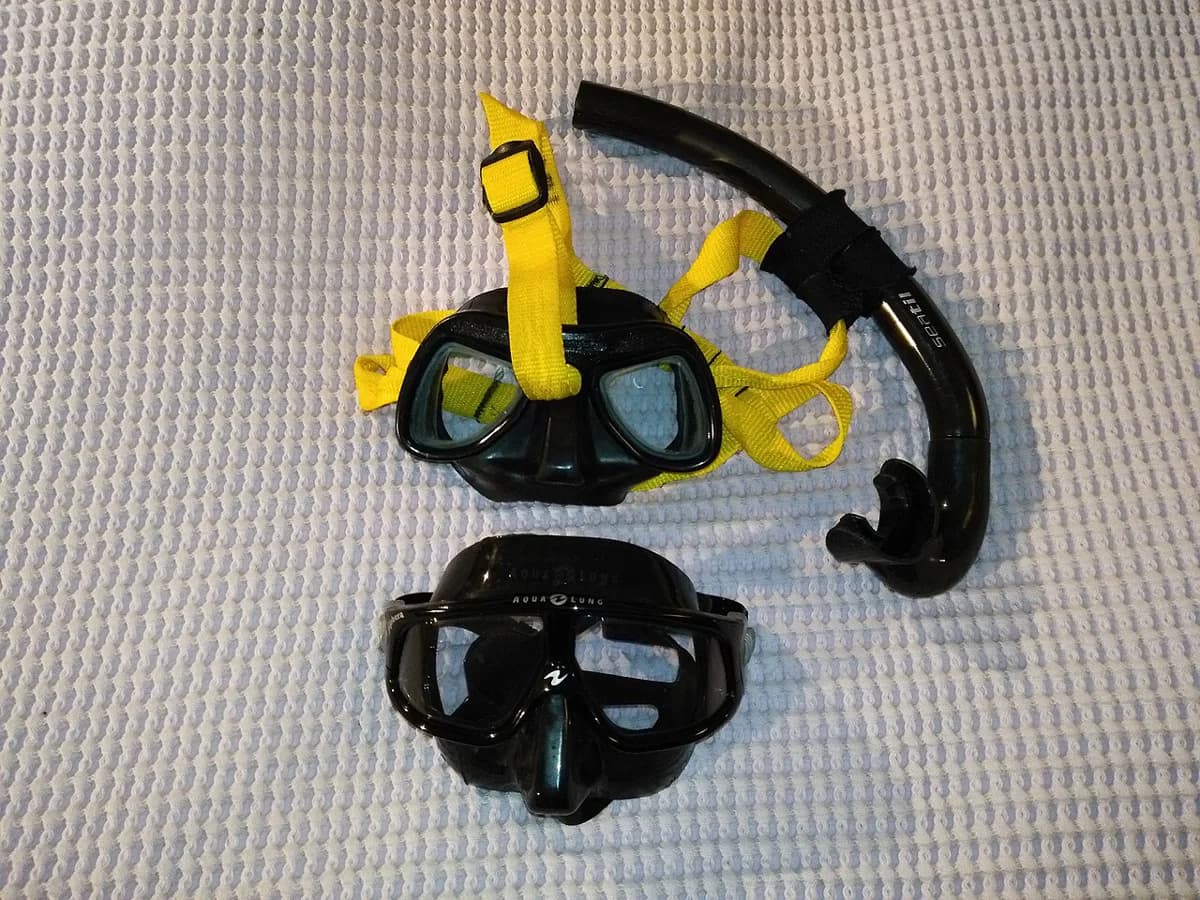
Corrective lenses for dive masks are measured in diopters in half-step increments, and the two common mounting styles behave differently. Pop-in lenses replace the factory lens in a compatible mask, so the correction sits exactly where your eye looks through the glass. Optical inserts mount behind a single-lens mask, which works well if you already own one but adds a layer of glass between you and the water.
Masks built for prescription as a whole unit come with the lenses installed, and the Promate lineup is the clearest example. Get Wet lists the Scope, Sea Viewer, Pro Viewer, Spectrum, Fish Eyes, Hawk Eyes and Micro with published face-seal widths, plus a junior version, so you can compare frame size before ordering.
Sport Eyes stock a wider catalog of brands, including Seavision, TUSA, Cressi, Aquaviz and Hilco, and its filters sort by adult or kids sizing, sphere range and cylinder range. That structure helps if your prescription is stronger or includes astigmatism, because you can see which masks list cylinder options before you read a single product page.
Pop-In Corrective Lenses for TUSA and Cressi Masks
Pop-in lenses are the cheapest way into a prescription if you already own a compatible mask, and the strongest option over time because you can replace the lenses when your eyesight changes instead of buying a new mask. TUSA makes corrective lenses for popular models including the Liberator, Freedom, Paragon and Splendive lines, and Cressi makes them for the Focus and Big Eyes Evolution, each set sized to its own mask.
TUSA diopter lenses run from -1.5 to -8.0, so they correct nearsightedness only. Installation means popping out the factory lens and seating the new one, usually with a short video guide, and first-time fitters report the first side taking longer than the second. Buy the set that matches the model printed on your mask frame, not the closest name you recognize.
Optical Inserts and Adapters for Masks You Already Own
An insert is a corrective lens bonded to a small carrier that mounts inside an existing mask, usually behind the glass. Sport Eyes lists a ScubaSpec insert for a flat price plus a separate lens charge, and a universal TUSA corrective lens and frame insert at a lower flat price. Inserts are economical as a trial, but they generally suit single-lens masks where there is one uninterrupted surface to mount against.
The Hilco prescription insert takes a similar approach for adult and junior sizes. Both routes keep your familiar mask and its proven seal, which matters if you have struggled to find a frame that does not leak. The trade-off is that inserts can fog and need care, and they may not reach your full prescription, so ask the seller to confirm your sphere and cylinder values fit before ordering.
Stick-On Bifocals and Readers for Gauges, Cameras and Watch Faces
If your distance vision is fine and you only need help reading a watch, camera settings or a fish ID card, stick-on bifocals add a reading segment to any mask. Get Wet sells single stick-on bifocal pieces, and Dive Optix offers segments running from +1.25 to +3.0. This is the lowest-stakes way to test the idea, but the segments sit on the outside of the lens and need a careful placement so they do not sit in your line of sight when you look ahead.
Stick-ons have a genuine reliability question. Owner reviews cited in published comparisons report that some lenses do not adhere well and can shift during use, so test yours in a pool before you rely on it for a trip. Placement near the bottom of the lens, where a land bifocal would sit, keeps the segment out of the distance field.
Full-Face Snorkel Masks with Prescription Options
Full-face masks cover the eyes and nose in one unit, and some accept a prescription adapter rather than a custom lens. Sport Eyes lists an RXADT adapter for the TUSA UM8001 and the Cressi Baron full-face masks, so you can pair the wide field of view with corrective power. The adapter is a smaller lens mounted inside the visor, so expectation should match: you get correction, not a full wrap of prescription glass.
Full-face masks have their own safety discussion around breathing resistance and CO2 buildup, and that matters more than lens choice if you are considering one. Read the published guidance on fit and use before adding a prescription adapter, and treat the mask as a system rather than a frame.
Matching Lens Power to Your Glasses Prescription
Start with the numbers on your eyeglass prescription, not the strength you remember. Sphere covers nearsighted or farsighted correction, cylinder covers astigmatism, and the two do not behave the same underwater. Where a source is unclear, order from a seller that lists both ranges and lets you upload your prescription so a qualified optician can advise.
Farsighted snorkelers sometimes go up half to one diopter above their everyday reading, because the mask sits differently from spectacles. This is a starting point, not a rule: published guidance recommends confirming with the seller before you commit. If you have significant astigmatism, filter the catalog to masks that list cylinder correction rather than ordering a sphere-only lens and hoping.
Mask Fit Comes First: Face Size, Seal and Lens Type Trade-offs
Fit determines whether the whole purchase works, so measure your face width before comparing lens options. Get Wet publishes a face-seal width and height for each Promate model, and a wide face that leaks in a standard frame may seal better in the Fish Eyes R/X, while a small or narrow face suits the Micro. Choosing a wide frame for a narrow face is the most common misfit.
Frame style carries a second trade-off. Low-volume masks are easier to clear and easier to equalize on a duck dive, while a broad single lens gives more peripheral view but more air space. Decide which matters for how you actually snorkel: surface cruising favors vision, while repeated shallow dives favor low volume.
Nearsighted, Farsighted and Astigmatism: What Each Option Covers
The options split along prescription type, so know which group you are in before you browse. Pop-in lenses from TUSA and Cressi cover nearsighted correction only, full prescription masks from Promate and Seavision reach into farsighted and bifocal ranges, and inserts and stick-ons are better suited to reading or single-vision needs.
Astigmatism is the constraint that narrows the list fastest. Sport Eyes lets you filter by cylinder range up to 2.00, 4.00 and beyond, alongside sphere ranges from mild to above +/- 8.00. Use those filters, then read each product's stated compatible mounting so you are comparing options that can actually take your numbers.
Kids, Teens and Small Faces
A child in a leaking mask will fight it long before the reef becomes interesting, so sizing is the first decision. Sport Eyes lists a dedicated kids category with youth-oriented frames such as the Tusa Tina and Kleio models, and Get Wet lists a Spectrum Junior and a Micro built for smaller faces. Match the published face width rather than the age on the label.
Prescription range narrows in small frames, so check what the kids' or small-face option can actually correct before buying. If the strength you need is not offered in a small frame, a mask that fits and seals will still serve better than a strong lens that leaks. Pair the mask with a properly sized dry-top snorkel so the whole setup works together, and see our snorkeling in Florida planning tips for choosing shore versus boat entries where kids may swim.
Cost Expectations and Where to Buy
Treat cost by route rather than by single number. Stick-on readers and basic inserts sit at the low end, a complete prescription mask sits in the middle, and a custom-mounted lens in a premium frame sits at the top. Get Wet shows a discounted price and a list price side by side for each mask, while Sport Eyes shows a straightforward regular price per model, so you can compare the two listings for the same frame.
For a full lens installed into a mask you already own, Sport Eyes lists custom lens work as a separate option, which makes it worth pricing that against a new mask. Buying from a seller with an optician on staff shortens the back-and-forth if your prescription is unusual. Confirm delivery time before a trip rather than after.
How to Install and Test New Lenses Before a Trip
Do the work at a table with a towel, not at the dock. Pop the factory lens out following the maker's guide, seat the corrective lens flush, and check that the frame has not distorted. If you bought an insert, confirm it sits behind the glass without touching your brow or lashes, because contact there will break the seal with every glance.
Then test in a pool or calm shallow water before the real swim. Float face-down, breathe through the snorkel, clear the mask, and duck under to check the seal. If the image is sharp at the surface but fuzzy below, or water creeps in at the temples, the problem is fit or lens seating rather than the reef.
Care, Fogging and Lens Maintenance
New mask glass usually carries a manufacturing film that fogs until it is cleaned off, so follow the maker's instructions rather than scrubbing with an abrasive. Use a fingertip of mild soap or a purpose-made defog, rinse it out, and avoid touching the inside of the lens once it is clean. Store the mask in a hard case so the frame and buckles do not take a set.
If you use a snorkel with a valve, rinse it in fresh water after saltwater days, since salt crystals in a valve are a common cause of a wet breathe. Keep a spare defog sachet in the mask case, and check the strap before every trip; UV and salt degrade silicone faster than most people expect.
What You Will See Once Your Vision Is Corrected
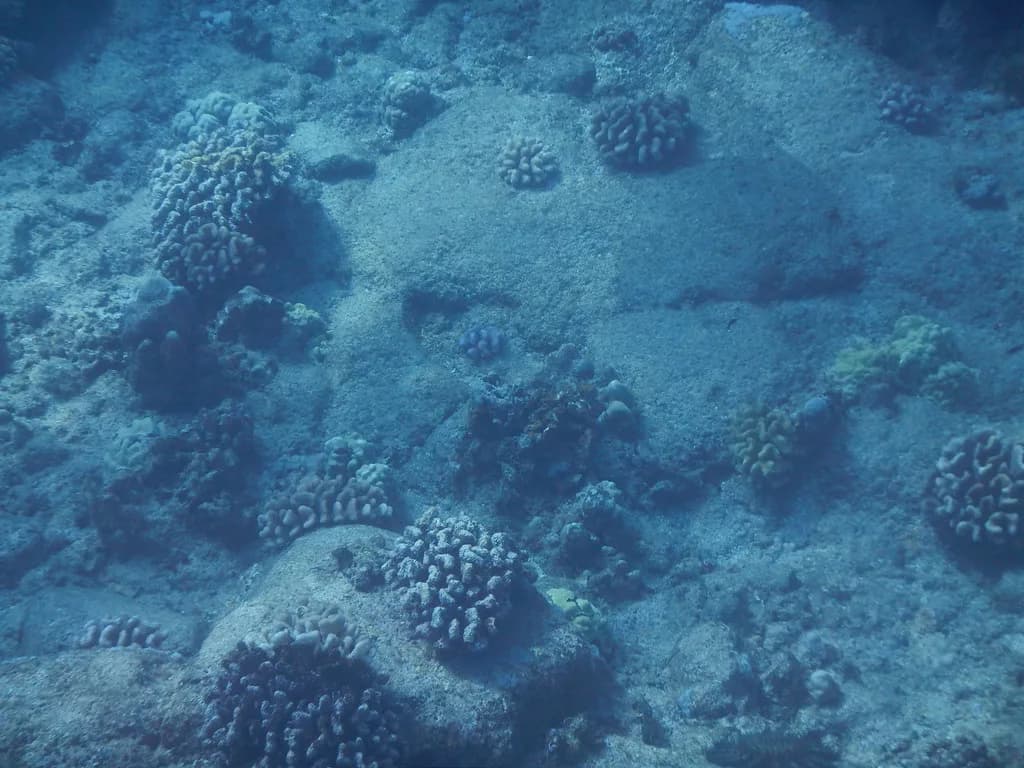
Once you can see clearly, a good reef reads like a map instead of a blur. Expect to pick out the small stuff first: damselfish defending a coral head, a goby on a rubble patch, the flicker of a wrasse turning. Clarity changes your distance judgment too, so you hold a respectful gap from coral and animals instead of leaning in for a look.
Snorkeling best practices apply the same way regardless of the lens. Look, do not touch or feed, keep the published distance from turtles and marine mammals, and leave shells and coral where they are. Choose a reef safe sunscreen that lists non-nano zinc oxide or non-nano titanium dioxide if you want to avoid the common sunscreen ingredients linked to coral damage.
Plan Your Next Snorkel Day
Pick the lens route that fits your prescription, then pick the mask that fits your face. If you already own a compatible TUSA or Cressi mask, pop-in lenses are the cheapest and most flexible path. If your prescription includes astigmatism or a strong farsighted correction, move straight to a full prescription mask or an insert from a seller who can match your numbers.
Order early enough for a pool test before you leave, and pack a mask case, defog and a reef safe sunscreen. Check current ocean conditions and any posted advisories with the local lifeguard agency or state parks office the day before you swim, and build the rest of your kit from the wider snorkel gear guide so the mask and snorkel work as one system.
Frequently Asked Questions
Do prescription snorkel masks work?
Yes. A corrective lens in a dive mask shifts the image to your prescription the same way glasses do. Pop-in lenses replace the factory glass, inserts mount behind the lens, and full prescription masks come assembled. Fit still decides whether it works in practice, so measure your face and test the seal in a pool before a trip.
How much does a prescription snorkel mask cost?
Price depends on the route rather than a single figure. Stick-on readers are the cheapest option, inserts sit next, and a complete prescription mask or custom lens installed in a mask you already own costs more. Retailers such as Get Wet and Sport Eyes list prices per model, so compare the same frame at both before you buy.
Is there a snorkeling mask that can go over glasses?
No standard snorkel mask is designed to wear over eyeglasses, because the arms would break the seal and the frame would not sit inside the mask. The working alternatives are a corrective lens installed in the mask, an optical insert mounted behind the glass, or a stick-on reader for close-up tasks.
Can you snorkel with bad eyesight?
Yes, and you should correct it rather than rely on blurry shapes. Strong nearsighted or farsighted corrections are covered by full prescription masks from brands like Promate and Seavision, and many TUSA and Cressi masks take pop-in lenses. Share your complete prescription, including cylinder, with the seller so they can confirm compatibility.
Can you get a prescription snorkel mask for astigmatism?
Some options correct astigmatism; many do not. Sport Eyes filters its catalog by cylinder range so you can see which masks cover your level, and full-lens prescription masks give the broadest coverage. Pop-in lenses from TUSA and Cressi are nearsighted only, so they are not the right route for a cylinder correction.
Can you rent a prescription snorkel mask?
Rental shops generally stock standard lenses rather than prescription ones, and the fit is unlikely to match your face. If you snorkel more than once a year, buying is the more practical route, starting with pop-in lenses if you already own a compatible mask. Ask a local dive shop whether they can install your lenses.
Sources
Snorkeling notes for your next trip
Optional updates to our snorkeling guides.
You might also like
Continue reading
More guides you'll find useful