Rash Guard for Snorkeling: UPF, Fit and Sleeve Guide
A rash guard keeps your back and shoulders covered through long snorkel sessions. See how UPF ratings, fit and sleeve length change the right choice.
On this page
A rash guard earns its place on a snorkel day because your back and shoulders stay exposed to the sun for hours while your face is down in the water. It suits anyone floating in warm water, from a first-timer in the shallows to a strong swimmer crossing a bay, and it doubles as a thin abrasion layer when you brush a rock or kneel on sand. The choices that actually matter are simpler than the shelf suggests: the UPF number on the label, the cut, and the sleeve length.
What a Rash Guard Does on a Snorkel Day
The main job is sun coverage. Because you spend long stretches face-down with your back turned to the sky, a close-fitting top shields the area most likely to burn, and it stays put when you roll, kick and duck-dive. The second job is abrasion protection, which matters at rocky entries and shallow reef edges where a thin fabric layer softens scrapes. The third is layering: the same garment worn under a wetsuit adds warmth without bulk at depth.
Yes, for most warm-water snorkeling.
Think of it as part of your core kit alongside your mask and fins rather than an optional extra. If you snorkel mostly in Florida, Hawaii or the Caribbean, a single top often replaces a wetsuit entirely for a mid-day swim; if you are planning snorkeling in Oahu, check that guide for how warm-water sessions shape what you layer. In cooler California water or on a windy boat ride, it becomes the base layer that keeps a wetsuit comfortable against your skin.
UPF Ratings Explained
UPF, or Ultraviolet Protection Factor, measures how much UV radiation a fabric blocks. In SCUBAPRO's published figures, a UPF 50 fabric blocks roughly 98 percent of UV rays and UPF 80 raises that further, which is why the number on the label tells you more than the color or the price. Two tops that look identical can sit at opposite ends of the range.
Read the hangtag or product page before you buy a top sold as protective, since a garment sold as a swim shirt without a stated UPF rating gives no published figure to compare. Match your pick to the rating printed on the label, and check the current product page for that figure. For long surface intervals and multi-hour sessions, a higher rated fabric is the more sensible choice, especially over the back and shoulders.
A rash guard covers skin, but it does not reach your face, ears, hands or the backs of your legs. Pair it with a broad-brimmed hat for surface time and with a reef safe sunscreen on the exposed patches, and look for formulas built on non-nano zinc oxide or non-nano titanium dioxide to limit what washes off into the water.
Fabric and Construction
Snorkeling puts a top through saltwater, sun and repeated stretching, so the fabric spec is worth reading. SCUBAPRO describes its current UPF 50 T-Flex tops and leggings as partly made from recycled fabric sourced from plastic bottles, quick-dry and four-way stretch, with exact composition listed per product.
Four-way stretch is the practical detail that separates a snorkeling top from a plain athletic shirt. It lets the fabric move with your shoulders through long kicks and duck-dives without riding up, and quick-dry fabric means the top is not sodden and heavy on the walk back to the car. Check the product page for the listed composition if recycled content or a specific fabric blend matters to you.
Fitted Versus Loose Cuts
The decision comes down to where you will wear the top. A fitted cut sits close to the skin, slides easily under a wetsuit without bunching and stays in place in the water. A loose cut feels more relaxed on hot days and is easier to pull on and off at the beach.
SCUBAPRO's published guidance is to size up if you prefer a more relaxed feel from a tight-fitting model, and to choose between fitted and loose based on layering needs. If you plan to wear the top beneath a wetsuit in cooler water, stay close to the fitted cut so it does not bunch at the shoulders. If it is your only layer in the tropics, a slightly easier fit is comfortable without losing coverage.
Long Sleeves or Short Sleeves
Long sleeves give the most coverage, shielding forearms that hang in the sun during surface intervals and reducing contact with reef edges and boat rails. Short sleeves feel cooler in warm water and free up the forearm, which some snorkelers prefer when adjusting a mask or a snorkel.
For a long day with hours of floating, long sleeves are the more useful pick, especially if you burn easily on the arms. For short sessions, warm-water wading or a trip where you will spend limited time in the sun, short sleeves are enough. Neither choice changes how you swim; both are about how much skin stays covered.
Layering Alone or Under a Wetsuit
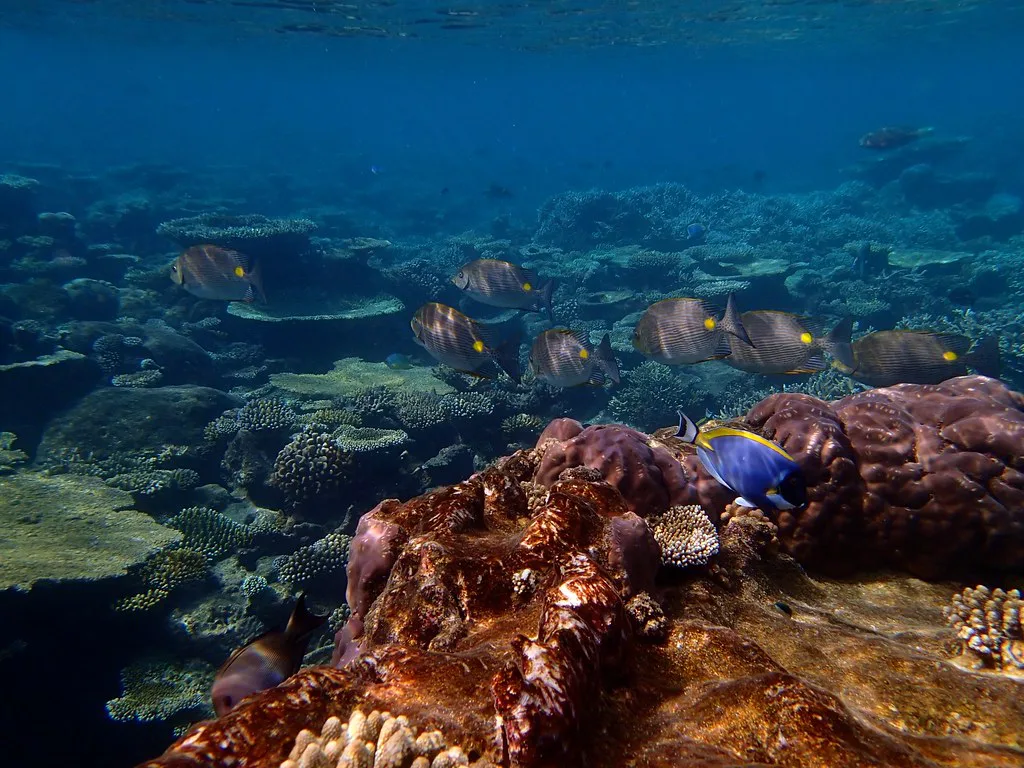
In Hawaii, Florida and the Caribbean, a rash guard worn alone is often the whole story for a warm-water snorkel, and the fabric is comfortable in tropical and temperate water where a full wetsuit is unnecessary. In cooler water, the same top becomes a base layer under a wetsuit, adding a thin barrier that eases the suit on and keeps chafing down at the shoulders.
The trade-off is warmth. A rash guard alone will not keep you warm in cold upwelling or on a long boat ride, so pair it with a wetsuit or wetsuit top when the water is cool. If you are layering, choose the fitted cut, and remember that two thin layers trap more warmth than one without restricting your kick.
Leggings and Steamers for Full Coverage
Your back is not the only exposed side. The backs of the thighs and calves face the sun during long surface swims, so leggings extend the same protection below the waist. SCUBAPRO lists UPF 50 and UPF 80 leggings alongside its tops, giving you a matched set with a stated rating.
A steamer is the one-piece option, covering torso and legs in a single garment, which reduces gaps at the waist where a separate top can ride up. Treat leggings and steamers as part of the coverage kit rather than an afterthought. If you snorkel for hours in bright, exposed water, full coverage is easier to manage than reapplying sunscreen over wet skin.
Men's, Women's and Kids' Sizing
Sizing differs by cut, so work from the size chart on the product page rather than the size you wear in street clothes. SCUBAPRO publishes men's and women's sizes from XS through 2XL or 3XL depending on the model, with tall options in some lines.
For children, a close fit matters more because a loose top rides up during play and leaves the lower back exposed. Measure chest and torso, check the chart, and choose a stated UPF rating. If a child is between sizes for a fitted model, sizing up for comfort is reasonable as long as the hem still stays put in the water.
What to Wear With It
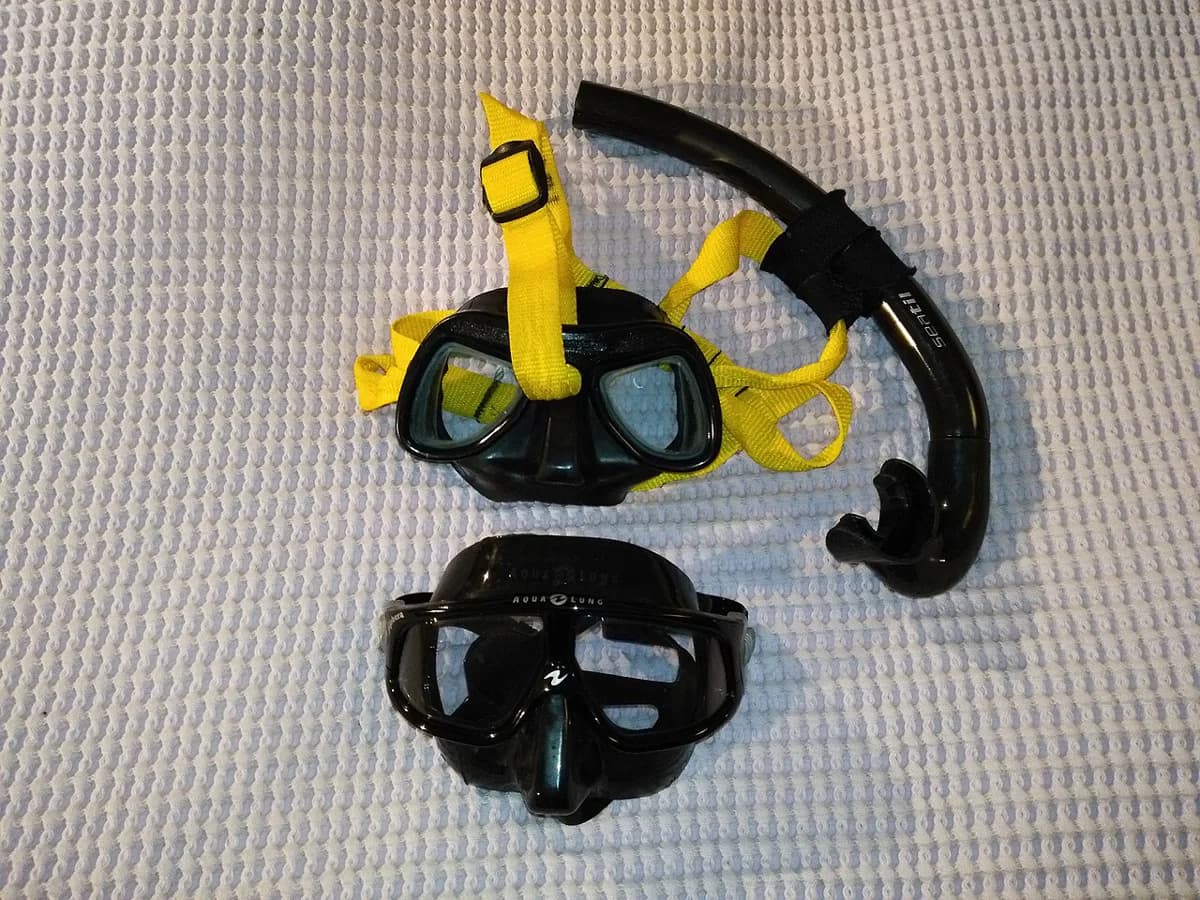
Swim bottoms or board shorts complete the outfit in warm water, and a rash guard hem that meets the waistband closes the gap. For your head, a snug-fitting mask matters more than a strap cover, so pick a skirt that seals cleanly before adding accessories. If you are choosing a mask, the fit of the mask skirt against your face decides whether water seeps in.
A dry-top snorkel keeps splash out when you surface to talk or breathe, and a neoprene neck gaiter or hat covers skin the rash guard cannot. Avoid loose jewelry and dangling accessories that catch on reef or mask straps, and leave cotton shirts at home: heavy fabric stays wet and cold and offers no stated UV rating.
Rash Guard, Swim Shirt or Wetsuit Top
The line between these three comes down to water temperature and coverage. A rash guard handles warm water and abrasion. A swim shirt does similar work but often has no published UPF figure. A wetsuit top adds neoprene warmth for cooler water and longer sessions. If you are comparing full-face options for a mixed group, check the safety guidance on each design before you commit.
Match the layer to the day. Warm, calm water and a short session call for a rash guard alone. Wind, cool upwelling or a long boat ride justify a wetsuit top or a rash guard beneath one. The same top you wear under a wetsuit in California can be your only layer in the Florida Keys the next month.
Care and Durability
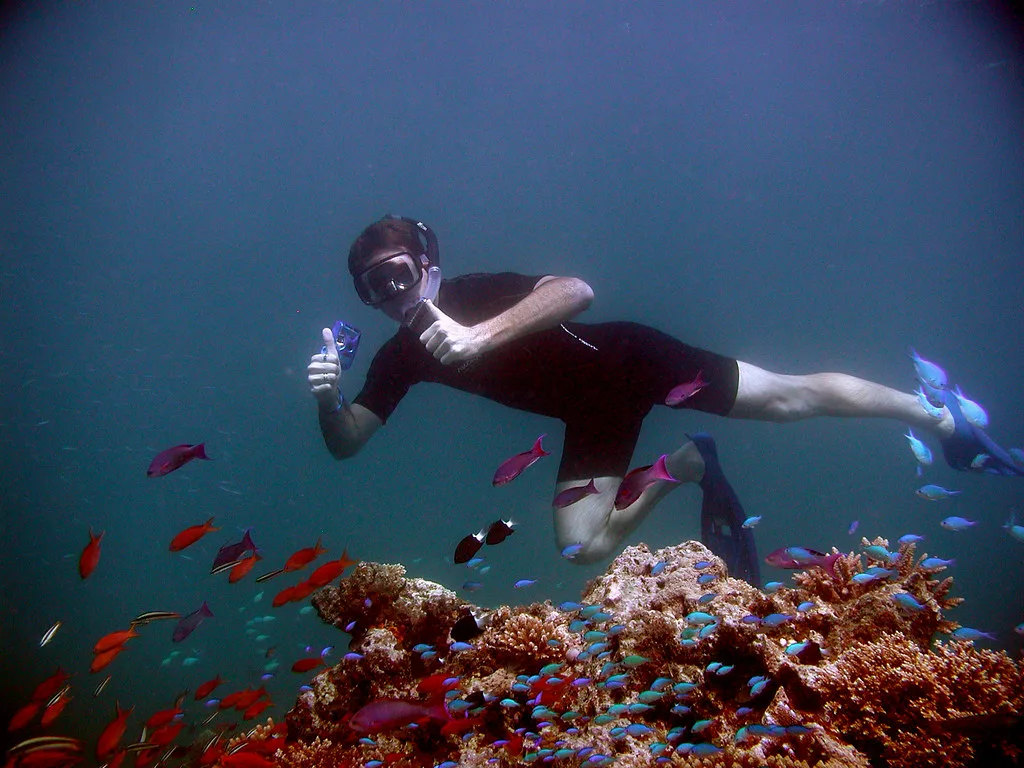
Salt, sun and chlorine are hard on stretch fabrics, so rinse the top in fresh water after every saltwater session and dry it in shade rather than full sun. SCUBAPRO describes its rash guards as durable for repeated use against stretching, saltwater and frequent wear.
Inspect seams and hems at the end of a trip, since a small split at the shoulder is what turns a good top into a cropped one. Store it flat or loosely folded, and avoid leaving it in a hot car where elastic fibers can degrade. A well-kept top can carry you through several snorkel seasons.
Common Mistakes to Avoid
Buying too loose for layering is the mistake that shows up first: a baggy top bunches under a wetsuit and can chafe at the shoulders. Choosing the wrong sleeve length for your typical session leaves forearms exposed or overheated. Skipping the UPF rating leaves you without a defensible number to compare products.
Another trap is buying a fashion rash guard without checking its fabric spec, then finding it heavy and slow-drying. Confirm the quick-dry and four-way stretch claims on the product page, and check whether the material content matches what you want. Treat the label as your buying checklist rather than the print.
What to Bring Alongside the Rash Guard
Pack a towel, fresh water and a hat for the surface, plus your mask, fins and a dry bag for keys and phone. A thin hooded towel or sun shirt cuts the glare on the walk back. If you carry your own mask, a spare strap saves a day if the old one snaps.
Add reef safe sunscreen for exposed skin and a light layer for the drive home. If you use a dry snorkel versus a wet snorkel, bring whichever you trained with so your breathing stays familiar. Keep the kit in one bag so the rash guard, mask and fins are always together when you reach the beach.
Build Your Snorkel Kit
Choose a rash guard by the number on its UPF label, the cut that matches how you will wear it, and the sleeve length that covers the skin you expose most. A fitted long-sleeve top in a stated UPF 50 or higher fabric is the most versatile starting point for warm-water snorkeling, and it layers cleanly under a wetsuit when the water cools.
Round it out with leggings or a steamer for full coverage and with reef safe sunscreen for your face and hands, and keep your mask and fins with the same bag so every trip is ready to go. That kit handles tropical shallows, cooler coastal water and everything in between.
Frequently Asked Questions
Should you wear a rash guard while snorkeling?
Yes, for most warm-water snorkeling. Your back and shoulders stay exposed to the sun for hours while you float face-down, and a close-fitting top keeps those areas covered. It also adds a thin abrasion layer at rocky entries and shallow reef edges.
How do you protect your skin when snorkeling?
Layer your coverage. A high-UPF long-sleeve rash guard and leggings protect torso, arms and legs, a hat covers your head during surface intervals, and reef safe sunscreen handles your face and hands. Reapply sunscreen on exposed skin between sessions.
What UPF rating should a snorkeling rash guard have?
Look for a stated UPF 50 or higher. Published figures for UPF 50 show it blocks roughly 98 percent of UV rays, and UPF 80 raises protection further. A top with no published UPF rating gives you no number to compare.
Should a rash guard fit tight or loose for snorkeling?
Fitted is the better default. A close fit slides under a wetsuit without bunching and stays in place in the water. A loose cut is comfortable in warm water but can ride up and leave your lower back exposed; if you prefer it, consider sizing up a fitted model.
Long sleeve or short sleeve for warm water?
Long sleeves cover your forearms during long surface swims and are the more versatile choice for multi-hour sessions. Short sleeves feel cooler and suit brief wading or short swims. Neither changes how you swim, only how much skin stays exposed.
What should you not wear while snorkeling?
Skip cotton shirts, heavy clothing and dangling jewelry. Cotton stays wet and cold and carries no stated UV rating, and loose accessories catch on mask straps or reef. Choose quick-dry fabrics with a published UPF rating and a fit that stays put.
Can a rash guard replace a wetsuit?
In warm tropical water, often yes. A rash guard alone is comfortable when a full wetsuit is unnecessary. In cooler water or on long boat rides, wear it as a base layer under a wetsuit or wetsuit top for warmth.
Do you need leggings and steamers too?
Consider them if you snorkel for hours in bright, exposed water. Leggings extend UPF coverage to the backs of the thighs and calves, and a one-piece steamer closes the waist gap. For short swims in shaded water, a top alone is usually enough.
Sources
Snorkeling notes for your next trip
Optional updates to our snorkeling guides.
You might also like
Continue reading
More guides you'll find useful