Sarasota Snorkeling Tours: Point of Rocks & Charter Picks
Sarasota snorkeling tours mostly head to Point of Rocks, with boat charters adding sandbar stops. Compare entry, depth, timing and gear before you book.
On this page
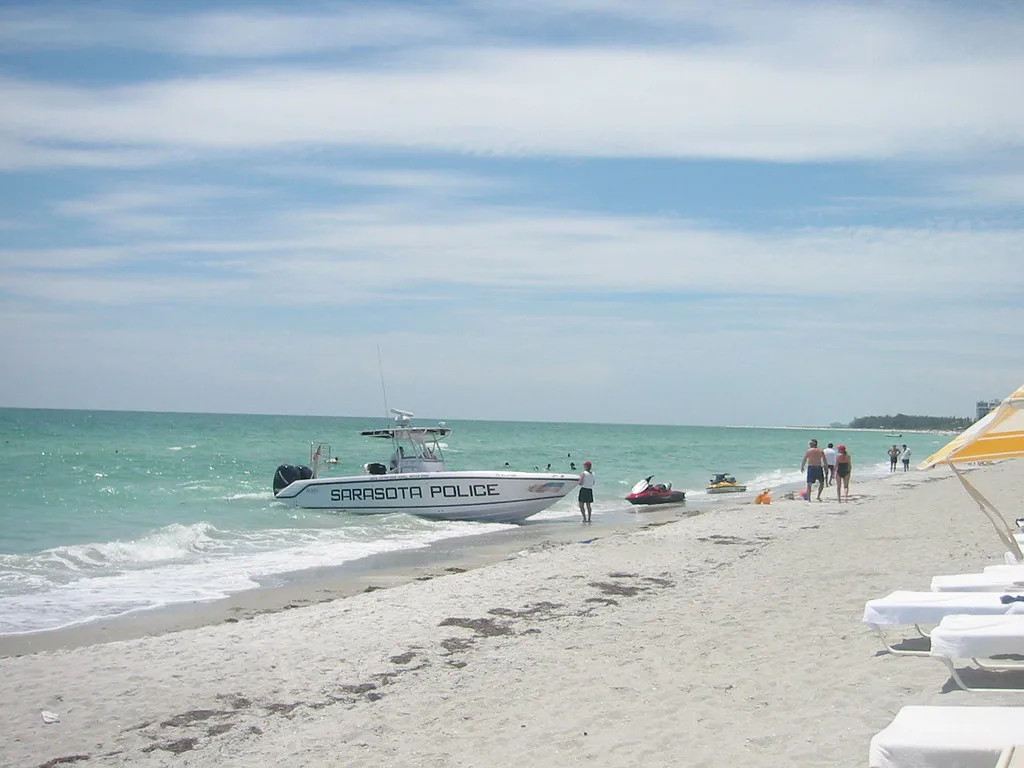
Point of Rocks, at the southern end of Crescent Beach on Siesta Key, is the reason most Sarasota snorkeling tours exist. A natural limestone formation runs offshore there, and the rock gives fish, crabs and sponges somewhere to live, which is why the snorkeling looks nothing like a plain sand beach. It suits families and first-timers who want a shallow, shore-entry snorkel and strong swimmers who want a boat to reach open water.
The choice comes down to two formats: walk in from the beach and swim the ledges yourself, or pay for a guided or private trip that handles navigation and gear. Each has a real trade-off in effort, cost and how much water you cover, and the details below help you decide which one fits your group.
Why Sarasota snorkeling starts at Point of Rocks
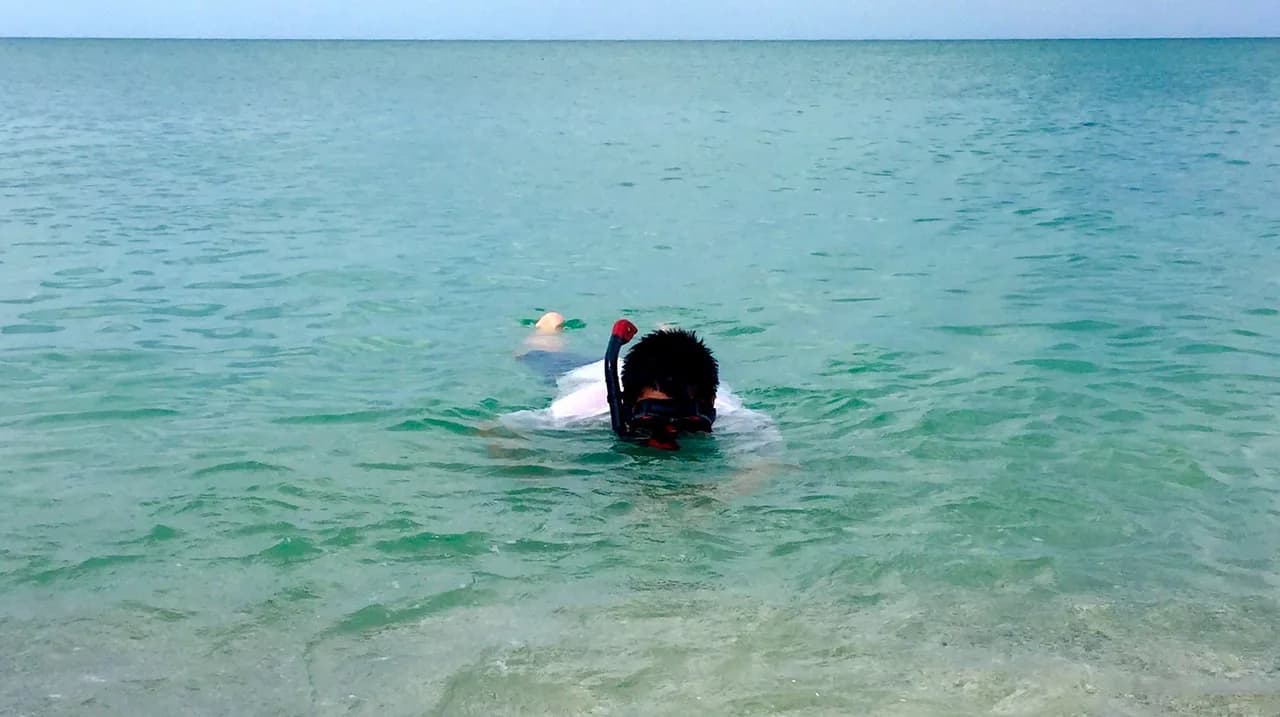
Point of Rocks sits at the south end of Crescent Beach, and the rock formation extends offshore to create a habitat for marine life. That makes it different from swimming along a typical sandy stretch of Gulf beach, where there is little structure for fish to gather around. For a first snorkel in the Sarasota area, this is the most straightforward place to get in the water from shore.
The spot is known as both family-friendly and a place to conquer ocean fears, which is the practical reason tours concentrate here: shallow water, an easy entry and plenty to look at within a short swim. If you are weighing the wider region, our guide to snorkeling in sarasota covers the other shore options and how they compare on entry and depth.
Where the tours go: Point of Rocks, sandbars and island hops
Most trips either start at the beach beside Point of Rocks or run a boat route that combines a snorkel stop with a sandbar or island visit. The boat format trades the easy walk-in for more water covered and a stop you cannot reach on foot. A private charter listing for the area advertises three-hour snorkel and sandbar tours in both morning and afternoon slots, with island-hopping on the menu alongside snorkeling.
Treat that listing as a format example rather than a schedule: call Siesta Key Snorkel directly and ask where the boat stops, how long you spend in the water and whether the sandbar stop is the snorkeling or a separate break. Those three answers tell you more about the trip than the advertised duration.
Shore-based option: entering at Beach Access 12
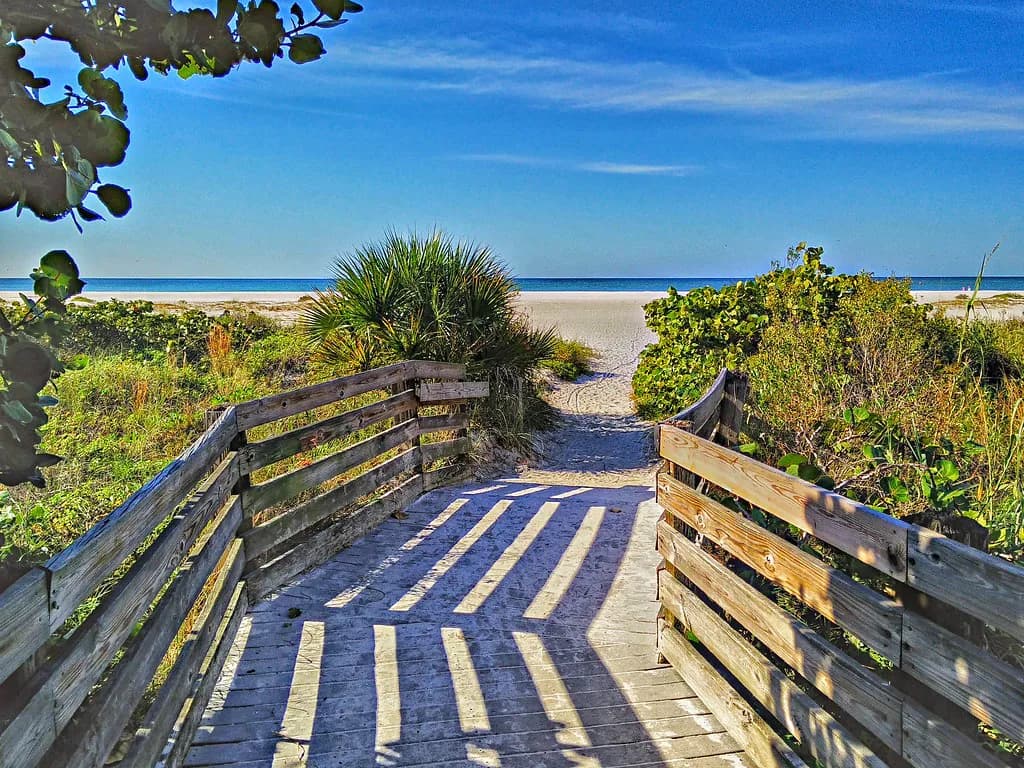
For a self-guided snorkel, the most straightforward access point is Beach Access 12 near Old Stickney Road, with the address given as 6490 Midnight Pass Road. Beach Access 13 at 6900 Point of Rocks Road provides pedestrian access but no public parking, so the walk-in route from 12 is the practical one for anyone arriving by car.
The access point sits across from Peppertree Bay, and the site is reached by walking to the southern tip of Crescent Beach rather than by a marked trail. That means you carry your gear from the lot, so pack light: mask, fins, water and a towel, with water shoes useful around the rocky sections. Full detail on the ledges and entry sits in our Siesta Key Snorkeling at Point of Rocks page.
Boat and charter option: what it changes
A charter buys you skipper knowledge of the current, a boat ride to the reef edge and a fixed time window, which is a genuine advantage on a windy day when the walk-in area is choppy. The trade-off is a set departure and a shared schedule if you book a group trip rather than a private one.
Before booking, name the inclusions you rely on: masks, fins, snorkel vests, drinking water and a dive flag. The charter listing for the area quotes a private booking rate, so ask Siesta Key Snorkel for the all-in figure for your group size; the headline number may not cover everyone.
What you will see
Expect small reef residents rather than a big-ticket marine park: snook, crabs and other crustaceans, red sponges, bright pink coral patches, algae and plenty of shells among the rock. Manatees turn up in the warm months, and dolphins are frequently sighted by snorkelers, both below and above the surface. Keep a respectful distance from anything you meet and never touch, feed or chase wildlife.
Sightings are never guaranteed, so plan the day around the water and treat wildlife as a bonus. A slow, quiet approach along the formation gives you the best chance of seeing fish holding near the rock.

Depth and conditions
The water over the rocks runs between zero and six feet, so this is a shallow snorkel rather than a deep-water dive. Visibility can range from a few inches to around 20 feet depending on wind, swell and tide, which is why a clear, sunny day matters more here than at a deeper site.
Tide height drives the whole experience. At low water you have to scramble across the exposed limestone to get around the point, while high or filling water lets you swim around it with room to spare. Plan the swim around a high or rising tide and bring water shoes whatever the level.
Lower water also exposes parts of the rock and tidal areas, which is worth knowing if you are exploring with children who want to stand up mid-swim. Check the marine forecast with the National Weather Service before you commit to a departure.
Best time of day and season
Go early. Morning brings better visibility because the wind has not yet built the swell that stirs up the bottom, and an early start gives you first pick of parking in the small lot by the point, while later arrivals walk further. On a booked trip, ask for the first departure of the day for the same reason.
Warm months are when manatees are most likely to appear, while snook, crabs and sponges are present year-round. Combine a calm, sunny forecast with a high tide and an early start and you have the best odds of good water.
Skill level and who each option suits
Families, kids and first-timers are best served by the shore snorkel: shallow water, sand entry near the access and the freedom to get out whenever anyone has had enough. Strong swimmers and groups who want to cover more ground get more from a boat trip, which handles the navigation and reaches water you cannot wade to.
If your group is mixed, book the shore version as the base plan and treat the boat as an upgrade for the confident swimmers. Our guide to Siesta Key Snorkeling lays out the formation in more detail so you know what the swim covers.
Hazards and rules
The main physical risks are the sharp, slippery limestone underfoot and the need to time your swim with the tide. Surf and current conditions change day to day, so check weather, surf and water conditions with Sarasota County or the National Weather Service before entering the Gulf.
On the water, snorkel with a buddy, stay aware of boat traffic and follow posted rules where you launch, including any dive-flag requirement for your route. Never stand on or touch the rock formations, and give wildlife plenty of space.
Gear and rentals
Carry a mask that fits your face, a snorkel, fins, reef-safe sunscreen, drinking water and a towel, plus water shoes for the rocky sections. A dive flag may be appropriate depending on where and how you plan to snorkel, so ask the operator or access point staff what is expected.
If you are not traveling with gear, South Village near Crescent Beach Access 12 has beach equipment rentals, which is the closest practical stop before a shore snorkel. Beginners can also book guided snorkel tours of Siesta Key or dive courses through Florida Underwater Sports, and its shop sells snorkel and dive equipment.
Nearby spots to combine
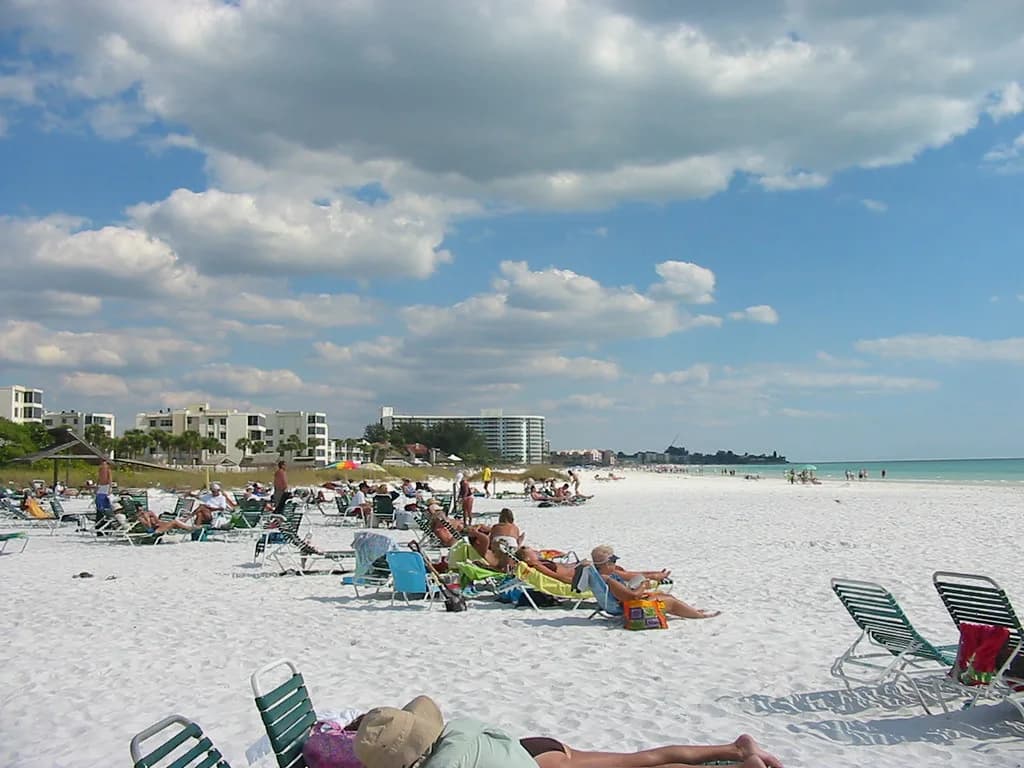
Point of Rocks is part of one of the island's best-known beaches, so the obvious pairing is a snorkel followed by a lazy afternoon on the sand at Crescent Beach. Staying near the access cuts travel time on both ends of the swim.
If you prefer a second day on the water elsewhere, lido key snorkeling offers a different shoreline to compare, and Anna Maria Island is a straightforward drive north for a change of scene. For an east-coast boat-trip comparison, see these fort lauderdale snorkeling tours.
Plan Your Trip
Decide first whether you want to walk in at Beach Access 12 and swim the ledges yourself or pay a charter to place you over the reef with a skipper's eye on conditions. Then match your day to a high or rising tide, an early start and a clear forecast.
Pack water shoes, reef-safe sunscreen and water, rent gear near Crescent Beach if you need it, and keep your distance from everything you meet in the water. For the full picture of the region, start with our Point of Rocks overview in the snorkeling in Sarasota guide.
Frequently Asked Questions
Can you snorkel in Siesta Key?
Yes. Point of Rocks, at the south end of Crescent Beach, is a shore-entry snorkel over a limestone formation that runs offshore and holds fish, crabs and sponges. You wade in from the beach rather than jumping from a boat.
Where do Sarasota snorkeling tours go?
Most trips center on Point of Rocks, with some boat routes adding a sandbar or island-hopping stop. Ask exactly where the boat anchors and how long you spend in the water.
Is it better to snorkel from shore or book a boat tour?
Shore snorkeling suits families, kids and first-timers because the water is shallow and you can get out whenever you like. A boat trip covers more ground and handles navigation, which suits stronger swimmers and groups with a set schedule.
What tide is best for snorkeling at Point of Rocks?
Go on a high or filling tide. At low water you have to scramble over exposed, slippery limestone to get around the point, while higher water lets you swim around it. The formation sits in zero to six feet of water.
What time of day should I book a snorkel trip?
Morning is the better bet: wind has not yet stirred up the bottom, so visibility is usually clearer, and early arrivals get the parking near the point. Ask for the first departure of the day if you book a charter.
Do I need my own snorkel gear for a Sarasota tour?
Ask what is included before you pack. For a self-guided shore snorkel, South Village near Crescent Beach Access 12 has beach equipment rentals, and Florida Underwater Sports runs guided tours and sells gear.
What will I see at Point of Rocks?
Snook, crabs, red sponges, bright pink coral patches and shells among the rock, with dolphins frequently sighted and manatees possible in warm months. Sightings are never guaranteed, and you should never touch or chase wildlife.
Sources
Snorkeling notes for your next trip
Optional updates to our snorkeling guides.
You might also like
Continue reading
More guides you'll find useful