Lido Key Snorkeling: Where to Get In and When to Go
Lido Key's shoreline is sand, so snorkelers drive south to Point of Rocks at Crescent Beach. Here is how the entry, depth, timing, and parking work.
On this page
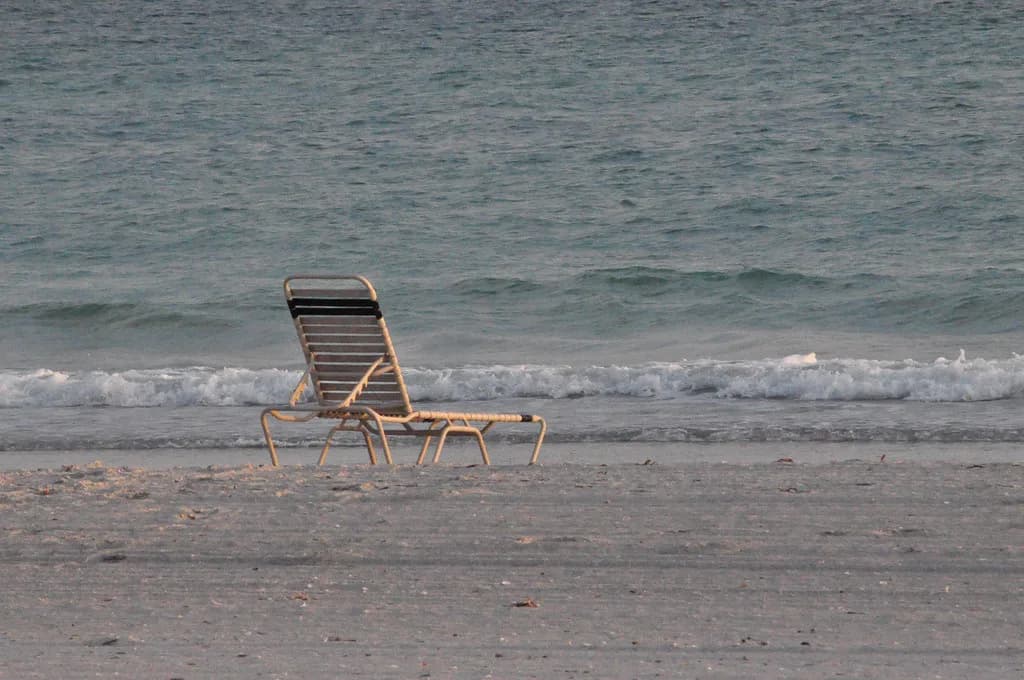
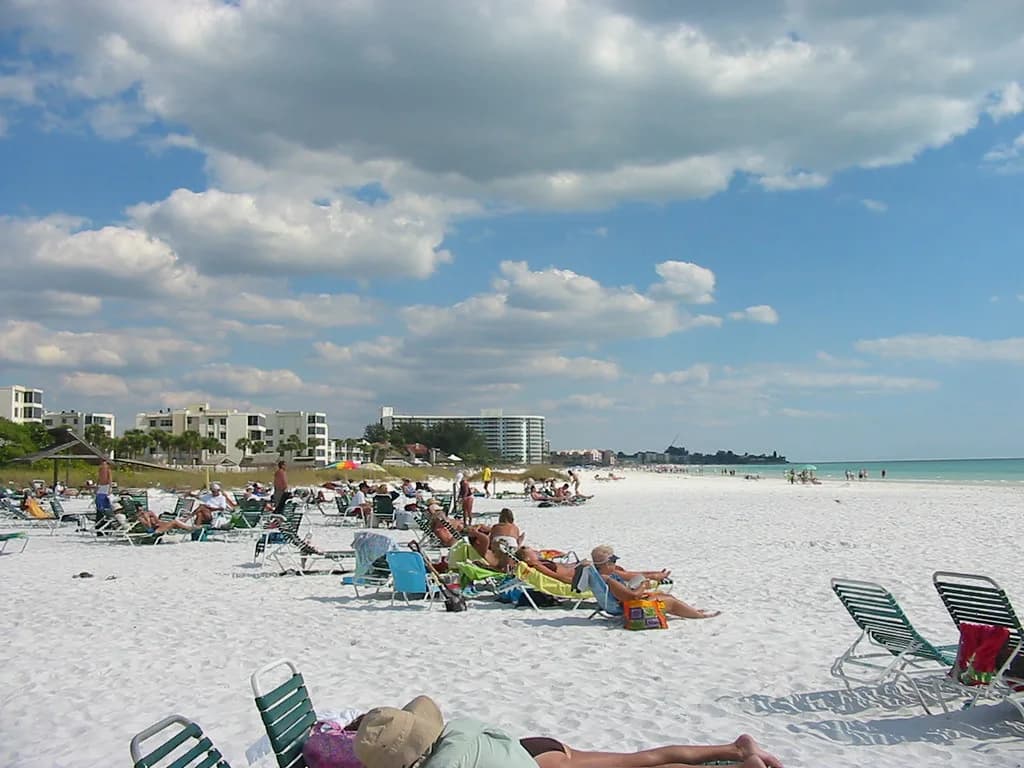
Lido Key suits beach days, shelling and long shallow swims, but its shoreline is sand, and the water off it has no rock or coral structure to hold fish. Snorkelers based on Lido Key get the most out of a trip by driving a few minutes south to Point of Rocks at the south end of Crescent Beach, where limestone ledges run into clear, shallow water. That short move is the difference between a flat sandy swim and a genuinely fishy one, and it works for families with kids as well as stronger swimmers.
The spot is small and specific, so the planning that matters is timing and entry rather than gear lists: arrive early, pick your tide, and know which of the two access routes puts you closest to the rocks. This guide covers the ledges, the depth, the marine life in the crevices, the hazards, and how to bolt a Point of Rocks swim onto a Lido Key beach day.
Why Lido Key snorkelers end up at Point of Rocks
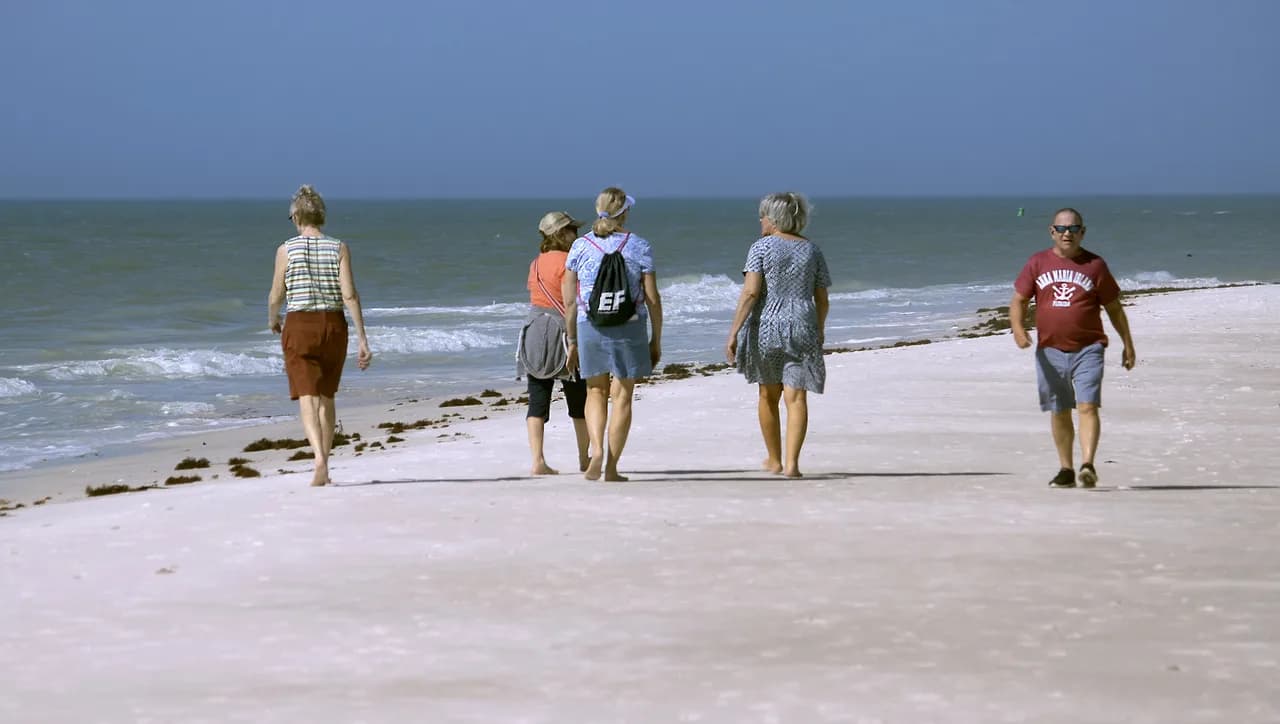
Lido Key sits between Sarasota Bay and the Gulf, and its Gulf beach is a wide, gently shelving stretch of sand. That profile makes for easy wading but poor snorkeling: without structure, tropical fish have little to hide in and visibility gains you nothing. The nearest shore-accessible structure is Point of Rocks, a limestone outcrop at the southern end of Crescent Beach on Siesta Key, a short drive over the bridge and south.
Treat Lido Key as your base and Point of Rocks as the snorkel. You get the Lido Key beach morning, the pavilions and the easy parking, then move south for an hour or two over the ledges before the day heats up. Doing it in that order also puts you at the rocks early, when the water is calmest and the small parking areas still have space.
Where Point of Rocks sits between Crescent and Turtle Beach
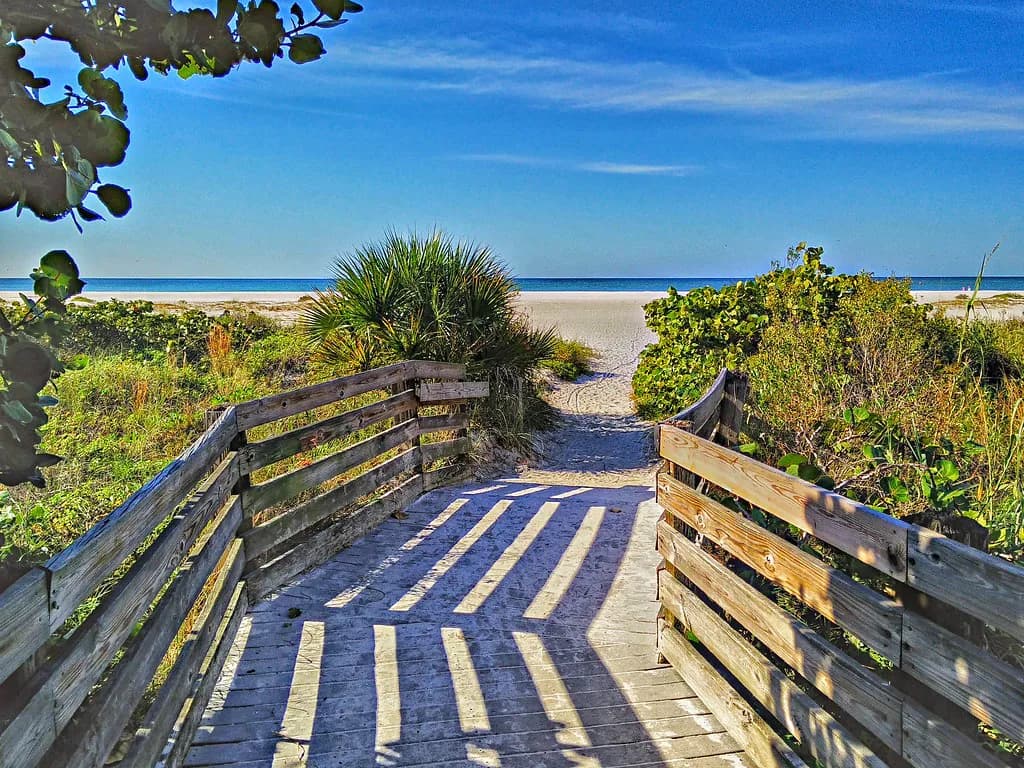
Point of Rocks separates Crescent Beach from Turtle Beach, and you can reach it either by walking south along Crescent Beach until the rock barrier stops you or by following a gravel pathway down to the waterfront from Point of Rocks Road. The rocks are immediately visible as pale limestone ledges running into the water, so there is no guessing where to start.
Because the outcrop is the boundary between two beaches, it pays to decide which side you will use before you park. The Crescent Beach side gives you the walk-in along the sand and the ledges themselves; the Turtle Beach side is a separate beach with its own access. For a snorkel-focused visit, aim for the Crescent Beach approach and the ledges just north of the rock line.
Getting in: the limestone ledges, gravel path and Beach Access #12
Entry is over rock and sand rather than a ladder or a boat ramp. The first stretch along the ledges is shallow and clear, so you can wade in, float over the rock, and put your mask down where the bottom turns interesting. Water shoes make the difference here, because the limestone is uneven and slippery at the waterline.
Two approaches work. Beach Access Point #12 near Old Stickney Road gives direct access to the sand, while the gravel pathway off Point of Rocks Road leads down to the beachfront. The Access #12 lot is the smaller of the two, so an early arrival is the practical fix on busy mornings.
If you are already on Crescent Beach, the simplest route is to walk south along the sand until the rocks rise out of the beach. That keeps you off the road and puts you in the water at the ledges themselves, with no need to relocate the car mid-morning.
How far out the rocks run and how deep the water gets
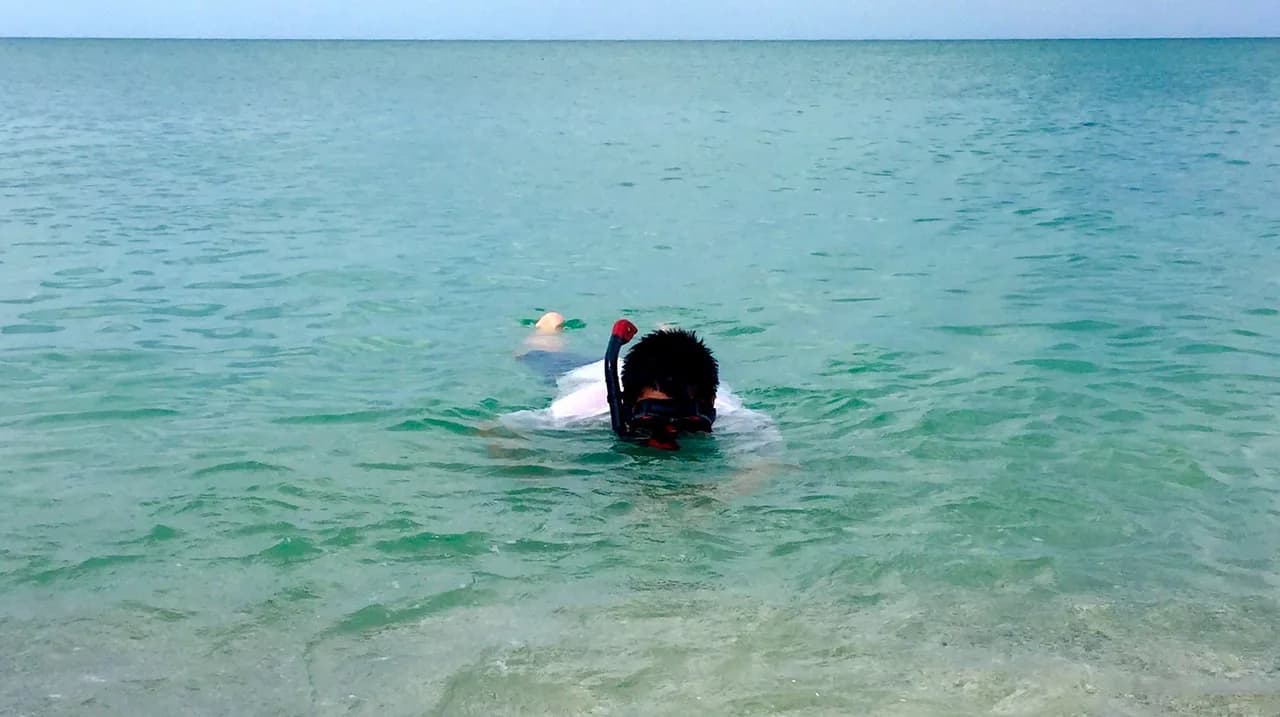
The ledges run roughly 100 yards along the shore before the structure thins out. Over that stretch the water stays shallow enough to stand or float comfortably, and close to the rock it is around 6 feet deep, which is where most of the fish life concentrates.
Visibility in the area is reported at up to about 20 feet on a good day, dropping as you get tight against the rock. Read those numbers as typical rather than guaranteed; a calm, sunny morning after a settled night gives you the clearer end of the range, and stirred-up sand or recent weather puts you at the low end. Plan your swim around the shallow ledges and you will enjoy it either way.
What you will see: tropical fish, crabs, sponges and shells in the rock crevices
The life at Point of Rocks is crevice life. Tropical fish tuck in among the rock and algae, and the ledges carry red sponges, crabs and other crustaceans, plus shells of various kinds along the sandy gaps. Because the structure is limited to a narrow band, you cover it slowly rather than swimming long lines.
In summer months dolphins and manatees are sometimes seen in the area, usually from the water rather than right beside you. Give any marine mammal plenty of room, keep your distance, and let it move off on its own. Never touch, feed or chase an animal, and stay clear of manatees entirely if you encounter one.
Skill level: who the shallow, calm water suits and who should stay further out
The shallow, usually calm water over the ledges makes Point of Rocks a reasonable first snorkel for families and beginners. The bottom is close, the swim is short, and you can exit onto sand at almost any point along the rocks. Children who are comfortable in the water and can swim a few strokes do fine here with an adult alongside.
Confident swimmers can push a little further along the rock line and into deeper water, but the reward at this site is the structure, not distance. There is no need to head far offshore, and doing so puts you into open Gulf water with nothing to see and more exposure to whatever swell is running.
Best time of day, tide and water clarity
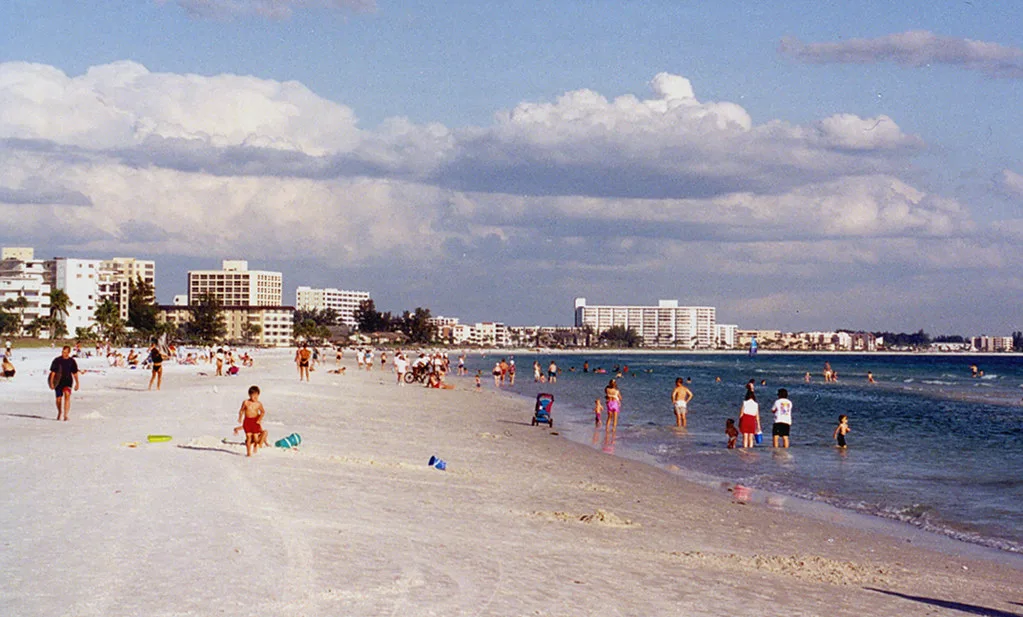
Early morning is the strongest choice. Winds are usually lighter, the water is calmer and clearer, and you get first pick of the parking near Access #12. On a clear, sunny day the light reaches the rock crevices best, which is when the ledges look their most alive.
Tide matters more here than at a sand beach. High tide gives you room to swim around the limestone rocks rather than over them, so work the tide chart before you commit to a start time. Pair a high tide with an early start and you get both the deeper water over the rock and the calmer surface.
Check the day's marine forecast before you drive over, since a windy or unsettled morning flattens visibility at the ledges and makes the rock entry awkward.
Summer wildlife: dolphins and manatees seen from the water
Dolphins and manatees turn up in the waters off Crescent Beach during the summer months, though sightings are never guaranteed and often amount to a dorsal fin or a snout at a distance. Both animals are protected, and the rules are simple: no touching, no feeding, no chasing, and no boxing an animal in between your group and open water.
If a dolphin or manatee appears while you are over the ledges, stop, hold your position, and let it pass. The rock fish are the reliable attraction; treat any mammal encounter as a bonus and keep your distance rather than swimming after it.
Hazards: rocks, visibility drops, boat traffic and the diver-down flag
The most common problems at Point of Rocks are small and preventable. The limestone is sharp and slippery at the waterline, visibility can drop quickly when the sand is stirred, and the rock itself comes up faster than you expect when you are watching the bottom. Water shoes and a slow entry handle most of that.
For anyone heading into deeper water, a diver-down flag is recommended so other water users can see you. On a calm, busy morning along a public beach, that visibility is worth the small effort. Post any high-surf or current advisory for the day, and stay out of the water over the rock if the surf is up.
Gear to bring and where to rent on Siesta Key
For this site the short list is a mask, snorkel, fins, and water shoes, plus the diver-down flag if you plan to go deeper. A wetsuit is worth considering in winter, when the Gulf cools and a long session over the ledges gets chilly.
If you are travelling light, Ride & Paddle by Siesta Sports Rentals puts together a snorkel set of mask, snorkel and fins for the day, which is the simplest way to avoid packing gear. Ask about sizing and the day's availability when you book, since rental stock and rates change with the season.
Elsewhere in the region you can plan the same day around a different entry entirely; anna maria island snorkeling covers the boat-based sandbar and island stops north of here, which suit groups who would rather not scramble over rock.
Parking at Point of Rocks Road and Access #12
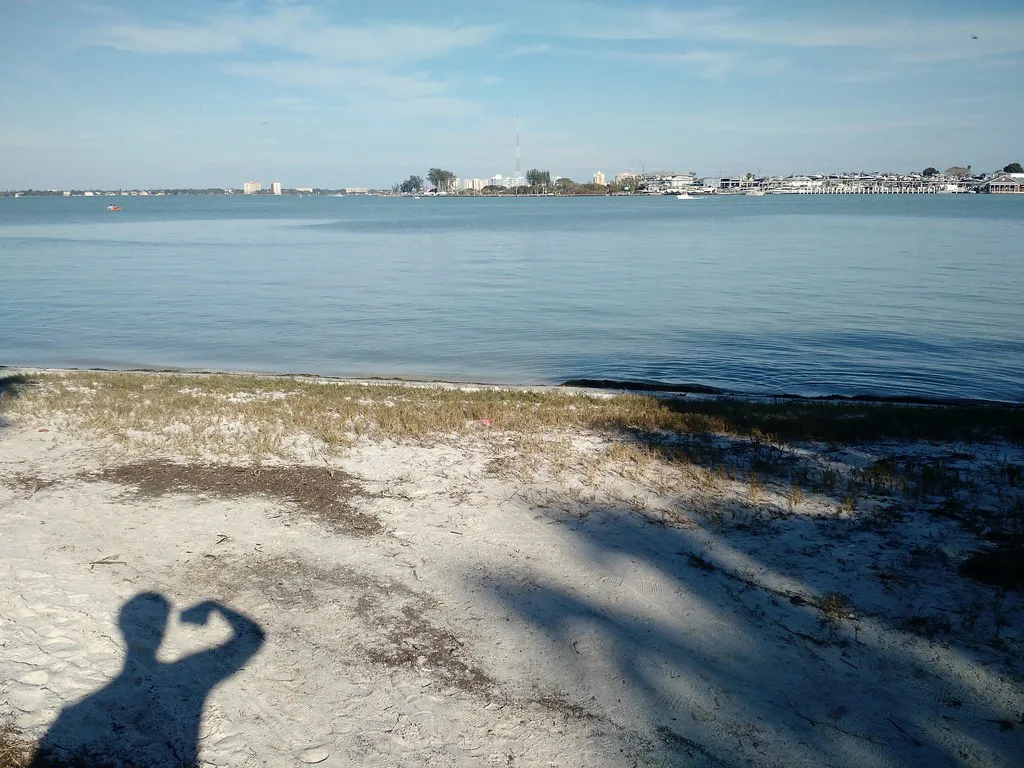
Parking splits between the small lot near Beach Access Point #12 and the Point of Rocks Road area, and the Access #12 lot fills early. Arriving before mid-morning is the reliable strategy; once it is full you are hunting street spaces and walking further with fins and water.
Your choice of lot also decides your walk. Access #12 puts you directly onto the sand near the access point, while the gravel pathway off Point of Rocks Road drops you at the beachfront. Either way, plan to carry your gear rather than tow it, and leave the cart at home for this one.
Rules that apply on the water
Wildlife rules are the ones that matter most here: keep your distance from dolphins and manatees, never touch or feed them, and do not pursue them if they move away. A diver-down flag is recommended for anyone in deeper water, largely because the site shares the beach with swimmers and other water users.
Sunscreen rules vary by county and by beach, so buy reef-safe product before you travel and read the signage at the access. If a lifeguard is posted, follow their directions on the day; conditions at the rock can change within an hour.
Combining Lido Key with Crescent Beach, Turtle Beach and Siesta Key
The natural day is Lido Key in the morning and Point of Rocks after, with a stop on Crescent Beach or Turtle Beach on the way back. Crescent Beach gives you a long stretch of sand for a picnic and a shower, and Turtle Beach, just the other side of the rock line, is a different, quieter beach to finish on.
Snorkeling in Venice, Florida, is the other shore option worth folding into a longer stay, with its own beach entries and its own character. If you want the full picture of where to get in across the region, longboat key snorkeling and the surrounding guides cover the alternatives north and south. For a bigger-picture view of shore versus boat access across the state, our guide to snorkeling in Florida sets out the same decision coast by coast.
Boat-based snorkeling options around Sarasota and Egmont Key
Shore snorkeling near Sarasota is limited to a handful of structured spots, and the barrier islands, sandbars and protected water around the bay are reached by boat. That is the trade-off: a boat opens up clearer, quieter water at the cost of a booking and a schedule.
Passage Key Dolphin Tours runs a 4-hour dolphin and beginner snorkel trip aimed at first-timers and families, and a 5-hour snorkel and explore run to Egmont Key that combines clear water with the sunken ruins of Fort Dade. Both are private charters, which means the captain can move the group to the calmest, clearest water on the day.
For a mixed group, the custom option runs 4 to 8 hours and can combine snorkeling with dolphin watching, shelling or island stops, with departure points that depend on availability and scheduling. Confirmed trips include bottled water and an onboard restroom, and the boat carries shaded seating.
Ask the charter company directly for current rates, departure times and what is included before you book, since charter pricing and availability shift with the season. For a group that wants open water without the rock entry, that conversation is the deciding step.
Plan Your Lido Key Snorkel Day
Build the day around the tide and the clock: Lido Key beach early, then the short drive south to Point of Rocks as the water settles, with water shoes on and a mask you have fitted at home. Aim for high tide, park at Access #12 if you get there early, and keep your swim over the shallow ledges where the fish are.
If the rock entry is not for your group, the boat-based option out of Sarasota gets you onto clear sandbar and island water with a captain reading the conditions. Either way, give the wildlife room and treat any dolphin or manatee sighting as a gift rather than the plan.
Frequently Asked Questions
Can you snorkel at Lido Key?
Lido Key's Gulf shoreline is sand with no rock or coral structure, and it is not the snorkeling spot. The nearest shore snorkel is Point of Rocks at the south end of Crescent Beach on Siesta Key, a short drive south over the bridge.
Where do you snorkel near Lido Key?
Point of Rocks, where limestone ledges run into shallow water between Crescent Beach and Turtle Beach. Enter from the sand off Beach Access Point #12 or follow the gravel pathway down from Point of Rocks Road.
Is Point of Rocks good for beginner snorkelers?
Yes. The water over the ledges is shallow and usually calm, the first stretch is clear and easy to read, and you can exit onto sand along most of the rock line. Water shoes help on the slippery limestone at the waterline.
What time of day is best for snorkeling at Point of Rocks?
Early morning, when winds are lighter, the water is calmer and clearer, and the parking near Beach Access #12 still has space. Combine that with a high tide so you can swim around the rocks rather than over them.
Do you need a diver-down flag at Point of Rocks?
A diver-down flag is recommended for anyone going into deeper water, so other water users can see you. Water shoes are the other piece of kit that matters, because the entry is over uneven limestone.
Where do you park for Point of Rocks on Siesta Key?
Use the small lot near Beach Access Point #12 or the Point of Rocks Road area. The Access #12 lot fills early, so arrive before mid-morning and expect a short walk with your gear.
What fish will you see at Point of Rocks?
Tropical fish tucked in among the rock and algae, plus crabs, red sponges, other crustaceans and shells in the crevices. Dolphins and manatees sometimes appear in summer, but sightings are never guaranteed.
Can you snorkel from a boat near Sarasota?
Yes. The barrier islands, sandbars and protected water around Sarasota Bay are reached by boat, and operators run beginner snorkel trips and longer runs to Egmont Key and the Fort Dade ruins. Ask for current rates and departure times when you book.
Sources
Snorkeling notes for your next trip
Optional updates to our snorkeling guides.
You might also like
Continue reading
More guides you'll find useful