La Parguera Snorkeling: Reef Boats, Mangrove Cays and the Wall
La Parguera snorkeling runs on boats to shallow reef and mangrove sites, with the deeper Wall nearby for divers. Here is how the trips work and who they suit.
On this page
La Parguera snorkeling suits travelers who would rather ride a boat to a reef than wade in from the sand. The town sits on a channel in Lajas, in Puerto Rico's arid southwest, and the coral structures the boats visit lie offshore. If you want a walk-in beach reef, pick a different day; if you want warm water, coral and a short open-water crossing, this is the place.
The area is best known among divers for the Wall, a drop that starts around 60 feet and continues well past 200. That profile puts it firmly in dive territory. Snorkelers stay on the shallow local reef and the mangrove-fringed cays, which is where the fish life and color sit within breathing distance of the surface.
Where it is
La Parguera is a waterfront village in the municipality of Lajas, reached on Road 304. Paradise Scuba & Snorkeling Center sits at Road 304 km 3.2, with the channel and its mangrove cays in front of town and the open Caribbean beyond the shelter of the cay line.
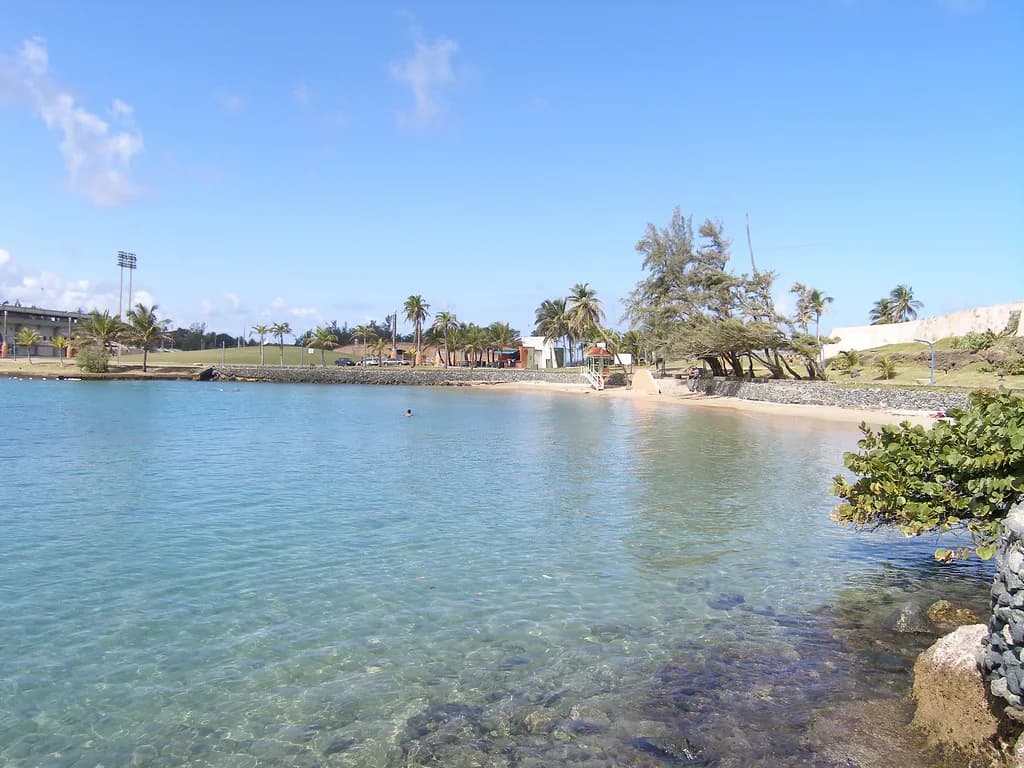
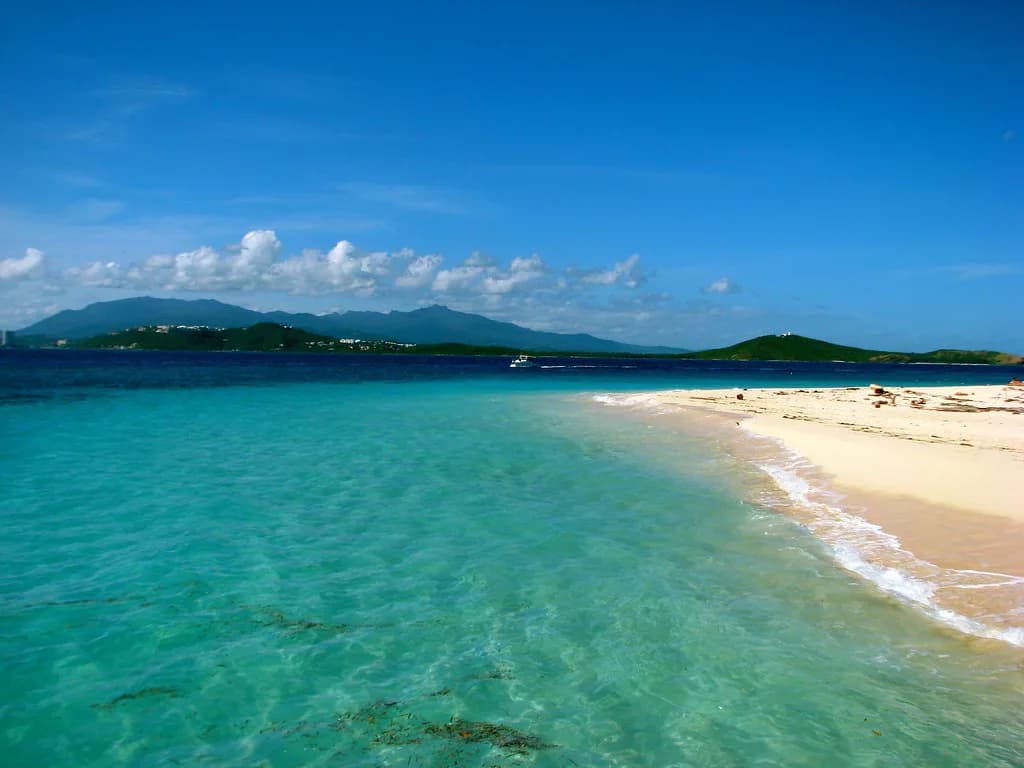
This is the southwest coast, drier and often calmer than the north side of the island. From the waterfront you look across a protected channel scattered with small cays rather than a long open beach. The reef structures that boats visit sit farther out, past the mangrove islands, where the water deepens and clears.
It pairs naturally with the rest of the southwest for a loop day. You can build a full itinerary around the broader map of Puerto Rico snorkeling options, then use La Parguera as the boat-based half of the plan.
Getting in: boat-only reef sites
There is no sand-entry reef here. You board a boat in the channel, motor out, and enter the water from the vessel at the site, so the day is built around a departure time, a briefing and a swim platform rather than a beach walk-in. Snorkelers should be comfortable in water too deep to stand and able to climb back aboard with a mask in hand. If you would rather wade in from the sand, the St. Thomas snorkeling guide covers that style of trip.
The ride has two distinct phases. The first 20 minutes run through a calm channel; after that the boat meets open ocean where the waves build. A roughly 30-minute run each way is typical for the offshore sites, so budget half your trip time for the crossing and plan for motion.
If you are prone to seasickness, take medication before you leave the dock, not once the boat is in the swell. Sitting low and mid-ship, keeping your eyes on the horizon and staying out of the cabin all help. Morning departures usually see less wind-driven chop than afternoons.
What you will see
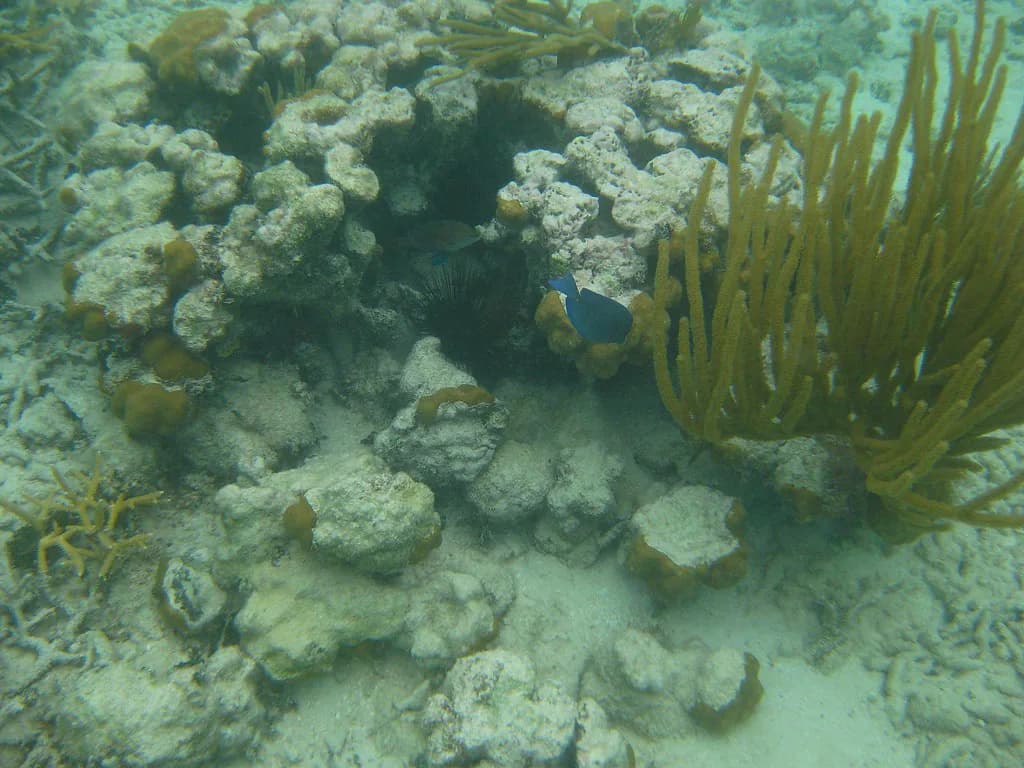
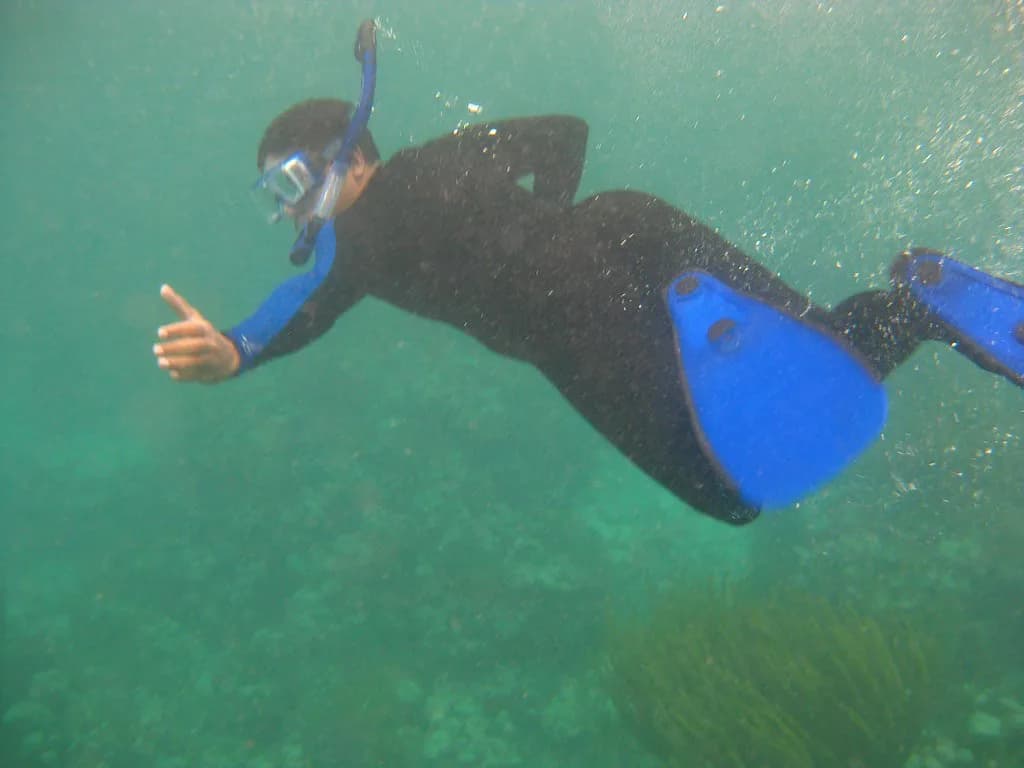
The shallow local reef is the snorkeler's target: coral heads and reef structures covered in fans, sponges and hard and soft corals, with the usual Caribbean reef fish working around them. Because the reef sits in warm, clear water, you get good light and color without descending. Sightings vary by day, so treat any single species as a possibility rather than a promise.
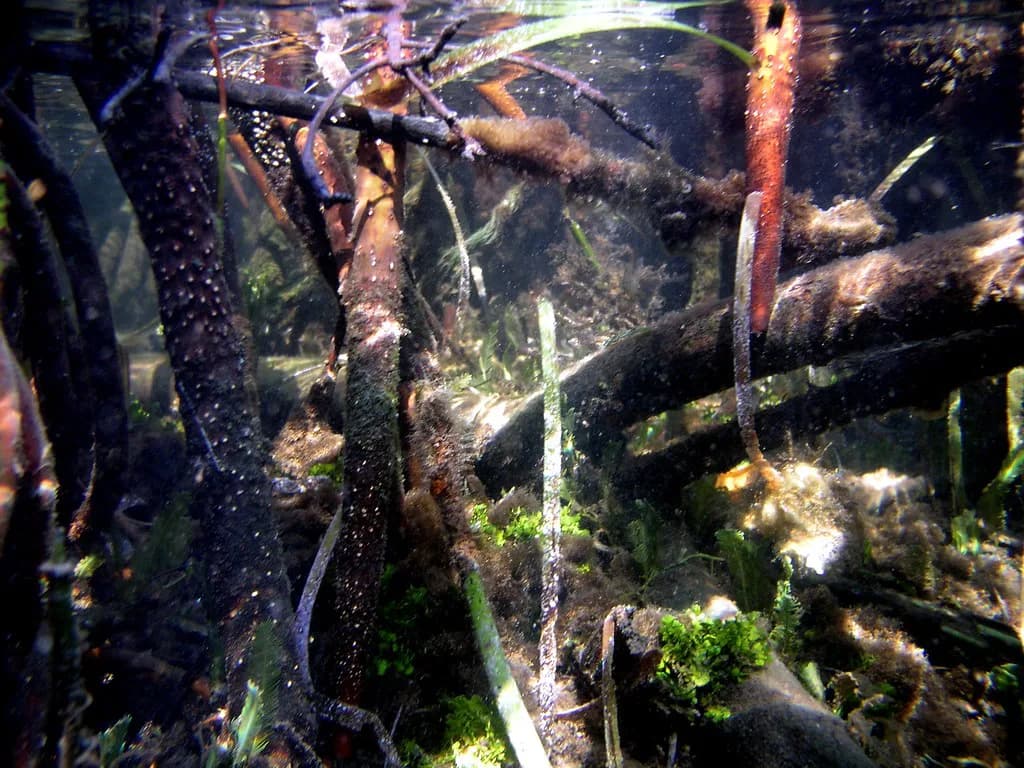
The mangrove cays add a second, sheltered habitat. Roots and shadowed edges hold juvenile fish and invertebrates, and the calm water inside the cay line is where newer snorkelers feel most at ease. A trip that combines a reef stop with a mangrove stop shows you both environments in one outing.
Visibility offshore has been reported near 70 feet on a good day, which is excellent for snorkeling because you can see the whole reef structure at once. Cloud cover flattens the color, so a sunny morning gives the best look at the coral.
The Wall: divers only
The Wall is a dive site, not a snorkel site. It begins around 60 feet and drops beyond 200 feet, which puts the coral and the marine life on it far below snorkeling depth. Named sections such as Black Wall, also called Effrie's, and the shallower Old Buoy are wall dives with canyons and trenches that reward a tank, not a mask and fins.
Snorkelers on a shared boat stay at the shallow reef while divers work the wall, which is fine because the two experiences are sold as separate trips. If you want the wall itself, look at the certification and discovery options rather than a snorkel booking. A discovery dive runs no deeper than 40 feet and pairs you one-on-one with an instructor, meeting at 8:30 AM for a 9:00 AM departure.
Skill level and who it suits
La Parguera rewards swimmers who are relaxed on a moving boat and in water over their heads. You need to be able to swim, float with a mask and fins, and reboard from the water. Families with strong-swimming older kids do well; families with toddlers or nervous first-timers are better served by a calm, shallow beach elsewhere on the island.
If you want a gentler introduction, compare this with a shore-entry spot such as Flamenco Beach snorkeling, where you walk in from the sand and set your own pace. La Parguera trades that ease for reef structure and a boat ride into clearer water.
Confident snorkelers who enjoy drift and depth should book the reef trip and ask the crew which sites suit the day's conditions. Beginners should say so at booking so the crew can place them on the calmest site and pair them with a guide in the water.
Best time to go
Book a morning trip. Operators run early, before the trade winds and sea breeze build the chop, and the light is better for seeing coral. The offshore run gets bumpier as the day goes on, so an early slot gives you the calmest crossing and the clearest water.
Weather frames visibility more than any other factor. A run of calm days clears the water; recent wind and rain cut it. There is no reliable seasonal guarantee of flat seas in the Caribbean, so build a flexible day into your trip and keep a backup plan for the southwest coast.
An afternoon or evening Bio Bay tour makes a natural second half of the day once you have dried off. The same outfitter runs it as a separate booking, so you can pair a morning reef snorkel with a night on the water.
Hazards
The main hazards are ordinary ones for boat snorkeling: open-ocean swell on the crossing, an occasional current at the reef, and boat traffic in the channel. A slight current was noted on one of the offshore sites, mild enough not to spoil the dive but enough to keep you oriented.
Stay close to the boat or guide, surface to check your position, and swim into a current first so it carries you back. Keep clear of the engine and prop when boarding, and follow the crew's briefing on where to enter and exit the water. Snorkel within your comfort zone rather than chasing the divers' line.
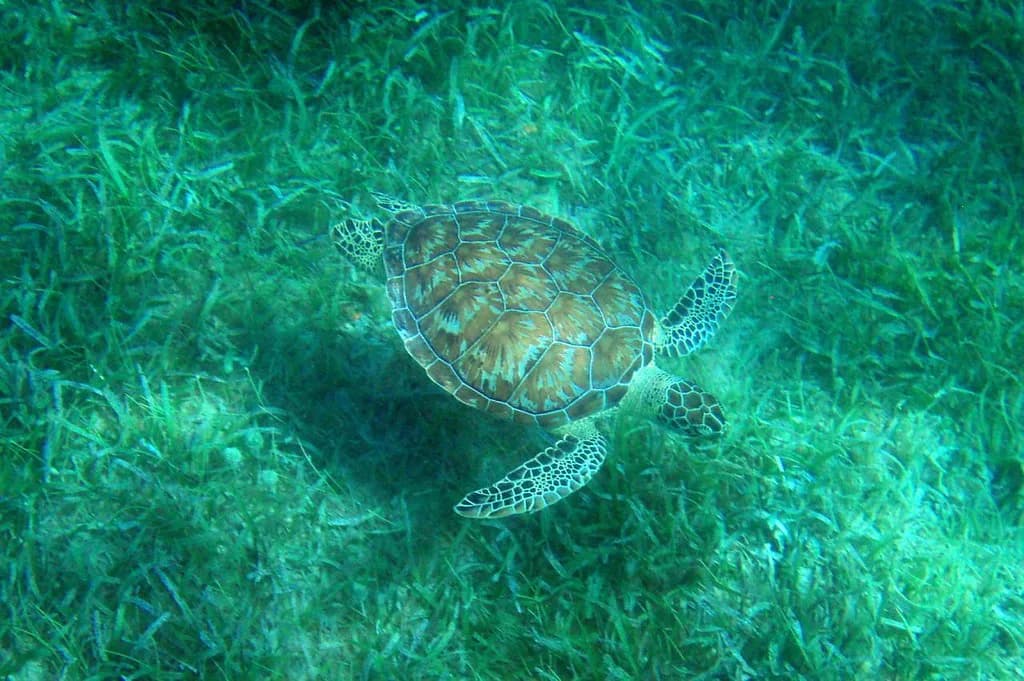
Do not touch, stand on or feed anything. Keep a respectful distance from turtles and other wildlife, and let animals move away on their own terms. Reef-safe sunscreen and a rash guard protect both you and the coral.
Operators and booking
Paradise Scuba and Snorkeling Center is the established outfitter on the La Parguera waterfront, running snorkel trips, wall dives, discovery dives and Bio Bay tours from its base on Road 304. Its local reef snorkel trip starts from $70 per person, and the Bio Bay tour is also listed from $70. The discovery dive is $145 and the wall dive from $145, both with equipment included and a 9:00 AM departure, 8:30 AM check-in.
Book ahead in high season and confirm the meeting point, what gear is included and whether the trip runs as a dedicated snorkel boat or alongside divers. Bring your own mask if you have one that fits well, plus a rash guard and a dry bag. Tipping the crew is customary and usually not included in the trip price.
Other outfits in and around La Parguera also run snorkel and dive trips, and the nearby towns have their own dive shops. Compare what each includes — gear, water, guide ratio and departure time — before you commit to a date.
Mangroves and the natural reserve
The sheltered side of La Parguera is a maze of mangrove cays and channels, the calm water the boats cross first on the way out. This is the most beginner-friendly water in the area and a good place to practice mask clearing and finning before the open-water stop.
The cays and surrounding water form part of a protected coastal reserve, so treat the mangrove roots and seagrass as off-limits to fins and hands. Anchor and fin placement matter here more than on open reef. Ask your guide which areas are open to snorkelers and which should be left alone.
Pair the mangrove stop with the reef on a single charter if the boat company offers it, or split them across two outings. Confirm current prices and departure times with the charter directly before booking. The contrast between the two habitats is the reason to spend a full day on the water rather than a single hour.
Nearby to combine
Cabo Rojo sits a short drive west and gives you a different kind of coast: beaches, salt flats and lookout points. It works as the land-based half of a southwest loop if you want a break from boat days. Build it into a two-day plan rather than trying to squeeze everything into one afternoon.
For a contrasting shore snorkel on another day, Crash Boat Beach snorkeling on the northwest coast offers a swim-from-the-beach alternative with a pier structure to explore. It suits travelers who want to set their own schedule and skip the boat.
If your trip includes the east side, Culebra snorkeling is the other headline boat-and-beach combination in Puerto Rico, with its own reef and cay network. Book it on a separate day; the two are not close enough to combine.
Parking and facilities around the waterfront
La Parguera's waterfront is a compact strip of guesthouses, restaurants and tour docks along Road 304, so you park once and walk to your operator. Arrive early enough to find a space and check in before the boat loads. Confirm the exact meeting point with your outfitter when you book.
Facilities vary by operator and by guesthouse, so ask what your trip includes: gear, water, showers and a place to store bags. Restaurants and shops along the strip cover food and last-minute supplies. Bring cash for tips and small purchases.
Rules and reef etiquette
The reserve status of the La Parguera area means the reef and mangroves are protected, so no collecting, no standing on coral and no feeding fish. Keep your fins off the bottom and your hands to yourself. These rules exist because the reef is the reason people come.
Wildlife viewing follows the standard distance rule: observe turtles, rays and fish without chasing, blocking or touching them. If an animal approaches you, hold still and let it pass. Never handle or lift marine life for a photo.
Use reef-safe sunscreen or a long-sleeve rash guard, and skip anything that leaves a residue in the water. Pack out trash and any gear that could blow overboard, and leave the cays cleaner than you found them.
Plan Your La Parguera Snorkel Day
La Parguera is a boat day, not a beach day: book a morning reef trip, stay shallow while the divers head for the wall, and plan for a bumpy open-water crossing after the calm channel. Add a mangrove stop or the Bio Bay if you want a full day on the water.
Reserve ahead with Paradise Scuba and Snorkeling Center on Road 304, confirm what your trip includes, and bring mask, rash guard and motion-sickness protection. Compare it with a shore-entry option if you have beginners in the group, then build the rest of your southwest itinerary around it.
Frequently Asked Questions
Can you snorkel from shore in La Parguera?
The reef sites that boats visit lie offshore, beyond the mangrove cays and the calm channel. Snorkeling here is sold as a boat trip, so plan on a departure time and a briefing rather than a walk-in beach entry. The sheltered channel itself is calm water, but the reef is reached by boat.
Is the Wall in La Parguera good for snorkelers?
No. The Wall starts around 60 feet and drops well past 200 feet, which is dive territory. Snorkelers stay on the shallow local reef and the mangrove cays; divers book the wall or a discovery dive separately, with the discovery option limited to 40 feet.
What is the best time of day to snorkel in La Parguera?
Morning. Operators run early, before the sea breeze builds chop on the open-water crossing, and the sunlight is better for seeing coral. The trip includes a calm channel run followed by open ocean, so the earlier slot gives you the smoothest ride.
How far out are the La Parguera snorkeling sites?
Expect roughly a 30-minute boat ride each way to the offshore sites, with the first 20 minutes in the calm channel and the rest in open sea. The reef structures sit past the mangrove cays, so the crossing is part of the day.
Is La Parguera good for beginner snorkelers?
It suits swimmers who are comfortable on a boat and in water too deep to stand. Beginners should book the reef snorkel, tell the crew they are new, and ask to stay on the calmest site. Families with toddlers or nervous first-timers may prefer a shore-entry beach.
What can you see snorkeling in La Parguera?
The shallow reef is covered in fans, sponges and corals, with Caribbean reef fish around the structures. The mangrove cays add sheltered habitat for juvenile fish. Visibility offshore can reach around 70 feet on a clear day, though sightings vary by day and conditions.
How much does La Parguera snorkeling cost?
Paradise Scuba and Snorkeling Center lists its La Parguera trips—the local reef snorkel, the Bio Bay tour, the discovery dive and the wall dive—with prices on its official tour pages. Rates can change by season, so read the current listing for your chosen trip.
What should I bring on a La Parguera snorkel trip?
Bring a well-fitting mask if you own one, a rash guard or reef-safe sunscreen, a dry bag, water and cash for tips. Take motion-sickness medication before leaving the dock if you are prone to it. Ask the outfitter what gear and drinks are included.
Sources
Snorkeling notes for your next trip
Optional updates to our snorkeling guides.
You might also like
Continue reading
More guides you'll find useful