Icacos Island Snorkeling: Reef, Boat Trips and Beach Day
Icacos Island snorkeling pairs a white-sand beach with reef and seagrass just offshore. See how to get there by water taxi or catamaran and what to expect.
On this page
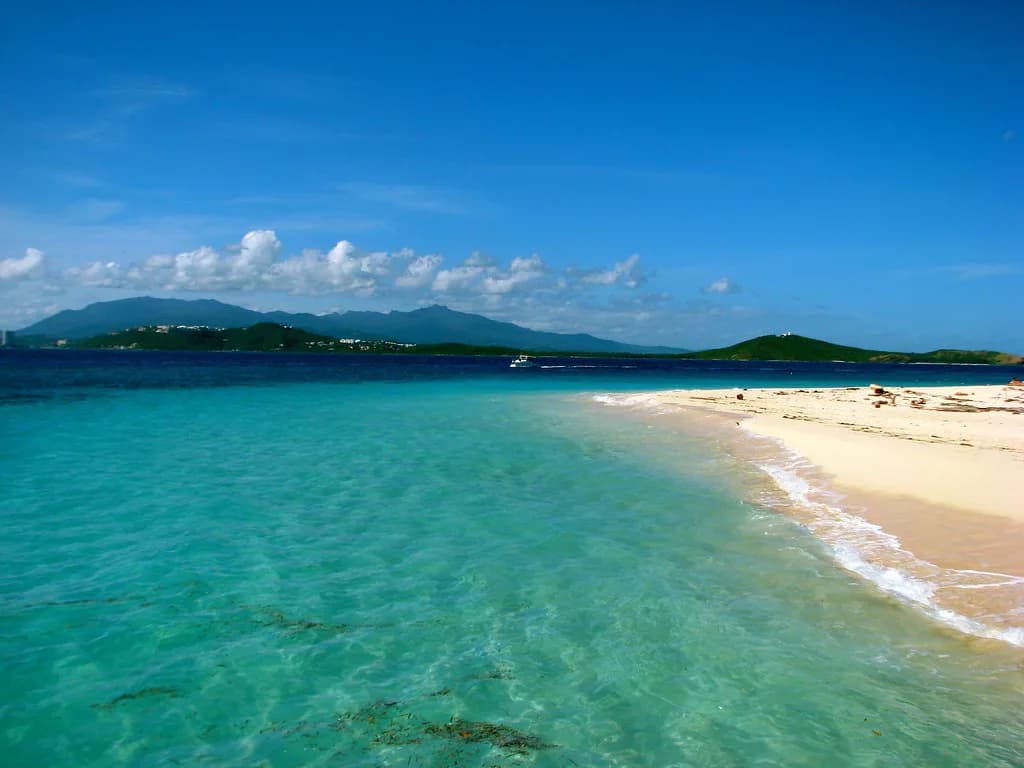
Icacos rewards snorkelers who want a quiet beach and a reef close at hand without committing to a resort or a dive boat. The island sits off Puerto Rico's east coast near Fajardo, and its white sand, clear blue water and shallow reef edge suit families, casual snorkelers and strong swimmers who are willing to walk a little to find healthier coral.
There are two ways to spend the day here: a water taxi that drops you on the beach with your own supplies, or a catamaran snorkel trip that handles transport, gear and food. The right choice depends on whether you want flexibility and a quiet afternoon or a guided, all-inclusive outing.
Where Icacos Sits and Who It Suits
Icacos is a small island off Puerto Rico's east coast, reached from the Las Croabas area near Fajardo. Boats leave from the Kayak Village launch, which has bathrooms, showers and plenty of parking, making it the practical staging point for a beach day.
The island suits snorkelers who are comfortable being self-sufficient: there are no facilities on Icacos itself, so you carry in everything you need and carry your trash back out. Beginners and kids do well in the roped swimming area and the shallows; stronger swimmers can push farther along the shoreline where the coral is healthier.
If you prefer a boat that supplies gear, lunch and shade, a catamaran trip removes the logistics. If you want to set your own schedule and spend a quiet afternoon after the tour boats leave, the water-taxi route is the better fit.
Getting There: Water Taxi Versus Catamaran
Water taxis run from Kayak Village in Las Croabas, and the crossing to Icacos takes about 10 to 12 minutes in good conditions. Captains typically set a pickup time with you, so you decide how long to stay. Round-trip fares have run around $60 per person, though prices vary by group size, where you go and how long you keep the boat.
To reach the launch from Route 3, take Avenue El Conquistador toward the resort, then turn left onto Road 987 when the road tees in front of it and follow it almost to Las Croabas. The drive runs roughly 45 minutes from Rio Grande and about an hour and a quarter from San Juan, so build in buffer time for the detour near the waterpark.
Catamaran trips bundle transport, snorkel gear, lunch and an open bar, and some companies cap group size and include a short guided snorkel segment. Because inclusions and timing differ by company, compare the published itinerary and group size for each trip before booking.
The Crossing and What to Bring
The ride over can be bumpy when it is windy, and smoother seas make for an easier crossing in both directions. If you plan to snorkel from the boat before landing, tell the captain early so the route can include a stop.
Pack for a full beach day: towels, lunch, plenty of water, shade, reef-safe sunscreen, bug spray, sturdy shoes and a trash bag. A shade tent earns its weight because there is no natural cover or concession on the island.
Bring cash for tips and confirm payment arrangements with your captain in advance, since some operators take payment at the end of the trip and some accept online booking. Gratuities typically are not included in the quoted fare.
Entry and Layout: Beach, Roped Area and Shoreline Walks
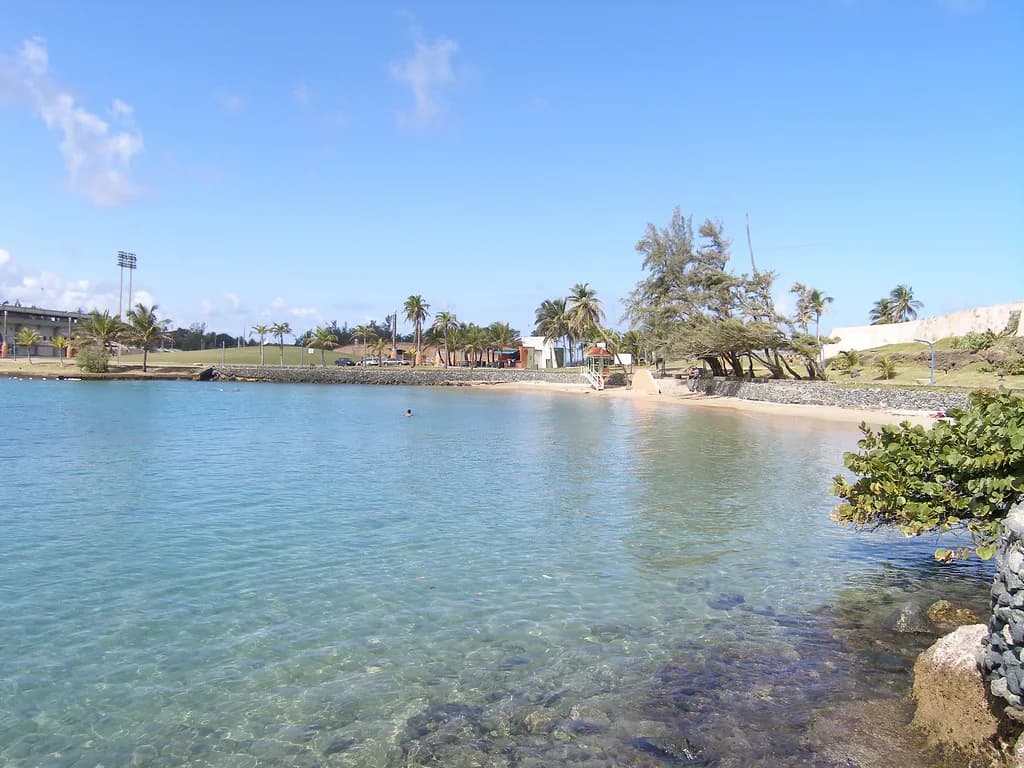
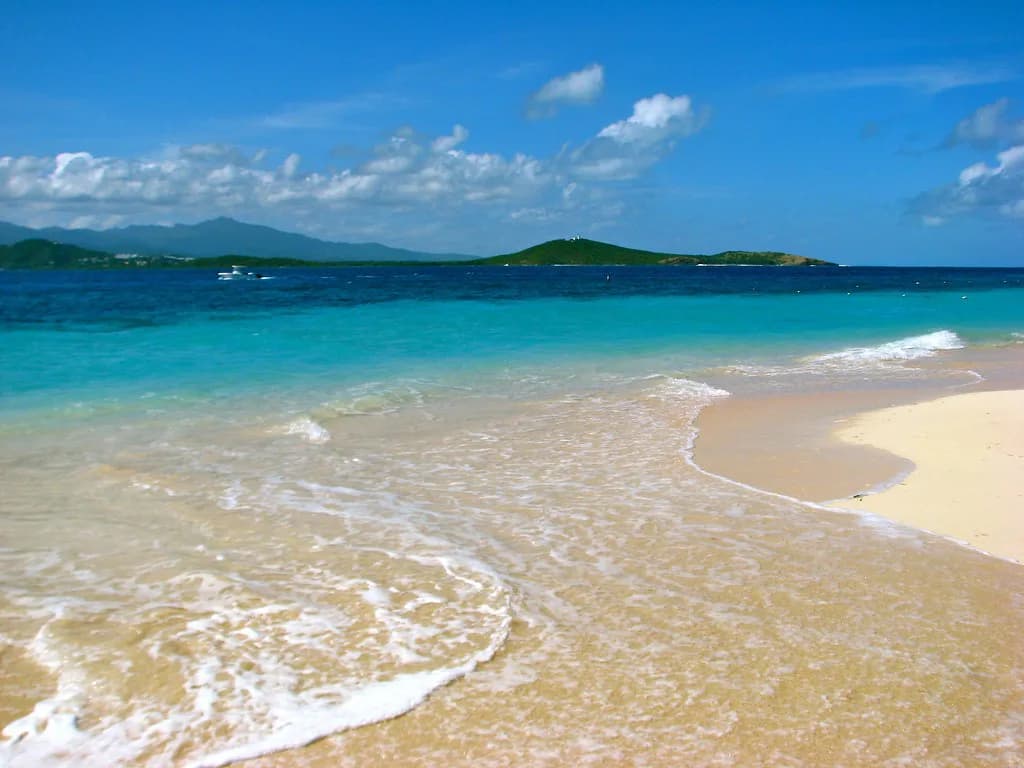
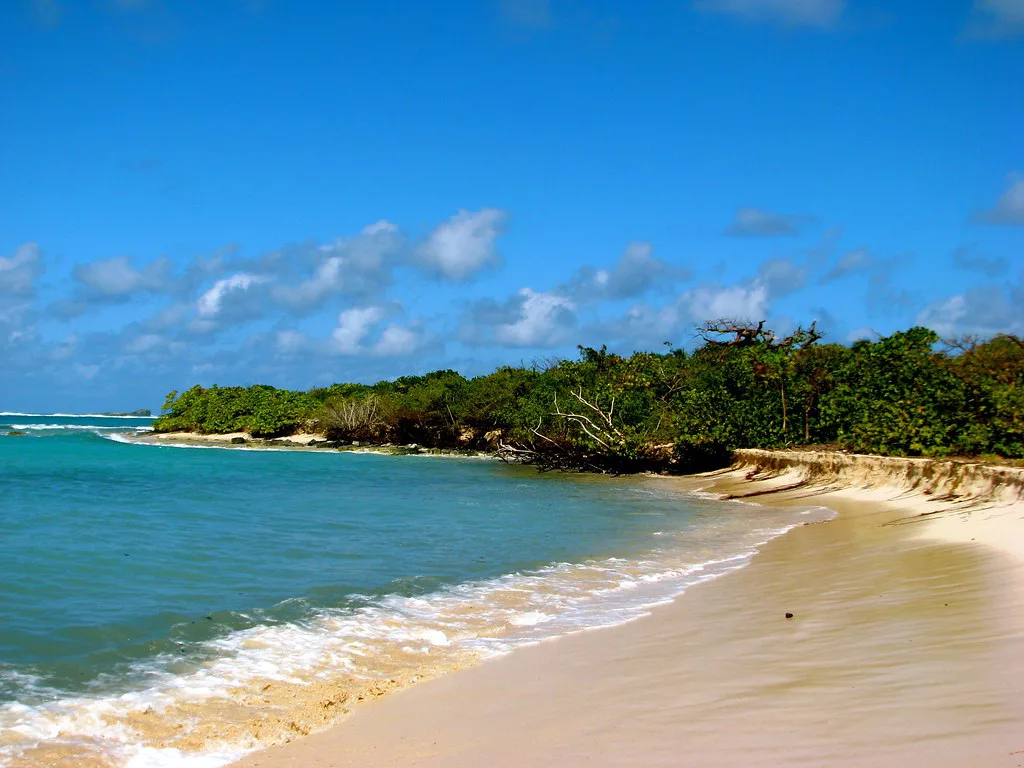
The landing beach has white sand made of coral bits and shells, calm lapping waves and a roped-off swimming area that keeps casual bathers clear of boat traffic. Local boaters dock on either side of that roped zone, leaving a generous open stretch of sand in the middle.
Entry is a straightforward sand walk into shallow water, which makes Icacos welcoming for kids and new snorkelers. The reef and seagrass sit just offshore; to reach the healthier coral and the grass beds, you walk along the shoreline past the busy beach and then wade in.
Stay on the sand if you are barefoot, since the foliage behind the beach is full of sand burrs. Sturdy shoes are worth the small weight penalty if you plan to explore the interior or the tidal pools on the far side of the island.
What You Will See Underwater
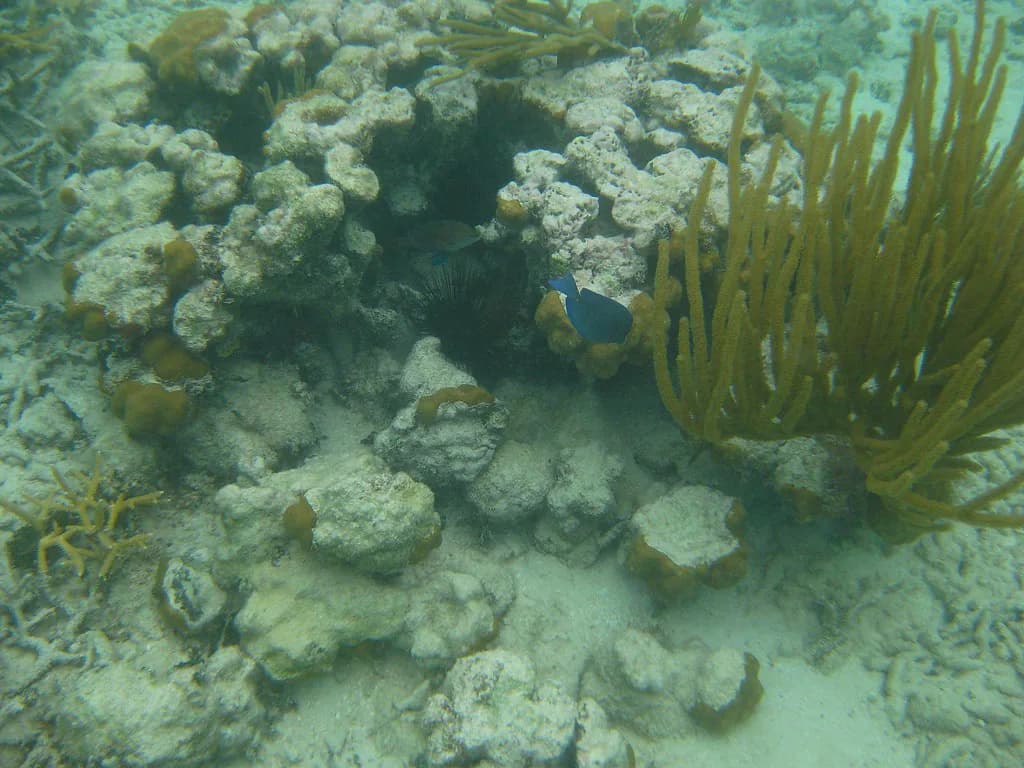
The reef directly off the busiest part of the beach sees heavy traffic from snorkel boats and shows the wear. Push farther along the shore where the coral is alive and varied, and you can find sting rays, octopus, plenty of small fish and large schools moving over the reef.
In the seagrass beds you may spot live conch and a scatter of empty shells, and the tidal pools on the island's far side are a good place for kids to splash while adults take a break. Wildlife here follows published viewing rules, so keep a respectful distance and never touch or chase animals.
Sightings vary with season, surge and how far you swim, so treat rays, octopus and big schools as possibilities rather than guarantees. If you want reliable coral, the farther shoreline stretches are the better bet than the sand directly in front of the landing.
Depth, Distance and Skill Level
The shallows near the roped area are ideal for beginners and kids, with a sandy bottom and easy exit. The reef and seagrass are a short swim offshore, but the healthier coral sits farther along the shoreline, so reaching the best snorkeling means a longer surface swim for confident swimmers.
Wind and current decide whether it is safe to go beyond the beach and around the point. When conditions are calm, strong swimmers can reach the outer reef; when chop builds, stay inside the roped area and snorkel the nearshore instead.
Plan your turnaround before you get in: pick a fixed time to head back to the beach, and let someone on shore know your plan. A guide or captain can point out the day's safer side before you enter.
Best Time of Day and the Tour-Boat Rhythm
Catamaran snorkel boats dock at the beach for a few hours around midday, so the sand and nearshore water are busiest then. Arrive early or stay into the afternoon and the beach empties out, giving you a quieter stretch of sand and less boat traffic near the swimming area.
Morning typically brings lighter wind and clearer surface conditions, which makes the crossing and the swim to the reef easier. If you plan a long stay, set your pickup time for late afternoon so you have room for a shoreline walk after snorkeling.
Hazards: Wind, Current and Foot Protection
The main hazards are wind and chop on the crossing, current around the point, and sharp sand burrs in the vegetation behind the beach. Boat traffic near the roped area is worth watching, especially when several tour boats are docked at once.
When swell or wind picks up, the outer reef and the walk around the point become a no-go for casual snorkelers; stick to the roped swimming area and the shallows. Check the National Weather Service marine forecast before you commit to the crossing, and follow the captain's call on conditions.
Wear foot protection for the shoreline walk and the tidal pools, and pack a first-aid kit for scrapes and burrs. Since there is no lifeguard on the island, a buddy system is the safest setup for any swim beyond the shallows.

Facilities at the Launch and on the Island
All facilities are at the launch: Kayak Village has bathrooms, showers and plenty of parking, which lets you rinse off before the drive back. Once you leave the dock, there is nothing on Icacos except the beach, so bring everything you need for the day.
Because there are no trash cans or vendors on the island, pack out all your garbage and leave the beach cleaner than you found it. The beach sees trash washed in with the tides and left behind by careless visitors, so your trash bag makes an immediate difference.
Combining Icacos with the Fajardo Area
The Las Croabas launch sits a short drive from the El Conquistador resort area, which makes Icacos an easy half-day pairing with lunch in Fajardo. Cabezas de San Juan and the Fajardo bio bays sit nearby, though night-time kayak trips run on their own schedule and booking.
If you want a second beach day with easier facilities, Crash Boat Beach near Aguadilla on the west coast offers a different feel with piers and a sandy entry. For a day trip from San Juan, the drive to Las Croabas runs about an hour and a quarter, so an early start pays off.
Snorkelers who like boat-access islands often compare Icacos with Culebra, which has its own ferry and charter options and a well-known beach at Flamenco Beach. If you are weighing other Caribbean island escapes, St. Croix snorkeling offers its own boat-access and shore-entry reefs to compare. Decide by how much time you want on the water versus how much you want on a quiet beach.
Group Size and Guided Snorkel Time on Tours
Several Icacos catamaran trips include a short guided snorkel segment and cap participants so the group stays manageable; one listing describes a reduced capacity of 40 participants and about 30 minutes of guided snorkeling. Treat those figures as specific to that boat and compare itineraries across the different catamaran companies before you book.
Boat tours often combine snorkeling with beach time, lunch and drinks, and some add a waterslide. Read the inclusions and cancellation terms carefully, since capacity, food and gear vary by operator and season.
Plan Your Icacos Snorkel Day
Icacos rewards a little planning: pick your transport based on whether you want a flexible, self-sufficient beach day or a guided catamaran trip. Either way, arrive early to beat the tour-boat rush, pack shade, shoes and water, and pack out your trash.
Watch the wind and current before you swim beyond the roped area, and stay inside the beach zone when conditions build. With calm seas and an early start, Icacos delivers clear water, healthy coral along the shoreline and plenty of fish without the crowds of a resort beach.
Frequently Asked Questions
How do you get to Icacos Island for snorkeling?
Most visitors take a water taxi from the Kayak Village launch in Las Croabas, near Fajardo, or join a catamaran snorkel trip from the same area. The crossing takes about 10 to 12 minutes in good conditions.
Can you snorkel from the beach on Icacos?
Yes. The landing beach has a sandy entry and a roped swimming area, and reef and seagrass sit just offshore. The healthier coral is farther along the shoreline, which means a longer walk and swim.
How much does a water taxi to Icacos cost?
Captains quote round-trip fares that vary with group size, the route and how long you keep the boat, so call an operator directly for the current rate. Ask whether gratuity is included and how payment is handled.
How long does the boat ride to Icacos take?
The water-taxi crossing from Las Croabas takes about 10 to 12 minutes in calm seas and can be bumpier when it is windy. Catamaran trips take longer because they often include a snorkel stop along the way.
What will you see snorkeling at Icacos?
Snorkelers have reported sting rays, octopus, small reef fish, large schools and live conch in the seagrass, along with varied coral along the healthier shoreline stretches. Sightings depend on conditions and the season.
Is Icacos good for beginner snorkelers?
Beginners and kids do well in the roped swimming area and the shallows, where the sandy entry is easy. Reaching the healthier coral requires a longer surface swim that suits confident swimmers.
Are there facilities on Icacos Island?
There are no facilities on the island itself, so bring everything you need and pack out your trash. Bathrooms and showers are available at the Kayak Village launch before and after the trip.
What is the best time of day to snorkel at Icacos?
Morning usually brings lighter wind and clearer water, and the beach is calmer before the catamaran boats arrive around midday. Staying into the afternoon gives you quiet sand after the tour boats leave.
Sources
Snorkeling notes for your next trip
Optional updates to our snorkeling guides.
You might also like

Continue reading
More guides you'll find useful