Snorkeling in St. Croix: Where to Go and What You'll See
Plan a St. Croix snorkel day with shore entries from Frederiksted Pier to Cane Bay, reef layout, hazards and how to combine spots by coast.
On this page
St. Croix sits inside one of the Caribbean's largest island barrier reef systems, and its best snorkeling needs no certification or boat for several sites. You can drop off a Frederiksted beach into pier pilings, wade a north-shore cobble beach toward coral gardens, or ride out to a national monument reef. This guide groups the spots by coast so you can match the day's swell to a leeward entry instead of driving the island at random.
Each spot below covers how you get in, how far the reef sits from shore, which fish and coral you are likely to pass, and who it suits. Calm-day sites such as Cane Bay and boat-only sites such as Buck Island are treated separately from sheltered beginner entries. Where a rule, fee or advisory applies, it comes from the managing agency; surf and current are day-of decisions you read on the beach.
Why St. Croix Suits Snorkelers
St. Croix is ringed by coral reef, and much of it is reachable from the beach. The island's barrier reef system is among the largest in the Caribbean, and the marine life is dense enough that non-divers regularly see turtles, schooling fish and corals without a tank. That combination makes the island unusually productive for a shore-based snorkel trip, and if you are weighing islands, this piece on snorkeling in St. Thomas makes a useful comparison for shore entries versus boat reefs.
The island also holds one of the two underwater U.S. national monuments in the country at Buck Island Reef National Monument, off the northeast coast. Monument designation means the reef there is managed as protected federal ground, reached by boat rather than by wading in. Plan a shore day on the west and north coasts and a separate boat day for the monument.
Frederiksted Pier: Pilings and New Coral Growth
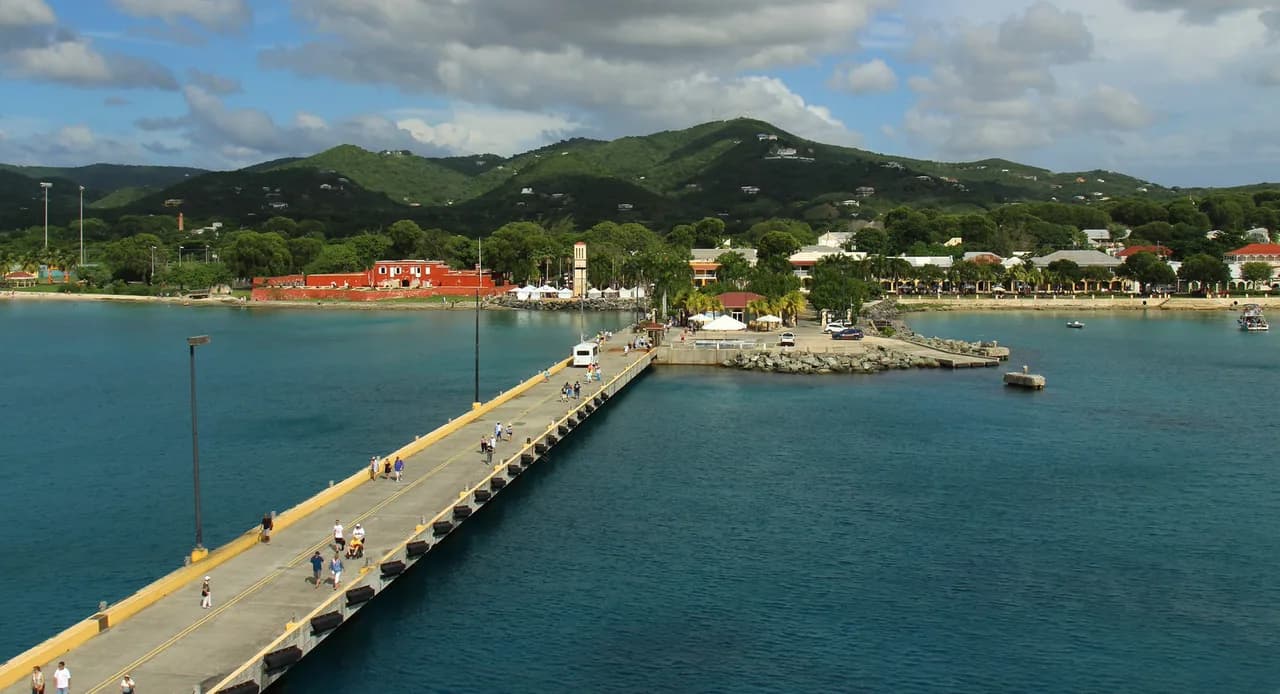
The Frederiksted Pier is the island's signature shore entry and the reason many snorkelers return to the west end. You walk in from the beach beside the pier and swim out along the pilings, where new coral forms on the structure and the vertical surfaces stack different habitats at different depths. Snorkelers describe it as a whole universe under the pier, with something unseen on each visit.
Dive the pilings on the inside of the pier first, then work out toward the deeper end, keeping a few feet off the structure so you can see the full column of fish and coral. The pier is a working structure, so stay clear of the channel side where boats and tenders move, and surface regularly to check your position. Morning light and calmer wind make the pilings easier to read.
Because entry is from sand and the pier breaks the surface chop, the site suits confident beginners and families with older kids, though a strong swimmer should lead. Stronger currents can run past the pier on a big swell day, so if the water is murky or choppy at the beach, save the pier for a calmer morning. Pair it with the Sand Castles flats a short drive north.
Sand Castles Beach: Wreckage and Starfish Flats
Sand Castles Beach gives you a west-end reef within a short swim of the sand. Offshore, and about a fifth of a mile up the beach toward Frederiksted, old sunken machinery now carries coral growth, and the surrounding flats hold more starfish than snorkelers see anywhere else on the island. The draw here is the combination of structure and open sand rather than a tall reef wall.
Enter from the sand and swim toward the marked machinery, then sweep the seagrass and sand flats to the north at a slow pace with your fins up. Starfish sit on open bottom and are easy to miss if you are looking only at structure; scan a few feet ahead rather than straight down. The site works best in the morning before the west-end breeze builds.
This is a beginner-friendly swim when the west coast is calm, since there is no rock entry or ladder. The flats are shallow, so keep your body horizontal and avoid kicking up sand over the starfish and coral. Combine Sand Castles with the pier in a single Frederiksted morning.
Cane Bay: Coral Gardens Past the Beach
Cane Bay on the North Shore puts coral gardens a short swim past the beach, with the reef rising from deeper water offshore. On a calm day with clear visibility, the swim out is one of the island's most rewarding shore snorkels. The catch is that this is a north-facing bay, so swell and surge that leave the west coast flat can shut the site down.
Enter from the beach and follow a line out to the gardens rather than zigzagging over the shallows. The shelf drops quickly, so new snorkelers should stay over the sand and the top of the reef. If the bay is showing white water or heavy surge, move to a leeward west-coast entry instead.
Cane Bay suits swimmers comfortable beyond the break and is not the first choice for small children. It rewards a morning start, before the trade wind picks up and before dive and fishing boats become active in the bay. A local operator or dive shop can tell you how the bay is laying out on the day.
Buck Island Reef National Monument: Boat Access and Monument Rules
Buck Island Reef National Monument sits off the northeast coast and is reached only by boat, with the crossing arranged through an operator or your own vessel. The monument preserves an elkhorn coral barrier reef and an underwater trail that snorkelers follow along the reef. Because it is a national monument, the reef is managed as protected federal ground rather than a casual beach snorkel.
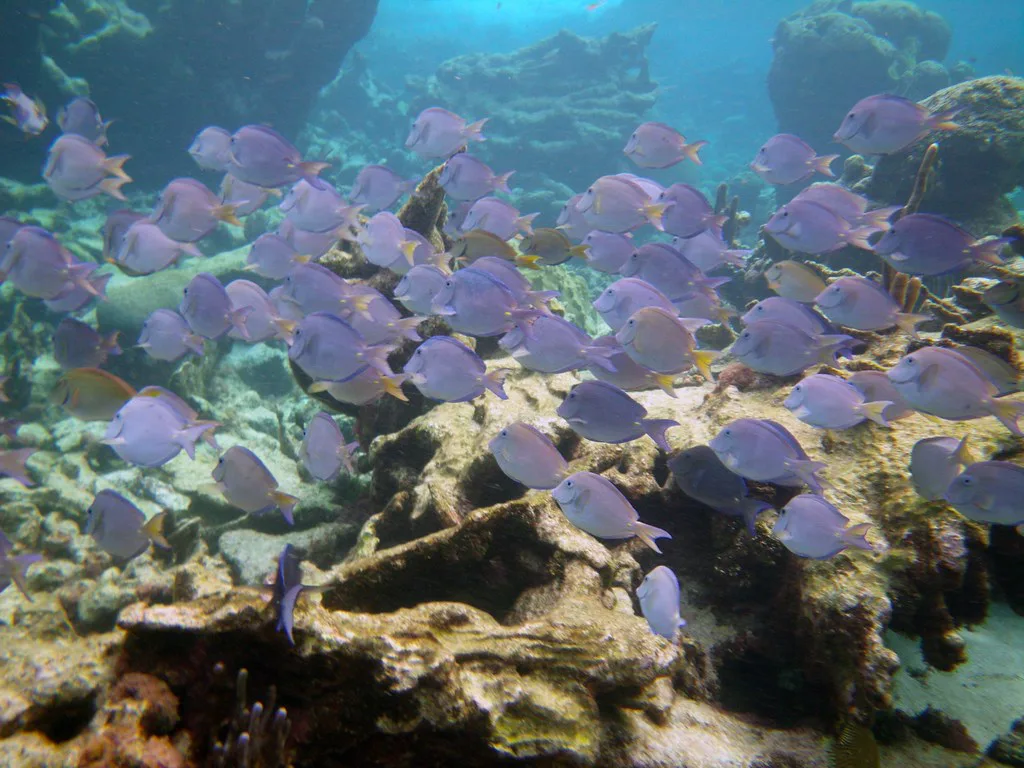
The underwater trail is marked and shallow enough for a confident beginner to follow in a guided group, and the monument's reef draws large schools of blue tang and other fish. Recent snorkelers report good fish life around the monument even where coral has shown bleaching, so treat the reef as a fish and structure swim rather than a coral-garden guarantee.
Book through an operator rather than trying to arrange a crossing on arrival, and confirm the monument's current rules, including any no-take zones and wildlife distances, with the National Park Service before you go. The crossing and trail are open water, so kids should be strong swimmers or comfortable with flotation in a guided group. Compare operators on boat size, group limits and how much snorkel time they build into the trip.
Isaac's Bay and the East End: Reef Close to Shore
Isaac's Bay on the East End is one of the shore entries local snorkelers recommend for its close-in reef, where you can swim a short distance from the sand and be over coral. The shallows and the nearby structure make it forgiving for newer snorkelers who want to stay near shore while they build confidence. It is a good pick when the west end is crowded or the north shore is surging.
Enter from the beach, keep the reef to one side and use the sand channels to move between coral heads rather than swimming over the top. Families with children should stay in the shallows and keep a spotter on the sand. The East End also holds reef and seagrass patches worth exploring if you have a full afternoon.
South Shore and Christiansted-Area Entries
The south shore around Christiansted gives you a short-window snorkel when you are already in town for lunch, provisioning or a charter departure. Several beaches along this stretch hold reef close enough to shore for a 30- to 45-minute swim, which suits a morning or late-afternoon dip rather than a full day. Conditions here are more exposed to the trade wind than the west end, so pick a calm morning.
Enter from the sand, work along the reef edge and turn back before you lose sight of your entry point. If the wind is up and the surface is choppy, move to a leeward west-coast site such as the pier. Christiansted also makes a practical base for combining a town morning with a nearby shore snorkel.
What You Will See
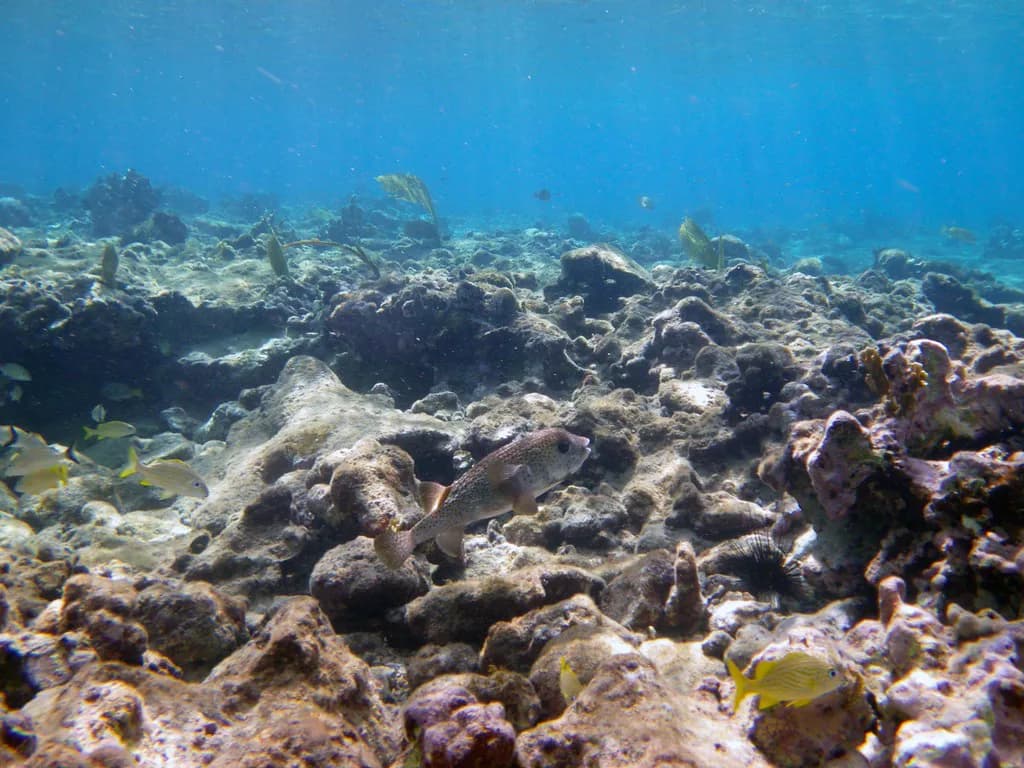
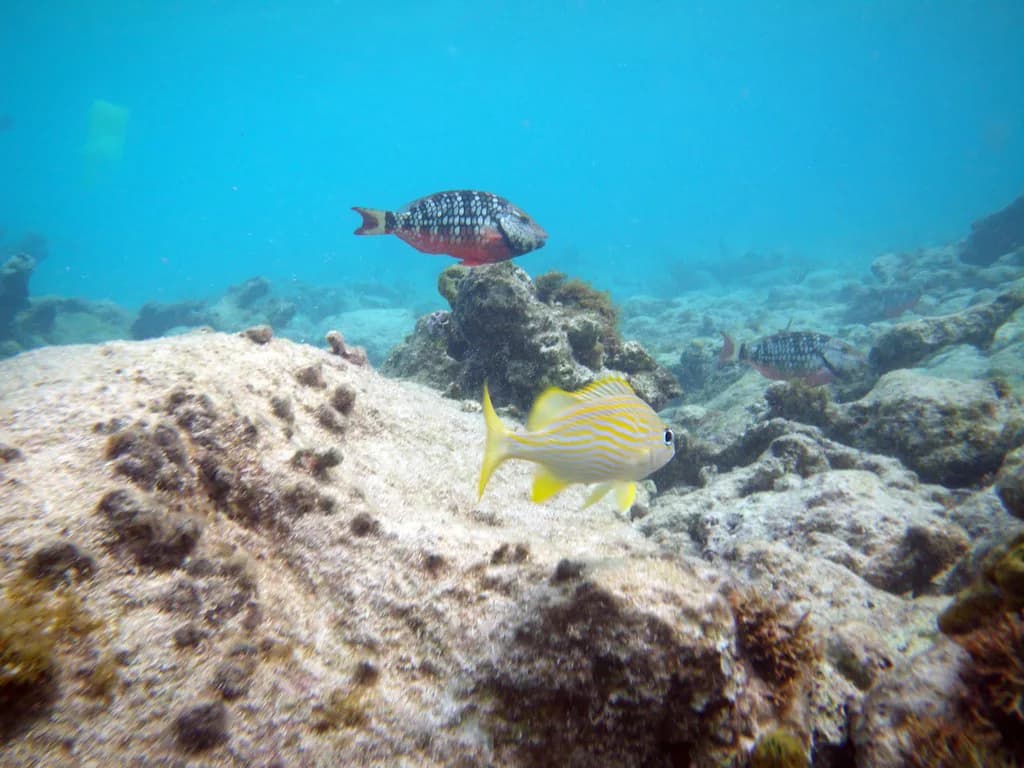
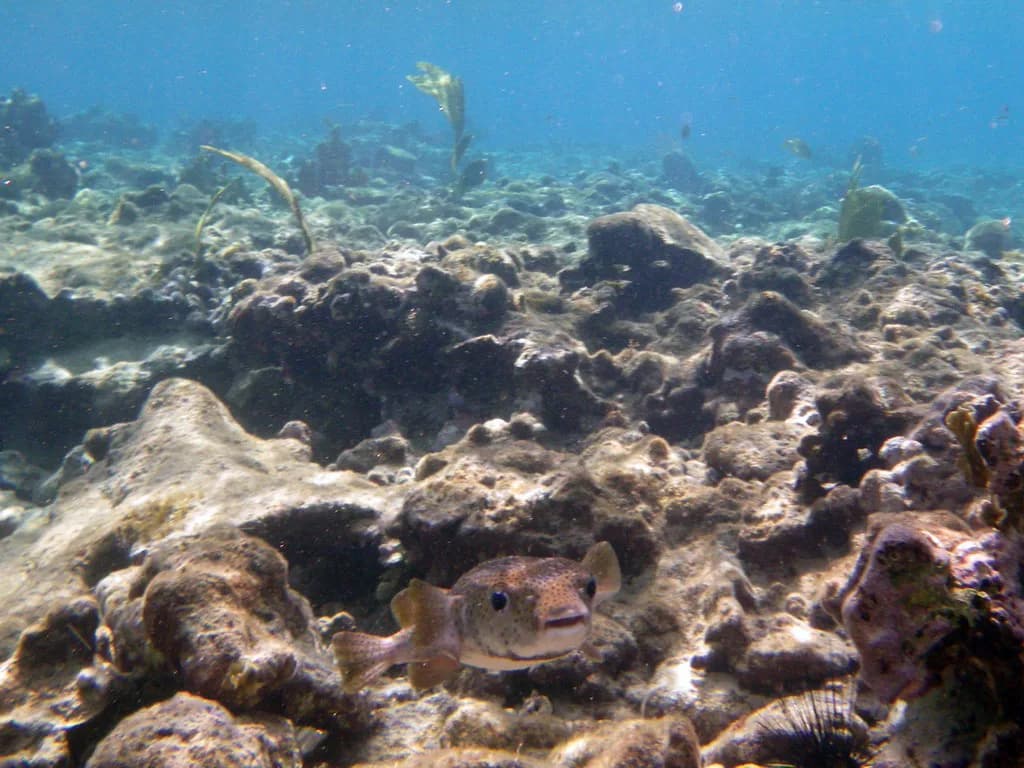
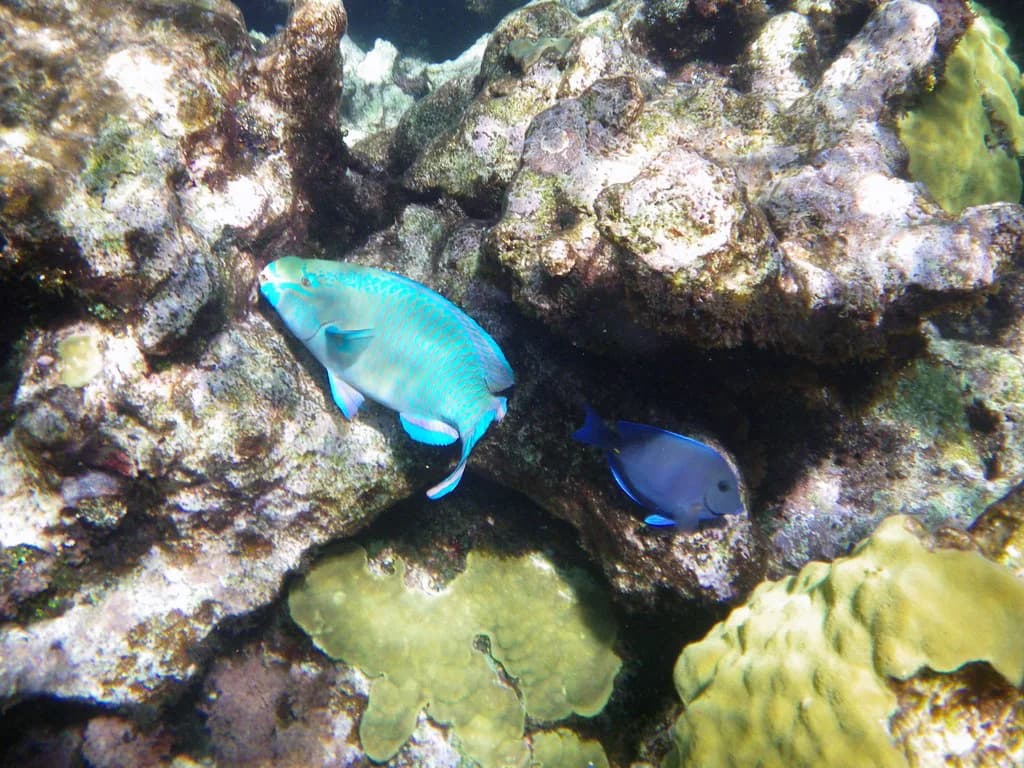
Match the species to the habitat and you will find more on each swim. Tangs and schooling fish gather around structure such as the Frederiksted pilings and the Buck Island reef, starfish sit on the open sand and seagrass flats near Sand Castles, and turtles graze seagrass beds in the calmer bays. Coral life is densest on the structure and the reef tops, so look at both the vertical faces and the flat coral heads.
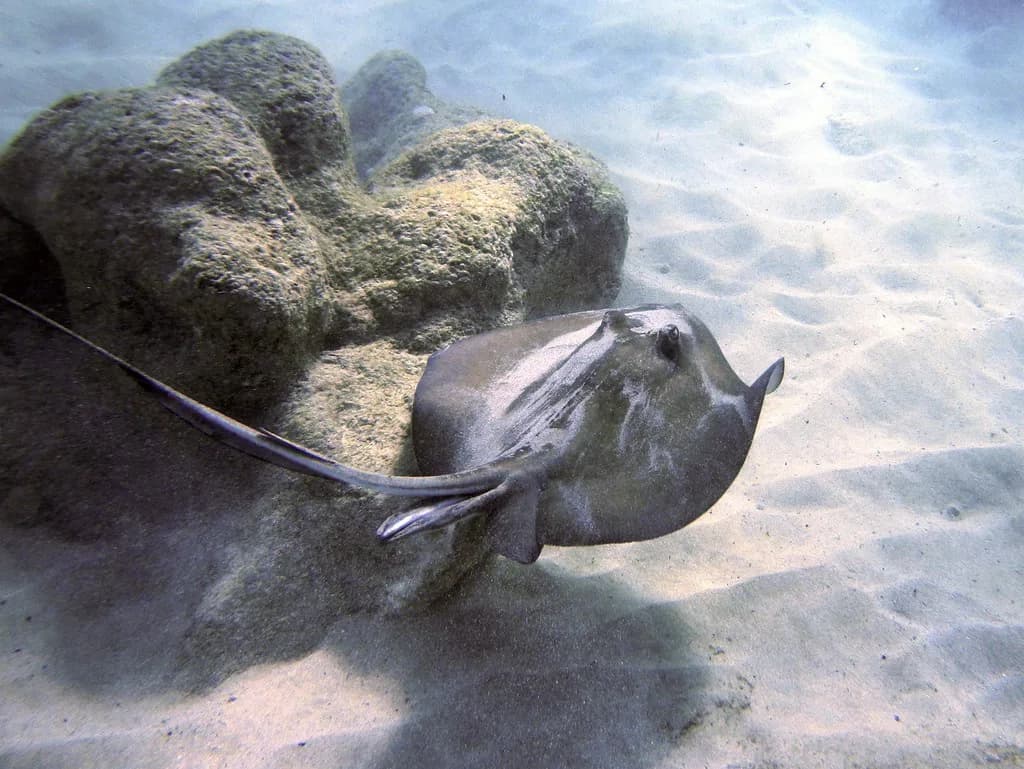
Turtles are most likely over seagrass beds in a calm, shallow bay, where they surface to breathe; give them several body lengths of space and never chase or touch them. Rays often rest on sand between reef heads, so scan the open bottom as you cross a channel. Keep your fins off the bottom to protect the coral and to keep visibility clear for the next snorkeler.
Skill Level and Who It Suits
New snorkelers and families with kids do best at sand-entry sites in leeward water, such as the Frederiksted Pier and Sand Castles Beach, where you can stay near shore and step out easily. Isaac's Bay offers a similarly forgiving close-in reef. These sites suit a supervised group with a confident adult leading and a spotter on the sand.
Cane Bay and Buck Island ask for stronger swimming: Cane Bay has a longer swim to deeper reef and is sensitive to north swell, while Buck Island involves an open-water crossing and a guided trail. Choose these when your group is comfortable in deep water and can follow a guide or route. Inexperienced snorkelers should stay close to shore or join a guided trip.
Best Time of Day, Season and Swell Direction
Morning is the most reliable window on St. Croix, with calmer wind and better light on the reef. Use the swell direction to choose your coast: when north swell is running, Cane Bay and other north-shore entries get surge, and the leeward west end such as Frederiksted and Sand Castles becomes the safer choice. A swell that shuts the north coast often leaves the pier flat.
On the Frederiksted side, early morning also beats the midday heat and gives the pier pilings the best visibility before boat traffic builds. Winter months bring more frequent north swell to the island, while spring and summer tend to serve more calm days for shore snorkeling. Read the day's forecast and posted advisories before you commit to a coast.
Hazards: Currents, Surge, Boat Traffic and Entry Surfaces
Currents are the main hazard on St. Croix's shore entries, particularly around structure and channels such as the pier and Cane Bay. Novice snorkelers should stay close to shore or join a guided trip, and every group should agree on a turn-back point before entering. Surface often and keep track of your entry.
Surge on north-facing Cane Bay can push you onto the reef, and white water at the beach is the signal to move elsewhere. Boat traffic is a factor around the pier and Buck Island, so stay clear of channels and surface with a raised hand when crossing. Entry surfaces vary from sand to cobble and rock, so wear reef-safe foot protection and time your entry between sets.
Rules and Reef Etiquette
Reef-safe sunscreen free of oxybenzone is the expectation on St. Croix's reefs, and it is worth buying before you travel because the local supply can run short. On Buck Island, the monument designation means the reef is managed under federal rules, so follow any no-take zones, marked trail boundaries and wildlife-distance guidance the National Park Service publishes. Never touch, feed or chase turtles, rays or fish.
On shore entries, stay off the coral, keep fins horizontal and avoid kneeling on reef heads in the shallows. Operators running Buck Island trips will brief you on the trail and monument rules before you enter the water. Treat every coral head as protected and leave shells and starfish where they sit.
Parking and Facilities by Area
Frederiksted gives you the easiest logistics on the island: the pier and Sand Castles Beach sit near town, so you can park, snorkel and find food without a long drive. The pier area has the town's waterfront facilities within walking distance, while Sand Castles is a short drive north. Christiansted is the practical base for a south-shore short snorkel, with parking and services in town.
Cane Bay and the East End entries are beach-first: bring your own water, snacks and gear, and plan to change at the car or your accommodation. Buck Island has no beach facilities, so everything you need for the crossing comes with you. Check with the boat company you've booked on what is provided on the boat before you go.
Combining Spots Into a Half-Day or Full-Day Route
Build a west-end morning around the Frederiksted Pier and Sand Castles Beach. Snorkel the pier early, drive the short distance north for the wreckage and starfish flats, then finish in Frederiksted for lunch. This route works in almost any settled weather because both spots face leeward.
For a full day, take the boat out to Buck Island in the morning and keep the afternoon free, since the crossing and trail take most of a half-day. If the north shore is calm, swap in Cane Bay for a second morning and leave Buck Island for a separate day. Use the swell direction to pick the coast rather than trying to see everything in one drive.
What to Bring
Pack a mask that fits without leaking, a snorkel with a valve, and fins you can kick in for 30 to 60 minutes. Reef-safe sunscreen is the one item to buy ahead, and a rash guard plus a wide-brim hat handles the sun between swims. A dry bag keeps phone and keys safe on the beach entries.
Bring water and a snack for Cane Bay and the East End, where facilities are limited, and a light layer for the boat crossing to Buck Island. A small first-aid kit and a signal whistle are worth the weight when you are swimming from a beach with no lifeguard. If you are buying fins, choose a soft, travel-friendly blade for shore entries rather than a stiff freediving fin.
Plan Your St. Croix Snorkel Day
Treat St. Croix as two coastlines rather than one list. On a calm day, the west end gives you the pier and Sand Castles flats in a single morning, with sand entries and easy logistics. When the north shore is settled, Cane Bay opens up; when it is not, stay leeward and come back another day.
Save Buck Island for a dedicated boat day and follow the monument's published rules. Read the swell, pick the side of the island that is protected, and you will get more from a shore-based snorkel trip than a checklist of every spot.
Explore more St. Croix snorkeling
Frequently Asked Questions
What is the best snorkeling in St. Croix for beginners?
Beginners do best at sand-entry sites on the leeward west end: the Frederiksted Pier pilings and the Sand Castles flats, where you stay near shore and step out easily. Isaac's Bay on the East End also offers a close-in reef for newer snorkelers.
Can you snorkel at Frederiksted Pier without a boat?
Yes. The pier is a shore entry, with sand beach access beside the structure. Swim along the pilings and stay clear of the channel side where boats move, and pick a calm morning for the best visibility.
Do you need a tour to snorkel Buck Island?
Buck Island is reached only by boat, and the usual way to snorkel the monument reef and underwater trail is with an operator. Book ahead and follow the National Park Service's current monument rules, including no-take zones and wildlife distances.
Is Cane Bay good for snorkeling?
Cane Bay has coral gardens a short swim past the beach and is excellent on a calm day with clear visibility. Because it faces north, swell can shut the site down, so move to a leeward west-coast entry when the bay is surging.
Where can you snorkel with sea turtles in St. Croix?
Turtles graze seagrass beds in calm, shallow bays, so look for seagrass habitat and give turtles several body lengths of space. Never touch, chase or feed them, and keep your fins off the bottom.
What fish will I see snorkeling in St. Croix?
Expect tangs and schooling fish around structure such as the pier pilings and Buck Island reef, starfish on the sand flats near Sand Castles, and rays resting on open bottom between reef heads. Coral life is densest on structure and reef tops.
When is the best time of year to snorkel in St. Croix?
Morning is the most reliable time of day, with calmer wind and better light. Winter brings more frequent north swell to the island, while spring and summer tend to serve more calm days for shore snorkeling.
Is snorkeling in St. Croix safe for kids?
Sand-entry sites such as the Frederiksted Pier and Sand Castles Beach suit kids with a confident adult in the water and a spotter on the sand. Avoid Cane Bay and open-water sites until children are strong swimmers, and always stay close to shore.
Sources
Snorkeling notes for your next trip
Optional updates to our snorkeling guides.
You might also like
Continue reading
More guides you'll find useful