Snorkeling in St. Maarten: Reefs, Turtles and Boat Days
Plan a St. Maarten snorkel day with calm shore entries, reef stops off the French side, turtle bays and boat tours that match your pace and tolerance for chop.
On this page
St. Maarten rewards snorkelers who plan by water conditions rather than by beach reputation. The sheltered bay at Little Bay gives newer snorkelers a calm entry with sunken objects to find, while the French side holds Creole Rock and Tintamarre, where reef fish and green sea turtles draw most of the island's boat traffic. Pick your spot by how you enter the water and how far you want to swim, and the day falls into place.
Why St. Maarten suits snorkelers, and who each spot fits
The island's snorkeling splits into two clear styles. Shore-entry snorkelers do best in the calm, protected water of Little Bay, where the bay stays sheltered and the swimming area is easy to read from the beach. Everyone else rides a boat to the reef sites off the French side, where Creole Rock and Tintamarre sit beyond comfortable swimming distance from land.
Match the spot to the swimmer. Families with young children and first-timers get the most from a bay with flat water and a visible shoreline; strong swimmers and repeat snorkelers get more from a boat day that stacks several reef stops. The island is small enough that you can do a shore snorkel one morning and a boat trip the next without losing a day to driving.
How the island's snorkeling is laid out: Dutch side versus French side
Most boat departures cluster on the Dutch side at Philipsburg, near the cruise port, and at Simpson Bay, where the marina serves catamarans and powerboats. Philipsburg suits cruise passengers because the docks and tour meeting points sit close together, while Simpson Bay draws boats that head west along the coast.
The French side, around Grand Case and Anse Marcel, puts you closer to Creole Rock and Tintamarre, so French-side departures spend less time in transit and more time in the water. If you are staying in Grand Case, boarding there beats driving to Philipsburg for an early check-in. Choose your port by where you sleep, then let the itinerary follow.
Little Bay: the easy shore snorkel and the sunken objects in the bay
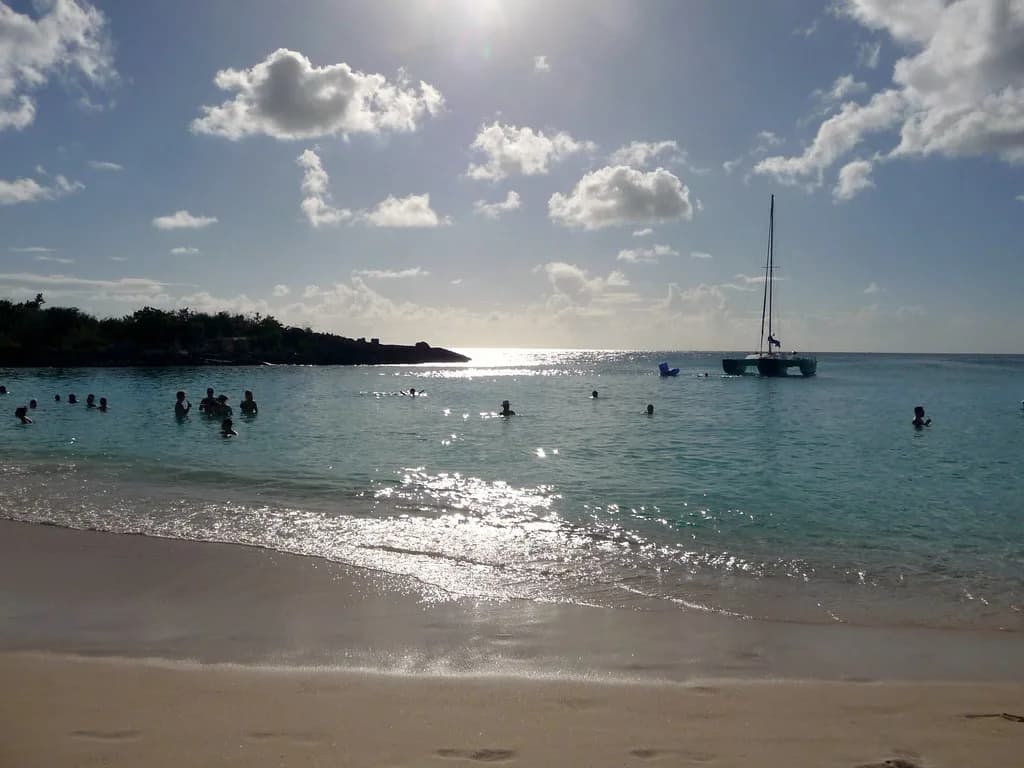
Little Bay is the island's most forgiving place to get wet. The water stays calm, the bay is protected, and a short swim from shore brings you over deliberately sunk objects, including a small helicopter, a submarine and an airplane, that now act as fish habitat. Snorkelers who have been before describe the bay as uncrowded despite the boats that stop there, and the sunken pieces spread across a wide enough area to keep a strong swimmer busy for an hour.
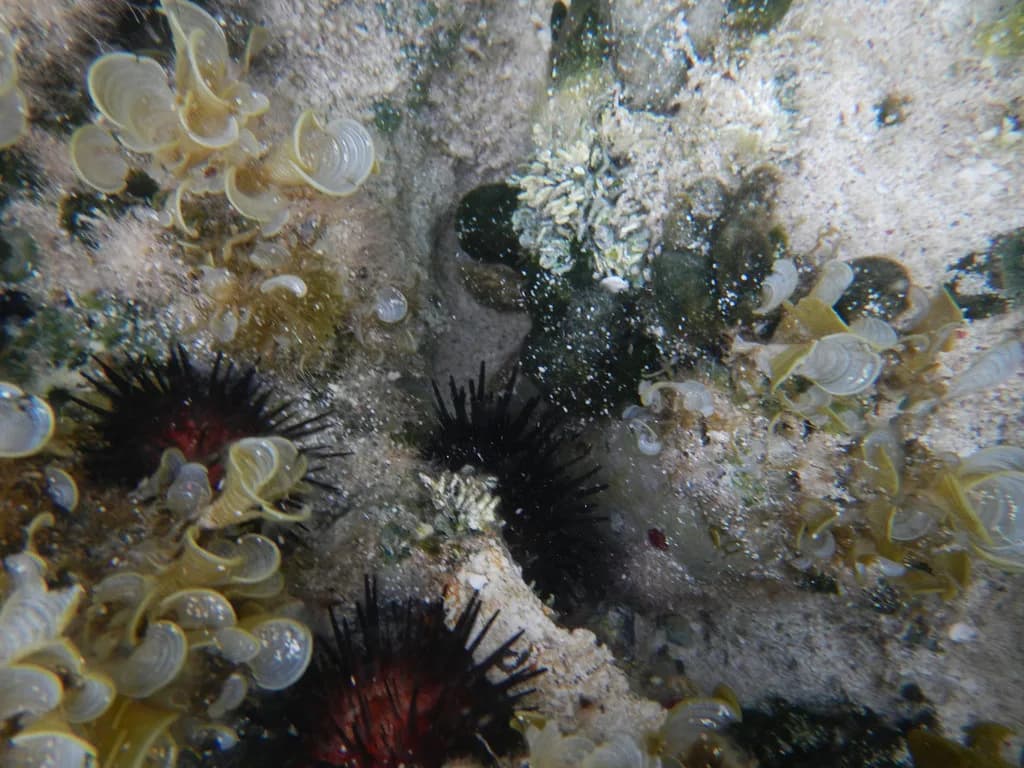
Treat the bay as a marine-life walk rather than a fish spectacle. You will pass sea urchins and fire coral closer to the shoreline, so keep your hands to yourself and your fins off the bottom. Flotation belts help weaker swimmers cover more ground, but the lack of a formal lesson on small-boat trips means first-timers should practice mask clearing in the shallows before heading out.
Creole Rock: reef snorkeling off the French side
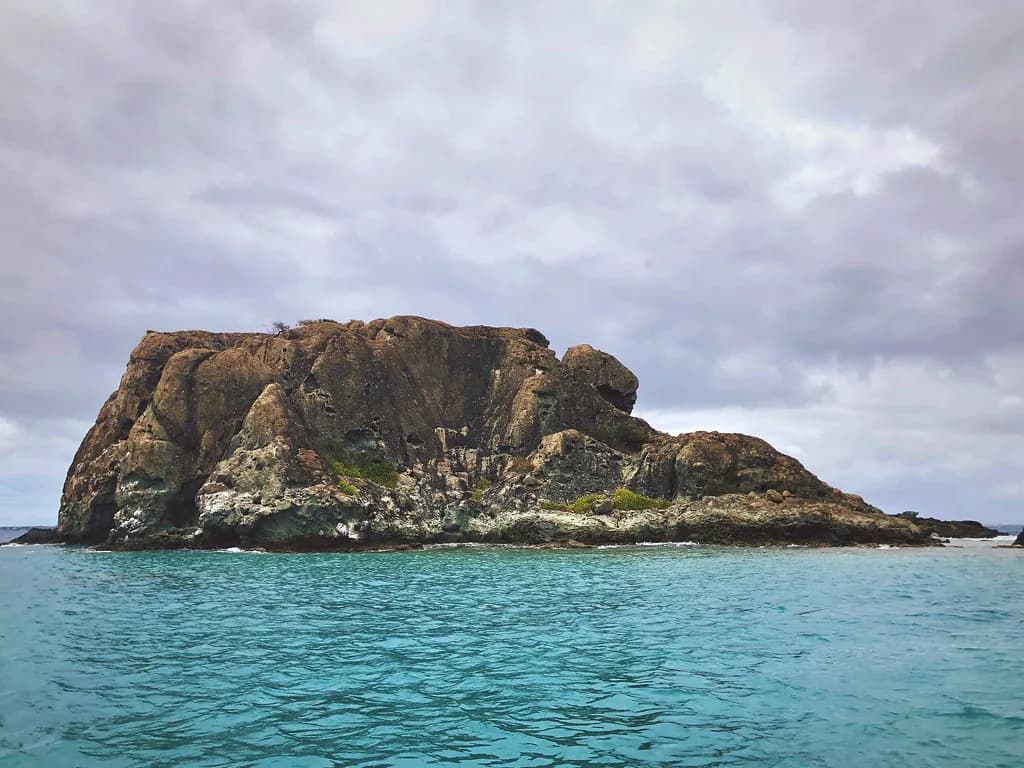
Creole Rock is a reef site off the French side that boat tours reach from Simpson Bay and Philipsburg, and it earns its place on itineraries for coral and reef fish rather than convenience. Tour descriptions single it out for spotted eagle rays and turtles in addition to the usual reef residents, though no operator can promise a sighting on any given day. The rock sits offshore, so this is a boat-only snorkel with no sand entry.
Because the site is exposed, the ride out matters as much as the reef. Catamarans run smoother here, while speedboats get you there faster and often add a second stop. If you are prone to seasickness, pick a boat that stays in the lee of the island and expect more motion on the return leg when the captain opens up the throttle.
Tintamarre Island: sea turtles in a protected marine reserve
Tintamarre is an uninhabited island off the French side and the island's best-known turtle snorkel. Tours that stop there give snorkelers time over the reef and along the beach, and multiple operators build their day around it because green sea turtles graze in the surrounding reserve. It is a boat-only destination, typically paired with Creole Rock or Pinel Island on the same run.
Viewing rules matter more here than anywhere else on the island. Keep a respectful distance, never touch or chase a turtle, and stay low and still in the water so animals can surface to breathe. The reserve setting means no collecting and no standing on coral, and the sandy patches between reef heads are the place to settle if you need to adjust your mask.
The underwater sculpture trail: 300 figures on a marked route
St. Maarten has added a different kind of snorkel site: an artificial reef built around roughly 300 life-size sculptures of island people, arranged along a designated trail. The figures were sunk to create structure, and marine life moved in quickly, using the sculptures for shelter and food while coral and plant growth took hold. A 90-minute tour covers the route, which makes it a good fit for snorkelers who want a guided narrative rather than a free-swim reef.
Expect a modest fish list rather than a wall of color: octopus, stingrays, bar jack, bluestriped grunt, barracuda, squid, boxfish and lobster all appear in descriptions of this reef's residents. An octopus is a patient find, so slow down and scan the bases of the figures. Book the sculpture trail as a standalone session if you are short on time, since it pairs awkwardly with a full island circumnavigation.
Snorkeling by boat tour: catamaran versus speedboat, and cruise-day timing
The real choice on a St. Maarten boat day is pace versus comfort. Catamarans are stable and roomy, with easy steps and ladders for getting in and out, which suits mixed-age groups and anyone who feels the motion of a small hull. Speedboats carry fewer people, move faster and fit more stops into the same hours, so you trade shade and smoothness for variety.
Tour lengths cluster between three and nine hours depending on the company and route, and many days start around mid-morning rather than at dawn. Cruise passengers should favor departures from Philipsburg, where the walk from the pier to meeting points is short and operators build their timings around ship schedules. Book through the ship only if you want the line's guarantee; independent operators that cater to cruisers plan for the same return window.
Small-boat snorkel trips have their own trade-offs. A ten-passenger boat means less noise and no jostling, but often no shade, no onboard restroom and a bouncier ride through the harbor. Larger catamarans include lunch, an open bar and snorkel gear, which makes them the easier pick for a full day with children.
If you would rather compare boats side by side, start with the outfitters that run out of Simpson Bay and Philipsburg marinas and weigh group caps, shade and stop counts before you book.
Anguilla day trips and the passport rule
Some St. Maarten boat days cross to Anguilla instead of staying local, adding Sandy Island and the Prickly Pear Cays to the snorkel list. The cays are uninhabited islets within Anguilla's marine park system, with calm shallow water and a reputation for turtles, and they sit a short speedboat ride from Philipsburg or Simpson Bay. These crossings typically run seven to eight hours, so they replace a St. Maarten reef day rather than adding to it.
Anguilla is a British Overseas Territory, and day-trippers clear customs, so bring your passport even though you never sleep there. Operators list it as a requirement for the crossing. Check your passport's validity and keep it in a dry bag, since the same spray that soaks a towel will ruin a document.
What you will see: green sea turtles, stingrays, bar jack, barracuda, octopus and reef fish
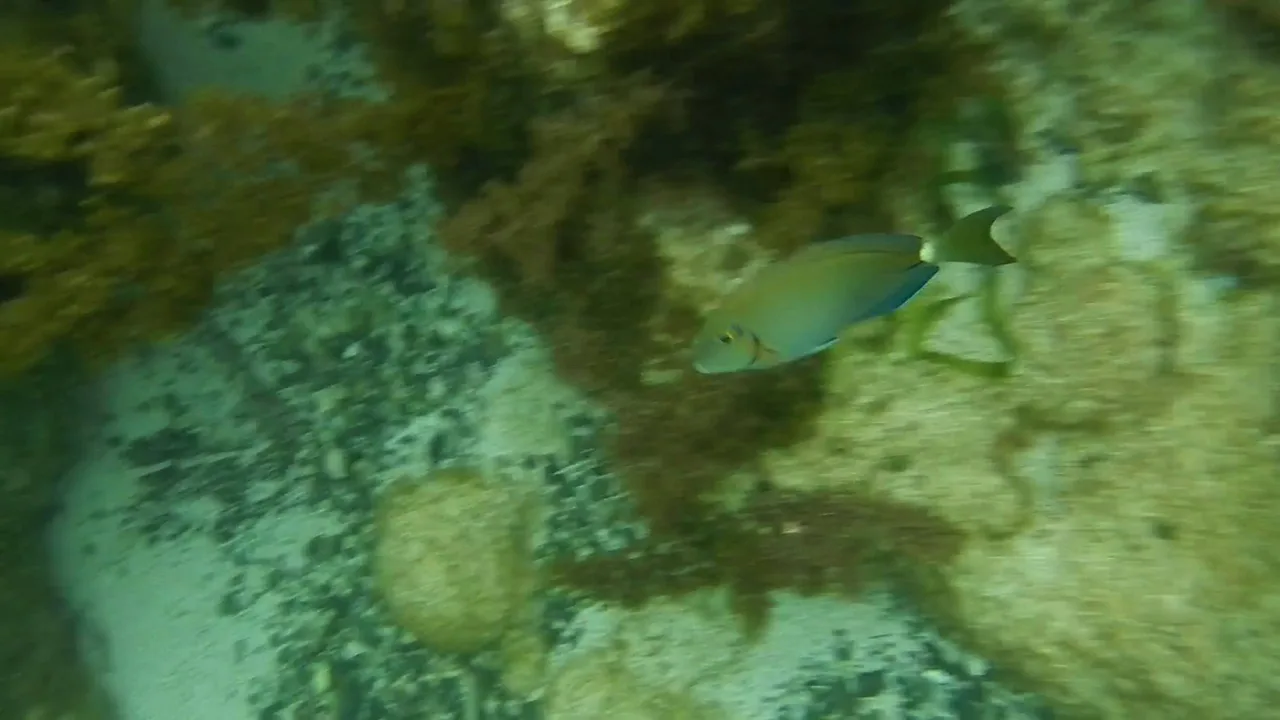
The island's reef residents are varied rather than concentrated. Green sea turtles are the headline, with stingrays half-buried in sand, bar jack that shift between bronze and black, schooling bluestriped grunt, barracuda hanging in open water, plus octopus, squid, boxfish and lobster on the sculpture reef. Coral and plant growth on the artificial structures has matured enough to hold fish consistently.
Plan for what the sites actually deliver. Little Bay is an object-and-invertebrate snorkel with modest fish, while Creole Rock and Tintamarre carry the reef and turtle interest. Barracuda look imposing but are not aggressive toward snorkelers who keep their distance, and the same rule applies to every animal here: watch, do not feed, do not chase.
Best time of day and season, and which side is calmer when swells build
Morning departures usually beat afternoon ones. Wind tends to build through the day, and a fast small boat crossing an open harbor gets choppier on the return leg, which is when passengers most notice the motion. An early check-in also leaves slack if a cruise schedule or a slow tender runs late.
Pick your side by the swell. Boats that stay in the Caribbean Sea along the island's leeward coast ride smoother than those that round the island into the Atlantic, so a relaxed French-side or leeward itinerary is the better call when conditions are unsettled. Little Bay's protected bay gives shore snorkelers shelter when the exposed reefs are murky.
Hazards: boat traffic, harbor chop, fire coral and sea urchins
Little Bay carries real boat traffic, and snorkelers share the water with tour boats and tenders. Stay inside the marked swim area, keep a bright float with you, and surface to look around before you change direction. Sea urchins and fire coral sit close to the shoreline, so stay off the rocks and never put a hand down to steady yourself.
Harbor chop is the other practical hazard. Small open boats get sprayed and bounced on the way out and back, which bothers seasick snorkelers more than the reef itself. Take motion sickness precautions before boarding rather than mid-crossing, and sit toward the middle of the boat where the motion is least.
Gear, reef-safe sunscreen and rules in marine reserves
Most tours include masks, fins and snorkel gear, and some supply flotation belts, but fit is variable when fins are sized by guesswork rather than tried on. If you own a mask that seals well, bring it. Pack a dry bag for your phone and towel, a hat for unshaded boats, and two towels if your day includes a beach stop after the reef.
Reef-safe sunscreen is the baseline expectation on these reefs, and the sculpture site is described as a protected ecosystem where marine life is meant to flourish undisturbed. In reserve waters, keep hands off coral and sculptures, take nothing, and give turtles and rays room to move away. These are viewing rules, not suggestions.
Getting around: Philipsburg and Simpson Bay departures, French-side departures
Philipsburg is the easiest base for cruise passengers: the cruise port, the waterfront and the tour meeting points sit within a short walk, and directions to the smaller operators' shops involve leaving the port area and following the road to the yellow buildings near Chesterfield Restaurant. Allow ten to fifteen minutes to walk there and sign the waiver before departure.
Simpson Bay suits catamaran and powerboat departures on the Dutch side, and its marina is the launch point for island circumnavigations and Anguilla crossings. On the French side, Grand Case and Anse Marcel are the convenient boarding points for Tintamarre and Creole Rock trips. Match your accommodation to the port: a Grand Case stay plus a Philipsburg departure means an early drive across the island.
Nearby spots to combine with a snorkel day
Pinel Island makes the best add-on to a French-side boat day. The crossing is short, the shallows are calm enough to wade, and the island's resident iguanas and beach restaurants fill the hours between snorkels. Many itineraries pair Pinel with Tintamarre or Creole Rock on the same run.
On the Dutch side, Mullet Bay works as a swim-and-float stop after a morning reef, and Maho Beach draws a crowd for the low-flying planes rather than the underwater scene. Build your day around one snorkel and one beach rather than three stops; transit eats the time you would spend in the water.
Practical planning: parking, facilities and what to bring
Facilities vary by departure point rather than by tour. Small-boat operators often have a restroom at the dock but none aboard, so use it before you board, and carry cash for tips since captains rely on them. Larger catamarans typically include lunch, drinks and gear, which reduces what you need to haul to the marina.
Pack for sun and spray: reef-safe sunscreen, a hat, sunglasses for the ride, a dry bag and a microfiber towel that dries fast. Cruise passengers can usually bring ship towels ashore, while resort guests should check what their property lends out. Confirm your meeting point and check-in time with the tour company when you book.
Plan Your St. Maarten Snorkel Day
Decide first whether you want a shore snorkel or a boat day. Little Bay gives you calm water, a short swim and sunken objects to explore without a schedule, while Creole Rock, Tintamarre and the sculpture trail reward the boat ride with reef life, turtles and a guided route. If you are weighing other islands in the region, snorkeling in St. Thomas follows the same shore-versus-boat logic. Cruise passengers should leave from Philipsburg; French-side stays should board at Grand Case or Anse Marcel.
Then choose the boat by your group rather than by itinerary length. A stable catamaran with steps and shade suits families and queasy sailors, and a fast small boat buys extra stops at the cost of comfort. Check sea conditions with the tour company or the marine park authority the morning you go, and keep your passport handy if Anguilla is on the plan.
Explore more St. Maarten snorkeling
Frequently Asked Questions
Is St. Maarten good for snorkeling?
Yes, though it rewards picking the right site. Little Bay offers a protected, calm shore snorkel over sunken objects, the French side has Creole Rock and Tintamarre for reef fish and green sea turtles, and a marked underwater sculpture trail adds a guided alternative. Most reef sites are reached by boat.
Which beaches are best for snorkeling in St. Maarten?
Little Bay is the standout for shore entry, with calm water and a short swim to sunken structures. Mullet Bay works as a swim stop, and on the French side the water off Pinel Island is calm in the shallows. Creole Rock and Tintamarre are offshore and require a boat.
Can you snorkel with turtles in St. Maarten?
Green sea turtles are associated with Tintamarre Island and its surrounding reserve, and tours that stop there give you time in the water. Sightings are never guaranteed. Keep your distance, stay calm at the surface and never touch or chase a turtle.
Should you pick a catamaran or speedboat snorkel tour?
Choose a catamaran for stability, shade, easy ladders and space for mixed-age groups, and a speedboat for speed, smaller groups and more stops in the same hours. Small open boats often have no shade or onboard restroom and ride bouncier through the harbor.
Do you need a passport for an Anguilla snorkel day trip?
Yes. Anguilla is a British Overseas Territory and day visitors clear customs, so operators list a passport as a requirement for the crossing. Bring it in a dry bag and confirm its validity before booking the trip.
Is snorkeling better on the French or Dutch side?
The best reef sites, Creole Rock and Tintamarre, sit off the French side, but many boat departures run from Philipsburg and Simpson Bay on the Dutch side. Stay French-side for shorter transits, or Dutch-side for cruise-port convenience and marina access.
How long are St. Maarten snorkel tours?
Most island boat trips run between five and nine hours, with mid-morning starts common. Scooter-style small-boat snorkel trips can be shorter, around three hours. Check the listed duration when booking, especially on a cruise day.
Sources
Snorkeling notes for your next trip
Optional updates to our snorkeling guides.
You might also like
Continue reading
More guides you'll find useful