Snorkeling in St. Petersburg, FL: Shore Spots and Boat Trips
Snorkeling in St. Petersburg means calm Gulf shore entries at Fort De Soto and Madeira Beach plus boat trips to Shell Key and Egmont Key. Here is how to choose.
On this page
Snorkeling in St. Petersburg rewards people who like easy water and warm shallows more than those chasing coral. The Pinellas County Gulf coast is a sandy, low-energy shoreline where the action sits over grass flats and artificial structure, so a mask and fins are enough to see fish and shells on a calm morning.
The city splits into two very different swims: the Gulf beaches to the west, with sand entry and shallow water, and Tampa Bay to the east, where a boat gets you to the structure worth seeing. Pick by how you want to get in the water, not by a ranking, and the day plans itself.
What St. Petersburg Snorkeling Actually Looks Like
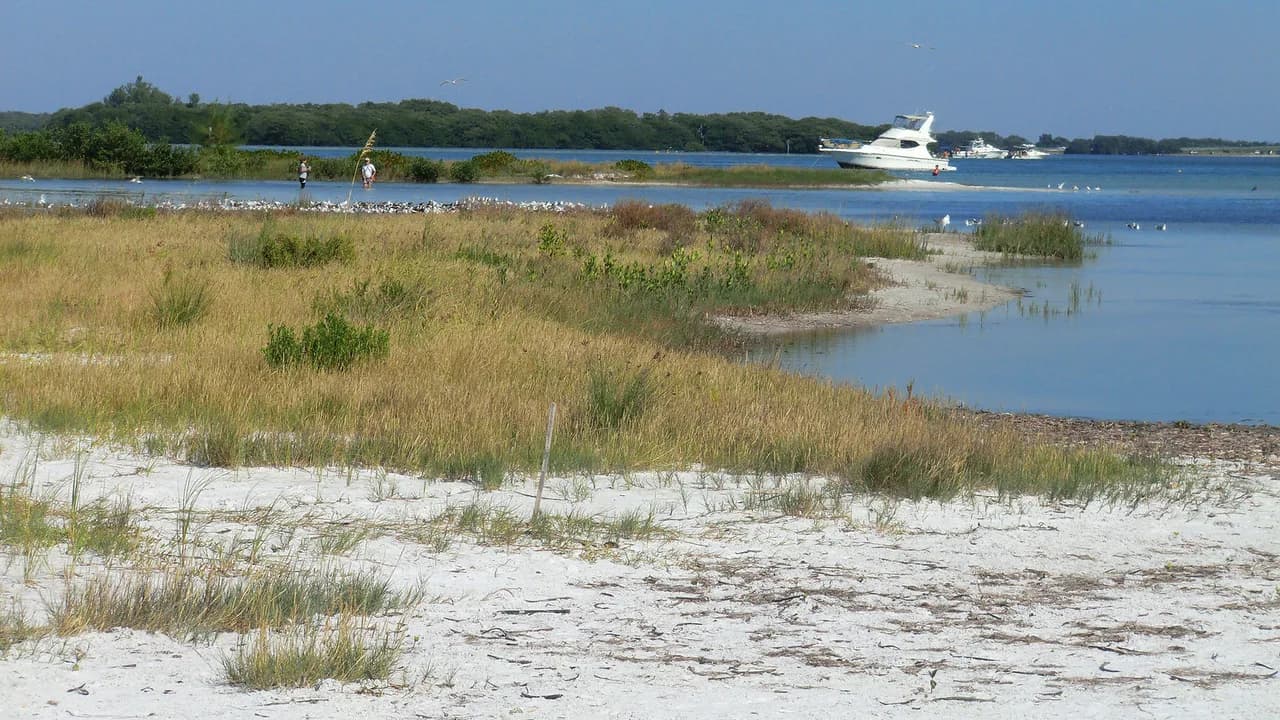
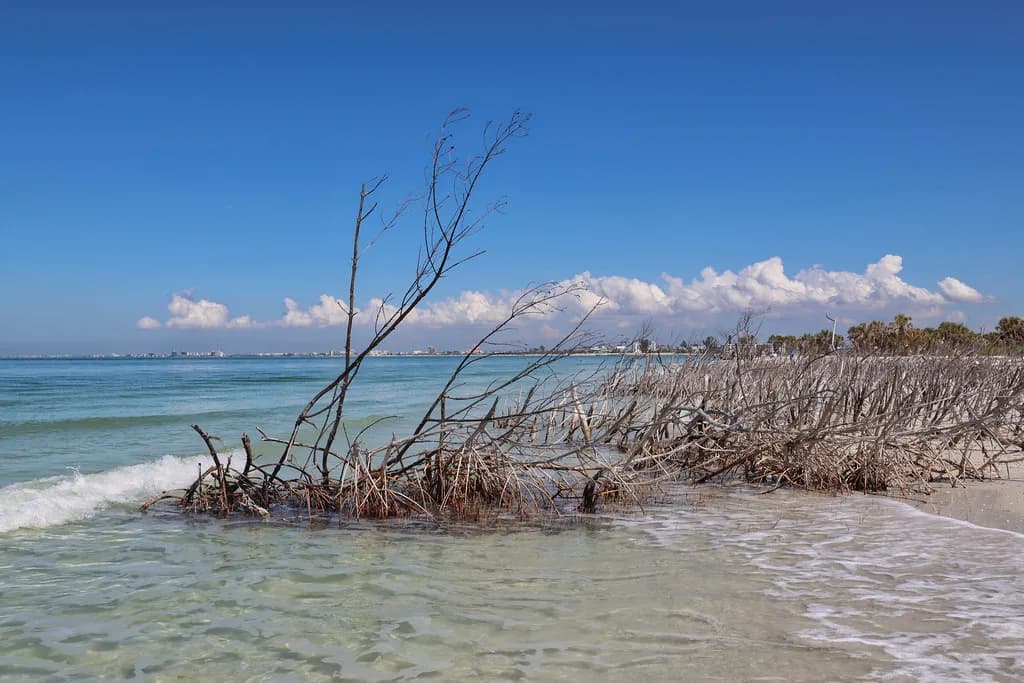
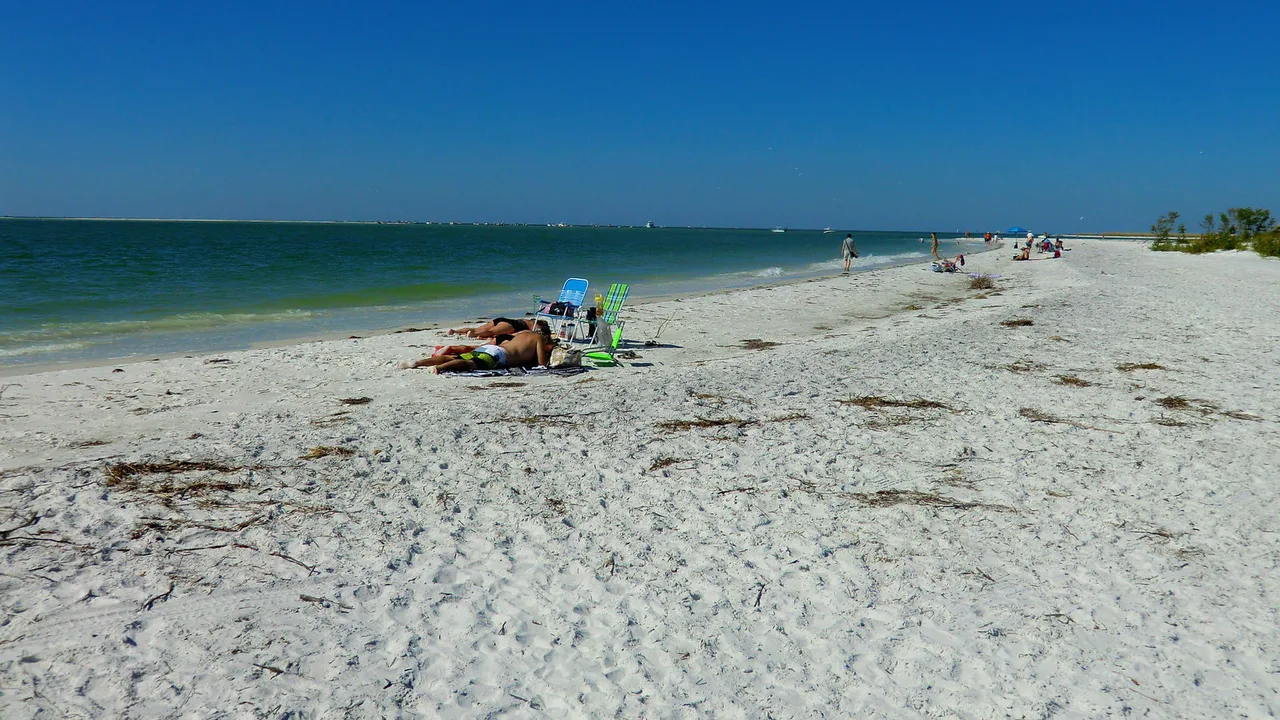
This is not a coral barrier reef coast. Expect pale sand, seagrass flats and artificial reef modules placed to build fish habitat, which means visibility depends on the tide and the wind rather than on reef depth. On a flat-calm day the Gulf side turns clear enough to spot shells and small fish from the surface; after a blow it turns milky and the bay side stays murkier longer.
That shapes expectations. Snorkelers who want big coral formations should look at the Florida Keys instead, while anyone happy drifting over sand and grass with a chance of rays, pinfish and the occasional turtle gets a genuinely relaxing swim close to the city.
Structure is the thing to hunt for. Find a rock jetty, a channel edge or a marked artificial reef and life concentrates there; over open sand you will mostly see the bottom. Local operators run trips to the artificial reefs and coastal ecosystems in the bay and around Fort De Soto, which is the practical shortcut to that structure.
Fort De Soto Park: The Best Shore Entry Near St. Petersburg
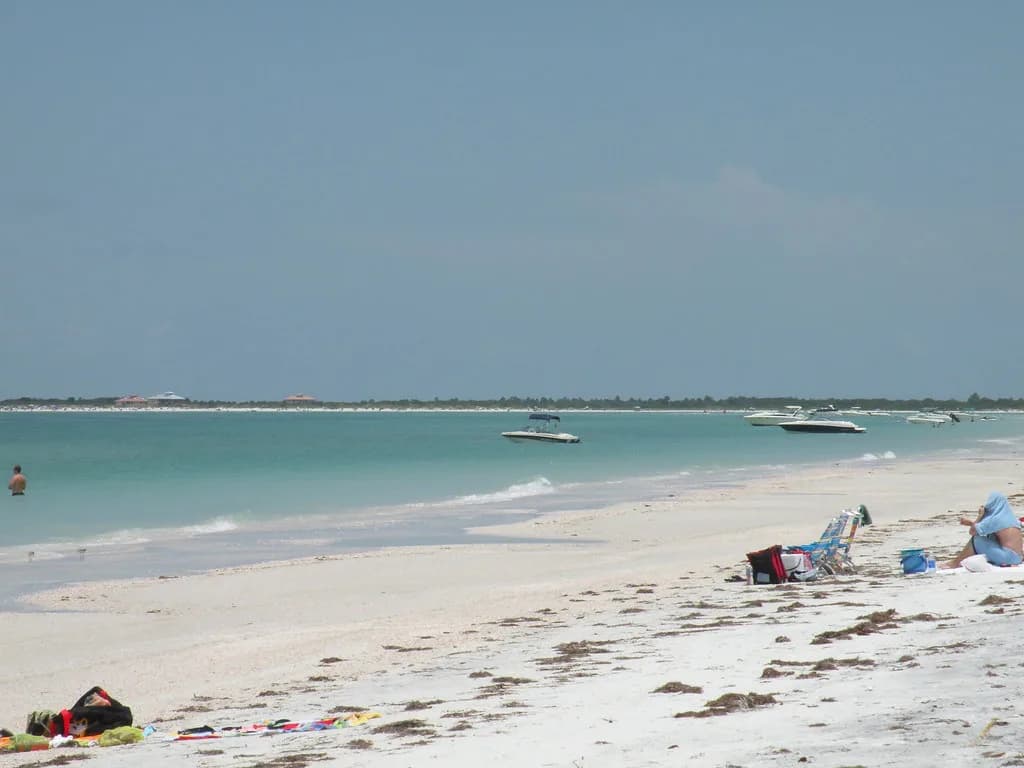
Fort De Soto Park sits at the southern tip of Pinellas County on Mullet Key, roughly a 20-minute drive from downtown St. Pete, and it is the most reliable place to walk into clear Gulf water with a mask. The park's beaches face the Gulf and the bay, with wide sand and gentle slope, so entry is a simple walk rather than a scramble over rock.
The park's submerged structure, including artificial reef habitat, draws fish close enough to watch from the surface, and the seagrass beds inside the bay-side shallows hold shells, crabs and small rays. Go on a slack tide with light offshore wind and the Gulf beach is the clearest swim in the area for a first-timer.
Treat the currents at the passes seriously. The ship channel and the pass at the park's edge move fast on a tidal exchange, so keep beginners and kids on the Gulf beach side and away from the channel mouth. Bring water, shade and sun protection, because the sand gets hot by mid-morning and the park is exposed.
Madeira Beach and the St. Pete Beach Stretch
Madeira Beach and the long St. Pete Beach stretch are the closest beaches to St. Petersburg proper, and their calm, shallow Gulf water suits beginners and children who want to float over sand within sight of the umbrella line. The bottom is mostly sand with scattered shell and grass patches, so you will not see much structure, but entry is as easy as it gets and there is no boat required.
Life here is small and close: schools of baitfish, crabs, whelks and the occasional stingray parked in the sand. Swim parallel to the beach in waist-deep water and scan the grass edges rather than heading straight out, where the bottom flattens and empties.
This is the stretch to choose on a windy day when the bay is choppy but the Gulf is glassy, and it is the easiest place to combine a swim with a beach afternoon. Madeira Beach also serves as the departure point for several boat operators working Shell Key and Egmont Key, so you can swim from shore in the morning and boat out later.
Tampa Bay Side: Warmer, Murkier and Better by Boat
Tampa Bay is shallower and warmer than the Gulf, and its water carries more sediment, so visibility is shorter and the bottom is often a green-brown haze. That sounds like a downside until you realize the bay's artificial reefs and pilings hold fish, and a boat puts you on them without a long surface swim.
Bay-side trips out of St. Pete and Madeira Beach commonly combine snorkeling with dolphin watching and island stops, and operators describe encounters with dolphins, manatees and schooling fish as possibilities rather than guarantees. Book with that in mind: you are paying for access to structure and a skipper who knows the tide, not for a promised sighting.
Choose the bay over the Gulf when the wind is from the east and the Gulf is churned, since the bay's shoreline offers lee and the boat can tuck into calmer water. On a settled day with light northerly wind, run west to the Gulf instead for clarity.
Boat Trips: Shell Key, Egmont Key and Island-Hopping
The two offshore names that come up most for St. Pete snorkelers are Shell Key and Egmont Key, both reached by boat from Madeira Beach, St. Pete Beach or the St. Pete municipal marinas. Shell Key Preserve is a shallow, sandy island setting with seagrass nearby, while Egmont Key National Wildlife Refuge adds ruins, deeper channel edges and more open water.
Guided trips typically bundle gear, a guide and several stops, which is the practical choice for a first visit because the skipper reads the tide and picks the lee side of an island. Third-party booking platforms list three-hour eco tours with island-hopping near Egmont Key and Shell Key, and pricing is quoted per group rather than per person, so compare on a per-head basis before booking.
When you compare operators, ask three things: whether snorkeling is the main activity or a short add-on to a dolphin cruise, how many people share the boat, and whether masks and fins are included in the quoted rate. A dolphin cruise with a ten-minute swim stop is a different product from a reef-focused trip, and the price should reflect it.
What You Will See Over Sand and Grass
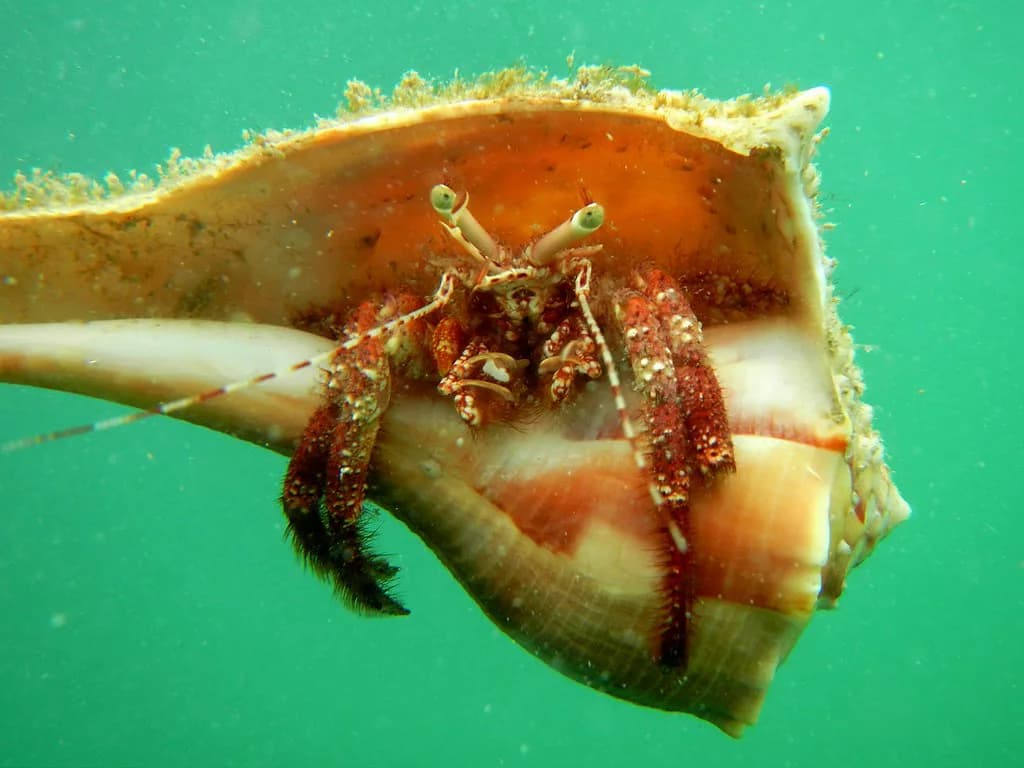
Expect small, busy life rather than spectacle: pinfish and grunts over grass, sheepshead and snapper around pilings and reef modules, hermit crabs and whelks on sand, and the occasional southern stingray resting in the shallows. Manatees and dolphins pass through the bay and nearshore Gulf, but they move and sightings are never guaranteed.
Follow the viewing rules wherever you swim. Keep a respectful distance from dolphins and manatees, never chase, feed or touch wildlife, and give sea turtles and resting animals a wide berth; in federal waters, manatee and dolphin protection rules are enforced by NOAA, and refuge beaches like Egmont Key close sensitive areas to landing during nesting season.
Shell collecting has limits. On a preserve like Shell Key, take only what the rules allow, leave live shells and anything with an occupant, and skip coral and rock entirely. Sunglasses, a rash guard and reef-safe sunscreen matter here because the swim is shallow and you spend hours in reflected light.
Best Time to Go: Season, Hour and Wind
Late spring through early summer is the settled window, when the Gulf flattens for days at a time and the water warms enough for a long swim. Late summer brings afternoon storms, and winter cold fronts push through with strong north wind that turns the Gulf to mud for a day or two, so plan around the front rather than the calendar.
Go early. On the Gulf beaches the wind usually builds through the morning, so the first two hours after sunrise give the clearest water and the emptiest sand; on the bay side, the tide matters more than the hour, and a rising tide over grass flats tends to be clearer than a draining one.
Wind direction decides which coast to choose. A west or northwest wind stirs the Gulf beaches and leaves the bay calmer, while an east wind does the reverse, so a single glance at the forecast can save a wasted drive across the peninsula. Use the official National Weather Service marine forecast for the day you plan to swim.
Skill Level and Who Each Spot Suits
First-timers, kids and families should stay on the Gulf beaches at Madeira, St. Pete Beach or Fort De Soto, where entry is sand, depth builds slowly and you can stand up whenever you like. Strong swimmers and anyone wanting structure should book a boat to Shell Key, Egmont Key or the bay's artificial reefs, where depth, current and boat traffic demand comfort in open water.
If you want a full-service introduction, guided beach tours that include equipment and a knowledgeable guide are offered in the St. Petersburg area and cater to all skill levels, which removes the guesswork about where to enter.
Hazards and Posted Advisories
The main risks are current at the passes, boat traffic near the ship channel and marinas, and heat on exposed sand. Watch for posted beach warning flags and rip-current advisories, keep a buddy within arm's reach, and stay out of channels where traffic moves.
Lightning is the other Gulf Coast hazard, with fast-building afternoon storms in summer; leave the water when thunder starts and wait well past the last strike. In the bay, shallow water heats quickly and visibility drops after rain, so skip the swim right after a downpour.
Gear: What to Bring and What a Tour Supplies
A well-fitted mask and a dry snorkel cover the shore swims here, since you are mostly floating over sand and grass in calm water. Add short fins for the boat trips, a rash guard for sun and a mesh bag for wet gear; there is no need for a wetsuit outside winter, when a thin neoprene top makes a long swim comfortable.
Many guided trips include masks, snorkels, fins and a guide, and operators describe providing the gear as part of the package, so ask what is in the rate before you pack your own.
Fit matters more than brand. Choose a mask that seals on your face without a strap, test the snorkel valve at home, and pick fins you can kick in for an hour. Snorkelers ready for inland water should look at the best springs to snorkel in Florida for a completely different, spring-fed clarity.
Combining Spots Into One Day
A good St. Pete day pairs a morning shore swim with an afternoon boat. Start at Fort De Soto when the Gulf is glassy, then drive north for a booked trip out of Madeira Beach toward Shell Key or Egmont Key as the sea breeze fills in, which puts the boat on the lee side of the islands.
If you stay north, swap Fort De Soto for Caladesi Island State Park or Honeymoon Island State Park, both reached by ferry or causeway and both offering sand entry and shallow Gulf water. It is a longer drive from the city but a quieter swim on a summer weekend.
For a change of water entirely, drive inland to a spring run such as Ichetucknee Springs State Park, where the clarity is constant and the swim is fresh water rather than Gulf. Keep it as a separate day; it is not a detour between St. Pete beaches.
Where to Stay and How the Beaches Connect
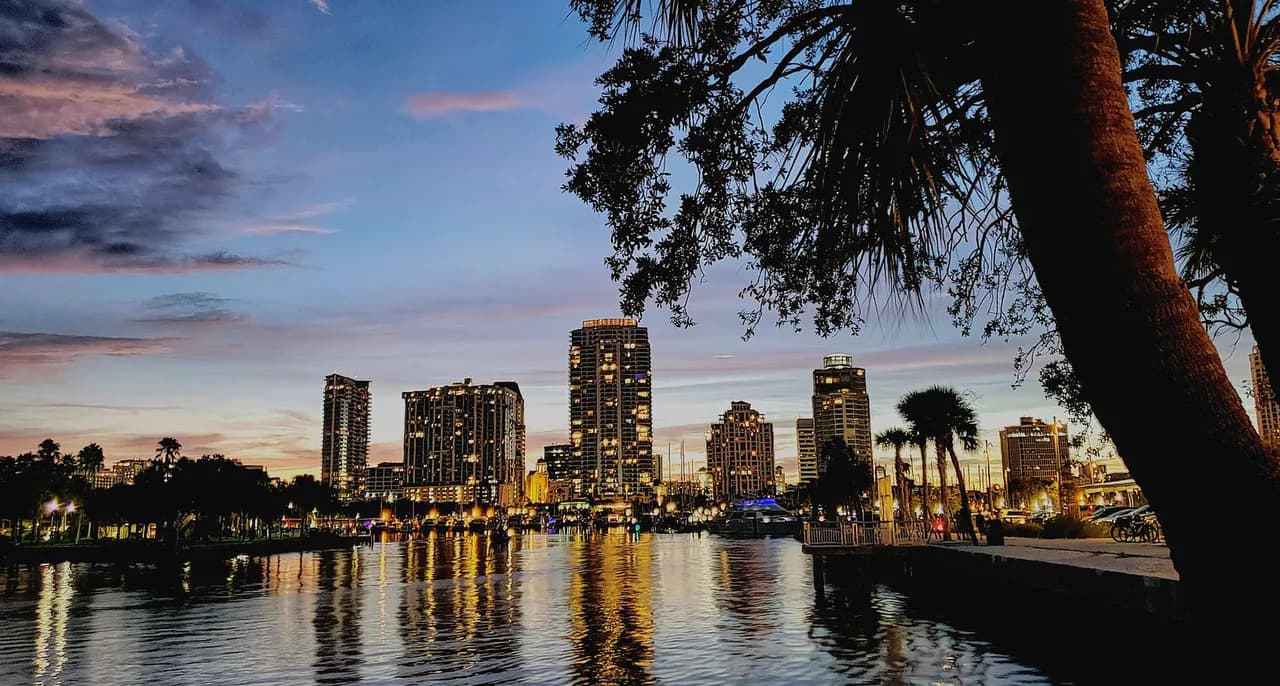
Base yourself either downtown St. Pete for restaurants and a short drive west, or on Madeira Beach or St. Pete Beach if the water is the point. From downtown, the beaches are a straight run west on the causeways; from the beach towns, Fort De Soto is a short drive south and the boat marinas are minutes away.
Parking fills early at the Gulf beach access points on summer weekends, and Fort De Soto charges a park entrance fee per vehicle, so arrive before mid-morning or come late in the afternoon. Read the park's official page for the current fee and hours before you go.
Plan Your St. Pete Snorkel Day
Choose a Gulf beach for an easy, free-feeling shore swim at Fort De Soto, Madeira Beach or St. Pete Beach, and choose a boat to Shell Key, Egmont Key or the bay reefs when you want structure and a skipper who reads the tide.
Go early, watch the wind direction, keep your distance from wildlife, and check the National Weather Service marine forecast before you commit to a boat. Snorkeling here is about calm water and small discoveries, not coral spectacle, and that is exactly what makes it work for families.
Explore more St. Petersburg snorkeling
Frequently Asked Questions
Where can you snorkel from shore near St. Petersburg, Florida?
The Gulf beaches at Fort De Soto Park, Madeira Beach and the St. Pete Beach stretch offer the easiest sand entry, with shallow water and a slowly building depth that suits beginners and kids. Fort De Soto has more submerged structure and seagrass than the beach towns, while the town beaches are closer to the city and simpler to reach.
Is there good snorkeling in Tampa Bay?
The bay side is warmer and murkier than the Gulf, with shorter visibility, but its artificial reefs, pilings and channel edges hold fish and are best reached by boat rather than by a long shore swim. It is the better pick on a windy day when the Gulf is churned.
Which boat tours from St. Pete include snorkeling?
Operators out of Madeira Beach, St. Pete Beach and the St. Pete marinas run trips toward Shell Key and Egmont Key, some as dedicated snorkel outings and others as dolphin cruises with a swim stop. Third-party booking pages list island-hopping eco tours in the area, so compare what is included in each rate.
Do you need your own gear to snorkel in St. Petersburg?
For shore swims at Fort De Soto or the beach towns you bring your own mask, snorkel and fins, since there is nothing to rent on the sand. Many guided boat trips include gear, so ask what is supplied before you pack.
Is Clearwater or St. Pete Beach better for snorkeling?
Both are similar calm, shallow Gulf beaches with sand bottom and modest visibility, so the choice usually comes down to which is closer to your base. St. Pete Beach and Madeira Beach sit closer to the Fort De Soto shore entries and the southern boat departures.
What is the closest beach to St. Petersburg, Florida for snorkeling?
The St. Pete Beach and Madeira Beach stretch is the closest Gulf shoreline to downtown St. Pete and the simplest for a quick swim, while Fort De Soto Park is a somewhat longer drive south but offers more structure and seagrass.
Sources
Snorkeling notes for your next trip
Optional updates to our snorkeling guides.
You might also like
Continue reading
More guides you'll find useful