Caladesi Island Snorkeling: A Boat-Access Beach Guide
Caladesi Island snorkeling is shallow, sandy and boat-access only. Here is what the water is really like, who it suits, and how the ferry works.
On this page
Caladesi Island is a 2,436-acre state park off Dunedin with three miles of beach that you can only reach by water, which keeps the sand quiet even in the height of summer. Florida State Parks lists snorkeling among the main activities here, and the appeal is the setting more than reef structure. This guide is for swimmers and families who want a calm, uncluttered beach day with a mask on, not for snorkelers hunting coral.
Plan around the Gulf, not around a reef. The water over the sand is shallow and easy to wade, the bottom is pale sand and shell hash, and clarity swings with wind, tide and recent rain. On a settled day you can see the bottom well into waist-deep water; after a blow the same spot turns milky.
What Caladesi Island snorkeling is really like
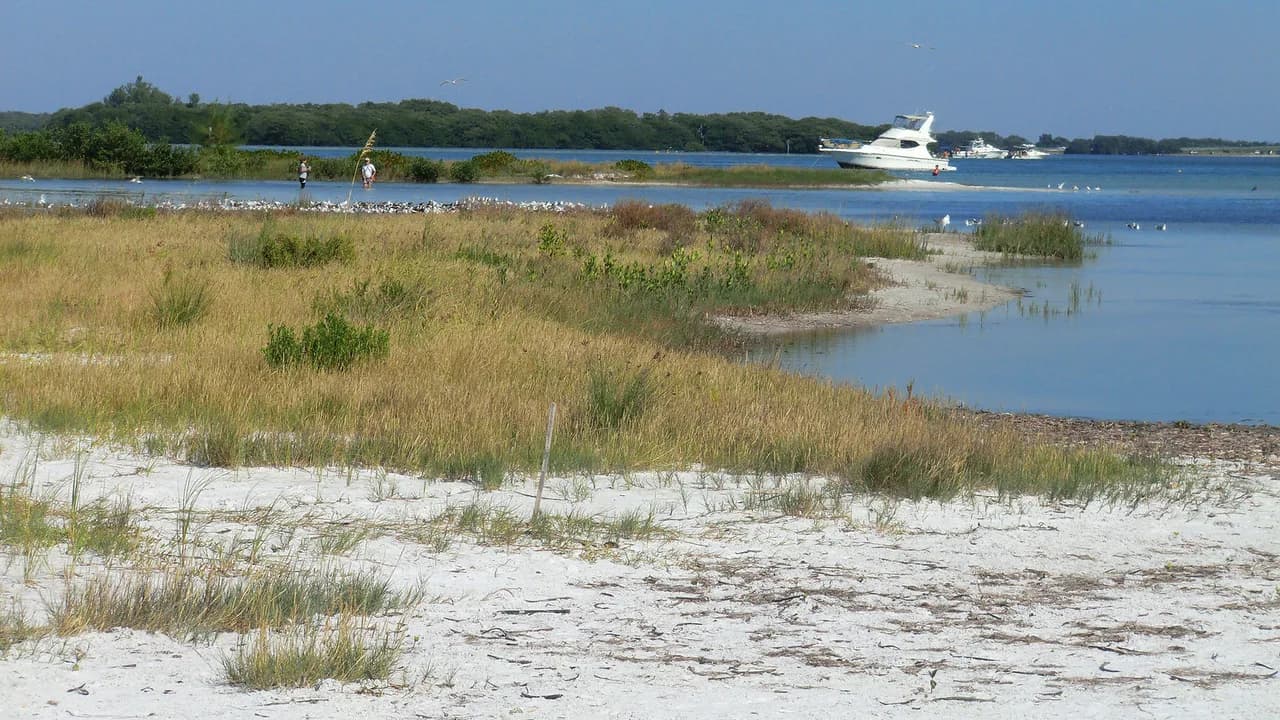
Set expectations before you book the boat: this is shallow Gulf sand, not a coral reef. Florida State Parks promotes snorkeling as one of the reasons to come, but the underwater scenery is open sand, shell beds, seagrass edges and whatever baitfish and small bottom dwellers happen to be around. On a clear, calm morning it makes a lovely, easy float along the beach; on a stirred-up day it is mostly a swim.
Visitors who arrived expecting a reef have been disappointed, and visibility can drop to almost nothing when the Gulf is churned. Read that as a condition report rather than a verdict on the island: the same beach that is flat and grey after a front can be clear and inviting a few days later.
The honest trade-off is this: come for the quiet beach, the shelling and the swimming, and treat whatever you see underwater as a bonus. If a defined reef with structure and fish clouds is the goal, spend your day elsewhere and use Caladesi as a beach stop; for clear, spring-fed water instead of Gulf sand, compare snorkeling in Florida springs.
Where the park sits and why there is no road in
Caladesi Island State Park lies off Dunedin at the north end of the Pinellas barrier islands, across the water from Honeymoon Island State Park. There is no bridge and no road in, so every visitor arrives by boat, ferry or paddle craft. That single fact shapes the whole day: you commit to a crossing, you carry everything you need, and you leave when the boat leaves.
Because access is limited, the beach stays far quieter than the Dunedin causeway or the Clearwater strands. It also means no quick run back to the car for a forgotten towel, cooler or second mask. Pack as though you are going to an island, because you are.
Getting there: ferry, private boat or kayak
The Caladesi Island Ferry runs from Honeymoon Island and takes about 20 minutes each way. The company advertises departures roughly every half hour and a final return in the late afternoon, with the last boat collecting everyone from the island. Adult and child fares are posted on its schedules and pricing page, children under a certain age ride free and there is a military discount; the exact current figures are on that same page.
Dogs are not allowed on the ferry, so arrange care for pets before you go. The ferry crossing doubles as a wildlife cruise of sorts, and dolphin sightings on the run across St. Joseph Sound are a regular part of the trip. Keep your distance and let animals choose the interaction; never chase or feed them.
Private boats and kayaks give you freedom from the ferry timetable, and kayakers can launch from the Honeymoon Island side and cross. The trade-off is that you carry your own safety gear, watch the weather and boat traffic yourself, and give the marked channels room. For a first visit with kids and snorkel gear, the ferry is the simpler option.
The beach layout: Gulf side, bay side and the mangrove trail
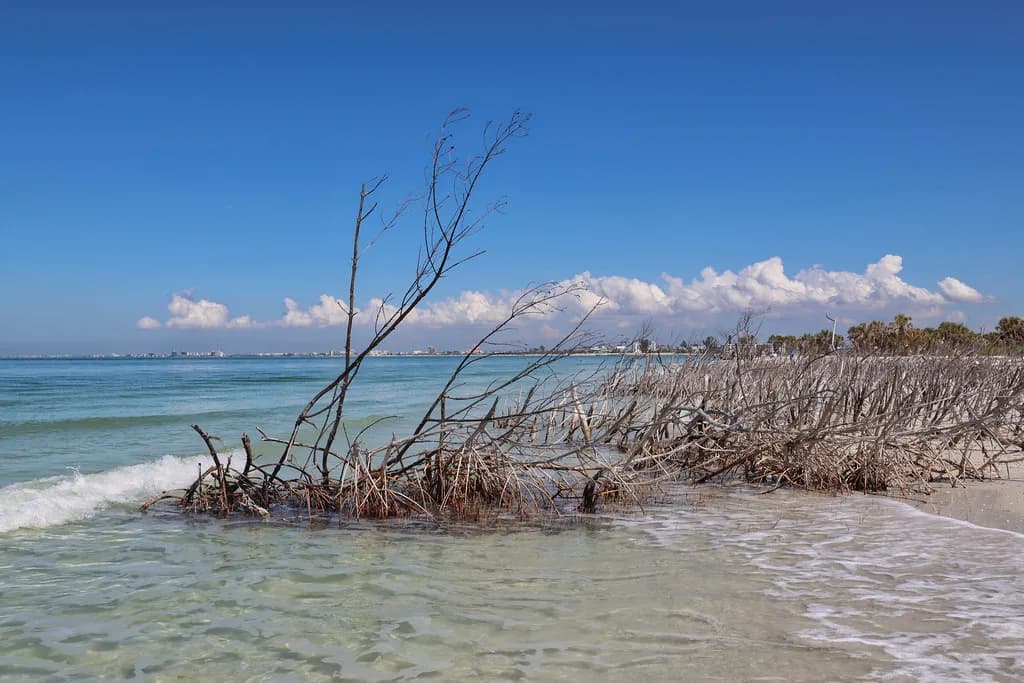
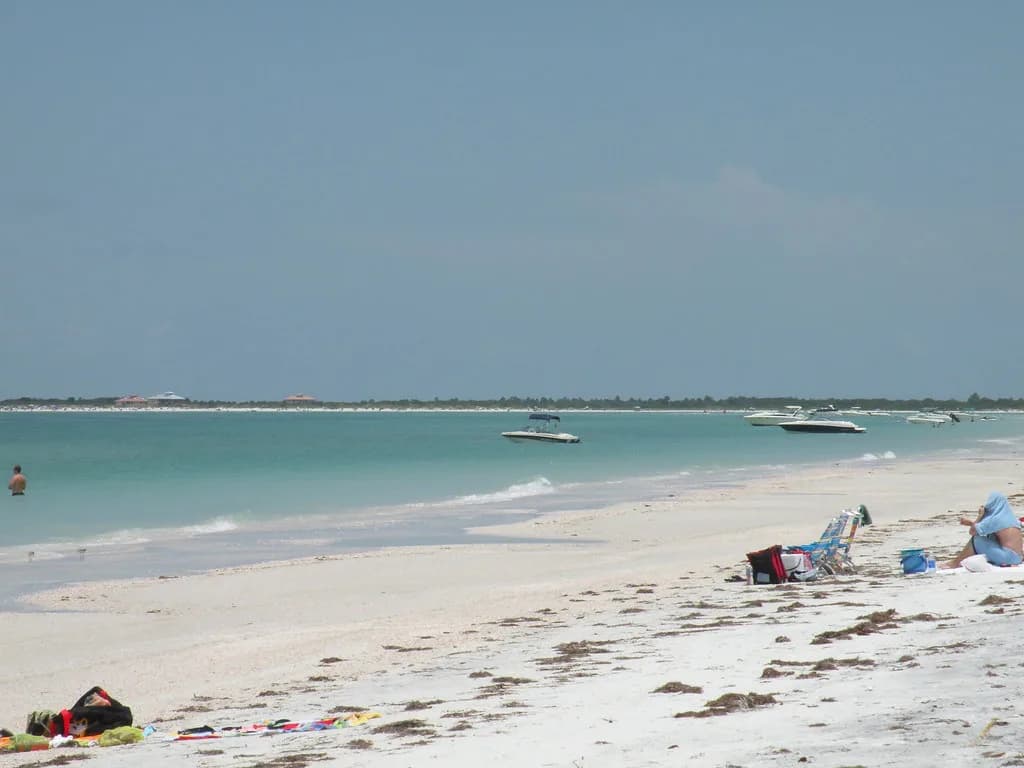
The island has two distinct shorelines. The Gulf beach faces west with the surf, the wide sand and the shell line, and it is where most people spread out. The bay side faces St. Joseph Sound and is typically flatter and calmer, which makes it the better choice when the Gulf is choppy or the wind is onshore.
Behind the beach, a trail threads through mangrove shoreline, and the state park treats the whole island as a place for beachcombing and exploring. Walking the trail is a good way to break up a long beach day and to see birds and fiddler crabs. Carry water, wear shoes on the trail and keep to the path.
Getting in the water: sand entry, depth and wading
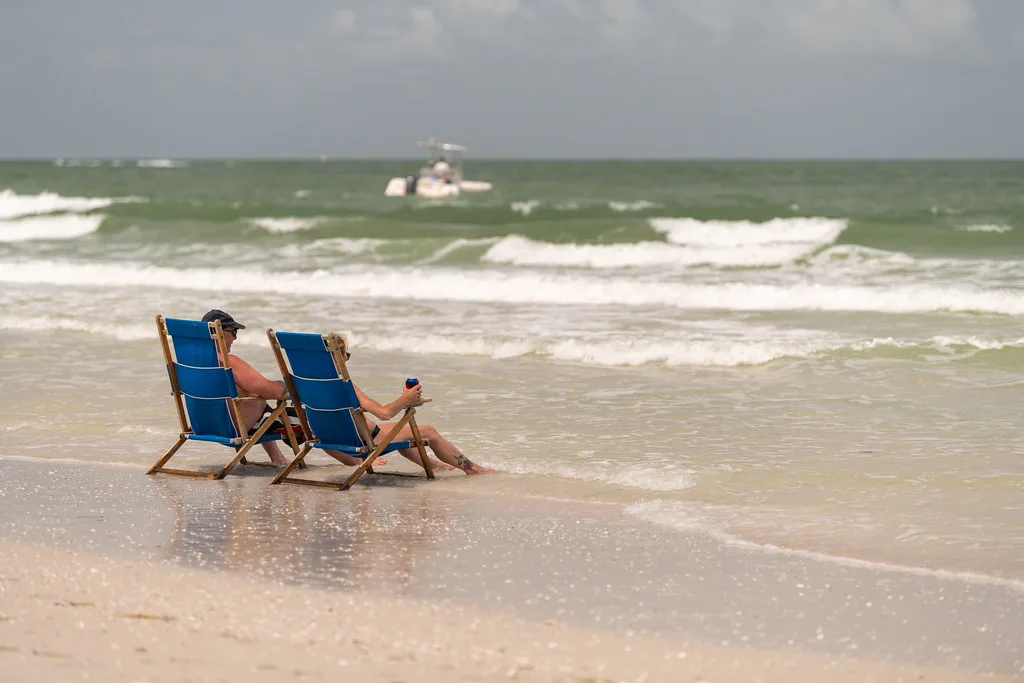
Entry is barefoot sand from the Gulf beach, with no rocks, ledges or ladder to negotiate. The bottom shelves gently, so you can wade a long way before the water reaches your chest, which is exactly what makes this a comfortable spot for children and tentative swimmers. Snorkel in the shallows where you can still stand, and swim with a buddy beyond that.
On the bay side the water is shallower still and the bottom soft in places. Pick your spot by looking for firm sand and a clean entry, and shuffle your feet rather than stepping hard where the bottom is murky.
What you will see underwater
Expect a working shoreline rather than a showcase reef: pale sand, shell rubble, patches of seagrass and small fish that dart away as you approach. Shelling is one of the park's signature draws, and the same shell beds you walk over on the dry sand continue into the shallows, which is where the small crabs and snails live. Keep live shells and occupied shells where they are.
Above the water, the island is known for birds and for dolphins working the sound. The ferry crossing is the most reliable place to spot dolphins, and the beach itself is good for pelicans, gulls and shorebirds. Give nesting shorebirds a wide berth and stay out of posted nesting areas.
Skill level and who it suits
Caladesi suits beginners, families with kids and anyone who wants a calm swim with a mask. The sand entry, shallow depth and lack of reef structure make it forgiving, and the bay side gives you a backup when the Gulf is rough. Strong swimmers will find it pleasant but not demanding.
Snorkelers chasing reef fish, coral or ledges should look elsewhere and treat Caladesi as a beach day. If you want a Gulf sand-bottom swim close to St. Petersburg with easy road access, compare options in this guide to snorkeling in st petersburg before you commit to a ferry crossing.
Best time to go for clearer water
Go early. Morning tends to bring lighter wind and flatter water on the Gulf, and the beach is at its emptiest before the first big ferry loads land. Aim for a falling or low tide if you want the widest beach and the shallowest wading, and check the marine forecast the evening before.
Wind direction matters more than anything else here. An onshore Gulf breeze builds chop and stirs the sand, so on those days head to the bay side or plan to swim rather than snorkel. After a strong front or heavy rain, give the water a day or two to settle.
Hazards and safety
Treat this as an exposed Gulf beach with the usual coastal risks: surf and shorebreak on windy days, rip currents near the sandbars and strong sun with little shade on the open beach. There is no reef to shelter you from swell, so watch the water for a few minutes before you commit, and get out if the surf picks up.
Snorkel with a buddy, stay inside the depth where you can stand, and keep a bright color visible on the water. Children need a adult within arm's reach. Check the marine forecast and any posted advisories from Florida State Parks or the ferry operator before you cross, and change plans if the water is up.
Parking and fees
If you drive to the ferry, you park on the Honeymoon Island side and pay the state park entry there; keep your receipt and arrive with time to spare for the crossing. The ferry fare is separate from park entry. The ferry company lists current round-trip fares, child rates and a military discount on its schedules and pricing page, so check that page before you go rather than relying on older trip reports.
Bring cash or a card for the ferry, and note that the last return of the day is fixed. Missing it means a long, expensive problem. Plan your swim and walk so you are back at the dock with a comfortable margin.
Facilities and rules
The island has restrooms and picnic areas, which makes it practical for a full day with kids and coolers. There are no shops on the island, so bring food, water, sunscreen and a dry bag from the mainland. Reef-safe sunscreen is the sensible default anywhere in Florida waters.
Shelling has limits: take only empty shells, and leave live or occupied shells, starfish and sand dollars in place. Wildlife rules apply to dolphins on the crossing and to birds on the beach, so keep your distance and never feed or handle animals.
Combining Caladesi with Honeymoon Island and the causeway
Because the ferry leaves from Honeymoon Island, the two parks pair naturally in one day or across two. Honeymoon has the road access, the longer beach and its own facilities; Caladesi has the boat-only quiet. Many visitors do the causeway and Honeymoon beach in the morning and take an afternoon ferry across.
For a wider tour of Gulf sand-bottom snorkeling in the area, egmont key snorkeling offers a different, boat-based day with more structure and history. If you want a quieter paddle-and-wade option south of the bay, look at shell key snorkeling and plan around tides and boat traffic.
Caladesi versus Honeymoon Island for snorkeling
Honeymoon Island is the easier day: you drive in, park near the beach and choose between the Gulf shore and the calmer bay side. Caladesi is quieter and more of an outing, with a ferry ride and a fixed last return dictating your schedule. The underwater experience is broadly similar sand-bottom Gulf water at both.
Pick Caladesi when the quiet and the boat ride are part of the point, and pick Honeymoon when you want flexibility, a shorter walk with gear or an early start before the wind builds. With kids, Honeymoon's road access makes a mid-day exit far simpler.
Nearby spots worth adding
Fort De Soto Park, south of St. Petersburg, adds a different day with sheltered bayside beaches, a historic fort and calm water that suits beginners. Its Mullet Key beaches give you another shallow, sandy snorkel option when the Gulf is up.
If you are building a week around the Dunedin and St. Petersburg coast, mix one boat-access day at Caladesi with one road-access Gulf beach and one paddling day. That combination covers the range of conditions this coast throws at you.
Plan Your Caladesi Snorkel Day
Caladesi Island is a quiet, sandy, boat-access beach where snorkeling is a bonus rather than the headline. Go for the swim, the shelling and the empty sand, pack everything you need, and give yourself margin before the last ferry. Check the marine forecast with the ferry operator the day before you go and adjust between the Gulf and bay sides as the wind dictates.
Frequently Asked Questions
Is there good snorkeling at Caladesi Island?
It is a shallow sand-bottom Gulf beach rather than a reef, so snorkeling is easy and beginner-friendly but light on structure and fish. On calm, clear days you get a pleasant float over sand and shell beds; after wind or rain the water turns murky and it becomes a swimming day.
Can you snorkel off Caladesi Island beach?
Yes. You walk in from the sand on the Gulf side and wade a long way before it deepens, and the bay side is flatter and calmer when the Gulf is choppy. Stay where you can stand, go with a buddy and watch the surf before you commit.
How do you get to Caladesi Island?
There is no road in. Most visitors take the Caladesi Island Ferry from Honeymoon Island, a crossing of about 20 minutes with departures roughly every half hour and a fixed last return. Private boats and kayaks also reach the island.
How much does the Caladesi Island ferry cost?
Fares are set by the ferry operator and posted on its schedules and pricing page, with child rates and a military discount. Check that page before you travel, and budget separately for state park entry on the Honeymoon Island side.
Is Caladesi Island better than Honeymoon Island for snorkeling?
The water is similar sand-bottom Gulf, so the choice is about access rather than fish. Honeymoon gives you road access and flexibility; Caladesi gives you a quiet, boat-only beach and a fixed return time. Families often prefer Honeymoon for the easier exit.
Is Caladesi Island worth visiting?
Yes, if you want a quiet beach, good shelling and a scenic boat ride. It is less compelling as a dedicated snorkel destination, so pair it with a beach day rather than planning your trip around underwater scenery.
Are there lifeguards at Caladesi Island?
Plan on self-reliance on an exposed Gulf beach: watch the surf and currents, keep children within arm's reach and snorkel with a buddy. Check with the ferry operator or Florida State Parks for current staffing or advisory information.
Can you bring food and dogs to Caladesi Island?
Bring your own food and water, since there are no shops on the island and picnic areas are available. Dogs are not allowed on the ferry, so arrange pet care before you go.
Sources
Snorkeling notes for your next trip
Optional updates to our snorkeling guides.
You might also like
Continue reading
More guides you'll find useful