Fort De Soto Snorkeling: Where to Get In and What You'll See
Fort De Soto snorkeling means shallow grass and sand in calm Gulf water, not coral. Find the wading entries, what you'll see, and how to plan a family day.
On this page
Fort De Soto is at its best for snorkelers who want a calm, shallow wade from the sand rather than a coral wall. The park spreads across Mullet Key at the mouth of Tampa Bay, so one visit can put you in gentle bay-side shallows or rolling Gulf surf depending on which beach you pick. Families with kids and casual swimmers get the most from it; strong swimmers who want depth and structure should plan a boat day as well.
Expect sand, seagrass and scattered rock and shell rather than reef coral. That shapes everything else: you choose your beach for calm water, you read the wind before you park, and you treat the passes and channels as places to stay clear of. The payoff is a low-pressure swim that fits easily into a beach morning with restrooms and shade nearby.
Why Fort De Soto Suits a Snorkel Day
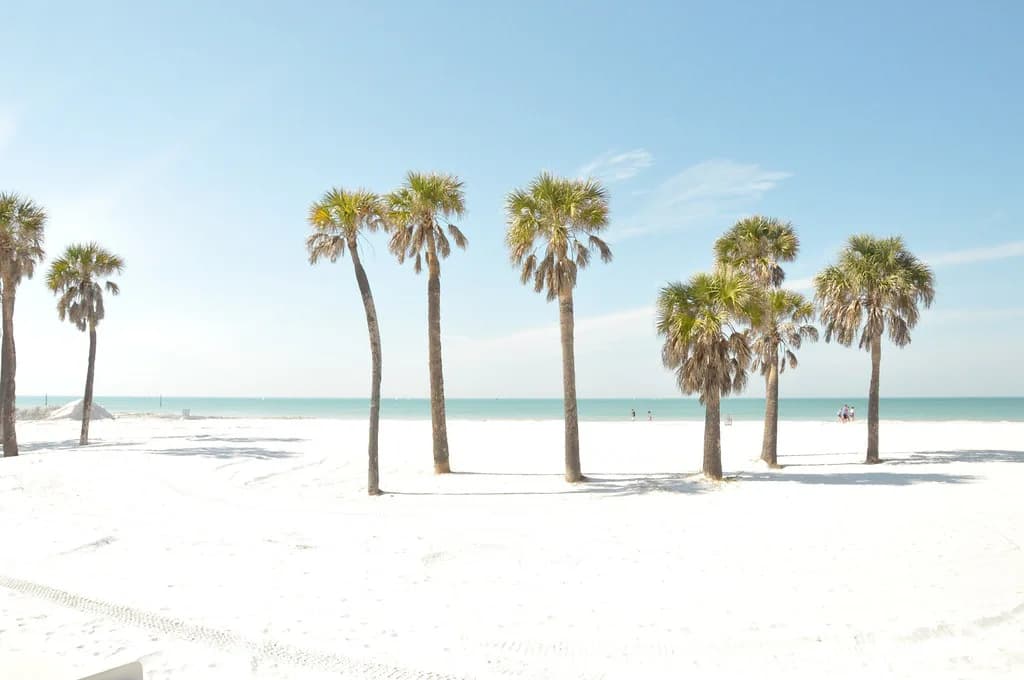
The park's draw is variety in a small area: Gulf beaches on the outer side, calmer bay water inside, a historic fort, trails and paddling routes. Fort De Soto Beach offers swimming, biking, paddling and wildlife watching in one coastal setting, which makes it easy to build a day around one short snorkel session rather than a single-purpose trip.
Be honest about what the water offers. Much of the bottom is sand and seagrass, so the appeal is clear shallow water, easy entries and the chance to watch small fish and invertebrates in the grass. If your goal is colorful coral and big ledges, this is a companion stop to a boat trip, not a substitute for one.
How the Park Is Laid Out
Think of Fort De Soto in three zones. The Gulf-side beaches face open water and pick up surf and wind; the bay-side shore along Mullet Key Bayou is sheltered and shallower; and the fort sits at the center as a historic landmark with paths connecting the pieces. Camping along the bayou waterfront is part of the park's layout, with 238 sites that include water and electrical hookups, a picnic table and a grill.
That split decides your day. On a windy morning, head for the sheltered bay side where the surface stays flatter and wading is easier; on a calm, glassy morning, the Gulf beaches give you clearer sightlines and firmer sand underfoot. Check the wind direction before you choose a parking area, because crossing the park takes time.
Getting In
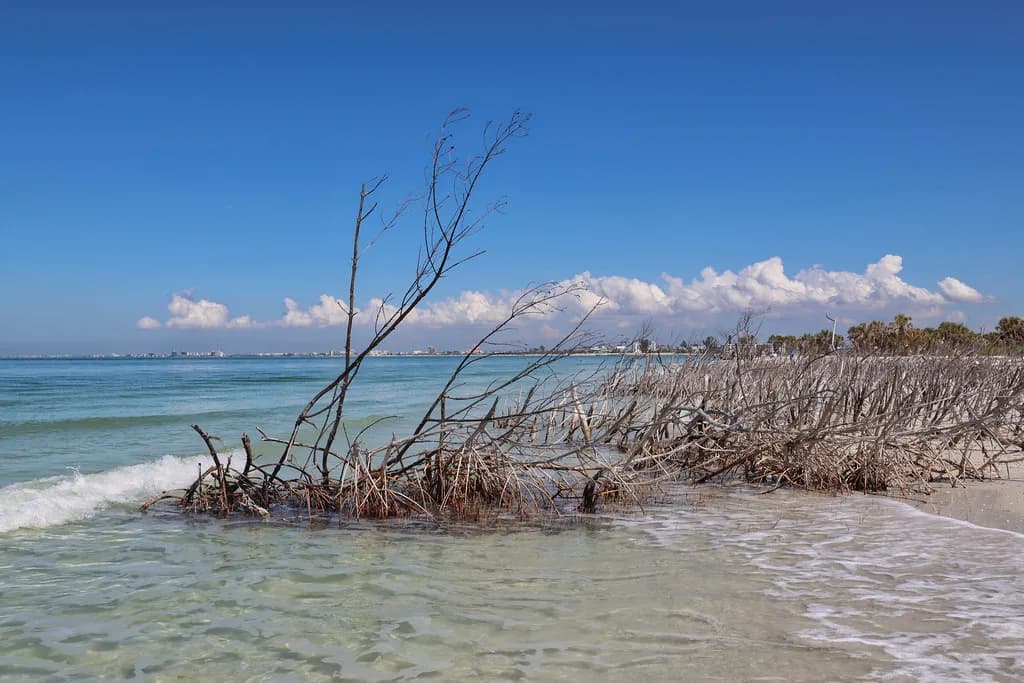
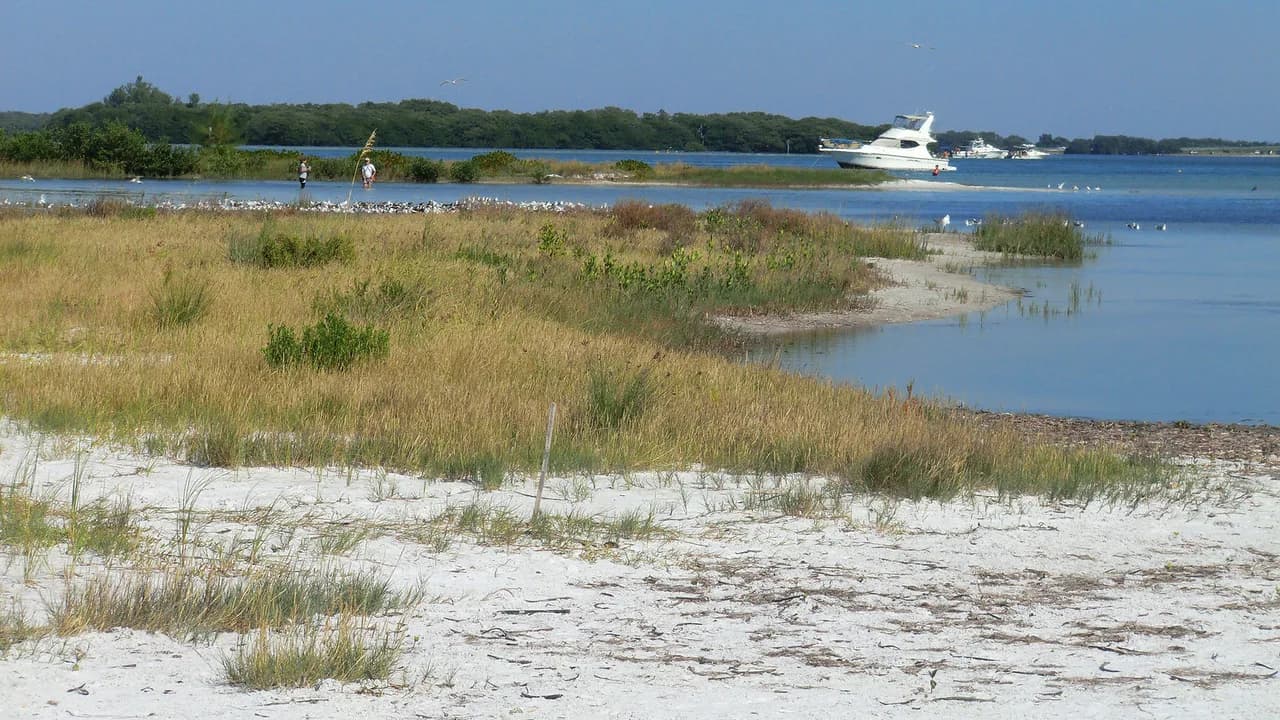
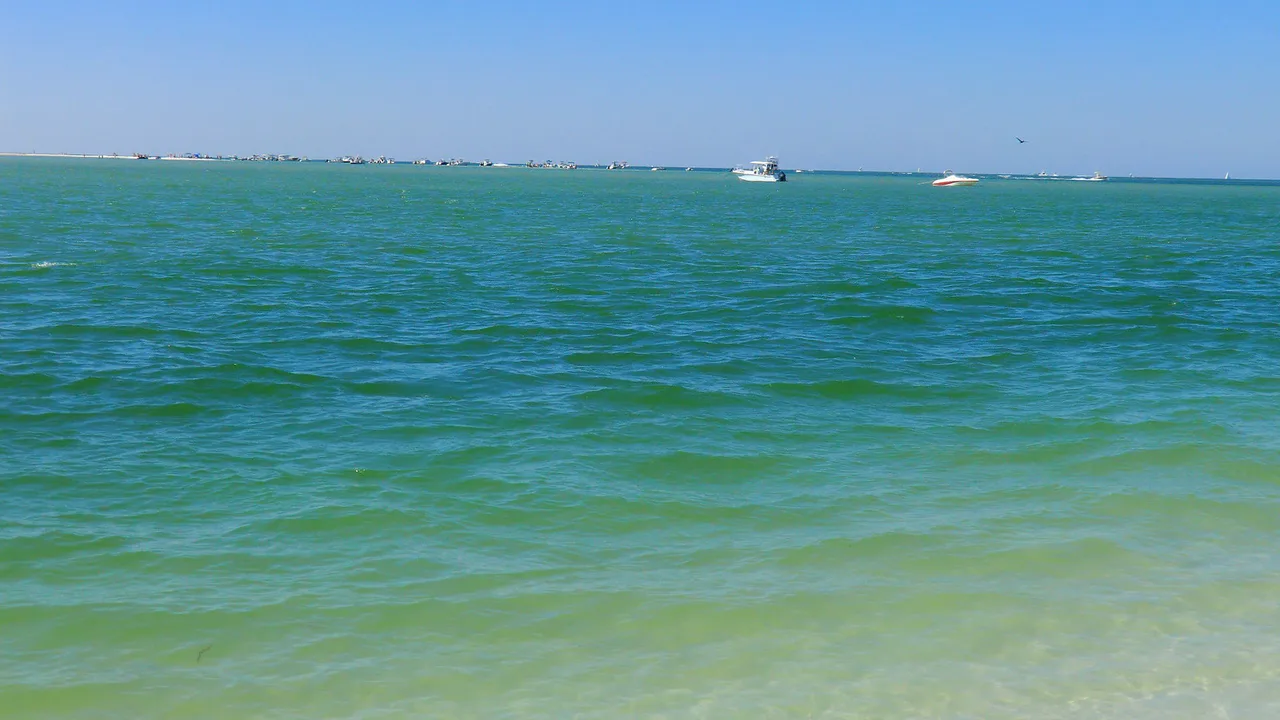
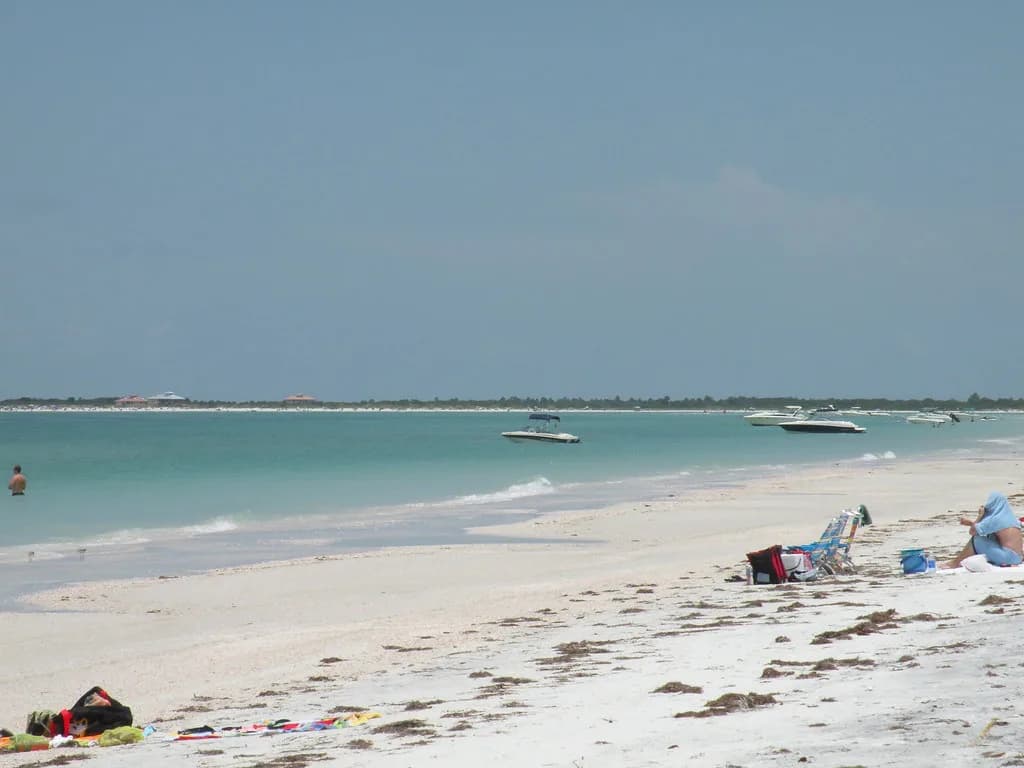
Entry here is by walking into the water from the sand, so the quality of the swim depends on the beach you choose. Bay-side beaches give you a gradual, shallow wade over sand and grass, which suits kids and new snorkelers. Gulf-side beaches can have a shore break and a steeper slope, so pick a calm day or stay in the shallows.
Wear foot protection. Scattered shell, rock and seagrass patches are common in shallow Florida grass flats, and a thin reef shoe or closed water sandal makes the walk out more comfortable than bare feet. Enter slowly, watch where you put your hands and knees, and shuffle your feet in sandy patches where stingrays rest.
Depth and the Bottom
The snorkelable zone is the shallow shelf just off the beach, where you can stand or float over sand and grass within easy distance of shore. Depth stays modest close in, so most of your viewing happens in the top few feet of water. You do not need to swim far out: the grass edges near the beach are where the small life concentrates.
Keep the deeper water and the passes out of your plan. Channels and pass mouths carry boat traffic and stronger flow, and they are not places to drift with a snorkel. Stay parallel to the beach, keep shore within easy swimming distance, and turn back before you feel the pull of moving water.
What You Will See
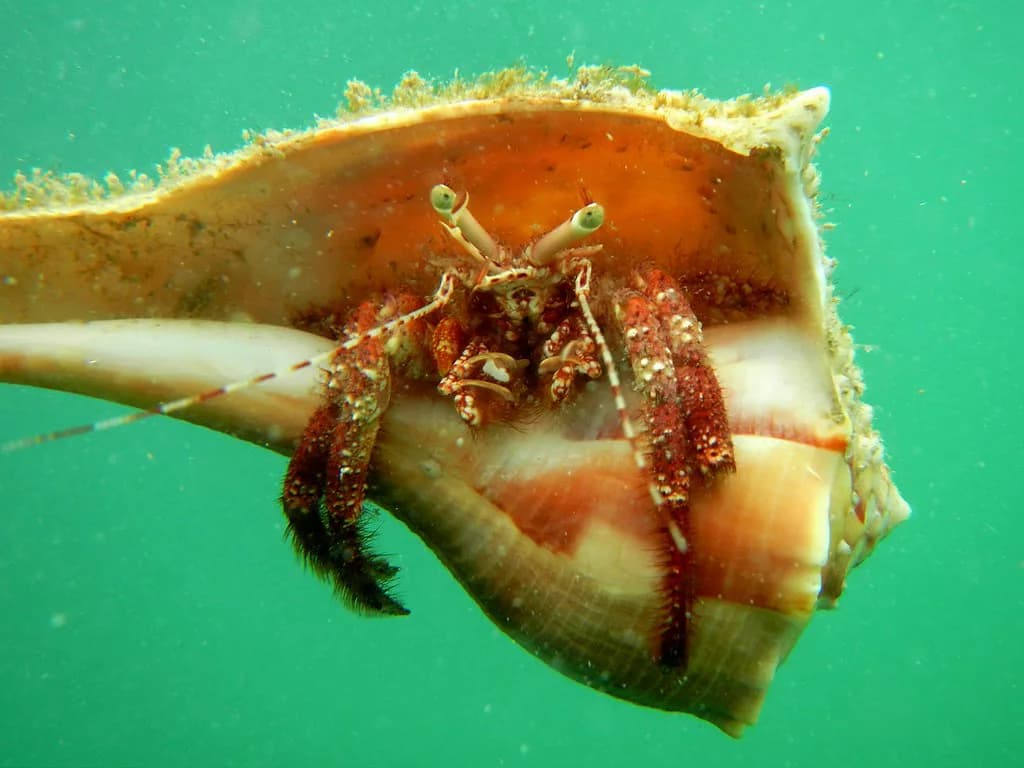
Look for the small stuff. Grass flats hold schooling baitfish, pinfish, small crabs, starfish and the occasional ray gliding over sand patches, and the seagrass itself is the habitat. Work slowly along the grass edges and let fish settle around you instead of chasing them.
Sightings vary by season, tide and luck, so treat any list as a possibility rather than a promise. The park is known for birdlife and paddling through wildlife-rich water, and the same shallows reward patient, quiet observers. Never touch, feed or chase animals, and give turtles and rays plenty of room to move away.
Skill Level and Kids
Fort De Soto is a beginner-friendly snorkel destination when you choose calm mornings and bay-side entries. Shallow water, sandy footing and short swims back to shore make it manageable for children who are comfortable in the water with an adult beside them. Weak swimmers should stay in the shallows with flotation and a buddy.
Strong swimmers and photographers will find the Gulf side more interesting on flat days, but the park does not offer the depth or structure of a dedicated offshore reef. Plan your session around the least confident person in your group and the day works better for everyone.
Best Time of Day, Season and Wind
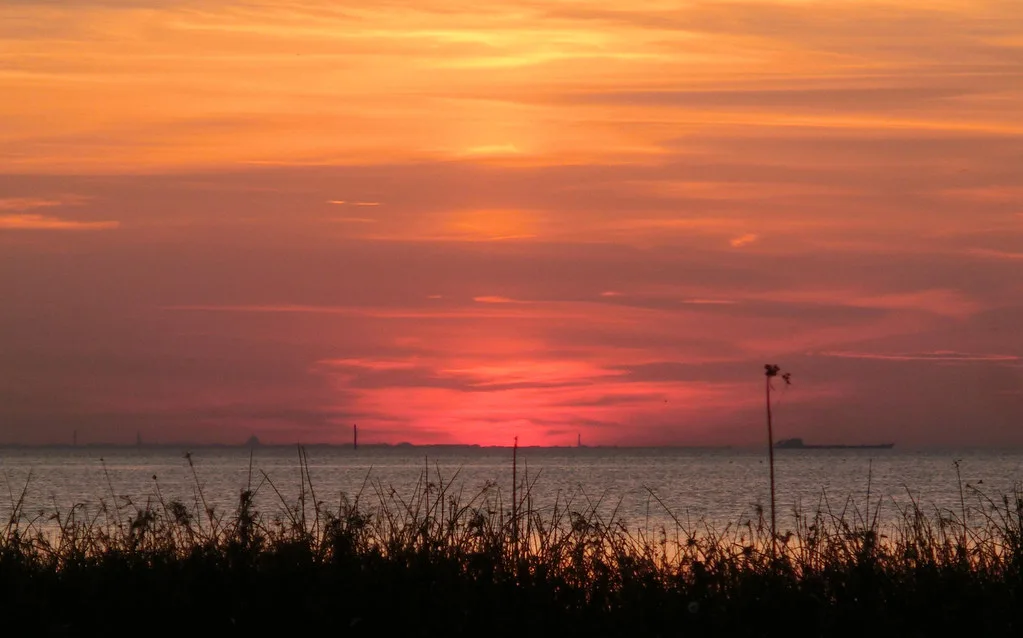
Early morning usually brings the lightest wind and the flattest water, which matters more here than the clock. Afternoon sea breezes build chop on the Gulf side first, so a morning session gives you the widest choice of beaches. Check the marine forecast for wind speed and direction before you commit to a side of the park.
Summer means warm water and heat; winter can bring stronger fronts and cooler, choppier days. On a windy day, use the bay side; on a calm day, use the Gulf side. Tide matters less than wind here, but a rising tide over the flats often gives you a little more depth to float over the grass.
If conditions turn, the park still works as a beach day: the fort, trails and paddling routes fill the time. That flexibility is why Fort De Soto is a good base for a mixed group.
Hazards
The main hazards are moving water near the passes and boat traffic in the channels. Currents can run strong where water funnels between the Gulf and the bay, so keep your snorkeling close to the beach and away from pass mouths. Watch for boats and personal watercraft when you cross open water, and keep a bright float with you.
Add sun and heat to the list. Florida sun reflects off the water, so cover up, use reef-safe sunscreen and drink water through the day. Shuffle your feet in sandy shallows to avoid stepping on a resting stingray, and stay out of the water if a storm is building.
Parking, Fees and Hours
Fort De Soto Hospitality operates the park's beach services and rentals, and its site lists the park address as 3550 Pinellas Bayway S, St. Petersburg, FL 33715 along with contact details. Use the Fort De Soto Hospitality page for current rental offerings and opening information before you drive out.
Entrance and parking charges change, so get the current figure from Pinellas County's park page or Fort De Soto Hospitality before your visit rather than budgeting from an old blog post. Arrive early on weekends and holidays, when beach lots fill and you may end up parking farther from the sand.
Facilities and Rentals
The park is set up for a full beach day, with Fort De Soto Hospitality handling rentals at the beach and a base at the address above. Rental availability and pricing vary by season, so ask Fort De Soto Hospitality what is offered on your dates instead of assuming kayaks or chairs will be on the sand.
For rules, closures and safety notices, Pinellas County is the agency to check before you go. Build your plan so a closed beach or a red flag still leaves you with the fort and trails as a backup.
Rules and Wildlife Distance
Treat the grass flats and shallows as wildlife habitat. Keep a respectful distance from turtles, rays and birds, never feed or handle animals, and avoid standing on or pulling up seagrass. Reef-safe sunscreen and long sleeves reduce what washes off into the water you are swimming in.
Camping guests should follow park rules on quiet hours and site use; the campground has 238 sites with hookups and picnic tables.
Egmont Key as a Boat Day
Egmont Key sits offshore and is reached by boat, which makes it a different kind of outing from a beach wade. Visitors can snorkel on their own once they arrive, but the bottom is generally sandy rather than reef, so go for the island setting and history rather than expecting fish life.
If you want a tour that combines the crossing with time in the water, compare tour companies on what they include and where they land. Read up on egmont key snorkeling so your expectations match a sandy-bottom island visit rather than a coral reef.
Nearby Spots to Combine
Fort De Soto pairs well with other Pinellas County water days. Shell Key Preserve, south of the park across the pass, is a paddling and beach destination, and Caladesi Island State Park near Dunedin gives you another boat-access beach day if you want to extend the trip. If you would rather trade sand flats for clear spring water, Florida springs snorkeling is a freshwater alternative worth comparing.
Keep the driving realistic. Fort De Soto sits at the end of the Pinellas Bayway, so a second stop adds time on the road; pick one companion spot per day and give each a half-day rather than racing between them. Check Pinellas County park pages for hours and access before stringing two stops together.
A Half-Day Plan Around Tide and Wind
Start with the forecast. If wind is light and the Gulf is flat, park on the Gulf side and snorkel the shallow shelf in the morning, then walk the fort and trails as the breeze builds. If wind is up, choose the sheltered bay side and keep your session short and close to shore.
Work the tide into your entry. A rising tide gives you a bit more water over the flats, which helps smaller swimmers float over the grass; a falling tide exposes more shell and grass, making foot protection more important. Either way, keep a buddy, a bright float and a fixed turnaround time.
Finish with shade, water and a shower, and leave the deep water and passes alone. Pinellas County publishes current park rules and any closures, so one quick look at its page settles the details before you load the car.
Plan Your Visit
Fort De Soto snorkeling works best as a calm, shallow, family-friendly swim over sand and grass, with the Gulf for flat mornings and the bay side for windy ones. Choose your beach by wind direction, wear foot protection, stay clear of the passes and channels, and treat Egmont Key as a separate boat day.
Build a half-day around the lightest wind, bring reef-safe sunscreen and water, and confirm current park rules and fees with Pinellas County before you go. Used that way, the park delivers an easy, low-pressure snorkel that fits neatly into a wider St. Petersburg beach trip.
Frequently Asked Questions
Is Fort De Soto good for snorkeling?
It is good for shallow, calm-water snorkeling over sand and seagrass rather than coral reef. Beginners, kids and casual swimmers get the most from it, especially on the sheltered bay side when the wind is up.
Can you snorkel from the beach at Fort De Soto?
Yes, entry is by walking in from the sand. Bay-side beaches offer a gradual wade, while Gulf-side beaches can have a shore break, so pick your beach for the day's wind and swell.
What will you see snorkeling at Fort De Soto?
Expect seagrass, sand patches, schooling baitfish, small crabs, starfish and occasional rays. Sightings vary with season and tide, so treat any species as a possibility rather than a promise.
Do you need a boat to snorkel at Fort De Soto?
No. The main beach snorkeling is a shore entry. Egmont Key offshore is a boat trip, and its bottom is generally sandy rather than reef.
Is Fort De Soto snorkeling good for beginners and kids?
It can be, especially in calm morning conditions with bay-side entries. Keep children within easy reach, use flotation for weak swimmers and stay in the shallows.
What is the best time of day to snorkel at Fort De Soto?
Morning usually brings the lightest wind and flattest water. Afternoon sea breezes build chop on the Gulf side first, so an early start gives you more choice of beaches.
What are the main hazards?
Moving water near the passes, boat traffic in channels, sun exposure and stingrays resting in sand. Keep your session close to the beach, carry a bright float and shuffle your feet in sandy shallows.
Sources
Snorkeling notes for your next trip
Optional updates to our snorkeling guides.
You might also like
Continue reading
More guides you'll find useful