Shell Key Snorkeling: How to Get There and What You'll See
Snorkeling Shell Key Preserve means a boat ride to a shallow, undeveloped barrier island near St. Pete Beach, with seagrass flats and sandy cuts to explore.
On this page
Shell Key Preserve rewards snorkelers who want a quiet, undeveloped barrier island rather than a coral reef. The draw is shallow seagrass and sand bottom you can wade and float over, close to St. Pete Beach but cut off from the road network, which keeps the crowds thin and the water calm on the sheltered side. It suits families with kids and first-time snorkelers best, with the inlet end saved for stronger swimmers.
Because there is no bridge, your day starts with a boat decision: a shuttle from the Pass-a-Grille area, a charter, or a paddled kayak. The Visit Florida listing for the Shell Key shuttle describes a short boat ride of roughly ten minutes to shell, snorkel and swim. Sort out transport first, then plan the swim around the tide. For the state's clear freshwater alternative to this saltwater grass-flat swim, see our guide to snorkeling in Florida springs.
What makes Shell Key worth the boat ride
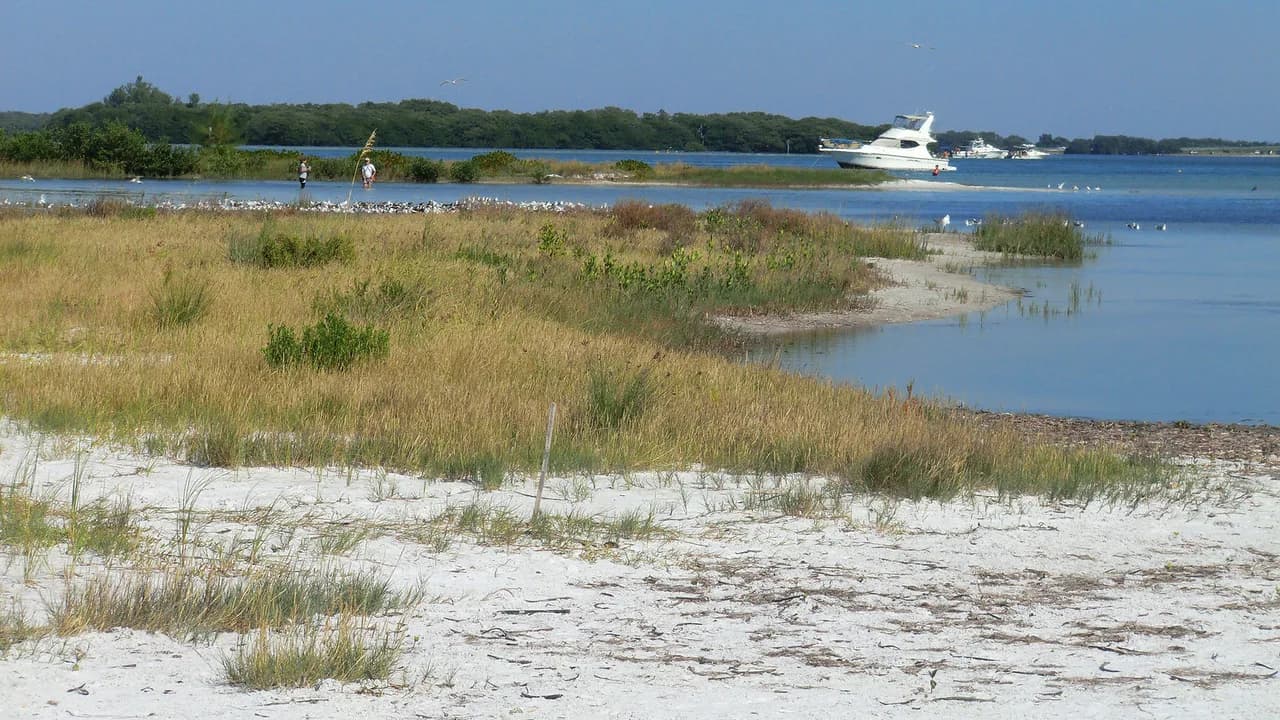
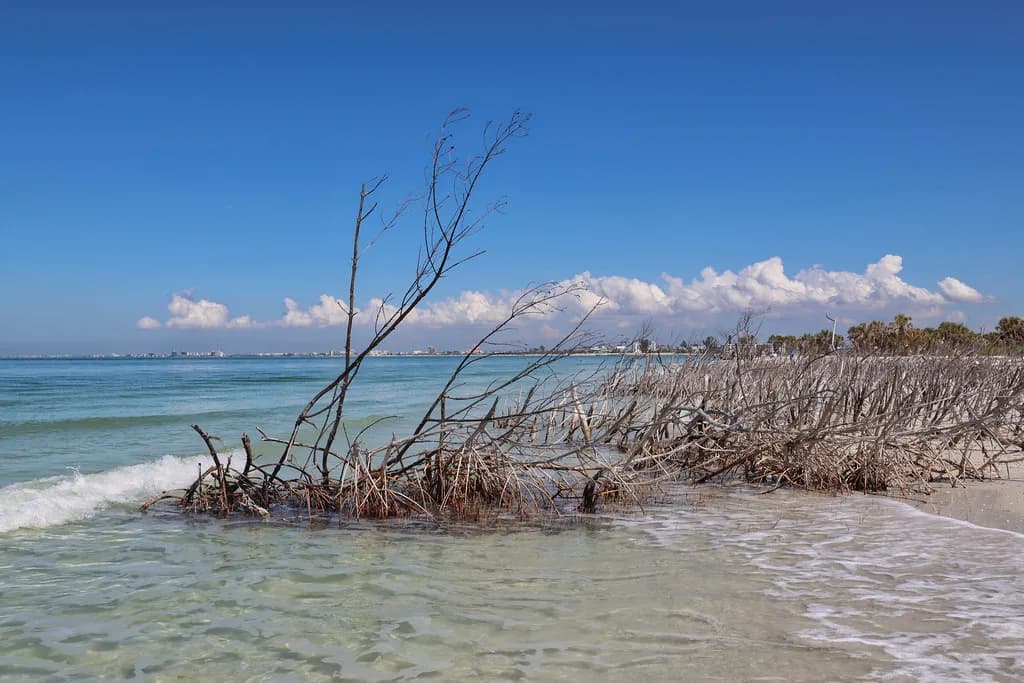
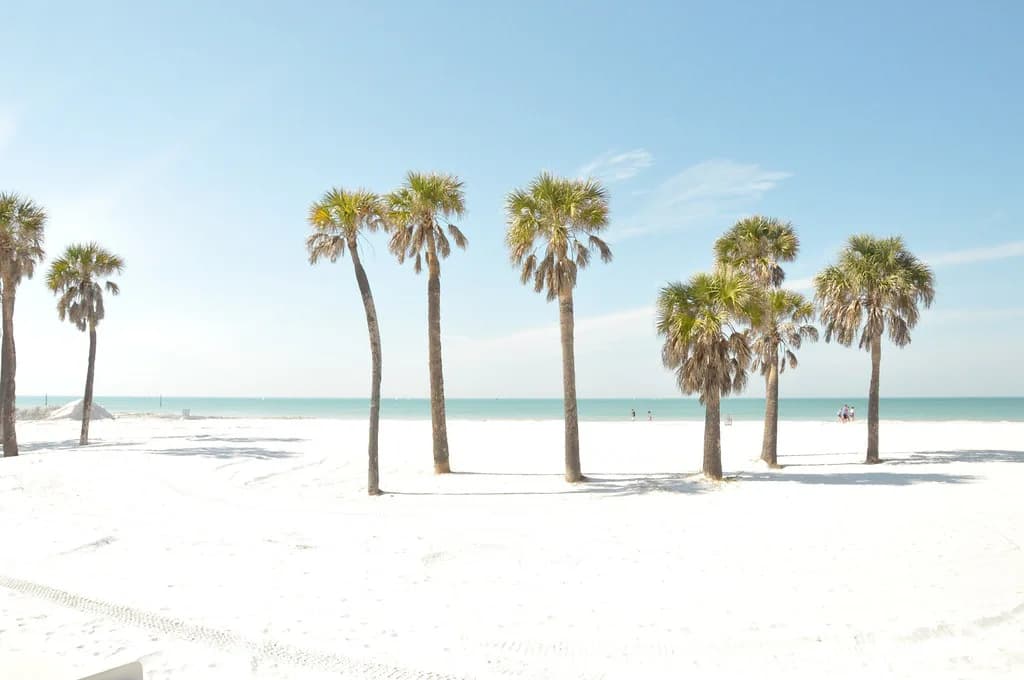
Shell Key is a low, sandy island at the southern end of Pinellas County's barrier chain, and it stays wild because nothing is built on it. Instead of coral, you get seagrass beds, sand flats and sandy cuts scoured by tidal flow. That habitat is why snorkelers come: clear shallows over grass hold far more small life than a bare sand beach, and the bottom stays within easy reach for most of the swim.
The trade-off is that everything you need arrives with you. Plan on carrying water, sun protection, snacks and your own mask and fins, and treat the boat ride as part of the day rather than a commute. If you want lifeguards, showers and paved parking, Fort De Soto Park nearby gives you a more serviced base for the same water.
Where Shell Key Preserve sits
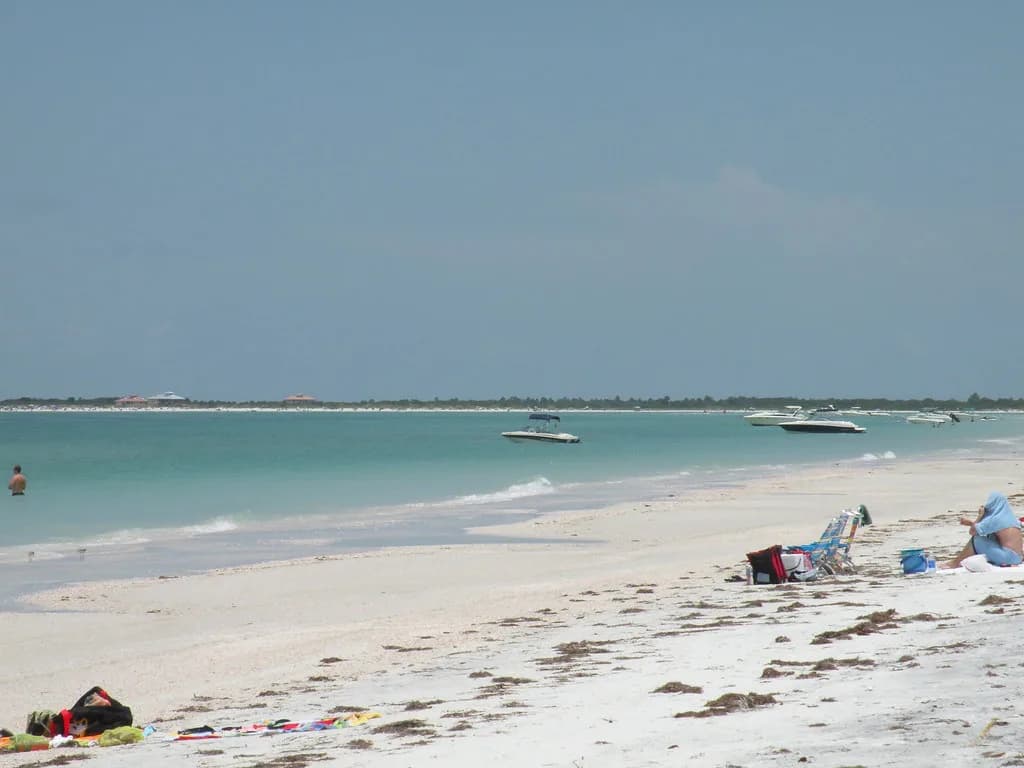
The island runs north to south, with Pass-a-Grille and the mouth of Blind Pass at its northern tip and an inlet channel cutting past the southern end. That shape dictates your swim: the bay side is shallower and more sheltered, while the Gulf side takes more swell and surf. Most snorkeling happens on the calmer bay-facing flats where the grass grows.
Pick your side by the wind. On a breezy day, the lee shore of the island is where the surface stays flattest and the sand stays visible; on calm mornings both sides can work. Walking the length of the island is easy on packed sand, so you can sample one side and shift if the chop builds.
Getting in: shuttles, charters and kayaks
There is no road onto Shell Key, so every visit begins on the water. A shuttle from the Pass-a-Grille side is the simplest option for a family with gear, dropping you near the beach for a few hours ashore. Charters add a guide and sometimes snorkel equipment and floating noodles, which helps if you are new to the water or traveling without gear.
Kayakers launch from the Pass-a-Grille area and paddle across, which gives you freedom to follow the grass edges but demands a weather eye for the trip home. Whichever route you take, book ahead in season and ask the shuttle or kayak company where they land and how long you get ashore, because that determines how much ground you can cover on foot.
Once ashore, entry is off the sand: wade in from the beach until the bottom drops into the grass flats, then float rather than stand. Boats anchor off the beach, so keep your swim line inside the shallows and away from anchor lines. It is the easiest entry of any Pinellas barrier island, with no rocks, ladders or stairs to manage.
How a snorkel day here actually works
Start in waist- to chest-deep water off the beach, where the bottom is sand and sparse grass. As you move along the shore, the grass thickens and small fish appear over the blades. Follow the sandy cuts, the bare channels between grass beds, because that is where tidal flow concentrates food and where rays and larger fish cruise.
Keep the deeper inlet channel as your boundary. The southern inlet carries more water and more current than the flats, so only strong swimmers should edge toward it, and only around slack water. For most snorkelers, an hour or two of drifting over the grass in knee- to chest-deep water covers the best of the island.
What you will see
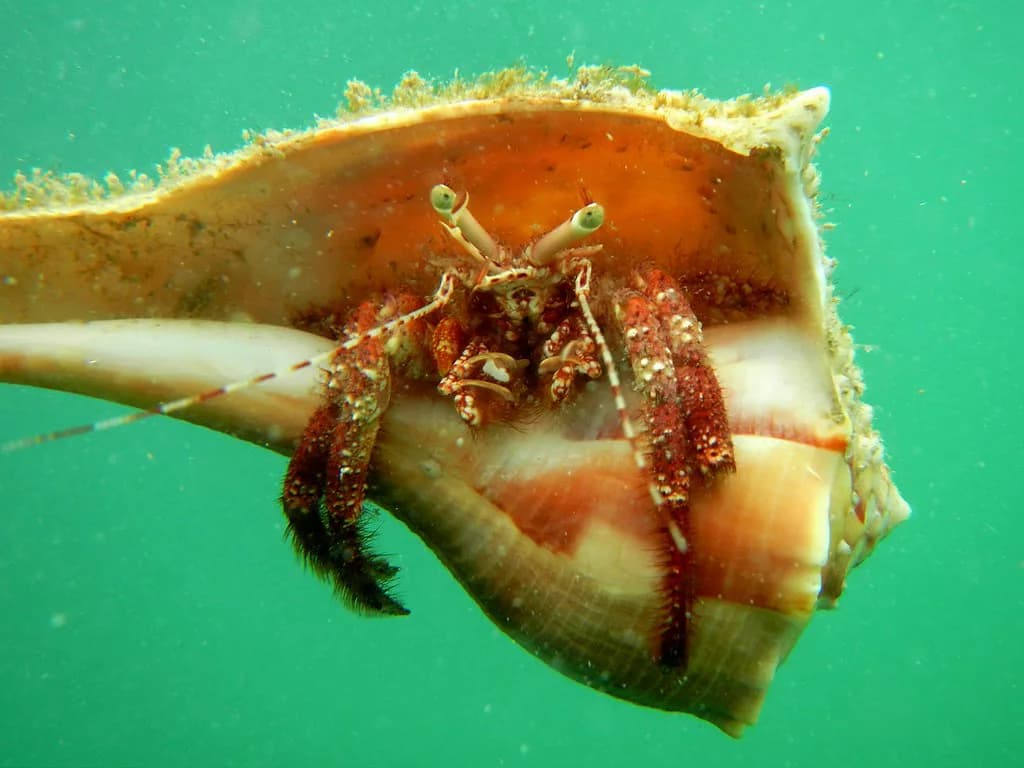
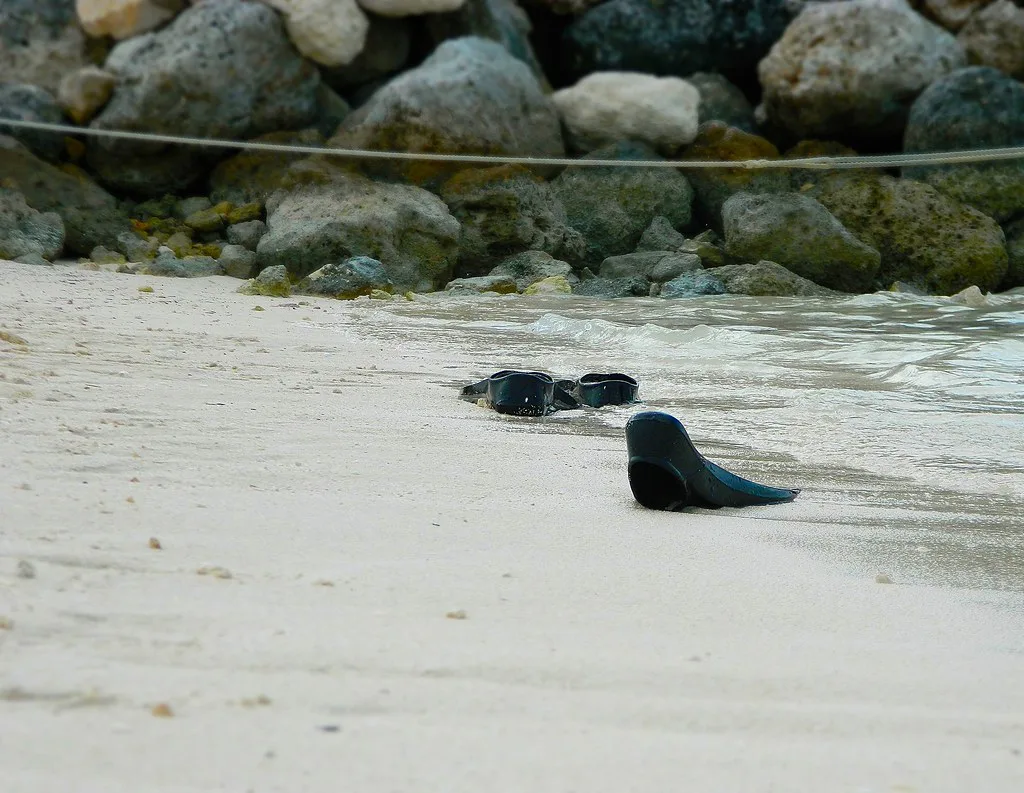
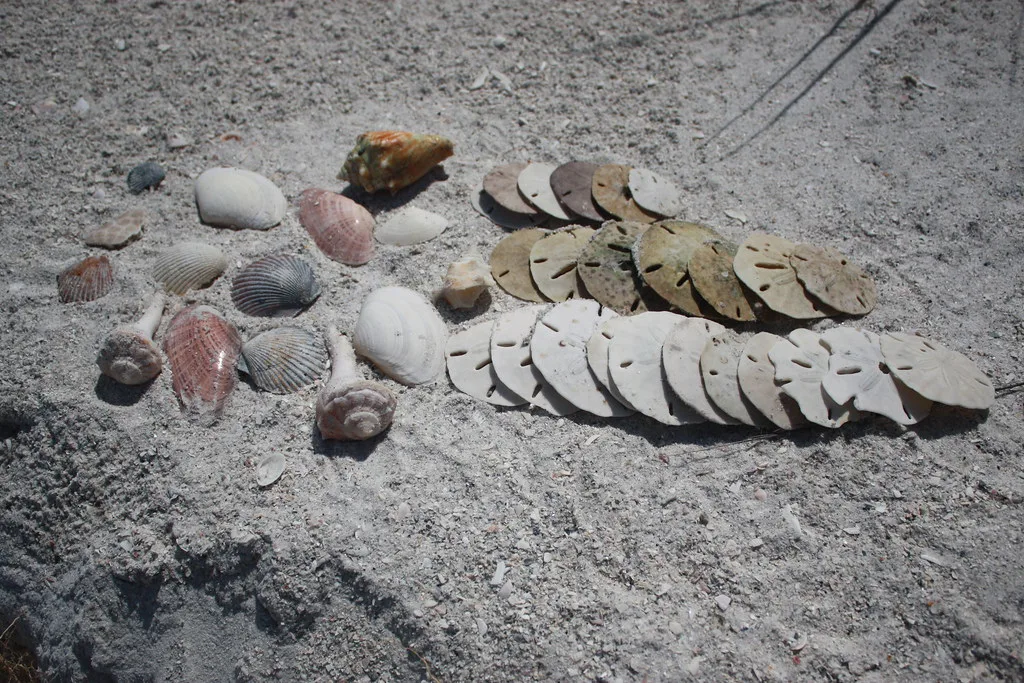
Expect a grass-flat community rather than reef fish. Small schooling fish hover over the blades, crabs and hermit crabs work the sand edges, and sea urchins and sand dollars sit in the open sand and shell hash. Rays glide over the flats, often half-buried, so shuffle your feet rather than plant them.
Manatees and dolphins work the surrounding waters, and sea turtles use the island, though none of these are guaranteed on any given swim. If an animal approaches, stay still, keep your distance and let it pass; never chase, touch or feed anything. Nesting shorebirds and turtles are the reason the island is protected, so give the upper beach and any posted closures a wide berth.
Skill level and who it suits
Beginners, kids and families fit the bay-side shallows well: the water is shallow enough to stand in much of the swim, the bottom is sand rather than rock, and entry is a simple walk off the beach. A confident adult paired with each child is sensible, because there are no lifeguards stationed on the island.
Strong swimmers and snorkelers with some tide experience can work the inlet end and the outer edges of the grass beds, where the habitat is richer but the current is real. Anyone uncomfortable in moving water should stay on the flats and skip the channel entirely.
Best time to go
Morning gives you the flattest water and the best light for spotting fish over the grass, before afternoon sea breezes build chop on the Gulf side. Launch early on a shuttle or charter and you get the shallows largely to yourself.
Time the swim around tide stage rather than the clock. Slack water, near the turn of the tide, is when the inlet current eases and the flats are most comfortable; a running tide stirs sand and pulls at your legs near the channel. Ask your shuttle or charter operator which tide they plan around, since departure times often follow it.
Hazards
The main hazard is the tidal current at the southern inlet, which runs hardest on a big tide range. Boat traffic around the anchorages is the second: keep your head up in the shallows near the beach and stay clear of anchor lines and prop wash. Open sand means full sun, so cover up, wear a hat and bring water.
There are no lifeguard towers or facilities on the island, so self-sufficiency matters. Carry a first-aid kit, keep a buddy in sight at all times and watch for afternoon storms building over Tampa Bay. If thunder approaches, get out of the water and off the open beach.
Rules and wildlife
Shell Key is managed as a preserve, with the upper beach and dune areas set aside for nesting shorebirds and sea turtles. The U.S. Fish & Wildlife Service, which manages the neighboring Egmont Key refuge, sets aside roughly a third of that island as bird sanctuary, and the same principle applies here: stay out of posted nesting areas and keep your distance from wildlife.
Follow posted wildlife distances, never touch or feed animals, and leave shells, sand dollars and urchins where you find them. Use reef-safe sunscreen and pack out everything you bring, since there are no bins waiting on the beach.
Parking, fees and logistics
Parking happens on the mainland, at the shuttle or kayak launch you choose, so check your chosen company's published departure point and schedule when you book. The shuttle listing gives a daily operating window of 9:00 to 5:00 and describes a roughly ten-minute crossing. Fares and reservations come from the shuttle company, so confirm the current price and whether you need to book ahead.
Bring everything: water, snacks, sun protection, a dry bag and your own mask, snorkel and fins if you have them. Some charters supply snorkel equipment and noodles, which lightens your load. Wear secure sandals for the walk from the landing to the water and a rash guard for sun and sting protection.
Nearby spots to combine
Fort De Soto Park sits just north across the inlet, with beaches, trails and a fort to explore, making an easy second stop after a morning at Shell Key. Its calm bay-side beaches offer another shot at shallow snorkeling with more facilities nearby.
Egmont Key, at the mouth of Tampa Bay, is a bigger boat trip and a different day: a national wildlife refuge with historic fort ruins and 97 acres set aside for nesting birds. Charter operators running out of Madeira Beach and St. Pete Beach pair dolphin watching with snorkeling stops around these islands.
If you are building a longer Pinellas itinerary, our guide to snorkeling in st petersburg covers the full set of launch points and beach entries in the area. Farther north, Caladesi Island State Park offers another boat-access beach day with shelling and shallow swimming.
Plan Your Shell Key Day
Treat Shell Key as a half-day boat trip built around a shallow grass-flat swim, not a reef dive. Book your shuttle or charter first, plan the swim around slack tide, and pack everything you need since the island has no services. Pair it with Fort De Soto for a full Pinellas day.
Frequently Asked Questions
Can you snorkel from shore at Shell Key?
Yes, once you are on the island. You wade off the sand beach into waist- to chest-deep water over seagrass and sand flats. The catch is getting there: there is no road or bridge, so you arrive by shuttle, charter or kayak and then snorkel from the beach.
Is there a shuttle to Shell Key Preserve?
Yes. A shuttle runs from the Pass-a-Grille side of the pass, with a crossing of roughly ten minutes and a daytime operating window. Fares, departure point and whether reservations are needed come from the operator, so confirm when you book.
How shallow is the water around Shell Key?
Much of the bay-facing side is waist- to chest-deep for a good distance offshore, which is why it suits kids and beginners. The southern inlet channel is deeper and carries more current, so it is best left to strong swimmers around slack tide.
What marine life can you see snorkeling Shell Key?
Expect small schooling fish over the grass, crabs, hermit crabs, sea urchins and sand dollars in the sand, and rays cruising the flats. Manatees, dolphins and sea turtles use the surrounding waters and island, but sightings are never guaranteed.
Do you need a boat to reach Shell Key?
Yes. The island is undeveloped and has no road access, so every visit starts on the water by shuttle, charter or kayak. Kayakers launch from the Pass-a-Grille area and need to judge wind and tide for the paddle back.
Is Shell Key good for beginner snorkelers?
It is one of the better beginner spots in Pinellas, with sand entry, shallow water and a soft bottom. Beginners should stay on the flats and near the beach and leave the inlet channel to experienced swimmers.
Sources
Snorkeling notes for your next trip
Optional updates to our snorkeling guides.
You might also like
Continue reading
More guides you'll find useful