Egmont Key Snorkeling Guide: Access, Reefs & St. Petersburg
Egmont Key snorkeling means a boat ride to a remote island at Tampa Bay's mouth, then reading currents, bird sanctuaries and reef edges before you enter the water.
On this page
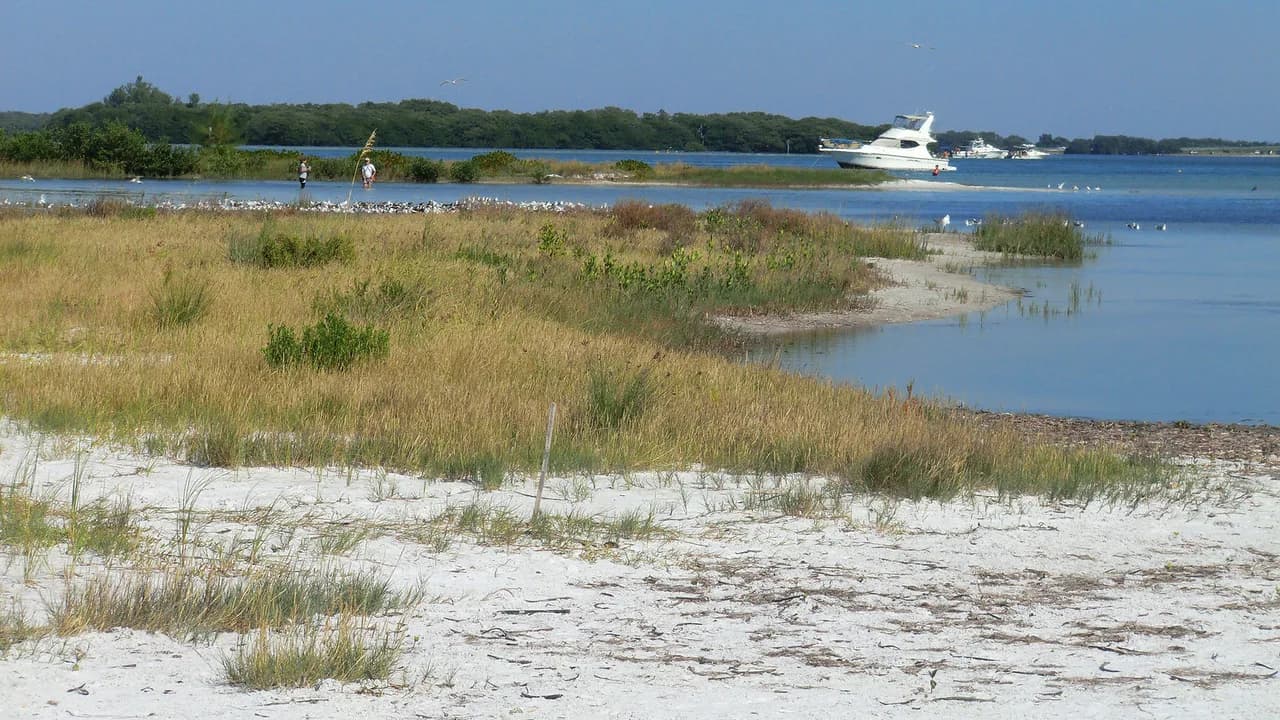
Egmont Key is a 250-acre island sitting where Tampa Bay meets the Gulf, and that position is exactly why the snorkeling is interesting and why the planning matters. You are not driving to a beach park with a lifeguard stand; you are arranging a boat ride to a national wildlife refuge with nesting turtles, gopher tortoises and tens of thousands of nesting birds.
This guide suits confident swimmers who are comfortable with open water and willing to build a day around a crossing. Families expecting shallow, guarded, walk-in water will find the logistics heavier than the payoff. Read the island's layout in advance, because roughly a third of Egmont Key is closed to people.
Why Egmont Key Is Worth the Boat Ride
The draw is a remote island at the mouth of Tampa Bay, close enough to St. Petersburg for a half-day crossing yet far enough to feel removed from the mainland. The U.S. Fish and Wildlife Service manages it as Egmont Key National Wildlife Refuge, established in 1974, and it is cooperatively managed as a unit of the Florida Park Service. That dual status shapes everything about how you use the island.
Egmont Key also holds a place on the National Register of Historic Places for its role in the Seminole Indian Wars, the Civil War and the Spanish-American War. For snorkelers, the practical takeaway is that you are visiting a working refuge with layered rules, not a resort beach. Plan your day around wildlife and water, and treat the fort ruins as a bonus.
Where the Island Sits
Egmont Key occupies a 250-acre island at the mouth of Tampa Bay, which puts it between the sheltered bay and the open Gulf of Mexico. That geography is the single most useful thing to understand before you snorkel: one side of the island feels like bay water, the other takes Gulf swell and current, and the two meet around the island's edges.
The nearest mainland base is St. Petersburg, and the island is a short boat run from Pinellas County's southern beaches. Because you cannot drive there, your trip starts with a crossing rather than a parking lot. Use the broader guide to snorkeling in st petersburg to line up launch points, charter options and other shore entries before you commit to an island day.
Getting There: Boat Access Only
There is no bridge, causeway or drive-up entry to Egmont Key; every visitor arrives by water. Guided boat tours from the St. Petersburg area are the simplest route for most snorkelers, and several operators list Egmont Key island trips that bundle snorkeling gear, beach time and a captain's commentary. Book the crossing before you plan anything else, since your whole day hangs on the departure point and time.
Some operators run longer island tours that combine dolphin watching with a snorkel stop, which suits travelers who want a structured half-day rather than a self-organized paddle or private charter. Check what the Marriott-listed trip includes before booking, then look over the departure schedule, what gear is supplied and whether snorkeling depends on conditions on the day.
Where You Actually Snorkel
Snorkeling at Egmont Key happens along the accessible beach margins, not across the whole island. You swim out from the sand into the shallows and work the edges where structure and light hold fish, then return to the beach. There is no reef platform you can walk onto, so you are entering from the shore each time and reading the water as you go.
The island's shoreline transitions from bay-influenced water to open Gulf exposure, so the calmer swimming usually sits on the sheltered side while the Gulf side takes more swell and push. Pick your entry based on which side your captain recommends that day rather than committing to one beach. A beach that is flat in the morning can be choppy by early afternoon.
Depth and Reef Layout
The water near the beach is shallow enough for mask-and-snorkel work, with sand flats and scattered hard structure giving way to deeper open water as you move offshore. Most snorkelers will find the most comfortable viewing in the first stretch off the sand, where you can stop, float and look without committing to a long swim. Visibility and depth shift with tide, wind and recent weather.
Out past the shallow margins, the water deepens and becomes open Gulf, which means more exposure and fewer visual references. Strong swimmers can explore farther, but there is no reef crest to shelter you and no lifeguard scanning the water. For a first Egmont Key visit, treat the shallow beach margins as the main event and let the deeper water be optional.
What You Will See
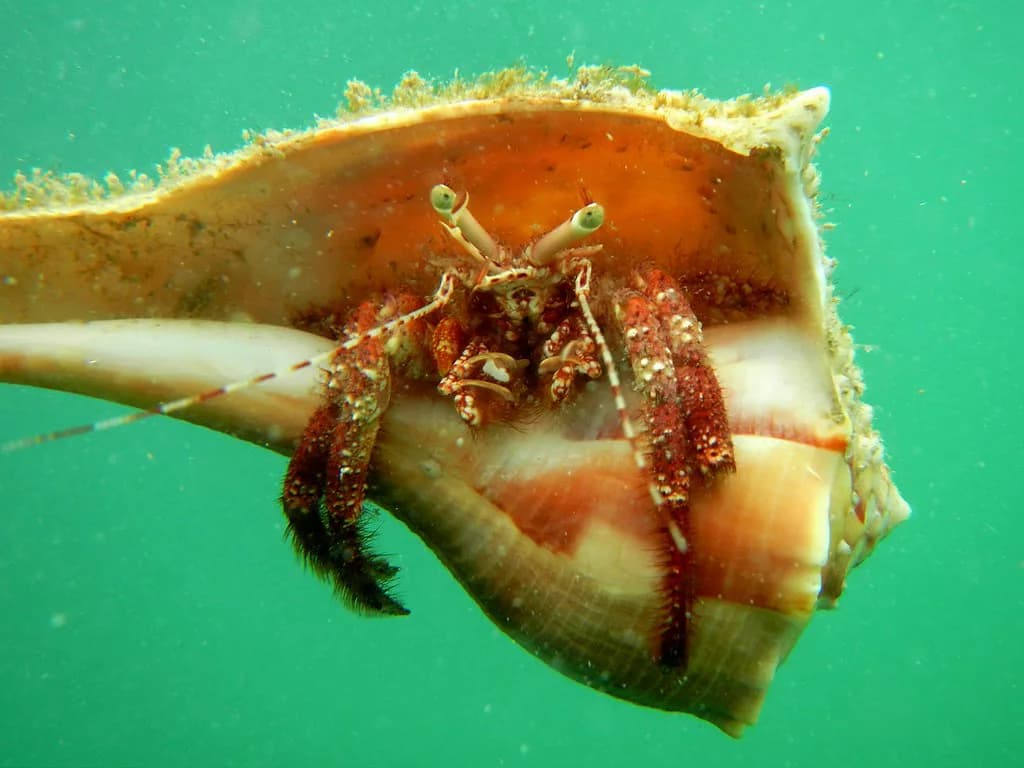
The refuge protects nesting sea turtles, gopher tortoises and more than 30,000 nesting pairs of birds, so wildlife is the reason the island is managed the way it is. In the water, expect typical Gulf and bay reef life rather than a guaranteed species list: small reef fish around hard structure and seagrass-adjacent sand. Sighting a turtle is possible but never something to count on.
Above the surface, bird life is the reliable spectacle, and the refuge's bird sanctuaries make up about one-third of the island with roughly 97 acres set aside for wildlife to rest, nest and feed. Watch from the water or the open beach and give birds room. Do not approach nests, and keep your distance from any turtle or tortoise you encounter on land.
The South-End Bird Sanctuary
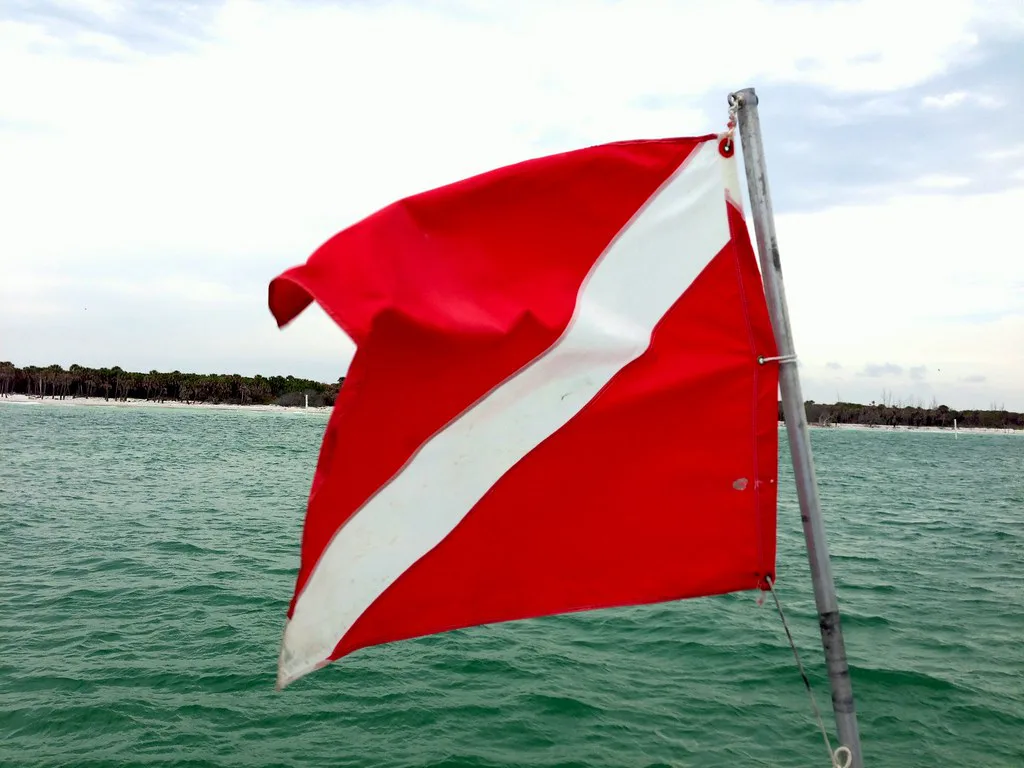
The south end of Egmont Key is closed to people. Those 97 acres of bird sanctuary exist so nesting and resting birds are not disturbed, and they are the reason you cannot simply walk the entire island perimeter looking for a better entry. Plan your snorkel around the open sections and stay out of posted closed areas.
That closure has a practical upside for snorkelers: the protected zone keeps a large stretch of shoreline undisturbed, which supports the wildlife you came to see. Treat the boundary as part of the experience rather than an inconvenience. If you are unsure where the closure begins, ask your captain before you head down the beach.
Skill Level and Who Should Skip It
Egmont Key suits confident swimmers who are comfortable in open water and can handle a shore entry with no lifeguard on duty. It is a good fit for adults and teens on a guided boat trip, and a poor fit for families who want shallow, guarded, walk-in water with rentals on the sand. Be honest about your group's comfort level when planning the trip.
If anyone in your party is a weak swimmer, plan to keep them close to the beach in the shallows, or choose a mainland shore snorkel instead. The island rewards people who can self-rescue and read conditions. It does not reward a group expecting a patrolled swimming area.
Best Time of Day, Season and Wind
Morning is generally the most comfortable window, when winds are lighter and the water has had the night to settle. As the day builds, afternoon sea breeze and boat wakes roughen the surface, which matters more at an exposed island than at a sheltered bay beach. Aim for the earliest crossing your operator offers.
Wind direction decides which side of the island is swimmable. A wind pushing onto the Gulf-facing shore brings chop and reduced clarity; the sheltered side stays calmer. Check the marine forecast before you go and let the captain choose the beach. The U.S. Fish and Wildlife Service publishes refuge information and alerts that are worth reading before your trip.
Hazards: Currents, Traffic and Exposure
The main hazards are the ones that come with the location: current where Tampa Bay meets the Gulf, boat traffic around a popular island, and full exposure to sun and weather with no shade structure guaranteed. There is no lifeguard on the island. Stay close to shore, keep a float with you, and stay visible to boats.
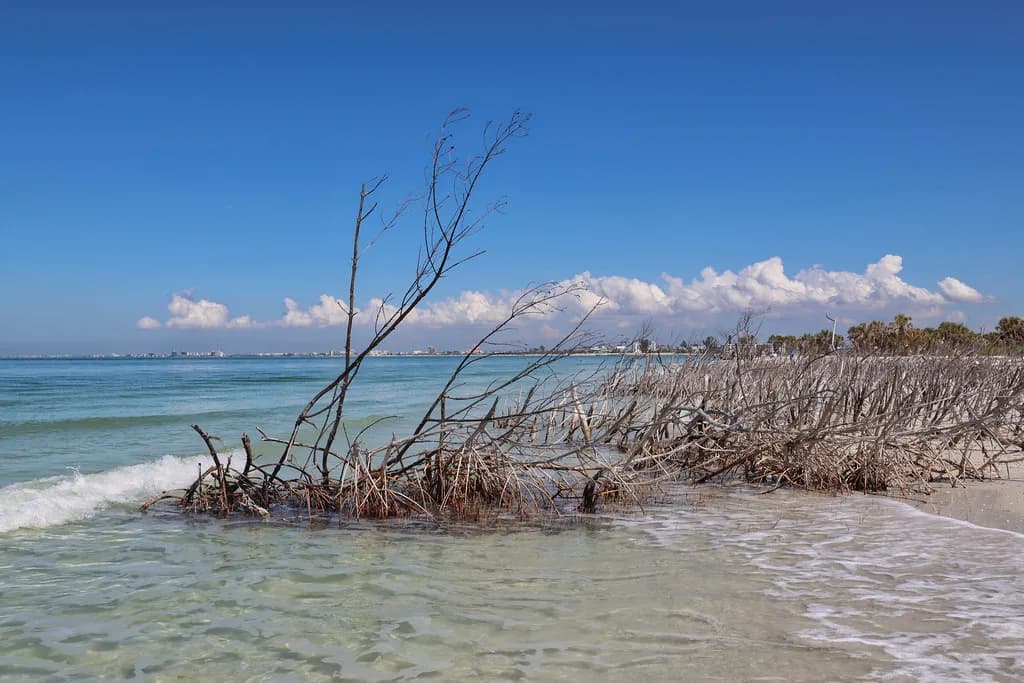
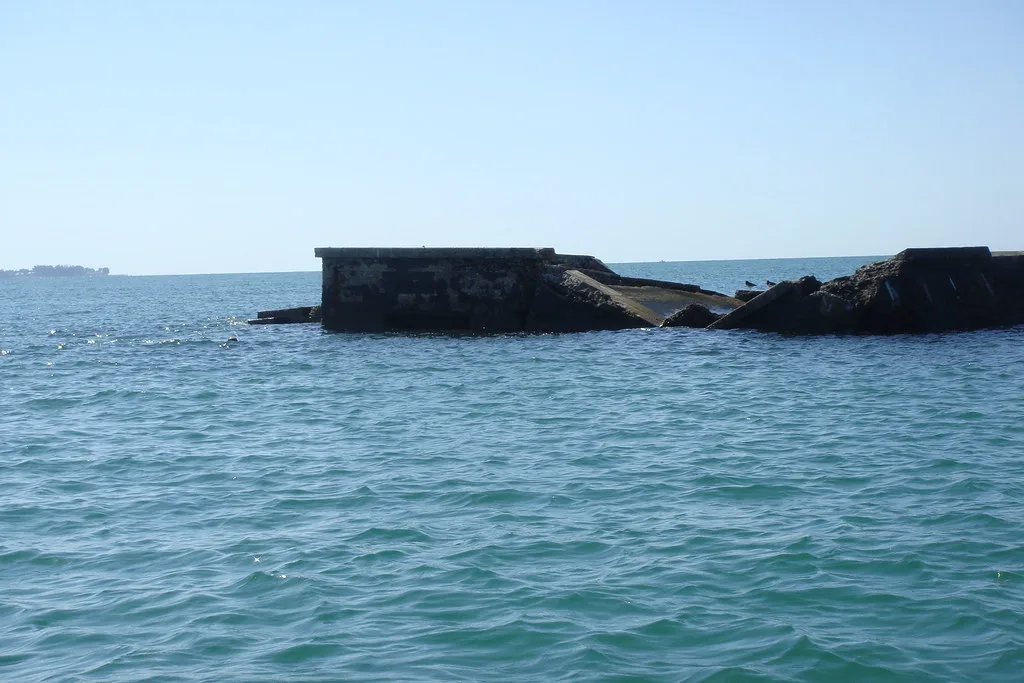
Storm systems can change the island and its shoreline, and the refuge has documented hurricane cleanup and restoration work in recent years. That means beach conditions can differ from older photos and descriptions. Ask your operator about current beach access and entry points when you book.
Rules on the Refuge
Egmont Key is a national wildlife refuge first, so wildlife rules come before recreation. Keep a respectful distance from sea turtles, gopher tortoises and birds, never touch or feed animals, and stay out of the closed south-end sanctuary. Nesting turtles and birds are the reason those protections exist, and disturbance during nesting season is the main concern.
Refuge rules and policies are published by the U.S. Fish and Wildlife Service, and they apply alongside Florida Park Service rules because the island is cooperatively managed as a state park unit. Read both before you go, especially if you plan to bring a drone, a pet or fishing gear. When in doubt, leave it ashore.
Parking, Facilities and Trip Logistics
Parking happens on the mainland, at whatever marina or launch the tour company uses, not on the island. Confirm the meeting point, arrival buffer and what the tour company provides before departure day. Because the trip is boat-based, your logistics are really about the crossing: where you park, when you check in and what you carry aboard.
Do not count on restrooms, showers, rentals or food on Egmont Key. Bring water, sun protection, a towel and your own snorkel gear if you have it, and use the restroom before you board. Pack everything you need for the hours you will be ashore, and plan to carry out all trash.
Nearby Spots to Combine
Shell Key Preserve sits nearby and makes a natural second stop for snorkelers building a Pinellas County itinerary around calm, shallow water and sand flats. It offers an easier, more forgiving swim than an exposed island crossing, which balances a day that includes Egmont Key. Compare entry options in the Shell Key Preserve guide before you commit. For travelers looking further afield in the Sunshine State, this guide to snorkeling in Florida covers destinations beyond the Pinellas County shoreline.
South of St. Petersburg, Fort De Soto Park spreads across Mullet Key and gives shore-based snorkelers a drive-up alternative with beaches and facilities. It pairs well with an Egmont Key boat morning if you want an afternoon on land. Check fort de soto snorkeling for entry points and conditions before adding it to the same day.
North of Clearwater, Caladesi Island State Park offers another boat-access snorkel day, reached by ferry or private boat and paired with Honeymoon Island State Park. If you like the island format but want a different setting, caladesi island snorkeling is the closest comparison to an Egmont Key trip.
What to Bring
Pack for an island with no shops: water, snacks, reef-safe sunscreen, a hat, a rash guard and a dry bag for your phone. Bring your own mask and snorkel if you have a well-fitting set, and add a buoyant float for visibility. A light windbreaker helps on the crossing even on warm days.
If you are relying on operator gear, confirm what is included when you book so you are not left without a mask that fits. Bring cash only if your operator specifies it, and keep valuables minimal. Everything you carry in comes back out with you.
Plan Your Egmont Key Snorkel Day
Egmont Key rewards planning: book the boat first, choose the beach based on wind and swell, snorkel the shallow margins and leave the closed south end alone. Confident swimmers on a guided trip get the most from it, while families wanting guarded, walk-in water should look at mainland alternatives.
Line up your crossing, pack for a day without facilities and check the marine forecast the morning you go. Then use the St. Petersburg guide to compare Egmont Key with the region's shore-based snorkeling and build an itinerary that fits your group.
Frequently Asked Questions
Can you snorkel at Egmont Key without a boat?
No. Egmont Key is boat-access only, with no bridge or causeway, so you reach it by guided tour, charter or private vessel. Most snorkelers book an island trip from the St. Petersburg area that includes the crossing and a snorkel stop.
What marine life can you see snorkeling at Egmont Key?
The refuge protects nesting sea turtles, gopher tortoises and tens of thousands of nesting birds, and the surrounding water holds typical Gulf and bay reef fish around hard structure and sand. Sightings are never guaranteed, so treat any turtle or ray as a bonus and keep your distance.
Is Egmont Key good for beginner snorkelers?
It is better suited to confident swimmers comfortable in open water. There is no lifeguard on the island, entries are from the beach rather than a sheltered cove, and boat traffic and current require attention. Beginners should stay in the shallows near shore or choose a calmer mainland beach.
What part of Egmont Key is closed to visitors?
The south end of the island is a bird sanctuary. The U.S. Fish and Wildlife Service describes roughly 97 acres, about one-third of the island, as set aside for wildlife to rest, nest and feed, and that area is closed to people.
What should I bring on an Egmont Key snorkel trip?
Bring water, snacks, reef-safe sunscreen, a hat and a rash guard, plus your own well-fitting mask and snorkel if you have them. Do not count on restrooms, showers, rentals or food on the island, and plan to carry out everything you bring.
Sources
Snorkeling notes for your next trip
Optional updates to our snorkeling guides.
You might also like

Continue reading
More guides you'll find useful