Clearwater Snorkeling: Shore, Shell Key and Boat Trips
Clearwater snorkeling means shallow sandy shore swims off Clearwater Beach and boat trips to Shell Key and Egmont Key. Here is how to plan the day.
On this page
Clearwater snorkeling is best understood as two separate days out. One is a gentle swim off the wide Gulf beach at Clearwater Beach, with sand under you, shallow water and no reef structure to navigate. The other is a boat day out to Shell Key, Egmont Key and the Tierra Verde channels, where the water clears, the bottom changes and the wildlife gets more interesting.
That split decides almost everything else: gear, timing, whether you bring kids, and how much of the day you give to the water. Shore snorkeling here suits families and first-timers who want a low-commitment swim. The boat side suits anyone willing to book a charter and let a captain read the wind and tide.
This guide covers how the beach and pass are laid out, what the sandy bottom actually shows you, where the boat trips run, how the Gulf swell and afternoon wind shape your window, and the hazards that matter in the pass. For the wider regional picture, the St petersburg snorkeling guide covers shore spots and boat trips across the surrounding Pinellas beaches.
Why snorkel Clearwater
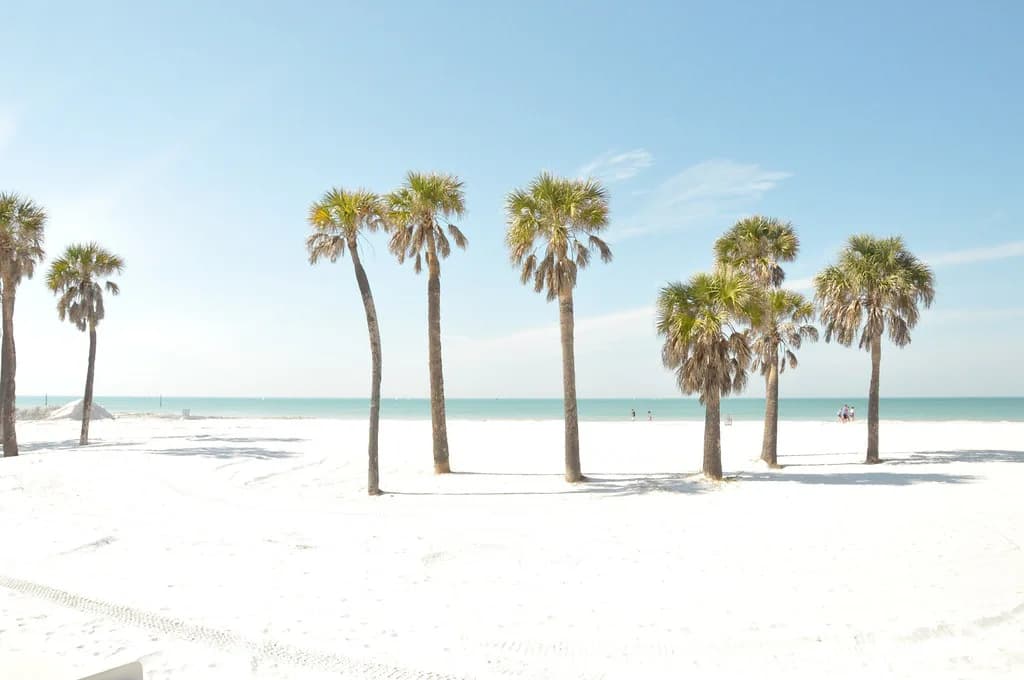
The appeal is ease rather than reef. Clearwater Beach gives you a broad, gently sloping Gulf shore where you can walk in from the sand and be in waist-deep water within a few steps, which is about as low-stress as snorkeling gets for kids and nervous swimmers. The Gulf side is typically calmer than the passes and inlets, so a light-wind morning is usually swimmable even when the inlet side is stirred up.
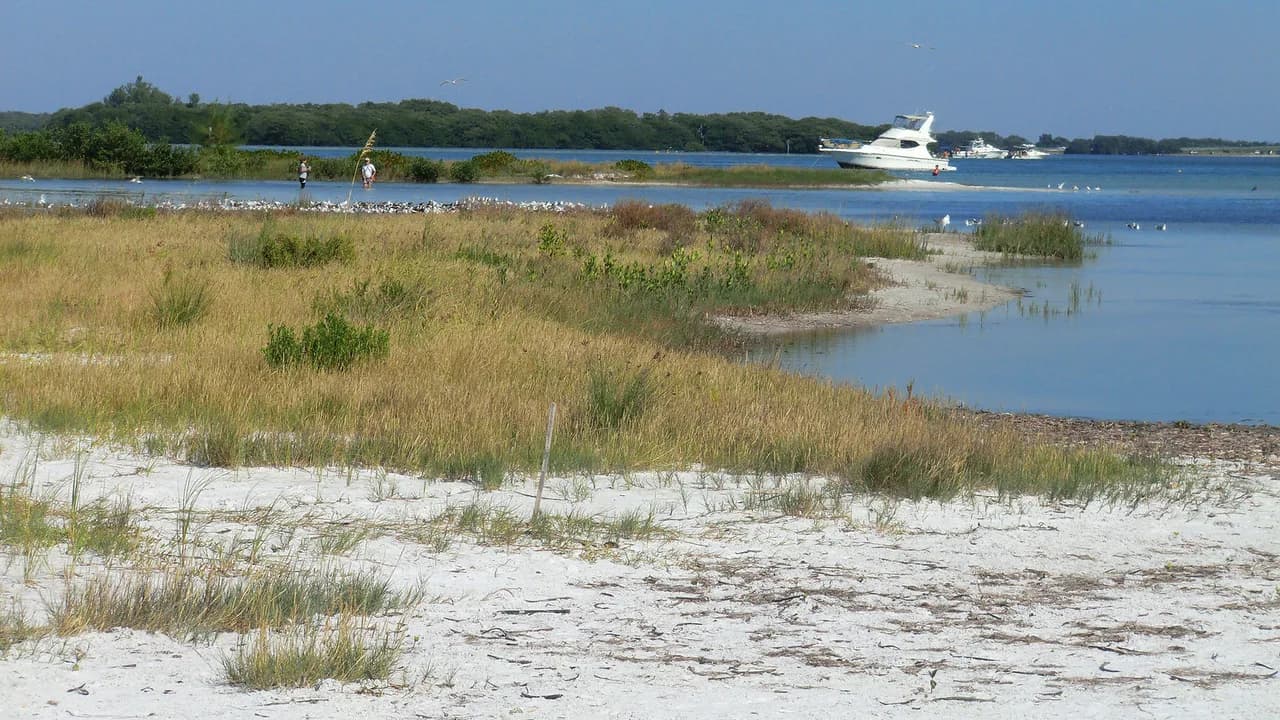
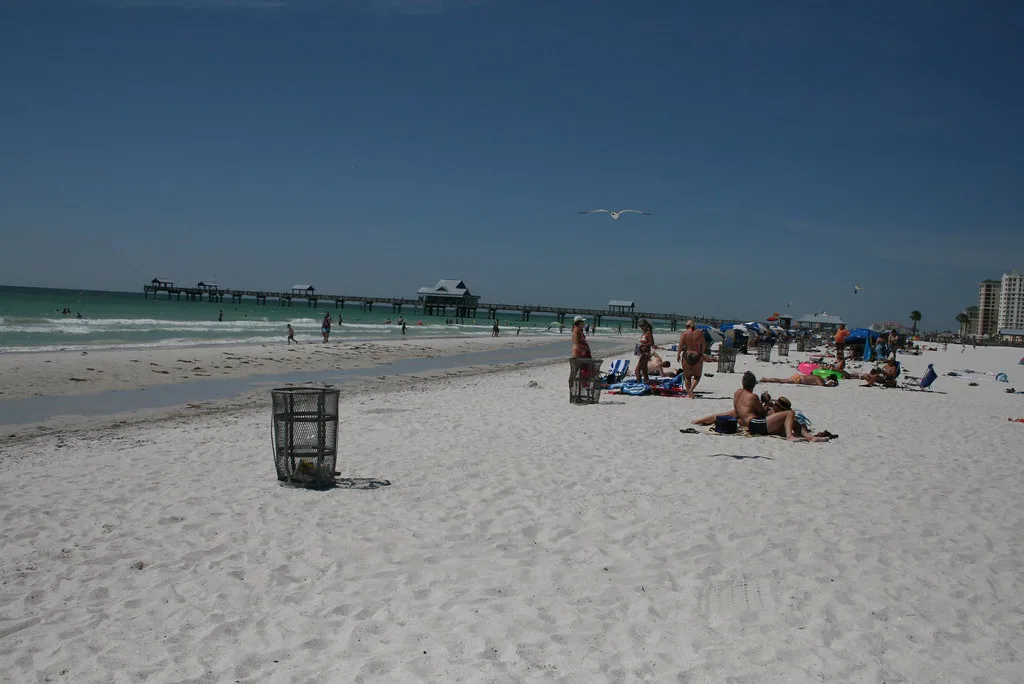
Set your expectations on the bottom. The sand off Clearwater Beach is just that, sand, with scattered shell hash and small bait fish rather than coral or rock ledges. Snorkelers describing the shore swim there characterize it as a sandy bottom with a few tiny fish and the occasional sand dollar rather than a reef.
Where Clearwater earns its reputation is on the water itself. Local boat trips run dolphin watching, snorkeling, island hopping and shelling out of the St. Pete and Clearwater area, and they visit Shell Key, Egmont Key and the Tierra Verde shoreline in a single outing, which is a far richer day than the beach swim alone.
How Clearwater Beach is laid out
Clearwater Beach runs along the Gulf of Mexico, with the wide public beach on the west side facing open water and Clearwater Pass cutting through at the southern end toward Clearwater Harbor. That geography matters to snorkelers: the Gulf beach is the calm, sandy, walk-in side, while the pass is a working channel with boat traffic and moving water.
Plan your swim on the Gulf side and treat the pass as a place to look at rather than swim in. Sandbars build and shift along the beach, so the depth where you enter changes week to week; wade in first to find a stretch with a gentle slope and no shorebreak, then put your mask on in knee-deep water.
If you want the water to yourself, walk north or south away from the main access points. The beach is long enough that a ten-minute walk usually leaves you with a quieter stretch of sand and fewer people kicking up the bottom where you want to look.
Shore snorkeling off Clearwater Beach
Getting in is the simplest part: bare sand entry straight off the beach, no rocks, no ladder, no stairs. Water depth builds gradually, so beginners can kneel or stand at any point in the first stretch, which makes it a good place to fit a mask and practice breathing through a snorkel before heading out.
Stay inside the first zone where you can stand, and swim parallel to the beach rather than straight out. There is no reef to reach, so distance buys you nothing but a longer swim back; the interesting details, small fish, shells, the occasional sand dollar and clear sand ripples, are all in the shallows.
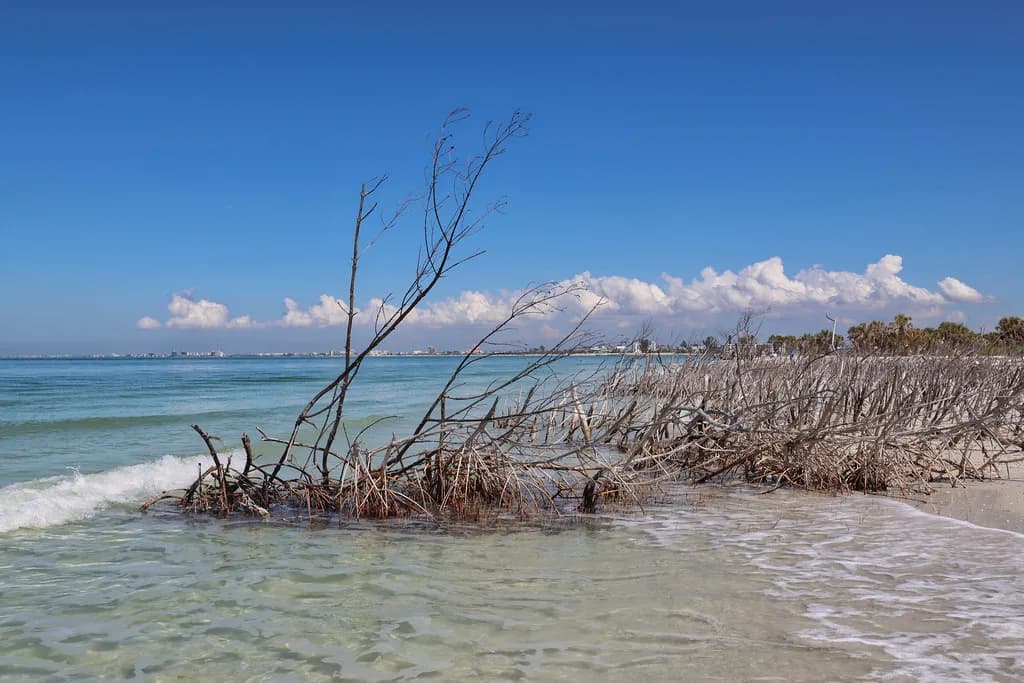
Visibility depends on the day. A calm, settled spell gives clear green-blue water over pale sand; an onshore chop or a passing front turns it murky and puts debris in the water. If the surf is up, the shore swim stops being worthwhile, which is the moment to switch to a boat trip on the sheltered side.
Bring your own mask and snorkel, since a proper fit matters more than any other piece of kit, plus reef-safe sunscreen and a rash guard for longer sessions. For a full inventory of what to pack for a Florida beach day, the St petersburg snorkeling guide covers gear, shore entries and boat options across the area.
Shell Key and Egmont Key: boat-access snorkeling
The better snorkeling near Clearwater is island- and boat-access. Shell Key and Egmont Key sit at the mouth of Tampa Bay, with clear Gulf water, seagrass and sand flats around them, and charter captains run snorkeling and shelling stops there rather than off the main beach. One local operator describes taking guests to Shell Key and Egmont Key to snorkel, along with shelling stops where sand dollars and shells collect.
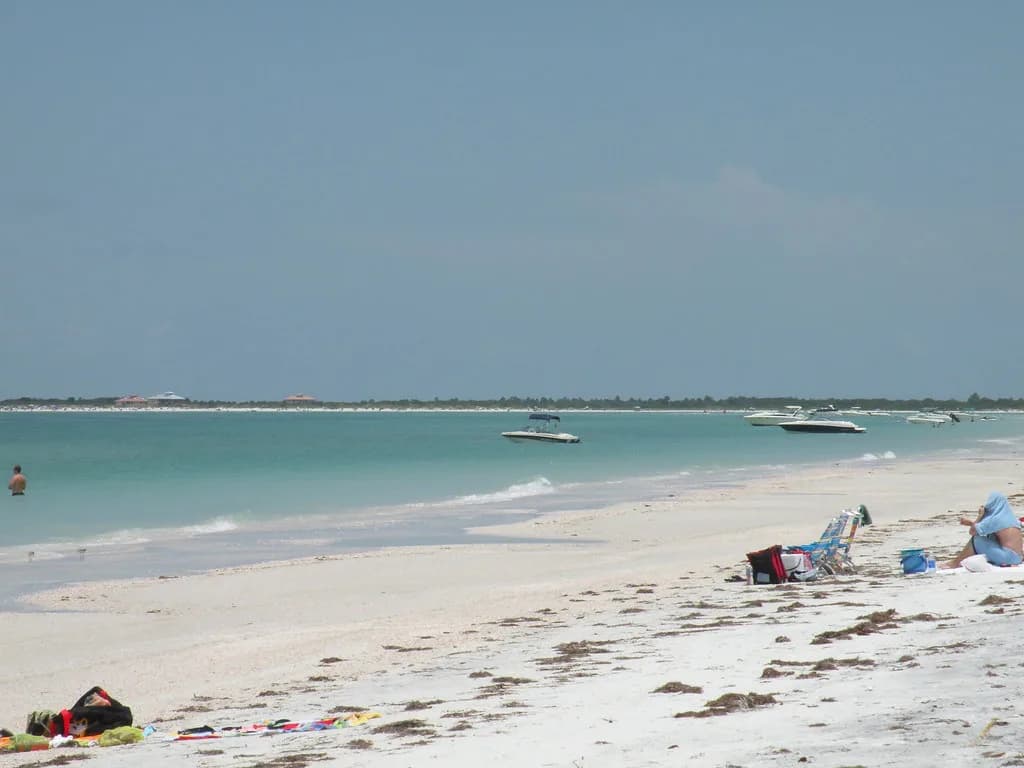
Shell Key is the classic shelling stop, with shallow flats where you step off the boat into calm, clear water. It suits snorkelers who want to combine a swim with beachcombing, and it is shallow enough for children to wade while adults snorkel nearby. Shell Key snorkeling covers access, what the flats hold and how to time the tide.
Egmont Key adds history and structure, with the old fort, ruins and surrounding sand and seagrass bottom where fish, rays and turtles turn up. It is a state park and wildlife refuge, so the rules on distance and no-take apply; Egmont Key snorkeling lays out island access and the wildlife rules in detail.
Caladesi Island, north of Clearwater Beach, is another boat-access option with a quiet beach and a kayak trail through mangrove water. It is a different mood from the Gulf sand flats, more sheltered and greener, and Caladesi Island snorkeling explains how to reach it and what the water is like.
Boat trips and charters from Clearwater
The charter model here is usually private and customizable. Captain Vinnie's Boat Tours runs private trips out of the St. Pete, Clearwater and Tampa area with snorkeling, dolphin watching, island hopping, shelling, sightseeing and sunset cruises on the menu, and guests tell the captain on the day what they most want to do.
That flexibility is the real advantage. The captain can pick the leeward side of an island when the wind is up, swap a snorkel stop for a shelling beach when visibility drops, or run for dolphins when the mood of the group changes. You are not locked into a fixed reef site chosen days in advance.
Group size and boat type should drive your choice of outfitter. A private boat with a handful of people means one-on-one help with masks and fins for nervous swimmers and no jostling at the ladder; larger shared tours cost less per head but move at the group's pace. Ask about ladder access, provided gear and whether anyone can stay aboard if they decide not to swim.
Book around the weather rather than the calendar when you can, and ask which stops the captain expects to make in the conditions forecast for your date. Trips mix snorkeling with shelling, dolphin watching and fast boat time, so tell the captain up front which part matters most to your group, especially if young children are aboard.
Skill level: who each option suits
Beginners and young kids belong on the Gulf beach first. Sand entry, shallow depth and the option to stand up at any moment are worth more than any reef, and a 20-minute shore session is enough to learn mask clearing and breathing before a boat day.
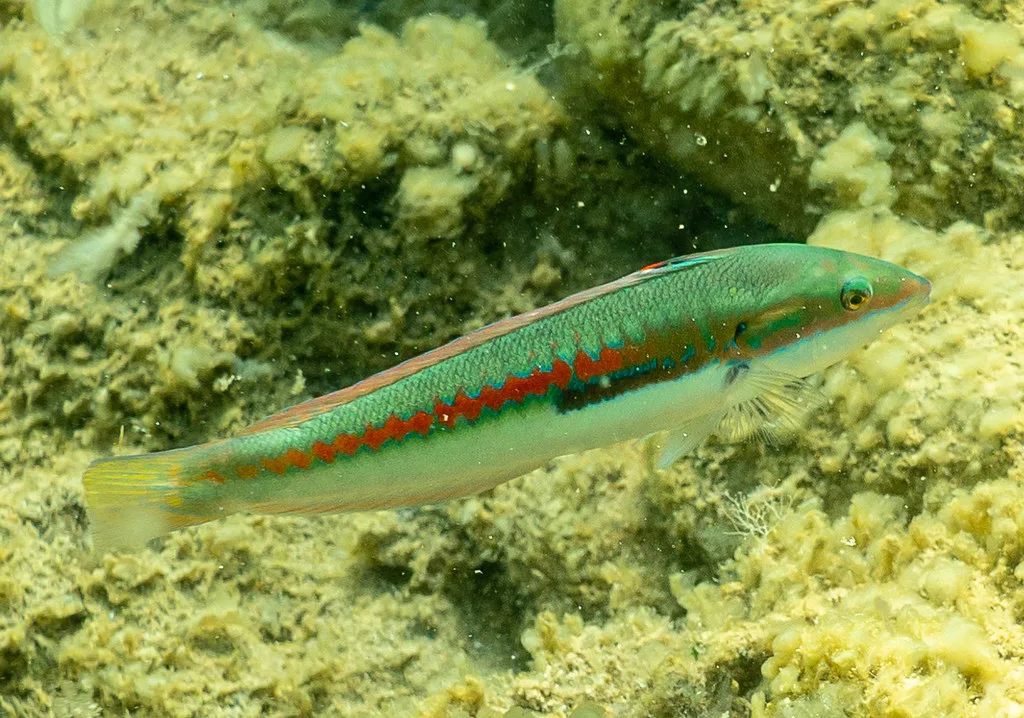
Strong swimmers and repeat snorkelers should put their time into the boat day. Egmont Key and the Tierra Verde channels give you clearer water, seagrass and sand-flat habitat for fish, rays and turtles, and deeper water off the flats where confident swimmers can cruise rather than wade.
Mixed-ability families do best on a private charter, where one adult can snorkel the flats while another stays on the beach with a younger child. Shelling beaches next to good snorkel water make that split easy, because nobody is stuck on the boat waiting.
Best time of day, season and swell direction
Go early. A calm morning before the sea breeze fills in gives the clearest water on the Gulf beach and the smoothest ride to the islands; by afternoon, onshore wind chops the surface, lifts sand and cuts visibility. Mornings also mean fewer people in the water at the main beach accesses.
Swell direction drives the decision more than anything else. Onshore Gulf swell stirs up the beach and the west-facing flats, which is the day to head into sheltered water behind the barrier islands; offshore or light-variable wind leaves the Gulf beach flat and clear. Ask a charter captain which side of the islands is calmest when you book.
Summer brings warm, swimmable water and the busiest beaches, along with afternoon thunderstorms that build fast; spring and fall give good water temperatures with lighter crowds. Winter water is cool enough that a rash guard or short wetsuit makes a long snorkel far more comfortable, and the clearer, calmer days often fall in that season.
Hazards: boat traffic, currents and surf
The Clearwater Pass is a working channel, with boats of all sizes moving in and out. Do not snorkel in the pass or its mouth; currents run hard on a changing tide, and a swimmer at the surface is hard to see from a bridge or a fast-moving hull. Keep to the Gulf beach or the sheltered flats where charters anchor.
Rip currents are the standard Gulf-side hazard. If you feel yourself being pulled away, swim parallel to the beach until the pull eases rather than fighting straight back in, and keep children within arm's reach in the shorebreak. Surf builds on onshore wind days, which is the cue to skip the beach swim.
On the water, the usual small injuries come from sun, heat and slippery boat ladders rather than animals. Wear a rash guard, drink water, step carefully on wet decks and keep fins off the ladder rungs. Give wildlife room, and never touch, feed or chase dolphins, manatees, turtles or rays.
Parking, facilities and rentals
Clearwater Beach has large public parking areas near the main beach and marina, and they fill early on summer and holiday mornings, so arrive before mid-morning or plan to park further out and walk. Facilities cluster at the main access points, with restrooms and showers near the busiest sections of sand.
Rentals are easiest to arrange before you go. Clearwater has dive and watersports shops that rent masks, fins and snorkels, and charters usually supply snorkeling gear on board; ask what is included so you are not counting on a rental counter that suits your mask fit.
For boat days, parking is usually at the marina or boat ramp the company names, and the captain typically sends directions and what to bring before the trip. Confirm current meeting point and arrival time when you book, since ramps and marinas along the Intracoastal are spread out.
Rules and wildlife distance
Wildlife rules apply throughout these waters. Manatees, sea turtles, dolphins and rays are protected, and the standard is to observe from a distance, never chase, corner, touch or feed an animal, and to back off if it changes behavior because of you. Dolphins in particular should be watched from the boat or at a distance in the water rather than pursued.
Within state parks and refuges such as Egmont Key, take nothing living or dead from the water, and leave shells, sand dollars and seagrass where they sit. Sand dollars on the flats are alive when they are dark and velvety, and a light-colored test is the only one worth picking up; check local shelling guidance for the current take rules before you collect.
Reef-safe sunscreen matters in these shallow, high-sun conditions, and Florida coastal communities have moved toward restrictions on certain sunscreen ingredients; check the labeling on what you pack. A rash guard reduces how much sunscreen you need and protects your back during long sessions face-down in the water.
Nearby spots to combine with a Clearwater day
Fort De Soto, south across the bay, is the strongest add-on for a snorkel-focused trip: wide beaches, shallow flats and a historic fort, all within a short drive of the St. Pete Beach side. Fort De Soto snorkeling covers where to get in and what the flats hold.
Egmont Key pairs naturally with a Shell Key stop on the same charter, since both sit at the mouth of the bay and are often visited in one run. If you have a full day on the water, mention that pairing to the captain when you book and let the tide decide the order.
St. Pete Beach and the Pinellas barrier islands give you a base within easy reach of all of these, with shore snorkeling on the Gulf side and charters leaving from the marinas nearby. For a full list of shore entries and boat options, Snorkeling in St. Petersburg, FL is the place to build the rest of the itinerary. If you are weighing a base further down the coast, snorkeling in Sarasota offers the same shore-versus-boat decision with Point of Rocks as the walk-in option.
Plan Your Clearwater Snorkel Day
Decide first which day you want. If it is a first snorkel with kids, plan a calm morning on the Gulf beach at Clearwater Beach, walk away from the busiest access point, and stay in water where you can stand. If it is wildlife and clear water, book a private boat day and let the captain choose between Shell Key, Egmont Key and the sheltered side of the islands.
Build the trip around wind and tide rather than a fixed plan: an early start, a flexible charter, your own well-fitting mask and reef-safe sun protection cover most of it. Add Fort De Soto or Caladesi Island for a second day, and keep the decision points in this guide handy when the forecast shifts.
Frequently Asked Questions
Is Clearwater Beach good for snorkeling from shore?
Yes, if you want an easy swim rather than a reef. You walk in off open sand into shallow, gently sloping Gulf water where you can stand at any point, which suits kids, first-timers and anyone practicing with a mask. The bottom is sand and shell hash with small fish and the occasional sand dollar, so plan a short session and treat the boat day as the main event.
What will I see snorkeling in Clearwater?
Off the beach, expect sand, scattered shells, small bait fish and clear ripples in the shallows. Around Shell Key, Egmont Key and the Tierra Verde channels, charters work seagrass and sand flats where fish, rays and turtles turn up, and boat trips in the area also watch for dolphins. Wildlife moves on its own schedule, so treat any sighting as a bonus rather than a guarantee.
Do I need a boat to snorkel in Clearwater?
No, but it changes the day. Clearwater Beach gives you free, simple sand entry with no reef structure to reach, so a boat is not required for a swim. If you want clearer water, seagrass and shelling flats, a charter to Shell Key or Egmont Key is the way to get it, and a private boat lets the captain pick the calm side of the islands.
Where do snorkel tours from Clearwater go?
Local private charters run out of the St. Pete, Clearwater and Tampa area and typically combine snorkeling with shelling, island hopping and dolphin watching. Common stops include Shell Key and Egmont Key near the mouth of Tampa Bay, plus the Tierra Verde shoreline. Tell the captain what matters most to your group when you book so the route matches it.
Is Clearwater snorkeling good for beginners and kids?
It is one of the easier introductions you will find. The Gulf beach offers sand entry, shallow depth and the option to stand up whenever you like, so children and nervous swimmers can build confidence before getting on a boat. Once comfortable, a shallow shelling flat such as Shell Key lets kids wade while adults snorkel a few yards away.
What is the best time of day to snorkel in Clearwater?
Early morning is the reliable window. The sea breeze has not filled in yet, so the Gulf beach is flattest and clearest and the ride to the islands is smoothest. Afternoon onshore wind chops the surface, lifts sand and cuts visibility. Swell direction matters as much as the clock, so on a choppy day head for sheltered water behind the barrier islands.
Sources
Snorkeling notes for your next trip
Optional updates to our snorkeling guides.
You might also like
Continue reading
More guides you'll find useful