Coki Beach Snorkeling: Reef, Entry and Best Time to Go
Coki Beach snorkeling starts yards from the sand in a sheltered St. Thomas cove. Learn where the reef sits, what you will see, and the best time to arrive.
On this page
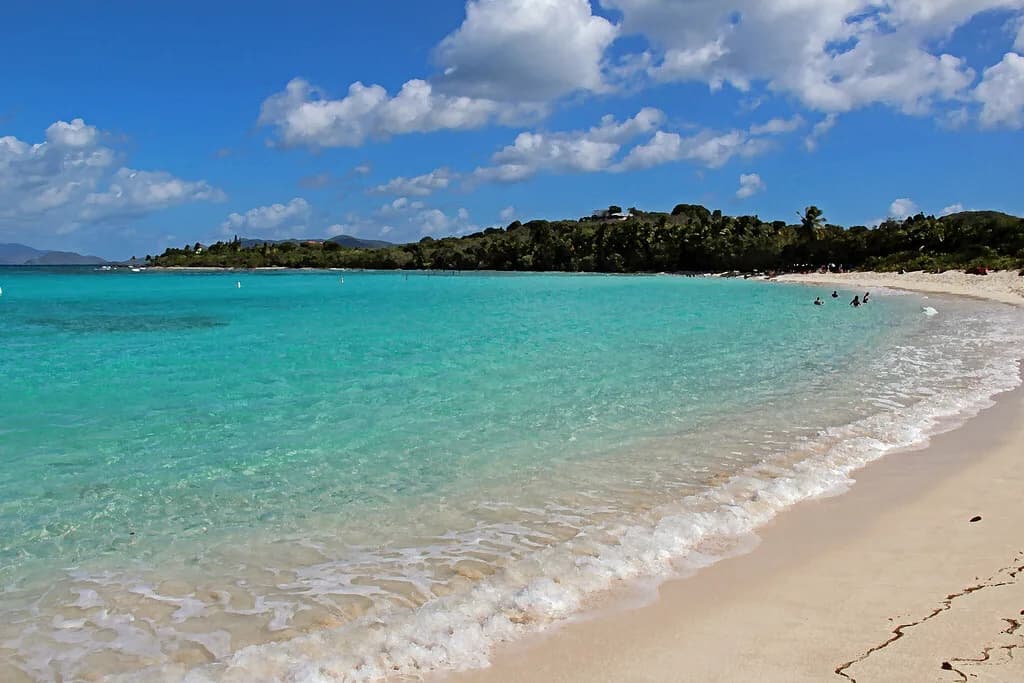
Coki Beach is the rare Caribbean snorkel site where the reef starts close enough to reach on a single breath-hold from the sand, in a cove calm enough for first-timers and kids. The beach sits on St. Thomas's northeast shore at Coki Point, next to Coral World Ocean Park, and the protected cove keeps the water flat while Atlantic swell breaks elsewhere. Plan on a half day here, with an early start if you want the reef before the cruise crowds arrive.
Where Coki Beach Is
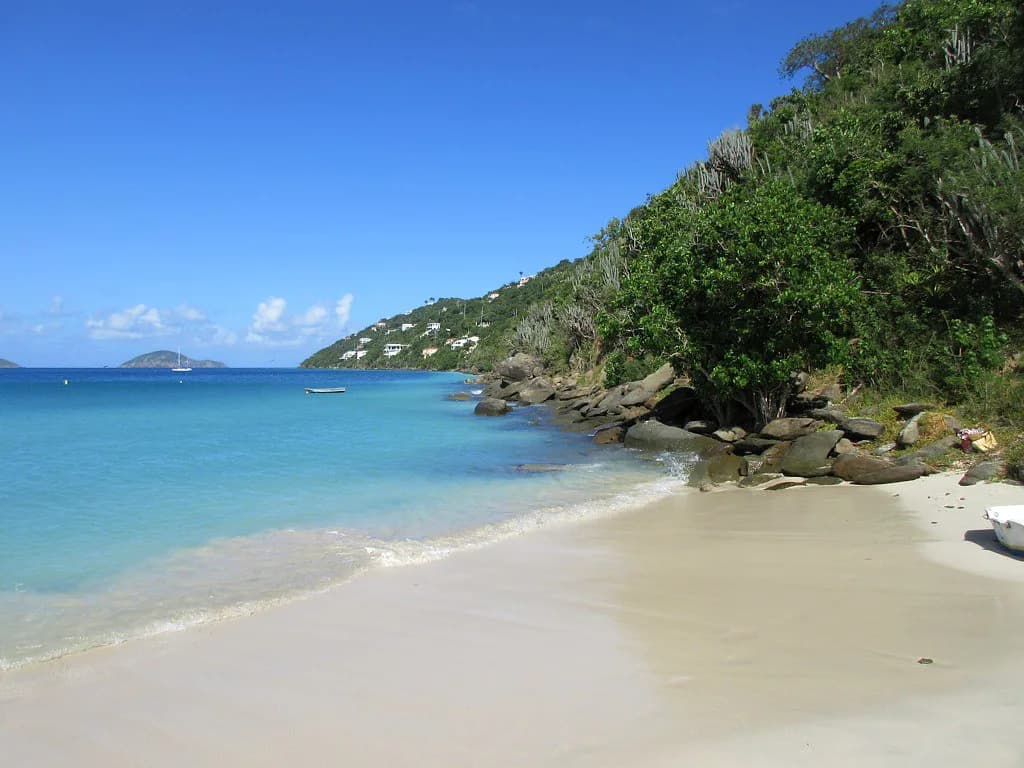
Coki Point lies on the northeastern coast of St. Thomas in the U.S. Virgin Islands, in a cove that faces the Caribbean Sea and is sheltered from Atlantic swells. The beach is adjacent to Coral World Ocean Park, which makes an easy landmark for navigation and a natural second stop. From the cruise port in Charlotte Amalie, the drive runs northeast on Route 38 and then Coki Point Road, roughly 20 minutes by rental car.
Shared taxis are the common choice for cruise passengers, with the ride taking about 20 to 25 minutes; published rates vary by operator, so ask the dispatcher at the taxi stand for the fare before you get in. Rental cars give you the flexibility to combine Coki with Sapphire Beach, about 15 minutes away. Ride-hailing apps have limited availability on the island, so do not build your day around one.
Getting In
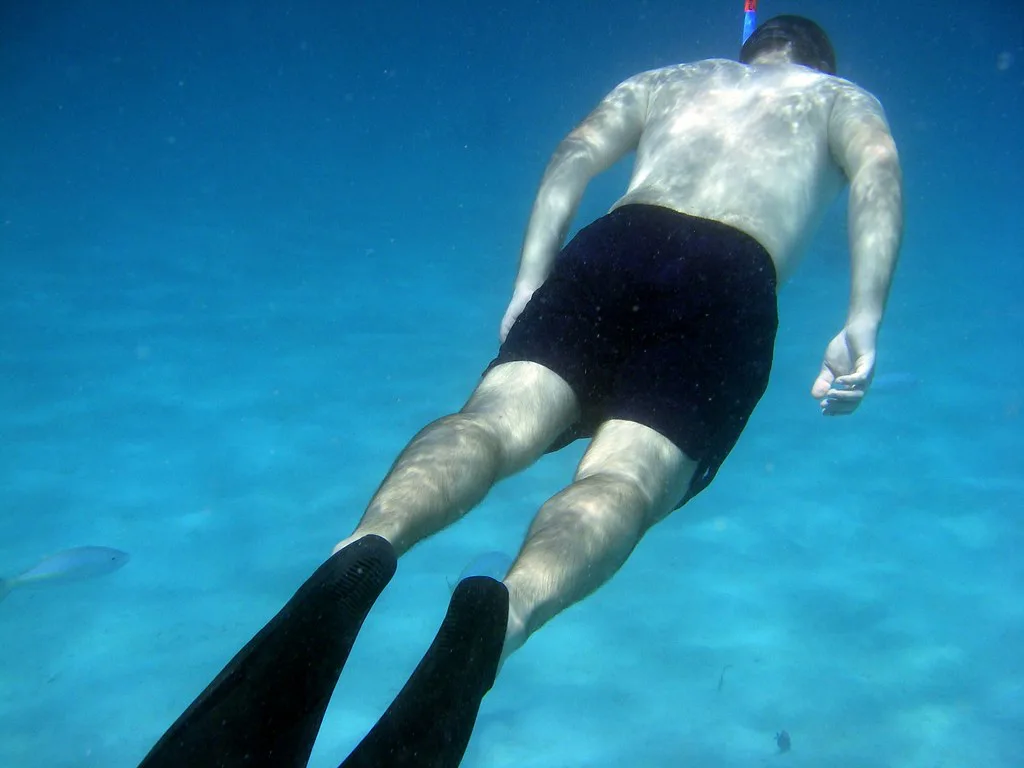
Entry is a straight sand walk-in from the beach, with no ladder, stairs or boat ride required. The shallow reef system begins just yards from the shoreline, so you can put your mask on at the water's edge and be over coral within a minute or two of swimming. That easy entry is why the beach works for mixed groups where some people snorkel and others float.
The cove layout splits into three zones. The main reef sits about 50 yards off the center of the beach. Rocky Point on the left side holds rock structure in deeper water. The right side, near the Coral World boundary, slopes toward seagrass. Decide which zone you want before you enter and walk the sand to that point rather than swimming the length of the bay.
The Main Reef in the Center
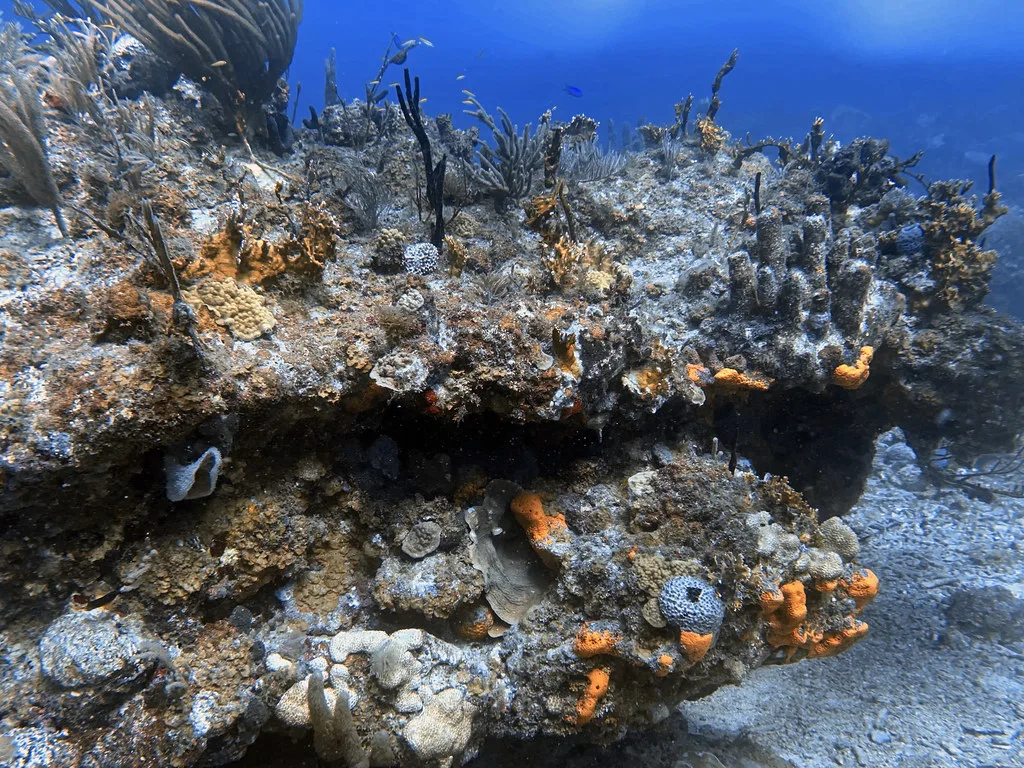
The center reef is the beginner zone: a shallow coral system in roughly 8 to 15 feet of water, about 50 yards from the beach's center. Coral diversity and fish activity are highest here in the morning hours, before the day's traffic stirs the shallows. Visibility in the protected cove often extends 30 to 50 feet, which lets you read the reef from the surface.
Swim a slow line parallel to the beach rather than straight out, and surface regularly to fix your position against the sand and the Coral World buildings. The reef tops sit shallow enough that a fin kick can damage coral, so keep your legs high and your hands to yourself.
Rocky Point on the Left
Swimming to the left side of the beach brings you to rocky formations that attract larger fish species, in slightly deeper water of about 15 to 25 feet. This zone asks for stronger swimming skills than the center reef, so it suits confident snorkelers rather than kids on their first outing. Pair up and keep a visual on your buddy between the rock structures.
Boat traffic is the real hazard on this side, because deeper water offshore invites vessels closer in. Surface often, look and listen before you raise your head, and stay close to the rock rather than drifting into open water.
The Right Side and the Seagrass Beds
The right side of the beach, near the Coral World boundary, is known for green sea turtles feeding on the seagrass beds. Turtle sightings are common here but never guaranteed, so treat any encounter as luck rather than the plan for the day. Give turtles room, stay horizontal at the surface, and never touch, feed or chase them.
Seagrass grows in sandy patches rather than on the coral, so scan the darker grass beds at mid-depth instead of hugging the reef. This zone is shallow and calm, which makes it the easiest place to bring a child who is comfortable in a mask.
What You Will See
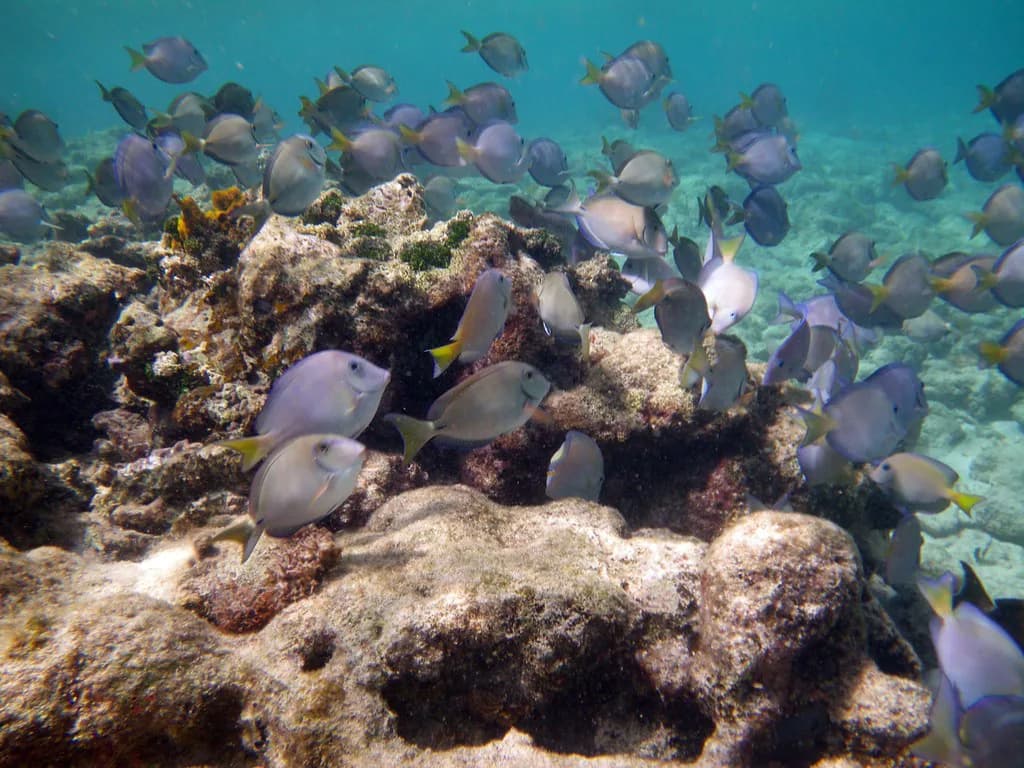
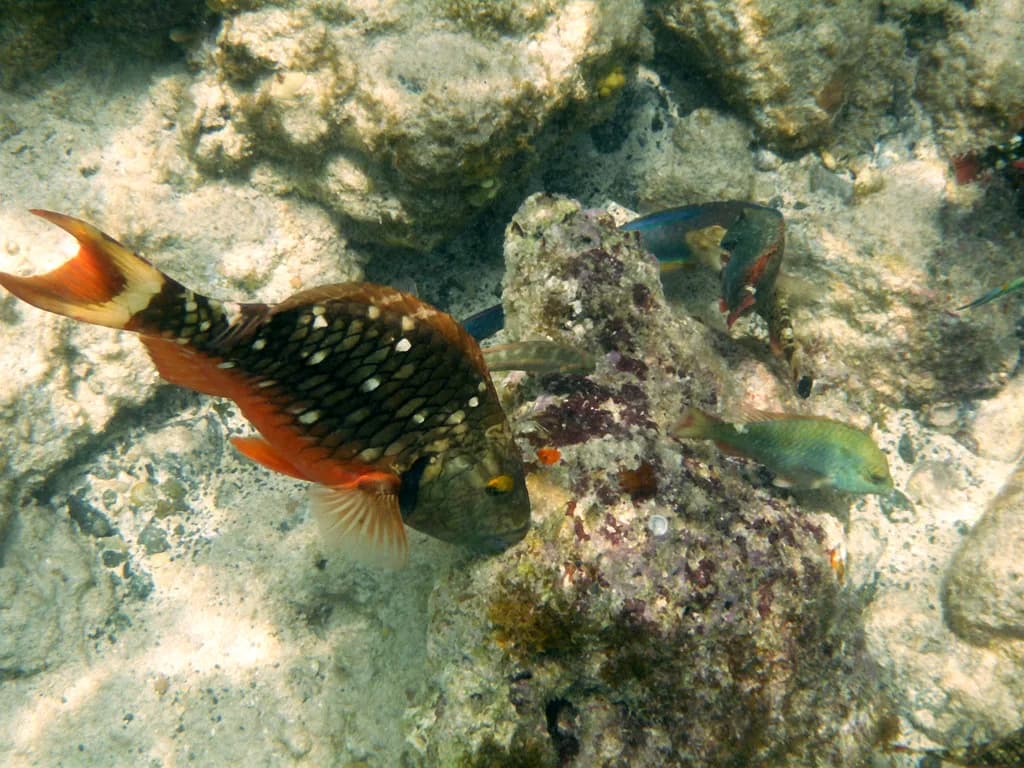
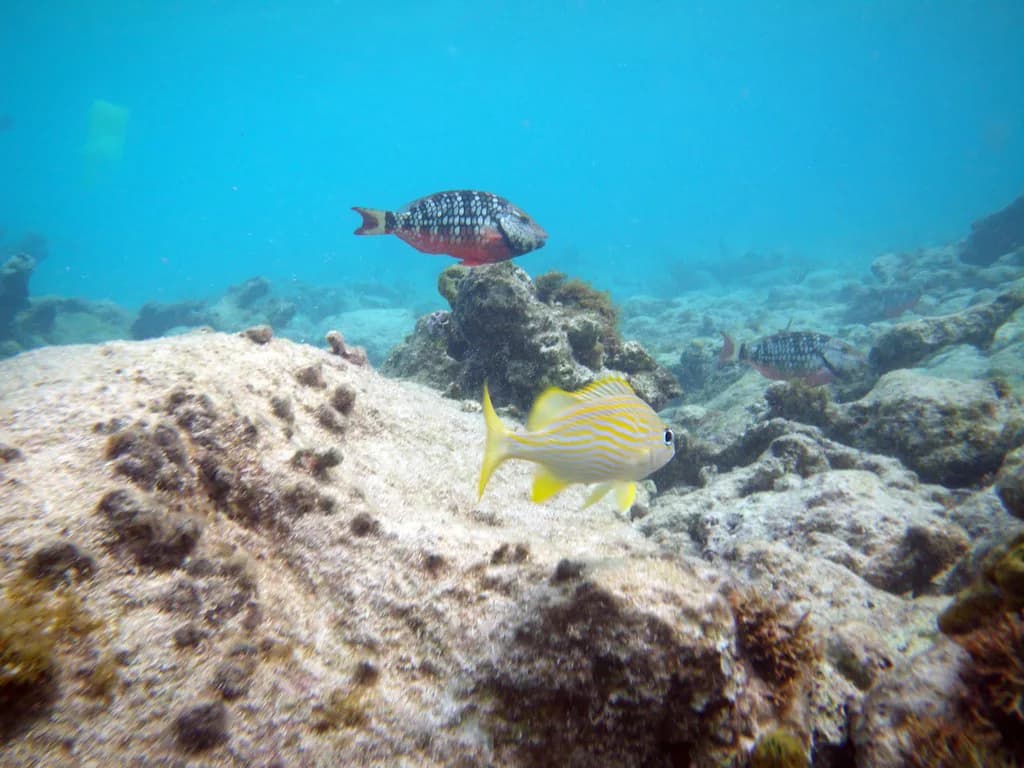
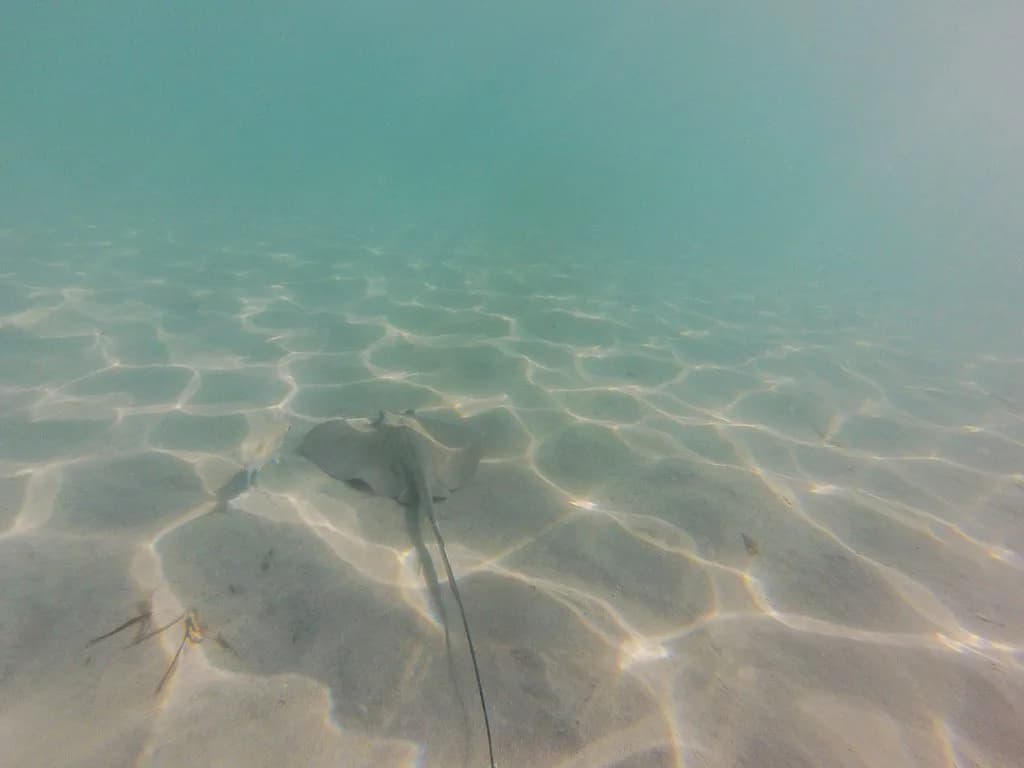
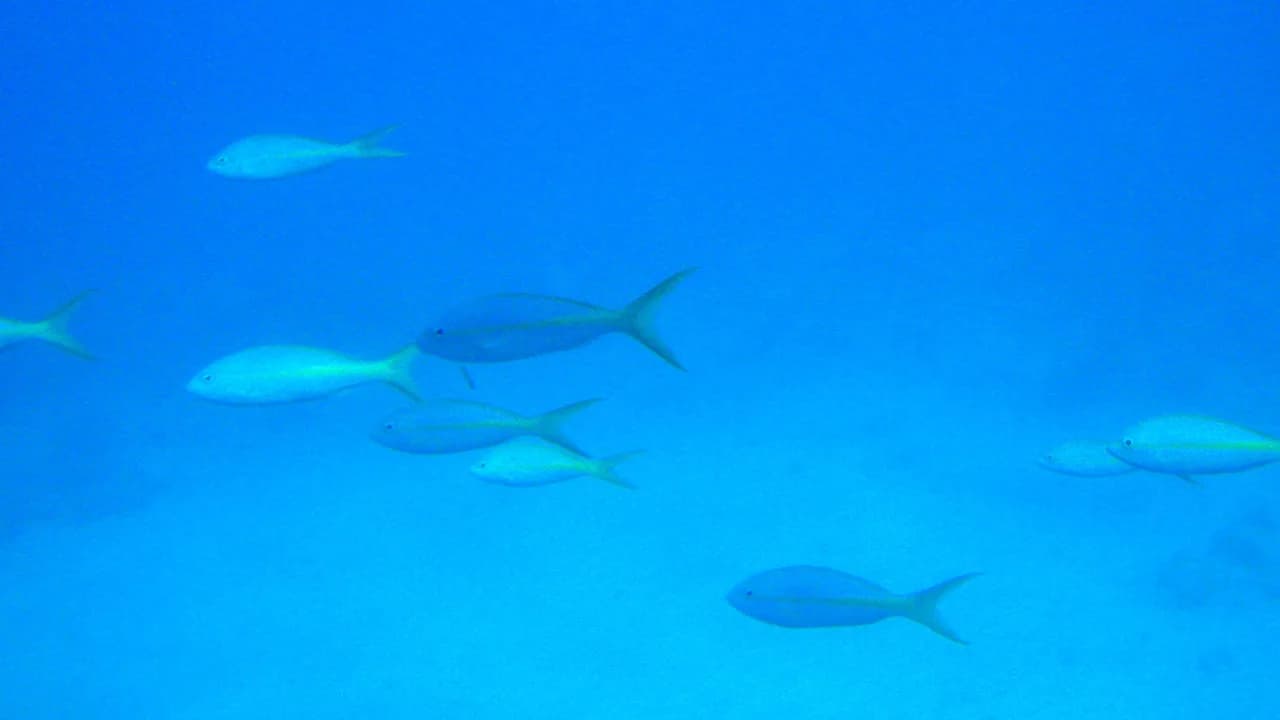
Expect colorful parrotfish, angelfish, tangs and sergeant majors over coral gardens of brain coral, staghorn coral and sea fans. The reef system supports more than 30 species of tropical fish, and stingrays turn up occasionally in the sand. Morning light and calmer water make fish easier to spot and photograph.
The dense fish life close to shore is the reason this beach draws snorkelers who want a reef without a boat trip. Snorkelers regularly report seeing fish right from the shoreline, which is the experience to plan around.
Skill Level and Kids
Coki suits beginners, families and mixed-ability groups because the cove stays calm and the reef is reachable from the sand. Kids who are comfortable in a mask and can swim a short distance do well on the center reef and the right-side seagrass. Keep them off Rocky Point until they can handle deeper water and watch for boats.
A sensible progression is center reef first, seagrass second, and Rocky Point only if the group is strong and conditions are flat. Snorkel with a buddy on every swim, and agree on a turnaround signal before you enter the water.
Hazards to Plan Around
Three things matter at Coki: boat traffic in the deeper water offshore, sea urchins on the reef, and the need to surface and check your position. The protected cove is calmer than many ocean beaches, but standard water-safety habits still apply. Stay hydrated and keep valuables secured rather than left loose on the sand.
The U.S. Virgin Islands sits in a hurricane belt, and the May to November stretch brings occasional heavy rain alongside lighter crowds. That is a weather and crowd pattern, not a reason to skip the island; watch the marine forecast before you commit to a snorkel morning.
Best Time of Day
Aim for the 8 to 10 AM window, when visibility is best, the fish are most active and the sand is still quiet. Midday between 11 AM and 2 PM brings peak cruise-ship crowds, so an early arrival also means a parking spot and a stretch of reef to yourself. Late afternoon from about 3 to 5 PM gives good light for photos with moderate crowds.
December to April is peak season with the best weather and the biggest crowds, while May to November trades some rain risk for fewer tourists and better deals. If you are visiting on a cruise day, check your ship's port hours and build in the 20 to 25 minute taxi ride each way.
Parking and Beach Logistics
Parking near the beach runs about $3 to $5 per day, and beach vendors rent basic snorkel sets from roughly $10 to $15 per day. Inspect rental gear before you take it, since quality varies between stalls. Chairs and umbrellas are also available to rent if you plan to stay past your swim.
Bring cash for parking, rentals and tips, plus water, snacks and reef-safe sunscreen. Food options at the beach are limited, so a picnic or a planned lunch stop keeps the day moving.
Rentals and What to Bring
Multiple rental shops at the beach offer basic snorkel sets, but experienced snorkelers often prefer their own mask and snorkel for fit and hygiene. If you plan several snorkel days on St. Thomas, buy a mask that seals properly rather than renting each time. Fins can stay in the rental category.
Pack a waterproof phone case, a towel and a rash guard for sun protection, and leave valuables in a hotel safe or on the ship rather than on the sand. If you want to compare more shore entries around the island, start with this guide to snorkeling in st thomas before locking in your days.
Rules and Wildlife Viewing
Treat the reef as look-only: no touching coral, no standing on it, and no feeding or chasing any animal. At the seagrass beds, stay at the surface and let turtles come and go on their own terms. Local outfitters and the visitor authority both stress reef-safe sunscreen in these protected waters.
Beach patrol has a presence during peak hours and parking areas are well lit, with local vendors and businesses providing natural surveillance. Still store valuables securely rather than relying on visibility alone.
Combining Coki with Coral World and Sapphire Beach
Coral World Ocean Park is a short walk from the sand and offers an underwater observatory, sea turtle encounters and shark feedings. Pair a morning snorkel with an afternoon park visit to fill a full day without repacking the car. Paradise Point Skyride is about a 10-minute drive away if you want a viewpoint on the way back.
For a second snorkel day, Sapphire Beach is about 15 minutes away and offers a different reef profile. If you want a quieter alternate close to Coki, look at Brewers Bay Snorkeling on the island's northwest shore, then decide based on wind and crowds. Snorkeling in Tortola is the same short-hop decision for BVI-bound trips, since the ferry puts another island's reefs within reach.
Coki Beach or Sapphire Beach
Coki wins on accessibility: sand entry, shallow reef close to shore and a built-in second stop at Coral World. Sapphire trades that convenience for a different reef and usually a calmer, more spread-out beach day. With a rental car you can sample both on a longer trip rather than choosing one over the other.
Families with small kids and short port calls should default to Coki for the easy entry. Strong swimmers who want variety should give sapphire beach snorkeling a full morning of its own.
Plan Your Snorkel Day at Coki Beach
Coki Beach rewards an early alarm: arrive between 8 and 10 AM, walk in from the sand, work the center reef first and save Rocky Point for the strongest swimmers in your group. Bring your own mask if you snorkel often, carry cash for parking and rentals, and leave the turtles at the seagrass beds undisturbed.
Frequently Asked Questions
Is Coki Beach good for snorkeling?
Yes. A shallow reef system begins just yards from the shoreline in a sheltered cove, with visibility that can reach 30 to 50 feet. The center reef sits in roughly 8 to 15 feet of water, which makes it accessible for beginners while still holding dense fish life and coral cover.
How far is the reef from shore at Coki Beach?
The main reef is about 50 yards off the center of the beach, and the shallow coral starts within yards of the sand. That lets you enter from the beach and be over coral after a short swim, with no boat required.
Do you have to pay to get into Coki Beach St. Thomas?
There is no published beach admission charge. Parking near the beach typically runs a few dollars per day, and snorkel gear rentals, chairs and umbrellas are separate costs from beach vendors. Check current vendor rates in person before renting.
Can beginners and kids snorkel at Coki Beach?
Yes, the cove is calm and the center reef is shallow, which suits first-timers and children comfortable in a mask. Keep kids on the center reef and the right-side seagrass, and leave the deeper Rocky Point swim to strong swimmers who can watch for boat traffic.
What fish and turtles can you see at Coki Beach?
Parrotfish, angelfish, tangs and sergeant majors are common over brain coral, staghorn coral and sea fans, and the reef supports more than 30 species of tropical fish. Green sea turtles feed on the seagrass beds near the Coral World boundary, though sightings are never guaranteed.
What is the best time of day to snorkel Coki Beach?
Morning from about 8 to 10 AM brings the best visibility, the most active fish and the fewest people on the sand. Midday from 11 AM to 2 PM is when cruise-ship crowds peak, so plan around that window if you want a quiet reef.
Is Coki Beach or Sapphire Beach better for snorkeling?
Coki is easier for beginners and families thanks to its sand entry and reef close to shore, and it pairs naturally with Coral World next door. Sapphire Beach, about 15 minutes away, offers a different reef and a more spread-out beach day for those with a rental car.
Where can you rent snorkel gear at Coki Beach?
Beach vendors at Coki rent basic snorkel sets, with chairs and umbrellas available too. Inspect the mask seal and strap before you take a set, and consider buying your own mask and snorkel if you plan multiple snorkel days in the Virgin Islands.
Sources
Snorkeling notes for your next trip
Optional updates to our snorkeling guides.
You might also like
Continue reading
More guides you'll find useful