Magens Bay Snorkeling: Where the Reef Is and Who It Suits
Magens Bay is a calm swimming beach with thin snorkeling in the middle. Go to the rocks on the far left or the coral past Little Magens on the right.
On this page
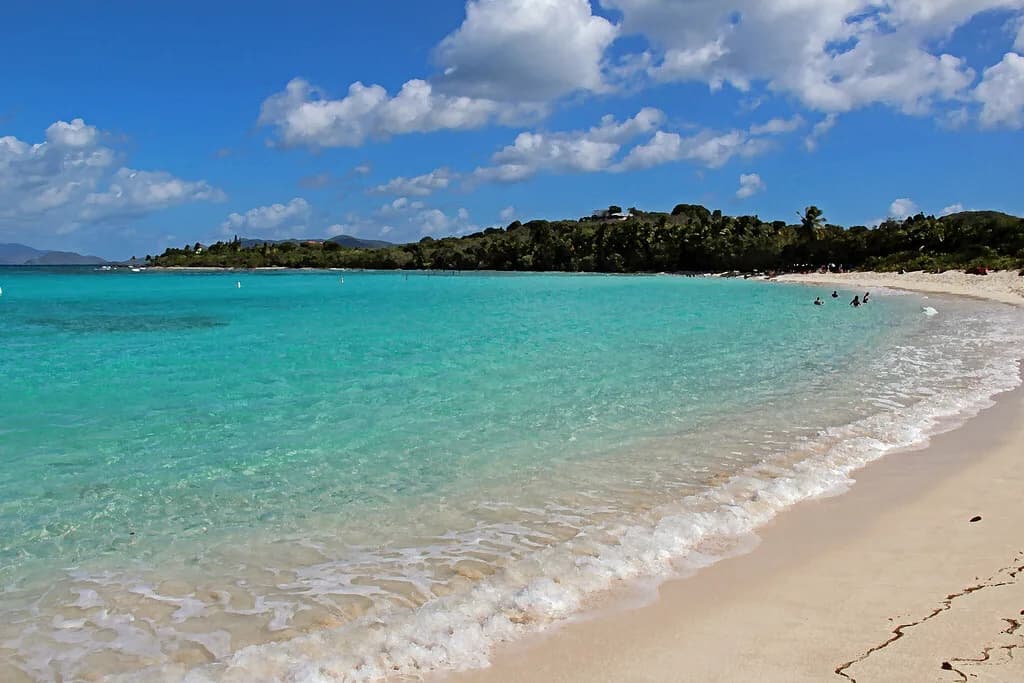
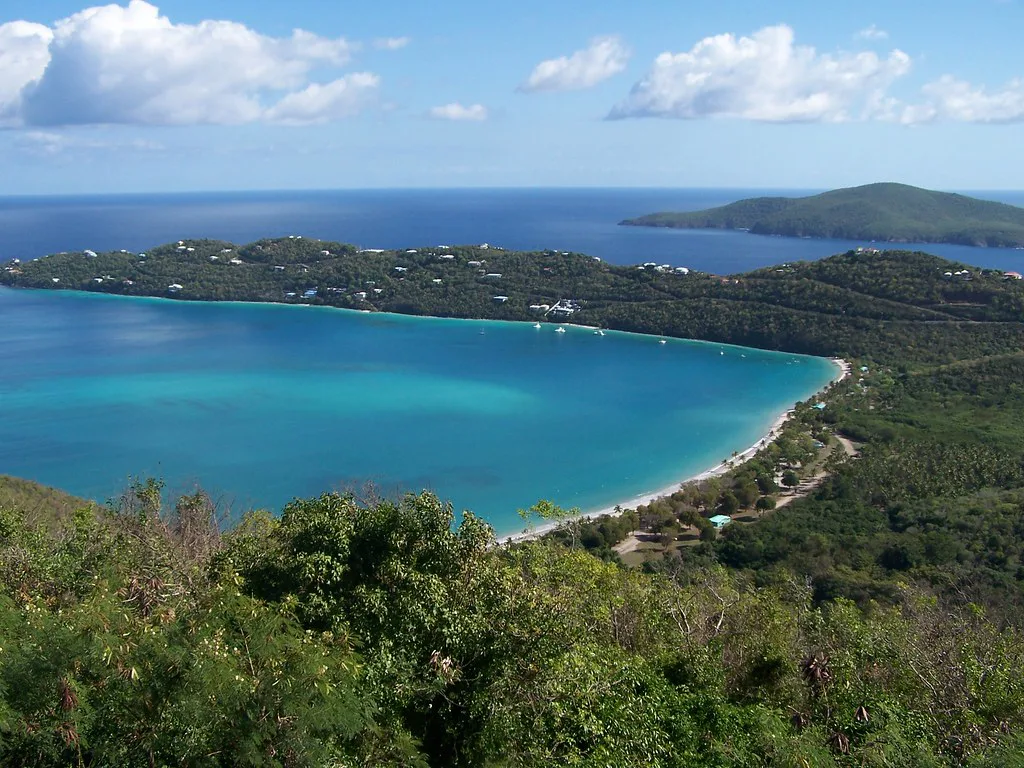
Magens Bay earns its fame as a swimming beach: a near-mile crescent of white sand on St. Thomas's north coast, sheltered by hills so the water usually stays flat and clear. That same broad sandy floor is why the middle of the bay has little to look at underwater. Come here expecting an easy, family-friendly swim with a rewarding corner of reef at each end, and you will plan the day well.
The bay sits about three miles from Charlotte Amalie, the capital and main cruise port, inside a 69-acre nature preserve, which makes it one of the simplest beaches to reach on the island. For a wider comparison of reefs around the island, see this guide to snorkeling in st thomas before you commit a day to one beach.
Where the Bay Is and How It Is Laid Out
Magens Bay runs east to west along St. Thomas's north shore, framed by green hills and coconut palms. The beach is longest and widest in the middle, where the sand slopes gently into shallow water, and it narrows toward both headlands. Little Magens is the small point and cove at the eastern, right-hand end as you face the water.
Think of the bay in three parts: the broad central swimming area, the rocky shoreline on the far left, and the coral and seagrass ground toward the far right past Little Magens. The middle is the place for floating and easy swims; the ends are where you put on a mask. Because both ends are a long swim from the center, walk the beach and enter near the section you want to explore rather than crossing the whole bay in the water.
Getting In: Beach Entry From the Middle vs. the Far Ends
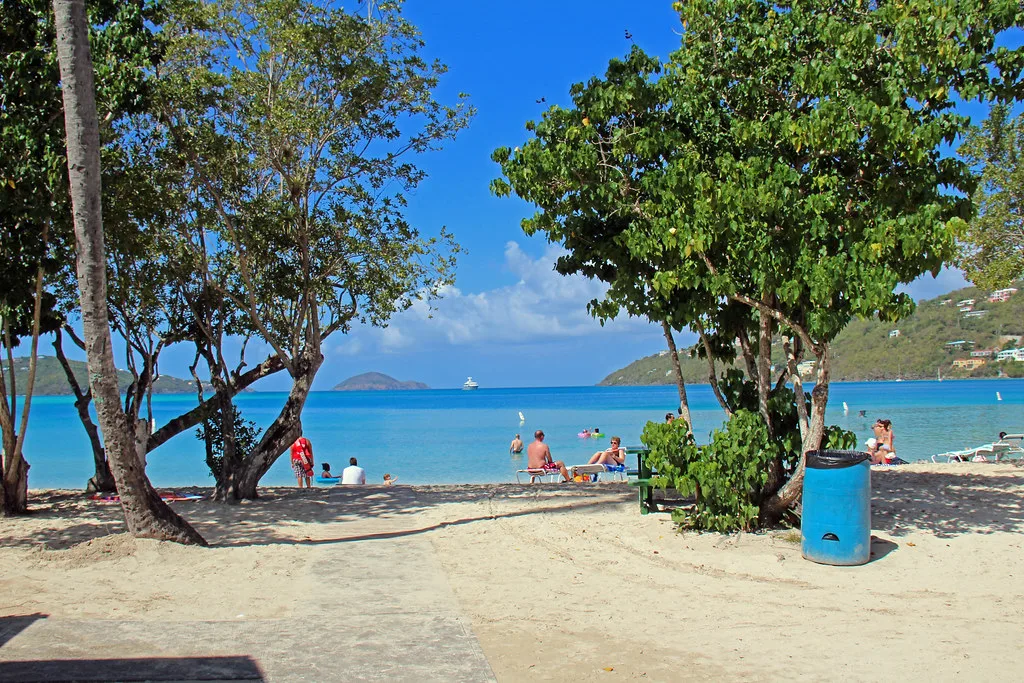
Entry is from sand almost everywhere, which is the bay's great advantage for beginners and kids. In the middle you wade in off a shallow, gently sloping bottom with no rocks or steps to negotiate. At the ends, expect a mix of sand and rock at the waterline, so reef shoes or booties make the first few feet more comfortable.
Walk to the left-hand end if you want the shortest route to the rocks, and to the right-hand end for the coral past Little Magens. Go in from that end of the beach instead of swimming across the bay, and plan to come ashore at the same point. Currents and winter swells vary by day, so ask the lifeguards on duty about conditions at the ends before you commit to the longer swim.
Where to Actually Snorkel: Left Rocks and the Coral Past Little Magens
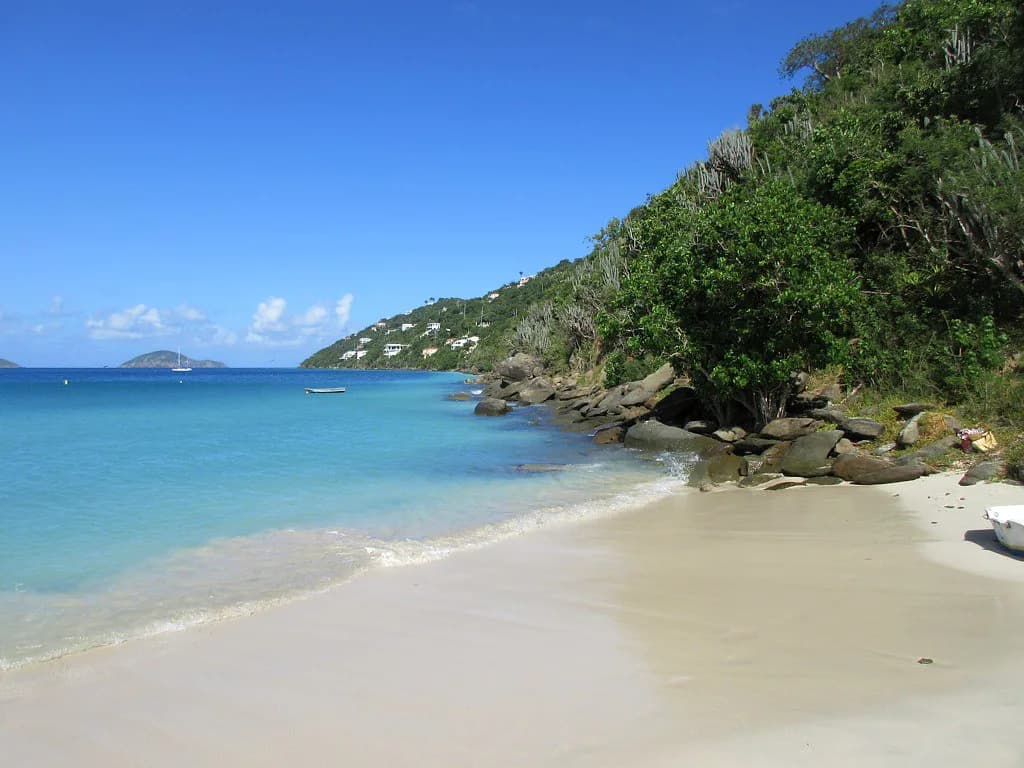
The rocks along the far left side of the bay hold small reef fish in the crevices and along the rock-sand edge. This is the more forgiving of the two ends: shallower structure, closer to shore, and a good place to get your mask sealed and your breathing settled before going further.
The better snorkeling is the coral toward the far right, out past Little Magens, where reef structure and seagrass meet. The beach club's own description of where to snorkel points to that right-hand coral as the stronger ground. Treat it as a destination swim: walk to the eastern end, enter there, and work along the coral edge rather than striking out from the middle of the beach.
Depth, Distance and the Sandy Middle
The central bay is sand from end to end, which is exactly what keeps the water so clear and the swimming so easy, and it is also why there is not much to see down there. Visibility in this kind of bay often looks superb while the bottom offers little cover for fish. Structure, not clarity, is what you are hunting.
Both snorkel ends require a real swim from the center of the beach, so budget your energy for the return leg rather than the outbound one. Shallow seagrass and rubble near the ends give way to slightly deeper coral ground off Little Magens. Keep the shoreline in view, swim with a buddy, and turn back while you still have plenty in reserve.
What You Will See
Green sea turtles graze the bay's seagrass beds, and the shallow beds along the western shore are described as a reliable place to watch them feed. Hawksbill turtles turn up occasionally around the coral, where they browse on sponges and small invertebrates. Neither is guaranteed on any given swim, and both should be observed from a respectful distance without touching, chasing or blocking their path.
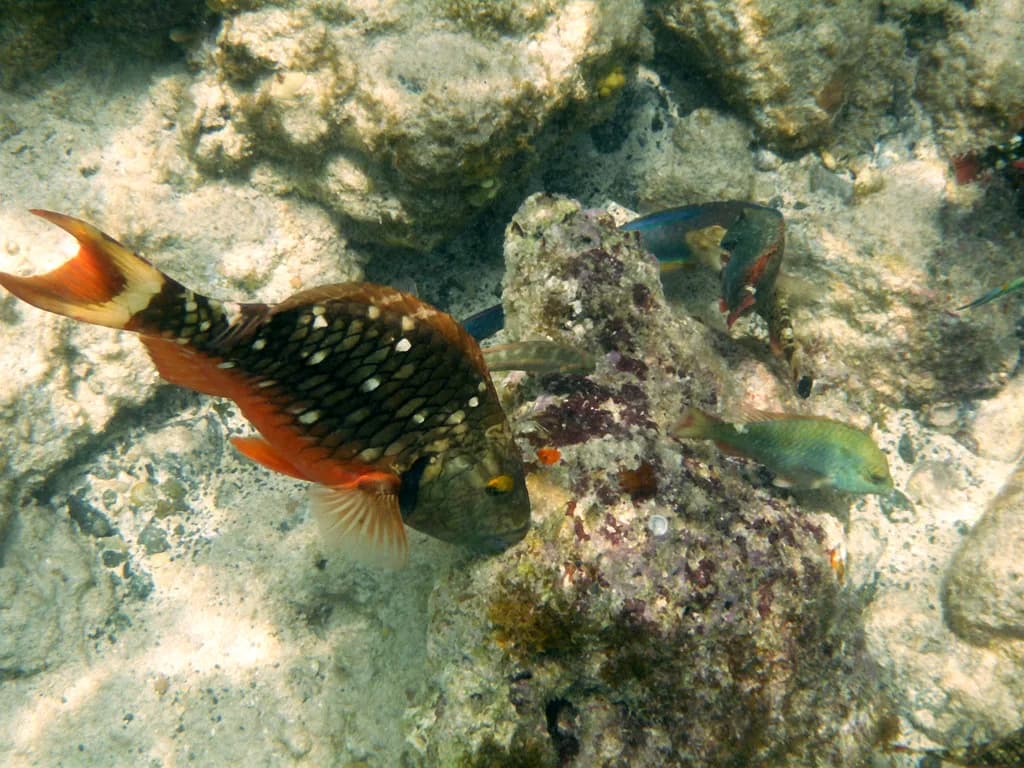
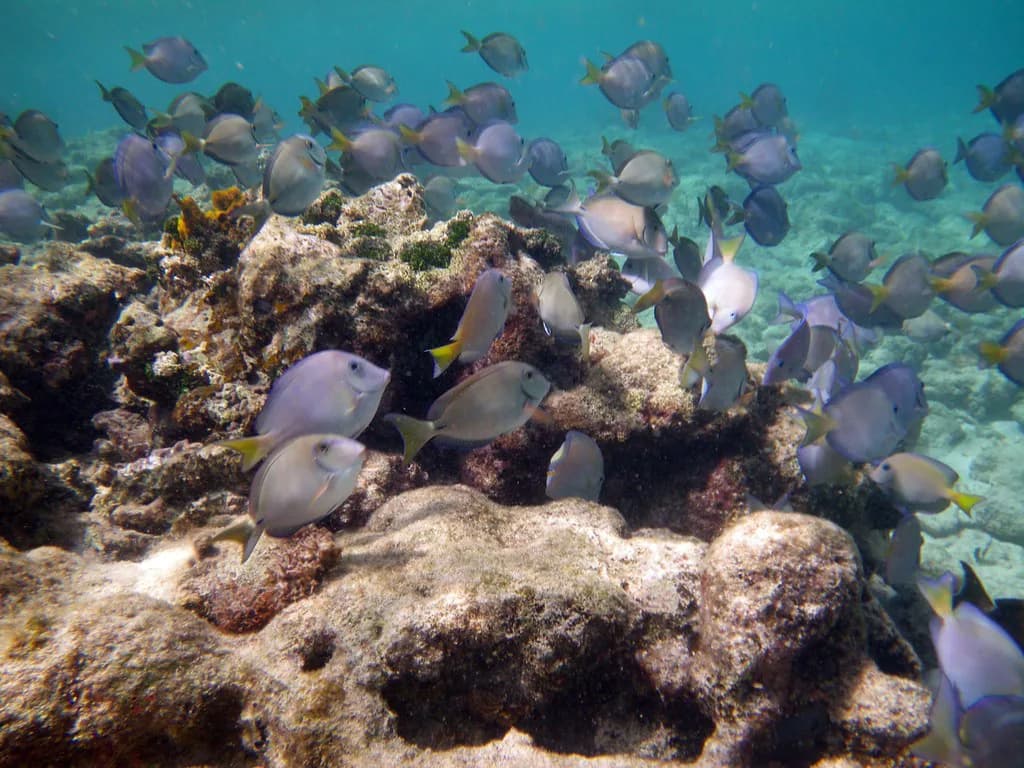
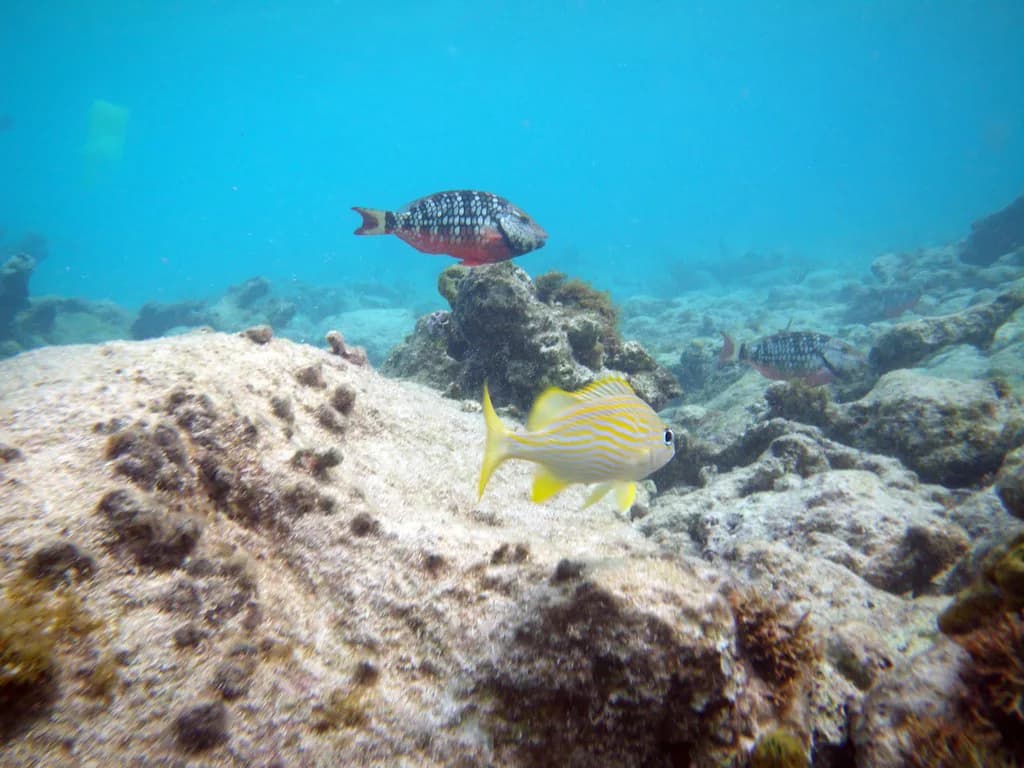
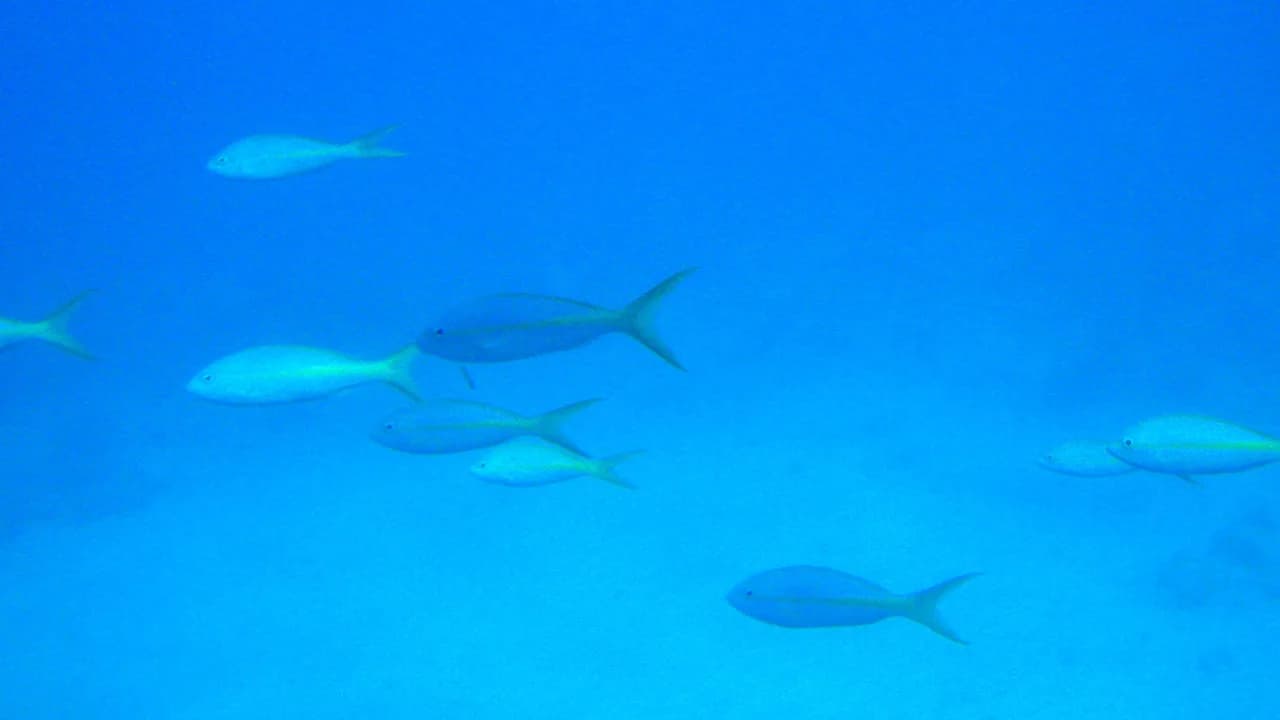
Around the coral patches expect blue tangs and yellow tangs moving in schools, parrotfish such as stoplight and rainbow, angelfish, butterflyfish with their yellow-and-black patterning, sergeant majors, trumpetfish hanging among branches, and wrasse that clean larger fish. Fish concentrate where there is cover, which is another reason the two ends outperform the open sand.
Skill Level and Who It Suits
Beginners, families and kids do well at Magens Bay because the water is calm and shallow and entry is off sand. The central swimming area is the right place for new snorkelers to practice, and the near rocks on the left suit anyone building confidence. This is a swimming beach before it is a snorkeling one, so set expectations accordingly.
Strong swimmers and confident snorkelers get the most from the far right coral past Little Magens, which is the longest swim and the best reward. If reef quality is the priority for your trip, pair a Magens Bay beach day with a dedicated reef elsewhere: snorkeling at Sapphire Beach, St. Thomas offers a different, reef-first experience on the island's east end.
Best Time to Go
Mornings usually bring the calmest water and the clearest light, and marine life is active through the late morning. The trade-off is crowd pressure: this is one of the Caribbean's most photographed beaches, and cruise-ship arrivals and tour groups build through the day. Arriving early also makes parking and a stretch of sand easier to secure.
December through April tends to bring the calmest water and the best visibility, along with higher visitor numbers and higher prices; summer is warmest and quietest but falls in hurricane season, so watch the forecast. Winter swells do reach the bay on some days even though it is sheltered. The National Weather Service marine forecasts are the source for swell and wind before you go.
Hazards
Conditions are usually calm, but winter swells do happen, and the far ends of the bay sit outside the patrolled zone. That combination matters: the reef you most want to see is at the end where lifeguard coverage ends. Watch for boat traffic in the deeper water of the bay, and stay within marked swimming areas when you are in the middle.
Snorkel with a buddy, keep an eye on anyone in your group who is new to the water, and come out if the surface gets choppy. Posted advisories from the U.S. Virgin Islands park authorities and lifeguard flags take precedence over any plan you made on shore.
Lifeguards and the Patrolled Swimming Area
Lifeguards cover the main swimming area during park hours, which is the stretch most families will want for floating and first-time snorkeling. The far ends fall outside that coverage, so the more interesting coral comes with the more self-reliant swim. Plan a competent adult pair for the Little Magens swim rather than a solo outing.
Parking and Fees
Beach admission is listed at $5 per adult, with children under 12 free, and parking at $2 per vehicle. Treat those figures as the reference point for your budget. Confirm the current amount at the entrance booth when you arrive, since posted fees can change between seasons.
Taxis run from Charlotte Amalie and the cruise docks, and shared taxis are the economical option; a rental car gives you the most flexibility for combining beaches in one day. Treat any quoted fare as a typical range rather than a guaranteed rate and agree the price with the driver before you set off. The drive from town through the island's hills is short and straightforward.
Facilities and Rentals
The beach has restrooms and changing areas with freshwater showers, a snack bar and restaurant, and chair and umbrella rentals, which makes it easy to spend a full day with a snorkel in the middle. The beach club is open daily from 8:00am to 4:30pm. Hour-by-hour beach schedules vary by season, so read the board at the entrance for the day's details.
Snorkel gear from the beach club stand costs $40 for the day for mask and snorkel, with a $20 refundable deposit returned when you hand the gear back. Adult and child sizes are available. If you own a well-fitting mask, bring it: fit matters more than rental convenience, and the deposit-and-return routine eats into your water time.
Rules and Reef Etiquette
Keep a respectful distance from turtles and never touch, chase or feed them, and do not stand on coral. Use reef-safe sunscreen, and check whether the product meets the U.S. Virgin Islands rules on ingredients that are restricted in territorial waters. Swim with a buddy, and stay inside buoyed swimming areas when you are in the middle of the bay.
Nearby Spots to Combine
Magens Bay is a beach-first stop, so many snorkelers pair it with a reef-first morning or afternoon elsewhere on St. Thomas. For coral and fish in calm, sheltered water, coki beach snorkeling on the east end is the classic counterpart, and it works well as the second half of a two-beach day with a rental car.
Turtle-focused swimmers can add turtle cove st thomas snorkeling, while brewers bay snorkeling on the island's west side gives another calm-water option near the airport road. Build the day around water conditions rather than a fixed list.
Plan Your Snorkel Day at Magens Bay
Treat Magens Bay as two outings in one: an easy, shaded beach day in the middle and a purposeful swim at either end. Walk to the left for the near rocks or to the right past Little Magens for coral, enter from that end, and go with a buddy who is comfortable beyond the patrolled zone. If you are weighing other islands in the region for a reef-focused day, this guide to snorkeling in Tortola covers the BVI's caves and reef ground.
Bring your own well-fitting mask if you have one, reef shoes for the rocky entry, and reef-safe sunscreen, and arrive early for calm water and easier parking. If reef density is what you came to the Virgin Islands for, use Magens Bay for the swim-and-lunch half of the day and give the other half to a dedicated reef.
Frequently Asked Questions
Is Magens Bay good for snorkeling?
It is a very good swimming beach with modest snorkeling. The middle of the bay is sand, so there is little to see; the worthwhile ground is the rock edge on the far left and the coral past Little Magens on the far right, both a long swim from the center.
Where in Magens Bay should you snorkel?
Head to one of the two ends. The far left rocks are the closer, easier option with small reef fish; the coral toward the far right past Little Magens is the stronger reef. Walk to that end of the beach and enter there instead of swimming across the bay.
Can you see sea turtles at Magens Bay?
Green sea turtles feed on the bay's seagrass beds, especially along the western shore, and hawksbill turtles occasionally appear around the coral. Sightings are never guaranteed. Keep your distance and never touch, chase or feed a turtle.
Do you need to rent snorkel gear at Magens Bay or bring your own?
The beach club stand rents mask and snorkel for the day with a refundable deposit, in adult and child sizes. If you already own a mask that seals well, bring it, since fit matters more than convenience. Fins and reef shoes are worth packing.
Is Magens Bay calm enough for beginners and kids?
Usually yes. The bay is sheltered and the central swimming area is shallow with sand entry, so new snorkelers and children can practice easily. The far ends are more exposed and sit outside the patrolled zone, so save those for competent swimmers.
Are there lifeguards at Magens Bay?
Lifeguards cover the main swimming area during park hours. The far ends of the bay, including the coral past Little Magens, fall outside the patrolled zone, so plan that swim with a buddy and watch the surface conditions.
When is the best time of day to snorkel Magens Bay?
Early morning usually brings the calmest water and clearest light, and marine life stays active through late morning. Crowds from cruise arrivals build later in the day, so an early start also helps with parking and finding space on the sand.
How much is entry and parking at Magens Bay?
Admission is posted per adult with children under 12 free, and parking is charged per vehicle. Rates are set by the beach operator and can change, so confirm the amount at the entrance booth or on the beach club site before you go.
Sources
Snorkeling notes for your next trip
Optional updates to our snorkeling guides.
You might also like
Continue reading
More guides you'll find useful