Lindquist Beach Snorkeling: Smith Bay Park Reef Guide
Snorkel Lindquist Beach in Smith Bay Park, St. Thomas: sand entry, seagrass where turtles graze, and shallow coral at both ends of a protected bay.
On this page
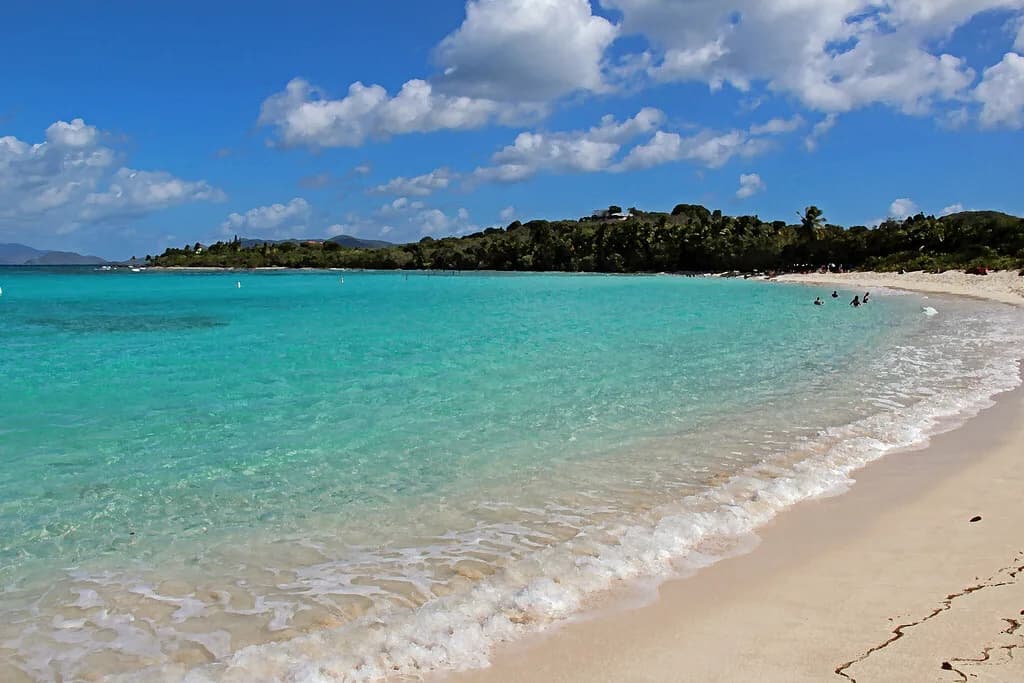
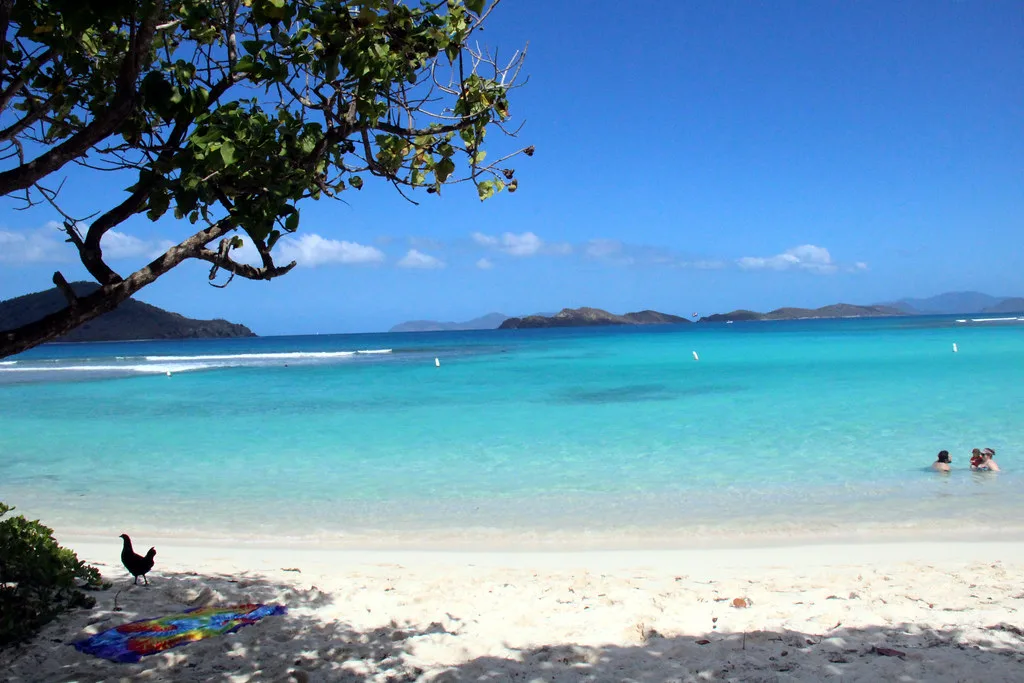
Lindquist Beach, the sand strand inside Smith Bay Park on St. Thomas's east end, is one of the few places on the island where a beginner can wade in from the beach and be over turtle grazing grounds within minutes. The bay is protected, the water is typically calm and clear, and the reef sits close enough to shore that you do not need a boat or a long surface swim. It suits families with kids, casual snorkelers and anyone who wants a two-part route: seagrass in the middle, coral at the edges.
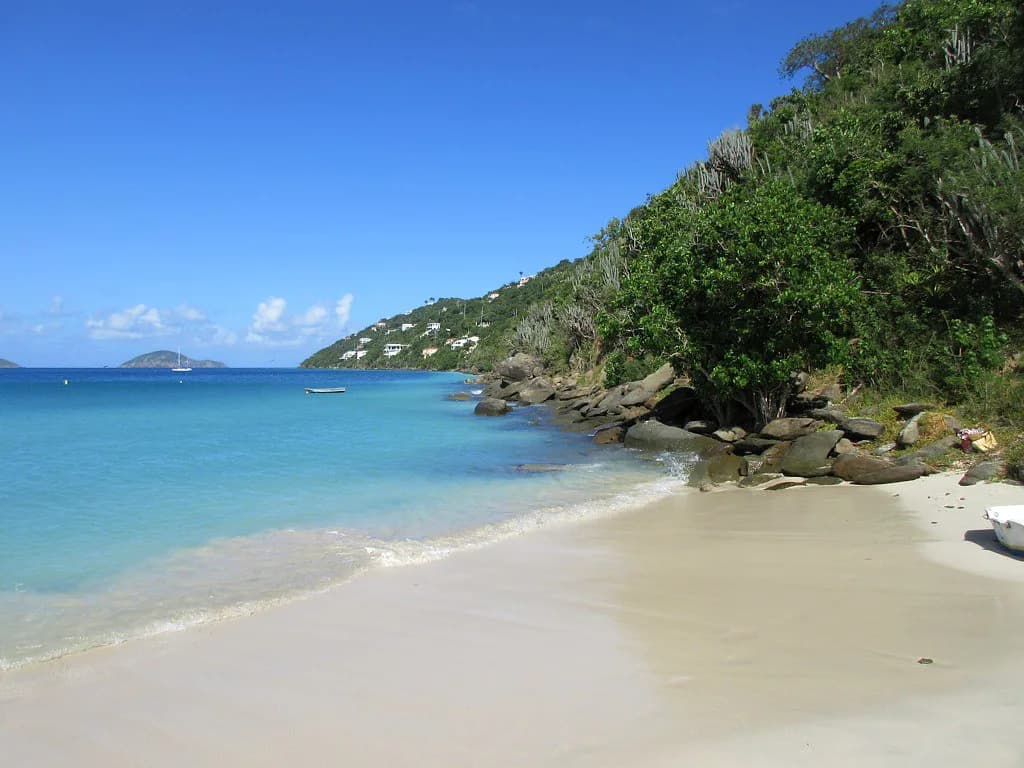
The beach is framed by coconut palms and sea grape trees, with views out to the surrounding cays, St. John and the British Virgin Islands. That setting makes it a good pick for a mixed group, since non-snorkelers get shade and a long stretch of soft sand while the rest of the party works the reef.
What Lindquist Beach Offers Snorkelers
Smith Bay Beach Park and Eco Reserve covers about 21 acres on the eastern end of St. Thomas, and Lindquist is its beach. The protected status is the reason the underwater life sits so close to the sand: this is a reserve rather than a heavily used public bay, and the snorkeling is genuinely good a short swim from the center of the beach. Treat the protection as the point of the visit, not a footnote.
The trade-off compared with the island's smoother bays is texture: this is a rockier beach with coral rubble at the waterline, and it can run cloudy or rough on some days. What you lose in manicured sand you gain in a reef that starts almost immediately.
Where Smith Bay Park Is
The park sits on St. Thomas's east end, roughly between the Coki Point and Sapphire Beach stretch of coast, with the neighboring cays and St. John visible across the water. Coming from Charlotte Amalie or the cruise docks, it is a straightforward drive east along the main road, and it pairs naturally with an afternoon at Coral World Ocean Park or Coki Point.
Getting In From the Sand
Entry is from the beach itself, wading in over sand and scattered rock. Head out from the center of the beach for the seagrass route, and work toward the left or right ends of the bay for the coral. There is no ladder, pier or boat required, which is exactly why this spot works for nervous swimmers.
Watch your footing in the first few feet, where rubble and coral pieces collect, and put fins on once you are past the wash. A short walk along the sand lets you pick a clear patch of water rather than shuffling over rock.
The Layout: Seagrass Center, Coral Edges
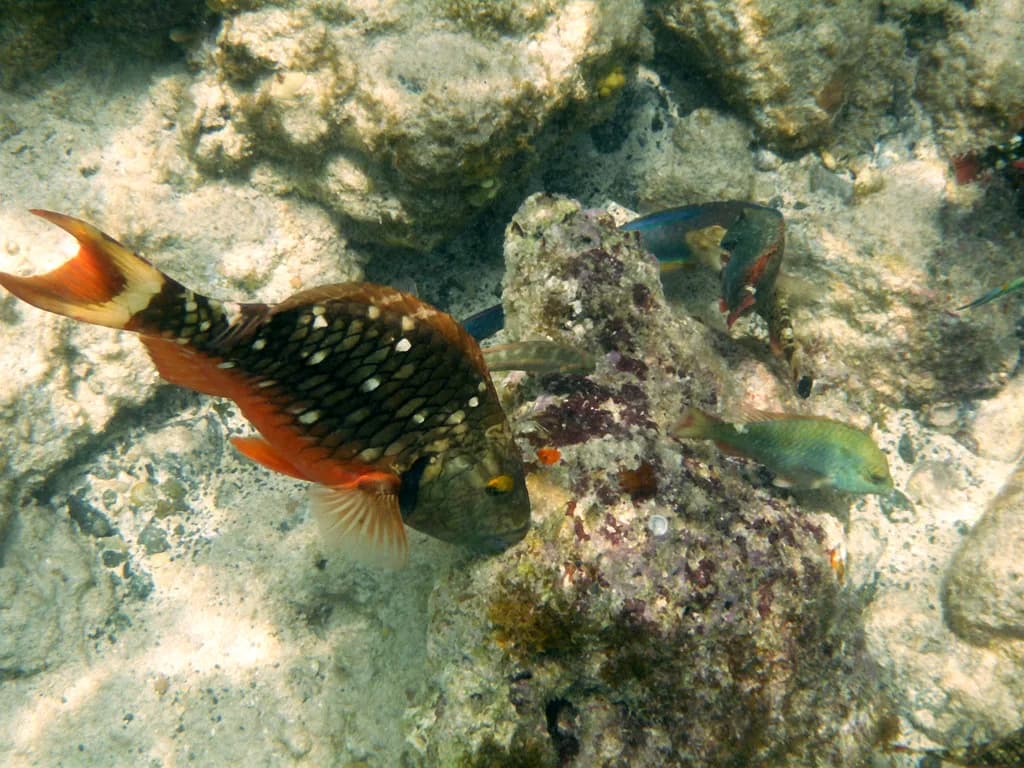
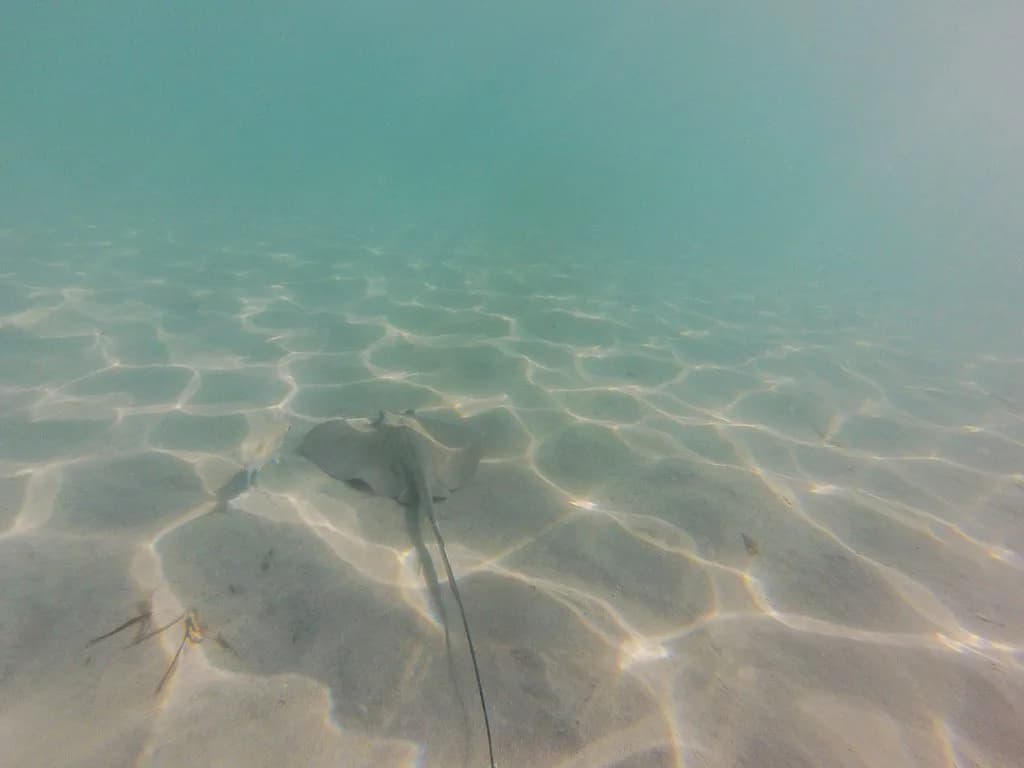
Think of the bay in three parts. The middle is seagrass, where turtles graze and eagle rays sometimes glide over the sand; the left and right sides hold shallow coral reefs with parrotfish working the branches and the occasional octopus tucked into a crevice. A tarpon may drift through, and the biggest ones look alarming but are generally wary of people.
Plan a route rather than swimming randomly: cross the grass on the way out, then pick one coral side for the return. Doing both edges in one session burns a lot of energy, so choose based on what your group wants to see.
What You May See
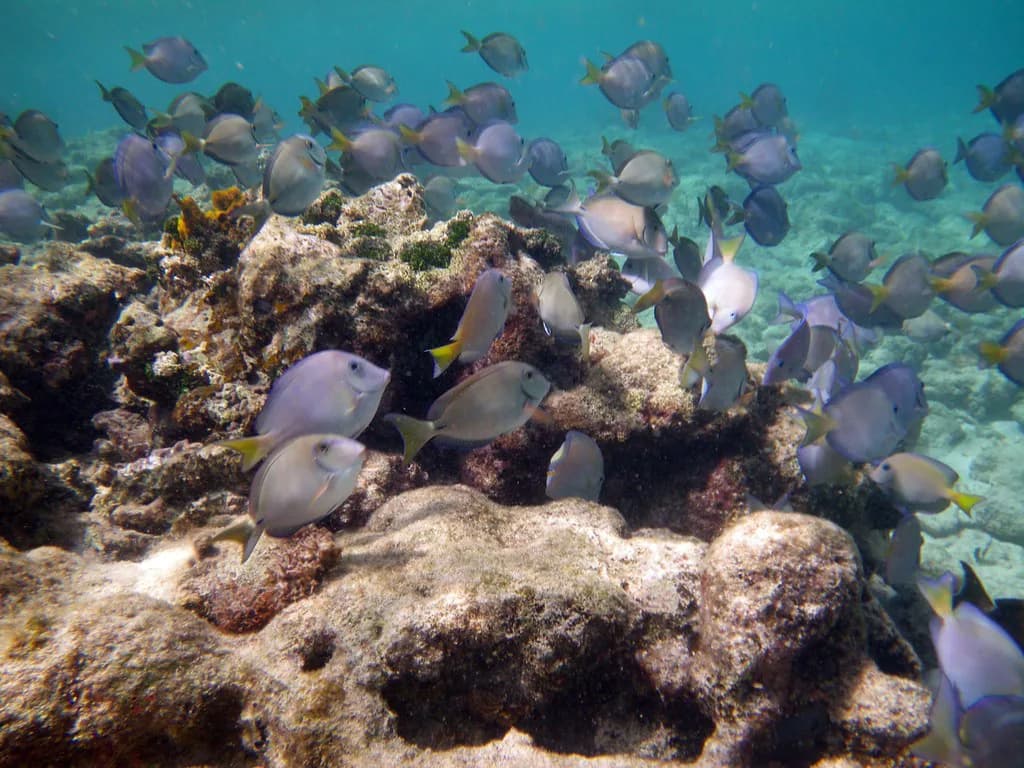
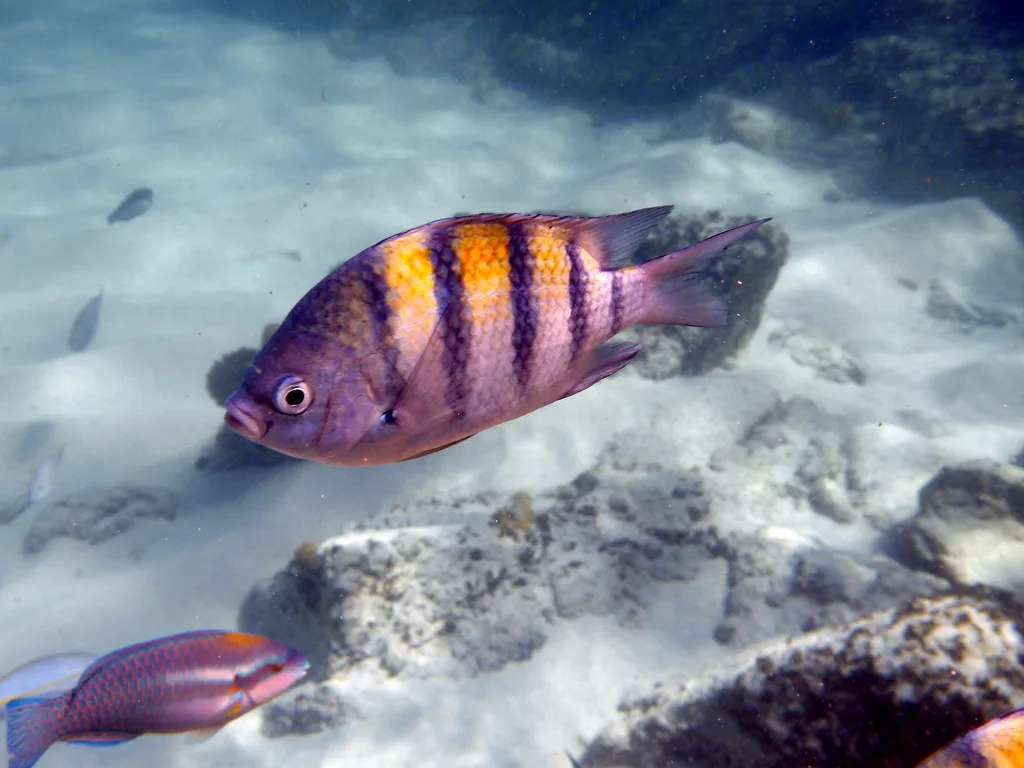
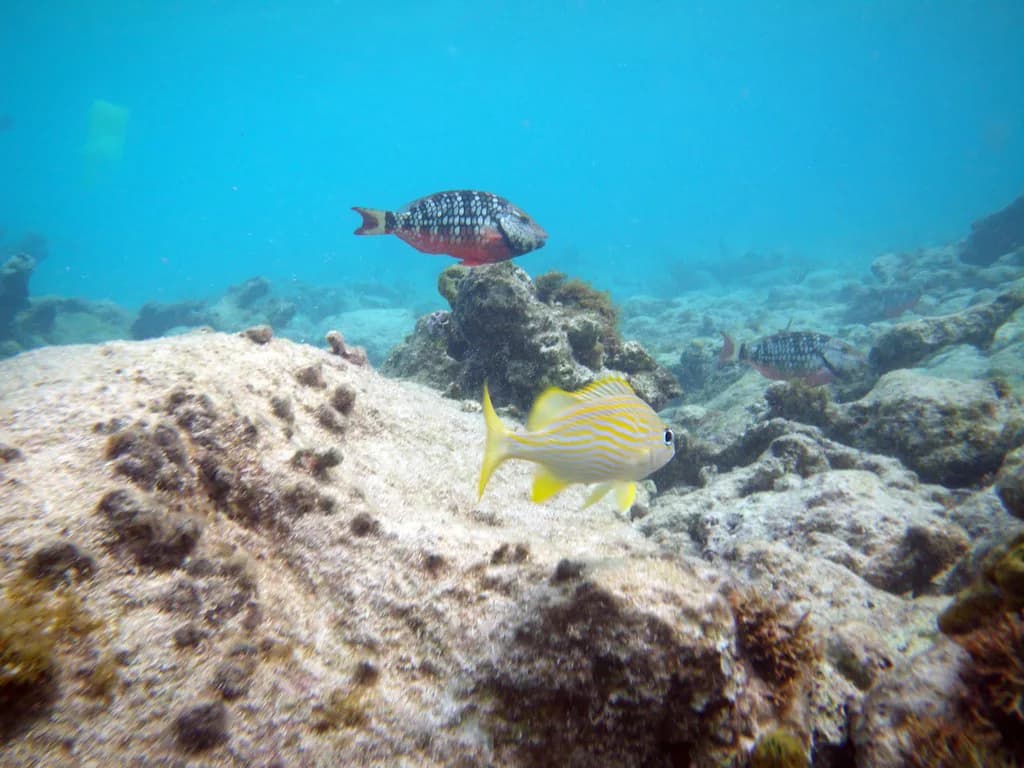
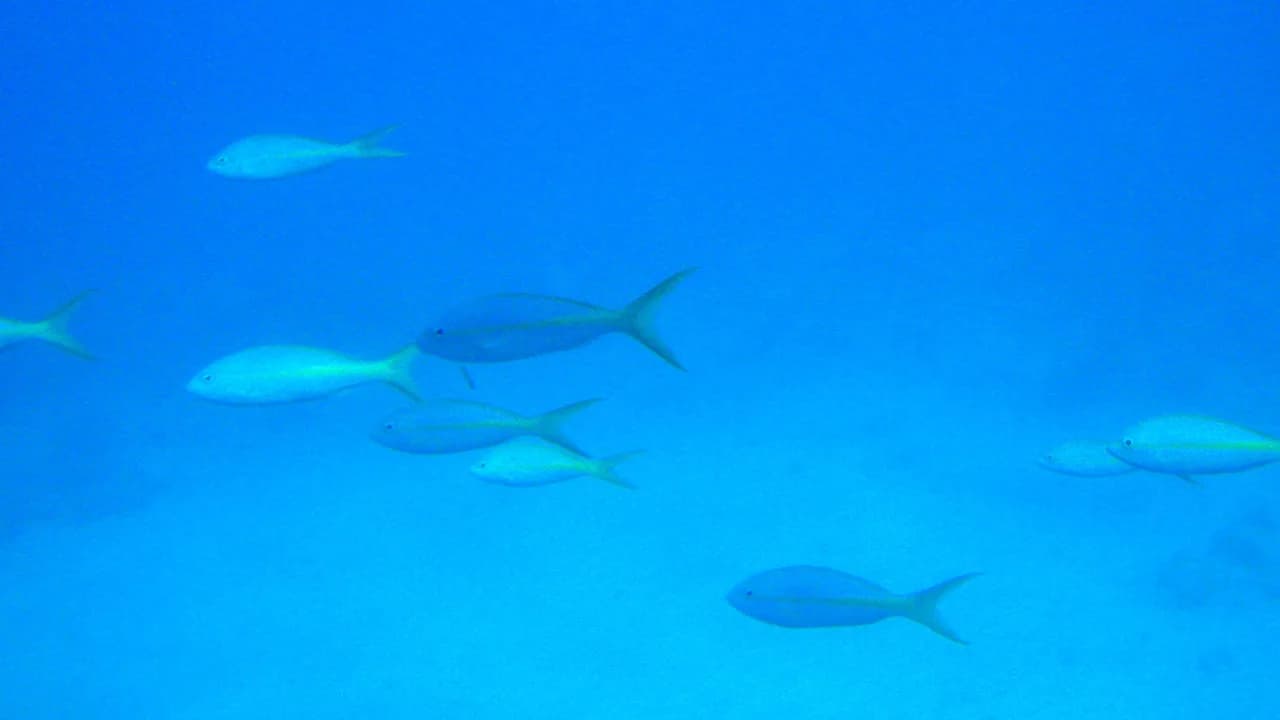
Over the seagrass, the draw is turtles coming up for air between grazing passes, with eagle rays possible on the sandy patches. On the coral, expect the busy spectrum of Caribbean reef fish, with turquoise parrotfish among the most obvious, and octopus as a lucky find rather than a promise. Brain coral is part of the landscape close to shore.
None of these animals is on a schedule, so treat every sighting as a bonus. Keep a respectful distance, never feed or chase anything, and let turtles surface on their own terms.
Depth and Swim Distance
The seagrass beds begin in shallow water just off the sand, and the coral sits over similar depths at the bay's edges, so most of the snorkeling happens within easy reach of a standing or floating rest. You do not need to swim far to find structure. The practical limit is your comfort in open water rather than the distance to the reef.
Skill Level and Who It Suits
Beginners, kids and weaker swimmers get the most out of Lindquist because the calm, clear water and sand entry remove the two things that spook new snorkelers: deep water at the entry and surf at the shoreline. Strong swimmers can extend toward the edges and the outer grass, but there is no need to.
If your group includes a confident teen who wants a busier reef, Coki Beach nearby offers a livelier fish scene and dive-shop rentals, so splitting one day between the two is a reasonable plan. Snorkeling in St. Croix offers another version of that same decision if your trip extends beyond the U.S. Virgin Islands.
Best Time of Day and Conditions
Morning usually brings the calmest water and the softest light for spotting fish, before the afternoon chop builds. Wind direction matters more than the clock: when the breeze pushes into the bay, the surface gets choppy and the water clouds, which is when the rockier entry feels least forgiving.
There is no seasonal closure to plan around here beyond ordinary weather patterns, but summer swell and passing storms change conditions quickly. If the bay looks murky from the sand, walk the length of the beach before deciding, since one end often clears before the other.
Hazards and Reef Protection
Boat traffic is light in this protected bay compared with anchorages like Hull Bay, but tow a dive float if you venture toward the edges, and snorkel with a buddy. Fire coral grows on reef structures in the Virgin Islands and stings on contact, so keep hands off all coral and keep your body off the bottom. Shallow reef is fragile, and standing on it damages what you came to see.
Local guidance for St. Thomas reefs asks snorkelers not to swim over coral in less than about six feet of water, a rule worth applying here too when you drift toward the shallow left and right edges. Vendors elsewhere on the island sell fish food, but feeding marine life is not recommended because it disrupts their diet.
Parking, Facilities and Rentals
Smith Bay Park operates as a managed beach park with a parking area and an entrance, and the park's own published information is the place to get current entry terms before you drive out. Bring your own snorkel gear, water and shade, since the beach's facilities are limited.
Nearby Spots to Combine
Coki Point Beach is minutes away, with gear rental from the dive shop, restaurants along the sand and Coral World Ocean Park next door, making it an easy add-on for families. Sapphire Beach, further east, has its own reef and beach bars if you want a second snorkel on the same drive.
For a change of underwater scenery, Brewers Bay near the airport trades coral for seagrass and turtle sightings, and its food trucks make it a low-key lunch stop.
Practical Packing for a Sand-Entry Day
Pack reef-safe sunscreen, which is required in the U.S. Virgin Islands, along with water shoes for the rubble at the waterline, a rash guard for sun protection and a mesh bag for gear. A dive float and a buddy make the coral edges far more comfortable.
Plan Your Visit
Lindquist Beach rewards a simple plan: enter from the sand, cross the seagrass where turtles graze, then pick one coral edge for the way back. Arrive in the morning for calmer water, bring your own gear and shade, and respect the reserve status that keeps the reef this close to shore.
If conditions look marginal when you arrive, the St. Thomas east end gives you Coki Point and Sapphire Beach as backups within a short drive. Check the marine forecast from the National Weather Service before you commit to a snorkel day.
Frequently Asked Questions
Is Lindquist Beach good for snorkeling?
Yes. The bay inside Smith Bay Park has seagrass in the middle and shallow coral along both edges, all within an easy swim from the sand. The protected status helps keep the reef productive close to shore.
What can you see snorkeling at Lindquist Beach?
Sea turtles graze over the central seagrass, eagle rays may cross the sand, and the coral on either side holds parrotfish, reef fish and the occasional octopus. Sightings vary by day and are never guaranteed.
Is Lindquist Beach better than Sapphire Beach for snorkeling?
Lindquist suits beginners and families better because of its calm bay and sand entry. Sapphire Beach has its own reef plus beach bars and rentals, so it works well as a second stop on the same drive.
Do you need to pay to get into Smith Bay Park?
The park is a managed beach park with an entrance, and current entry terms are posted by the park rather than fixed here. Check the park's official information before your visit.
Is Lindquist Beach good for beginners and kids?
It is one of the better choices on St. Thomas for new snorkelers, with calm, clear water and a sand entry from the center of the beach. The rubble at the waterline calls for water shoes.
Where do you enter the water to snorkel at Lindquist Beach?
Walk in from the sand in the middle of the beach for the seagrass route, and head to the left or right ends of the bay for coral. There is no pier or ladder involved.
What is the best time of day to snorkel Lindquist Beach?
Morning typically offers the calmest surface and clearest water. Wind direction matters as much as the hour, since an onshore breeze chops the bay and clouds the water.
Sources
Snorkeling notes for your next trip
Optional updates to our snorkeling guides.
You might also like
Continue reading
More guides you'll find useful