Snorkeling Buck Island, St. Thomas: Turtle Cove Guide
Plan a snorkel day at Buck Island off St. Thomas: how charters reach Turtle Cove, what you may see on the reef, the sunken wreck, and who each site suits.
On this page
Buck Island sits just off St. Thomas, and its protected water holds the kind of reef-and-turtle snorkel that draws boats from Havensight and Red Hook all morning. Because there is no beach entry, the day is built around a charter rather than a walk-in swim, which suits travelers who want a guided site, provided gear and a short boat ride instead of a shore reef.
The island pairs two different experiences: Turtle Cove's shallow coral and turtle grounds, and an optional look at the Cartanza Senora shipwreck for swimmers comfortable at depth. Read the site descriptions below before you book, then compare them with other shore options in the wider guide to snorkeling in st thomas.
What makes Buck Island worth the swim
The appeal is variety in a single four-hour outing: a calm cove with coral heads and turtles, then a white-sand beach stop at Water Island. Operators describe the water at Turtle Cove as calm and clear with strong visibility, which is the main reason the site works for mixed groups of beginners and experienced snorkelers.
It suits families and first-time snorkelers who prefer a guide and a boat over a long shore swim, and it suits stronger swimmers who want the wreck as a second dive. If your group wants to walk into the water from the sand and set its own pace, a beach reef such as Sapphire Beach Snorkeling, St. Thomas is a better fit than a scheduled charter.
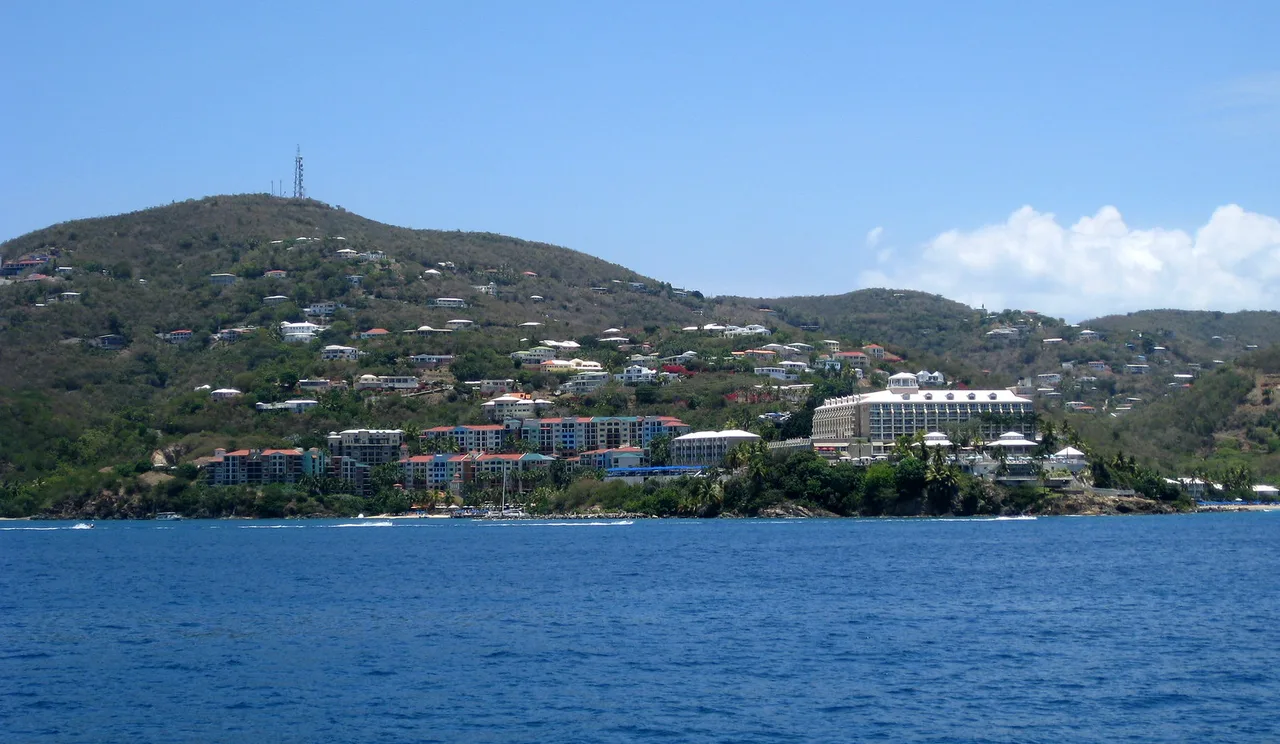
Where Buck Island sits relative to St. Thomas and Water Island
Buck Island lies south of St. Thomas and close to Water Island, so the run out is short and the day can combine reef time with a beach stop without long crossings. Charters commonly loop the island's cove first and then continue to Honeymoon Beach on Water Island for sand, food and a drink ashore.
Because the island sits in open water rather than against a road, you cannot drive to it or wade across; every visit starts at a dock. Plan the rest of your day around the boat schedule rather than around parking near a beach.
Getting in: boat access and charter departure points
On this route, boarding happens at the Havensight/WICO day charter dock near Yacht Haven Grande, where the captain meets guests fifteen minutes before departure. Arrive by taxi or car and walk past the Moe's Fresh Market at Yacht Haven Grande to the stone archway, with the R Bar beside the meeting point.
Once aboard, you enter the water from the boat at the snorkel site, so there is no sand or rock entry to manage with fins on. That makes the day easier for anyone who dislikes surf entries, but it means you should be comfortable climbing a ladder in moderate chop.
Turtle Cove: reef layout, depth and the marine life you may see
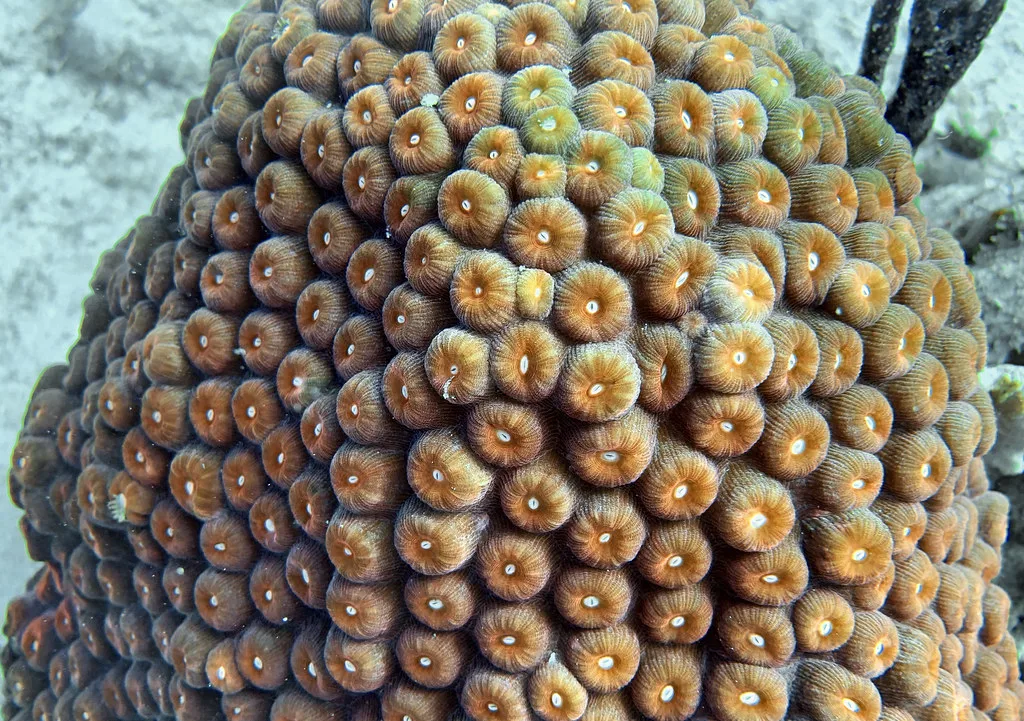
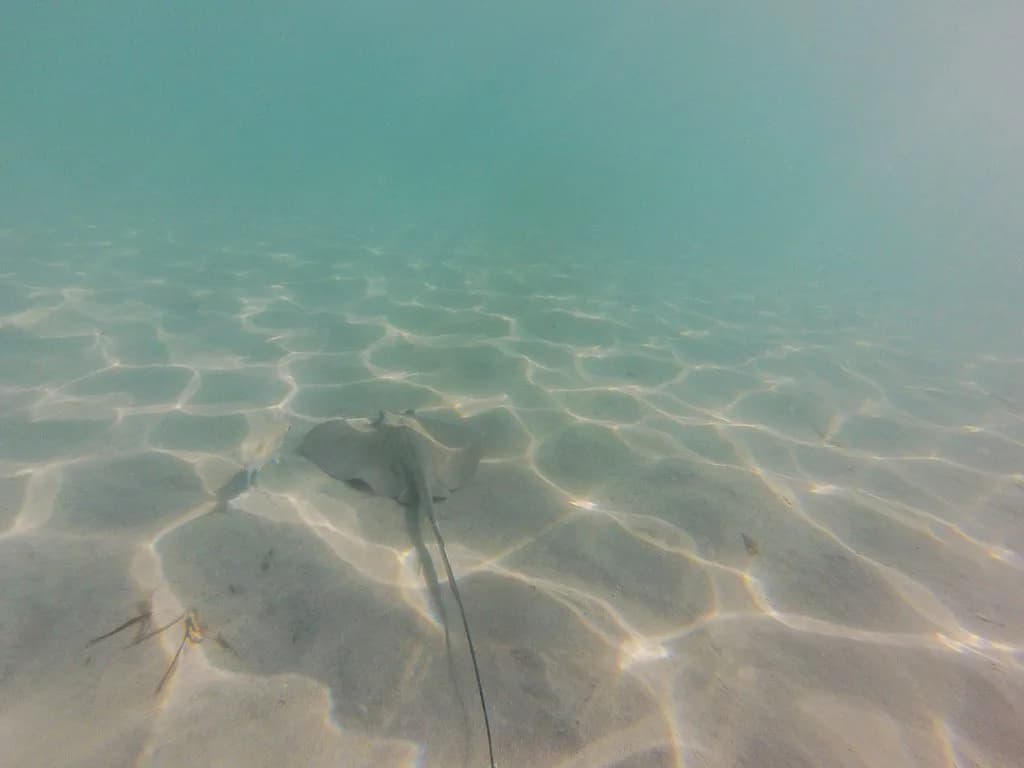
Turtle Cove is the protected cove beside Buck Island, and it is where the boat anchors for the main snorkel. Coral formations and tropical fish spread through the cove, and green sea turtles are the headline resident, turning up alongside rays and reef fish rather than on a fixed schedule.
Treat turtle encounters as a possibility rather than a guarantee: sightings vary with the day, the noise level in the water and how many boats are working the cove. Keep your distance, stay low and let the animal choose the gap; never touch, feed or chase a turtle.
The cove's calm water and moderate reef structure suit snorkelers who want to float and watch rather than dive. Stay over sand when you need to adjust your mask, and keep fins off the coral heads so the shallow sections stay intact for the next boat.
Tropical fish to watch for on the reef
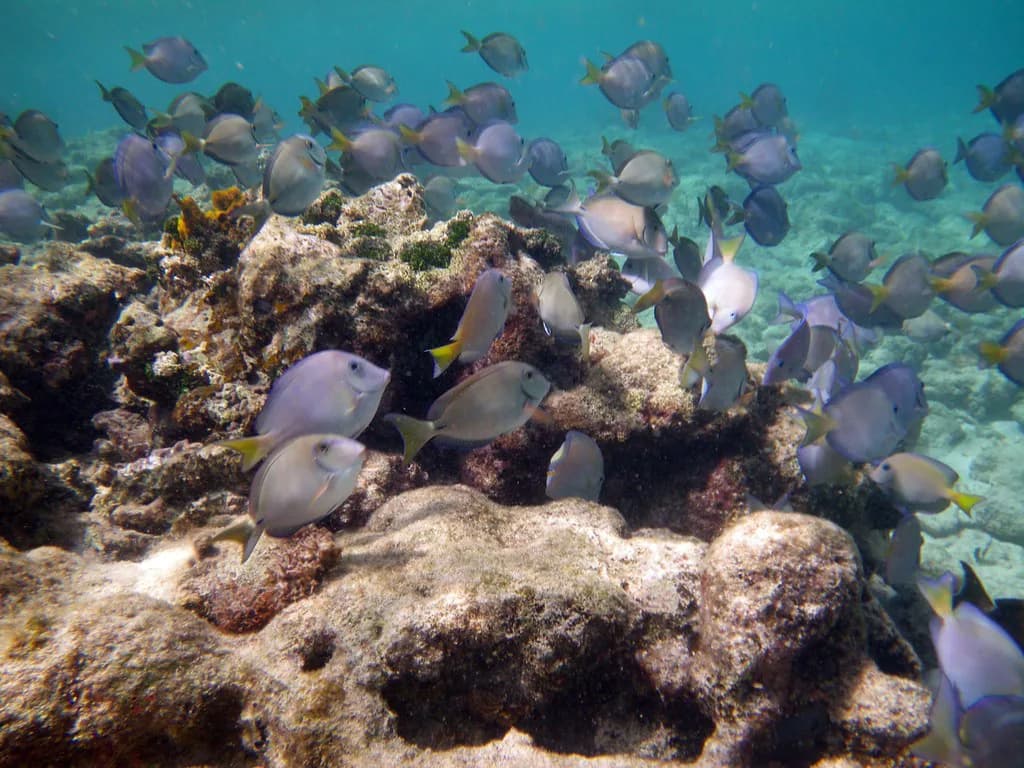
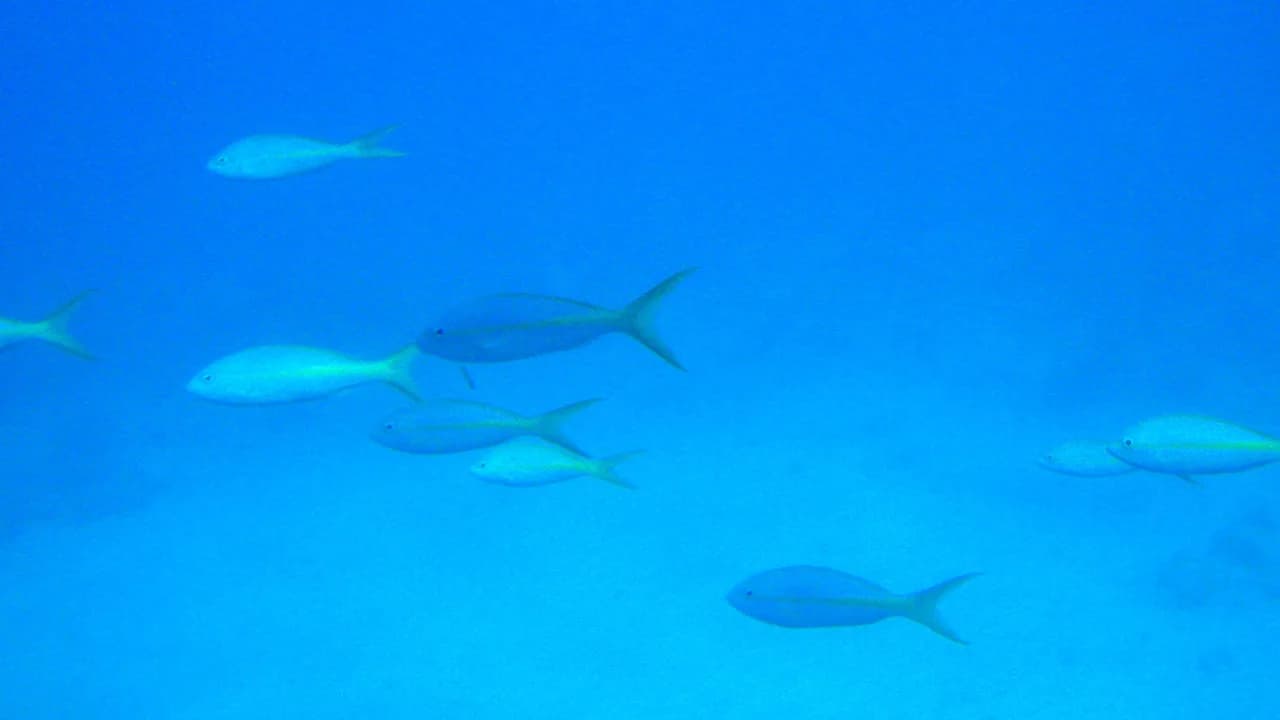
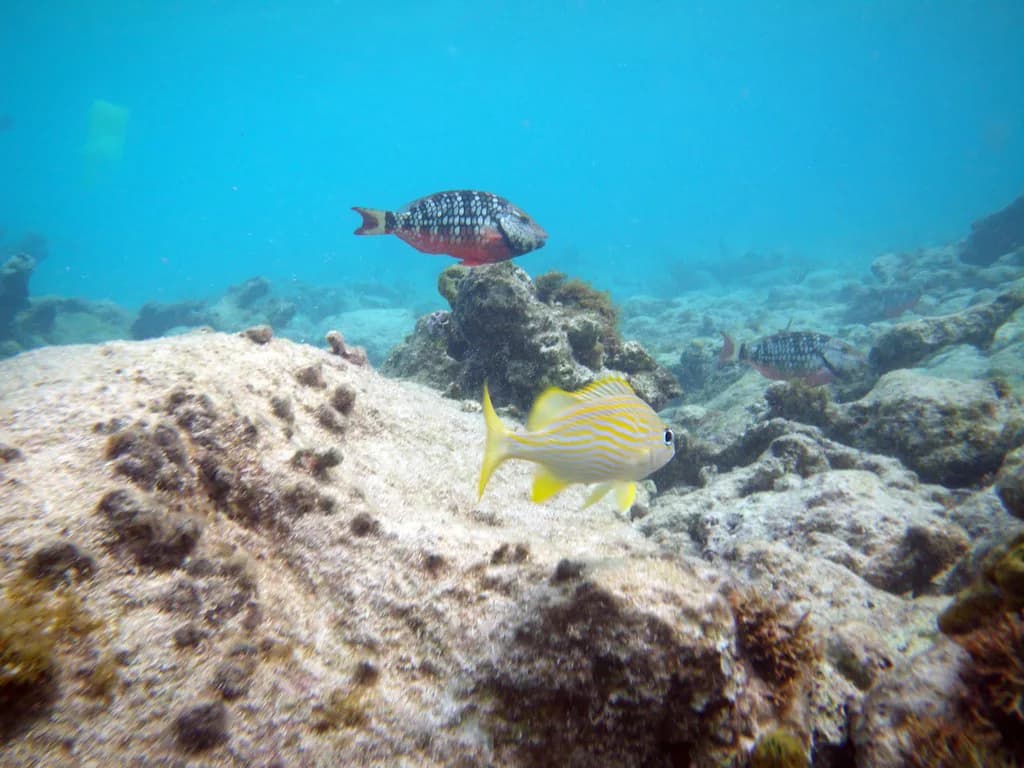
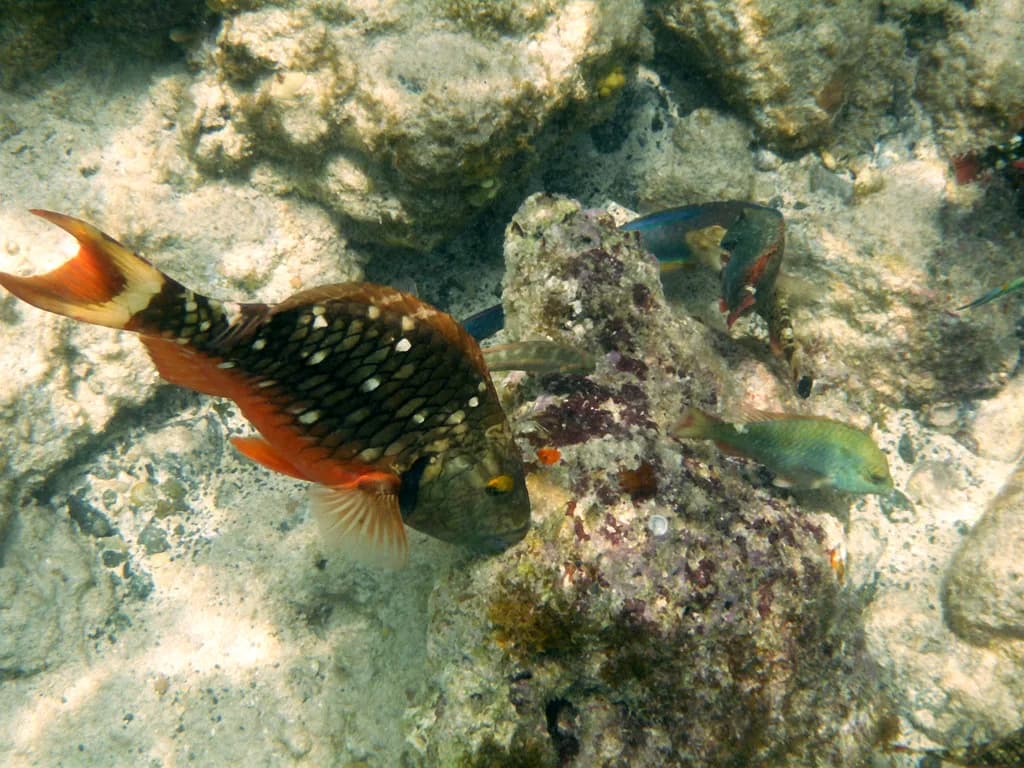
Fish life in the cove is varied enough to keep a mask down for the full stop. Charters list snapper, parrotfish, surgeonfish, squirrelfish, hamlets and other reef species among the regulars, so scan the coral heads slowly instead of swimming a straight line.
Parrotfish graze the coral surface and are easiest to spot in the morning when the light is still low and the water is calm. Squirrelfish tuck under ledges and come out along shaded edges, so check the dark gaps between coral heads rather than only the open water.
The sunken boat at Buck Island and what snorkelers see at depth
The optional stop at the Cartanza Senora shipwreck adds a different kind of site to the day, and the wreck sits at a depth that rewards a controlled descent rather than a quick look from the surface. The captain decides whether the stop fits the day's conditions, so treat the wreck as a bonus rather than the main event.
Wreck snorkeling calls for a comfortable breath-hold, an easy equalization and the discipline to come up before you feel short of air. If you are new to it, stay at the surface above the structure and watch the fish that gather around it instead of forcing a dive.
Skill level: what beginners and strong swimmers should expect
Beginners can spend the whole cove stop at the surface over coral and sand, holding a guide's float or staying close to the boat, and still see turtles and reef fish. The calm water described at Turtle Cove is the reason the shared charter is marketed to all ages and both experience levels.
Strong swimmers get more from the day by adding the wreck and by working the outer edge of the cove where the coral is less visited. Either way, snorkel in pairs, agree on a turn-around time with the crew, and surface to check your position against the boat every few minutes.
Best time of day and how weather reshapes the itinerary
Shared charters run a morning departure and an afternoon departure, and the morning slot generally means calmer water and softer light for the first snorkel. Book the slot that matches your group's energy, then plan the beach stop for after the reef so wet gear does not sit through lunch.
Wind and ocean conditions can move the day: the captain may substitute Brewers Bay for snorkeling and Emerald Beach at Lindbergh Bay for the beach stop, food and drinks. Build flexibility into your plans and treat the named sites as the likely itinerary rather than a fixed promise. Brewers Bay Snorkeling on St. Thomas is a useful fallback to know about if the swap happens.
Hazards: open-water crossings, boat traffic and sea conditions
The cove is sheltered, but the run between stops crosses open water, so brace for chop on deck and keep loose gear stowed. Inside the cove, watch for other snorkelers and for tenders moving between the moorings, and stay visible at the surface with your head up when you cross open water.
Boat traffic around a popular island means you should never swim away from the boat without the crew knowing, and you should come back when the guide calls rather than finishing one more pass. Snorkeling is a surface activity here; skip the wreck dive if you are tired, cold or unsure of your breath-hold.
Rules for turtles and reef etiquette on a marine sanctuary visit
Buck Island's surrounding water is managed as a protected marine sanctuary, so the reef and its animals are the reason the site stays worth visiting, and visitors are expected to leave both untouched. Keep hands off coral, stay off the bottom, and give turtles and rays room to move away on their own.
Choose non-aerosol reef-safe sunscreen before you board, since it is the form the operator asks guests to bring for the day. Pack it in your own bag rather than relying on the boat, and apply before you enter the water instead of spraying over the reef.
What charters include: gear, guides, drinks and what to bring
The shared charter supplies snorkel gear, professional guides, sodas, water, ice and a beer after the snorkel, so you do not need to rent fins or carry a cooler. Bring a towel, a camera, cash for lunch and drinks ashore, and a tip for the crew, which is customary at fifteen to twenty percent of the booking rate on good service.
If you prefer your own mask for fit, bring it, since a personal mask usually seals better than a rental. Leave jewelry and bulky bags ashore, and pack a dry layer for the ride back after the beach stop at Water Island.
Cost and booking: shared charter pricing and departure times
The shared Buck Island and Water Island charter is priced per person at $130 for a four-hour trip carrying up to twelve guests, with departures at 9 a.m. or 2 p.m. local St. Thomas time. Cruise passengers should confirm the ship's time zone against the departure, because the boat leaves on island time.
The trip requires a minimum number of travelers, and if that minimum is not met Seas the Day Charters offers a different date or experience or a full refund. Book ahead for the departure you want, especially in a week with several ships in port, and keep the meeting time fifteen minutes before departure in your plan.
Combining the day: Honeymoon Beach and Water Island
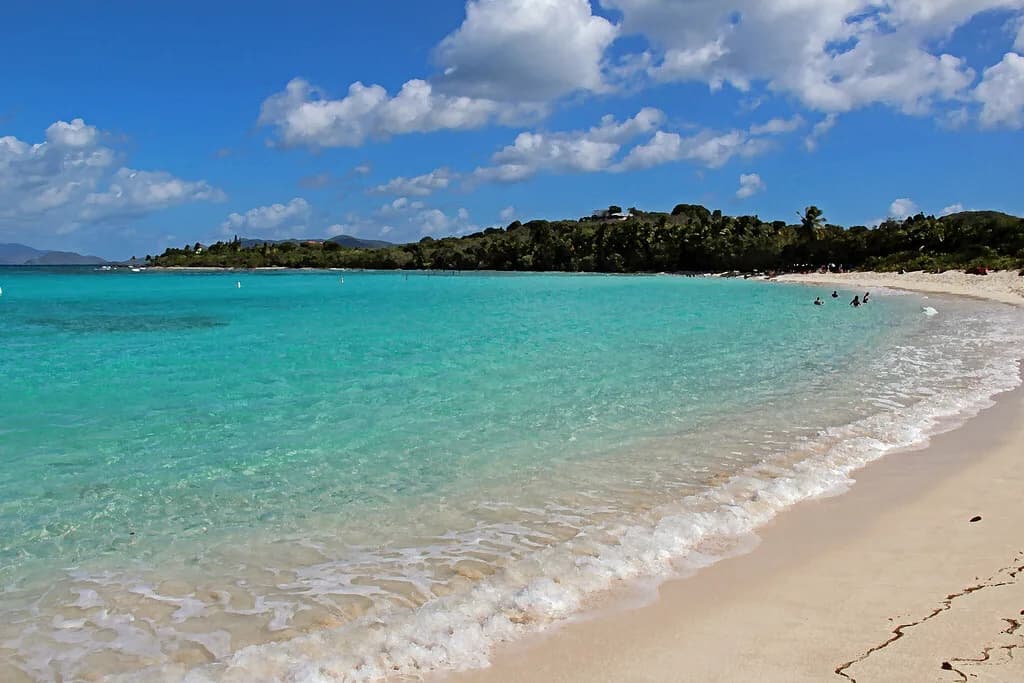
After the snorkel, the charter moves to Honeymoon Beach on Water Island for white sand and clear water, with time to visit Dinghy's Beach Bar for food and a drink. The stop is a beach break rather than a second reef, so treat the snorkeling as the first half of the day and the sand as the reward afterward.
Water Island is a short hop from St. Thomas, so the return leg passes Yacht Haven Grande and drops you back at the same dock you started from. Keep your afternoon or evening free of tight reservations in case the beach stop runs long.
Nearby snorkeling alternatives when the itinerary changes
If the captain swaps the snorkel site for Brewers Bay, you still get a sheltered west-side bay with a reef close to shore and an easy boat entry. Read up on brewers bay snorkeling before you go so the change feels like a different good day rather than a lost one.
On a different day, shore-based options give you the same marine life without a schedule. Magens Bay snorkeling suits calm-water swimmers, while coki beach snorkeling offers a lively reef right off the sand, which makes it a strong choice for a family that wants to snorkel at its own pace. If you are island-hopping, the same shore-versus-charter decision comes up in this guide to snorkeling in St. Croix, where the reefs are reached a little differently.
Plan Your Visit
Buck Island is a boat day: you meet at Havensight, ride a short distance south, snorkel Turtle Cove for turtles and reef fish, and optionally drop onto the wreck before finishing at Honeymoon Beach. Choose the morning departure for calmer water, bring reef-safe non-aerosol sunscreen and your own mask if fit matters to you, and leave room in the plan for a weather substitution.
Compare the cove with shore reefs like Coki Beach and Magens Bay if your group includes weak swimmers or travelers who would rather skip a ladder entry, and book the shared charter early in your stay so a weather day does not cost you the trip.
Frequently Asked Questions
How do you get to Buck Island from St. Thomas?
By boat. Buck Island sits offshore south of St. Thomas with no road or beach access, so visitors join a charter. Shared charters meet at the Havensight/WICO day charter dock near Yacht Haven Grande, fifteen minutes before the 9 a.m. or 2 p.m. departure.
Is Buck Island snorkeling good for beginners?
Yes, if you stay with the cove. Turtle Cove is described as calm and clear, and the boat entry means no surf or rock scramble. Beginners can float over coral and sand at the surface with a guide while stronger swimmers add the wreck.
What will I see snorkeling at Turtle Cove on St. Thomas?
Expect coral formations, green sea turtles, rays and reef fish such as snapper, parrotfish, surgeonfish, squirrelfish and hamlets. Sightings vary by day and depend on calm, respectful behavior in the water; never touch, feed or chase the animals.
How deep is the sunken boat at Buck Island?
The wreck is described as sitting at roughly 25 feet, which is below comfortable surface snorkeling. Treat it as an optional stop for confident breath-hold divers and stay at the surface above the structure if you are new to deeper water.
How much does a Buck Island snorkel charter from St. Thomas cost?
The shared Buck Island and Water Island charter is priced per person, with the rate and any minimum traveler count for departure listed on the operator's website. Check the booking page for your date, since a trip that misses its minimum is rebooked or refunded.
What should I bring on a Buck Island snorkel charter?
Bring a towel, non-aerosol reef-safe sunscreen, a camera and cash for lunch, drinks ashore and a crew tip of fifteen to twenty percent on good service. Gear, guides, sodas, water, ice and a post-snorkel beer are included.
What happens if the weather changes the itinerary?
The captain may substitute Brewers Bay for the snorkel stop and Emerald Beach at Lindbergh Bay for the beach, food and drinks. Keep the afternoon loose so a changed route does not collide with a tight reservation.
Sources
Snorkeling notes for your next trip
Optional updates to our snorkeling guides.
You might also like
Continue reading
More guides you'll find useful