Snorkeling in St. Thomas: Best Shore Spots and Boat Reefs
Plan a St. Thomas snorkel day with shore reefs at Coki, Sapphire and Secret Harbour, boat-only sites, entry details and the skill level each spot suits.
On this page
St. Thomas earns its snorkeling reputation on convenience as much as on coral: several beaches put tropical fish within a minute of wading in, which suits families, first-timers and anyone working around a short port call. The island also hides wilder water offshore, where boat-only reefs and a sunken freighter reward stronger swimmers with a full day to spend. This guide separates the two so you can match a spot to your group, your gear and the time you have.
Conditions shift with the trade winds, so plan around mornings and pick a lee-side bay when the north shore is up. Expect parrotfish, blue tang and sergeant majors on almost any reef, with green sea turtles a realistic possibility at a couple of the calmer beaches. What follows is organized by how you get in the water, not by hype.
Why St. Thomas Rewards Shore Snorkelers
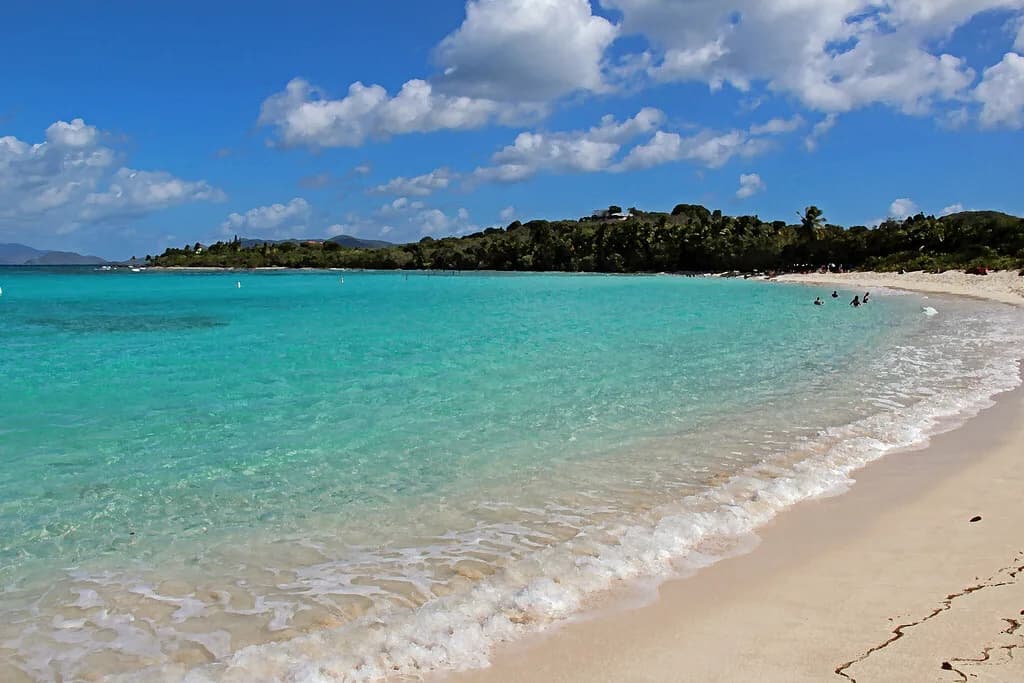
Few Caribbean islands make it this easy to skip the boat. At Coki Beach, Sapphire Beach and Secret Harbour, schools of tropical fish show up within minutes of entering the water, and a calm bay lets a beginner practice breathing through the snorkel before swimming farther out. That combination of shallow reef and easy sand entry is the reason the island works for mixed groups where only half the party wants to get wet.
Water stays comfortable across the calendar, so a wetsuit is usually unnecessary. On calm days visibility commonly runs 40 to 80 feet, and early morning usually delivers the clearest water before afternoon winds stir the surface. That pattern matters more than the season for most visitors.
The trade-off is crowding. The easiest beaches are also the busiest, and a reef a short swim from a parking lot sees plenty of fins. If you want healthier coral and quieter water, budget part of your trip for a charter; if you want a low-stress hour in the water before lunch, stay on shore.
Coki Beach: The Easiest Reef on the Island
Coki is the spot to choose when your day is short. The reef starts about 20 feet from shore on the right-hand side, which means a sand entry followed by a few kicks over coral and fish. Parrotfish, sergeant majors, blue tang and the occasional squid are the usual company, and the fish here are accustomed enough to people that they swim close to a mask.
Entry is off the sand, with no ladder or boat required, and the shallow start makes it forgiving for kids and nervous first-timers. Pair the swim with Coral World Ocean Park next door for a family morning, or read a fuller breakdown of coki beach snorkeling before you go. The bay is about 25 minutes by taxi from Havensight, so it fits comfortably into a port day.
Secret Harbour: Calm Water on the East End
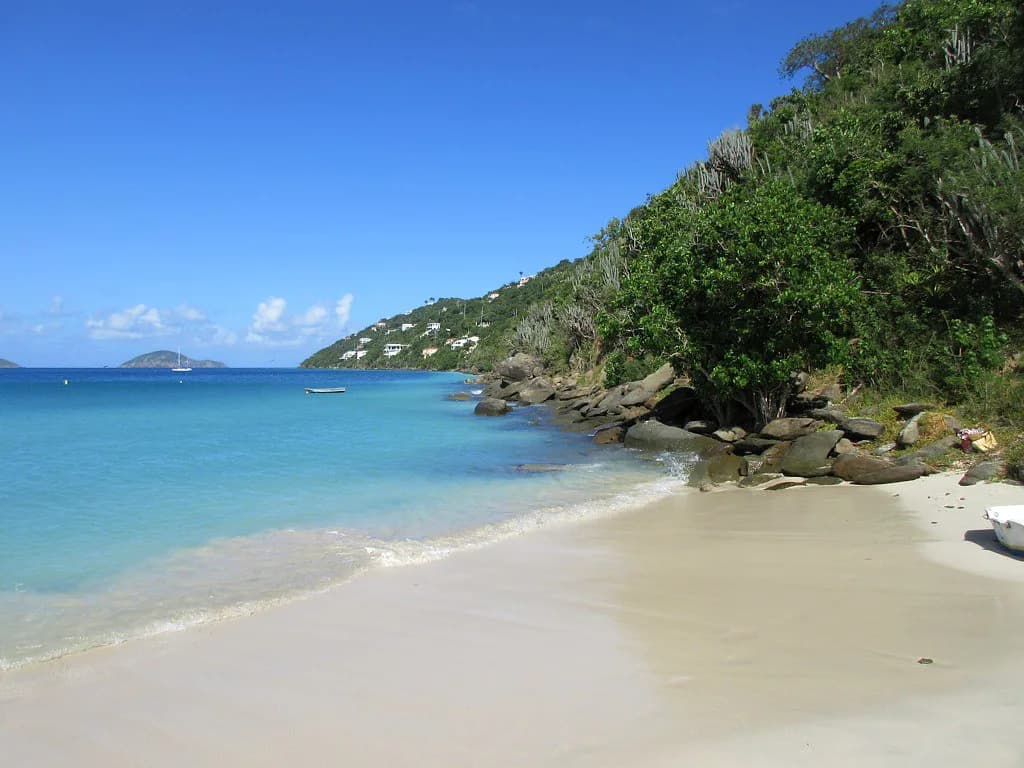
Secret Harbour is a protected cove on the east end with almost no current, which makes it the friendliest water on the island for first-timers and anxious swimmers. The rocky edges on both sides hold small reef fish and sea urchins, and turtles occasionally graze the seagrass. A beach bar, restrooms and shade sit right behind the sand, so a non-snorkeling companion has somewhere to settle.
Because the cove is sheltered, it holds up on days when exposed beaches turn choppy, and the shallow profile lets you stand or float without committing to a long swim. Work the rocky margins rather than the sandy middle, where there is little to see. Keep a respectful distance from any turtle you encounter and let the animal move off on its own.
Sapphire Beach: The Widest Shore Reef
Sapphire has the widest reef of the easily reachable beaches, running along the north end toward Pettyklip Point. Turtles are a realistic possibility here, along with the usual parrotfish, angelfish and snapper. The trade-off is exposure: when the trade winds are up the bay gets choppy, so it rewards an early start and a look at the water before you commit.
Treat Sapphire as the step up from Coki for a confident swimmer who wants more ground to cover. Entry is from the sand, and the reef rewards a slow swim out rather than a sprint. A morning visit also beats the afternoon sand kicked up by beach crowds, and snorkeling in sapphire beach st thomas is at its best before the wind arrives.
Lindquist Beach (Smith Bay Park) and Magens Bay
Lindquist Beach, inside Smith Bay Park, is a territorial park that is less developed than the beaches above and usually calmer as a result. The snorkeling is best along the rocky point to the left, and the beach itself is good enough that half your group can stay dry. A small entry fee applies, so bring a card or cash and plan to pay on arrival.
Magens Bay is the famous one, and as a beach it deserves the reputation. For fish, be honest with yourself: the bay is mostly sand, with rock and some fish at the far ends where the water is flat as glass. That makes Magens the pick for a mixed group who want swimming and a postcard view more than a reef tour, and magens bay snorkeling is worth it only if you work those end rocks. Entry fees and hours are set by the Magens Bay Authority, so check them before you go.
Hull Bay: North-Shore Water for Confident Swimmers
Hull Bay is the local surf beach on the north shore, and it is the most interesting shore snorkeling on the island only when the swell is down. In those windows, the reef and the small offshore cay give a stronger swimmer real ground to explore. When the swell is up, the same bay is a surf break rather than a snorkel site, so give it a pass and head for a sheltered east-end cove instead.
Winter months tend to bring more north-shore swell, so Hull Bay and Magens can turn rough while the east-end and south-side beaches stay calm nearly always. That seasonal pattern should drive which coast you pick rather than the calendar alone. Ask locally about the day's swell before you commit to a north-shore swim.
Buck Island: Boat-Only Reef and a Sunken Freighter
Buck Island off St. Thomas is a wildlife refuge a short ride offshore, and it is the worth-booking-a-boat option on the island. A wrecked cargo ship, the Cartanser Senior, sits in about 45 feet of water, which puts it beyond snorkel depth for most people but makes the surrounding reef and structure the draw. Half-day charters leave from Crown Bay and Red Hook.
Private charters give you the most flexibility on timing and stops. Neptune Adventures runs 4-hour snorkeling and island tours for $699 and 6-hour versions for $999, including up to 8 guests, gear for everyone, a licensed captain and a cooler with water, soda and beer. Trips run year-round, which makes a boat day viable outside peak season.
For groups, a private boat often costs less per person than booking seats individually, and it lets you build the day around a beach bar stop or a second snorkel site. Compare that against shared options in this guide to st thomas snorkeling tours, where per-person pricing and fixed itineraries change the math. Either way, book ahead on days when multiple ships are in port.
Trunk Bay, St. John: A Full-Day Add-On
Trunk Bay on St. John holds the single best snorkel within day-trip range of St. Thomas, thanks to an underwater interpretive trail with markers identifying the coral. The National Park Service maintains the trail and sets the fees and conditions, so check its visitor page before you commit. Getting there means a ferry from Red Hook plus a taxi on the St. John side.
This is a full-day plan, not a quick add-on. Only attempt it if your ship is in port late enough to absorb a ferry crossing, a taxi, a swim and the return legs without rushing. If your call is short, spend the morning at Coki instead and save Trunk Bay for a land-based stay.
Shore vs. Boat Snorkeling
Beach snorkeling wins on access, cost and convenience: you walk in, swim out and leave when you like, which suits beginners and short visits. Boat snorkeling wins on reef quality and variety, reaching remote cays with healthier coral, fewer people and often several stops in one trip. Many visitors do both, starting with the shore beaches early in the trip and adding a charter once they have their mask sorted.
Budget matters too. A do-it-yourself beach morning typically runs $40 to $60 once you add taxi fare and gear rental, while a guided boat trip is typically $80 to $130 per person. Taxis to Coki or Sapphire run roughly $10 to $16 per person each way, and gear rental at the beaches is about $10 to $20.
Getting There From the Cruise Port
You cannot snorkel at the cruise docks. Havensight and Crown Bay are working harbor water with ship traffic, no reef and poor visibility, so every worthwhile spot is a 15 to 35 minute taxi ride away. Build that ride into your schedule rather than assuming a beach is walkable from the pier.
A realistic port day runs like this: take a taxi straight to the beach on arrival, snorkel before noon while the water is calm and visibility is best, then ride back into Charlotte Amalie for lunch and a walk. Taxi timing on the island is loose, so give yourself a 90-minute buffer to reach the ship. Trying to fit a beach, a boat trip and town into one seven-hour call usually means enjoying none of them.
When to Go
Mornings are calmer and clearer, and most visitors find visibility best before noon, ahead of the wind and the beach crowds. Water stays warm year-round: averages run about 79 to 81°F in winter, rising to roughly 84 to 86°F by fall, so a swimsuit and rash guard are usually enough. Winter brings more north-shore swell, which pushes you toward the east-end and south-side beaches.
Snorkeling holds up across the calendar, so a visit outside peak season is not a compromise. If your dates land in winter, weight your plans toward sheltered coves and keep the north shore as a game-day decision. Use an official marine forecast before committing to an exposed site.
What You Will See
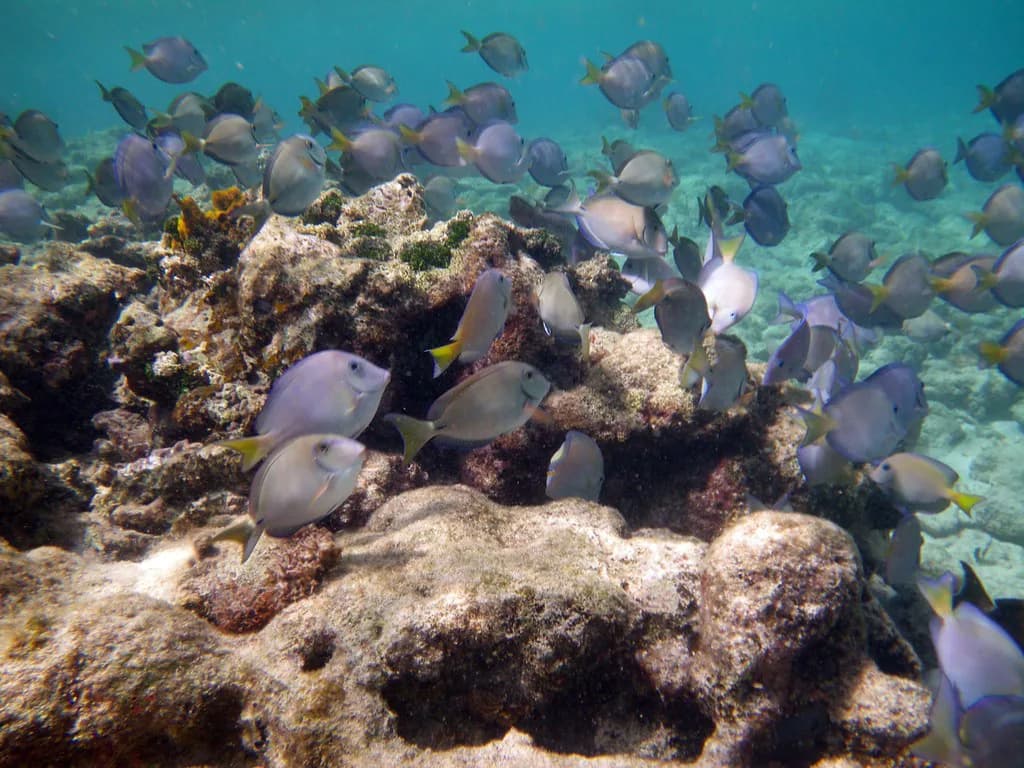
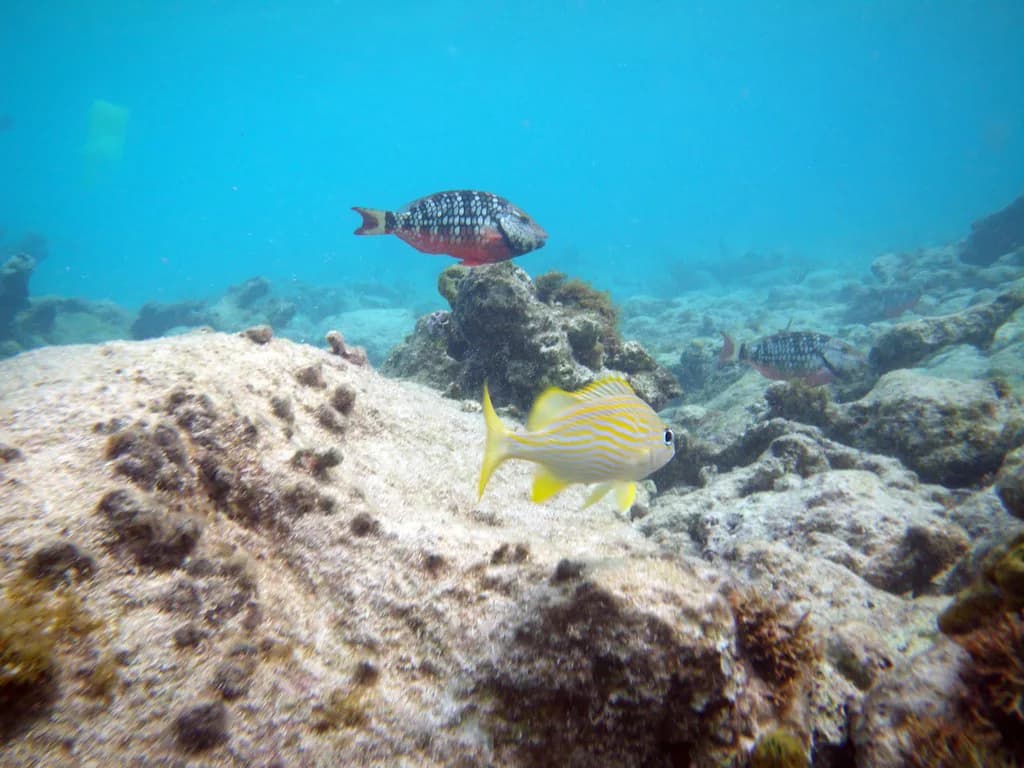
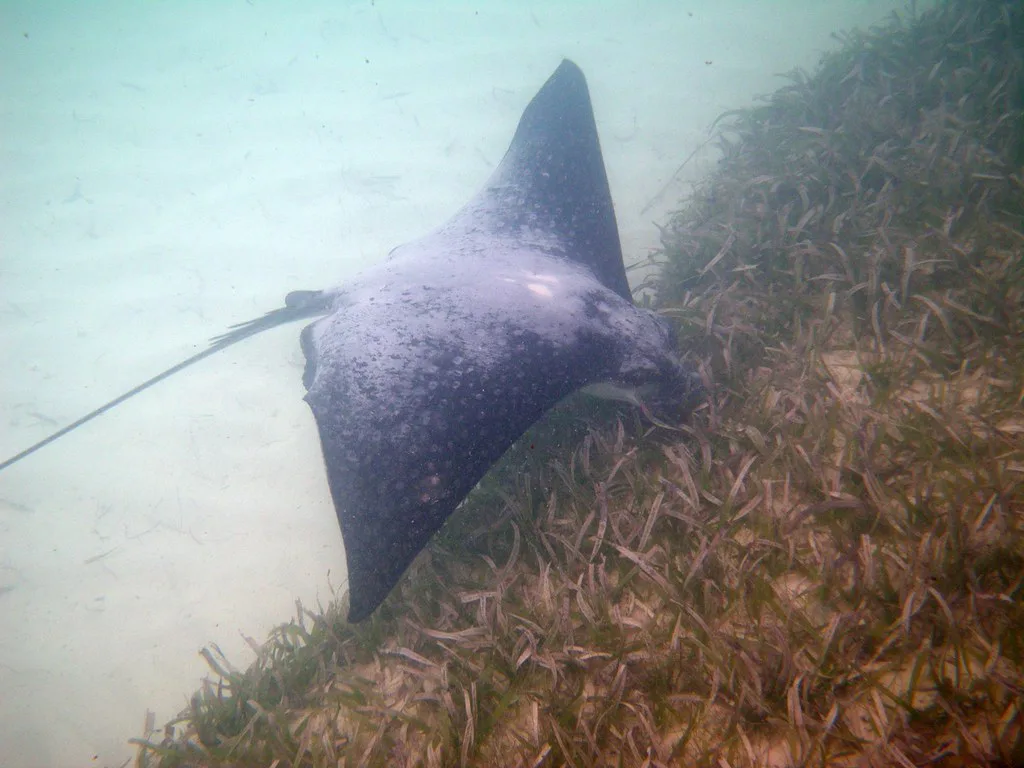
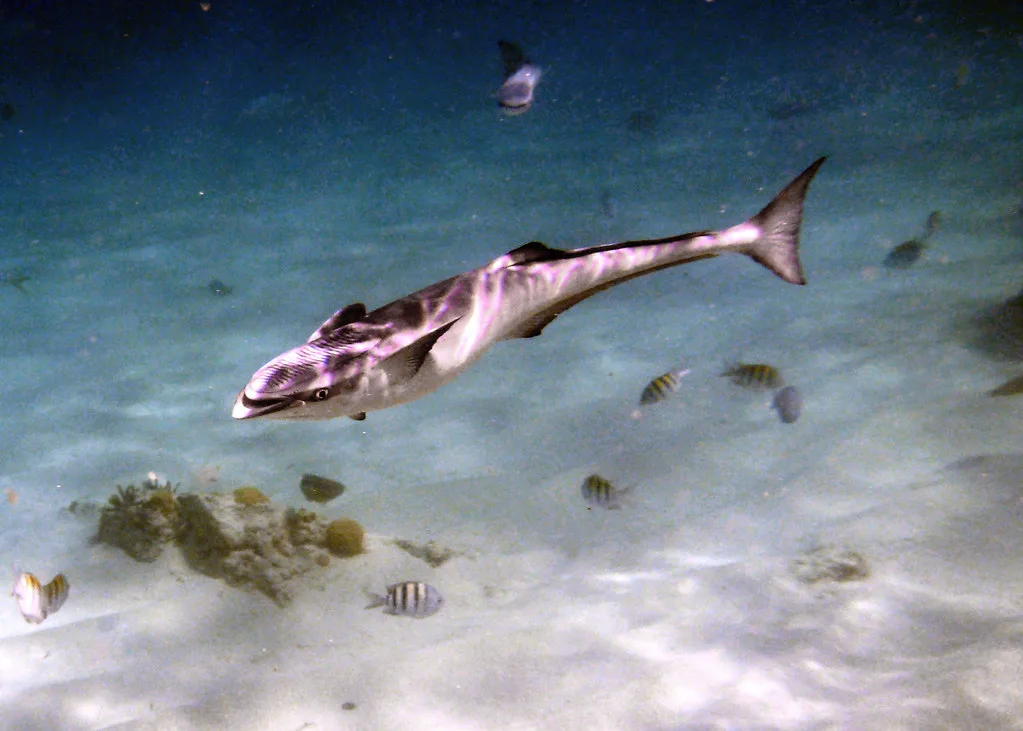
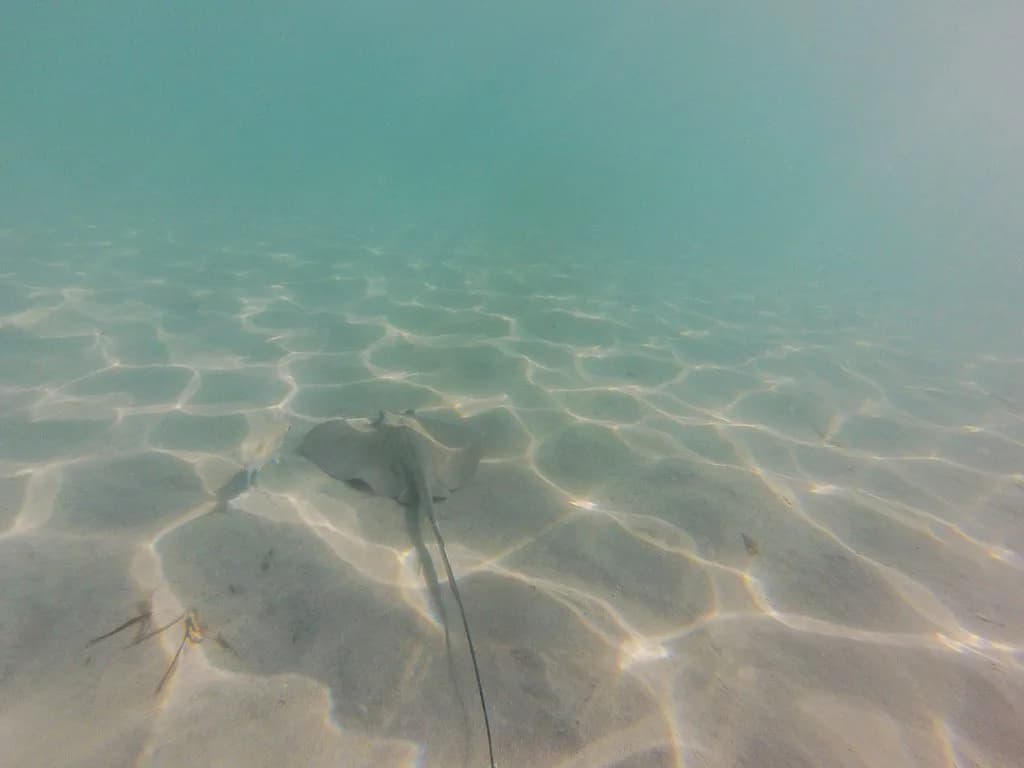
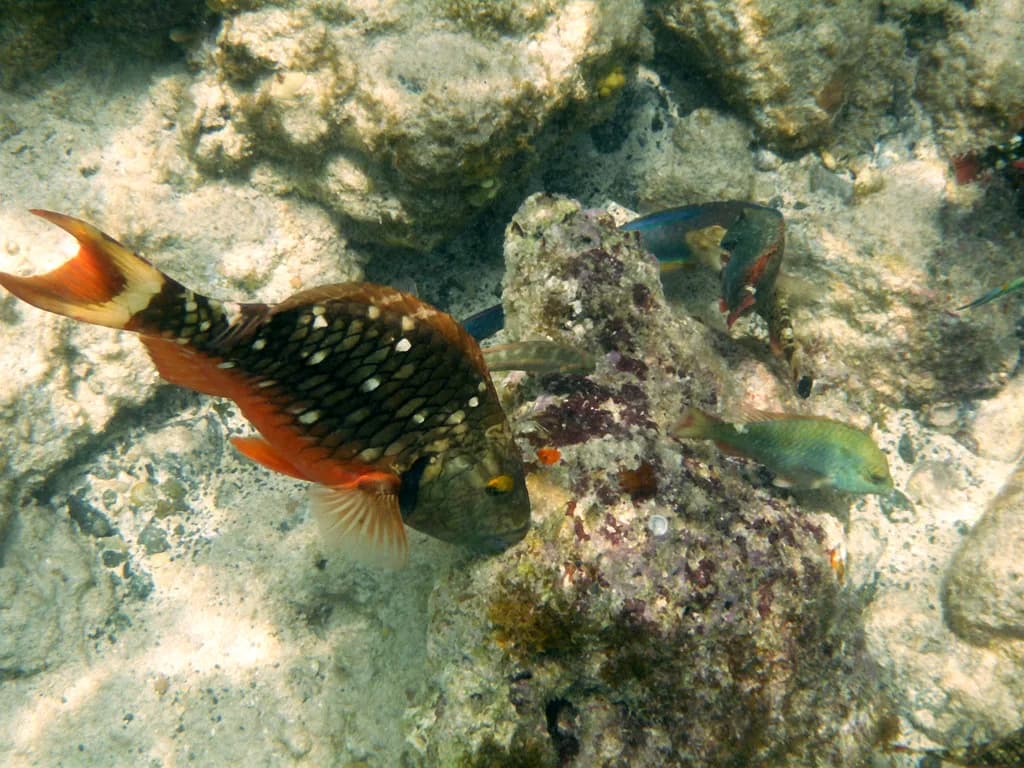
Parrotfish, blue tang, sergeant majors, French and queen angelfish and yellowtail snapper turn up on almost any reef here. Green sea turtles graze seagrass at spots like Sapphire and Secret Harbour, hawksbill turtles work the coral, and southern stingrays glide over sand while eagle rays pass in deeper water. Octopus hide in rocky crevices, nurse sharks rest beneath ledges, and trumpetfish camouflage themselves among sea fans.
None of that is guaranteed on any given swim, so treat a turtle or a ray as a bonus rather than a plan. Follow published viewing rules everywhere: no touching, feeding or chasing, and keep enough distance that the animal does not change what it is doing. Coral cover varies by site, and the territory's Coastal Zone Management program tracks reef health if you want the detail.
Hazards and Rules
Currents, trade-wind chop and boat traffic are the practical hazards, and they differ by coast: exposed north-shore beaches turn rough in winter swell while sheltered east-end coves stay calm. Snorkel with a buddy, float rather than kicking constantly to save energy, and stay aware of changing weather. A dive flag or bright gear helps in areas with boat traffic.
Reef-safe sunscreen only. Oxybenzone and octinoxate damage coral, and NOAA publishes a clear list of ingredients to avoid, so read the label before you pack a bottle. Mineral formulas are widely sold on Main Street in Charlotte Amalie, which makes a last-minute purchase easy.
Gear to Bring or Rent
Bring your own mask if you own one. Rentals are available at the beaches, but a mask that fits your face and seals without constant clearing beats a rental every time, which is why serious snorkelers travel with their own. Add fins for longer reef swims and a rash guard for sun protection on the water.
Charters that include gear take the packing decision off your list, and the private trips out of Crown Bay and Red Hook supply snorkeling equipment for every guest along with a cooler. If you are buying before the trip, check fit and construction on the manufacturer's published specifications rather than relying on marketing copy.
Pairing a Snorkel With the Rest of the Day
Most visitors do the water in the morning and Charlotte Amalie in the afternoon, which works with the calm-early pattern and the heat. Blackbeard's Castle sits at the top of town about five minutes from the cruise docks, and Jolly Roger's Restaurant & Pirate Bar is free to walk into for a harbor-view lunch. A full day pass covers the castle grounds, the 1679 Skytsborg Tower and a rum room sampling for $15, with kids under 10 free.
If you have a spare day on the island, look beyond St. Thomas: snorkeling in st croix pairs a completely different coastline with the famous Frederiksted Pier. On St. Thomas itself, a mangrove lagoon tour offers calm, shallow water and a change of scenery from reef. For a neighboring island comparison on the same short-hop flight map, see this guide to snorkeling in St. Maarten.
Plan Your St. Thomas Snorkel Day
Pick your beach by group, not by reputation: Coki for the fastest reef access, Secret Harbour for calm water and nervous swimmers, Sapphire for the widest shore reef if you can start early, Lindquist for quieter water and a rocky point on the left. Hull Bay belongs on the list for confident swimmers on a low-swell day, and Magens is a swimming beach with modest reef at its ends.
If you have a full day, split it: a shore beach in the morning and a boat to Buck Island or the Trunk Bay ferry later in the trip. Confirm fees and conditions with the Magens Bay Authority on the day, and carry reef-safe sunscreen wherever you swim.
Explore more St. Thomas snorkeling
- Brewers Bay Snorkeling on St. Thomas
- Coki Beach Snorkeling
- Magens Bay Snorkeling
- Secret Harbour Snorkeling
- Snorkel Rental in St. Thomas
- Snorkeling at Lindquist Beach, St. Thomas
- Snorkeling at Sapphire Beach, St. Thomas
- Snorkeling Buck Island, St. Thomas
- Snorkeling Turtle Cove on St. Thomas
- St. Thomas Snorkeling Tours
Frequently Asked Questions
Which St. Thomas beach has the easiest snorkeling for beginners?
Coki Beach is the simplest entry, with reef starting about 20 feet from shore on the right-hand side off a sand beach. Secret Harbour is the calmest alternative, a protected east-end cove where the rocky edges hold small reef fish and the shallow water lets a nervous swimmer float without committing to a long crossing.
Can you snorkel right from the cruise port in St. Thomas?
No. Havensight and Crown Bay are working harbor water with ship traffic and no reef, so every worthwhile snorkeling spot is a taxi ride of roughly 15 to 35 minutes. Plan the transfer into your port day and leave a buffer for the return.
Is Sapphire Beach or Magens Bay better for snorkeling?
Sapphire, without much debate. Its reef runs along the north end toward Pettyklip Point and turtles are a realistic possibility, though trade-wind chop can build in the afternoon. Magens is the better swimming beach, with mostly sand and just some rock and fish at the far ends.
Do you need a boat to snorkel at Buck Island in St. Thomas?
Yes. Buck Island is a wildlife refuge offshore, reached by charter from Crown Bay or Red Hook rather than by swimming. The Cartanser Senior wreck sits in about 45 feet of water, so the surrounding reef and structure are what you snorkel, not the wreck itself.
When is the best time of day to snorkel in St. Thomas?
Morning. Visibility is usually clearest before noon, ahead of the wind that stirs the surface and the beach crowds that cloud the shallows. Water stays warm year-round, averaging about 79 to 81°F in winter and rising into the mid-80s by fall, so a swimsuit and rash guard are enough.
What will you see snorkeling in St. Thomas?
Parrotfish, blue tang, sergeant majors, angelfish and yellowtail snapper show up on almost any reef. Green sea turtles graze seagrass at Sapphire and Secret Harbour, southern stingrays cross sandy patches, and octopus and nurse sharks turn up in rocky crevices and under ledges. Treat any turtle, ray or shark as a possible encounter, not a scheduled one.
What does a do-it-yourself snorkel day cost in St. Thomas?
Budget for a taxi each way, gear rental at the beach and any beach entry fee, which together keep a beach morning well below the cost of a guided boat trip. Ask your driver for the current fare before you set off, and check the price list at the rental stand or the beach entrance before you commit.
Sources
Snorkeling notes for your next trip
Optional updates to our snorkeling guides.
You might also like
Continue reading
More guides you'll find useful