Snorkeling in Tortola: BVI Reefs, Caves and Where to Swim
Plan a Tortola snorkel day around Norman Island's caves, the Indians and the Dogs, with entry, depth, skill level and how to reach each site by boat.
On this page
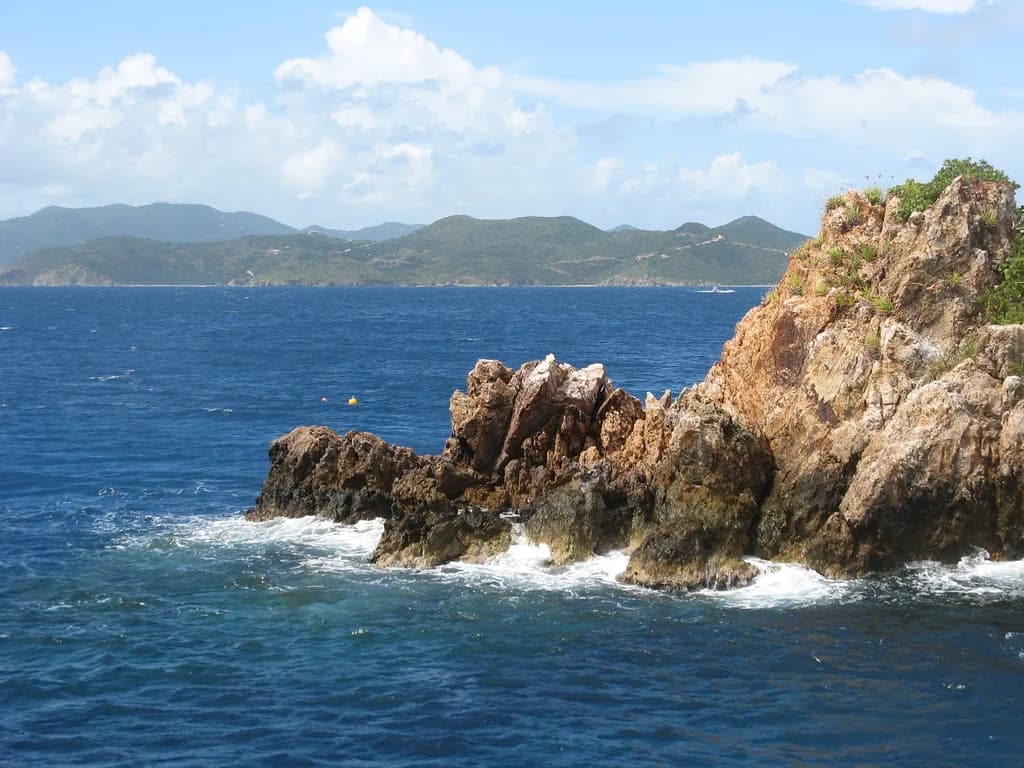
Tortola earns its place as a snorkel base because the good water sits offshore, not at your feet. The island's south coast looks across the Sir Francis Drake Channel to Norman Island, Peter Island and Cooper Island, so a day boat from Road Town or West End can reach caves, pinnacles and coral gardens in a single run. Meanwhile the north side takes the trade-wind swell, which shapes which shore is calm on a given morning.
What you gain with Tortola is choice and access; what you give up is walk-in reef. Nearly every site below is reached by boat, and several depend on a mooring and a short swim or dinghy ride. This guide groups the spots by how you actually get to them, so you can match entry style and swim distance to the people in your group.
Why Tortola Works as a Snorkel Base
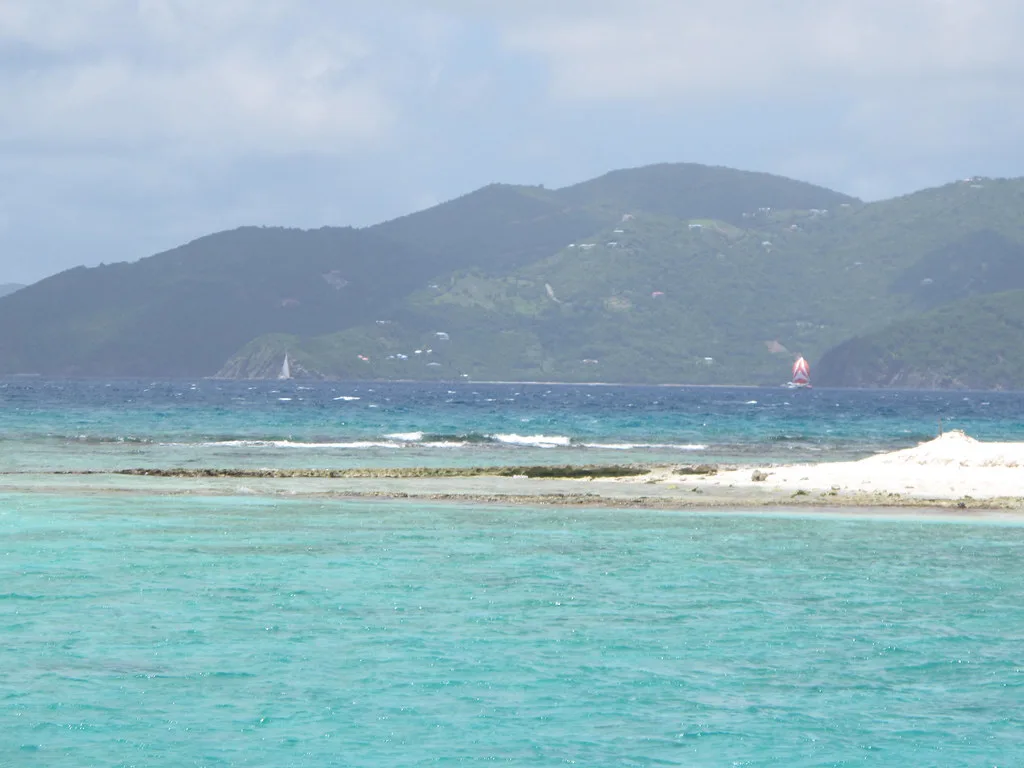
The gap between Tortola's east and west ends matters for planning. Road Town sits mid-south, close to the channel crossing toward Norman Island, while West End puts you nearer the western sites and Jost Van Dyke. Choosing your departure point around your target site saves open-water time and leaves more of the day in the water.
Shelter is the other variable. The south-shore anchorages and the channel islands sit in the lee during typical trade-wind conditions, while the north shore takes the chop that builds with the Christmas winds. On a breezy week, plan your big swims for the leeward side and keep the northern sites for calmer mornings. A skipper who knows the day's wind will usually make that call for you. If you want to compare how another island handles the same wind-versus-shore trade-off, snorkeling in St. Thomas is a useful parallel, and snorkeling in St. Maarten shows a similar leeward-leaning approach.
How to Reach the Sites from Tortola
Most Tortola snorkel days start with a boat. Day sails and crewed or bareboat charters leave from Road Town and West End, and organized snorkel tours run out of Tortola with equipment and drinks included on some trips, so check what each company actually bundles before you book to avoid surprises.
Cruise passengers have a third route: shore excursions marketed from Tortola that run directly to Norman Island. Availability shifts with the sailing calendar, so treat any listed excursion as something to confirm for your specific date rather than a fixed fixture.
Once you are out there, the rhythm changes. Several sites, including the Indians and the Caves, are set up around national park moorings rather than beach access, so you swim or take a tender from the boat to the reef. That keeps the coral unanchored and puts the entry point a short distance offshore, which is worth factoring into how confident your swimmers are.
The Caves at Norman Island
The Caves are the easiest win on a Tortola boat day. You reach them from the Bight at Norman Island, and the draw is the shallow, well-lit water around the cave mouths, where light filters in and fish gather. Entry is from the boat over sand and rock, with no long surface swim required.
Marine life here leans toward dense fish life, with occasional octopus sightings reported in the crevices. The cave setting is atmospheric rather than deep, so it suits first-timers and families who want a short, sheltered swim with something to look at on every turn.
Pair the Caves with the rest of Norman Island rather than treating it as a standalone stop. The Bight is a natural base for the day, and you can add a second snorkel nearby before heading back across the channel. It is the site to build a beginner-friendly day around.
The Indians off Norman Island
The Indians are the standout for confident swimmers. The site sits close to Norman Island and is marked by a cluster of underwater pinnacles that rise toward the surface, so the reef reads as vertical walls rather than a flat shelf. You swim from the national park moorings to the pinnacles, a crossing that is manageable but real.
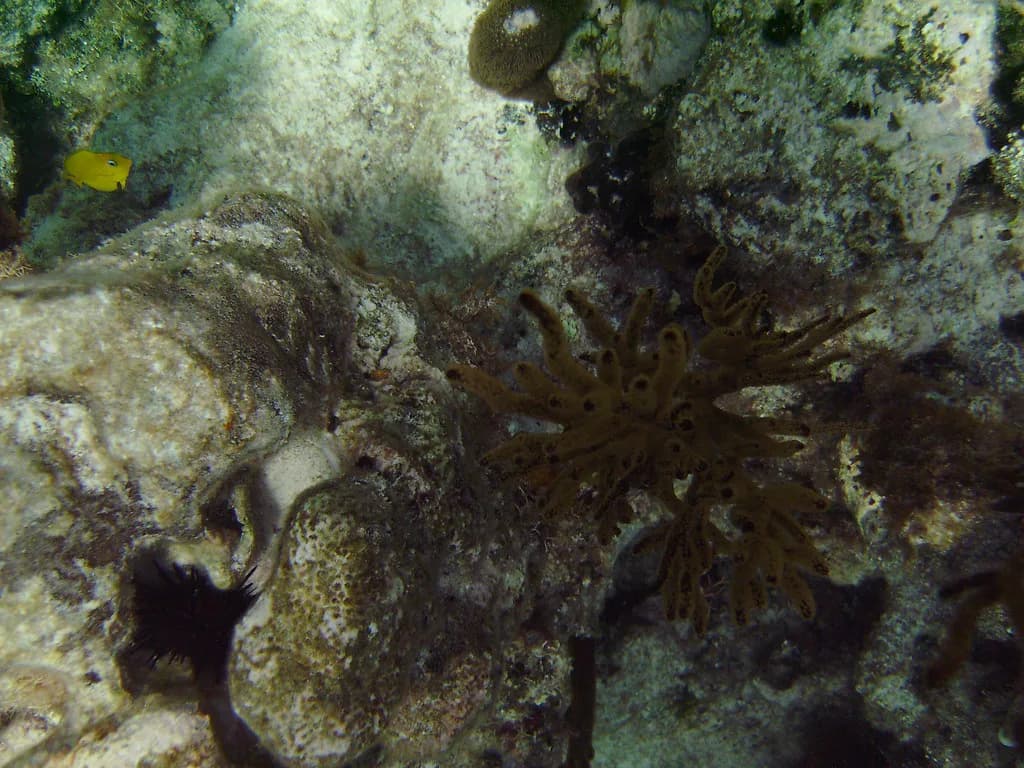
Those walls carry sea fans, sponges and tropical fish in layers, which is why the site rewards slow, close looking rather than fast laps. Because the pinnacles drop away, weaker swimmers should stay high in the water column and use a flotation device if they need one.
The trade-off is straightforward: the Indians deliver more structure and diversity than the Caves, but they ask for a longer swim and comfort in open water. If your group splits, send the strong swimmers here and keep the rest at Norman Island.
The Dogs near Virgin Gorda
The Dogs sit near Virgin Gorda and cover several separate sites rather than one reef, so they reward a skipper who picks the leeward corner of the day. At Great Dog, enormous brain coral formations dominate the shallows and give the site a distinctive look compared with the fan-and-sponge walls further south.
Fish life here includes butterfly fish and blue tangs, and nurse sharks are known to rest in the area, so keep a respectful distance and let the animals move off on their own. The multiple sites mean you can snorkel two different characters in one stop without a long transit.
Because the Dogs cluster near Virgin Gorda rather than Tortola, they work best as part of a longer float plan or a trip based out of the North Sound. From Tortola, treat them as a full-day target rather than a quick add-on.
Cistern Point on Cooper Island
Cistern Point sits a short dinghy ride from Cooper Island's mooring field, which makes it one of the most convenient stops on a channel crossing. The reef is known for mushroom coral heads set inside the marine park, giving snorkelers a compact, easy-to-read site.
Tropical fish and sea fans fill the gaps between the coral heads, and the marine park setting means the reef is managed as a protected area. Dinghy access keeps the swim short, so this is a good middle-ground site for mixed-ability groups.
The RMS Rhone near Salt Island
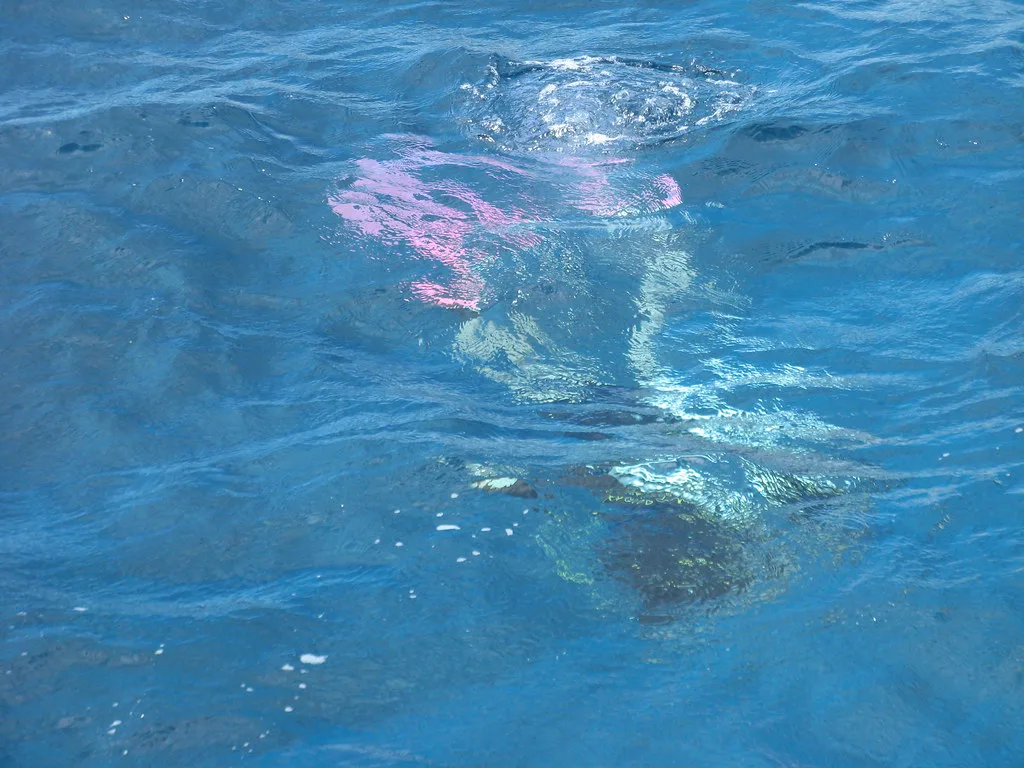
The RMS Rhone near Salt Island is a dive site first, and that framing should shape your expectations. The wreck sits deep enough that snorkelers may see parts of it only when visibility cooperates at the surface, so treat any view as a bonus rather than the plan.
What snorkelers can reliably count on is reef fish around the historical remnants in clear water, which makes a worthwhile swim for strong snorkelers already in the area. If the wreck itself is the goal, plan for a dive rather than a surface snorkel.
Anegada's North Shore: Flash of Beauty and Horseshoe Reef
Anegada is a day-trip target rather than a Tortola stop. On the north shore at Loblolly Bay, Flash of Beauty offers healthy coral and turtles, but currents can build during the Christmas winds, so pick your window with the weather rather than against it.
Horseshoe Reef is best done as a guided drift snorkel, with local guides reading the flow so you cover ground without fighting it. The corals and fish life are the draw, and the drift format suits snorkelers who are comfortable being carried along a reef rather than anchored over one.
Jost Van Dyke and Guana Island
Diamond Cay off Jost Van Dyke and the waters near Ginger Island round out the western options, with sea turtles and eagle rays noted among the marine life. Monkey Point on Guana Island was long a favorite, and recent reports describe it as not fully recovered, which is a reason to weigh your expectations rather than write it off.
Reef recovery varies across the territory, so ask your operator which sites are currently productive before you commit a day to one area. A skipper running regular charters will have a better read on the season than any fixed list.
Matching the Site to the Snorkeler
Kids and first-timers do best at the Caves, where the entry is short, the water is shallow at the mouths and there is plenty to see without a long crossing. Cistern Point is the next step up, with a dinghy ride instead of a swim and a compact reef that is easy to navigate.
Confident swimmers should build the day around the Indians, where the mooring swim and the pinnacle walls give the most rewarding water in the channel. Flotation devices help anyone who is unsure, and the source guidance is blunt about staying within your limits and taking breaks rather than pushing through fatigue.
The RMS Rhone and Anegada's drift snorkel sit at the demanding end, whether because of depth and visibility or because of current. Match the site to the weakest swimmer in your group, not the strongest, and the day stays enjoyable for everyone.
Best Time of Day, Season and Swell
Mornings give you the calmest water and the least boat traffic on the channel crossings, which matters most at exposed sites like the Indians. Build your plan so the longest swim happens early and the sheltered stops fill the afternoon.
Season shapes the wind more than the water temperature. The Christmas winds bring chop and current to north-facing sites like Anegada's Loblolly Bay, so a winter trip should lean on the leeward south-shore sites while summer trips open up more options.
Swell direction decides which coast you use on any given day. If the north shore is up, stay in the channel; if the channel is stirred, the northern lees may be cleaner. Have one alternative site ready for each day so a change in wind does not cost you a swim.
Rules and Reef Care
BVI snorkeling etiquette is simple and non-negotiable: observe without touching, never stand on coral, and keep clear of fire coral, which stings on contact. The same rule applies to turtles, rays and nurse sharks, which should be left to approach on their own terms.
Reef-safe sunscreen is recommended to protect both your skin and the coral, and packing out your trash keeps the sites as you found them. Marine park areas like Cistern Point are managed for conservation, so treat the reef as a protected resource rather than a playground.
Gear and What to Bring for a Boat Day
A well-fitted mask and snorkel make more difference than any other item on a boat-based day, and fins should be snug without cutting off circulation. Bring a flotation device if anyone in the group is unsure in open water, and pack a rash guard for sun protection between swims.
Leave room for dry layers, water and a towel, and keep gear in a bag you can secure on deck. Because most BVI sites are reached by boat, everything you need for the day comes with you, so pack once and pack light.
Combining Spots into a One-Day Float Plan
A workable Tortola loop starts at the Caves on Norman Island for an easy warm-up, moves to the Indians for the big swim while the morning is still calm, then crosses to Cistern Point on Cooper Island for a relaxed afternoon. That sequence goes from easiest entry to hardest and back, which keeps energy levels in step with the water.
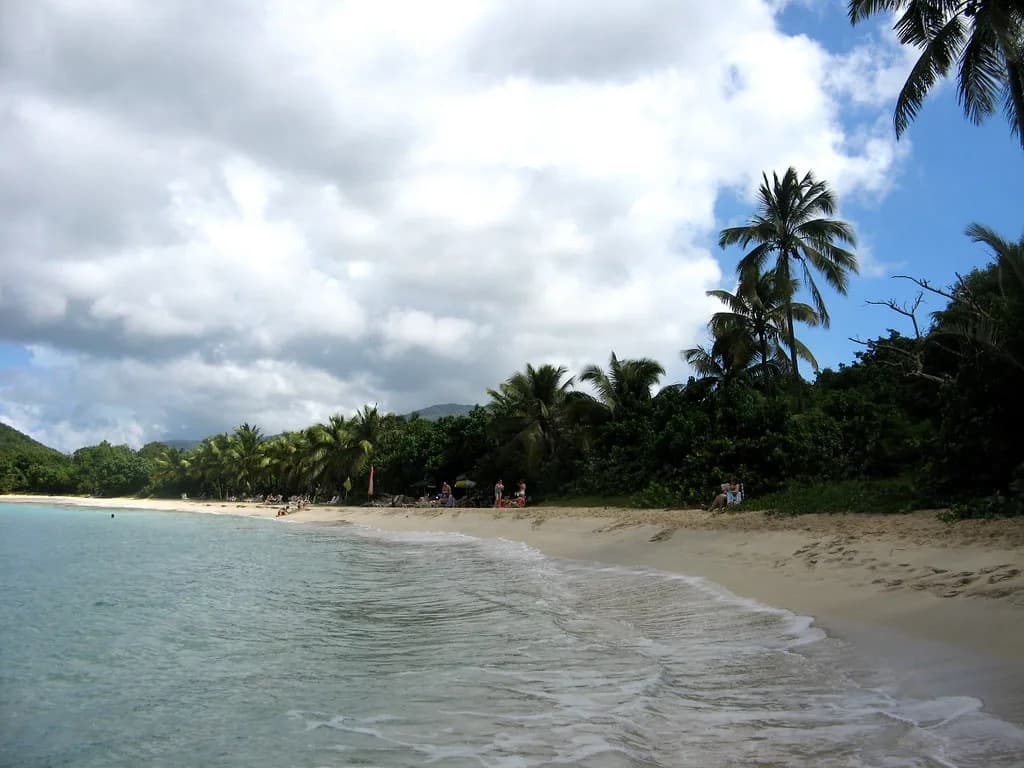
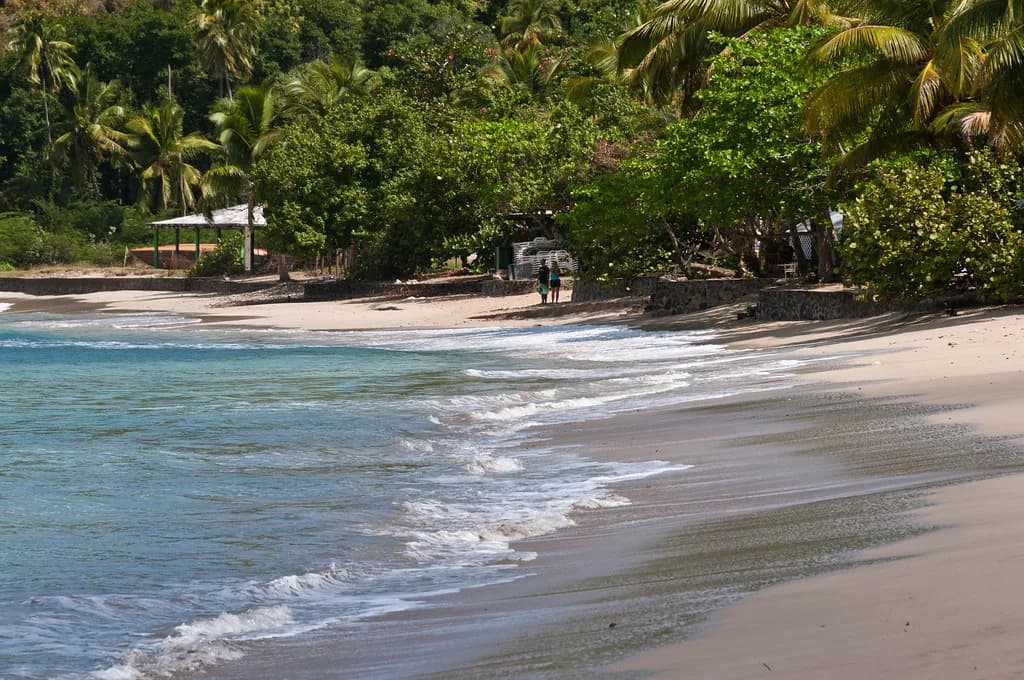
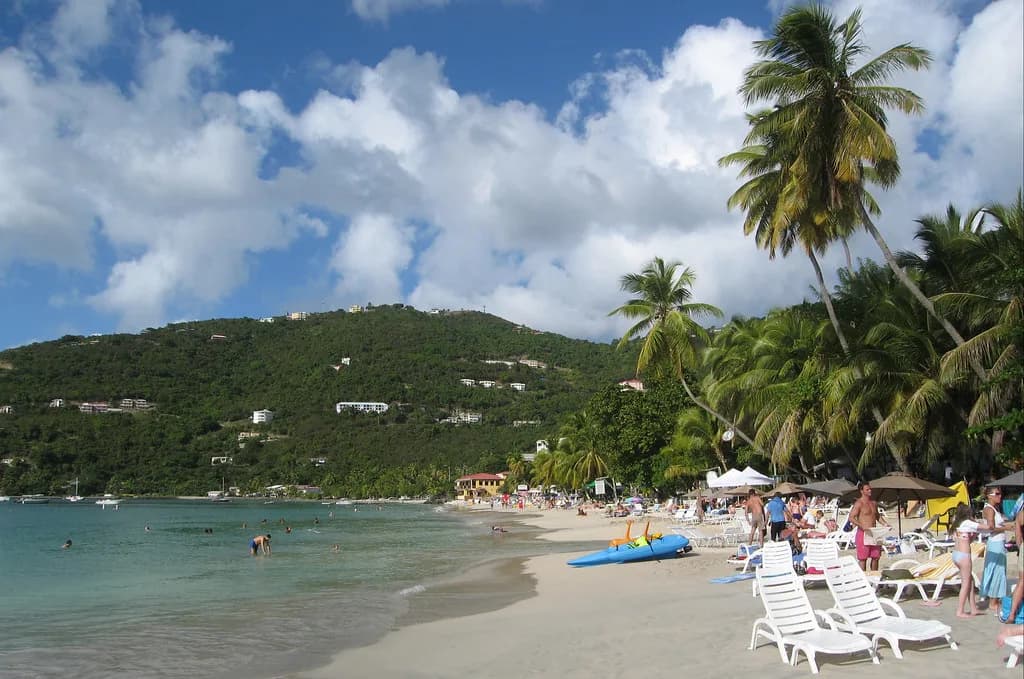
If you would rather stay closer to Tortola's own shoreline, the bay on the north coast is a separate, shore-based option worth a look on a calm day. Snorkeling Cane Garden Bay, Tortola fits neatly into an afternoon when the channel is too rough for offshore runs.
Add Anegada only if you have a second day, since the transit and the drift format eat most of a morning. Grouping by distance rather than by reputation is what makes a BVI float plan work.
Nearby Bases to Extend the Trip
Cooper Island, Peter Island and Virgin Gorda each give you a different starting point for the same reef system. A night at Cooper puts Cistern Point on your doorstep, Peter Island opens the channel sites, and Virgin Gorda brings the Dogs within easy range.
If you are based on Tortola's west end, Smuggler's Cove is a shore stop worth folding into a travel day. Snorkeling Smuggler's Cove on Tortola gives you an alternative when boat plans fall through.
Plan Your Tortola Snorkel Day
Build your Tortola day around one hard swim and two easy ones: the Indians in the morning, the Caves and Cistern Point around it. That structure gives strong swimmers their pinnacle walls without stranding beginners on a long crossing.
Choose your departure point to match the wind, keep a second site in reserve for each day, and let the boat operator make the call on which side of the island is workable. That is how a BVI snorkel day stays in the water instead of stuck at the dock.
Explore more Tortola snorkeling
Frequently Asked Questions
What is the best snorkeling in Tortola?
The strongest snorkeling reachable from Tortola is offshore. The Indians off Norman Island offer pinnacle walls covered in sea fans and sponges for confident swimmers, the Caves at Norman Island give an easier shallow swim with dense fish life, and Cistern Point on Cooper Island provides mushroom coral heads minutes from the mooring field.
Can you snorkel from the beach on Tortola, or do you need a boat?
Most of the celebrated BVI sites are boat-access only, reached from day sails and charters leaving Road Town and West End or from organized snorkel tours. The Caves and the Indians are set up around national park moorings, so you swim or take a tender to the reef rather than walking in from a beach.
Is the RMS Rhone good for snorkelers?
It is a dive site first. Snorkelers may see parts of the wreck from the surface when visibility allows, with reef fish around the historical remnants, but the wreck itself sits below snorkeling depth. Book it as a dive if the wreck is your goal and treat a surface view as a bonus.
How do you snorkel the Indians at Norman Island?
You moor at the national park moorings near Norman Island and swim to the pinnacles, which rise toward the surface as vertical walls. The crossing is real but manageable for confident swimmers, and weaker swimmers should stay high in the water column with a flotation device.
Is Norman Island snorkeling good for beginners?
Yes, particularly the Caves, which are reached from the Bight with a short entry over sand and rock and shallow, well-lit water near the cave mouths. The site suits first-timers and families, while the nearby Indians are better left to stronger swimmers.
When is the best time of year to snorkel around Tortola?
Wind matters more than temperature. The Christmas winds bring chop and current to north-facing sites like Loblolly Bay on Anegada, so winter trips work best on the leeward south-shore and channel sites, while calmer months open up more of the territory.
What marine life can you see snorkeling around Tortola?
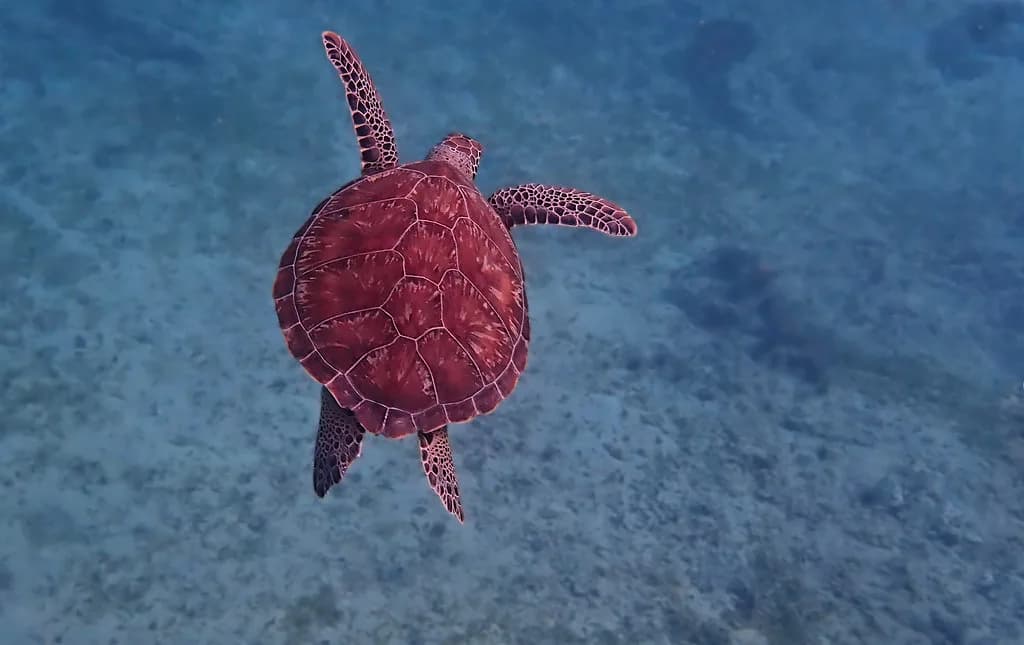
Sites in the channel and around the outlying islands are known for tropical fish including butterfly fish and blue tangs, sea fans, sponges, brain and mushroom coral, sea turtles, eagle rays and resting nurse sharks. Sightings vary by site and day, and animals should never be touched, fed or chased.
Do you need a tour to snorkel the BVI sites?
Not necessarily, since day sails and private charters also reach the same reefs, but organized tours simplify logistics by bundling equipment and transport. Compare what each operator includes and match the departure point to the sites you want before booking.
Sources
Snorkeling notes for your next trip
Optional updates to our snorkeling guides.
You might also like
Continue reading
More guides you'll find useful