Snorkeling The Indians, BVI: Reef Layout, Fish and How to Get There
Plan a snorkel at The Indians near Norman Island: four rock pinnacles, a shallow reef on the Pelican Island side, deeper blue water outside, and morning moorings.
On this page
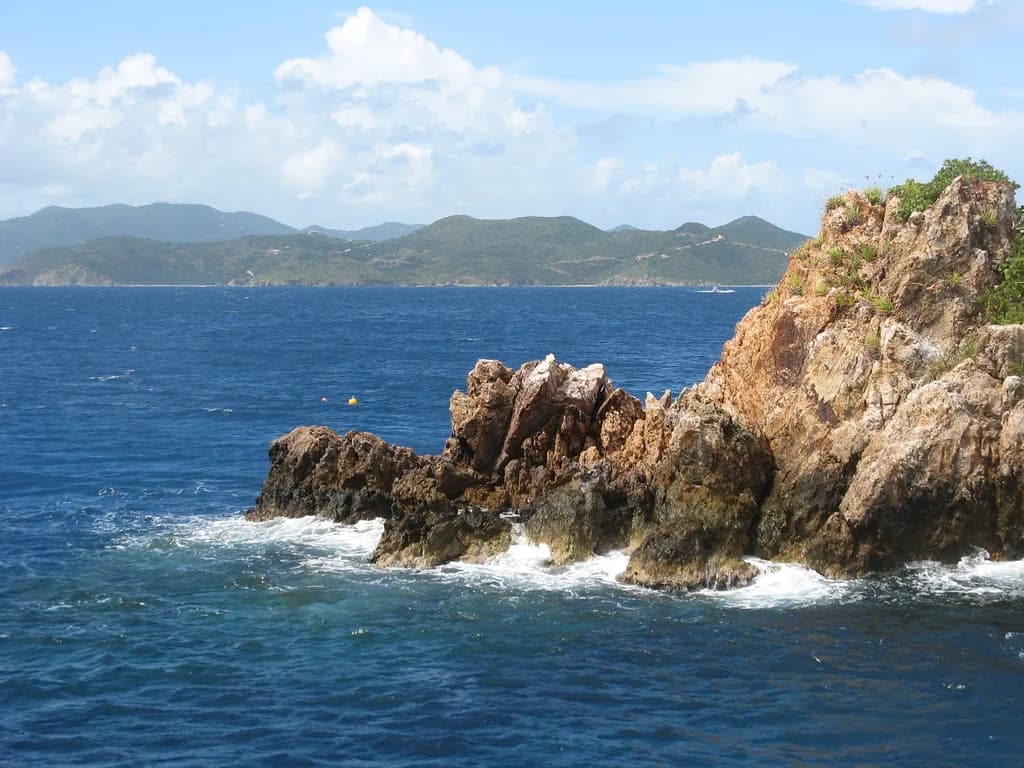
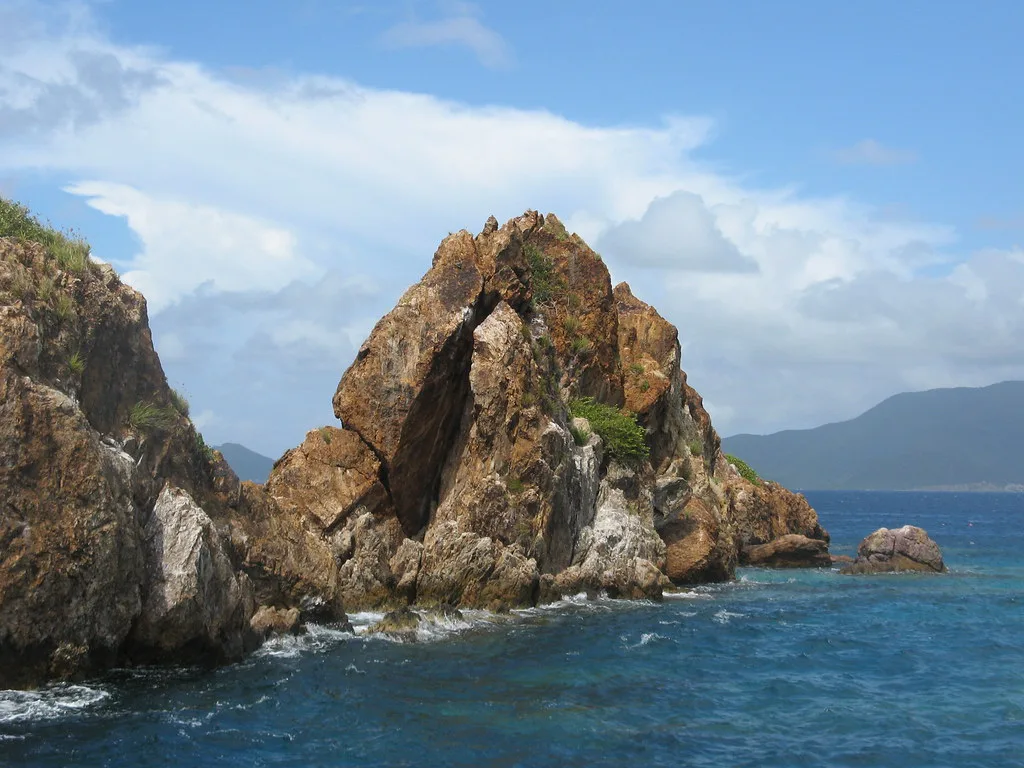
The Indians is the kind of site that rewards a little planning: four rock pinnacles break the surface just west of Norman Island, and the reef wraps them in a way that suits both nervous and confident snorkelers, provided each picks the right side. The east face near Pelican Island is shallow and coral-rich, while the outside of the rocks drops into deep, clear water. It is one of the best-known snorkel and dive stops in the British Virgin Islands, and it is reached by boat, not from a beach.
What The Indians Are
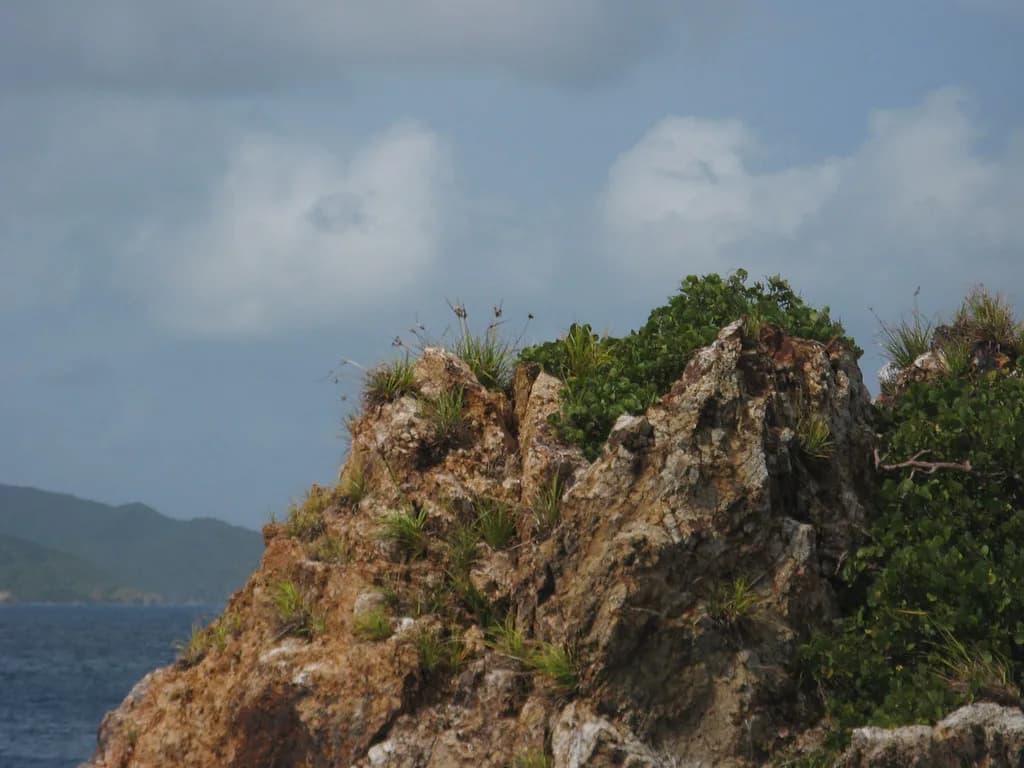
Four pinnacles rise from the sea just west of Norman Island, and the group is easy to pick out from a distance, which makes it a straightforward landmark for a charter captain. The rocks are among the most popular snorkeling and diving sites in the Virgin Islands, and the appeal is the variety packed into a small area: deep water on the outside, shallow reef close in, and coral and fish on every face.
Where It Sits
The Indians sit near Norman Island in the BVI, with Pelican Island close by on the eastern side. That geography is what shapes your swim: the eastern shallows near Pelican Island hold the reef and the cave, while the outer faces look into open blue water. Because the site is offshore, you plan around a boat and a mooring rather than a parking lot, and the layout of the surrounding islands is worth understanding before you pick a charter.
Most visits are folded into a wider day on the water, and boats running out of Tortola and Road Town can reach the site in a morning. If you are based on Tortola and weighing up which boat day to book, a look at the fuller picture of snorkeling in Tortola helps you match the site to the rest of your itinerary.
Getting In
There is no beach entry and no ladder from shore here: The Indians is a boat-only site, so you enter from the swim platform or by stepping off the tender and snorkel from the boat. Around ten moorings serve the site, and they go early; boats that want a spot should plan to arrive before noon, especially in high season when the day-trip fleet is moving through.
Build your schedule around mooring turnover rather than a fixed departure time. A captain who knows the site will drop you on the calm side and pick you up down-current, so listen to the briefing on which face you are swimming and where the boat will be when you surface. Bring your own mask and fins if you have them, since boat operators vary in what they carry.
The Two Faces of the Reef
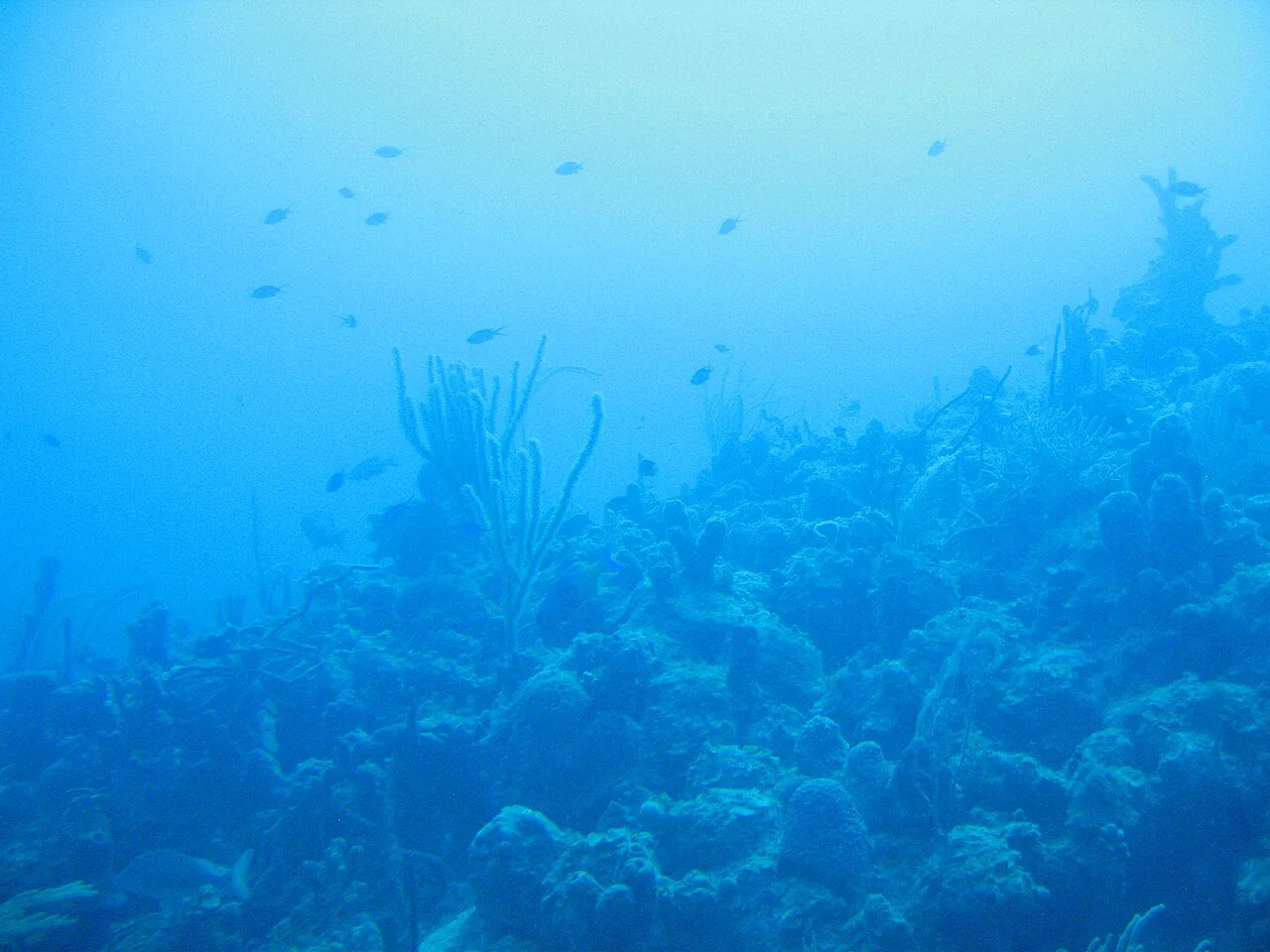
The east side near Pelican Island is very shallow, and the coral comes close to the surface, so you swim with your body flat and your fins high rather than kicking down over the reef. Water on the outside of the rocks runs much deeper, roughly 50 feet in places, with clear visibility to the bottom that makes the site feel far more open than the sheltered side.
Pick your side by comfort, not by reputation. Nervous swimmers and children are best kept in the shallow reef near Pelican Island with an adult alongside, while strong swimmers can follow the rocks around to the deep outer water where the drop-off and the coral-covered faces are. Crossing between the two in one swim is possible for confident snorkelers, but plan the route so you finish near the boat instead of fighting back against the current.
What You Will See
Fish life around the pinnacles is dense and varied: blue chromis flickering above the coral, creole wrasse streaming past in loose groups, angelfish and rock beauties working the rock faces, and black triggerfish cruising the edges. Gorgonians and hard corals coat the rocky formations, which is what gives the site its color on a bright morning.
Treat sightings as possibilities rather than a checklist. The reef rewards slow, quiet swimming along the rock instead of fast laps around the pinnacles, and keeping a respectful distance from every animal is both the rule and the way to see more. Do not touch, feed, or chase fish, and never stand on coral to rest.
The Cave and Its Glassy Sweepers
A short tunnel runs through part of the rock formation, and it can be snorkeled through when the water is calm. The cave is home to glassy sweepers, schooling fish that gather in the dark and hang in dense silver clouds inside the rock, which makes the swim-through memorable even on a short visit.
Approach the tunnel entrance slowly and look before you commit. If another snorkeler is inside, wait outside the opening rather than crowding the passage, and keep your fins off the walls and ceiling where coral and encrusting life grow. Skip the swim-through entirely if the water is surging or the entrance looks busy.
Skill Level and Who It Suits
The site sits at an intermediate level, with low swell and low current on a typical day but deep water and boat traffic to manage. Confident swimmers who are comfortable out of their depth and can judge a current get the most from it, and they should still snorkel with a buddy and stay within sight of the boat.
Beginners can enjoy the shallow Pelican Island side on a calm day, but only with a guide or a strong swimmer alongside and a clear plan to stay in the shallows. Children do best on the sheltered reef with a short swim and a quick return to the boat, and families should ask their charter company when booking whether the day's plan includes an easy entry and exit.
Best Time to Go
Mornings do double duty at The Indians: the moorings are still available and the day-trip traffic has not yet arrived. Boats aiming for a mooring should plan to be there before noon, which usually means an early departure from Tortola or Road Town.
Match the day to the conditions rather than the calendar. Low swell and low current are the site's normal state, but the rocks are exposed enough that a swell change alters which face is comfortable, so ask the captain which side is calmest on the day. Flat water on the Pelican Island side makes the tunnel and the shallow reef far easier to enjoy.
Hazards to Plan Around
Three things shape the risk at this site: shallow coral on the Pelican Island side, a current that can pick up around the rocks, and boat traffic near the moorings. Keep your body and fins off the coral in the shallows, and surface close to the boat rather than drifting into the channel where other tenders are moving.
There are no lifeguards offshore, so self-reliance matters. Snorkel with a buddy, wear a rash guard or float if you tire easily, and agree with the captain on a hand signal and a time to be back aboard. If the current turns against you, swim wide of the rocks and let the boat come to you rather than cutting close to the pinnacles.
Rules and Reef Etiquette
The reef is the attraction, so never stand on coral, touch it with hands or fins, or take anything from the site. Keep a respectful distance from fish and other marine life rather than herding them for a photo, and let schooling fish such as the glassy sweepers settle in the cave instead of blocking the entrance. On the shallow side, good buoyancy is the single most useful skill you can bring.
Combining It With Nearby Spots
The Indians sits in a cluster of BVI stops that work well in one day. The Caves on Norman Island are a short run away and add a second snorkel, while The Baths on Virgin Gorda is a longer leg for boats building a full-day itinerary. Ask your captain to sequence the stops so The Indians comes early for the mooring and the caves follow once the day boats arrive.
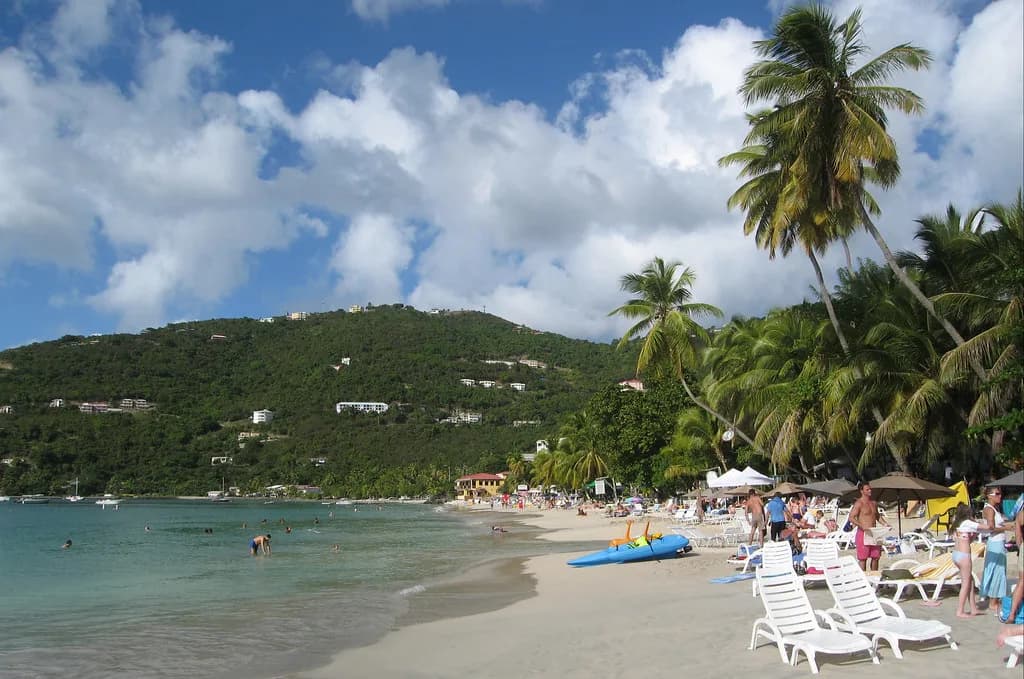
If you are staying on Tortola and want shore snorkeling between boat days, Cane Garden Bay offers an easy beach entry to balance the offshore reef swim. Snorkeling in St. Thomas is another nearby option if your trip stretches across the islands.
Practical Logistics
Book a charter or day trip that lists The Indians as a stop, and ask two questions before you pay: how many moorings the boat typically secures and how early it leaves. Small groups and early departures give you the best odds of a mooring and a quieter swim, and a captain with snorkelers aboard will usually drop you on the shallow Pelican Island side first.
Pack reef-safe sunscreen, a rash guard, your own mask, and a dry bag; a light windbreaker helps on the ride out. Fees, operating hours, and any permit requirements are set by the charter company and the BVI authorities, so check current prices and dates with your charter when you book. If your trip is based in Road Town, plan the crossing and the mooring window together so you are not rushing the swim.
Plan Your Visit
The Indians rewards an early boat, a calm morning, and a snorkeler who knows which side to pick. Keep beginners and kids on the shallow Pelican Island reef, send confident swimmers around the deep outer faces, and treat the tunnel and its glassy sweepers as a bonus when the water allows. With roughly ten moorings and a before-noon window, the day is won or lost on scheduling.
Frequently Asked Questions
Where is The Indians snorkeling site in the BVI?
The Indians are four rock pinnacles just west of Norman Island in the British Virgin Islands, with Pelican Island close by on the east side. The site is offshore and reached by boat from Tortola, Road Town, or a Norman Island base.
How deep is the water at The Indians?
Water on the outside of the rocks reaches roughly 50 feet and stays clear enough to see the bottom. The east side near Pelican Island is very shallow, with coral close to the surface.
Do you need a boat to snorkel The Indians?
Yes. There is no beach entry or shore access, so you snorkel from a moored or anchored boat. Around ten moorings serve the site, and arriving before noon gives you the best chance of one.
What fish can you see at The Indians in the BVI?
Blue chromis, creole wrasse, angelfish, rock beauties, and black triggerfish are among the fish reported around the pinnacles, along with gorgonians and corals on the rock faces. Glassy sweepers school inside the cave. Sightings vary with the day.
Is The Indians good for beginner snorkelers?
The site is rated intermediate because of the deep water and boat traffic. Beginners do best on the shallow Pelican Island side with a guide or strong swimmer alongside, staying close to the boat.
How many moorings are at The Indians?
There are around ten moorings at the site. They fill as the day-trip boats arrive, so an early departure is the practical way to secure one.
What is the best time of day to snorkel The Indians?
Morning, and ideally before noon. The moorings are still open and the site is quieter, and the low swell and low current typical of the site make the shallow side and the cave easier to enjoy.
Can you snorkel through the cave at The Indians?
Yes, a short tunnel runs through part of the rock formation and can be snorkeled through in calm water. The cave holds schooling glassy sweepers, so enter slowly, look before committing, and keep your fins off the walls.
Sources
Snorkeling notes for your next trip
Optional updates to our snorkeling guides.
You might also like
Continue reading
More guides you'll find useful