Norman Island Snorkeling: The Caves, The Indians and a BVI Boat Day
Norman Island snorkeling centers on The Caves, a boat-only site in The Bight with three caves and reef fish. Here is how to plan the day on the water.
On this page
Norman Island rewards snorkelers who treat it as a boat day rather than a beach stop. The Caves, cut into the western edge of the island, let you swim into flooded rock passages where reef fish gather in the shade, and the surrounding water stays calm enough for a relaxed first swim.
Because every site here is reached by water, the planning question is which charter, day sail or dinghy run puts you at the cave mouths in the right conditions. This guide lays out the geography, the entry, what lives in the caves, who the swim suits and how to build a two-stop day around the western anchorages.
Why Norman Island Earns a Full Snorkel Day
A single morning on Norman Island covers two different kinds of snorkeling. The Caves give you a sheltered, enclosed swim among rock walls and shadowed fish life, while the open reef marks nearby offer the coral-and-fish viewing that most people picture when they book a BVI snorkel trip. Splitting the day between them means you are not asking one site to do everything.
The island sits a short run from Tortola and Peter Island, which makes it a natural middle stop on a charter loop out of Road Town or a day sail from the US Virgin Islands. Boats typically work the western side, anchor in The Bight, and snorkel the caves before moving on. If you are weighing island bases for a Caribbean snorkel trip, compare this with snorkeling in St. Thomas across the channel.
Work out your boat time before you commit. The caves and the reef stops are close together, so the run between them is short, but the sail from Tortola or Peter Island eats into the morning. A boat that leaves early gets the caves before the day-sail fleet arrives.
Where The Caves Sit on Norman Island
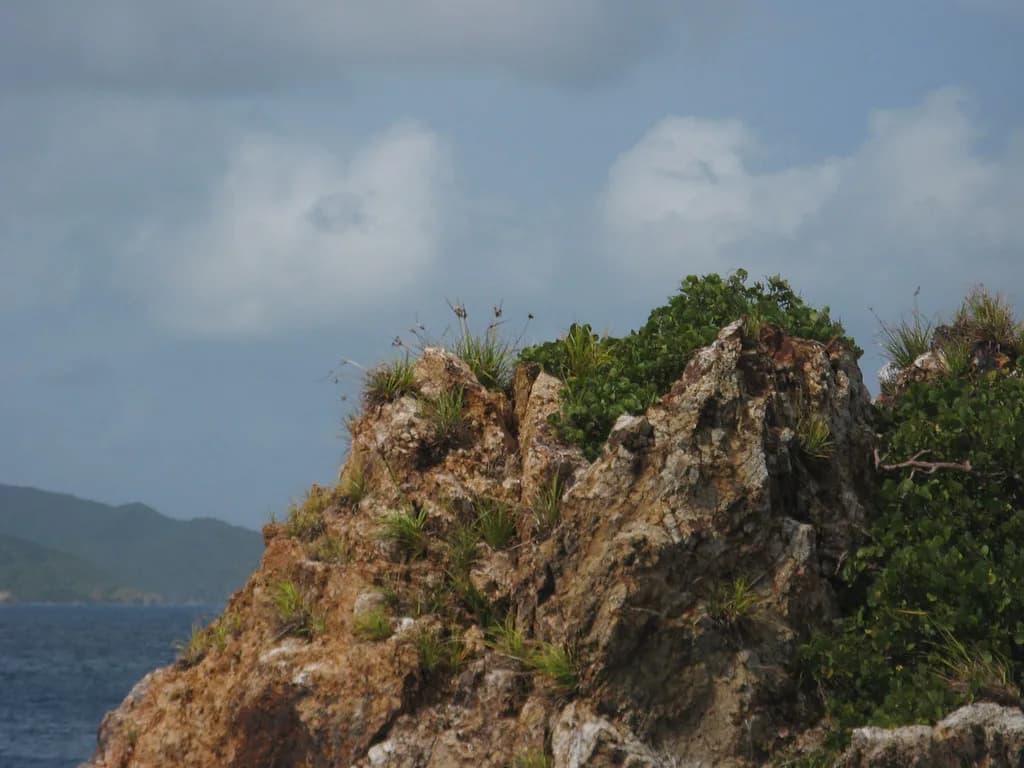
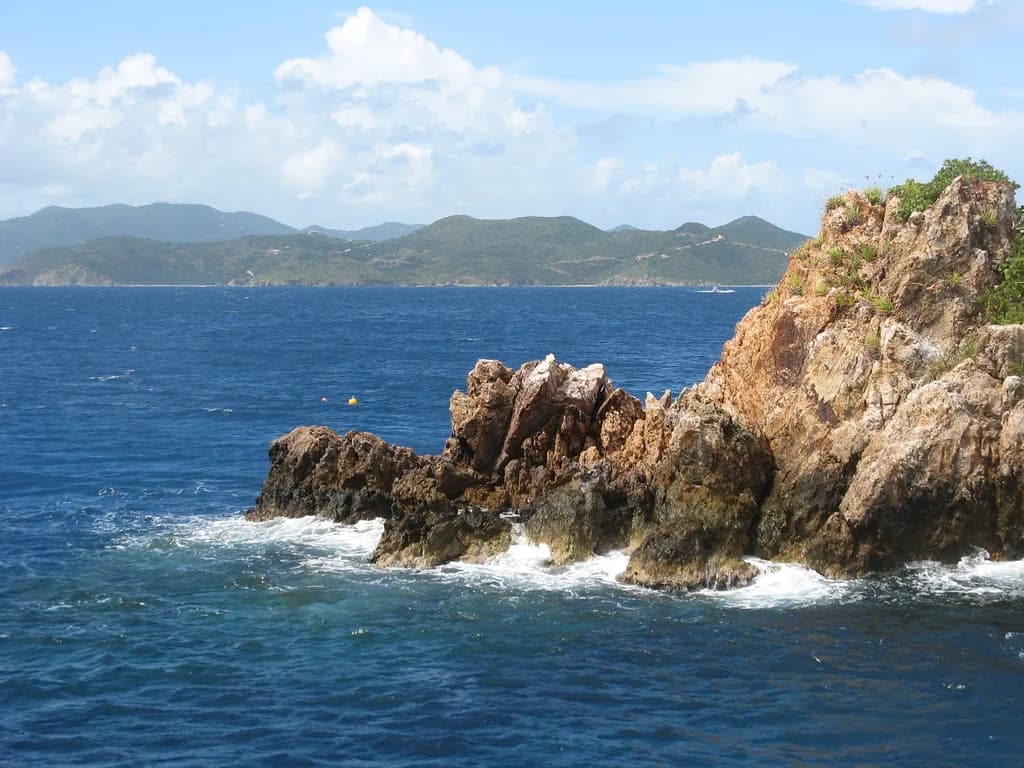
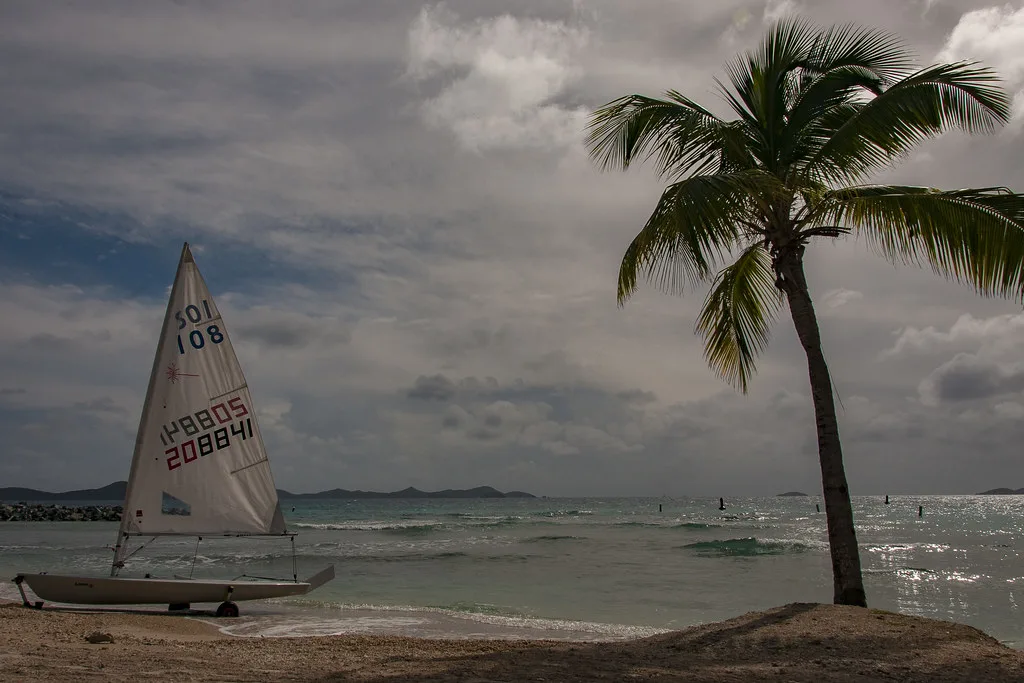
The Caves are on the western edge of Norman Island, in the area known as The Bight. That geography matters because The Bight is also the island's main natural harbor, so the caves are a short dinghy ride from where most boats anchor rather than a separate expedition.
There are three distinct caves along this stretch of rock, each with its own shape and light. Because they sit at the waterline of a cliffy shore, the entrance is directly from open water — there is no beach, trail or road leading in.
Treat the caves as the anchor of a western-side plan and the reef stops as the second half. Boats that try to squeeze both into a rushed hour end up swimming the caves in poor light and skipping the reef entirely.
Getting In: Boat Access, Moorings and the Dinghy
Access to The Caves is by boat only. Several NPS mooring balls sit off the site, and there is one point where you can tie off a dinghy, which makes the caves easy to reach from a anchored or moored mother ship in The Bight.
That mooring setup shapes the day more than anything else. Rather than anchoring over reef, you pick up a ball or tie the dinghy, then swim or motor the last stretch to the cave mouths. On a busy charter morning, the balls fill early, so plan the caves as your first stop rather than a late-afternoon add-on.
If you are on a crewed or bareboat charter, ask the captain or base whether the itinerary includes the caves and where the boat will overnight. Day sails and tour operators run the same stretch of coast, so a tour is the simplest option if you are staying on Tortola without your own boat.
What You Will See Inside the Three Caves
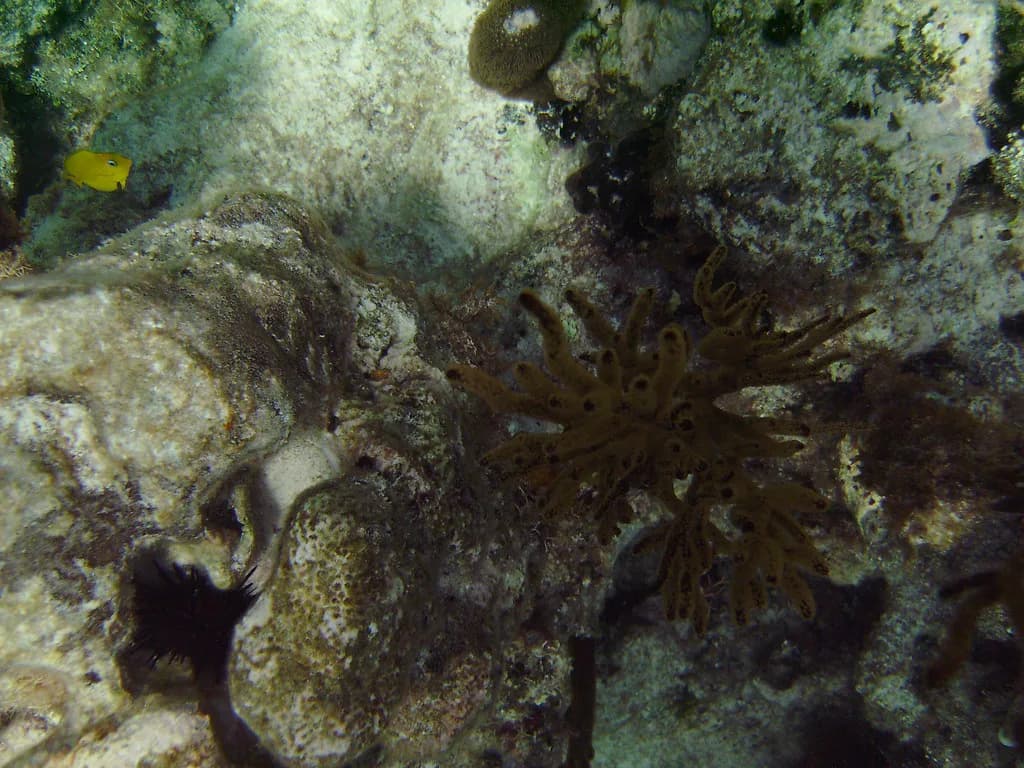
The caves hold a varied cast of reef fish rather than a single headline species. Snorkelers may encounter yellowtail snapper, pufferfish, trunkfish, parrotfish and sergeant majors, and a barracuda is possible in the area. The shade inside the cave mouths is where fish tend to gather, which is why the swim feels different from open reef.
Look for fish along the rock walls and in the shadowed corners rather than out in the open blue. Snapper and sergeant majors hang near structure, parrotfish graze the rock surfaces, and trunkfish work the sandy patches at the cave floor. A slow, quiet swim at the edge of the light gives you the best view.
Sightings vary with the day, the tide and how much boat traffic has passed through. Treat the species list as what the site supports, not a guarantee, and give any animal you meet room to move away.
Skill Level and Who It Suits
The cave swim is a comfortable step up from a shallow beach snorkel but not a technical dive. You enter from open water, swim into enclosed rock passages where the light drops, and come back out the way you came. Snorkelers who are relaxed in water over their head will find it straightforward; nervous first-timers do better on a shallow reef before trying the caves.
Strong swimmers and confident teenagers get the most from the caves, while younger children are usually happier staying on the boat or snorkeling the sunny water just outside the entrances with an adult. The enclosed feeling inside the rock is the deciding factor, not the depth.
Pair the caves with a gentler reef stop if you are building confidence. The open reef marks nearby give you shallow coral and easy fish viewing before or after the cave swim, so the day works for mixed-ability groups.
The Indians: The Reef Stop to Pair With The Caves
The Indians are the natural second stop on a Norman Island day, and the two sites are regularly sold together on sailing and snorkel tours out of Tortola. Where the caves are enclosed and shadowed, the reefs are open, sunlit and built for coral and fish watching.
Order the stops to suit the group. Fit swimmers can do the caves first, while families with beginners often prefer the reef first and the caves once everyone has warmed up. Either way, the two stops together make a fuller day than either one alone.
Best Time of Day and Sea Conditions
Morning is the better window for the western edge. The day-sail and charter fleet builds through the late morning, so an early pickup on the moorings gives you cleaner water and quieter cave mouths. Light also reaches further into the passages earlier in the day.
Sea state matters more than time. The caves face the open water on Norman Island's western side, so swell running into that edge makes the entrances surge and the swim less comfortable. A calmer day on the western side is the one to take.
Swell direction shifts with weather systems moving through the Caribbean, so it changes week to week. Ask the charter operator or the BVI Tourist Board about conditions on the day you plan to sail.
Hazards: Boat Traffic, Surge and the Point
The busiest hazard at The Caves is other boats. Mooring balls, dinghies and tour boats all converge on the same short stretch of shoreline, so keep close to your boat and stay visible in the water. A bright snorkel vest or a surface flag helps tenders see you.
Surge at the cave mouths is the second concern. On a swell day, water pulses in and out of the passages, which can push you toward rock. Time your entry to a lull and keep a hand ready to fend off the wall rather than drifting into it.
Current around the point can run harder than it looks from the boat. If you feel yourself being pulled along the shore, angle back toward the mooring rather than fighting straight into it, and stay with a buddy.
Nearby Anchorages to Build the Day Around
The Bight is the main harbor and the closest anchorage to the caves, sitting just a short run from the site. It is the logical base if the caves are your priority, and it puts you in position for an early swim.
Privateer Bay, about three-tenths of a nautical mile from the caves, is a quieter refuge known for sunsets and often used as an overnight stop. Soldier Bay, roughly a mile away, is a peaceful anchorage with calm water. Both work as a second night or a lunch stop after the caves.
Use the anchorages to spread the day out. Snorkel the caves in the morning from The Bight, move to the reef marks for the middle of the day, then settle into Privateer Bay or Soldier Bay for the afternoon and evening rather than racing back to Tortola.
Pirate Lore at the Caves
The caves carry a heavy layer of pirate story that shapes how people talk about the site. In 1750, the pirate ship Seaflower under Owen Lloyd was said to have raided the Spanish galleon Nuestra Señora de Guadalupe and hidden 44 chests of treasure in these caves. The story spread widely and, according to the account, the loot was later recovered and returned to the Spanish.
A local story adds a fisherman named Henry Creque, who in the late 1800s sheltered in the caves during a storm, dislodged rocks with his boat, and reportedly found gold doubloons among the debris before moving to St. Thomas. Treat these as legend and local storytelling rather than verified history — no treasure has been found in recent times.
The lore is worth knowing because it explains why the caves draw so many boats. It also gives you something to talk about on the swim out; the rock passages themselves are the real attraction.
Combining Norman Island With Tortola and Peter Island
Norman Island sits in the middle of the classic BVI charter loop, within easy reach of Tortola to the north and Peter Island to the east. That position makes it a natural lunch and snorkel stop between Road Town and the other islands rather than a destination on its own.
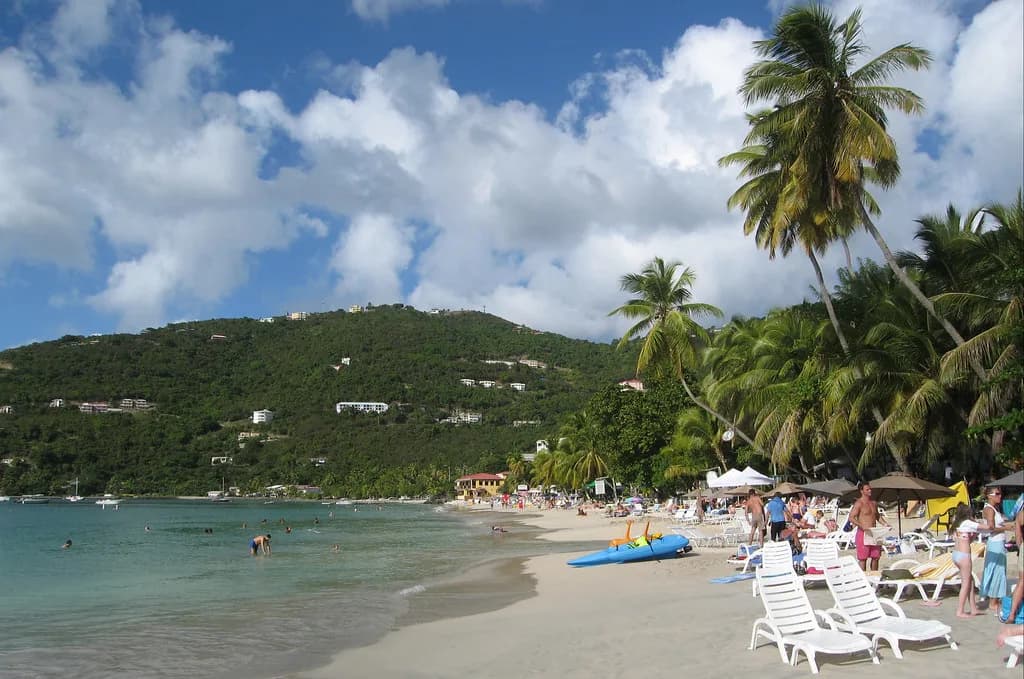
If you are based on Tortola, the caves work well as a day-sail add-on to a beach day on the island's north shore. Cane Garden Bay snorkeling gives you a shore-based swim closer to Road Town, and a charter can then run you across to the caves for the afternoon.
For a longer BVI itinerary, Smuggler's Cove snorkeling on Tortola's west end and Anegada snorkeling further out give you contrasting shore and reef days around the Norman Island stop. The islands are close enough that a week's charter can cover all of them without long passages.
What to Bring on a Boat-Based Snorkel Day
Pack for a day on the water, not a beach picnic. You need your own mask and snorkel fitted before you leave, fins, a rash guard for sun and rock protection, a waterproof bag for the dinghy ride, and a dry layer for the sail back. A surface flag or bright vest earns its place around the mooring field.
Reef-safe sunscreen matters in the BVI, where the sun is strong on open water. Apply before you board, reapply between stops, and bring water and a hat for the time you spend out of the water.
Keep gear simple. A boat day involves multiple entries and exits, so a comfortable mask that seals reliably beats a complicated setup, and a shorty wetsuit or rash guard extends your time in the water during cooler months.
Plan Your Norman Island Snorkel Day
Norman Island works best as a two-stop boat day: The Caves in the morning while the moorings are free and the light is good, then the open reef marks before the afternoon swell builds. Anchor in The Bight, tie off the dinghy, and treat the caves as a slow swim rather than a race through the passages.
Confirm your charter's itinerary and ask the captain or the BVI Tourist Board about sea conditions before departure, then match the day to your group's comfort in enclosed water. With the caves and the reef paired, Norman Island gives you the two halves of a proper BVI snorkel day in a single run.
Frequently Asked Questions
Can you snorkel Norman Island from shore?
No. The Caves sit on the western edge of Norman Island and are reached by boat only, with mooring balls and a dinghy tie-off on site. There is no beach, trail or road entry to the caves, so you need a charter, day sail or dinghy from an anchored boat.
What will I see snorkeling The Caves on Norman Island?
Snorkelers may encounter yellowtail snapper, pufferfish, trunkfish, parrotfish and sergeant majors in and around the cave mouths, and a barracuda is possible in the area. Fish tend to gather in the shade and along the rock walls, so swim slowly at the edge of the light. Sightings vary with the day.
How do you get to The Caves at Norman Island?
By boat. Several mooring balls sit off the caves and there is one point to tie off a dinghy, which makes the site easy to reach from an anchorage in The Bight. Crewed charters, bareboat itineraries and day sails from Tortola all run this stretch of coast.
Is Norman Island snorkeling good for beginners?
The cave swim suits snorkelers who are relaxed in water over their head, since you enter from open water and swim into enclosed rock passages. Nervous first-timers and younger children usually do better on the open reef marks nearby before trying the caves.
What is the best time of day to snorkel Norman Island?
Morning is the better window on the western edge. The charter and day-sail fleet builds through the late morning, so an early swim gives you quieter cave mouths and cleaner water, and morning light reaches further into the passages.
Should I snorkel The Caves or The Indians?
Do both. The Caves are an enclosed, shadowed swim among rock walls and reef fish, while The Indians are open, sunlit reef built for coral and fish watching. The two are regularly sold together on sailing and snorkel tours from Tortola.
How close are The Caves to The Bight?
The caves sit on the western edge of Norman Island in the area known as The Bight, so they are a short dinghy or swim from where most boats anchor. Privateer Bay is about three-tenths of a nautical mile away and Soldier Bay roughly a mile.
Sources
Snorkeling notes for your next trip
Optional updates to our snorkeling guides.
You might also like
Continue reading
More guides you'll find useful