Anegada Snorkeling: Loblolly Bay, Flash of Beauty & Horseshoe Reef
Anegada snorkeling centers on Loblolly Bay, Flash of Beauty and the shallow edges of Horseshoe Reef. Plan entry, swell timing, gear and skill level.
On this page
Anegada rewards snorkelers who want shallow, swimmable reef a short distance from the sand rather than a boat ride to a wall. The island is built of coral and limestone rather than volcanic rock, so the terrain stays flat and the beaches run long, quiet and uncrowded. That low profile suits families and newer snorkelers on the north shore and keeps the south-coast coves calm when the open Atlantic picks up.
Plan Anegada as a day or an overnight add-on to a Tortola base rather than a resort holiday. Ferries run from Road Town and Trellis Bay, small flights connect from Beef Island, and yachts anchor in the island's calm water. Once ashore, a scooter, jeep, bicycle or taxi gets you between the north-shore beaches, the south-coast coves and the salt ponds.
Why Anegada Snorkeling Is Different
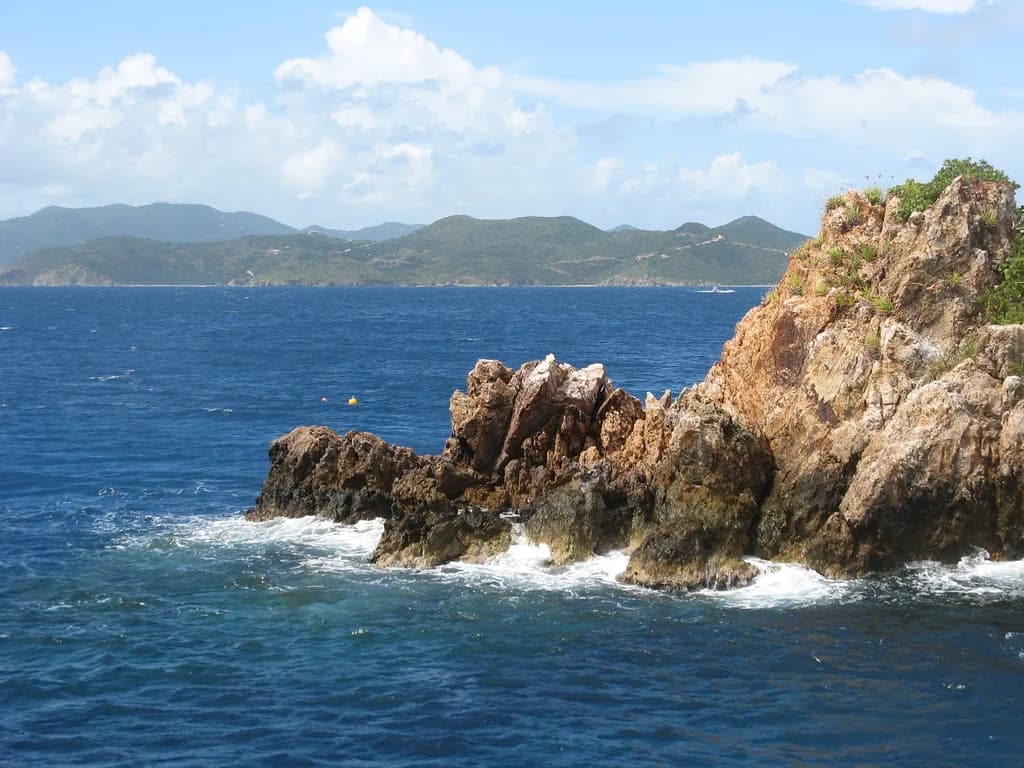
Most British Virgin Islands snorkeling starts with volcanic shorelines and steep drop-offs. Anegada is the outlier: a flat coral and limestone island whose highest ground sits only about 28 feet above sea level, ringed by wide beaches and clear, shallow water. That geography puts reef structure within easy swimming distance on the north shore and leaves the south coast calm and lagoon-like.
The island splits into two snorkeling personalities. The north shore faces open water and the barrier reef, so it takes the swell and delivers the reef. The south coast, near the salt ponds, sits in shelter and stays flat for easy swimming. Pick your side by the day's swell rather than by beach reputation alone.
Loblolly Bay: The Main North-Shore Entry
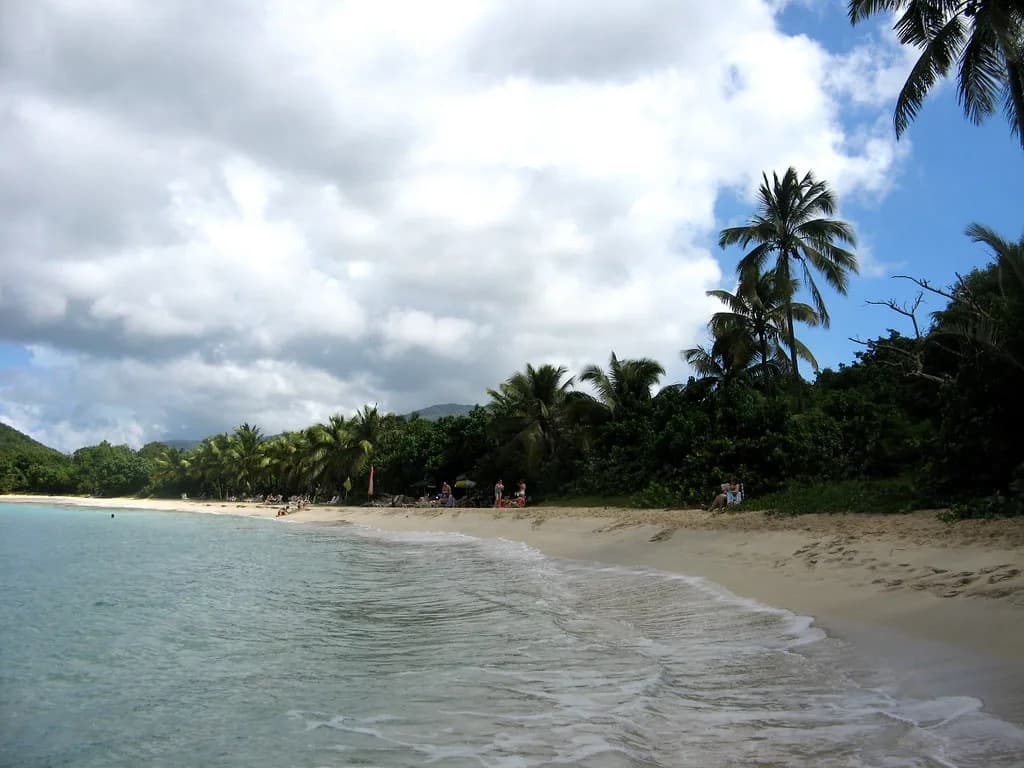
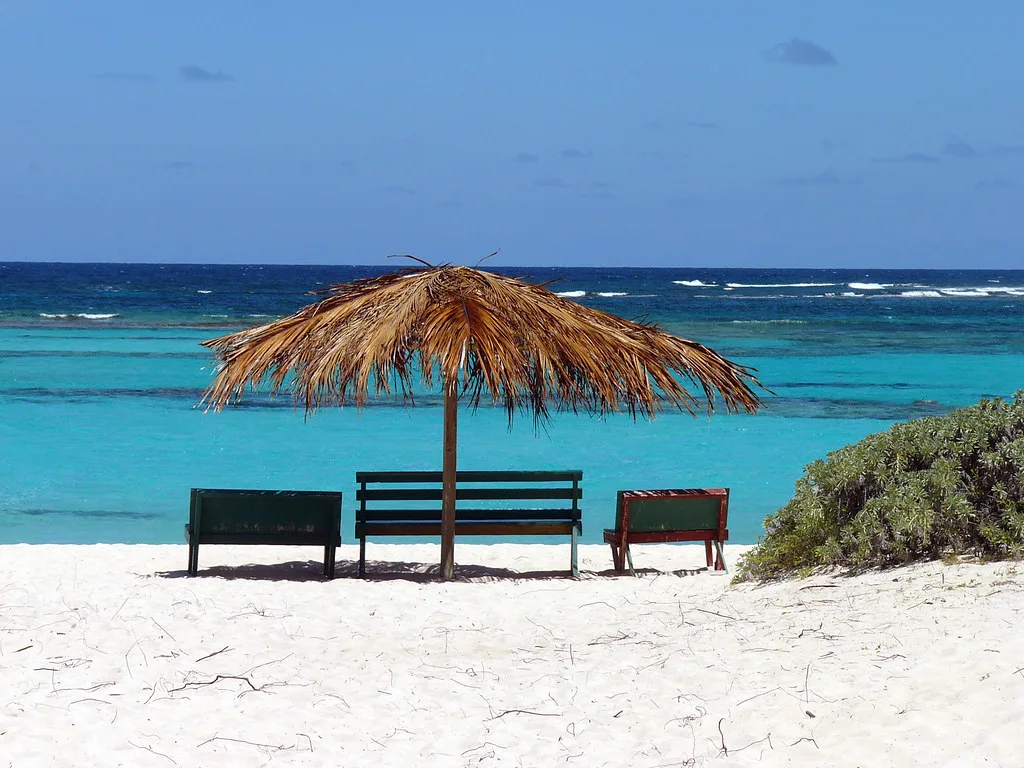
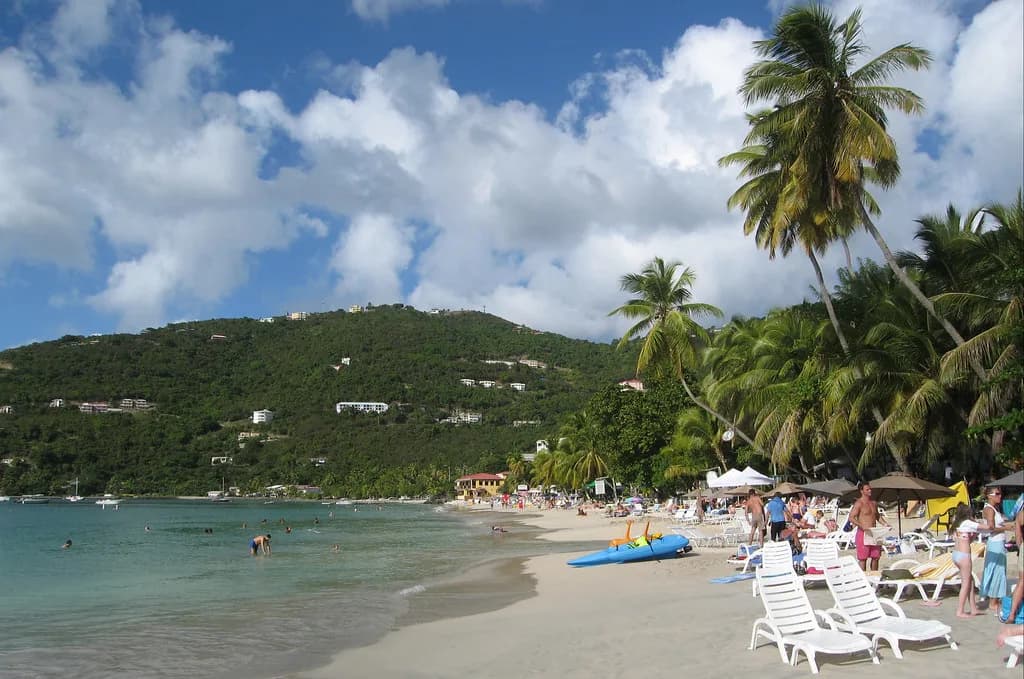
Loblolly Bay on the north shore is Anegada's signature snorkel beach. The water is shallow and clear, and the reef sits just offshore, so you can wade in from the sand and start seeing coral and schools of tropical fish without a long surface swim. Big Bamboo, the beach bar behind the sand, makes it easy to pair a snorkel with lunch.
Treat Loblolly as the beginner and family default. Enter off the sand, work the shallow edge of the reef, and stay inside your comfort zone rather than pushing toward the outer structure. Morning light is best for spotting fish over the coral, and the beach bar means you can dry off and eat without repacking the car.
Flash of Beauty: Quieter Reef Next Door
Flash of Beauty sits a short drive from Loblolly and offers a less developed reef entry with the same shallow, fishy character. It is the better pick when you want quiet and natural shoreline over facilities. Gear rentals are limited here, so bring your own mask, fins and reef-safe sun protection.
This is the beach where swell direction decides your day. Snorkel Flash of Beauty when the north swell is down; when it is running, the exposed north-shore entry becomes rough and the south-coast coves are the smarter choice. Watch the water from the sand before you gear up and be ready to move to another beach.
Horseshoe Reef: Shallow Edges and Boat-Access Sections
Horseshoe Reef is one of the largest barrier reef systems in the Caribbean, and its shallow edges deliver protected snorkeling when the water is calm. The reef top at the edges sits in only a few feet, giving clear views of coral and marine life without a deep dive. Shipwrecks and hidden coves along the system add variety for confident swimmers.
The outer sections of the reef are boat territory. Local operators run snorkel trips to the reef and its wrecks, typically with a per-person rate and a minimum party size, so ask about both before you commit. Boat access also means boat traffic near the passes, so keep close to your guide and stay visible on the surface.
Windlass Bight and the South Coast
Windlass Bight is the calm alternative: a peaceful south-coast cove near the salt ponds with flat water and few people. It suits easy swimming, families with small children and anyone who wants a quieter day after the open north shore. It is not as famous as Loblolly, and that is exactly the appeal.
Use the south coast as your fallback when the north swell is up. The lagoons and coves here stay sheltered, so you can still get in the water on a breezy day. Pair a south-coast swim with a stop at the Flamingo Pond Lookout, where an elevated platform overlooks the shallow salt ponds.
Getting There and Getting Around
Ferries connect Anegada with Tortola from Road Town and Trellis Bay, and small flights link the island with Beef Island Airport. Yachts are another common arrival, anchoring in the calm water offshore. Book the crossing around your snorkel plan, because the boat timetable shapes how much time you get on the reef.
On the island, rent a scooter, jeep or bicycle, or use taxis near the ferry and airstrip. The flat terrain makes cycling realistic, and a jeep gives you the flexibility to chase calm water from the north shore to the south coast. Carry cash for meals and transport, since ATMs are limited.
What You Will See
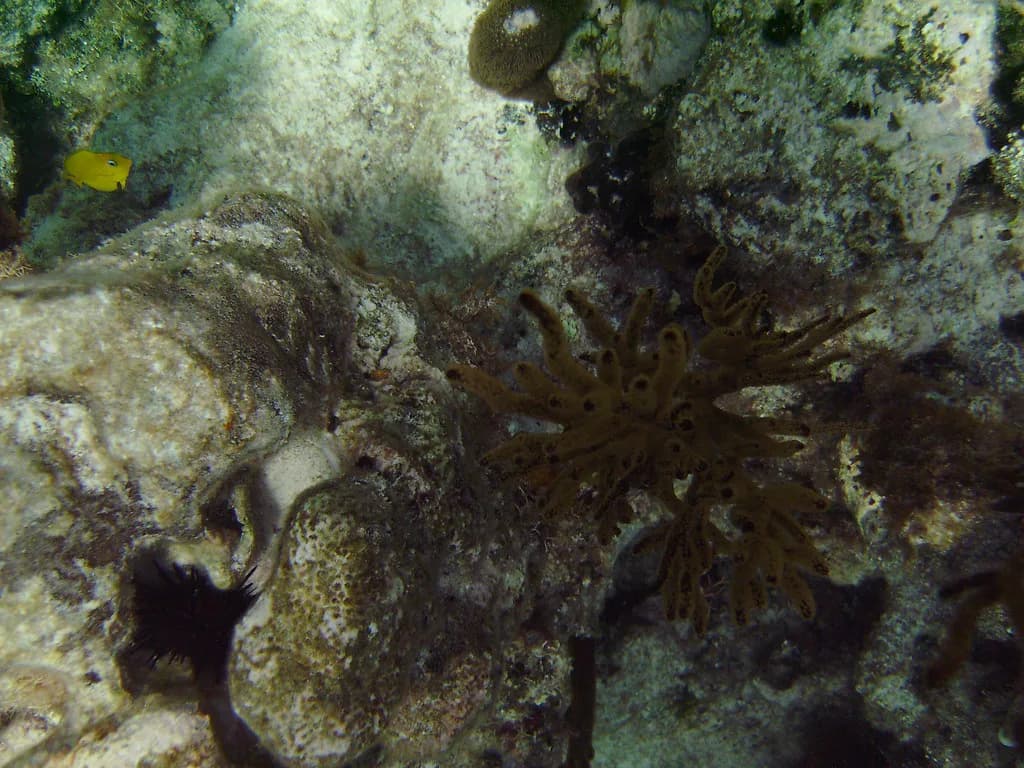
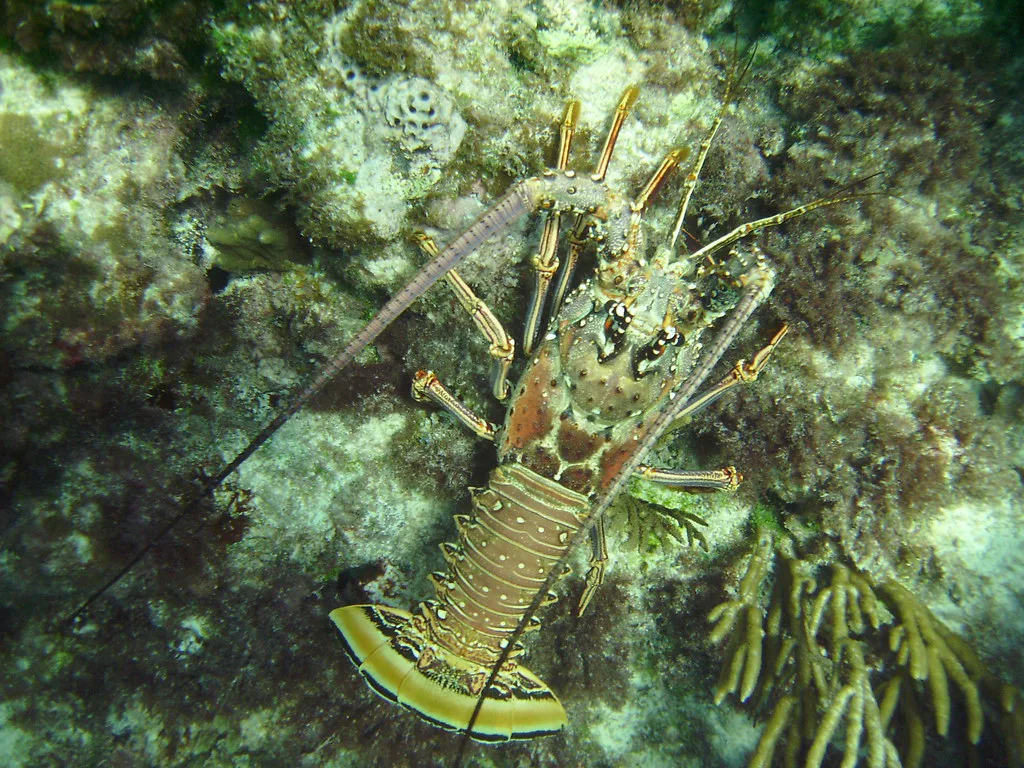
Over the coral at Loblolly and Flash of Beauty, expect schools of tropical fish moving through shallow reef structure, with the reef close enough to the sand for a relaxed surface snorkel. Offshore, Horseshoe Reef's coral, shipwrecks and hidden coves hold more marine life for boat-based snorkelers. On land, Anegada adds flamingos at the salt ponds and the protected Anegada rock iguana.
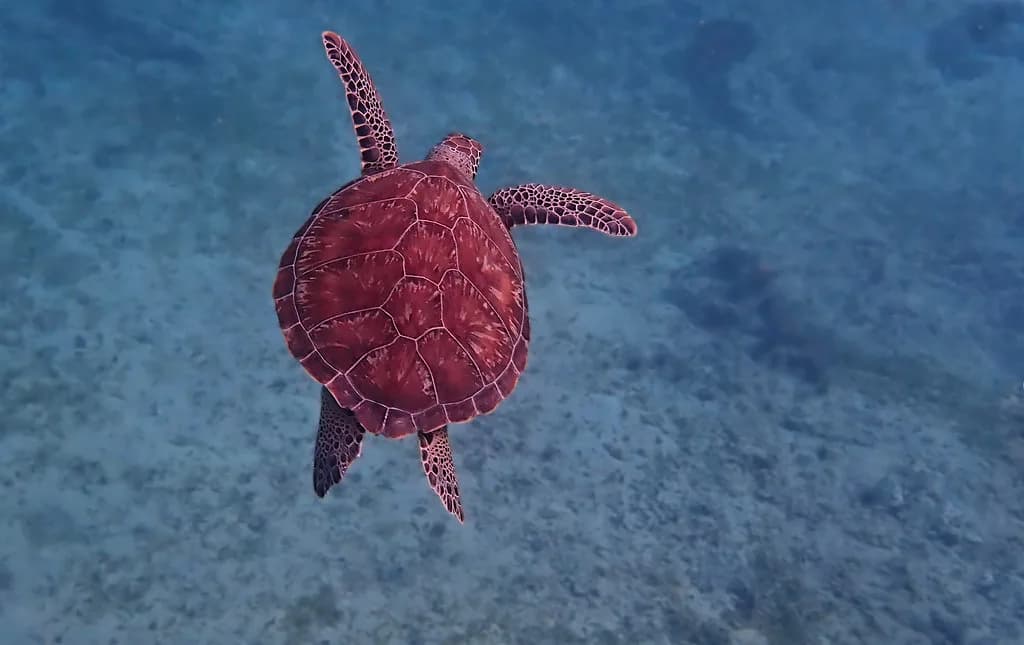
Watch wildlife from a distance and let animals come to you. Do not touch, feed or chase fish, turtles, flamingos or iguanas, and keep your hands off the coral. Good buoyancy over shallow reef does more for the reef than any gear choice.
Skill Level and Who It Suits
Beginners, kids and casual snorkelers belong on the north-shore beaches at Loblolly Bay and Flash of Beauty on calm days, where the reef starts just offshore in shallow water. Families wanting flatter water should head to Windlass Bight and the south-coast coves. Strong swimmers and confident snorkelers get the most from a boat trip to the outer Horseshoe Reef sections.
If you are new to reef snorkeling, practice mask clearing and finning in the calm south-coast water before tackling the open north shore. A boat trip rewards experience with access to reef you cannot reach from the sand, but it also puts you in deeper water and near boat traffic.
Best Time to Go
November through April brings the most reliable weather and calm seas, which is when the north-shore reef entries at Loblolly and Flash of Beauty are most likely to be swimmable. Outside that window, watch the swell forecast and plan around the sheltered south coast instead.
Snorkel in the morning for better light and calmer water, before the trade winds build through the afternoon. That timing also lines up with the Flamingo Pond Lookout, where birds are most active early and late in the day. Before any north-shore day, confirm the marine forecast with the BVI Tourist Board.
Hazards and Rules
The main hazard is swell on the exposed north shore. Flash of Beauty and Loblolly take the brunt of a running north swell, and the south-coast coves are the safe alternative when it builds. Around Horseshoe Reef, boat traffic near the passes is the other risk, so stay close to your guide and surface where you can be seen.
Anegada has very little natural shade, and the low, flat terrain offers no relief from the sun. Bring reef-safe sunscreen, a rash guard, a hat, drinking water and your own shade if you plan a long beach day. Reef-safe products matter here because the shallow reef sits right where you swim.
What to Bring
Pack your own mask, fins and snorkel, since rentals at the quieter beaches are limited. Add reef-safe sunscreen, a rash guard, a hat and more water than you think you need for a shadeless island. Bring cash for meals, transport and any boat trip, and keep gear in a dry bag on the sand.
If you are combining a boat trip with beach time, carry a light windproof layer for the ride back and a towel that dries quickly. A small dry bag protects phones and cash on wet beach entries.
Combining Spots on Anegada
A smart north-shore day pairs Loblolly Bay with Flash of Beauty, snorkeling one in the morning and the other after lunch, with Big Bamboo for food in between. Add Cow Wreck Beach for a swim and a drink at the beach bar, then finish at the Flamingo Pond Lookout and the Conch Mound, where years of shell deposits record the island's fishing traditions.
On a breezy day, swap the north shore for Windlass Bight and the south-coast coves. If you have a boat, slot a Horseshoe Reef snorkel between beach stops. If you are staying on Tortola, pair Anegada with a calmer Tortola snorkel day at Brewers Bay or Cane Garden Bay, or compare it with snorkeling in St. Thomas for another short ferry-hop option.
Plan Your Anegada Snorkel Day
Anegada snorkeling comes down to reading the swell and picking your side of the island. On calm days, Loblolly Bay and Flash of Beauty give you shallow reef straight off the sand, and a boat trip opens the outer Horseshoe Reef. When the north swell runs, Windlass Bight and the south-coast coves keep the day on the water.
Base yourself on Tortola, take the ferry or a flight, rent a jeep, carry cash and bring your own gear and shade. Check the marine forecast and ferry times the day before, then build the plan around the calm side of the island.
Frequently Asked Questions
Where is the best snorkeling on Anegada?
Loblolly Bay on the north shore is the main beach-entry snorkel spot, with shallow clear water and reef just offshore. Flash of Beauty nearby offers a quieter reef entry when the north swell is down, and the shallow edges of Horseshoe Reef give protected snorkeling in calm conditions. Windlass Bight on the south coast is the calm alternative.
Can you snorkel from the beach at Loblolly Bay?
Yes. Loblolly Bay has sand entry into shallow, clear water with reef just offshore, which makes it the default for beginners and families. Bring your own mask and fins and enter from the beach rather than swimming far out.
Is Flash of Beauty good for snorkeling?
Flash of Beauty has a quieter, less developed reef entry near Loblolly Bay and works well when the north swell is down. When the swell runs, the exposed north-shore entry becomes rough and the south-coast coves are the better choice. Gear rentals there are limited, so bring your own.
Do you need a boat to snorkel Horseshoe Reef?
You can snorkel the shallow edges of Horseshoe Reef in calm conditions, but the outer sections and shipwrecks are boat territory. Local operators run trips to the reef, so ask about rates and minimum party size. Check current details.
How do you get to Anegada from Tortola?
Take the ferry from Road Town or Trellis Bay, or a small flight from Beef Island Airport. Yachts also anchor offshore. Once on the island, rent a scooter, jeep or bicycle, or use taxis near the ferry and airstrip.
When is the best time of year to snorkel Anegada?
November through April brings the most reliable weather and calm seas, when the north-shore reef entries are most likely to be swimmable. Outside that window, watch the swell forecast and plan around the sheltered south coast.
Is Anegada good for beginner snorkelers?
Yes. Loblolly Bay offers sand entry into shallow water with reef just offshore, and the south-coast coves at Windlass Bight stay calm. Beginners should skip the exposed north shore when the swell runs and consider a guided boat trip only once comfortable in open water.
Sources
Snorkeling notes for your next trip
Optional updates to our snorkeling guides.
You might also like
Continue reading
More guides you'll find useful