Cane Garden Bay Snorkeling: Sunken Barge and West-End Reef
Snorkel Cane Garden Bay on Tortola's calm north shore, swimming to the sunken barge past the old jetty or the west-end reef, and plan around cruise crowds.
On this page
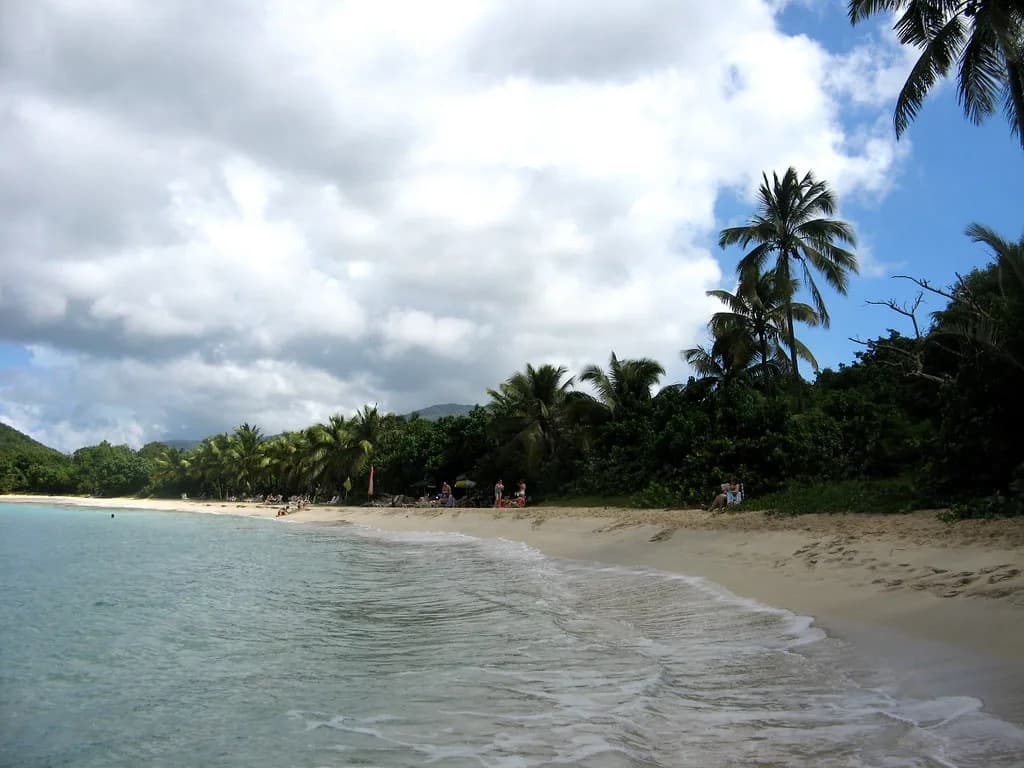
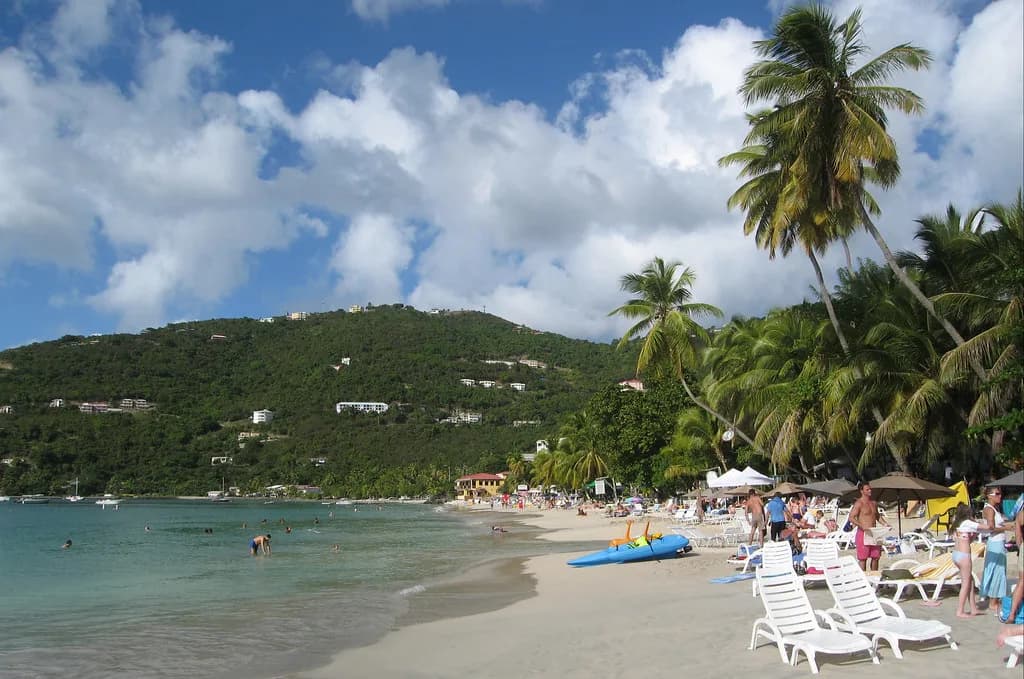
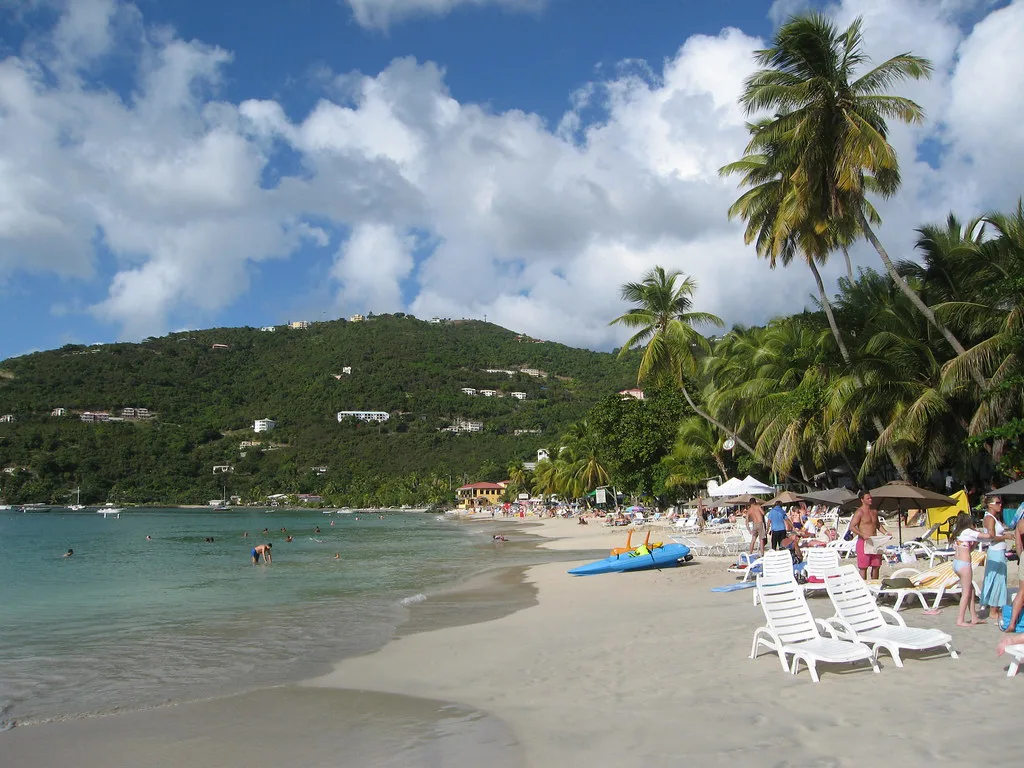
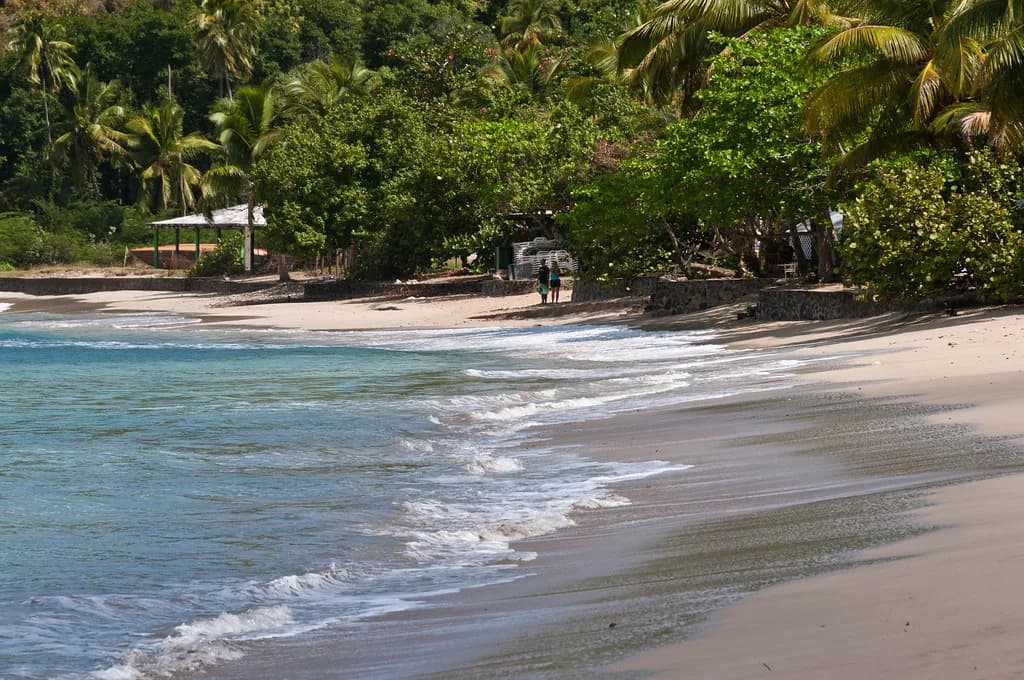
Cane Garden Bay earns its place on a Tortola itinerary as a beach day that happens to include snorkeling, not as a destination reef. The crescent of sand on the island's northwest coast holds reliably calm, clear water with easy sand entry along its whole length, which makes it the low-stress option for families and beginner swimmers. Two separate underwater targets sit inside the same bay, so you can pick one or swim both.
Why Cane Garden Bay Suits an Easy Snorkel Day
The appeal here is logistics. The bay is one of the calmest and most swimmable around, so you walk in off the sand rather than picking your way down rocks or booking a boat. That flat water is what makes the bay a sensible pick for mixed groups where only part of the party wants to get wet.
Set expectations honestly: this is a lovely beach with fun snorkeling attached, not the best reef in the British Virgin Islands. If your day is built around coral and fish density, plan a boat trip to the outer cays instead. If your day is built around a swim, lunch on the sand and a short explore with a mask, the bay delivers. For a broader comparison of island options, the guide to snorkeling in Tortola lays out which beaches reward which kind of swimmer.
The Layout of the Bay
Picture a crescent beach with a shore road running behind the restaurants and bars. At the eastern end sits an old jetty by Quito's, and a dinghy dock serves boats moored in the bay. The two snorkel features are at opposite ends, which is the single most useful thing to know before you lay down a towel. If you are weighing this bay against a livelier island, snorkeling in St. Thomas offers a comparable shore-entry beach day.
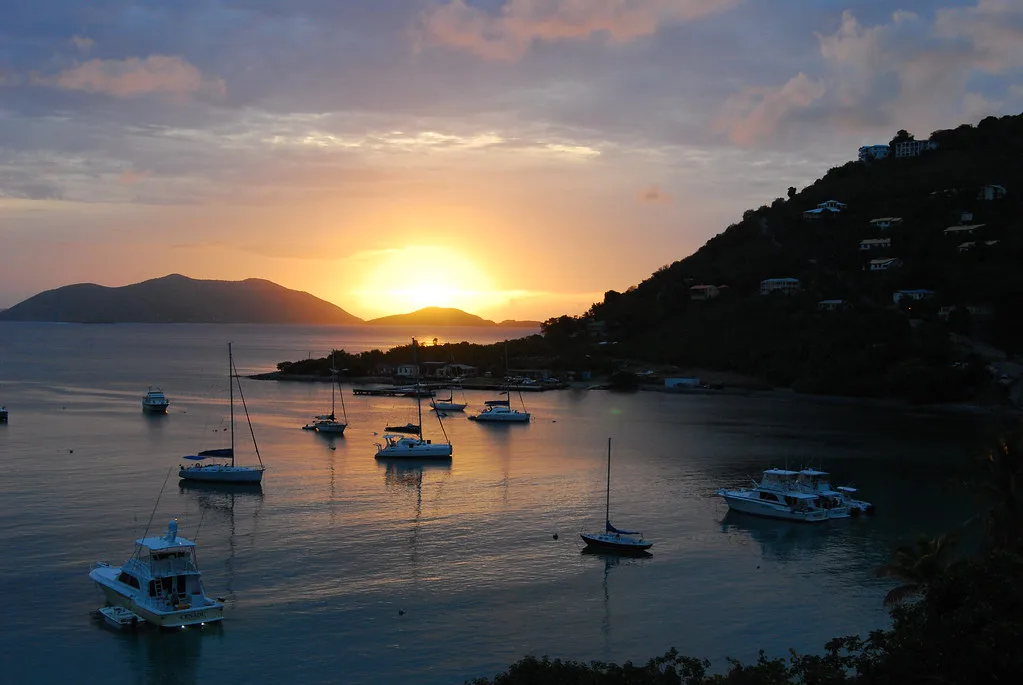
The bay is a working anchorage as well as a beach, with a large mooring field and anchoring space that make it a common stop for charter yachts. That means tenders and dinghies moving near the dock through the day, so keep your swim line away from the dock channel. The same anchorage profile notes that the bay is best avoided by boats when a heavy north swell runs, a useful sea-state cue for swimmers too.
Snorkeling the Sunken Barge Off the East End
Start by walking the beach east past the old jetty by Quito's and continuing a couple hundred feet. You can enter the water anywhere past the jetty, but the most direct line runs roughly straight out from the two-story house on the shore road. From that point it is a few minutes' swim in calm, clear water.
The barge once anchored off the dock at the eastern end and sank where it lay, and marine life moved into the hull. It is not large, so the search can be the hard part: the bottom reads as blank sand until the structure suddenly appears. Go with a companion and split the scan.
Once you find it, float a few feet above the top rather than diving onto it. The rectangular chambers of the hull act as shelter, so the best viewing is straight down into the openings. Keep fins high and hands off the structure.
What You Will See at the Barge
Small tropical fish crowd the open chambers, and the color is concentrated in a small area rather than spread across a reef. Look deeper into the shadowed openings for solitary residents that prefer the dark. A tarpon or a baby barracuda may hover at a distance watching you, and the correct response is to hold still and let it move on.
Treat every sighting as a possibility rather than a plan. The wreck's value is the shelter it gives small fish, which varies with light, surge and how many people have already visited that day. An early swim, before the beach fills, gives you clearer water and a quieter site.
The Reef at the West End of the Beach
The second target sits at the opposite end of the beach, where the west end holds coral reef worth a look. Coral cover here is modest compared with Tortola's better-known sites, but it gives you a different swim from the wreck and works well as a second dip after lunch.
Approach the reef the same way as the barge: sand entry, a surface swim, then a slow pass over the coral. Because the bay is shallow and bright, the reef reads best when the sun is high and the water is glassy. If a north swell has the bay stirred up, save the reef for another day and enjoy the beach instead.
Getting In
Entry is sand along the whole beach, with no ladder, stair or rock scramble involved. You wade in, clear the shallows, and swim out over open sand until the bottom changes. The water is calm and clear enough that the swim out is easy to negotiate at an unhurried pace.
Choose your entry point by target rather than by whatever patch of sand is free. For the barge, walk east past the jetty first and enter there; for the reef, walk west. Entering in the middle means a longer surface swim in both directions.
Skill Level and Who It Suits
The calm, usually flat water makes this a good bay for kids and beginner swimmers, and the sand entry removes the usual anxiety about footing. Swimming at Cane Garden Bay is generally easy, which is exactly why families gravitate here.
Finding the barge demands a different skill: patience and a willingness to swim over apparently empty sand. Strong swimmers will cover the search area quickly; less confident swimmers do better paired with someone and staying inside the calmest part of the bay. Neither swim requires depth beyond a comfortable surface dive.
Best Time to Go
The biggest planning lever for this beach is the cruise calendar. Cane Garden Bay is where a large share of cruise passengers spend their port day, so check the BVI port schedule at bviports.org and pick a day with no ships in port if you want space on the sand and clearer water.
Within the day, go early. High sun over shallow water gives the best visibility for spotting the barge's hull chambers, and morning usually brings lighter wind and fewer people in the water. Late afternoon is the other quiet window, though the light flattens sooner.
Swell and Weather
A heavy north swell is the condition to watch on this coast. The bay's anchorage is exposed to it, and the same sea state that makes boats uncomfortable will cloud the water and push surge over the reef and wreck. Flat, settled days are what make the snorkeling here work.
Hazards
Boat and dinghy traffic near the dock is the main thing to manage. Keep your swim away from the dinghy channel and the jetty approach, and surface regularly to check what is moving. The barge itself is shallow, so watch your body and fins around the hull structure rather than diving into it.
Sun is the other real hazard: open sand, clear water and a long beach day add up. Bring a rash guard and shade, and take breaks between swims. Follow published wildlife rules throughout: no touching, feeding or chasing fish, turtles or anything else, and give tarpon and barracuda room to move off on their own.
Parking and Facilities
Drive down the hill to the shore road behind the beach and look for the parking lot near the center of the bay, behind the restaurants on the sand. From the west, a stop at Stoutt's Lookout on the way down gives you the panorama before the road turns toward the water.
The beach is lined with bars and restaurants that set out chairs and umbrellas at the water's edge. Glen's Seaside is one of the established beach set-ups, with local dishes such as whole fried fish, curry goat and conch stew alongside a standard menu. Ask about the day's specials rather than assuming a fixed list.
Food, drink and beach furniture are sold on the spot, so carry what you need for a full day and settle up as you go. Confirm any charge for chairs or umbrellas with the bar you use, since it varies by operator and season.
Nearby Spots to Combine
On land, Callwood Rum Distillery is a short walk from the beach, one of the oldest continuously operating pot distilleries in the Caribbean, and makes an easy afternoon add-on. Bobby's is walkable from the dinghy dock for provisioning if you are chartering.
For better snorkeling, drive to the other side of Tortola. Smugglers Cove tortola snorkeling pairs a secluded beach with a reef and a rustic beach bar, and Brewers Bay is reachable by land for a quiet day. By boat, Norman Island adds caves and deeper water, and the Indians bvi snorkeling offers pinnacles that draw far more fish than the bay's wreck.
Practical Packing
Bring your own mask and snorkel; the swims here are short and self-guided, and a well-fitted mask matters more than any other item. Add a rash guard for sun, water shoes for the walk along hot sand, and a dry bag for the beach day. If you are buying before the trip, choose a mask by fit and lens quality rather than by claims on the packaging.
Plan Your Visit
Cane Garden Bay works best as a beach day with a snorkel attached: swim east past the jetty to hunt for the barge, then west for the reef, and keep the rest of the day for lunch and shade. Pick a ship-free day on the port schedule, go early, and treat the wreck as a find rather than a guarantee. Plan around a north swell, and you will get the calm, clear water that makes this bay worth the stop.
Frequently Asked Questions
Where do you snorkel in Cane Garden Bay?
There are two separate targets. The sunken barge sits off the east end, a few minutes' swim out past the old jetty by Quito's, roughly straight out from the two-story house on the shore road. The reef is at the west end of the beach, where coral grows on a modest scale.
Is Cane Garden Bay good for snorkeling?
It is good for easy, low-stress snorkeling rather than destination-reef diving. The water is calm and clear, entry is off sand, and the barge shelters small tropical fish in its hull chambers. Expect a pleasant swim with modest coral, not the density of the outer cays.
How do you find the sunken barge in Cane Garden Bay?
Walk east along the beach past the old jetty by Quito's and continue a couple hundred feet. Enter the water there and swim out roughly in line with the two-story house on the shore road. The bottom looks like plain sand until the wreck appears, so search with a partner.
Is Cane Garden Bay calm enough for kids to swim?
On settled days, yes. The bay is known for calm, swimmable water with sand entry along the whole beach, which suits children and beginner swimmers. Watch boat and dinghy traffic near the dock and keep children away from the dinghy channel.
When should you avoid Cane Garden Bay because of cruise ships?
Cruise passengers concentrate on this beach, so pick a day with no ships in port if you want space and clearer water. Check the BVI port schedule on bviports.org before you commit to a date, and go early in the day either way.
What can you see snorkeling Cane Garden Bay?
At the barge, look for small colorful reef fish in the open hull chambers, shyer fish in the shadows, and occasionally a tarpon or baby barracuda holding at a distance. The west end adds coral and the fish that live on it. Sightings vary, so treat each as a possibility.
Is there parking at Cane Garden Bay beach?
Yes. A parking lot sits behind the restaurants near the center of the bay, off the shore road you reach after driving down the hill. Beach bars along the sand offer chairs and umbrellas if you want a set-up for the day.
Which is better for snorkeling, Cane Garden Bay or Smugglers Cove?
Smugglers Cove generally offers the stronger reef and a more secluded setting, while Cane Garden Bay offers calmer water, easier sand entry and far more food and facilities. Choose Cane Garden Bay for a family beach day with a short snorkel, and Smugglers Cove when the underwater scene is the point of the trip.
Sources
Snorkeling notes for your next trip
Optional updates to our snorkeling guides.
You might also like
Continue reading
More guides you'll find useful