Snorkeling Smuggler's Cove, Tortola: Reef, Entry and Tips
Snorkel Smuggler's Cove on Tortola's western tip, a calm sandy bay with shallow patch reef at the rocky headlands and parrotfish, wrasse and rays.
On this page
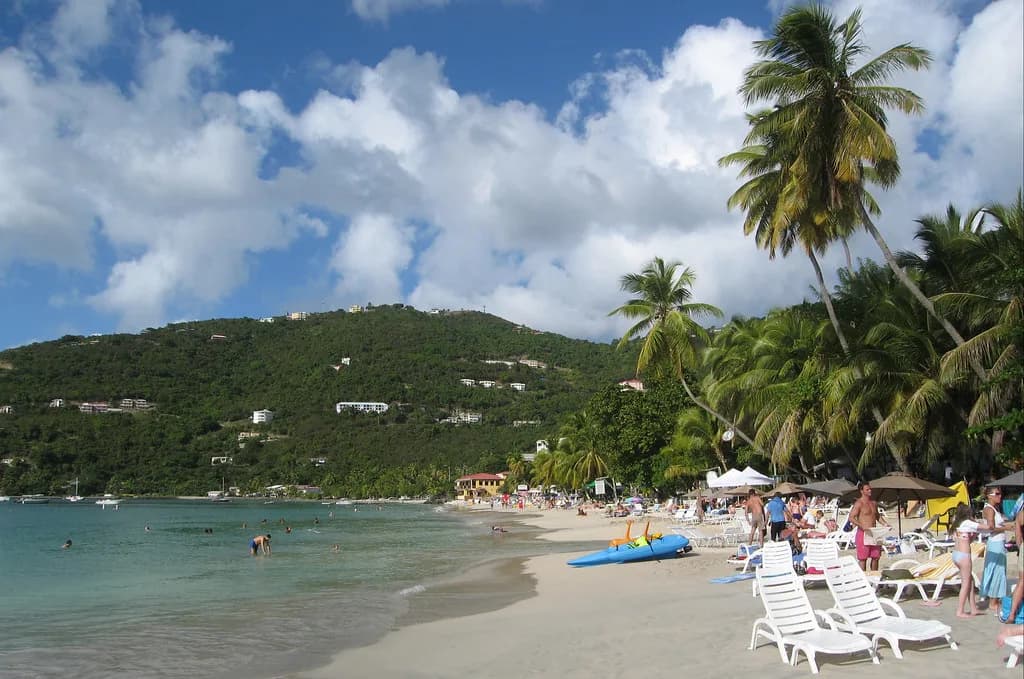
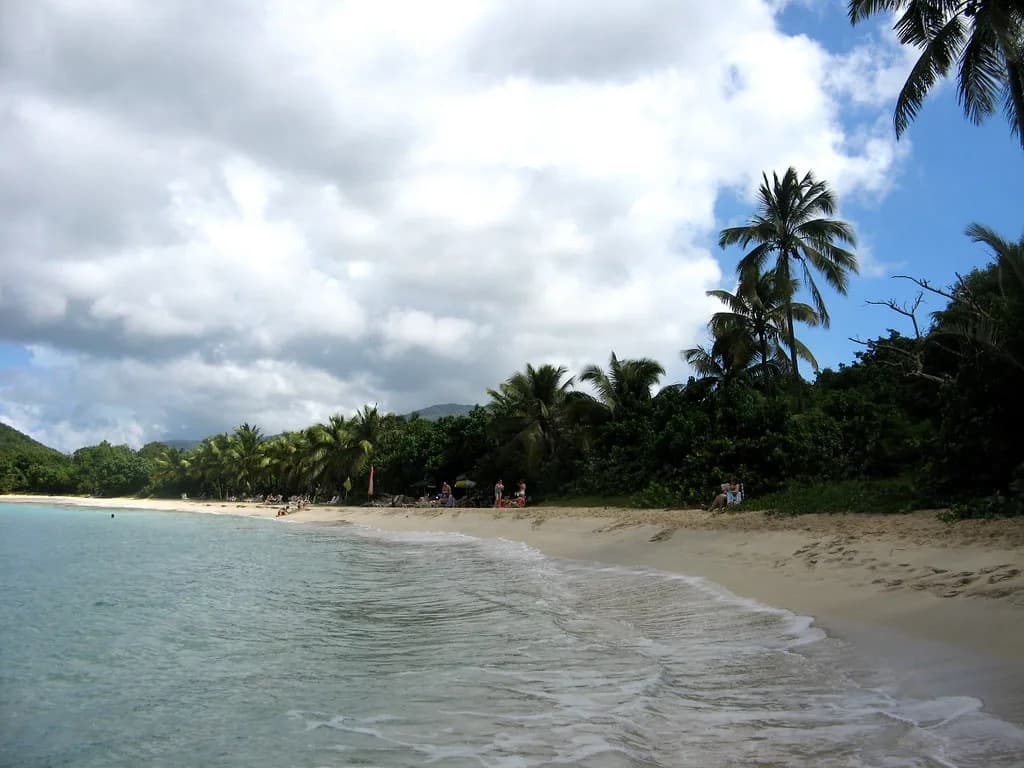
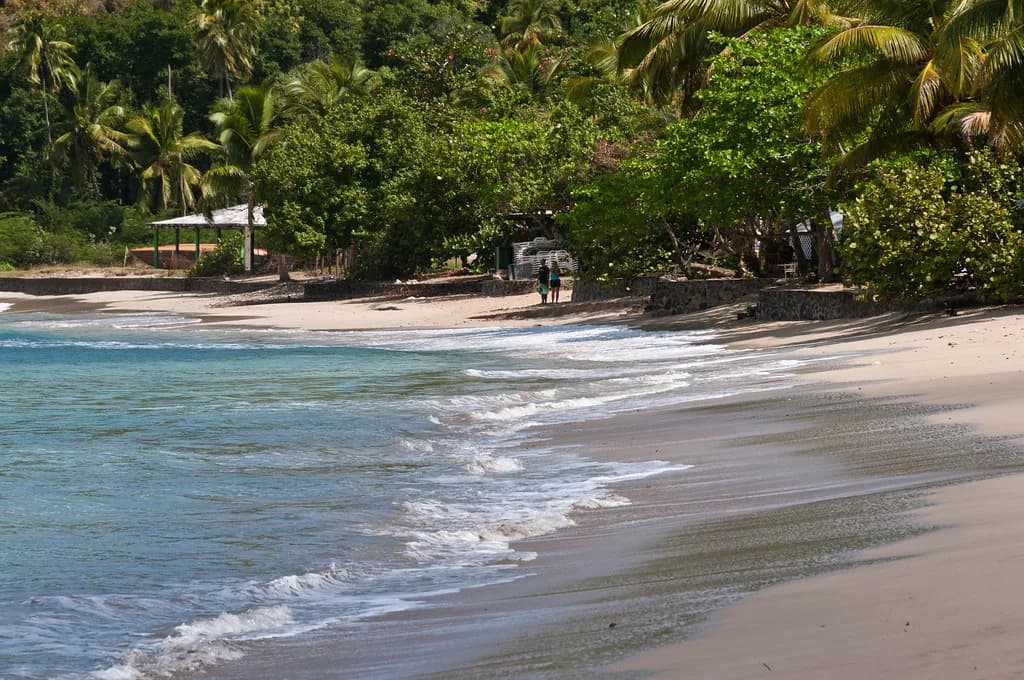
Smuggler's Cove rewards snorkelers who want a simple day: sand under your feet at entry, a shallow reef within easy swimming distance, and a bay sheltered enough that beginners and kids can get comfortable before drifting toward the rocks. It sits on Tortola's western tip and trades the beach-bar bustle of busier bays for a quieter, slightly scruffy setting with a couple of simple places for a drink.
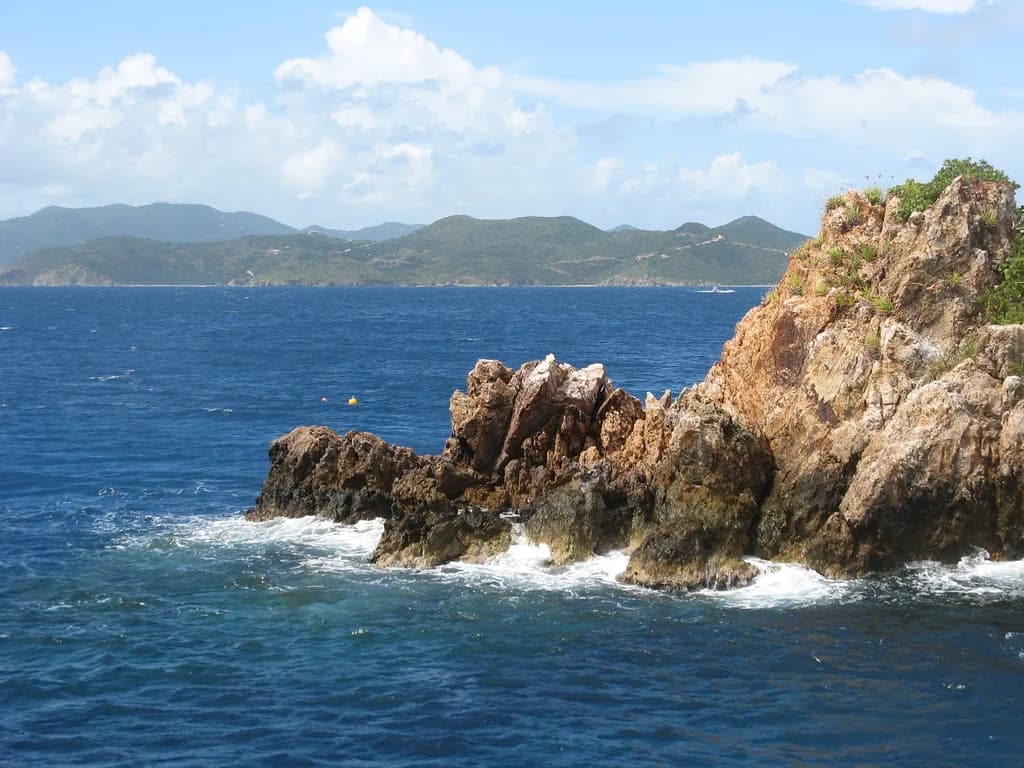
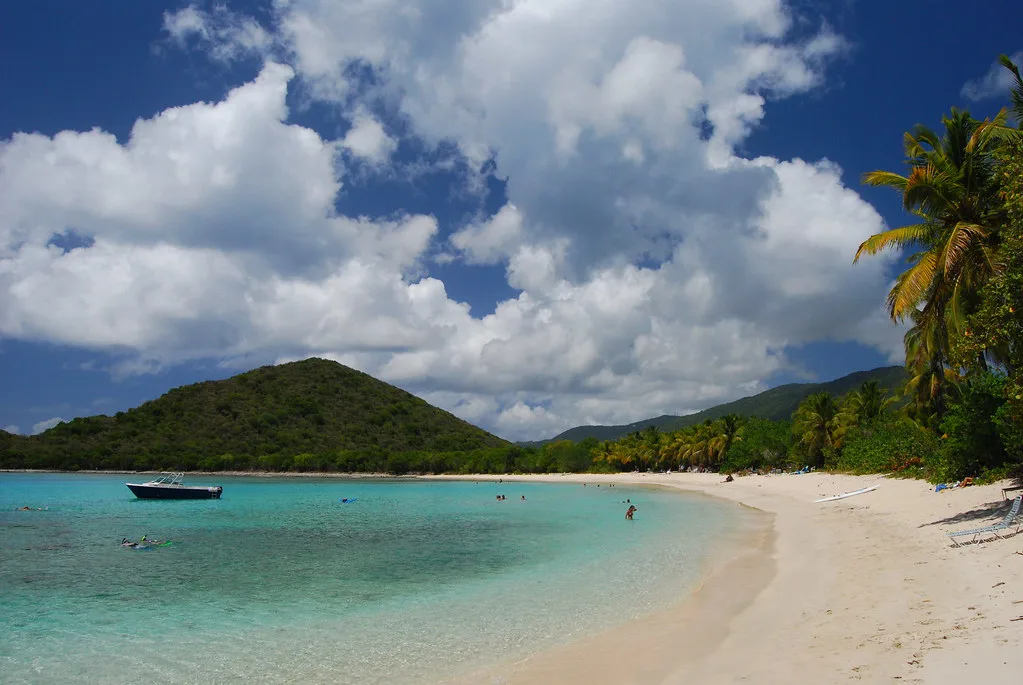
The appeal is the layout rather than any single landmark. Rocky headlands funnel clear water into a shallow pocket where parrotfish, wrasse and the occasional ray turn up over patchy reef, so you can see interesting bottom without needing a boat or a deep-water swim. Plan the cove as a half-day of easy snorkeling and beach time, not a dive expedition.
Why Smuggler's Cove suits beginner snorkelers and families
The bay is usually calm, which is the main reason it works for first-timers. Shallow, reef-filled water starts close to the sand at the edges of the cove, so a nervous swimmer can stay in waist-deep water and still watch fish, while stronger swimmers push out toward the headlands. Bring your own mask and fins, since this is a bring-your-own-gear kind of beach rather than a rental hub.
Families get a real trade-off here: fewer facilities and no beach scene, but also less crowding and a gentler shoreline than the island's headline beaches. The cove is often described as the most natural and quietest snorkeling beach on Tortola, with only basic portable toilets rather than full facilities, so pack water, snacks and shade accordingly.
Where the cove sits on Tortola's western tip and how to reach it
Smuggler's Cove occupies the far western tip of Tortola in the British Virgin Islands, a position that keeps it off the main cruise and beach-bar circuit. If you are based in Road Town or coming from the ferry terminal, allow a scenic cross-island drive rather than a quick hop.
The last stretch is a rough road, which is the single most important logistics detail for drivers. The approach is hard on low-clearance rental cars, so choose a vehicle with decent clearance or arrange a taxi or tour transfer instead of gambling on a compact sedan. Treat the drive itself as part of the day: the western end of the island is quieter and greener than the east.
Sand entry, where the reef starts, and depth over the rocky headlands
You enter from the beach on sand, which is what makes the cove so forgiving. The reef is patchy rather than a continuous wall, concentrated around the rocky headlands that frame the bay; swim toward either rocky edge and you will find the liveliest bottom, while the middle of the cove is mostly open sand.
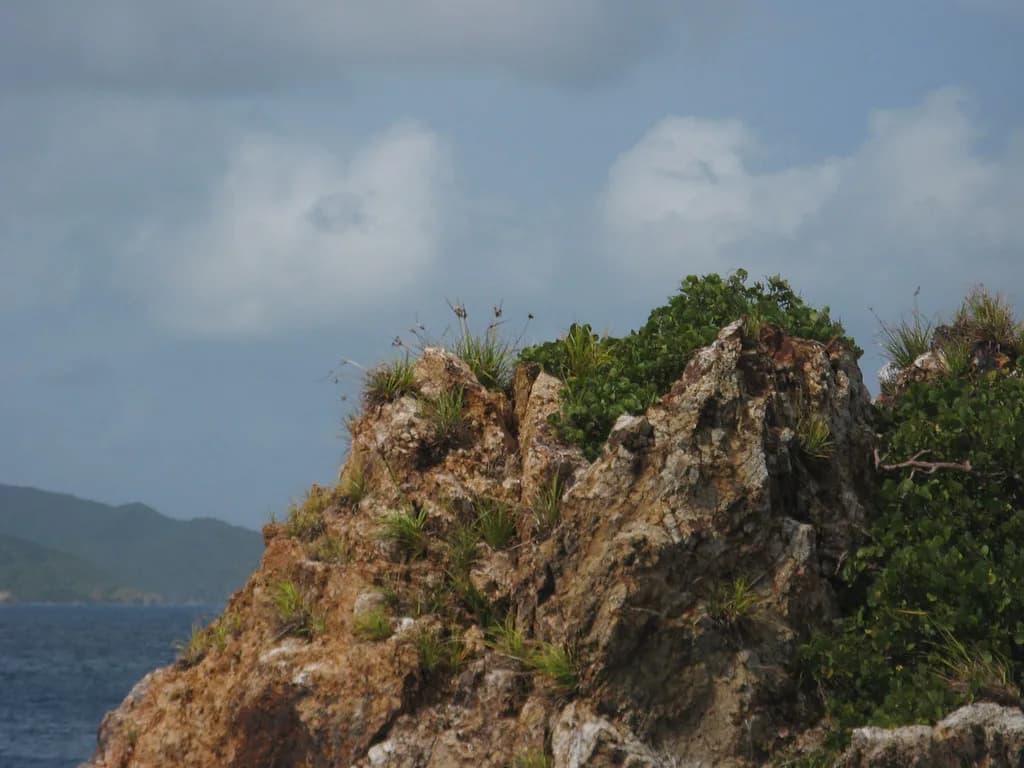
Depth over the reef stays shallow enough to snorkel comfortably without diving, and visibility is typically best mid-morning when the wind is light. If the surface chops up, hug the more sheltered side of the cove and keep to the shallows near the sand. Water shoes help on the rock fringe, where the entry turns from sand to slippery, tide-sculpted stone.
What you will see: parrotfish, wrasse, rays and rocky habitat
Expect the everyday cast of a Caribbean patch reef: parrotfish grazing the coral, wrasse darting through the gaps, and small reef fish sheltering in the rocky overhangs. Rays sometimes pass over the sand and rubble between reef patches, so scan the open bottom as well as the structure.
At low tide the rock fringe turns into tide pools with crabs, blennies and colorful algae, which is a good non-snorkeling activity for kids who need a break from the mask. Keep your hands off live animals and leave shells and creatures where you find them. Nothing about the cove's wildlife is guaranteed, so treat every turtle or ray as a bonus rather than a plan.
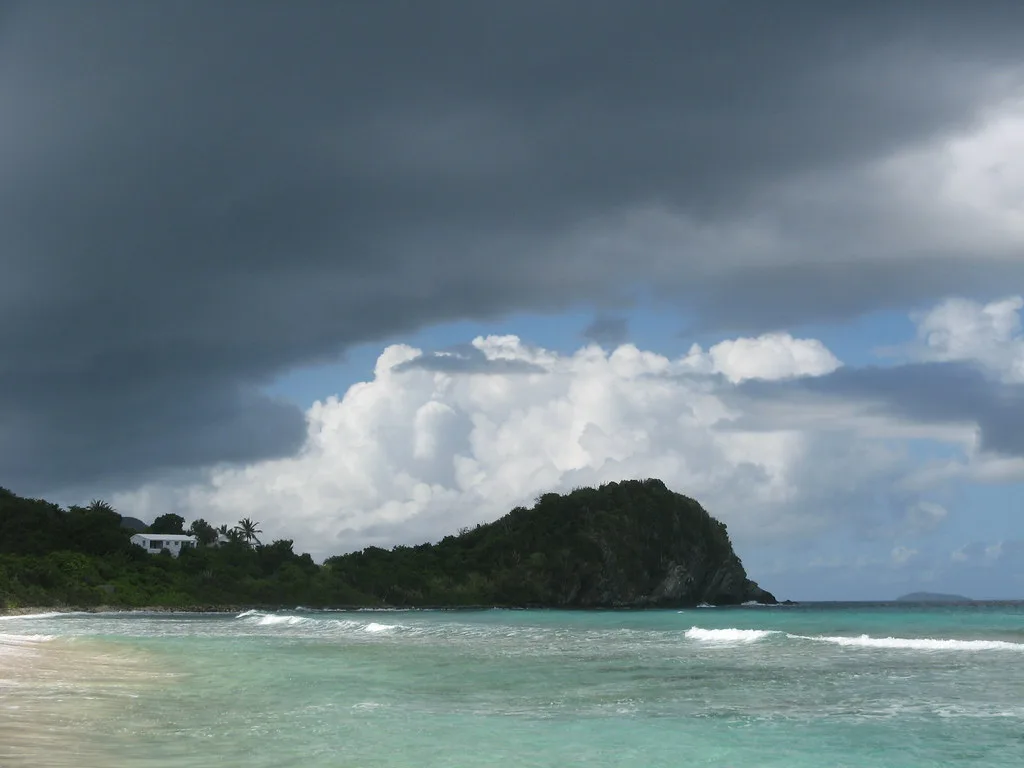
Best time of day, season and swell for calm water
Go mid-morning. Winds tend to be lighter then, the water is at its clearest, and you beat the midday buildup that can stir the surface. The cove faces the open water at the western tip, so a day with light wind and no swell is the one to pick; if the bay looks choppy from the sand, the reef will be murky and the rocky edges less pleasant.
The British Virgin Islands run warm year-round, with highs around 84 to 88°F and lows rarely below 75°F, and daylight holds steady at roughly 11 to 12 hours. The June-to-November stretch is hurricane season, so weigh a cheaper, quieter trip against the chance of disrupted weather; late April and early May tend to balance good conditions with manageable crowds.
Skill level and who the cove works for
Smuggler's Cove is a beginner and family beach first. The sandy entry, shallow reef and usually calm bay mean new snorkelers can build confidence without a boat or a long surface swim. Strong swimmers get the most from the headland edges, where the rock structure and slightly deeper water hold more fish.
It is not the place for serious dive action or surf, and anyone chasing dramatic drop-offs should look elsewhere. Snorkelers who want big coral formations and boat-accessed sites will find the cove modest; the payoff is convenience, quiet and an easy swim from the sand.
Hazards: rocky headland edges, boat traffic and wind
The main risks are ordinary ones. The rock fringe at the headlands is slippery at low tide, so wear water shoes and watch your footing where the sand gives way to stone. Wind is the other factor: a breezy day chops the surface, cuts visibility and makes the unprotected western tip less comfortable, so pick a calm morning.
Stay aware of boat traffic in the bay and keep clear of any vessel movement near the shore. Snorkel with a buddy, use a visible float, and stay inside the cove rather than rounding the headlands into open water. Check the day's marine forecast and any posted advisories with the British Virgin Islands authorities before you commit to the drive.
Parking, fees and facilities
Facilities are minimal and the setup is rustic: a couple of simple spots for food and drink, portable toilets, and no beach-bar scene. That means you should arrive self-sufficient with water, snacks, shade and your own snorkel gear, and carry out what you bring in.
Parking is informal and limited at the end of the rough access road, so arrive early on busy days and do not block the track. Any fees, opening arrangements or rules for the beach and surrounding land are set locally and can change, so confirm current details with the British Virgin Islands Tourist Board before you go.
Sea cave, tide pools and the cliff viewpoint above the beach
Beyond the water, the cove has a compact network of tide-sculpted rock, a sheltered little sea cave and rocky overhangs to explore. Low tide is the time for this: the cave and pools are more accessible and safer to poke around, but the stone is slippery, so water shoes and a slow pace matter.
A short, steep scramble from the beach leads to a cliff viewpoint over the cove, the jagged headlands and nearby islands. It is worth the sweat for a sense of how protected the bay really is, and it doubles as a sunset spot if you are driving back in the evening.
Nearby snorkel spots to combine on the same day
The natural pairing is a boat day. Sailing and snorkel tours from Tortola run to Norman Island, where the caves and The Indians offer far more dramatic reef than the cove's shallow patches, and to quieter beach stops around the archipelago.
If you would rather stay on land, Cane Garden Bay is the busier, more developed alternative with bars and a longer beach, useful when you want facilities after a rustic morning at Smuggler's. Spread your snorkeling across the island rather than expecting one bay to deliver everything. Island-hoppers comparing easy shore entries often find the same decision made by snorkeling in St. Thomas.
Plan Your Snorkel Day at Smuggler's Cove
Treat Smuggler's Cove as your easy, quiet Tortola snorkel: drive the rough road in a suitable vehicle, arrive mid-morning on a calm day, enter from the sand and work the rocky headlands where the reef actually sits. Bring your own gear, water and shade, wear water shoes for the rock fringe, and keep your expectations modest so the parrotfish, wrasse and rays feel like a bonus.
Pair it with a boat trip to Norman Island or a livelier afternoon at a developed beach, and check the marine forecast with the British Virgin Islands authorities the day before. That combination gives you the cove's calm, natural charm without missing the bigger reef the archipelago is known for.
Frequently Asked Questions
Is snorkeling good at Smuggler's Cove on Tortola?
Yes, for easy shore snorkeling. The cove has a sandy entry, usually calm water and a shallow patch reef around the rocky headlands where parrotfish, wrasse and rays turn up. It is not a dramatic dive site, so pair it with a boat trip if you want bigger reef.
What will I see snorkeling at Smuggler's Cove?
Expect the everyday fish of a Caribbean patch reef: parrotfish, wrasse and small reef fish around the rock structure, with rays sometimes passing over the sand between reef patches. At low tide the rock fringe adds tide pools with crabs and blennies. Sightings are never guaranteed, so keep your distance and let animals come to you.
Do you need a boat to snorkel Smuggler's Cove?
No. You walk in from the beach on sand and reach the reef by swimming toward the rocky headlands that frame the bay. Bring your own mask and fins, since the cove is a rustic spot rather than a rental hub.
Is Smuggler's Cove good for beginners and kids?
It is one of the better beginner beaches on Tortola. The entry is sand, the bay is usually calm and the water over the reef stays shallow enough to snorkel comfortably. Families should bring water, snacks and shade, because facilities are minimal and the setup is rustic.
How do you get to Smuggler's Cove on Tortola?
Drive to the western tip of Tortola, allowing for a scenic cross-island run from Road Town. The final stretch is a rough road that is hard on low-clearance rental cars, so choose a vehicle with decent clearance or arrange a taxi or tour transfer instead.
What is the best time of day to snorkel Smuggler's Cove?
Mid-morning, when winds are typically light and visibility is at its best. Pick a day with little swell, since the cove sits at the exposed western tip and chops up in a breeze. Low tide is better for exploring the sea cave and tide pools.
Are there facilities at Smuggler's Cove?
Facilities are minimal: a couple of simple spots for food and drink and portable toilets, with no beach-bar scene. Arrive self-sufficient with water, snacks, shade and your own snorkel gear, and carry out what you bring in.
Sources
Snorkeling notes for your next trip
Optional updates to our snorkeling guides.
You might also like
Continue reading
More guides you'll find useful