Smith's Reef Snorkeling: Shore Entry, Marine Life and Tips
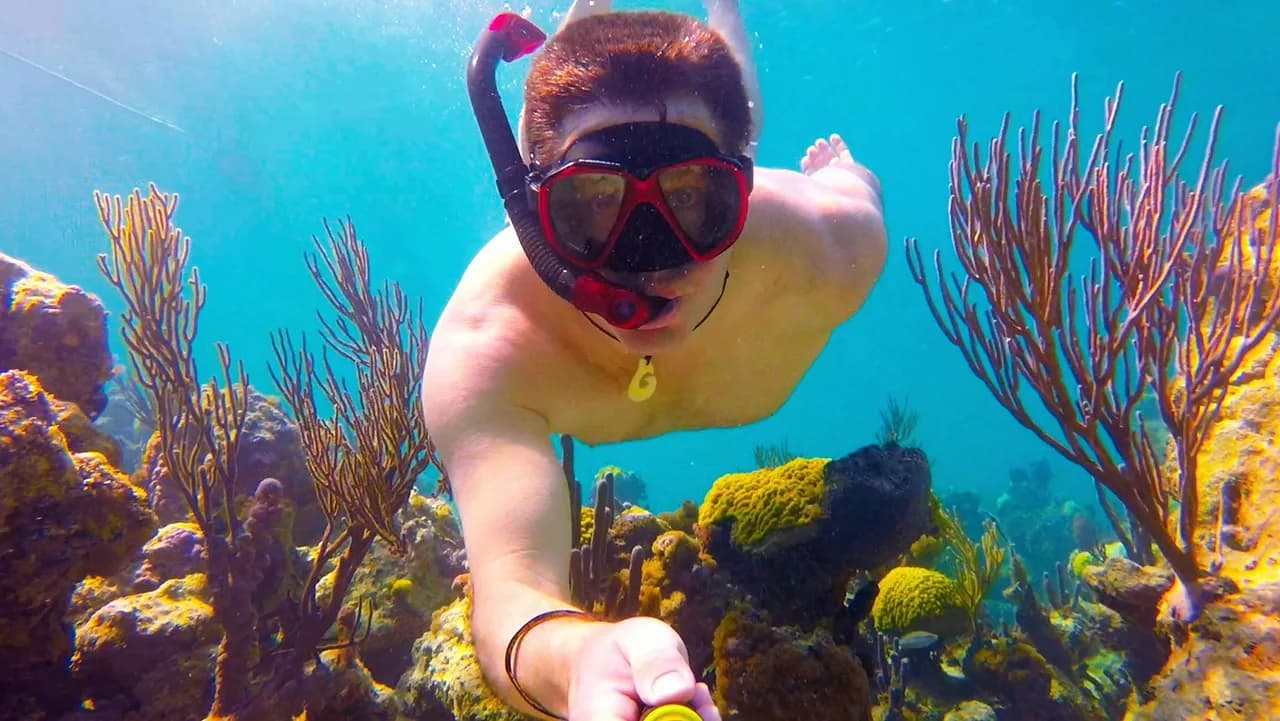
Smith's Reef snorkeling suits novices and experienced swimmers alike, with parrotfish, angelfish, turtles and stingrays off a quiet beach near Turtle Cove.
On this page
Smith's Reef rewards snorkelers who want a quiet swim over live coral rather than a managed trail with buoys and crowds. It sits on the north coast of Providenciales near Turtle Cove and works for both novices and experienced snorkelers, which is unusual for a shore reef. The trade-off is simple: you get an uncrowded site in exchange for finding it yourself and reading the water without safety markers.
Where Smith's Reef Is on Providenciales
The reef lies on the north coast of Providenciales, close to the Turtle Cove area at the western end of the island's beach strip. It is often paired with a stay around Grace Bay, which puts you a short drive from the entry point. Plan the reef as a half-day outing rather than a quick dip, because the appeal is the quieter water and the time you spend over it.
Getting In: Beach Entry With No Safety Markers
You enter the water from the beach and swim out to the reef, so there is no boat, ladder or dock involved. That makes a mask, snorkel and fins the only real access equipment you need, and it keeps the site open to anyone comfortable wading in from sand.
Unlike Coral Gardens at the Bight Reef, Smith's Reef has no safety markers, and the site is less populated as a result. Treat the missing boundaries as a navigation task: pick a visible landmark on shore, note your entry point, and keep the reef edge in view as you swim. Novice snorkelers can handle the site, but they should stay close to shore until they have a feel for the current. For the practical details, see the grace bay snorkeling.
The Reef Layout and How Far Out You Swim
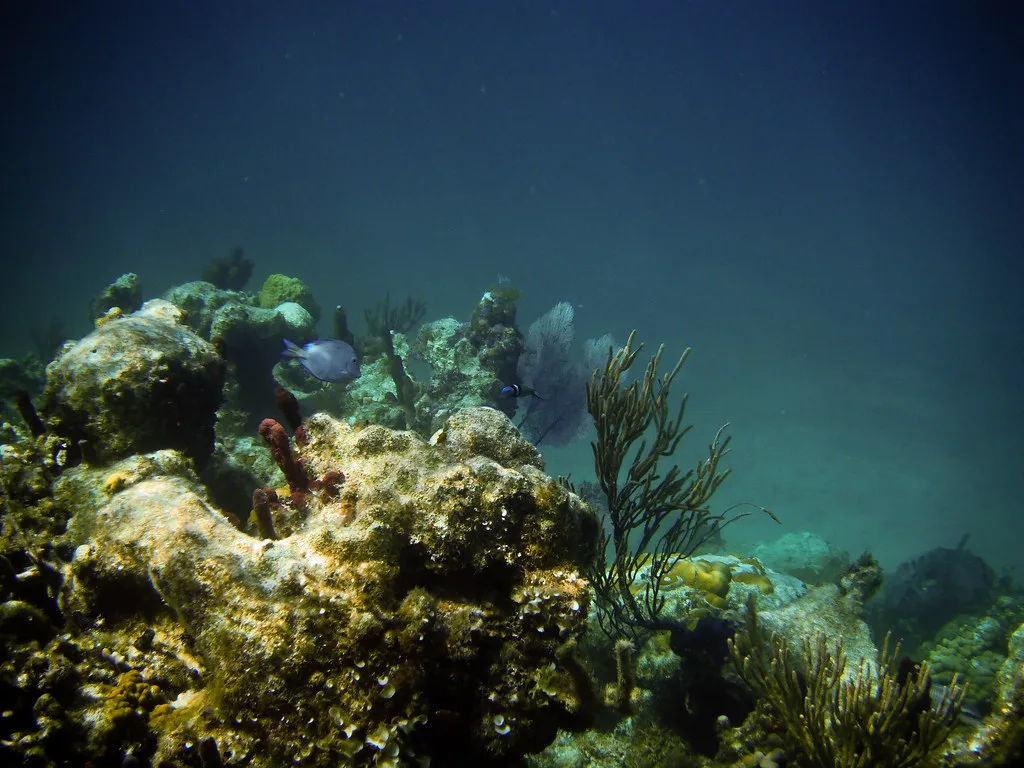
The reef is a shore-fringing coral area rather than a single wall, so you snorkel out from the sand until coral structure and fish appear below you. Depth builds gradually, which lets you start in shallow water and extend your range as you get comfortable. Keep the swim modest on a first visit and use the shallower coral near the beach to warm up before pushing along the reef line.
Because the site is unmarked, the reef does not tell you where it ends. Watch for the point where coral gives way to sand or deeper blue water, and turn back there rather than continuing out. The resort-side description of the area places it on the calmer leeward side of the islands, which is why the water here is often swimmable when other coasts are rough.
What You Will See at Smith's Reef
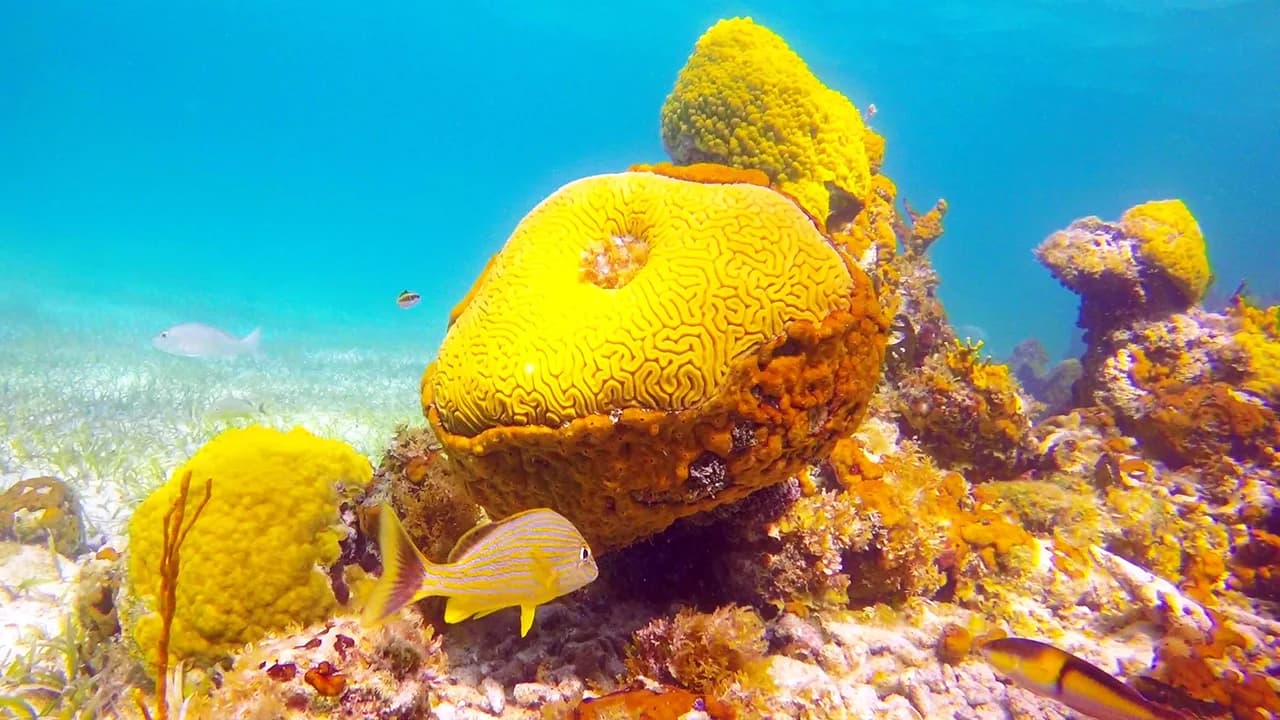
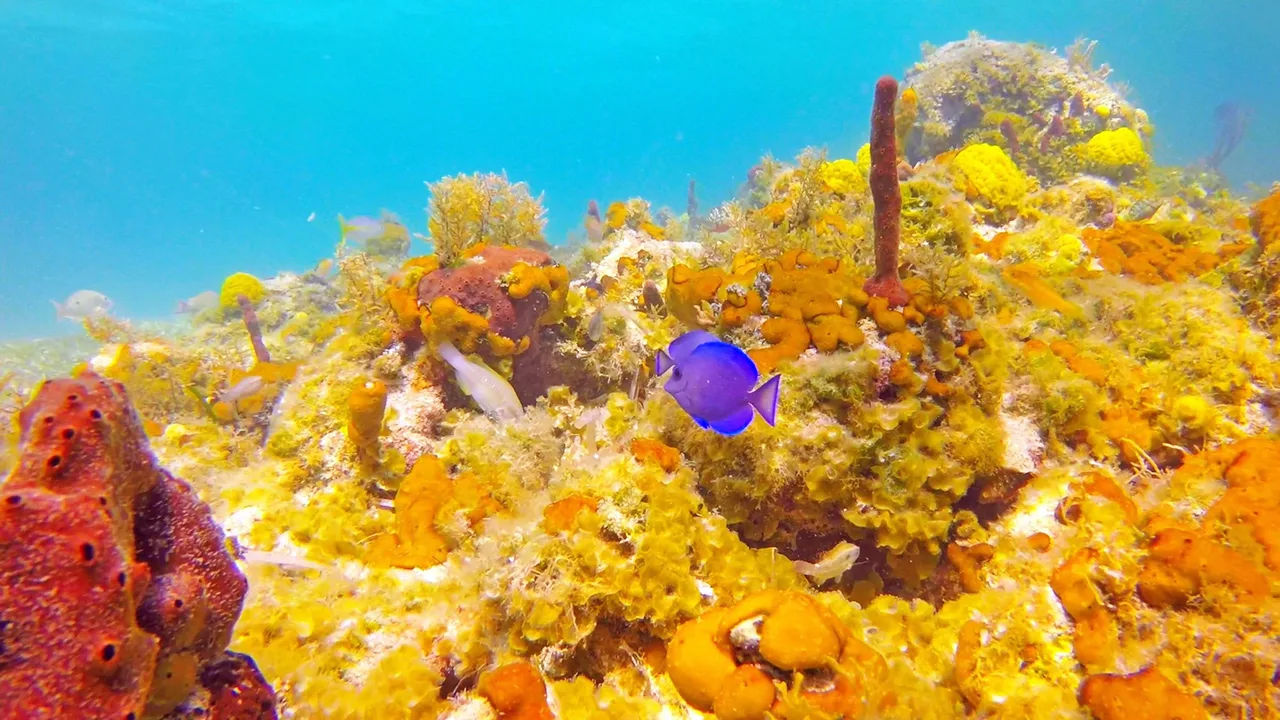
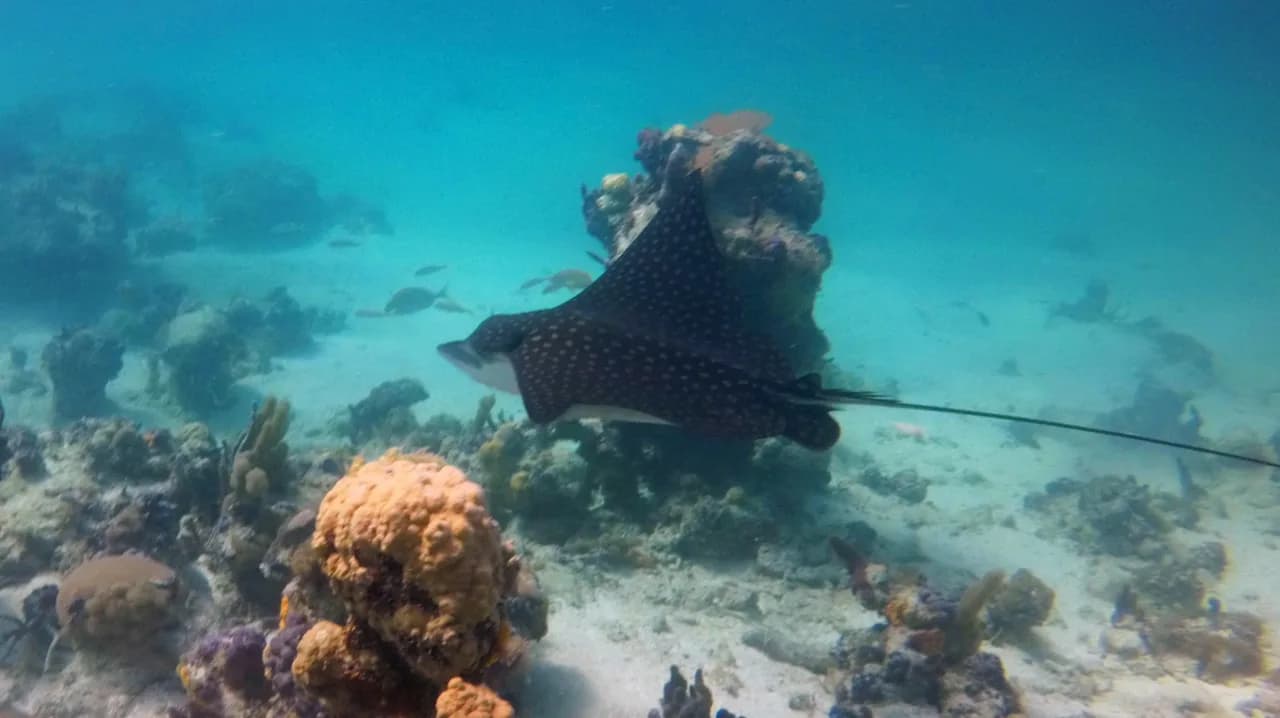
The reef draws a broad cast of Caribbean reef fish: parrotfish, angelfish and yellow snapper are the names most associated with the site, along with green turtles and stingrays. Fish concentrate around coral heads and ledges, so slow down over structure instead of finning straight across open sand. Turtles and rays often appear on the sand flats between coral patches, which is where a quiet approach pays off.
Sightings are never guaranteed, so treat the species list as what the reef is known for rather than a checklist. Give turtles and stingrays room, keep your hands off coral and marine life, and let animals move away on their own terms. A slow, low profile over the reef usually produces better views than chasing anything.
Skill Level: Who Should Snorkel Here
Smith's Reef suits novice and experienced snorkelers alike, and that range is the point of the site. Beginners can wade in from the beach and stay over shallow coral, while stronger swimmers can work farther along the reef. The absence of safety markers means the site asks more of you than a managed trail, so go with someone if you are new to open-water snorkeling.
Families with young children are better served by Coral Gardens, where defined boundaries and safety markings make it easy to keep track of small swimmers. Smith's Reef is the better choice for adults and confident older kids who want fewer people around them. If you are splitting a group, send the less confident swimmers to the marked site and take the rest to Smith's.
Best Time of Day and Conditions
Go when the wind is light and the water is calm, because the site is exposed to whatever the north coast is getting. Morning is the usual window for calmer water and softer light, before the day's breeze builds. Watch the wind forecast for the days you plan to snorkel and shift your reef day if it looks breezy.
Turks and Caicos sits on the leeward side of the trade winds, which keeps Grace Bay and similar locations calmer than the windward coasts. Smith's Reef benefits from that shelter on many days, but it still sees swell and chop when conditions turn. Have a backup plan, such as a calmer beach or a boat-based snorkeling tour, for the days the north coast is stirred up.
Hazards: Wind, Swell, Currents and Boat Traffic
The main hazards at Smith's Reef are the ones that come with an unmarked shore site: wind and swell that push you off your line, currents along the reef, and boat traffic in the area. There are no lifeguards on duty, so you and your buddy are the safety system. Keep a steady check on how far you have drifted and swim back before you tire.
A surface marker or a bright fin helps small boats see you, and staying close to the beach reduces your exposure. If the water is choppy or the current is running, skip the swim rather than fight it. On rough days, the protected reefs around Grace Bay make a more sensible alternative.
Rules in the National Park
Smith's Reef sits within a national park, and fishing and the taking of coral and shells are not allowed there. Do not touch coral or marine life at any point; coral is alive and easily damaged by contact. These rules apply to the reef and its surroundings, so leave shells where you find them and carry nothing out.
Standard reef etiquette matters as much as the written rules. Keep your fins off the bottom, give turtles and rays space to swim away, and never feed fish. A reef-safe sunscreen choice also protects the water you came to see.
Parking, Facilities and Rentals
There is no rental equipment in the area around Smith's Reef, so bring your own mask, snorkel and fins. There are no lifeguards on the beach either, which reinforces the case for snorkeling with a buddy and knowing your own limits. Plan to carry in what you need for the day.
The reef is accessible on foot, but it is isolated and difficult to find, so a shuttle or taxi is a sensible way to reach the site. Staying near Turtle Cove shortens the trip and makes an early start easier. Arrange your return ride before you get in the water, since the area is quiet and options on the spot are limited.
Nearby Spots to Combine With Smith's Reef
Coral Gardens at the Bight Reef is the obvious pairing, roughly 20 minutes from Grace Bay Beach, and its marked boundaries suit any family members who want an easier swim. Combining the two gives you a quiet reef and a managed one in a single day. Do Smith's Reef first while the water is calm and the light is soft, then finish at the Bight where the boundaries keep everyone together.
Boat excursions open up reefs that you cannot reach from shore and add a chance to see more of the island's coral system. A half-day cruise is a practical way to combine Smith's Reef with deeper water elsewhere on Providenciales. Book through an operator that follows the same wildlife distance rules you observe from the beach.
Smith's Reef or Coral Gardens: How to Choose
Choose Smith's Reef for fewer people, an unmarked reef you read yourself and a shot at turtles and stingrays on the sand flats. Choose Coral Gardens when defined boundaries and safety markings matter more than solitude, especially with young children or first-time snorkelers. Neither reef is the better one overall; they answer different versions of the same day. If you are weighing this same trade-off against other Caribbean islands, our guide to snorkeling in Belize compares marked reserves with unmarked cayes.
If you have several days on the island, snorkel both. Start with the marked site to settle your gear and your confidence, then move to Smith's Reef for the quieter swim. That order also gives you a fallback on a windy day when the exposed north coast is not cooperating.
Plan Your Smith's Reef Snorkel Day
Build your Smith's Reef day around calm morning water, your own gear and a buddy, since there are no rentals or lifeguards at the site. Bring a mask that fits, fins for the swim out, a surface marker for visibility and a plan for getting back from the Turtle Cove area. Check the marine forecast with the Turks and Caicos weather service before you commit to the north coast.
Respect the national park rules, keep your distance from turtles and stingrays, and leave the reef exactly as you found it. Add Coral Gardens if you have beginners in the group, or a boat tour if you want to see more of the island's reefs. Get those three pieces right and Smith's Reef delivers the quiet, fish-rich swim it is known for.
Frequently Asked Questions
Is Smith's Reef good for beginner snorkelers?
Yes. Smith's Reef is recommended for novice and experienced snorkelers alike, and you enter from the beach rather than a boat. Beginners should stay over the shallow coral close to shore until they are comfortable, and go with a buddy because the site has no safety markers.
Can you snorkel from the beach at Smith's Reef?
You can. Smith's Reef is a shore-entry site on the north coast of Providenciales near Turtle Cove, and you swim out from the sand to reach the coral. There are no safety markers, so pick a landmark on shore and keep track of your position as you swim.
What fish will you see at Smith's Reef?
Smith's Reef is known for parrotfish, angelfish, yellow snapper, green turtles and stingrays. Fish gather around coral heads and ledges, while turtles and rays often appear on the sand flats. No sighting is guaranteed, so give animals space and let them come to you.
Is Smith's Reef or Coral Gardens better for families?
Coral Gardens at the Bight Reef is the easier family choice, with well-defined boundaries and safety markings and shallow water for wading. Smith's Reef is quieter and less populated but unmarked, so it suits confident swimmers and older kids better than young children.
Where is Smith's Reef located on Providenciales?
Smith's Reef sits on the north coast of Providenciales near Turtle Cove. It is a quiet, isolated stretch of beach rather than a built-up park, which is part of why it stays uncrowded. Plan your transport in advance and arrange your return before you get in the water.
How do you get to Smith's Reef?
The reef is accessible on foot but isolated and difficult to find, so many visitors take a shuttle or taxi to the site. Staying near Turtle Cove makes the trip shorter and an early start simpler. Bring your own mask, snorkel and fins, because there is no rental equipment in the area.
Sources
Snorkeling notes for your next trip
Optional updates to our snorkeling guides.
You might also like
Continue reading
More guides you'll find useful