Grace Bay Snorkeling: Where the Reef Is and How to Reach It
Grace Bay's sandy beach has no reef at the shoreline. Snorkel the Bight Reef from shore, or take a boat to the barrier reef and Leeward Cut.
On this page
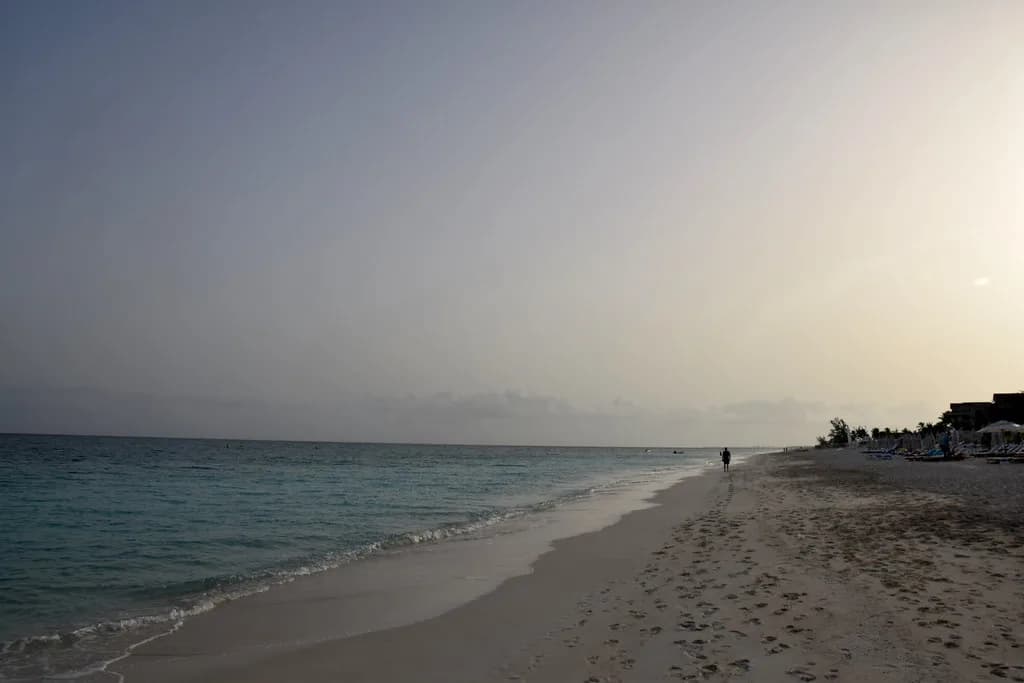
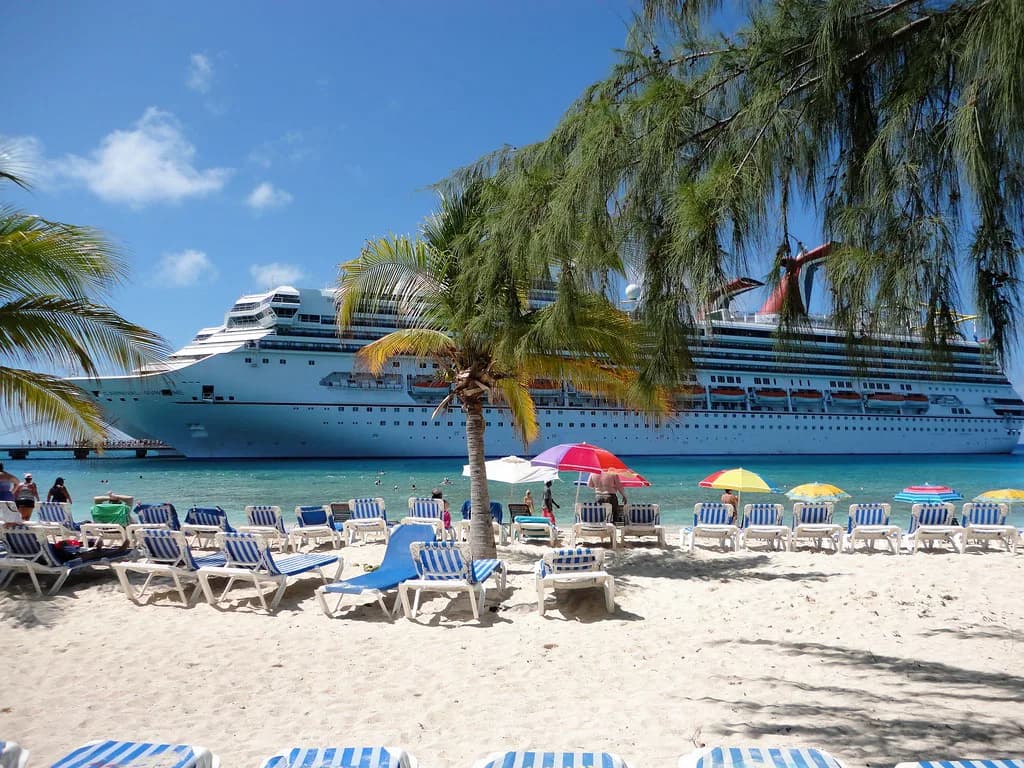
Grace Bay earns its reputation on the sand and the water color, not on coral under your fins. The beach's consistently clean, sandy bottom means there are no snorkeling reefs within easy access of the shoreline, so a Grace Bay snorkel day is really a choice: drive a few minutes west to a shore reef, or board a boat for the barrier reef. Knowing that up front saves you from wading out at the wrong beach and finding nothing but sand.
The good news is that both shore options sit on the same stretch of central north coast, in the Bight and Turtle Cove areas just west of Grace Bay. That puts reef, beach and boat departures within a short drive of each other, so you can split a morning between a shore snorkel and an afternoon on the sand.
Why Grace Bay Beach Has No Reef at the Shore
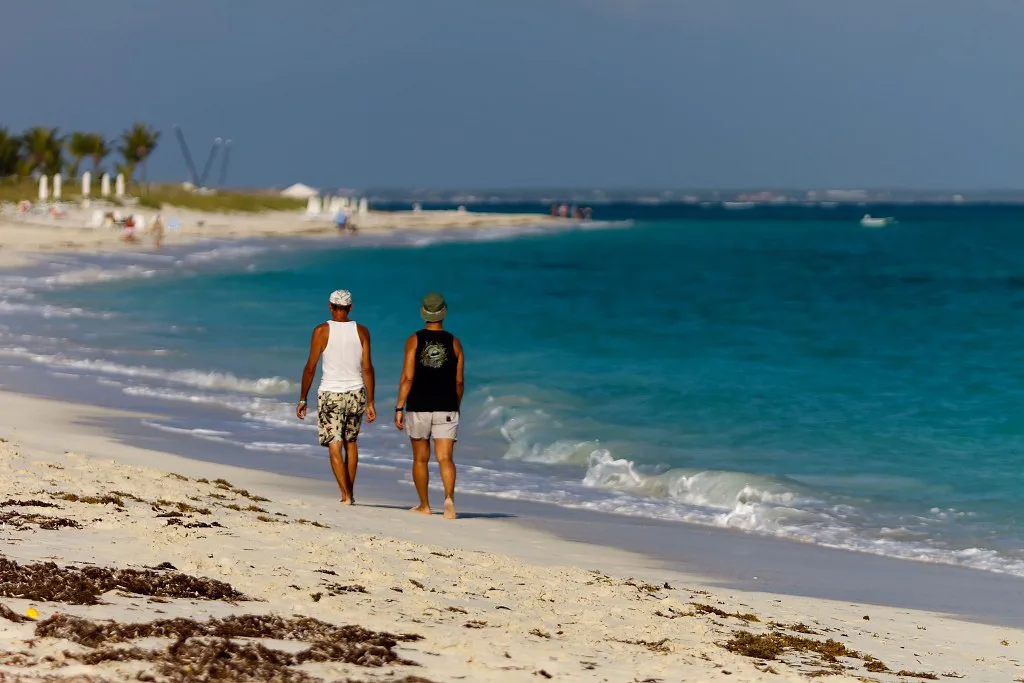
Grace Bay Beach is a long sweep of pale sand with a flat, sandy seafloor extending well out from the waterline. That is the source of the famous turquoise color, and it is also why you will mostly be looking at sand if you wade in expecting coral. Plan your swim for the reef sites rather than the beach in front of the hotels.
Scattered coral outcrops do appear off the beach near Smith's Reef and Coral Gardens, which is the western end of the same bay system rather than the middle of Grace Bay. Treat the sandy stretch as your swimming, paddleboarding and sunset beach, and treat the reef as a separate outing you drive or sail to.
The Two Shore Sites: The Bight Reef and Smith's Reef
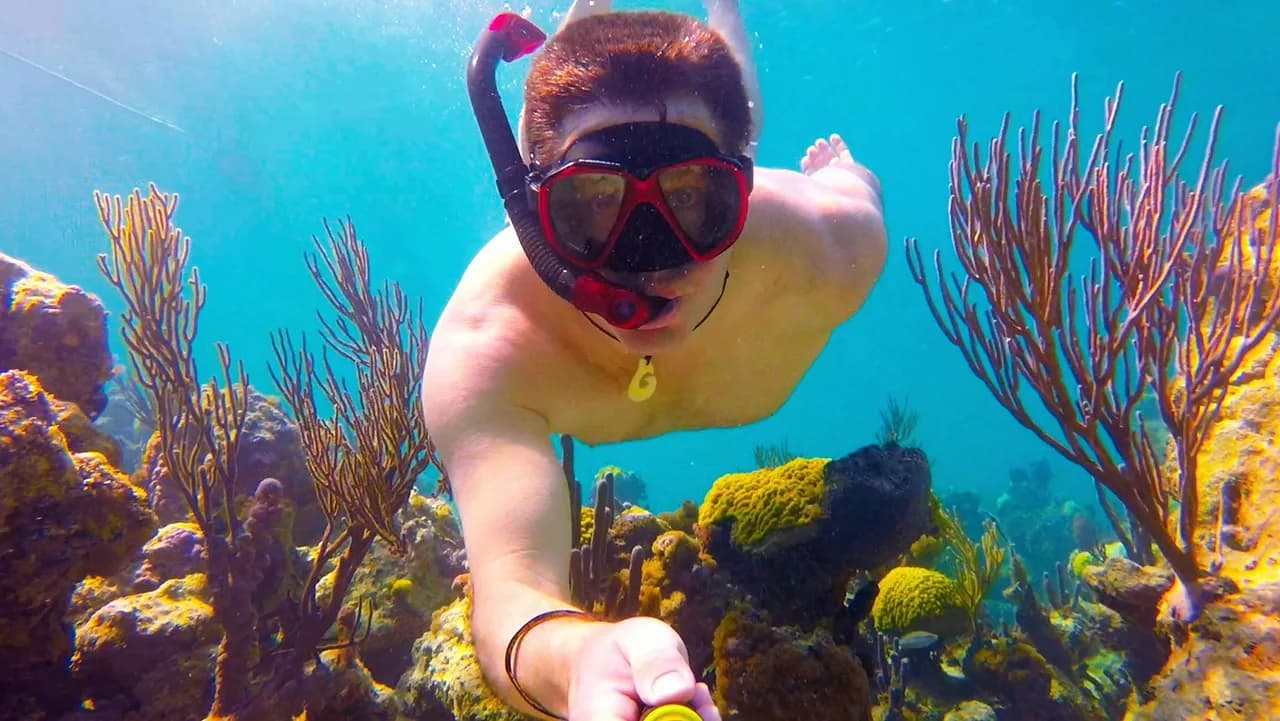
Providenciales has two easy-access beach snorkeling locations, the Bight Reef and Smith's Reef, both on the central north coast. The Bight Reef, also known as Coral Gardens, is the simpler of the two to navigate; Smith's Reef spreads over a much longer section of coast and takes more effort to cover. If you want the full layout of the first site, the Bight Reef (Coral Gardens) Snorkeling Guide, Providenciales walks through the entry and the reef structure.
The Bight Reef suits a first snorkel of the trip because the reef begins directly off the beach, so you are over coral within a short swim. Smith's Reef rewards a longer committed session: more ground to explore, but spread out along the coast so you cover distance to see it properly. Pair the two on different days rather than trying to do both in one session.
Getting in at the Bight Reef
Entry at the Bight Reef is from sand, with the reef starting almost immediately off the beach, which is why it works for families and less confident swimmers. You walk in, put your mask on in waist-deep water and swim out a short way to reach the coral. There are no rocks or ladders to negotiate on the way in, and no boat ride to schedule.
Because the reef is close to a popular beach, expect other snorkelers and swimmers around the coral, and keep your fins off the surface. Approach from the sandy gaps rather than swimming over the shallowest coral heads, and give yourself room to turn without kicking anything. It is the easiest place on the island to squeeze in a snorkel before breakfast.
Smith's Reef: More Coast to Cover
Smith's Reef sits in the Turtle Cove area and runs along a longer stretch of shoreline than the Bight. That length is the appeal and the catch: you will swim further and see more variety, but you need to keep track of where you entered. Pick a landmark on shore before you get in and swim parallel to the beach rather than drifting along it.
The outer sections of Smith's Reef are where the site opens up, and the swim out is correspondingly longer. Strong swimmers who are comfortable navigating by themselves get the most from it; beginners should start at the Bight and move here once the mask and fins feel routine.
What You Will See
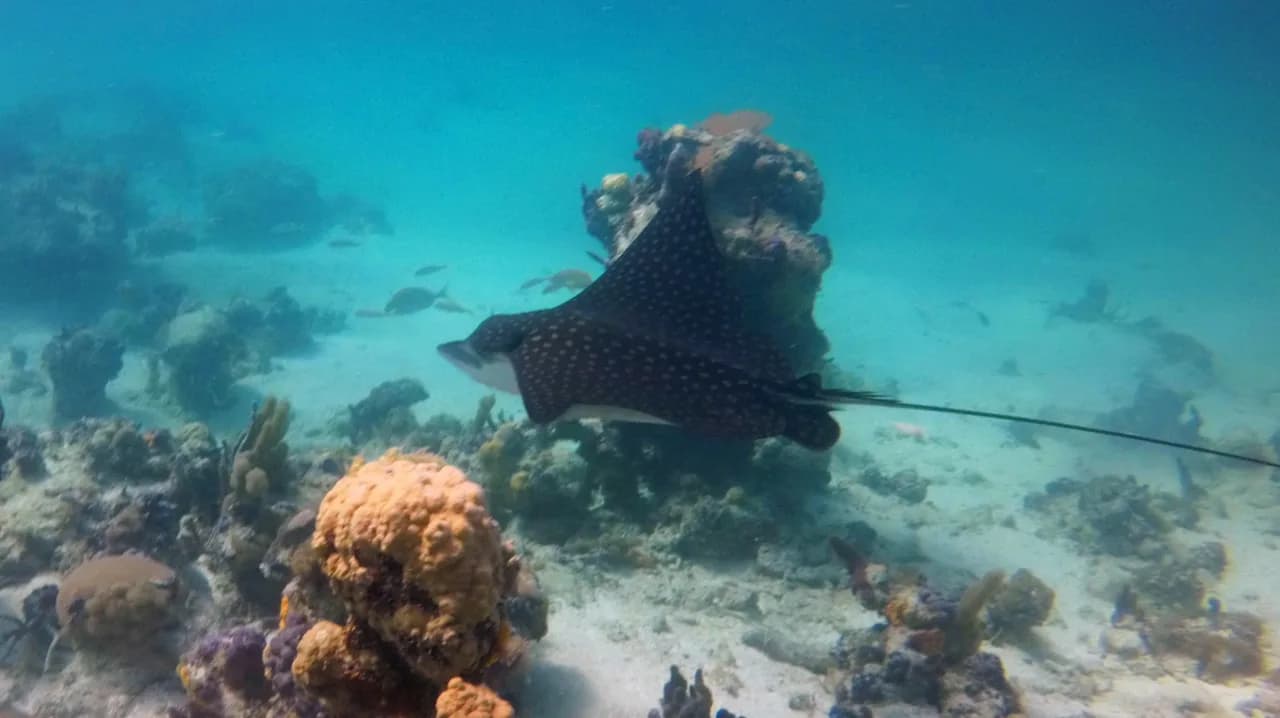
The Bight Reef is the better bet for sea turtles, parrotfish and stingrays, and the reef's proximity to the beach makes those encounters easy to reach. Smith's Reef is stronger for small tropical fish and eagle rays, with the variety spread across its length rather than concentrated in one spot. Neither site guarantees a sighting, so plan the swim around the reef rather than a checklist of animals.
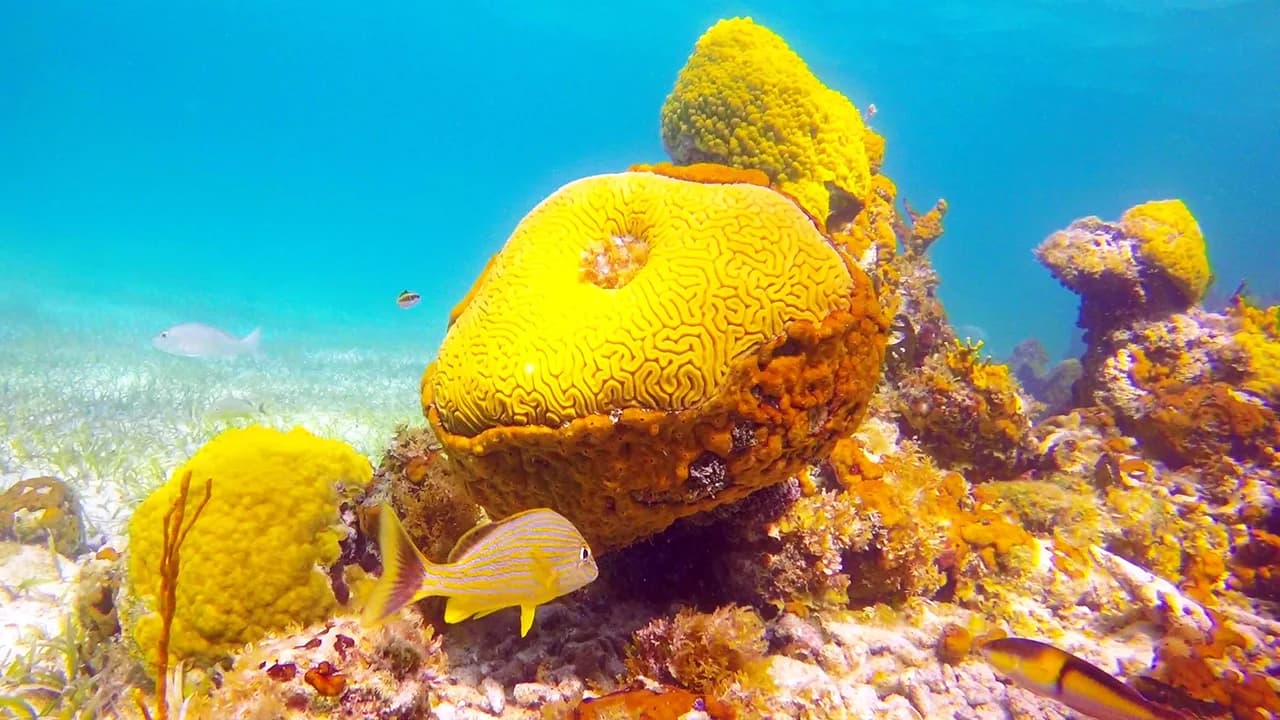
On the reef itself, watch for flamingo tongue sea snails on soft corals and the well-camouflaged peacock flounder on sandy patches between coral heads. Lionfish are present on Providenciales reefs; they are not aggressive, but the venomous spines on their backs mean you should give them space rather than reaching toward one. Look, hover, and move on.
Skill Level and Choosing Your Site
Match the site to the swimmer. The Bight Reef is the beginner and kid-friendly choice: sand entry, reef right there, and an easy exit. Smith's Reef asks for more stamina and self-reliance because of the distance covered. If you are unsure in open water, a snorkeling vest is worth using at either site.
A boat trip is the third option and often the strongest underwater experience: visibility is usually far better offshore, the coral formations are more impressive, and your chances of larger animals rise. The trade-off is cost and scheduling against the freedom of walking in from the beach. For a wider view of the island's sites, the snorkeling in turks and caicos guide maps out how the beach reefs and offshore sites fit together.
The Barrier Reef Off Grace Bay and Leeward Cut Reef
The spectacular snorkel sites off Grace Bay sit on the barrier reef, including the popular Leeward Cut Reef, more than half a mile (0.8 km) offshore. That distance rules out swimming from the beach, so these sites are reached by private boat or snorkel cruise.
Because the barrier reef is the draw for most boat trips, ask which site the captain plans to visit before you book. A cruise that stays on the inner reef is a different day from one running out to the cut.
Boat Options: Reef Sails, Dive-Company Trips and West Caicos
Boat choices divide into hotel-run reef sails, dive-company snorkel trips and private charters. The Grace Bay Snorkel Sail runs two departure times and a total trip time under three hours, straight to the barrier reef and back, which suits anyone who wants to keep the rest of the day free; a deluxe half-day version adds a deserted-island beach stop with lunch and an open bar.
Dedicated snorkel trips run by local dive companies usually head further out, often to the south edge of the Caicos Banks, and typically deliver the best underwater experience of the options. Other strong destinations include the West Caicos Marine National Park, the reefs near French Cay and the Leeward Cut Reef. Most tours include equipment, though quality and condition vary, so ask what is provided. If you're weighing this trip against other Caribbean reef destinations, snorkeling in Belize covers a similar choice between shore reefs and offshore boat days.
For a private day, charter operators run boats such as a 37-foot Axopar with a captain, cooler and snorkel gear aboard, which lets a group build an itinerary around the reef and cays that interest them. Charters like this suit families or friends who want to set their own pace rather than follow a group schedule.
Best Time to Go
Wait for calm, sunny conditions if your schedule allows, because flat water makes both the swim and the view better on the north-coast reefs. Morning light is flattering for photos and usually brings lighter wind before the afternoon build.
Wind direction matters more than the clock. The popular sites in the Bight and at Smith's Reef generally see tame conditions, while locations off the east and west coasts of Providenciales, such as Northwest Point National Park, are subject to currents and rough surf at times. When the north coast is choppy, a boat trip to a more sheltered site can salvage the day.
Hazards to Plan Around
Powerboats and careless operators are the greatest danger to snorkelers on these reefs; although the sites sit in national parks with vessel speed regulations, boaters commonly ignore them. Stay close to the reef and be vigilant in open water far from shore, and surface-check before crossing any channel.
Very small jellyfish occasionally appear around Providenciales in large groups and usually clear within a couple of days; their stings cause itchy welts and are more nuisance than danger. Currents, waves and rough conditions are the other concern, and the west coast's proximity to deep open ocean makes it more exposed to unusual swells. Help may be far away on those remote stretches.
Rules on the Reef
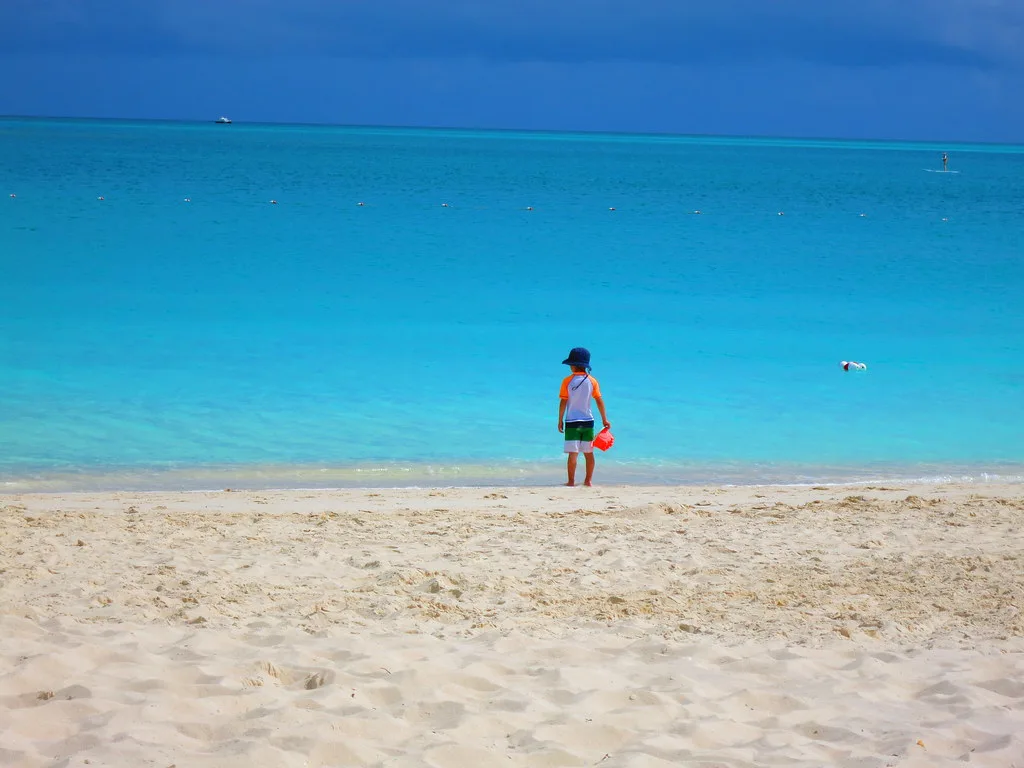
All of the snorkeling sites covered here sit within national parks, and fishing or collecting conch and lobster is illegal, with harsh penalties. Nothing gets touched or taken: no shells, sand dollars, sea urchins, starfish or coral fragments, and no standing on the reef.
Use reef-safe sunscreen or skip lotion and wear a rashguard, since oxybenzone and octinoxate cause lasting damage to corals. Keep your distance from sea life as well: do not chase, follow closely or feed any animal, turtles and rays included.
Parking and Facilities Around Grace Bay and Turtle Cove
The Bight Reef and Smith's Reef are beach-access sites, and the practical base for both is the Grace Bay and Turtle Cove area, where resorts, dive shops and water sports operators cluster. Hotels and guest houses often lend snorkel equipment to guests, which saves you renting before your first swim. Ask your accommodation what they provide before you shop.
Dive shops are the best stop for rentals and for advice on gear fit, and most rent snorkel gear. Grace Bay's water sports and gift shops also stock equipment. Build in a stop before your first reef day so a leaking mask does not cost you a morning.
Nearby Spots to Combine
Babalua Beach, reached via Cherokee Drive off Leeward Highway on the western side of the Turtle Cove Marina inlet, has scattered coral heads just off the sand that thicken into a more continuous reef toward Blue Hills. Thompson Cove Beach, directly west of Babalua, has the odd reef and coral head in shallow water. Either makes a quieter second stop after the Bight or Smith's.
For a completely different setting, the mangrove channels of the Princess Alexandra Nature Reserve, including the main channel into Mangrove Cay, offer good clarity on incoming tides and shelter fish and juvenile turtles under the overhanging red mangrove canopy, with sharks and stingrays commonly seen. It rewards confident swimmers with something the barrier reef cannot match.
Gear: Buying or Renting on Providenciales
Buying on island is workable: basic mask, snorkel and fin sets run around $30, while higher-quality sets sit in the $70 to $100 range, according to Visit Turks and Caicos. Dive shops carry the best selection and can advise on fit, which matters more than price for a mask you will wear for an hour.
Renting is the sensible route if you snorkel once or twice on the trip, and most dive shops rent gear. If you plan several reef days, a well-fitted own mask is the one piece worth buying.
Plan Your Grace Bay Snorkel Day
Build the day around the water rather than the beach: start at the Bight Reef for an easy sand entry and a reef right off the shore, move to Smith's Reef when you want more ground to cover, and book a boat when you want the barrier reef and its better visibility. Waiting for a calm, sunny morning pays off at every one of them.
Follow the park rules, give the fish and turtles room, and use reef-safe sunscreen. Check the day's wind and swell with your dive shop or charter operator before committing to a west-coast site.
Frequently Asked Questions
Can you snorkel right off Grace Bay Beach?
Not over coral. Grace Bay Beach has a clean, sandy bottom with no snorkeling reefs within easy access of the shore, so the water in front of the hotels is best for swimming. The shore reefs, the Bight Reef and Smith's Reef, sit just west in the Bight and Turtle Cove areas.
Where is the best snorkeling near Grace Bay?
The Bight Reef is the easiest shore option, with the reef starting directly off the beach and sea turtles, parrotfish and stingrays commonly seen. Smith's Reef covers more coast and is better for small tropical fish and eagle rays. Offshore, the barrier reef is reached by boat and generally offers better visibility.
How far is the reef from Grace Bay Beach?
The barrier reef sites off Grace Bay, including Leeward Cut Reef, are more than half a mile (0.8 km) offshore and are reached only by private boat or snorkel cruise. The shore reefs are a short drive west of Grace Bay rather than a swim from the main beach.
Is the Bight Reef or Smith's Reef better for beginners?
The Bight Reef is the friendlier start: sand entry, the reef close to shore and an easy exit make it workable for families and unsure swimmers. Smith's Reef rewards stronger swimmers who can cover more distance along the coast and navigate back to their entry point.
Do you need a boat to snorkel the barrier reef off Grace Bay?
Yes. The barrier reef sits over half a mile offshore, which is beyond a comfortable swim from the beach. Several operators run reef snorkel sails and dive-company trips, and most include equipment, though quality varies, so ask before booking.
What marine life can you see snorkeling near Grace Bay?
Expect the Bight Reef to be strongest for sea turtles, parrotfish and stingrays, and Smith's Reef for small tropical fish and eagle rays. Flamingo tongue snails and peacock flounder turn up on the reef, and lionfish are present but should be given space. No sighting is guaranteed.
What should you know before snorkeling in Turks and Caicos?
The reef sites sit in national parks, so fishing and collecting conch, lobster, shells or coral is illegal, and penalties are harsh. Use reef-safe sunscreen or a rashguard, keep your distance from wildlife, and watch for boat traffic, which is the main hazard around the reefs.
Sources
Snorkeling notes for your next trip
Optional updates to our snorkeling guides.
You might also like
Continue reading
More guides you'll find useful