Cane Bay St. Croix Snorkeling Guide: Reef and Entry
Cane Bay on St. Croix's North Shore pairs coral-garden snorkeling with a wide sand beach, beach bars and a famous shore dive wall just offshore.
On this page
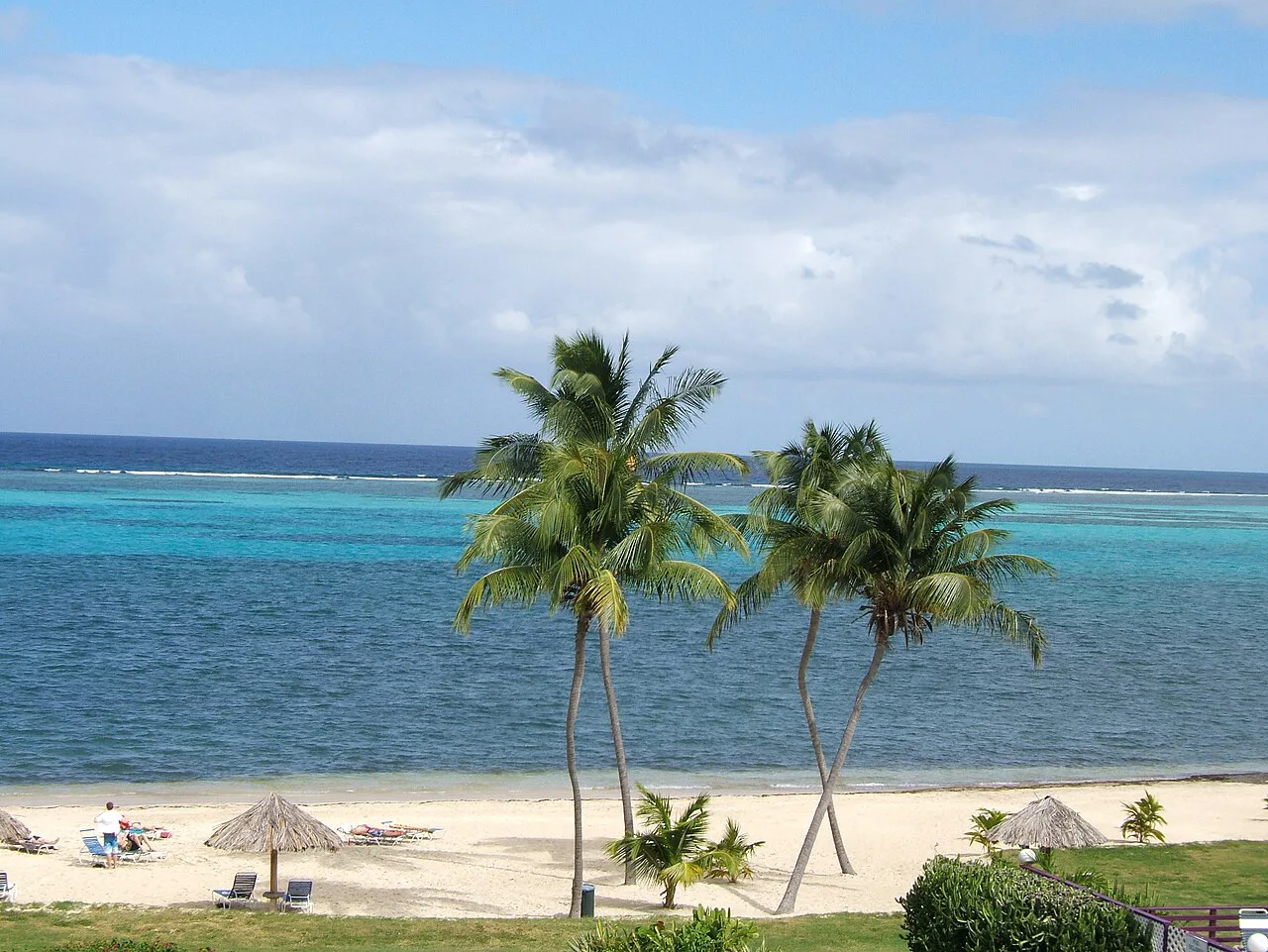
Cane Bay works because the reef and the beach day sit in the same place. You wade in from a wide white-sand beach on St. Croix's North Shore, swim a short distance to coral gardens, and come back to a strip of beach bars, restaurants and dive operations. It suits beginners and families who want an easy entry and a soft landing, and it rewards stronger swimmers who want more water.
The key planning decision here is understanding that Cane Bay holds two very different underwater experiences. The coral gardens are a snorkel target; the Cane Bay Wall is a scuba destination that drops far beyond snorkeling depth. Keep your day on the gardens and you will get the best of the bay without overcommitting. For a full look at how this beach fits alongside the island's other sites, the St croix snorkeling guide sorts out which shore entries suit which swimmers.
Where Cane Bay Is
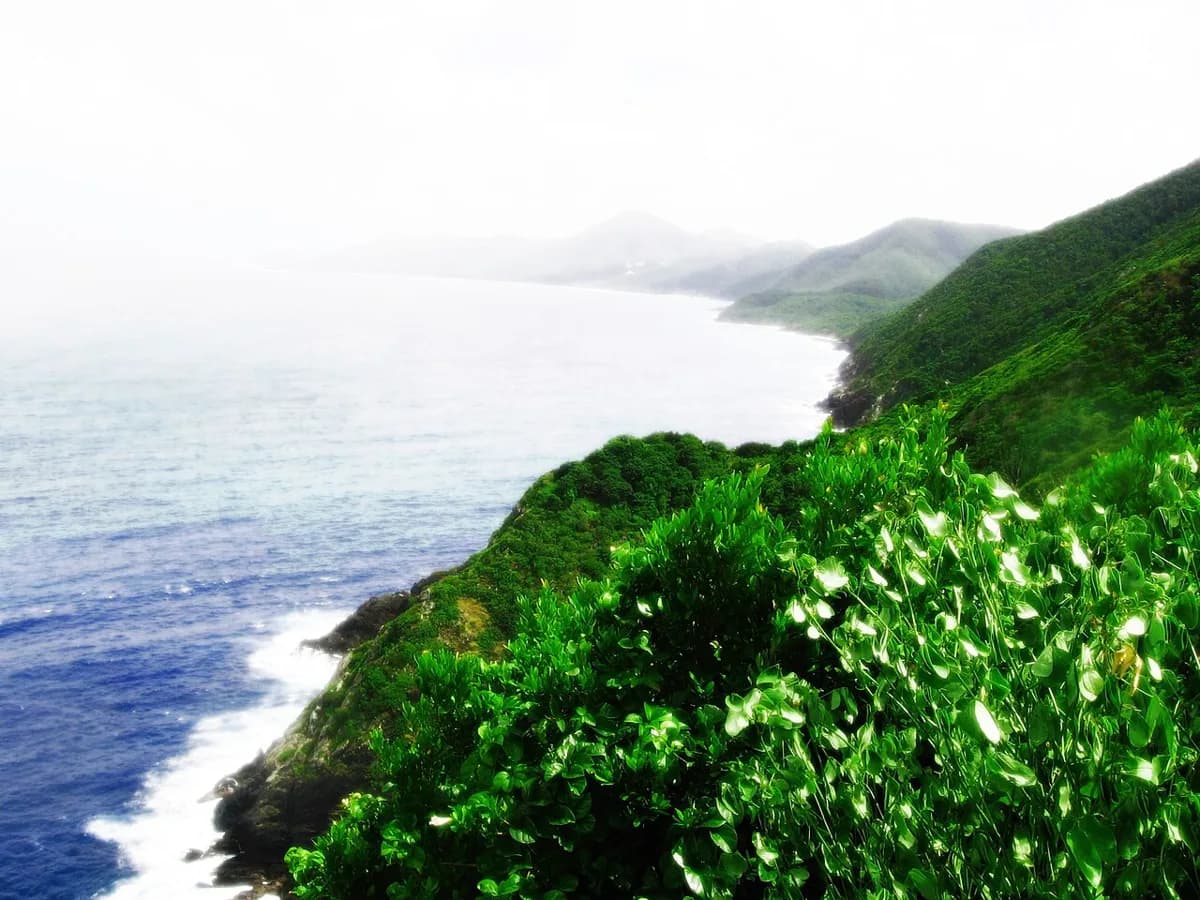
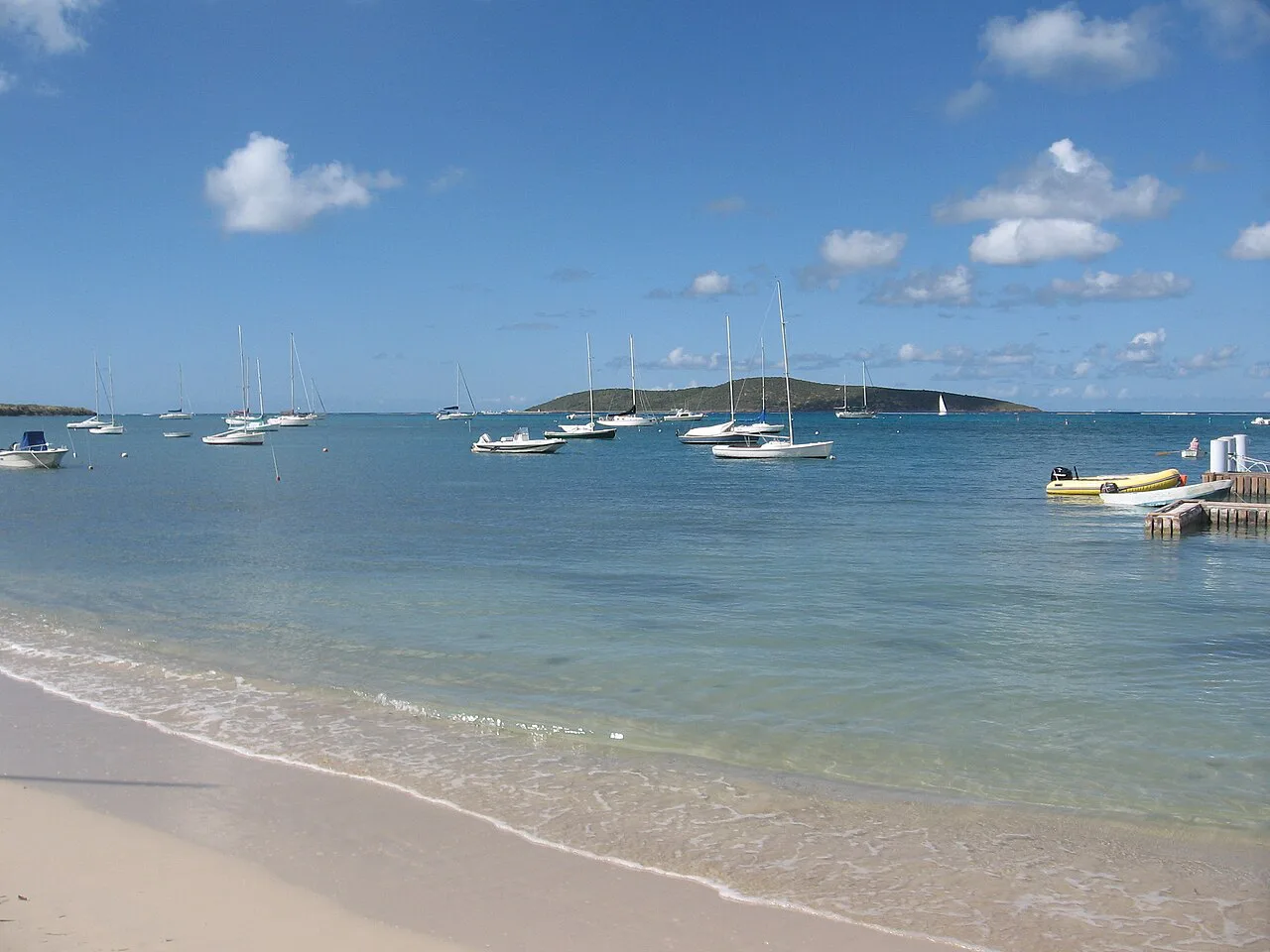
Cane Bay sits on St. Croix's North Shore, west of Christiansted, along a beachfront strip where the sand runs on one side of the coastal road and The Landing Beach Bar and its vacation rentals sit across the street. The bay faces north toward open water, with green mountains rising behind the beach to the west. Plan on a rental car or a taxi from Christiansted; the North Shore road is the only practical way in.
The settlement around the beach is small, listed simply as Canebay in the U.S. Virgin Islands, so do not expect a town center to navigate. Think of the trip as a beach destination rather than a village visit: you park, you walk to the sand, and everything else is within a few minutes on foot.
Getting In
Entry is from the sand. You walk into the water off the wide white beach and swim out toward the coral gardens offshore, which keeps the approach simple for anyone comfortable wading in. There are no stairs or ladders to negotiate at the water's edge, and a beachfront staircase across the road links the sand to The Landing's bar level for the walk back.
Treat the swim out as a real distance, not a few kicks. Pick a visible landmark on shore before you enter so you can find your exit, and give yourself a margin of energy for the return leg rather than swimming until you are tired. Shore divers use a buoy offshore as their drop marker, and that buoy is a useful reference for where the snorkel-friendly water gives way to deeper terrain.
What You Will See
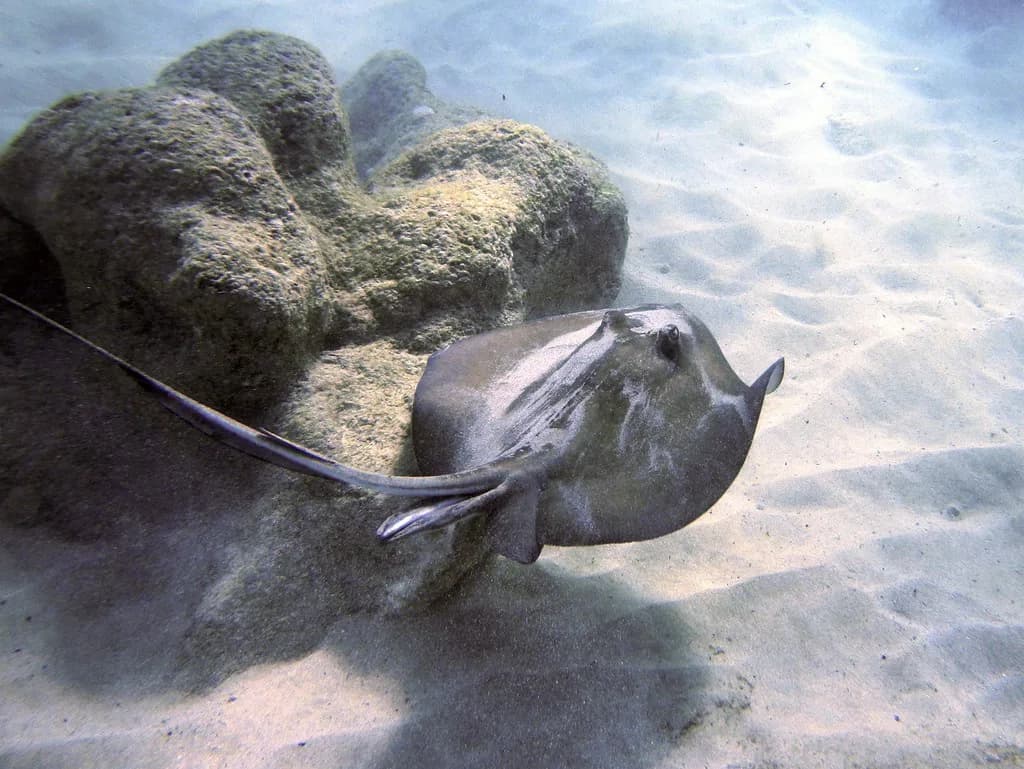
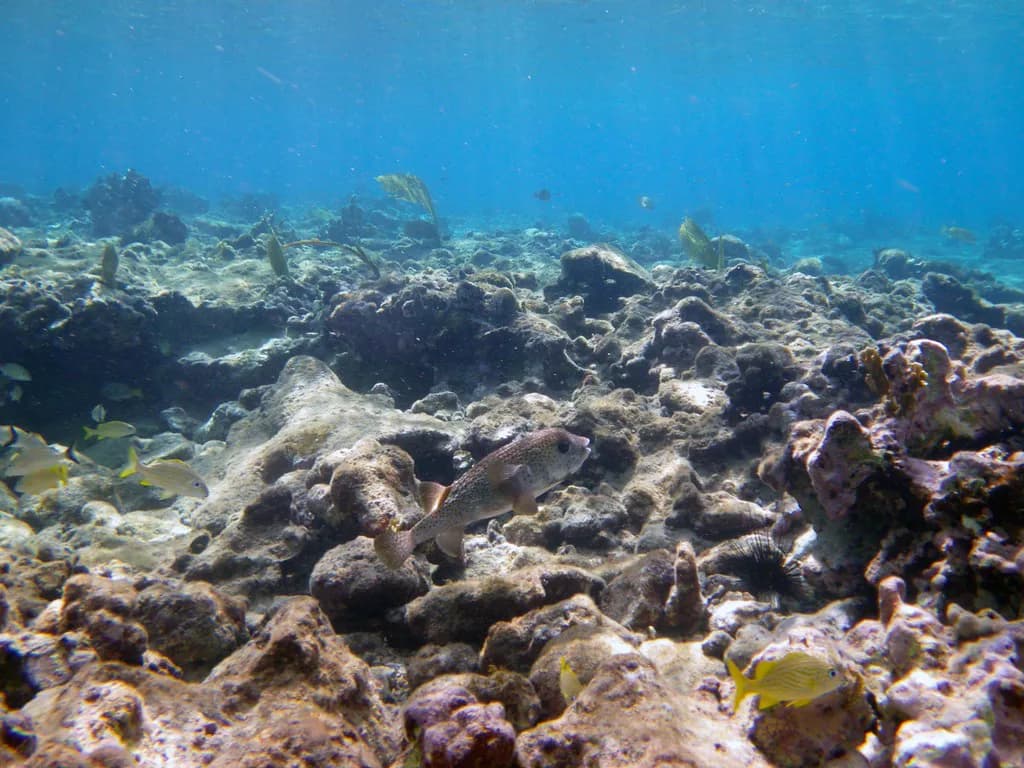
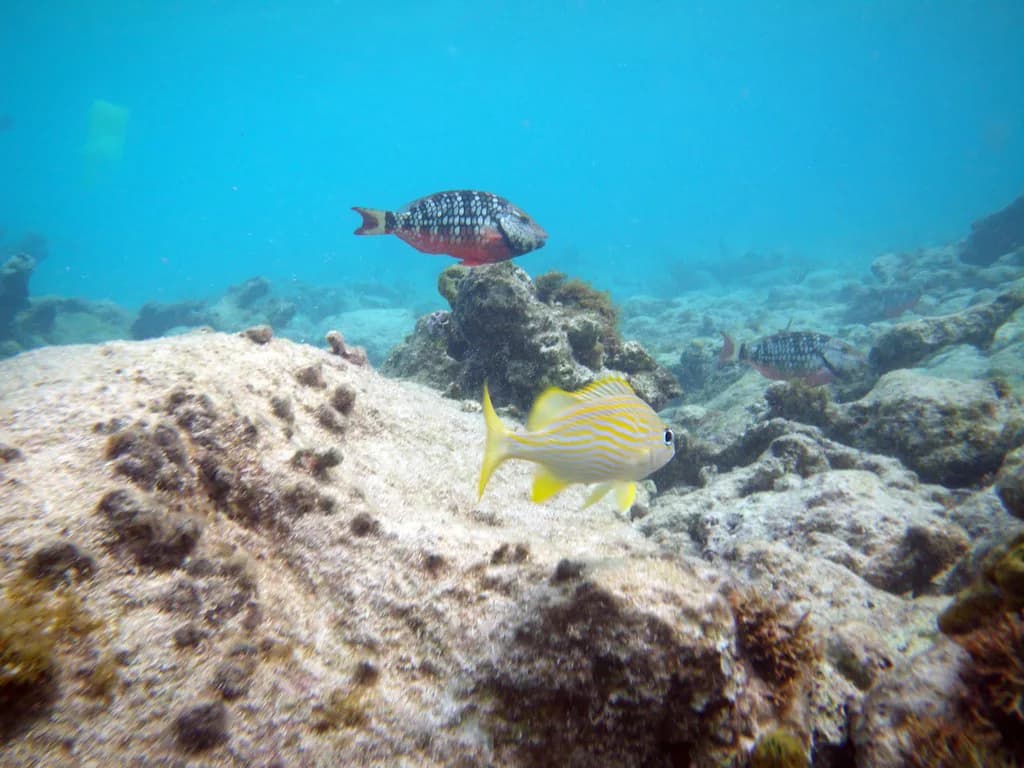
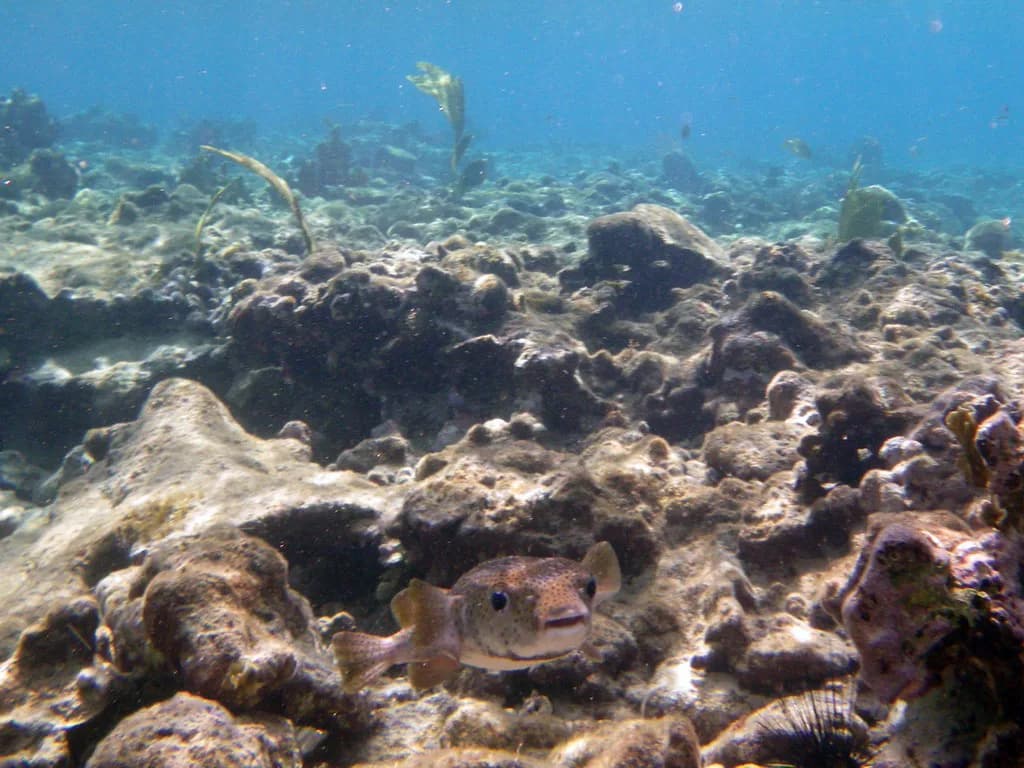
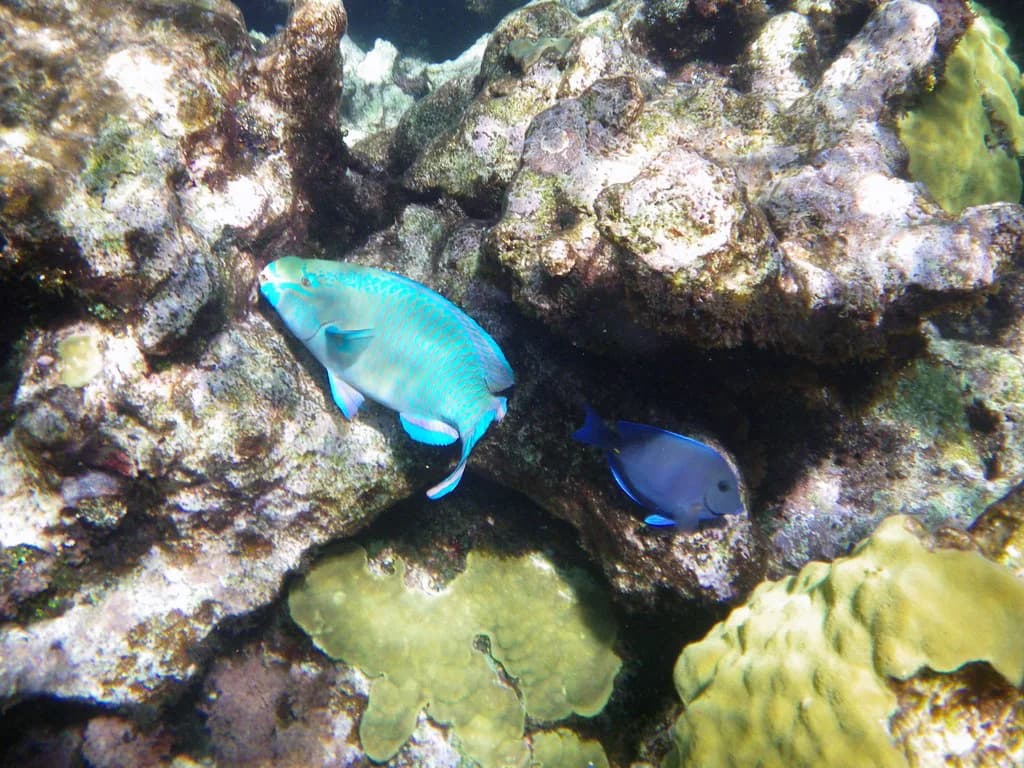
The snorkeling draw is the coral gardens offshore, a reef area you can explore without going deep. Expect the usual Caribbean reef mix of coral structure and reef fish moving through it, with the best viewing along the edges of the coral rather than over bare sand. Move slowly and let fish come to you instead of chasing them.
Winter adds an above-water bonus. Humpback whales migrate through St. Croix waters in the winter months, and their calls can sometimes be heard underwater at Cane Bay during that passage. Treat it as a possibility rather than a plan, and never swim toward or pursue a whale; stay at a distance and let the encounter be theirs to offer.
Depth and Distance: Gardens Versus the Wall
The coral gardens sit close enough to shore to reach on a single swim, which is why Cane Bay works as a beach snorkel. The Cane Bay Wall is another matter entirely: shore divers kick roughly 300 yards from the beach to a buoy marking the drop spot, where the wall falls away to extraordinary depths, and it belongs to scuba divers with training and equipment. Snorkelers should stay over the gardens and treat the wall as scenery to look down on, not a place to follow.
That split makes the bay easy to plan around. If your group mixes snorkelers and divers, everyone can share the same beach and the same entry point while swimming very different profiles. If you are snorkeling only, set the coral gardens as your outer limit and turn back before the water darkens beneath you. Divers weighing a similar shore-entry setup elsewhere in the islands can compare notes with this guide to snorkeling in St. Thomas.
Skill Level and Who It Suits
Beginners and families are the best fit for the inner reef, where the entry is sandy and the swim is short. Kids who are confident in the water and used to a mask and snorkel will find the gardens manageable with an adult alongside, and the beach itself gives you a place to rest and reset between swims.
Beyond the gardens, the bay rewards strong swimmers who can handle a longer open-water crossing and are comfortable without a bottom in sight the whole way. If anyone in your group is a weak swimmer, split the session: beach and gardens for one, deeper water for the other.
Best Time of Day and Season
Go early. Morning usually brings the lightest wind and the calmest surface on a north-facing bay, which makes the swim out easier and the view down clearer. By afternoon the North Shore breeze tends to build, chopping the surface and making the return swim more work.
Season matters less for water than for weather. Winter is when humpback whales pass St. Croix, and it is also when northern swells can reach a north-facing shore; a long-period swell stirs up sand and cuts visibility. On a rough day, move your snorkel to a sheltered west-coast site and come back to Cane Bay when the sea settles. Winter whale season runs through the migration, but the timing of the passage varies year to year, so treat any sighting as luck.
Hazards to Respect
Cane Bay is an exposed north-shore bay, so surf and surge are the main things to watch. When waves are breaking on the beach, the entry and exit become the hard part, and visibility drops with the stirred sand. Watch the water for several minutes before you commit, and skip the swim if the surf is up.
Boat traffic matters near the wall buoys, where dive boats and divers share the water. Stay over the gardens, keep a visible position, and surface-check often rather than lifting your head only when you are done. Give the U.S. Virgin Islands Department of Planning and Natural Resources a look before a north-shore day.
The Landing Beach Bar
The Landing is the practical anchor for a Cane Bay beach day, sitting across the road from the sand with a menu of bar food, seafood and vegetarian options. Its published hours are Monday 11am to 8pm, Wednesday through Saturday 11am to 8pm, and Sunday 11am to 5pm, and it is closed on Tuesdays. Reservations are suggested for parties of five or more.
If you are building a cheap lunch into the day, the bar runs Burger Mondays at twelve dollars all day, dine-in only, and Wing Wednesday with eight wings for twelve dollars. Specials change, so confirm them when you arrive rather than planning the whole day around them.
Parking, Facilities and Rentals
Parking along the Cane Bay strip is limited and shared with beachgoers, diners and dive operations, so arrive early on weekends and holidays and plan to walk a short distance to the sand. The Landing's beachfront stairs make the crossing between the beach and the bar easy. Bring water, shade and reef-safe sunscreen with you instead of counting on buying them at the beach.
For gear, the North Shore dive shops and operators around Cane Bay are the realistic source of tanks, rentals and local advice, and booking a guided shore dive or snorkel is a sensible move for a first visit. Ask about rental gear and guided options directly when you book, and check what is included before you commit.
Rules: Sunscreen and Wildlife
St. Croix sits inside the U.S. Virgin Islands, where reef-safe sunscreen rules apply; choose a mineral-based product and apply it before you get in the water so it has time to absorb. Skip anything that leaves a sheen on the surface, and cover up with a rash guard instead of reapplying mid-swim.
Wildlife rules are simple and non-negotiable: keep your distance from sea turtles and other marine life, never touch or feed them, and never chase an animal for a better view. Humpbacks and dolphins are protected, and approaching them is both unsafe and illegal. Let the animals set the distance and enjoy what they choose to show you.
Nearby Spots to Combine
The obvious second day is Buck Island, reached by charter from Christiansted, where an underwater trail and a protected reef make a very different snorkeling experience from Cane Bay's shore entry. Read up on Buck Island snorkeling before you pick a charter so you know which tour format and departure point fit your group.
For a quieter North Shore alternative, Shoys Beach offers a gentler, more sheltered swim that pairs well with a Cane Bay morning. If you want a completely different environment, the Frederiksted Pier on the west coast is a legendary shore snorkel with pilings, sponges and marine life in shallow water.
Plan Your Cane Bay Day
Cane Bay rewards a simple plan: arrive early, swim the coral gardens from the sand, come back for a beach lunch at The Landing, and leave the wall to the divers. Pack reef-safe sunscreen, water and a rash guard, and check the surf before you commit to the entry.
Build in a backup. If a north-shore swell rolls in, shift to a sheltered west-coast site and save Cane Bay for a calmer morning. Either way, the wide beach and the coral gardens give you a full day without needing a boat.
Frequently Asked Questions
Can you snorkel at Cane Bay from the beach?
Yes. You walk straight in from the wide sand beach and swim out toward the coral gardens offshore; there are no ladders or stairs at the water's edge. The entry is the easiest part of the day for beginners, but the swim out is a real distance, so pick a shore landmark for your exit and keep energy in reserve for the return.
How far is the Cane Bay Wall from shore?
Shore divers make roughly a 300-yard kick from the beach to the buoy that marks the drop spot, and from there the wall falls away to scuba depths measured in the thousands of feet. That is a divers' profile, not a snorkel target. Snorkelers should stay over the shallower coral gardens and never follow a diver over the edge.
Is Cane Bay good for beginner snorkelers?
The inner reef suits beginners and families well: sand entry, a short swim and shallow coral to watch. Children should be comfortable in open water and accompanied by an adult. Weak swimmers should treat the gardens as the outer limit and skip the longer crossing toward the wall buoy, while strong swimmers can push farther out.
What can you see snorkeling at Cane Bay?
The main draw is the coral gardens, with reef structure and the Caribbean reef fish that live around it. Humpback whales migrate through St. Croix waters in winter and their calls can sometimes be heard underwater, but that is an occasional bonus rather than a promised sighting. Keep a respectful distance from turtles and other animals at all times.
What is the best time of day to snorkel Cane Bay?
Morning is the safer bet, when wind and surface chop are usually lowest on this north-facing bay. Afternoon breeze tends to build, which makes the swim out harder and the view down murkier. Winter also brings northern swells that stir up sand on an exposed north shore, so a calm morning after settled weather gives the clearest water.
Are there restaurants and bars at Cane Bay Beach?
Yes. The Landing Beach Bar sits across the road from the sand, with beachfront stairs connecting the two, and it serves bar food, seafood and vegetarian options alongside local beer. Its published schedule is closed on Tuesdays, with service Monday, Wednesday through Saturday and a shorter Sunday, and Burger Mondays and Wing Wednesday give you a budget lunch option. Hours and specials can change, so confirm when you arrive, and reserve for groups of five or more.
When can you hear humpback whales at Cane Bay?
Humpbacks pass through St. Croix waters during the winter migration, and divers and snorkelers have reported hearing their calls underwater at Cane Bay in those months. The exact timing shifts year to year, so treat it as a possibility, not a schedule. Never swim toward a whale; keep your distance and watch from where you are.
What should you bring for a Cane Bay beach and snorkel day?
Bring your own mask, snorkel and fins, plus water, shade and reef-safe mineral sunscreen, since facilities along the strip are limited and shared with diners and dive groups. A rash guard saves you from reapplying sunscreen mid-swim. If you need rental gear or a guide, arrange it with a North Shore dive operator before you go.
Sources
Snorkeling notes for your next trip
Optional updates to our snorkeling guides.
You might also like
Continue reading
More guides you'll find useful