Buck Island Snorkeling, St. Croix: Underwater Trail & Tours
Plan Buck Island snorkeling from St. Croix: the marked underwater trail, Turtle Beach, half-day and full-day boat trips, and what you will see on the reef.
On this page
Buck Island snorkeling pairs a protected coral reef with one of the Caribbean's loveliest beaches, all inside a national monument about two miles off St. Croix's north shore. The signature swim is a marked underwater trail through a calm lagoon behind an elkhorn coral barrier reef, with guides in the water and a stop at Turtle Beach. It suits first-time snorkelers, families with kids, and stronger swimmers who want a full reef day rather than a shore entry.
Where Buck Island Is and Why You Go by Boat
The monument covers more than 19,000 acres of land and sea, yet barely 200 acres sit above the waterline. The protected barrier reef stretches some 4,554 acres and shelters more than 250 species of fish, which is why the reef, not the beach, is the main event.
Buck Island is uninhabited and reached only by vessel: your own boat with an NPS anchoring permit or an authorized concession boat. There is no island-side dock scene with bathrooms, showers and shops, so the boat you book carries what you need for the day. That structure is what keeps crowds down and makes the trip feel remote despite the short crossing.
Getting There: Departures from Christiansted and Green Cay
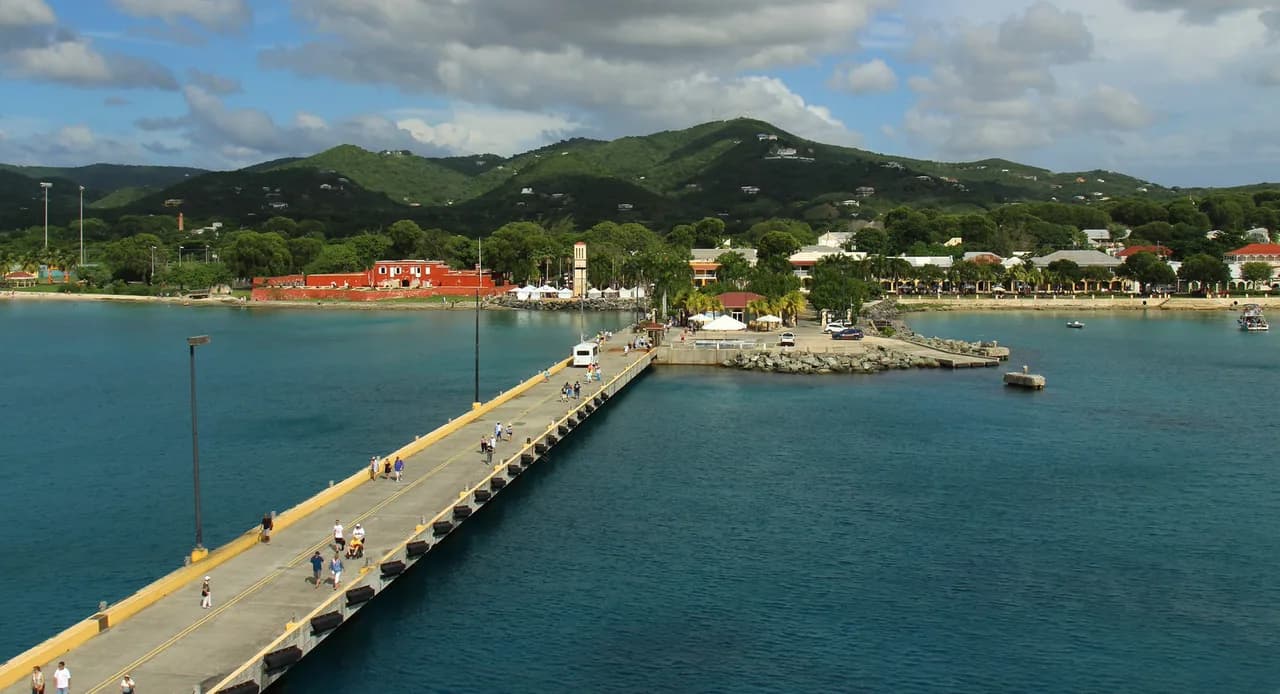
Most trips leave from Christiansted harbor, where the Christiansted boardwalk is a short taxi ride from the cruise ship pier at Frederiksted. A power catamaran crosses in roughly 30 minutes, while sailing trips take an hour or more depending on wind, so the boat type decides how much of your day is spent in the water versus under sail.
Some charters depart from Green Cay Marina on the north shore, and Wave Dancer sail trips move there from Christiansted starting November 1, 2026. Caribbean Sea Adventures lists the departure point on the booking confirmation, so read it carefully — arrival at the wrong marina can cost you the trip. Travelers staying on the west end should budget the drive across the island into the plan.
The Underwater Trail
The marked trail runs through the lagoon behind the barrier reef, where shallow, protected water keeps the swim calm and the coral close. Underwater signs identify what you are passing, and on guided trips a crew member swims the route with you, which makes it unusually approachable for nervous first-timers. You float over elkhorn coral formations rather than finning hard against current.
Depth along the trail stays modest, so kids who can swim with a mask and a guide nearby can join, and non-swimmers are welcomed on the boats that provide flotation guidance. Keep your body and fins off the coral; elkhorn is fragile and the monument protects it. If you want to build confidence before the trip, practice mask clearing and breathing through a snorkel in calm water at home.
What You Will See
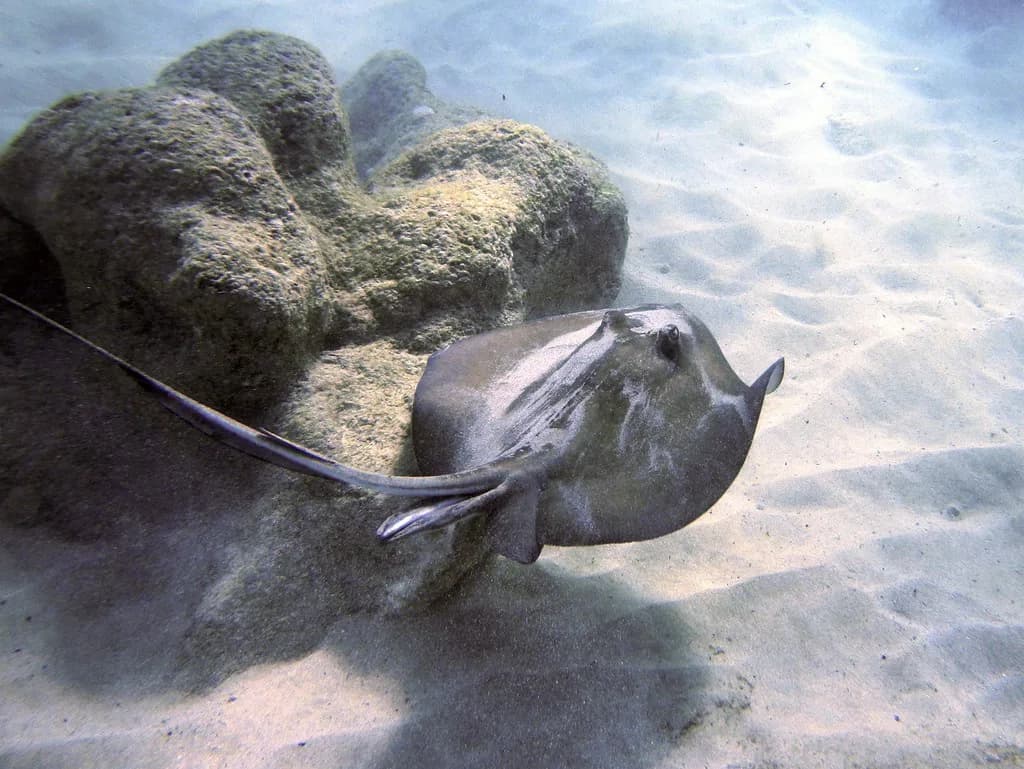
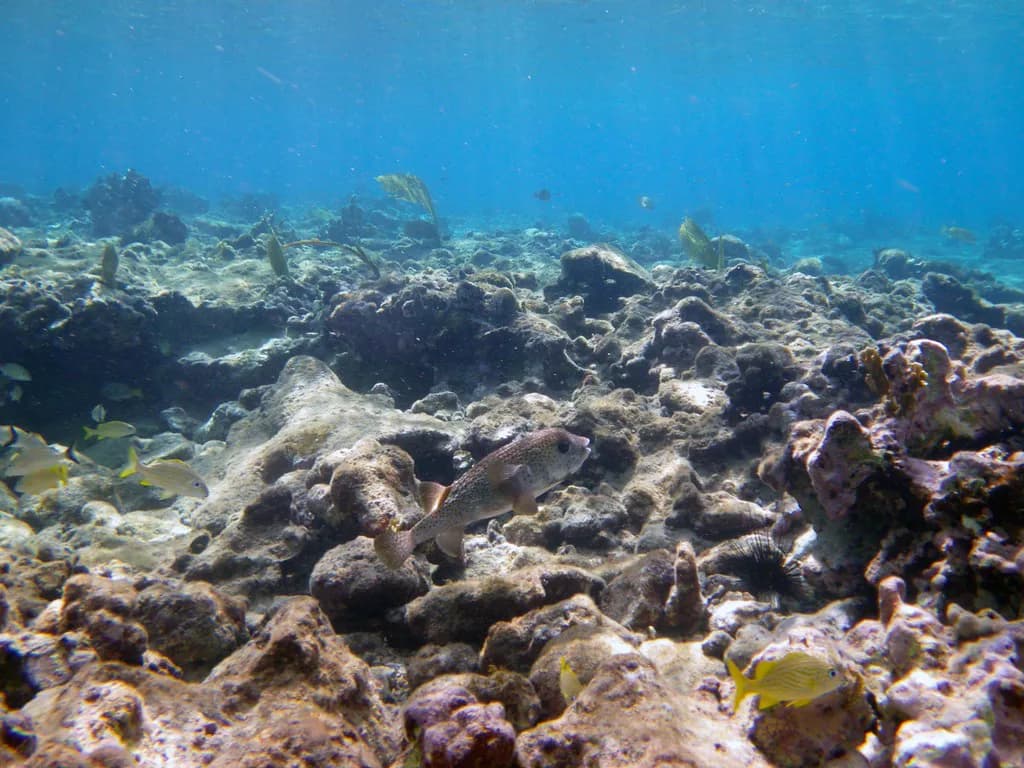
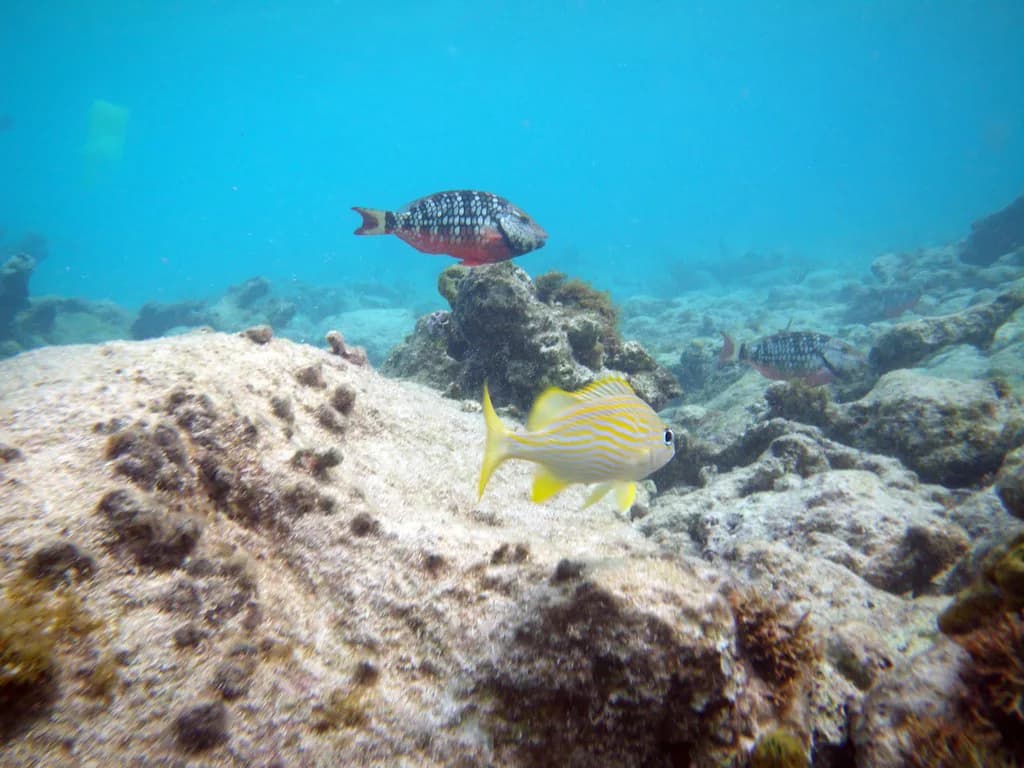
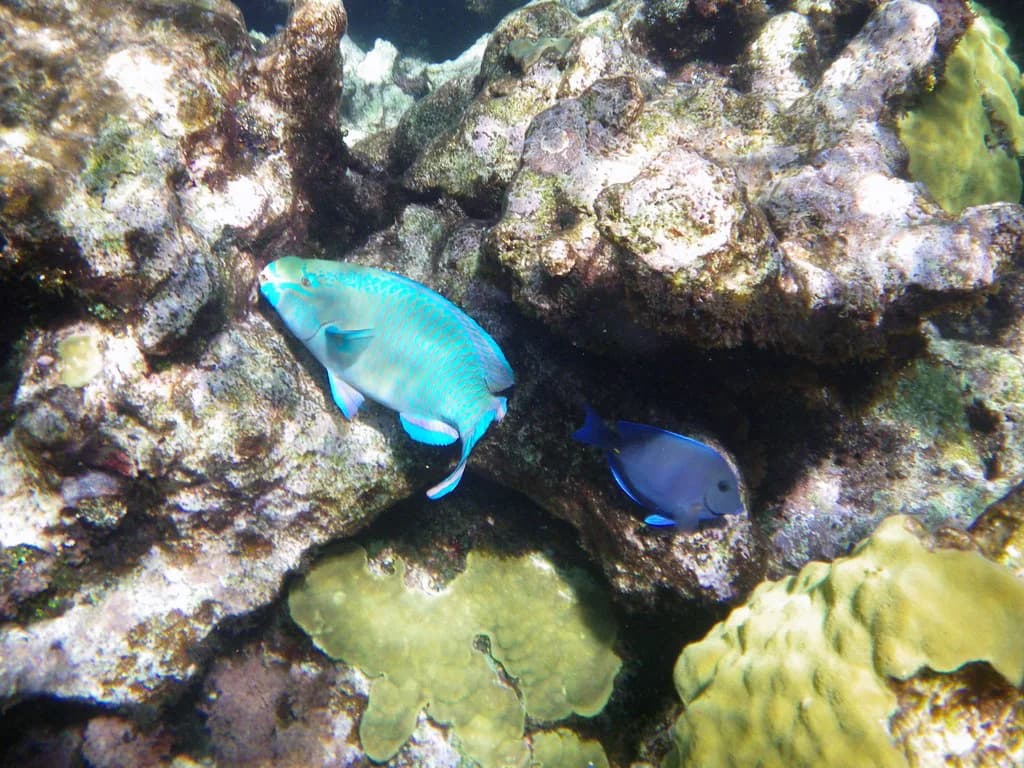
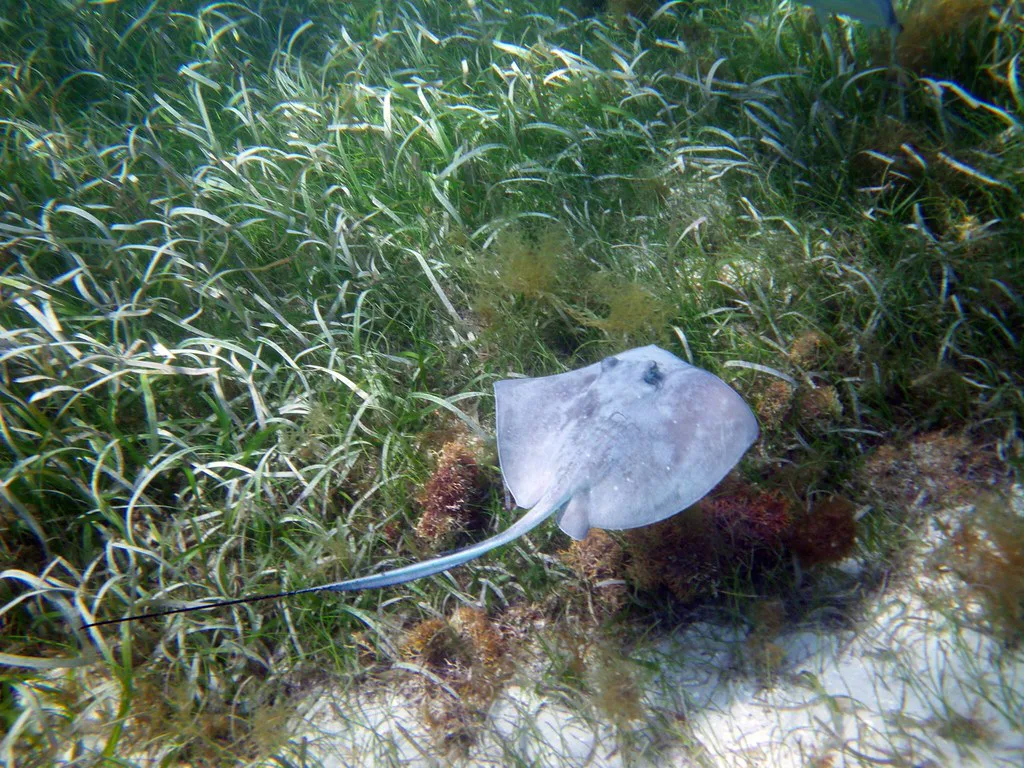
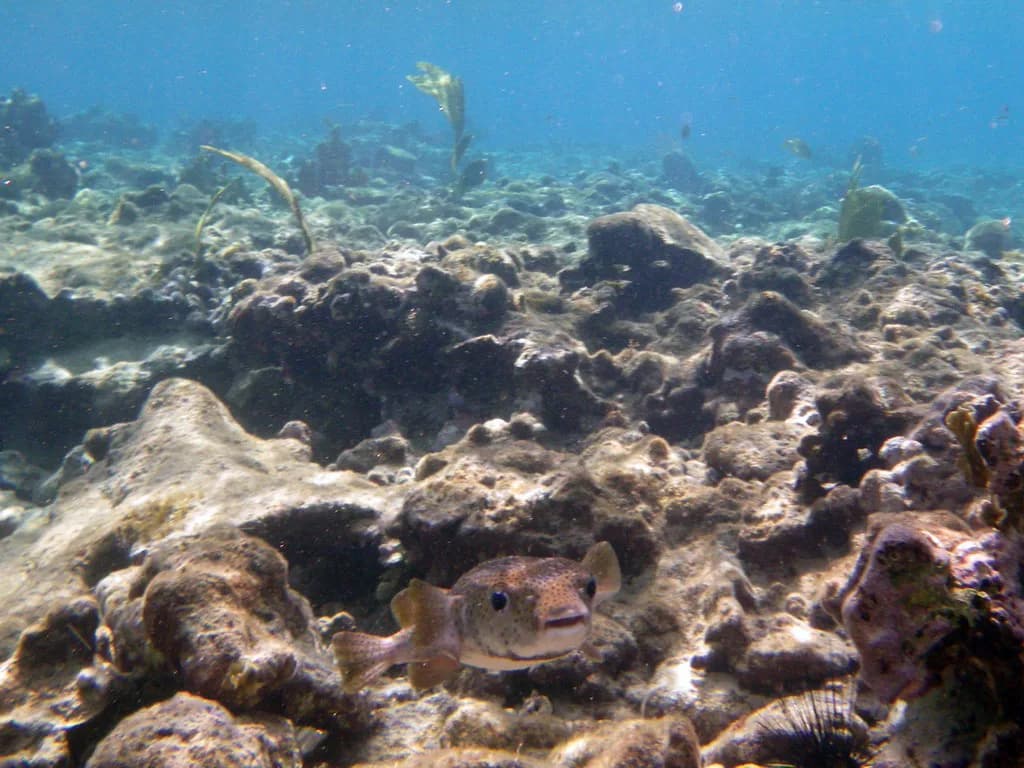
Elkhorn coral is the headline, growing in branching thickets that shelter damselfish, parrotfish, snappers, angelfish and wrasses, plus lobsters tucked into crevices. The reef's fish life is dense enough that snorkelers commonly report turtles along the trail as well. Treat every sighting as a possibility rather than a guarantee; conditions and wildlife move.
Hawksbill, green, leatherback and loggerhead turtles use the island's beaches, so keep a generous distance if one surfaces near you and never chase or touch it. Least terns nest in summer and pelicans arrive in fall, adding birdlife to the beach hours. Give nesting areas and any roped-off sand a wide berth.
Turtle Beach and the Overlook Hike
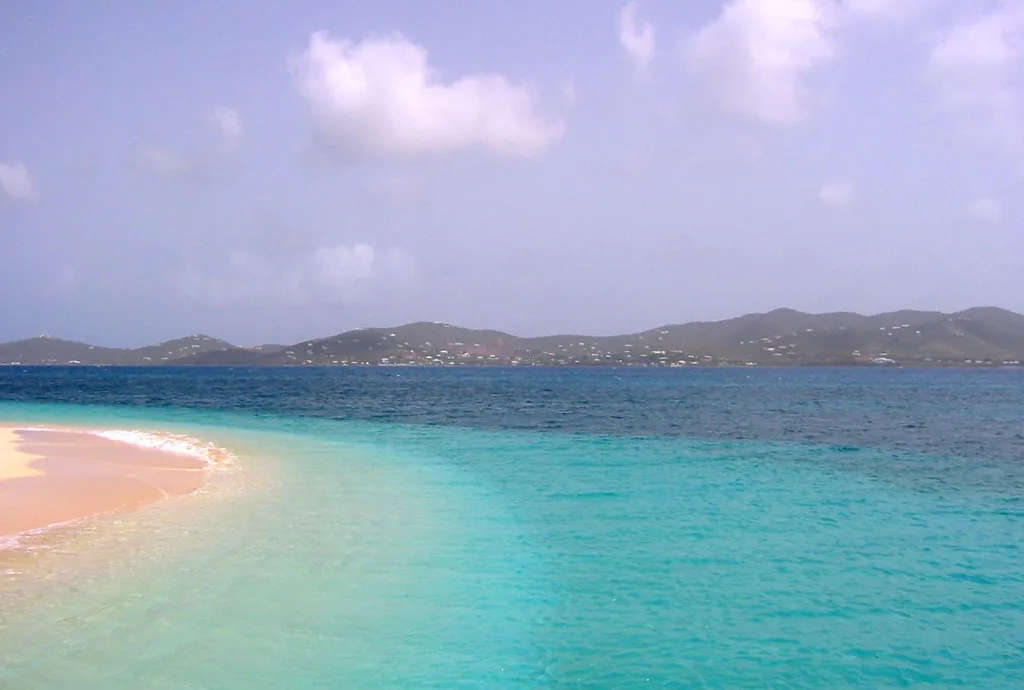
Turtle Beach on the island's western side is the landing point for most tours, with pale sand and shallow water for floating after the reef swim. A short hike climbs to an observation deck where you look down onto the barrier reef; on clear days the view reaches far across the chain of islands. Bring shoes with grip for the trail rather than flip-flops.
Two trips reach the beach without a reef snorkel stop: Beach & Hike spends five hours at Turtle Beach and the overlook, and Sunday Funday runs a four-hour Sunday afternoon sand-and-swim outing. Those suit mixed groups where only part of the party wants to snorkel. The beach-only option is also the calmer choice with very small children.
Choosing a Half Day, Full Day or Private Charter
The Half Day Snorkel Cruise runs about 3.5 hours with a guided trail swim and beach time, at $95 per adult and $75 for ages 3 to 17, with children under 3 free. Full Day Sail costs $125 per adult and $105 for ages 0 to 17 and adds a longer beach stay. National park fees are included in those fares; crew gratuity is separate, with 20 to 25 percent recommended.
Snorkelers in Paradise makes two guided reef stops over five hours on Tuesdays and Thursdays for the same $125 adult fare, while Beach & Hike is $75 for all ages and Sunday Funday is $65. Private charters start at $900 per boat, priced for the vessel rather than per person, which works for groups of six to twelve. Groups of ten or more save 10 percent on half-day trips.
Half-day trips include snorkel gear, lessons, drinking water and a guided trail tour; full-day trips stay at the island instead of leaving for a lunch stop but do not include lunch. Pack your own food and drinks. Cancellations 48 hours or more ahead receive a full refund on public trips, and weather cancellations are rescheduled or refunded. Comparing operators is worthwhile, and more options are outlined in these St. Croix snorkeling tours.
Skill Level and Who It Suits
Beginners and families are the core audience: the lagoon setting, included gear, lessons before entry and a guide in the water lower the barrier considerably. Children need to be comfortable in deep water on the boat ride and should wear a well-fitted life jacket; provided jackets may not suit small kids, so bring your own. Strong swimmers who want more reef time should pick a full day or a two-stop trip.
Best Time to Go
Morning departures usually mean calmer water and softer light before the afternoon wind builds, which matters more for the crossing than for the sheltered lagoon. Afternoon trips can be breezier on the return leg. Pick a day early in your stay so a weather cancellation leaves room to reschedule before you fly home.
Rules, Sunscreen and Wildlife
Buck Island is a national monument, so the reef and its wildlife are protected: no touching or standing on coral, no feeding fish, no harassing turtles, and no collecting. Use reef-safe sunscreen and apply it before boarding, and bring a hat and towel since the island has no visitor services. Cash for crew tips is useful because there is nothing to buy ashore.
Nearby St. Croix Snorkeling to Combine
Pair a Buck Island day with shore snorkeling elsewhere on St. Croix, which needs no boat and no booking. Snorkeling the Frederiksted Pier, St. Croix is the classic shore dive on the island's west end, with pilings and shallow structure that suit an easy second swim. If you are weighing other islands for a future trip, snorkeling in St. Thomas makes a similar shore-entry-versus-boat-reef decision.
The full range of island sites, from Cane Bay's wall to east-end bays, is covered in this guide to snorkeling in St. Croix. Building a shore-snorkel day and a boat day into the same trip gives you variety and a backup if a boat trip is weathered out.
Safety and Sea Conditions
Open-water crossings can be choppy even when the lagoon is calm, so take seasickness precautions before boarding if you are prone to it. Inside the reef, the lagoon is sheltered, but current and surge vary with swell, and the crew will set the route and any limits for the day. Follow their briefing on where to swim and where to stay off the coral.
Plan Your Buck Island Day
Book a morning trip early in your St. Croix stay, choose the length by how much time you want in the water, and bring lunch, reef-safe sunscreen and a well-fitted life jacket for small kids. Then let the crew handle the reef.
Add a shore snorkel on another day to round out the trip, and you will have seen both sides of St. Croix's underwater appeal. Verify departure points and sea conditions with your boat company the day before you go.
Frequently Asked Questions
Is Buck Island good for snorkeling?
Yes. Buck Island Reef National Monument protects an elkhorn coral barrier reef with a marked underwater trail, dense fish life and sea turtle habitat. Guided trips include gear and lessons, which makes it a strong choice for first-timers as well as experienced snorkelers.
Is there an underwater trail on Buck Island?
There is. The marked trail runs through the calm lagoon behind the barrier reef, with underwater signs identifying features, and crews swim the route with guests on guided tours.
Is there a ferry to Buck Island from St. Croix?
No public ferry runs to the island. Access is by private boat holding an NPS anchoring permit or by an authorized concession boat from Christiansted or Green Cay Marina.
Can beginners and kids snorkel Buck Island?
Beginners and children do well on the guided trips, which include gear, a lesson and a guide in the water. Bring a life jacket your child is comfortable wearing, since provided jackets may not fit small bodies well.
How long does the boat take to reach Buck Island?
A power catamaran crosses in about 30 minutes, while sailing trips take an hour or more depending on wind. The crossing time affects how much of the day you spend in the water.
How much does a Buck Island snorkel trip cost?
Fares vary by trip length and departure point, and operators publish a current price list on their booking pages. Check the operator's website or call before you reserve so you know the total for your group.
Sources
Snorkeling notes for your next trip
Optional updates to our snorkeling guides.
You might also like
Continue reading
More guides you'll find useful