Creole Rock Snorkeling: St. Maarten Reef Guide
Creole Rock snorkeling in St. Maarten is a boat-access reef off Baie Grand Case, around 20 feet deep, suited to beginners and divers on a guided trip.
On this page
Creole Rock rewards snorkelers who want a compact, fish-filled reef without a long swim from shore, and it suits beginners and divers in training because the water stays shallow enough to stay oriented. The site sits off St. Maarten's northwest coast, so booking a boat ride is the practical first step.
The appeal is the combination: a coral reef with reef fish on a site that operators also use for dive training, which tells you the bottom is manageable for new snorkelers. You are not wading in from a beach here, so the day is shaped by which boat you join and what else the trip includes.
Where Creole Rock sits in Baie Grand Case
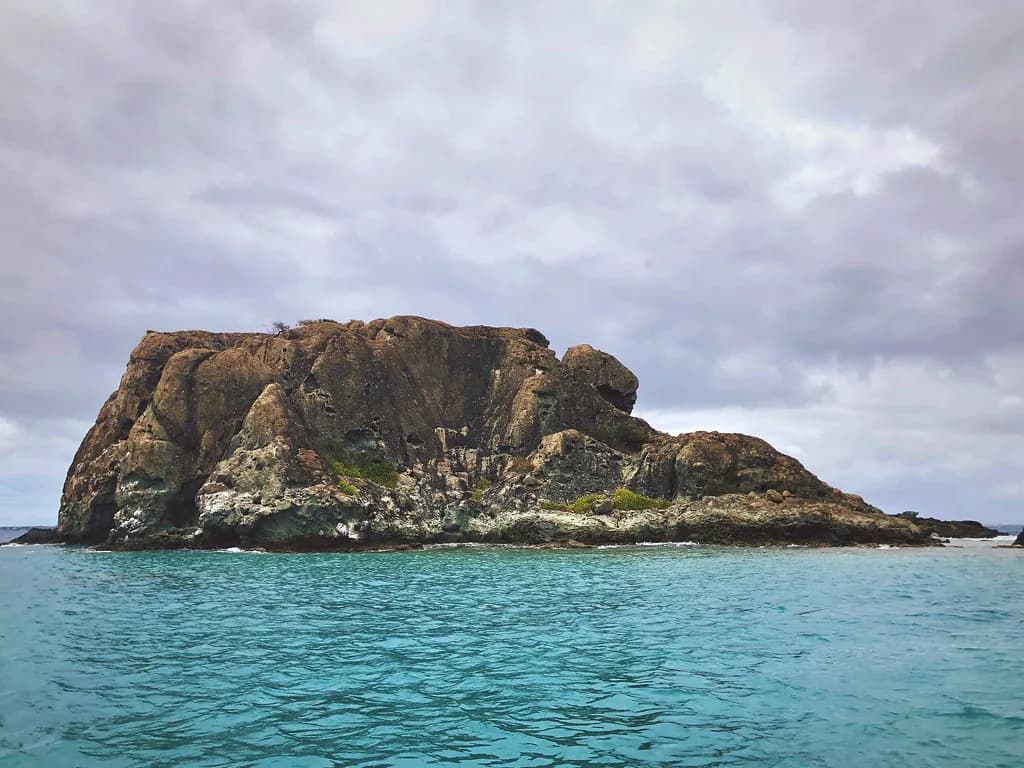
Creole Rock, also called Rocher Créole, sits on the north side of Baie Grand Case on the northwest coast of Saint Martin, close to the town of Grand Case. That bay position is why the rock is a short boat hop rather than a shore snorkel: you are heading out into the bay's open water, not walking off a beach.
Treat the rock as an offshore target within the bay and the town as your base for the day. Grand Case has the restaurants and waterfront that make it a natural place to start or end a morning on the water, and boat departures for the rock and nearby sites fit around that.
Getting in: boat access from island operators
There is no shore entry at Creole Rock, so you reach the reef by boat. The published access is boat only, which means your planning centers on choosing an excursion rather than finding a beach car park.
A common format is a four-hour boat excursion from Anse Marcel that visits both Tintamarre and Rocher Créole, giving you two different reef stops in one outing. Before you book, ask the tour company how much time is spent in the water at each stop, since a two-site trip splits your snorkel time between them.
Bring your own mask, snorkel and fins if you have a fit you trust, and pack water and sun protection for the ride out. Ask whether the boat supplies gear and whether the ladder or platform entry suits your comfort level, since boarding and re-boarding a boat is the main physical demand of a boat-only site.
The reef: depth, layout and what you will see
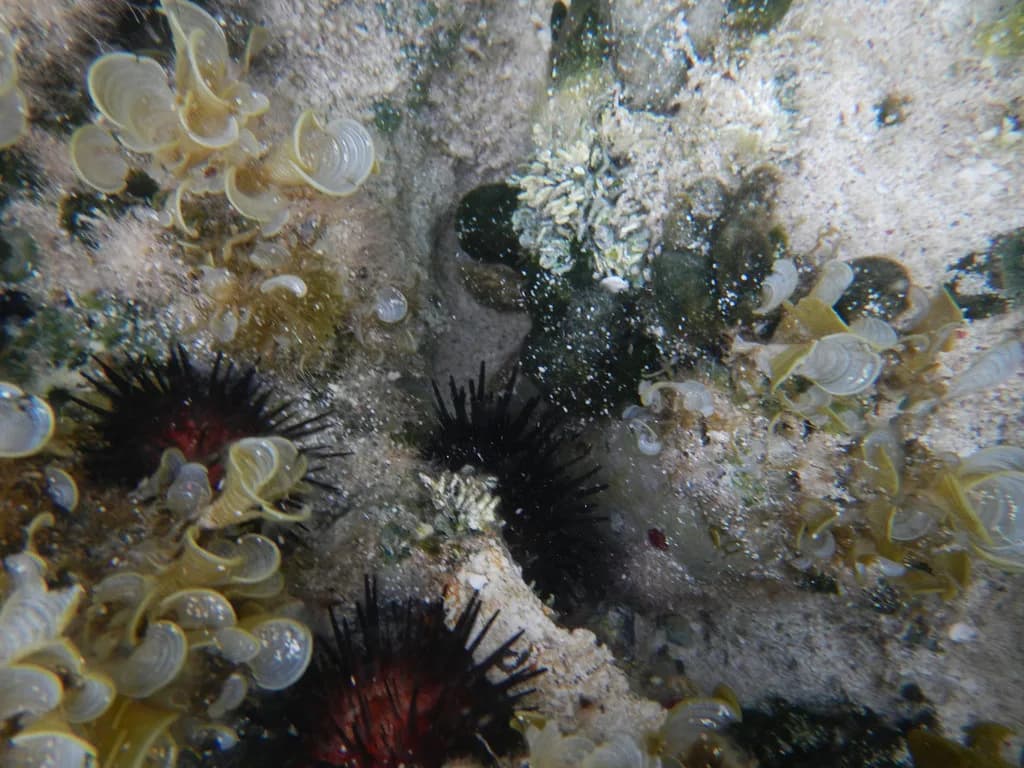
The site is a coral reef with reef fish life, and it is used for both snorkeling and dive training. The published maximum depth is about 19.7 feet, so you can work a shallow line of reef and still keep the bottom in view.
Read that depth as the deepest published figure rather than the whole story: the interesting structure usually lies shallower, along the rock and its surrounding coral. Stay over the coral edges and the rock's flanks where fish congregate, and watch for schools moving between coral heads rather than chasing a single animal.
Wildlife is never guaranteed, so plan for a reef-and-fish day and treat turtles or larger animals as a bonus. Keep the published viewing-distance rules for turtles and other marine life, and never touch, feed or chase anything you see.
Skill level and who should skip it
Creole Rock is rated for beginners, and its use as a dive-training site supports that. New snorkelers and confident older kids who are comfortable in open water and can climb a boat ladder will get the most from it.
Skip it if you want to stand up in waist-deep water or have never swum without a bottom you can touch. Because you are entering from a boat into open bay water, weak swimmers and very young children are better served by a shore-entry reef.
If that describes your group, look at a beach-entry option such as Pinel Island, where you can wade in and build confidence before committing to a boat trip. Travelers comparing shallow-entry reefs across the Caribbean often weigh snorkeling in St. Thomas as well as the island's own beaches, though St. Maarten's shore options remain the easiest first step.
Best time of day, season and sea conditions
Morning boat departures usually give you flatter water and softer light before the afternoon breeze builds, so ask the booking company for the earliest slot that suits your group. The bay's north-shore position can shelter the site on some days, but the reef is still open sea, so wind and swell decide whether the trip runs, and you can follow the latest weather notes on the booking page before you commit.
Match your dates to settled weather rather than a fixed calendar, and let the go or no-go call guide your booking. Marine authorities publish sea-state and marine warnings for Saint Martin and Sint Maarten, so read the agency's advisory before you travel.
Hazards: currents, boat traffic and entry
Your main risks are the open-water entry and any current running past the rock, plus boat traffic around a site that dive and snorkel boats share. Stay close to your guide, surface where the boat crew can see you, and keep a fin's length from the coral so you do not damage it or yourself.
Listen to the boat briefing on current direction and the pick-up point, and do not drift past the agreed zone. If the water feels beyond your comfort level, say so before you enter rather than after, since re-boarding from choppy water is the hardest part of the day.
Rules and reef-safe sunscreen
Wear reef-safe sunscreen that avoids oxybenzone and octinoxate, the ingredients the dive-site directory recommends leaving out. Apply it before you board so none washes off at the reef, and favor a long-sleeve rash guard over lotion for longer snorkels.
Keep your hands off coral and never stand on the reef, and give turtles and any other marine animals their published space. Your guide should brief you on local no-take and wildlife rules before you enter the water, so ask if anything is unclear.
Combining Creole Rock with Tintamarre
The Tintamarre-and-Rocher Créole excursion from Anse Marcel is the most efficient way to see both on one boat ride. Tintamarre is an island stop and Creole Rock is a reef stop, so the two give you different underwater scenery in a single half day.
Decide which stop matters more to you and mention it to the crew, because split itineraries can feel rushed if the group is large. Pack a dry bag for the crossing, and allow time before or after the trip to enjoy Grand Case.
Nearby snorkel spots around Grand Case
If you want a second water day with an easy shore entry, Little Bay on the island's southwest side offers a sheltered bay to build confidence between boat trips.
Mullet Bay is another option to pair with a Creole Rock morning, with a beach setting that suits a relaxed afternoon. Compare the two based on how much swimming you want versus how much time you want on the sand.
Maho Beach draws plane-watchers more than snorkelers, so treat it as an afternoon stop rather than a reef day. Spread your snorkeling across one boat trip and one or two shore-entry beaches to see more of St. Maarten's underwater variety.
Plan Your Creole Rock Day
Book a boat trip that includes Creole Rock, ideally the four-hour Anse Marcel excursion with Tintamarre, and confirm the in-water time and boat entry before you commit. Pack reef-safe sunscreen, your own well-fitting mask and fins, and a dry bag for the crossing.
Allow the sea-state call to decide the day, and keep a shore-entry beach like Pinel Island as a backup if the boat trip is cancelled. That way a windy morning turns into an easy reef swim instead of a lost day.
Frequently Asked Questions
Do you need a boat to snorkel Creole Rock?
Yes. Creole Rock is a boat-access site on the north side of Baie Grand Case, and no shore entry serves the reef. You join a boat excursion from the island's operators, and the common format is a four-hour trip from Anse Marcel that also visits Tintamarre.
Is Creole Rock snorkeling good for beginners?
It is rated for beginners and used for dive training, and the published maximum depth is about 19.7 feet, so the reef stays manageable for new snorkelers. You do need to be comfortable in open water and able to climb a boat ladder, so very young children or weak swimmers may prefer a shore-entry beach.
How deep is the water at Creole Rock?
The published maximum depth is roughly 19.7 feet. Treat that as the deepest figure for the site rather than a guaranteed bottom everywhere, and spend your time over the shallower coral and rock where the fish life is concentrated.
What marine life will you see at Creole Rock?
The site is a coral reef with reef fish life, and it is used for both snorkeling and dive training. Sightings are never guaranteed, so plan for reef fish and coral, and keep the published viewing distance from turtles and other animals without touching or chasing them.
Can you combine Creole Rock and Tintamarre in one trip?
Yes. A four-hour boat excursion from Anse Marcel visits both Tintamarre and Rocher Créole, so you get an island stop and a reef stop in one outing. Ask how much in-water time each stop gets.
Where do Creole Rock snorkel tours depart from?
The combined Tintamarre and Rocher Créole excursion departs from Anse Marcel. Other island operators run boat trips that include Creole Rock, so compare departure points, trip length and how much snorkeling time is included before you choose.
What sunscreen should you wear at Creole Rock?
Use reef-safe sunscreen that avoids oxybenzone and octinoxate, the ingredients the dive-site directory recommends leaving out. Apply it before you board so none washes off at the reef, and a long-sleeve rash guard reduces how much lotion you need.
Sources
Snorkeling notes for your next trip
Optional updates to our snorkeling guides.
You might also like
Continue reading
More guides you'll find useful