Pinel Island Snorkeling: What to Expect and How to Get There
Plan a snorkel day at Pinel Island, St. Maarten: how to reach it, where the reef and seagrass sit, what you might see, and which side suits beginners.
On this page
Pinel Island earns its place on a St. Maarten snorkel itinerary because the water is shallow, sheltered and easy to enter, which makes it the rare Caribbean spot where a nervous first-timer and a beach-loving companion can share the same hour. You cross from Cul-de-Sac on the island's northeast coast, step off into knee-to-waist-deep water, and snorkel without ever committing to a long swim.
Set expectations honestly: Pinel is a beach day with snorkeling attached, not a destination reef. The draw is the setting, the calm and the ease, not a wall of coral. If you want the livelier reef dive of the region, pair Pinel with Creole Rock snorkeling on a separate morning and treat the two as different kinds of outings.
Why Pinel Island Suits a Calm, Shallow Snorkel Day
Pinel sits just off the northeast coast near Cul-de-Sac, a short boat hop from the French side of the island and a natural add-on to an Orient Bay or Grand Case stay. The crossing is quick enough that you can treat Pinel as a half-day rather than an expedition, which matters if you are squeezing snorkeling between other plans. For a wider look at how the island's sites compare, the guide to snorkeling in st maarten sets Pinel alongside the island's other bays.
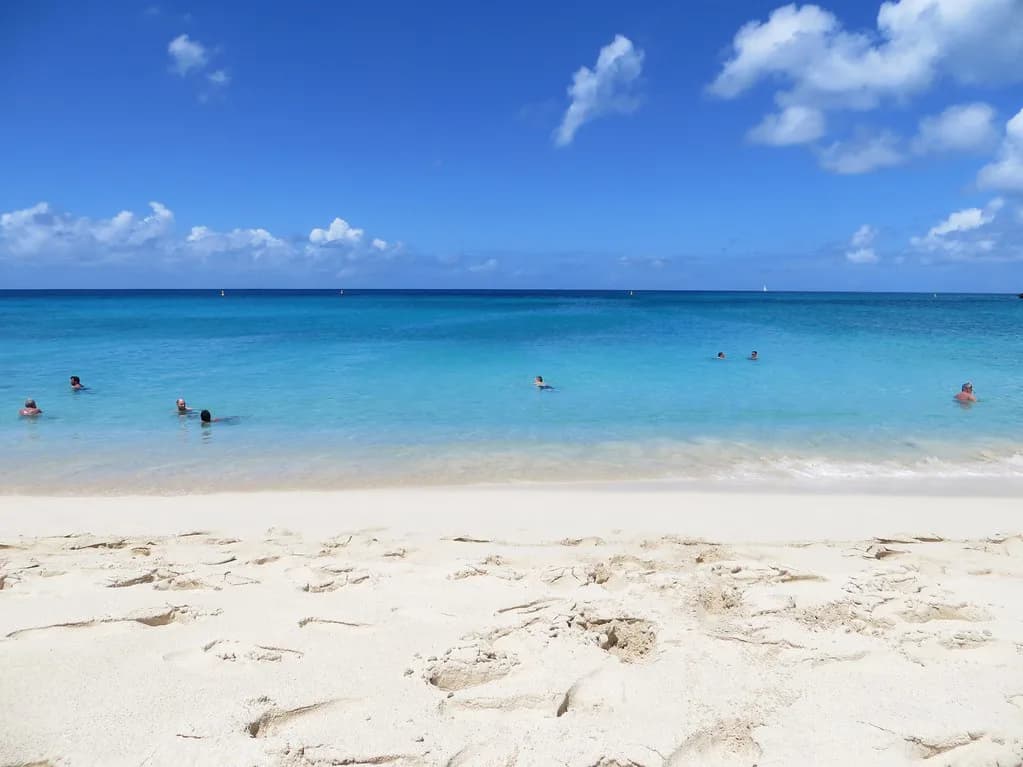
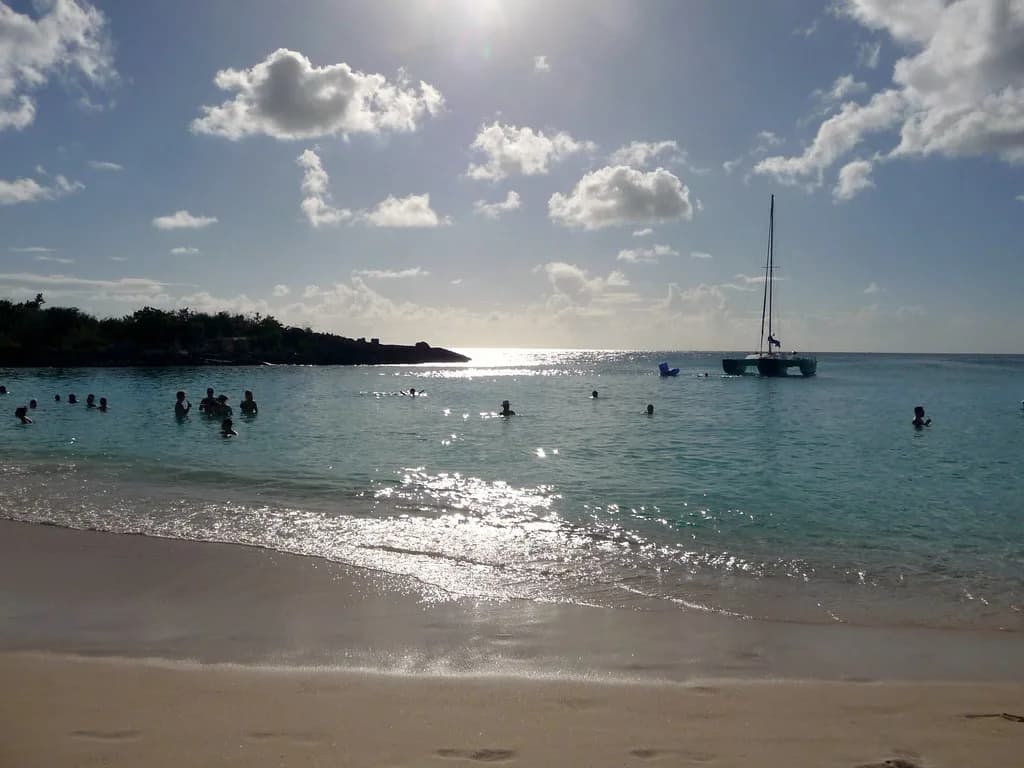
The bay is shallow and largely protected from ocean swell, so the water stays calm in conditions that would churn an exposed north-shore beach. That calm is the whole appeal: you wade in from the sand, float over seagrass and reef patches, and can stand up whenever you want. It is the sort of place where a child on a noodle and a snorkeler with a mask can stay in the same stretch of water.
Where Pinel Island Sits off St. Maarten's Northeast Coast
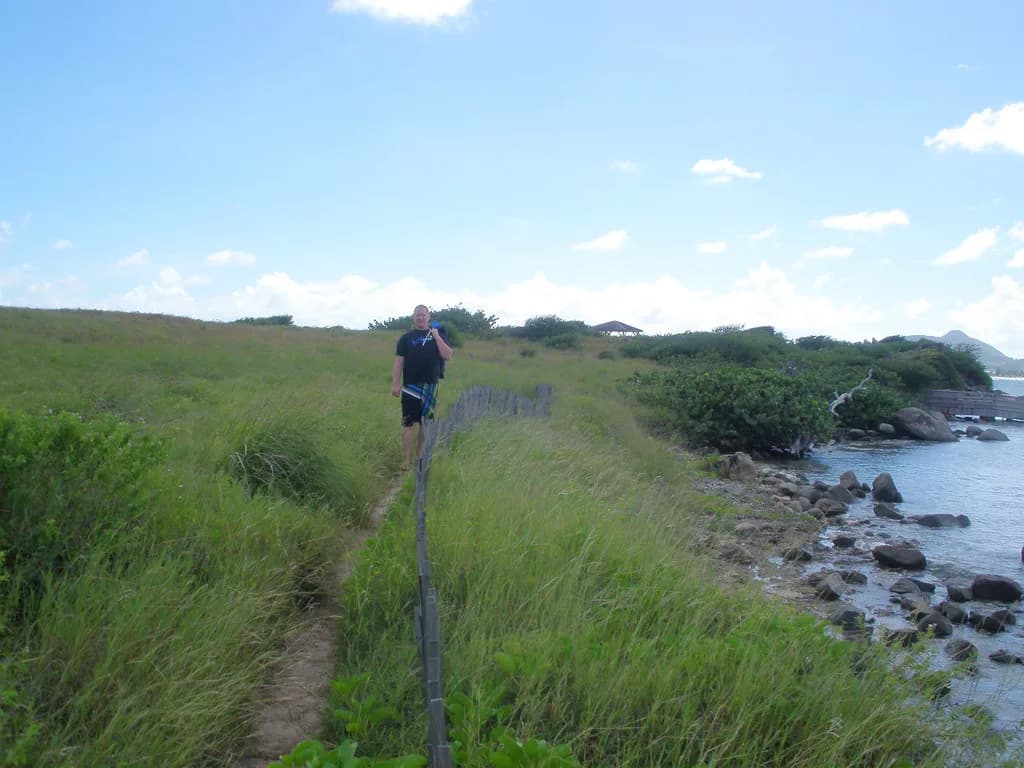
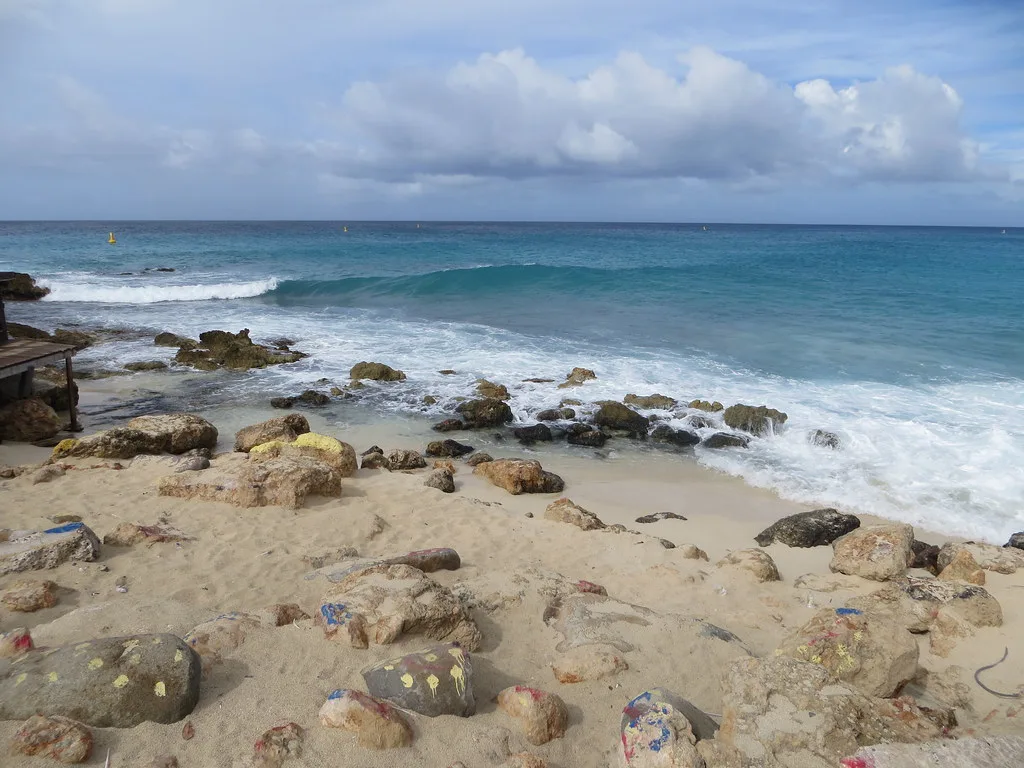
Pinel is a small island reserve off the northeast coast, reached from the Cul-de-Sac landing on the French side of St. Martin, close to Orient Bay and a short drive from Grand Case and Anse Marcel. The island's shoreline is split between a main beach where most day-trippers land and quieter edges where the sand gives way to rock and shallow reef.
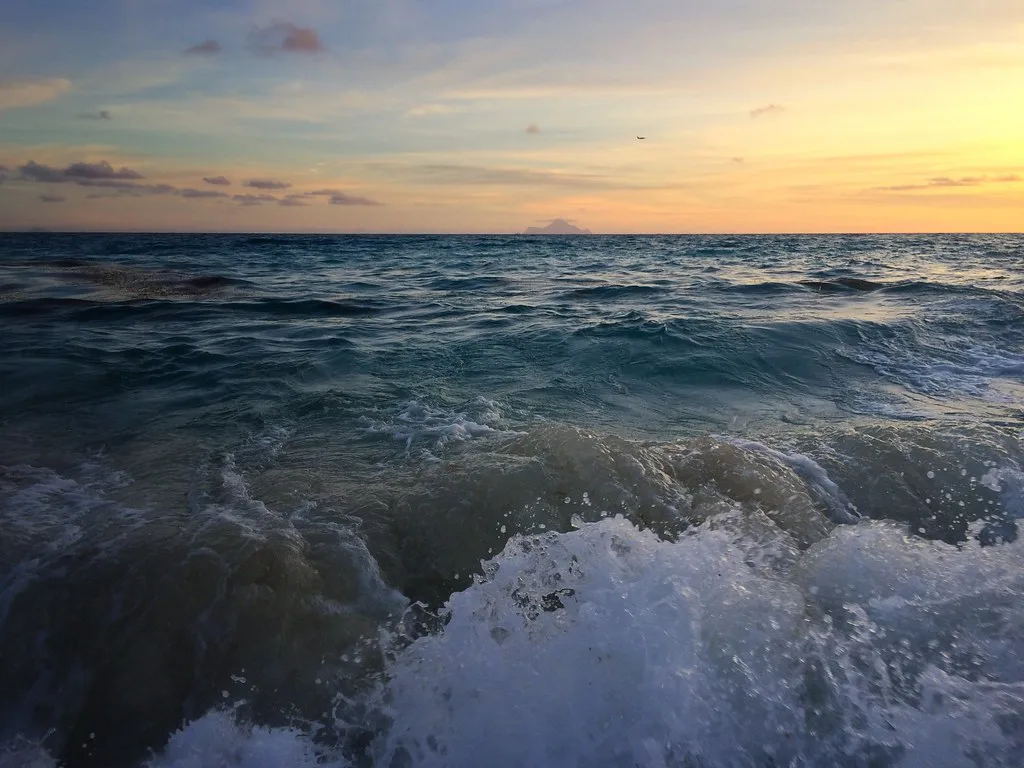
Because the bay faces the channel between the island and the St. Martin shore, it catches wind chop when the trade winds pick up. On a breezy day the water can be shallow and stirred, which cuts visibility and makes snorkeling choppy; reviewers have described exactly this on windy days at Pinel. Choose a calm-forecast morning rather than a fixed date and the bay usually delivers.
Getting There: Ferry Crossing from Cul-de-Sac and Boat Arrivals
Most visitors reach Pinel by the small passenger ferry from Cul-de-Sac, a short crossing that lands you directly on the main beach; the same crossing is used by day-trippers heading over for lunch and a swim. Boats also arrive as part of organized island tours, which anchor or beach near the main landing. Confirm the current ferry departure pattern and last-return time at the Cul-de-Sac dock before you commit to a late-afternoon slot.
If you are staying on the Dutch side, the drive to Cul-de-Sac crosses to the French side and takes longer than the crossing itself, so the ferry-and-parking logistics are the real constraint on timing your day. Cruise passengers and Philipsburg-based visitors should weigh whether a tour that includes a Pinel stop is simpler than driving across the island and parking at the Cul-de-Sac landing.
Getting in the Water: Sand Entry, Shallows and Where the Reef Starts
Entry is from the sand, which means no ladders, no rocks to time and no boat drop. Wade out from the main beach into waist-deep water; the seagrass and reef patches begin within a short swim of the shoreline, and you can snorkel parallel to the beach rather than heading out into the channel.
The rocky points at either end of the bay hold the more varied structure, with better coral coverage than the sandy, grassy center. Fins help here, letting you cover the distance to the edges without exhausting yourself in the shallows. Snorkel gear can be arranged through the beach operators on the island, though bringing a well-fitting mask of your own makes an hour in the water far more comfortable.
What You Will See: Seagrass, Reef Fish, Rays and the Chance of Turtles
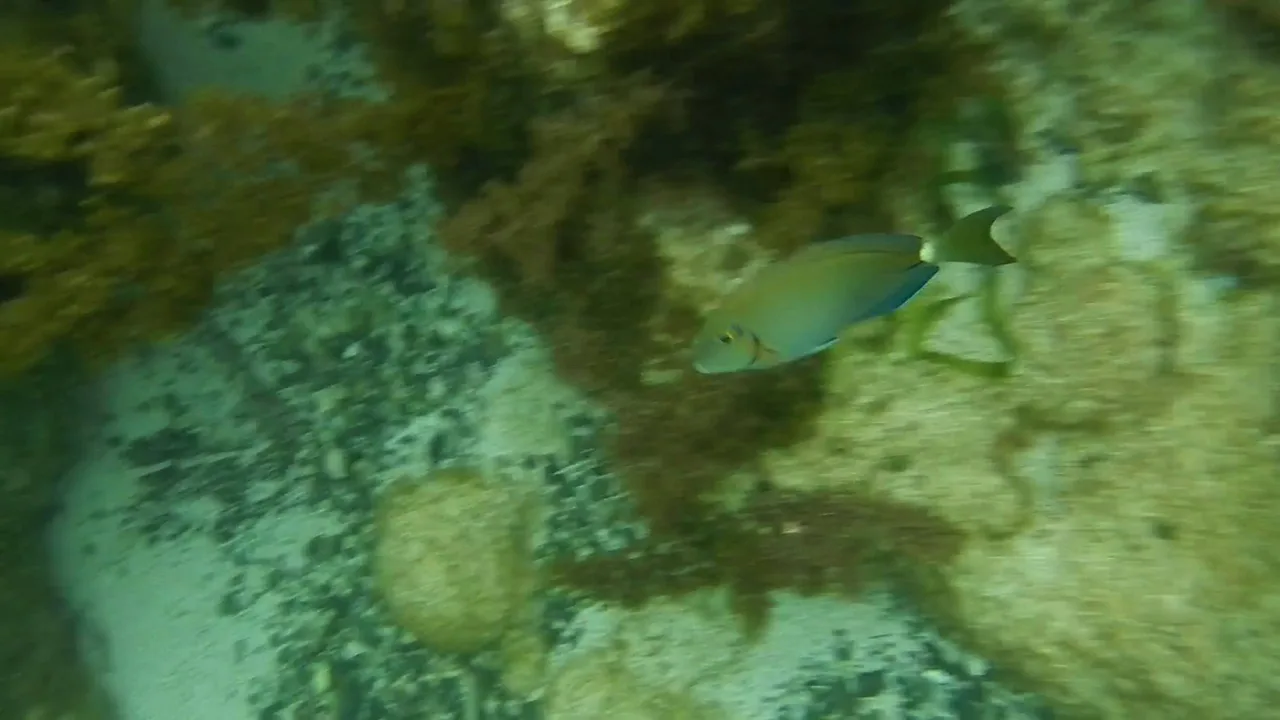
The center of the bay is seagrass over sand, which supports small reef fish and the occasional stingray gliding over the bottom. The edges, where rock meets sand, hold more coral and the busier fish life that comes with structure. Look for parrotfish, sergeant majors and wrasses working the reef patches, and keep an eye on open sand for rays.
Turtles are possible around the island's seagrass and reef edges rather than guaranteed; the region's turtle sightings cluster at sites like Tintamarre, where tours specifically target them. Treat any turtle encounter as a bonus and follow the reserve rules: no touching, no chasing, no crowding, and give the animal room to surface and breathe.
Depth and Distance: Reading the Bay from Shore
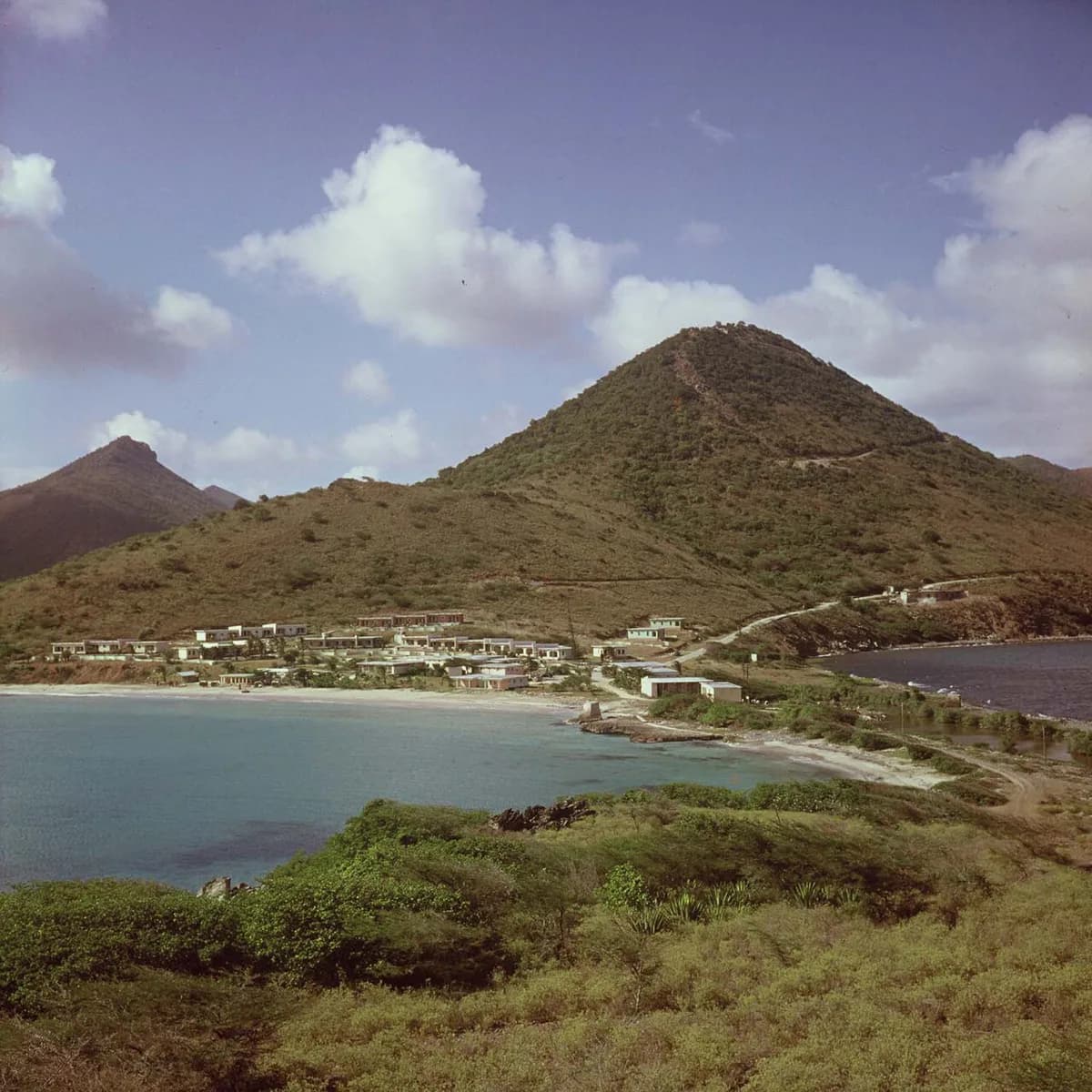
The bay is shallow close in, with the bottom sloping gently before dropping toward the channel between Pinel and St. Martin. You can read the layout from the beach: the calm turquoise band near the sand is the wading and beginner zone, while the darker patches further out mark seagrass and reef. Stay inside the calm band unless you are a confident swimmer.
Boat traffic is the main reason to keep your snorkeling close to shore. Ferries and tour boats move through the channel, so pick a line parallel to the beach and surface regularly to check what is around you. A bright snorkel and a buddy who watches the water make a real difference.
Skill Level: Who Pinel Suits and Who Should Pick Creole Rock Instead
Pinel is the obvious pick for beginners, families with children, and anyone who wants snorkeling to be part of a beach day rather than the whole point. The shallow sand entry, calm water on a good day and ability to stand up at any moment make it forgiving. Strong swimmers who want a serious reef should look elsewhere.
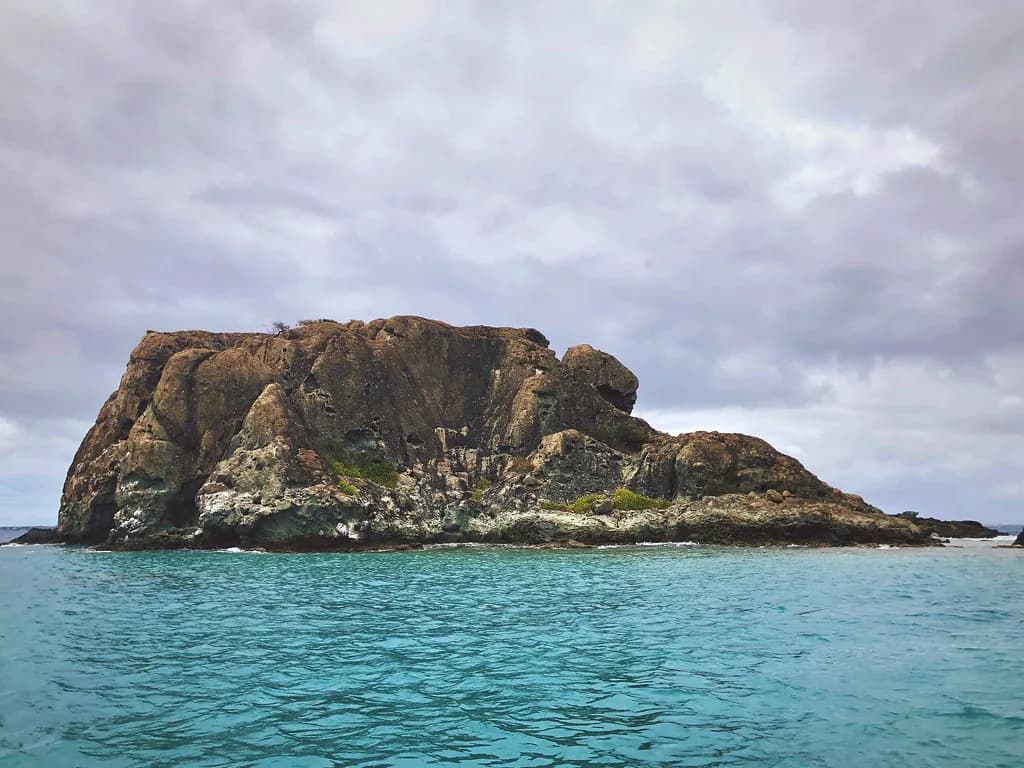
Creole Rock, off Grand Case, is the livelier reef in the area, with more coral, more fish and more current to manage. Snorkelers who want a real reef swim should pair a Pinel beach day with a Creole Rock trip on another morning, and pick the calmer day for Pinel. If you are island-hopping, the same easy-shallows-versus-richer-reef trade-off shapes snorkeling in St. Thomas, as it does here. That trade-off — easy shallows versus a richer reef — is the choice that shapes a St. Maarten snorkel itinerary.
Best Time of Day, Season and How Wind and Swell Change the Bay
Go early. Morning brings calmer wind, better light for spotting fish and far fewer people on the sand and in the water. Organized island tours that include Pinel tend to arrive mid-morning, so being on an early ferry gives you the bay at its quietest.
Season matters less than the daily wind forecast. The trade winds pick up through the day and can turn the shallow bay choppy by afternoon, and winter swell can stir visibility. Check the marine forecast the night before and pick a morning with light wind; if the bay looks stirred on arrival, treat it as a beach day and snorkel another site.
Hazards: Boat Traffic, Wind Chop, Fire Coral and Sea Urchins
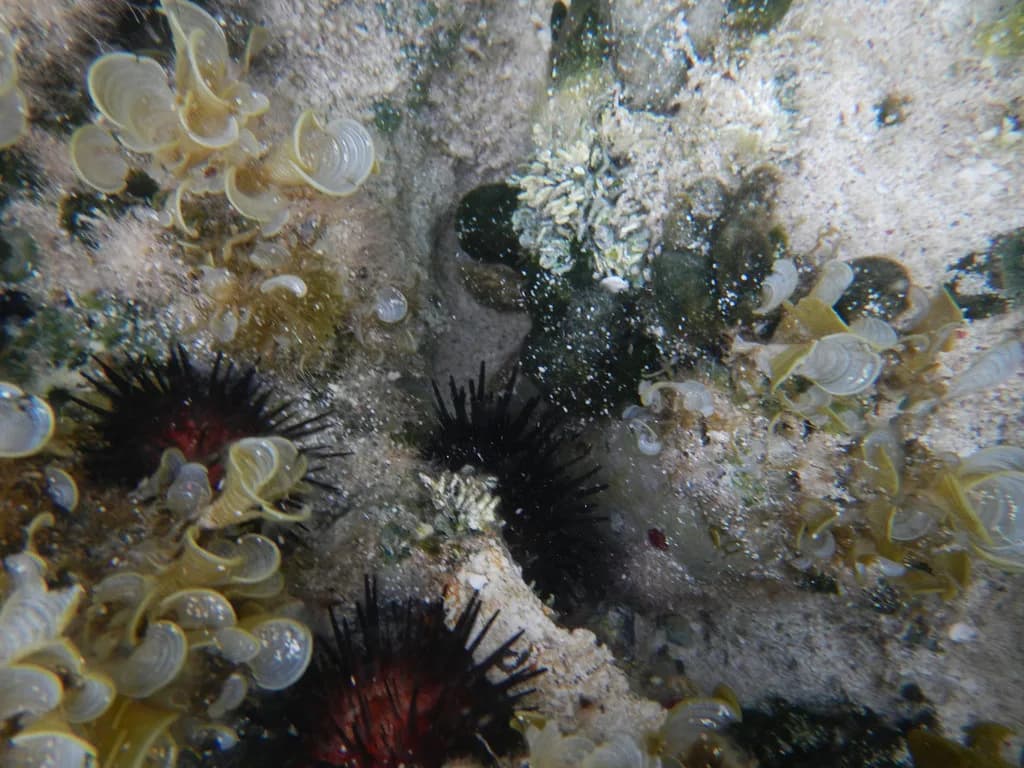
The realistic hazards at Pinel are boat traffic through the channel, wind chop that reduces visibility, and encounters with fire coral and sea urchins near the rocky edges. Look before you put a hand or foot down, and never touch coral or urchins. Sun exposure is the other real risk: there is little shade over the water, so a rash guard and reef-safe sunscreen matter.
There is no lifeguard culture to rely on in the shallows, so keep children within arm's reach and a buddy in the water with you. If the wind is up and the surface is choppy, shorten your snorkel rather than pushing into the channel. A calm bay in the morning can be unpleasant by mid-afternoon.
Pinel Island Rules: Marine Reserve No-Take Zones and Reef-Safe Sunscreen
Pinel sits within the Réserve Naturelle de Saint-Martin, the French-side marine reserve that manages the waters around the island and nearby cays. Reserve rules restrict taking wildlife, touching coral and feeding fish. Follow them: no collecting shells, no handling animals, and keep a respectful distance from turtles and rays.
Reef-safe sunscreen is the practical rule to follow in these waters; mineral-based formulas reduce the chemical load on the reef. Apply before you leave the dock and reapply on the beach rather than in the water. Confirm any specific reserve restrictions for the day with the reserve authority before you swim.
Parking, Fees and Facilities on the Island
Parking is at the Cul-de-Sac landing on the French side, where you leave the car and take the ferry across. The island itself has beach restaurants, chair rentals and watersports rentals that serve day-trippers, so you can arrive without gear and still get in the water. Rates and hours vary by operator, so settle them on the spot.
Rentals and What to Bring
Bring a well-fitting mask, a rash guard, a hat, towels and a dry bag. Fins are worth the space if you plan to explore the rocky edges. Cash helps for ferry, rentals and tips. If you are building a kit for island hopping, choose from published specs rather than hype.
Combining Pinel with Creole Rock, Tintamarre or Orient Bay
Pinel pairs naturally with Orient Bay and Grand Case for lunch and an afternoon on the sand, and with Creole Rock or Tintamarre on a separate morning if you want a reef-focused swim. Tintamarre is the turtle site in the reserve and is usually reached by tour from Grand Case or Anse Marcel. Build the day around one water session and one beach session rather than trying to tick off three sites.
Boat Tours That Include a Pinel Snorkel Stop
Several St. Maarten boat tours fold Pinel into a multi-stop day alongside Creole Rock, Tintamarre and Mullet Bay. Captain Bob's speedboat tour from Philipsburg stops at Tintamarre for turtles, then Pinel for a waist-deep wade and lunch, followed by Creole Rock and Mullet Bay. That format gives you a taster of Pinel rather than a full beach day, so weigh water time against variety.
Boomerang's power catamaran from Simpson Bay takes a similar route, with a Pinel stop for the iguanas, paddleboarding in the calm shallows and lunch before moving on to Tintamarre. Eagle Tours also runs a catamaran day that can switch to the French marine reserves, including Pinel and Tintamarre, when the weather is right, though the itinerary is weather-dependent.
Plan Your Pinel Island Day
Treat Pinel as a calm, shallow beach day with snorkeling attached, and build the rest of your St. Maarten itinerary around that. Take an early ferry, snorkel the quiet band near the sand and the rocky edges if the water is clear, and save the serious reef swim for Creole Rock on another morning.
Check the marine forecast the night before and confirm ferry times at the Cul-de-Sac landing, then let the wind decide whether you snorkel or simply swim. That is the whole trade-off at Pinel: easy access and calm water on a good day, and unreliable visibility when the trades blow.
Frequently Asked Questions
How do you get to Pinel Island?
Most visitors take the small passenger ferry from the Cul-de-Sac landing on the French side of St. Martin, a short crossing that lands on the main beach. Boats also arrive as part of organized island tours. Confirm the current departure pattern and last return at the Cul-de-Sac dock.
Is the snorkeling at Pinel Island good?
Pinel is a beach day with snorkeling attached rather than a destination reef. The seagrass center holds small fish and rays, and the rocky edges hold more coral and busier fish life. For a richer reef swim, pair Pinel with Creole Rock on a separate morning.
Can you snorkel from the beach at Pinel Island?
Yes. Entry is from the sand, with waist-deep water near shore and reef and seagrass patches within a short swim. You can snorkel parallel to the beach and stand up whenever you want, which makes it forgiving for beginners and children.
How long is the ferry to Pinel Island?
The crossing from Cul-de-Sac is short, quick enough to treat Pinel as a half-day rather than an expedition. Exact crossing times depend on the operator, so confirm the schedule at the dock before you set out.
What fish can you see snorkeling at Pinel Island?
Expect small reef fish over the seagrass and busier life where rock meets sand, such as parrotfish, sergeant majors and wrasses. Rays are possible over open sand. Turtles are possible but not guaranteed, and you should never touch or chase them.
Is Pinel Island good for beginner snorkelers?
Yes. The sand entry, shallow water and ability to stand up make it forgiving. Strong swimmers who want a serious reef should choose Creole Rock instead, and beginners should go in the morning when the wind is light and the water is calm.
Do you need to book a boat tour to snorkel Pinel Island?
No. The ferry from Cul-de-Sac and the beach operators on the island are enough for a self-guided day. A tour is the simpler option if you want Pinel folded into a multi-stop island day with Creole Rock, Tintamarre and Mullet Bay, but you will get less water time at Pinel.
What should you bring to Pinel Island for snorkeling?
Bring a well-fitting mask, a rash guard, a hat, towels, a dry bag and cash for ferry, rentals and tips. Fins are worth the space if you plan to explore the rocky edges, and reef-safe sunscreen should go on before you leave the dock.
Sources
Snorkeling notes for your next trip
Optional updates to our snorkeling guides.
You might also like
Continue reading
More guides you'll find useful