Snorkeling Gloves: When You Need Them and How to Choose
Snorkeling gloves add warmth and grip on rocky entries, but they can invite touching coral. Learn how thickness, palms and fit shape the choice.
On this page
Gloves earn their place in a snorkel bag on two very different days: a cold California cove where your fingers stiffen after twenty minutes, and a rocky entry where you need to steady yourself on wet stone before the reef opens up. They are not standard kit for every warm-water swim, and the choice between neoprene and thin lycra changes both your dexterity and your footprint on the reef. This guide walks through thickness, palm construction, sizing and the etiquette that should come before any of it.
Treat a glove as you would a mask: it has to fit well enough to stay put, and it should serve a purpose you can name. If you cannot say whether you want thermal protection, abrasion protection or sun cover, you are probably buying the wrong pair.
What Gloves Do for Snorkelers
A snorkeling glove does three jobs, and most pairs do only one or two of them well. Neoprene traps a thin layer of water that your body warms, which is why the same material keeps your hands usable when the rest of you is in a wetsuit. A durable palm adds grip and abrasion resistance for rock entries, ladders and boat rails. Thin UV fabric adds sun cover without much warmth at all.
Only if they solve a problem you can name: cold hands, a rocky entry where you need grip on wet stone, or sun exposure on the backs of your hands.
Where gloves change your day most is time in the water. Cold hands lose fine control, and fine control is what lets you clear a mask, adjust a strap or steady a camera housing. If you snorkel in a 3mm wetsuit and still find your fingers aching, gloves are the next logical layer rather than an accessory.
Grip is the more complicated benefit. A textured palm makes wet rock and metal ladders less slippery, but it also makes it easier to grab something you should not. Plan to use that grip on the shore and the boat, and keep your hands off the reef entirely.
Neoprene Thickness Compared
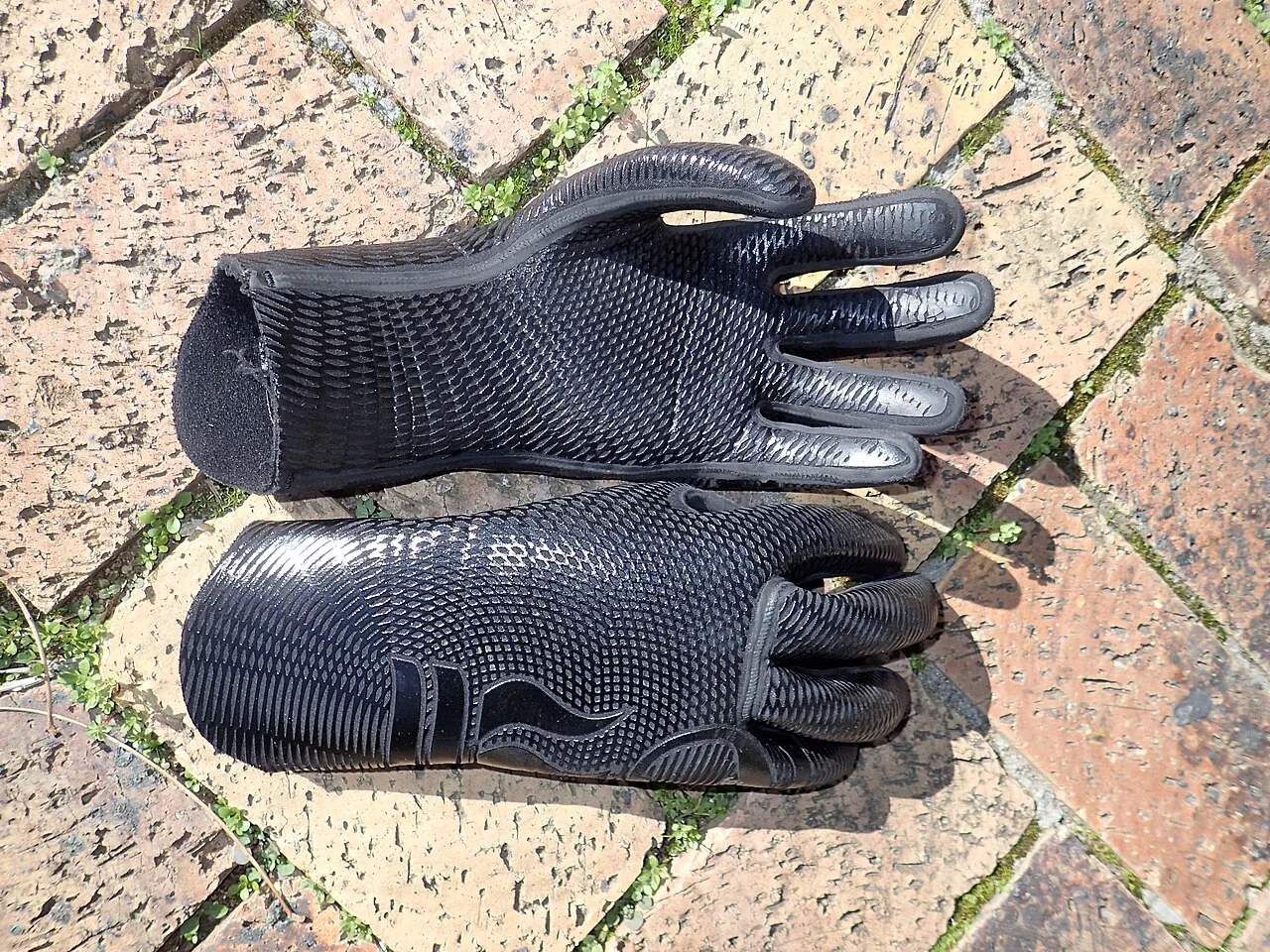
Neoprene gloves are sold by thickness in millimeters, and 1.5mm is the common light end of the range. The Seavenger Abyss glove is built from 1.5mm neoprene with a flexible spandex panel insert for stretch, an anatomical cut and an adjustable wrist strap, which is a typical spec sheet for a warm-to-cool water glove.
At 1.5mm you keep reasonable feel in your fingertips and can still operate a mask buckle or a camera button. That makes this thickness a sensible first pair for someone snorkeling in the 60s and low 70s Fahrenheit, or for a warm-water trip where you want grip on rocks more than warmth. Thicker gloves buy more insulation and lose more dexterity, so match the number to your coldest realistic session rather than the coldest you have ever read about.
Match your gloves to your wetsuit and you avoid the common mismatch of a 5mm suit with paper-thin hands. If your suit is a shorty for tropical water, thin gloves or none at all are usually enough.
Palm Materials and Durability
The palm is where gloves wear out first, so the construction matters more than the colorway. The Abyss model reinforces the palm and thumb with synthetic Amara leather backed by mesh, and its listed content is 44% synthetic Amara, 22% neoprene rubber and 34% nylon. That mix puts a tough, low-stretch leather-like surface where you grip and a flexible knit where your hand flexes.
Reinforced leather-like palms suit rock, ladder and rail contact. Mesh-backed neoprene alone is stretchier and lighter but abrades faster against rough surfaces. Read the spec for reinforcement at the palm and thumb; if a listing does not describe it, assume the palm is plain neoprene.
Lycra and Fingerless Gloves for Warm Water
In Hawaii, Florida and Puerto Rico, warmth is rarely the problem and sun exposure often is. Thin UV-protective lycra gloves give you back-of-hand cover without turning your fingers into sausages, and one published roundup makes the case for fly-fishing gloves as an inexpensive snorkeling option, since they use thin UV lycra and leave the fingertips open.
Fingerless designs keep the dexterity you need for mask clearing and clip handling, and they dry fast between sessions. The trade-off is obvious: exposed fingertips and no abrasion protection on the pad of your hand. In tropical water that is usually the right compromise.
If sun protection is your main reason for wearing anything on your hands, gloves are only one part of the picture. Reef-safe sunscreen on the backs of your hands and a long-sleeve rash guard do more of the work, and a product that avoids non-nano zinc oxide and non-nano titanium dioxide concerns keeps you aligned with reserve rules in places that restrict conventional filters.
Fit and Sizing
An anatomical cut that follows the natural curve of a relaxed hand reduces fatigue, and a wrist strap closes the gap where water flushes in and out. A loose glove is worse than no glove: it slides, bunches at the palm and pulls off when you grip a ladder.
Measure your dominant hand around the palm at the widest point and compare it with the maker's size chart, and size up only if you are between sizes and wear them over nothing. Neoprene gloves should feel snug at the knuckles and wrist with a little room at the fingertips. Check that you can make a fist and pinch your thumb to each fingertip before you commit.
Gloved Hands Around Reefs
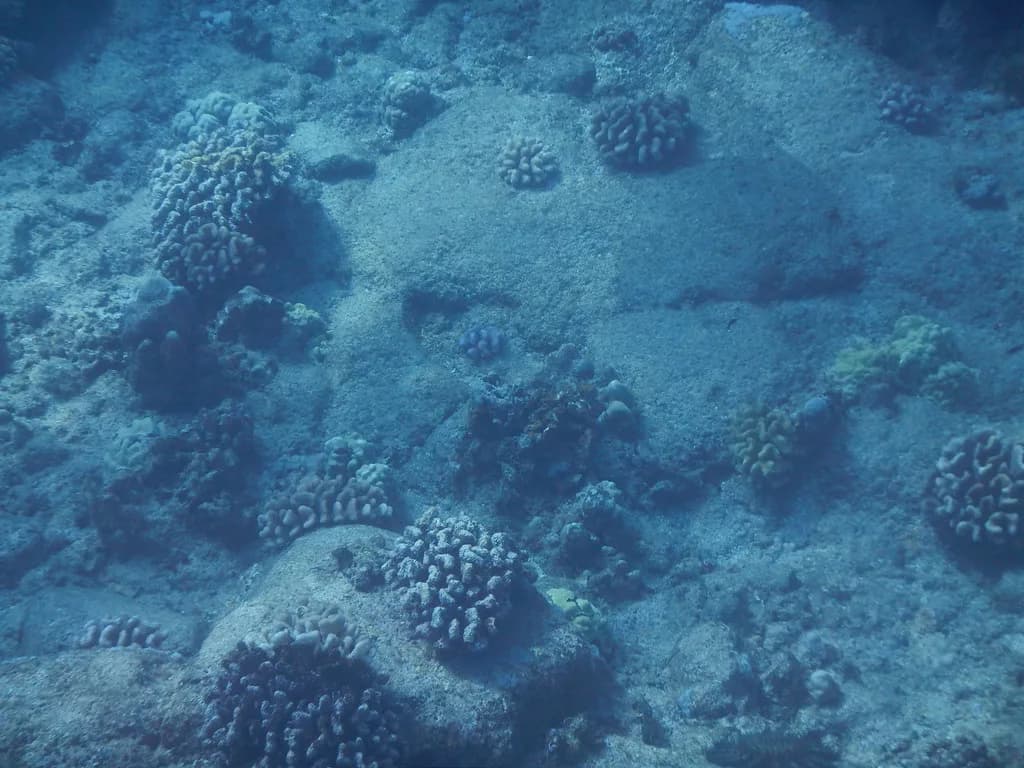
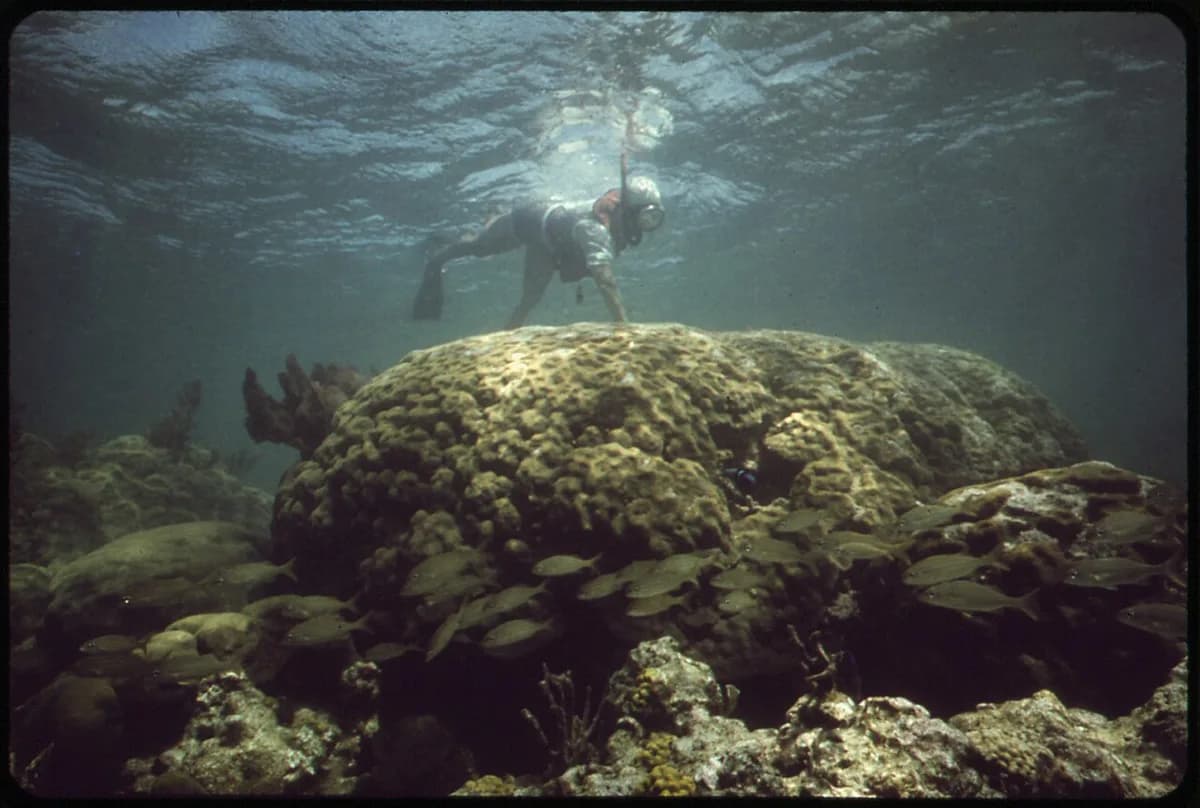
The most important glove rule has nothing to do with fit. Coral is a living animal colony with a thin mucus layer, and a gloved hand that pushes off a head of coral can crush or abrade polyps that take years to regrow. Gloves protect your hands; they do not license contact.
Use the same logic around animals. Sea turtles, rays, octopuses and reef fish should be observed from a respectful distance and never touched, fed or chased, and gloves make it easier to keep your hands to yourself rather than reach. Buoyancy control, not grip strength, is what keeps you off the bottom.
Gloves in No-Take Zones and Wildlife Rules
Marine reserves and no-take zones in Hawaii, Florida and Puerto Rico restrict taking fish, coral, shells and other marine life, and some restrict handling of wildlife outright. The practical implication for a snorkeler is that gloves change nothing about what you may collect or touch. Read the reserve boundaries and posted rules at the site before you swim, and wear gloves only if they serve your own safety.
Wildlife distance rules protect the animals and keep encounters legal. Hover at the distance the managing agency publishes, keep your hands visible and down, and if an animal approaches you, hold still rather than reaching out.
Cold-Water California Versus Warm-Water Hawaii, Florida and Puerto Rico
California snorkeling favors 1.5mm neoprene gloves or thicker, depending on your suit and how long you stay in. Water off the central and northern coast runs cold enough that most snorkelers are in full wetsuits, and warm hands make mask and fin adjustments manageable. Pair gloves with a proper hood and booties rather than trying to fix cold hands alone.
Hawaii, Florida and Puerto Rico usually call for the opposite: thin lycra gloves for sun cover and grip, or bare hands for anyone who does not need either. If you are snorkeling from a sandy beach in calm water, gloves are optional; if your entry is over lava rock or through a rocky shore break, a light pair with a textured palm helps. The same warm-water calculus applies when you are snorkeling in St. Croix, where reef entries tend to be over rock and coral rubble rather than sand.
How Gloves Fit Into a Full Snorkel Kit
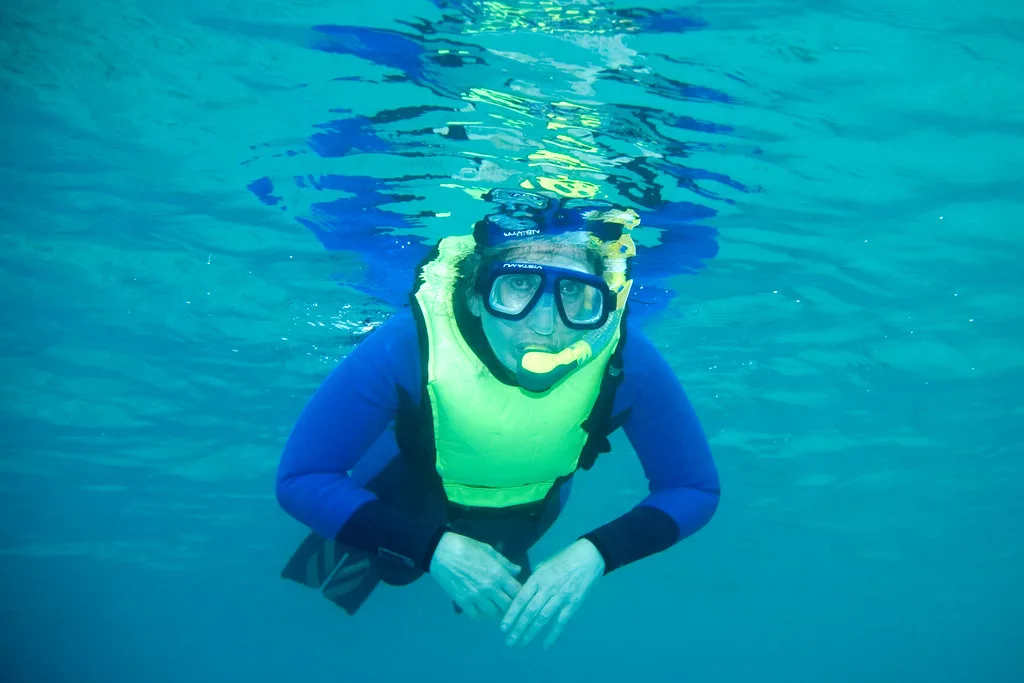
Gloves are the last 5 percent of a kit that starts with a mask and fins. Get the basics right and check whether the rest of your snorkel mask fits your face before you spend on hand cover.
A dry snorkel keeps water out at the surface, while a wet snorkel is simpler and less to fail. Either works with gloves, though dry snorkels and their purge valves can be fiddly with thick neoprene fingers. The full face snorkel mask question is worth settling before you buy gloves, since those masks change how you clear water and how much hand dexterity you need.
Rinse gloves in fresh water after every saltwater session, dry them inside out and away from direct sun, and check the palm seams before your next trip. Neoprene lasts for years when it is rinsed and stored flat; it degrades fast when left salty and crumpled in a bag.
Mistakes to Avoid
Oversized gloves that slip, loss of dexterity from too-thick neoprene, and gloves worn as an excuse to grab the reef are the three recurring errors. A fourth is buying gloves for warm water where you actually need sun cover, and getting a winter glove instead.
Skip gloves entirely if your hands stay warm, your entry is sand and you keep off the bottom; a bare hand is the most sensitive hand you own. Buy them where they solve something specific, and treat the pair as safety equipment rather than souvenir gear.
Packing and Care Takeaways
For warm-water trips to Hawaii, Florida and Puerto Rico, pack thin lycra or fingerless gloves for sun and grip, and expect to leave them off on sandy, calm days. For California, take 1.5mm neoprene gloves that match your wetsuit thickness and keep them with your hood and booties so nothing gets forgotten at the car.
Buy for fit first and material second, and confirm the palm construction on the spec sheet before you order. Before your first swim, confirm the reserve rules where you plan to go, and decide in advance that your gloved hands will stay off the coral and at the published distance from wildlife.
Frequently Asked Questions
Do I need gloves for snorkeling?
Only if they solve a problem you can name: cold hands, a rocky entry where you need grip on wet stone, or sun exposure on the backs of your hands. In warm, calm water with a sand entry, bare hands give you the most dexterity. Match the material to the reason rather than buying gloves out of habit.
How thick should snorkeling gloves be?
1.5mm neoprene is the common light option and keeps reasonable feel in the fingertips. Go thicker only if you snorkel in genuinely cold water and wear a full wetsuit, and accept the loss of dexterity that comes with it. In tropical water, thin lycra or no gloves at all is often the better call.
What is the difference between neoprene and lycra snorkeling gloves?
Neoprene traps a warm layer of water and provides insulation, so it suits cooler water. Lycra is thin, fast-drying and gives UV cover without warmth, which suits Hawaii, Florida and Puerto Rico. Many warm-water snorkelers choose fingerless lycra gloves because they keep dexterity for mask and clip handling.
Can I wear gloves near coral reefs?
You can wear gloves, but they are not permission to touch. Coral is a living colony with a fragile surface layer, and gloved hands can crush or abrade polyps. Use the grip for ladders, rocks and boat rails, keep your hands off the reef and maintain the wildlife distance the managing agency publishes.
How do I choose the right glove size?
Measure around the palm at the widest point and compare it with the maker's size chart. The glove should feel snug at the knuckles and wrist, with a little room at the fingertips, and you should be able to make a fist and pinch your thumb to each fingertip. Wrist straps should close the gap where water flushes in.
How should I care for snorkeling gloves?
Rinse them in fresh water after every saltwater session, dry them inside out away from direct sun, and store them flat rather than crumpled in a bag. Check the palm and thumb seams before each trip, since that is where gloves wear first. Neoprene lasts years with this routine.
Sources
Snorkeling notes for your next trip
Optional updates to our snorkeling guides.
You might also like
Continue reading
More guides you'll find useful