Little Bay, St. Maarten Snorkeling: Entry, Reef and Tips
Little Bay on St. Maarten's Dutch side has calm, sheltered water and a rock-wall reef line. Plan your entry, timing and route for an easy snorkel day.
On this page
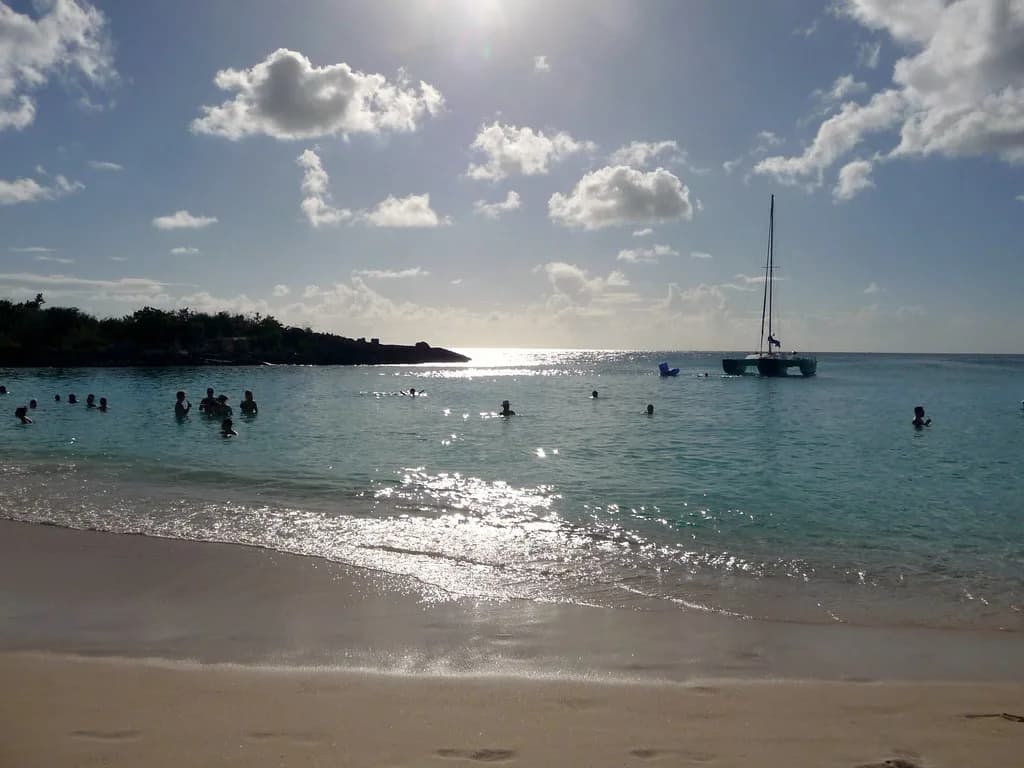
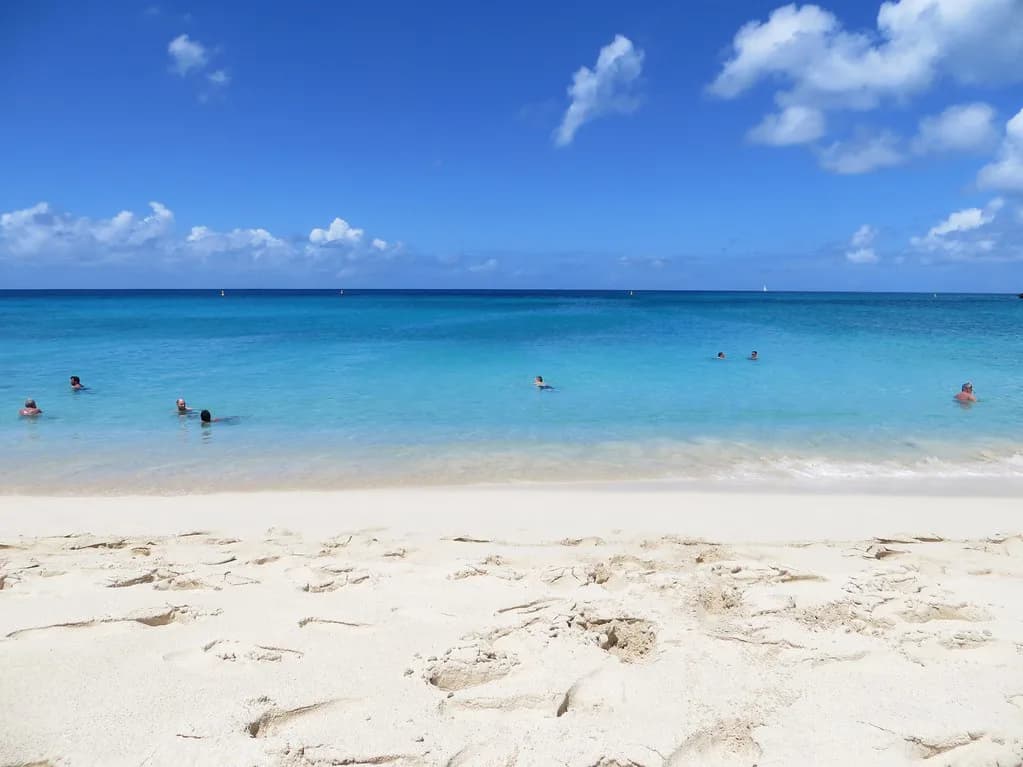
Little Bay earns its place on a St. Maarten snorkel itinerary because of what surrounds it: the peninsula holding Fort Amsterdam blocks open-sea swells, so the water inside the bay stays calm and clear over a gently shelving sandy bottom. That makes it a rare combination on this island, an easy walk-in beach where beginners and kids can stand and settle before swimming out, with a reef line close enough to reach without a boat.
It also sits about ten minutes on foot from Philipsburg via a coastal path, which suits cruise passengers and anyone based in town who wants a swim without a taxi ride. The trade-off is that the bay is busy with water-sports traffic and the snorkeling is concentrated along one rock wall rather than spread across a wide reef. Go for convenience, calm water and an easy entry; treat the reef as a short, focused swim. For the island-wide picture, see this guide to snorkeling in St. Maarten.
Where Little Bay is and how to get there
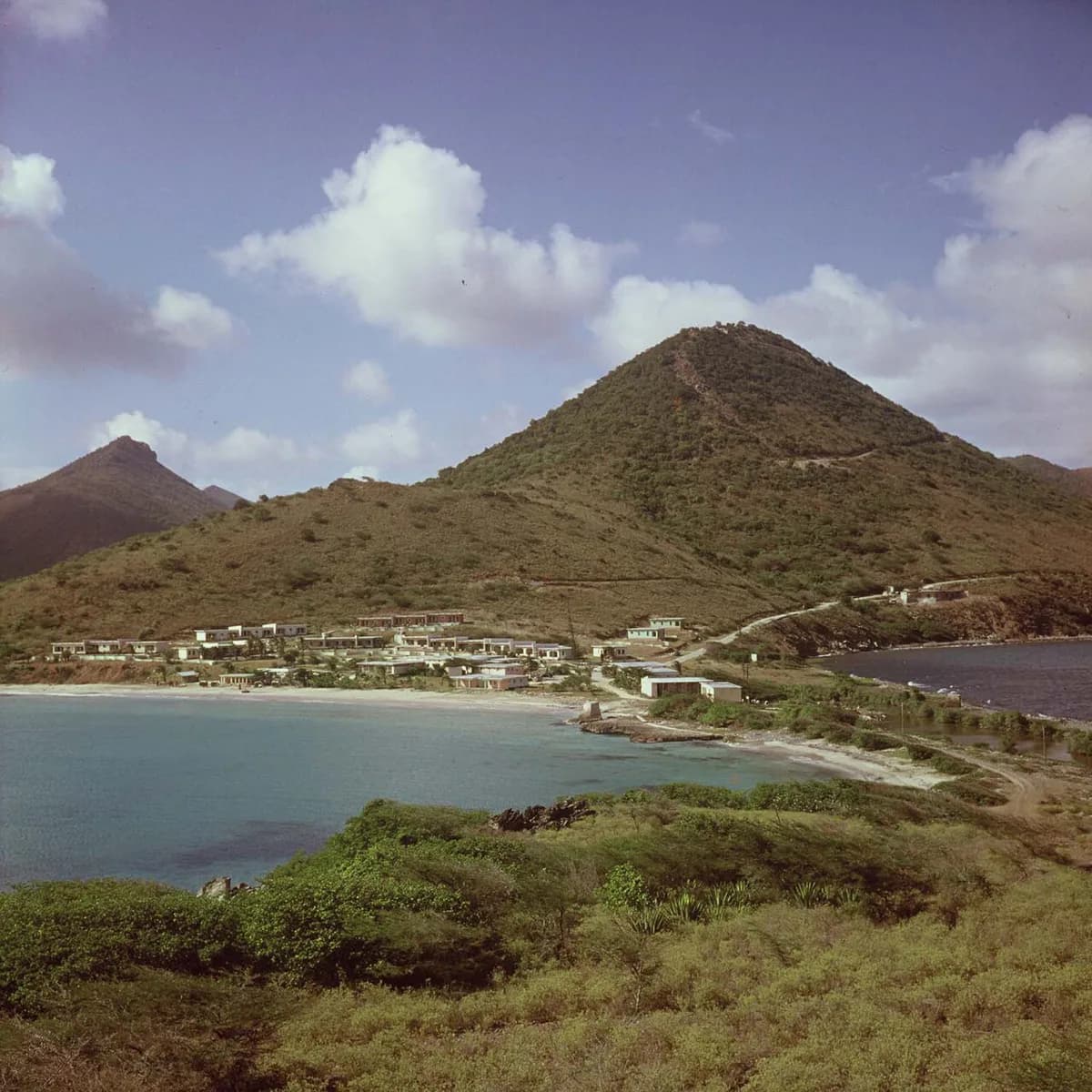
Little Bay Beach sits on the southwestern coast of the Dutch side of Sint Maarten, in the Little Bay area just outside Philipsburg, between the Fort William and Fort Amsterdam landmarks. The white-sand shore is open to the public even though the Divi Little Bay Beach Resort and Belair Beach Hotel front onto the bay; hotel guests and day visitors share the same sand, and resort frontage does not restrict public access.
From Philipsburg the beach is roughly a ten-minute walk along a coastal path, which makes it realistic to combine with a town day or a cruise call. Minibuses running from Philipsburg toward Cole Bay and Simpson Bay pass near Little Bay several times a day if you are coming from further afield. Taxis serve the Little Bay zone, and published taxi rates for that zone let you price the ride before you get in.
If you are driving, approach from the Philipsburg side and park near the beach access rather than counting on resort lots. Bring water, a rash guard and your own mask and snorkel, because the bay's water-sports operators focus on jet skis, paddleboards and sailing. If you want a guided in-water session, booking a boat or guide in advance is the safer plan than hoping to join one on the sand.
Getting in: sandy beach entry and where the reef starts
Entry is from sand, which is the main reason Little Bay works for nervous swimmers and children. The bottom shelves gently, so you can wade in and put your mask on in waist-deep water instead of committing from rocks. Walk in facing the open bay, clear of swimmers and the water-sports lane, and only drop onto the reef once you have your fins and mask settled.
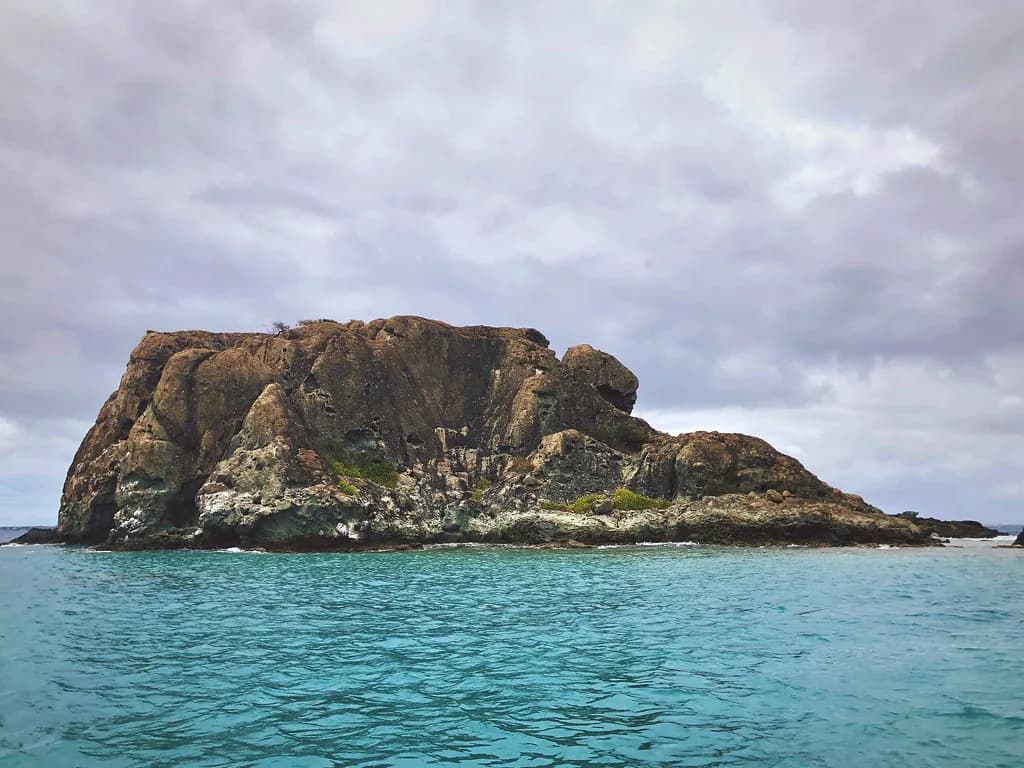
The snorkel target is the rock wall on the left side of Divi Little Bay, where you work along the structure and look into the crevices rather than striking straight out. Enter from the beach and angle toward the rocks, then follow the wall at a comfortable distance; the structure is what concentrates fish and coral, so the edge of the rocks is where your time is best spent.
Plan the swim as two halves: an easy swim out along the wall, then a return leg that keeps the beach in sight. Because the reef sits off the sand rather than at the waterline, budget real swimming time to reach it rather than expecting fish at knee depth. Snorkel with a buddy, and if the bay is choppy or crowded with craft, keep the session short and close.
The rock-wall snorkel line and how to work it
Treat the rock wall as a line to follow rather than a site to circle. Start at the inshore end, swim along one face with the rocks on your left or right, and turn back the same way; this keeps you oriented, keeps you out of the middle of the bay where boats and jet skis move, and puts you back at your entry point without a long diagonal swim.
Slow down along the structure. The interesting detail is in the crevices and shaded ledges, so pause, hold still and look into gaps instead of finning past. Keep fins off the rock surface, never stand on or push off coral, and leave enough distance that your body and gear do not brush the wall when a swell rolls through.
If the wall is busy, space your entry a few minutes after other snorkelers rather than crowding the same stretch. The line is finite, and a gap gives you cleaner water and a better view into the crevices. Finish with a shallow cool-down over the sand inside the bay, where you can stand and clear your gear before walking out.
What you will see
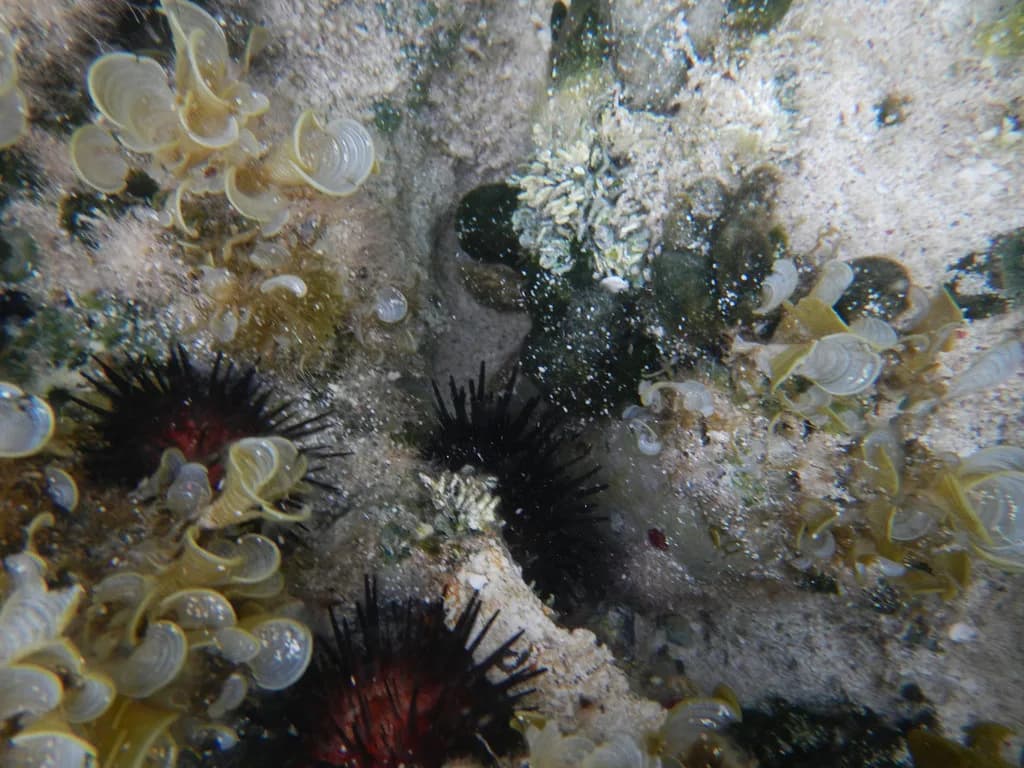
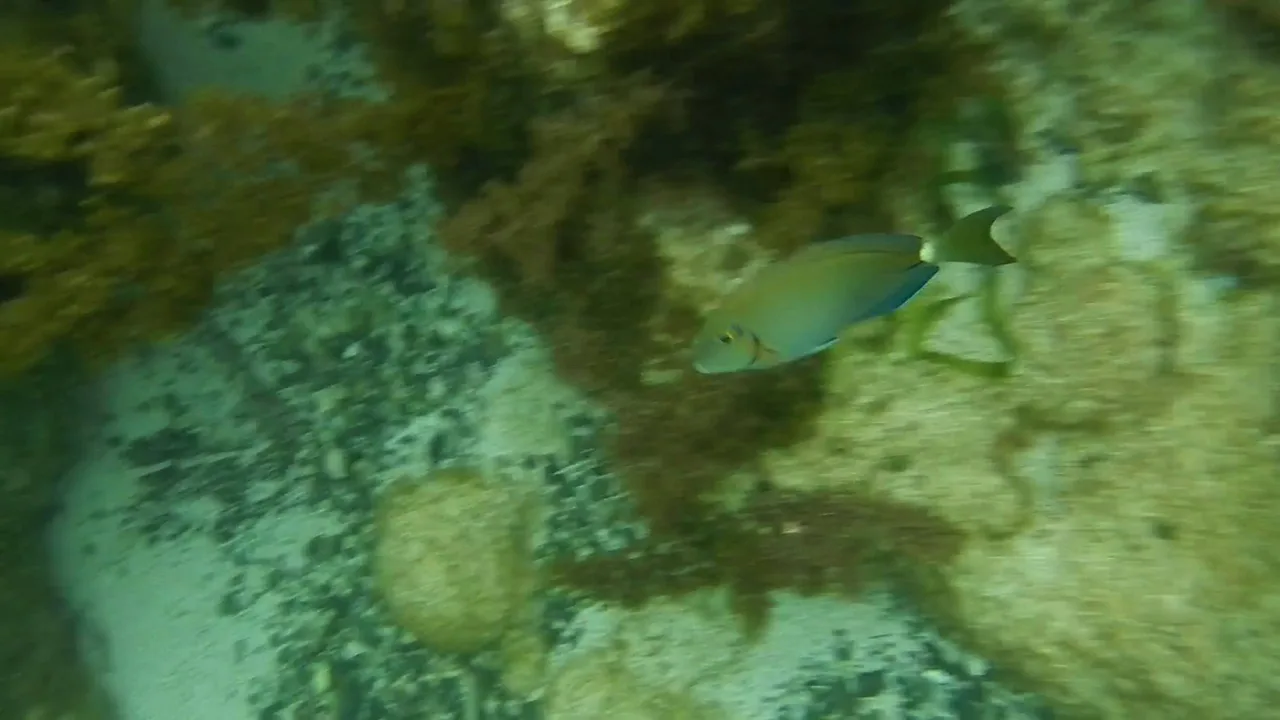
Expect a rock-and-coral community rather than a sprawling reef: reef fish working the structure, small creatures tucked into crevices, and coral and sponges on the shaded faces of the wall. Look into gaps and under overhangs, where shy species sit out of the current, and scan the sandy patches between rocks for rays and flounder-shaped outlines.
Wildlife is never guaranteed, and the bay's calm, sandy floor suits different species than a high-energy reef crest does. Keep your hands to yourself, never feed fish, and give any turtle or ray room to move away on its own; touching or chasing animals ends the encounter and stresses them. Carry a reef-safe sunscreen and apply it well before you get in.
Depth, distance and who it suits
The beach entry and shelving sand make Little Bay a good fit for beginners, families with children and anyone who prefers to stand up and reset. Strong swimmers get a short, structured wall swim rather than a long reef tour, so pair Little Bay with a boat-based site if you want distance and variety. Weak swimmers should stay inside the bay over sand and skip the wall.
Children need a parent in the water within arm's reach, and the calm water should not be read as a guarantee on a given day. Watch how the bay is behaving before you commit, and keep the group tight along the wall rather than spread out. A short session with a clear plan beats a long one that drifts toward the boat lane.
Best time of day, season and shelter
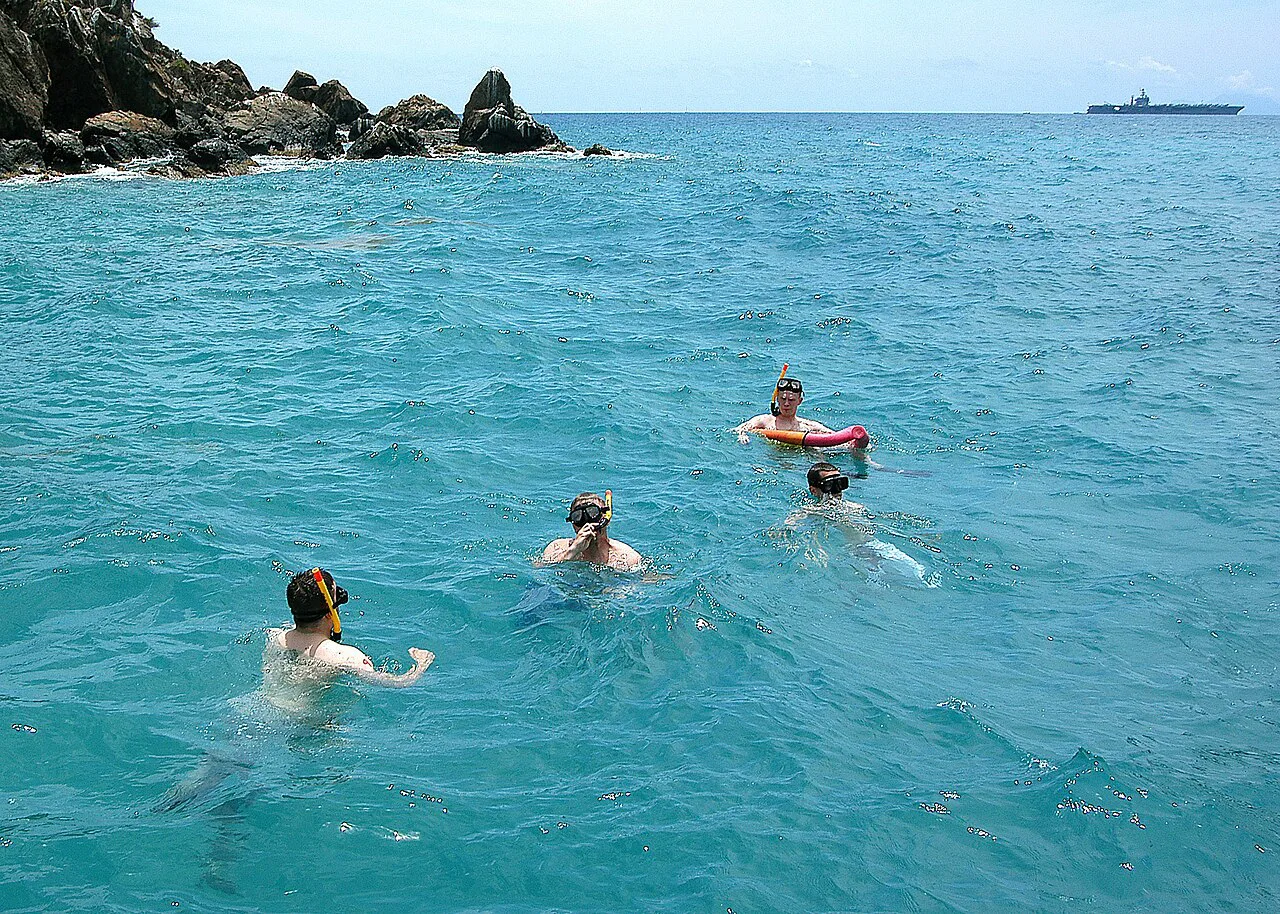
The Fort Amsterdam peninsula shelters Little Bay from open-sea swells, which is why the water here is typically calmer than exposed stretches of the island. Morning is the better window: lighter water-sports traffic, softer light on the wall and a fresher feel before the heat builds. Afternoons bring jet skis, paddleboards and sailing craft into the same water, and the bay's operator scene runs jet skiing, snorkeling and sailing from the sand.
Cruise-ship days change the rhythm of Philipsburg and the beaches around it, so if you want quiet water, go early and be in the sea before the town fills. The bay's shelter helps in most conditions, but weather systems still reach it; the Meteorological Department of Sint Maarten publishes the marine outlook, and a quick look before you gear up is worth the minute.
Hazards: boat traffic, entry rocks and advisories
The real hazard at Little Bay is not surf but traffic. Water-sports operators run jet skiing, paddleboarding and sailing from the bay, so snorkelers and fast craft share the same water. Stay close to the rock wall, keep a visible position, and surface-check often rather than swimming head-down across open water.
The wall itself is hard structure, so avoid contact in surge and do not enter the water over rocks if the bay is choppy. Follow posted beach flags and any advisory from the Sint Maarten authorities, and stay out when the marine forecast calls for rough conditions. No wildlife encounter is worth pressing on through deteriorating water.
Parking, beach access and facilities
The beach is public and comes with a resort backdrop: beachside restaurants and bars, sunbeds and umbrellas, and water-sports services for snorkeling, jet skiing, paddleboarding and sailing operate around the bay. That means you can eat and drink without leaving the sand, and you can rent or join a water activity on site.
The Divi Little Bay side has a beach-day package listed by Aqua Mania Adventures with a from-price per adult, which is worth pricing against a simple morning on the public sand. If you only want a swim and a snorkel, you do not need a day pass; if you want loungers, food and resort facilities bundled, the package is the structured option. Book ahead in high season rather than arriving and hoping.
Rules and reef etiquette
Snorkelers are guests on this reef. Do not touch, stand on or collect coral, do not feed fish, and keep a respectful distance from turtles and rays so they can move off freely. Carry reef-safe sunscreen, apply it before you arrive and reapply on the sand rather than in the water.
The bay is shared with swimmers, resort guests and water-sports clients, so keep clear of marked lanes and mooring areas and give jet skis and paddleboards a wide berth. If a guide or operator gives a briefing, follow their route; they know which side of the wall is being worked that day.

Combining Little Bay with Great Bay and Philipsburg
Little Bay's best trick is its proximity to town. Walk the coastal path into Philipsburg in about ten minutes, and you can pair a morning snorkel with the Courthouse, the Heritage Museum, the Philipsburg murals and lunch in town. Great Bay Beach sits on the other side of the peninsula and gives you a second, different swim and a boardwalk-style afternoon.
Plan the day in that order: snorkel Little Bay early while the bay is quiet, walk into Philipsburg for the middle of the day, and finish at Great Bay Beach or with a drink overlooking the water. If you are on a cruise call, do the snorkel first and leave the shopping for the return leg so you are never rushed against the ship's schedule.
Optional boat and guided snorkel options
The bay's water-sports scene is built around motorized activities such as jet skiing, but snorkeling services are offered from the beach by operators including Aqua Mania Adventures, and a guided session is a sensible way to learn the rock-wall line on a first visit. Ask what is included, whether a guide is in the water with you, and how the group size is capped before you commit. Prices and departure times change, so get them directly from Aqua Mania Adventures when you book.
A boat trip opens up reef that the shoreline cannot reach. If your goal is variety rather than convenience, split the trip: a shore snorkel at Little Bay for an easy warm-up and a boat or guided trip for the bigger reef day. That combination gives you both the calm, walk-in experience and the richer underwater terrain farther out.
Nearby spots to add to a St. Maarten snorkel day
Once Little Bay is done, the island's other shore and boat sites are within reach for a second day. Mullet Bay snorkeling is the classic beach-and-reef combination on the Dutch side, while a swim at Creole Rock off the French side rewards a boat ride with clear water and structure. Pinel Island snorkeling suits a lazy, shallow day with lunch on the sand, and Maho Beach is a spectacle stop rather than a reef one. If you are island-hopping, snorkeling in St. Thomas makes a natural next comparison for shore entries and boat reefs.
Build the itinerary by coast so you are not crossing the island repeatedly. Keep Little Bay and Philipsburg together, put Mullet Bay and Maho on another loop, and save Pinel Island and Creole Rock for a French-side day. That structure leaves room for weather changes without wrecking the whole plan.
Plan Your Little Bay Snorkel Day
Little Bay is the easy, calm, walk-in snorkel on St. Maarten's Dutch side: a public beach with a sandy entry, a short swim to a rock-wall reef line, and Philipsburg ten minutes away on foot. Go early, work the wall slowly, stay out of the water-sports lane, and treat the reef with the care it needs.
If you want the structured version, price the Aqua Mania beach-day package against a simple morning on the sand, and check the marine forecast with the Meteorological Department of Sint Maarten before you commit to a time. Then pair the swim with Great Bay and town for a full day that fits around a cruise schedule or a hotel stay.
Frequently Asked Questions
Is Little Bay Beach good for snorkeling?
Yes, for an easy, focused shore snorkel. The Fort Amsterdam peninsula shelters the bay, giving calm water and a gently shelving sandy bottom, and the snorkel target is the rock wall on the left side of Divi Little Bay. It is not the island's widest reef, so treat it as a convenient, beginner-friendly swim rather than a full reef tour.
Where do you enter the water to snorkel at Little Bay?
Enter from the sand on the public beach and swim toward the rock wall on the left side of Divi Little Bay. The shelving bottom lets you wade in and settle your mask before committing to the swim. Work along the wall rather than striking out across the middle of the bay, where water-sports craft move.
What can you see snorkeling at Divi Little Bay?
The rock wall holds a coral and rock community with reef fish and small creatures tucked into crevices. Look into gaps and shaded ledges rather than finning past, and scan sandy patches for rays. Sightings vary day to day, and no encounter is guaranteed.
Is Little Bay calm enough for beginner snorkelers and kids?
The bay is sheltered from open-sea swells by the Fort Amsterdam peninsula, which keeps the water typically calm, and the sandy entry makes it friendly for beginners and children. Children should still be within arm's reach of an adult. Skip the wall and stay over sand inside the bay if you are not a confident swimmer.
How far is Little Bay from the Philipsburg cruise port?
Philipsburg is roughly a ten-minute walk from Little Bay Beach via a coastal path, which makes it practical on a cruise call. Snorkel early, then walk into town afterward so you are not rushing back to the ship. Taxis and minibuses also serve the area.
Can you snorkel at Little Bay without a resort day pass?
The white-sand shore is open to the public even though resorts front onto the bay, so you can swim and snorkel from the beach. A day package with loungers and resort facilities is a separate, structured option that Aqua Mania Adventures lists with a from-price per adult. Decide whether you want facilities or just the water.
When is the best time to snorkel Little Bay?
Morning, before the water-sports traffic builds and the heat peaks. The bay's shelter helps in most conditions, but weather systems still reach it, so check the marine outlook from the Meteorological Department of Sint Maarten before gearing up. Cruise-ship days make early starts even more worthwhile.
What should you watch out for at Little Bay?
Boat and water-sports traffic is the main hazard: jet skis, paddleboards and sailing craft share the water with snorkelers. Stay close to the rock wall, keep visible and surface-check often. Avoid contact with the wall in surge and follow posted flags and advisories.
Sources
Snorkeling notes for your next trip
Optional updates to our snorkeling guides.
You might also like
Continue reading
More guides you'll find useful