Bight Reef Snorkeling, Providenciales: Coral Gardens Guide
Snorkel Bight Reef on Providenciales straight off the beach. Learn where the reef starts, how deep it runs, what swims there, and the park rules.
On this page
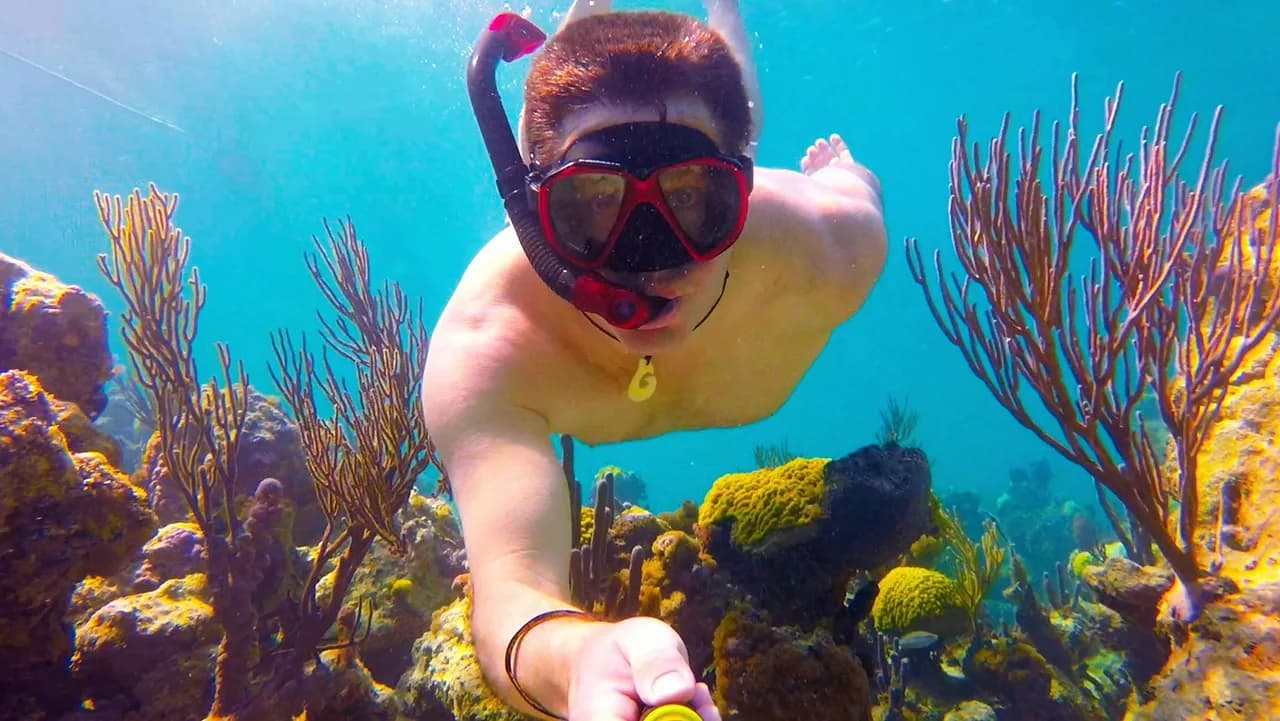
Bight Reef is the easiest place on Providenciales to walk off the sand and be over coral within a minute or two, which is why it draws first-time snorkelers, families and anyone staying along the Bight and western Grace Bay. It is one ridge of coral rather than a sprawling reef system, so the swim is compact and the navigation simple. If you want a straightforward introduction to snorkeling in turks and caicos before committing to a boat day, this is the site to start with.
What Bight Reef is and who it suits
The reef sits on the central north coast of Providenciales at the Bight Beach, a short walk west of Grace Bay Beach and close to Turtle Cove. It is part of Princess Alexandra National Park, and its single coral ridge begins close to the beach and extends about 350 feet out, reaching 15 to 20 feet of water at the far outer edge. That layout suits anyone who wants a shore entry with a clear turn-around point rather than a long, exposed swim.
Beginners and kids comfortable in chest-deep water get the most from the inner section, where the coral starts near the sand and you can stand or turn back easily. Stronger swimmers and photographers should push to the deeper eastern side, where the hard and soft corals are most impressive according to Visit Turks and Caicos. Either way, the swim is linear and easy to follow, so you spend your time looking rather than navigating.
Getting in
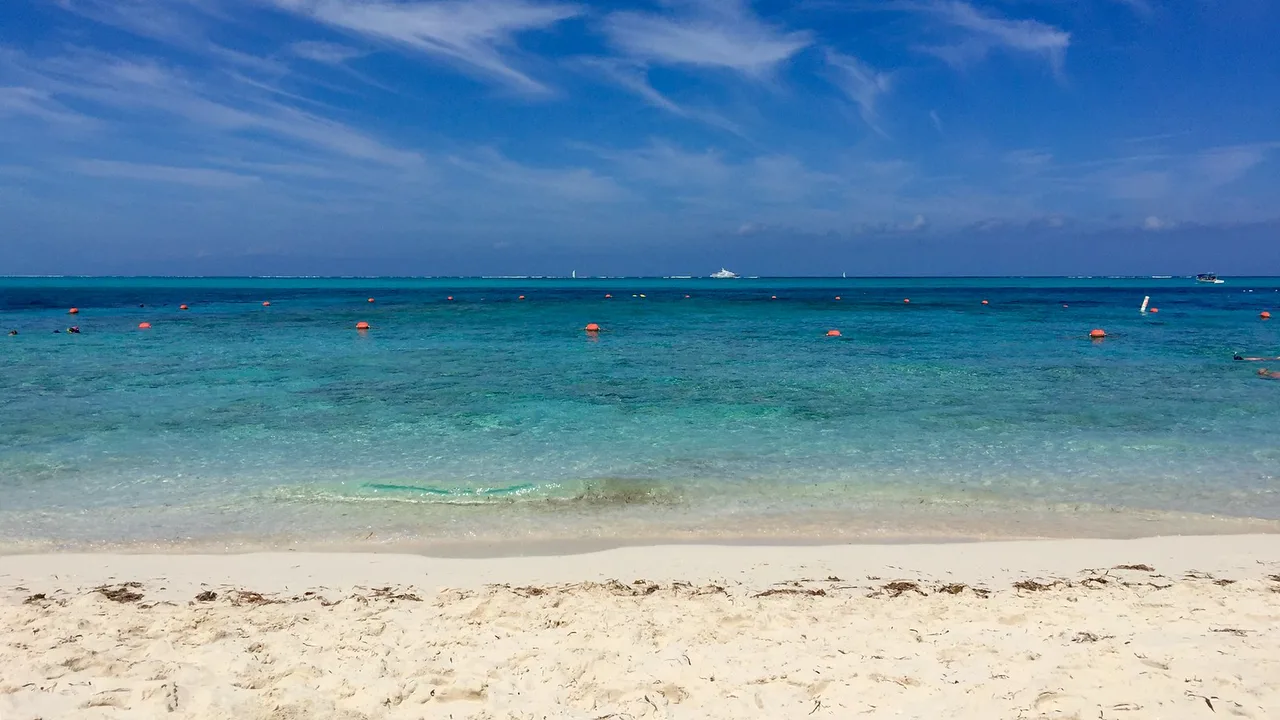
Two adjacent beach accesses serve the reef, both off Lower Bight Road. Penn's Road on the western side leads via a footpath directly to the start of the snorkeling reef, while Stubb's Road on the eastern side is usually a little less crowded. Both have pedestrian paths to the sand, and red marker buoys sit close off the beach so the site is hard to miss once you are on the coast.
If you are staying at Beaches Resort, walk about 0.5 miles west along the beach to reach the reef. From Wymara Resort + Villas or West Bay Club, head east roughly 1,500 feet. The walk along the sand is flat and simple, though carrying fins and a mask is easier than dragging a full gear bag.
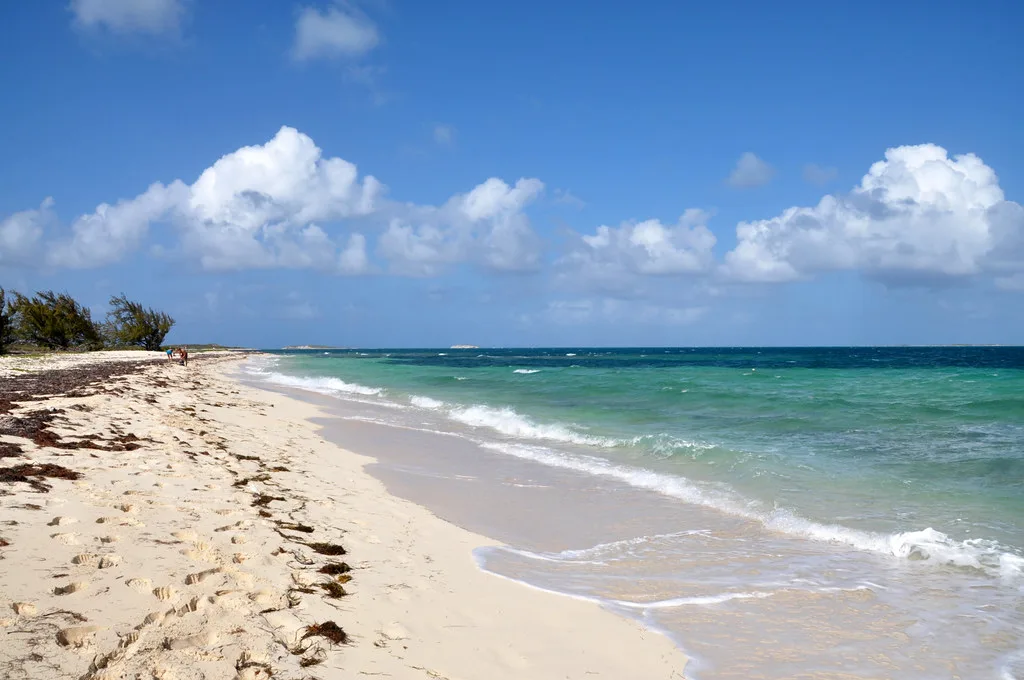
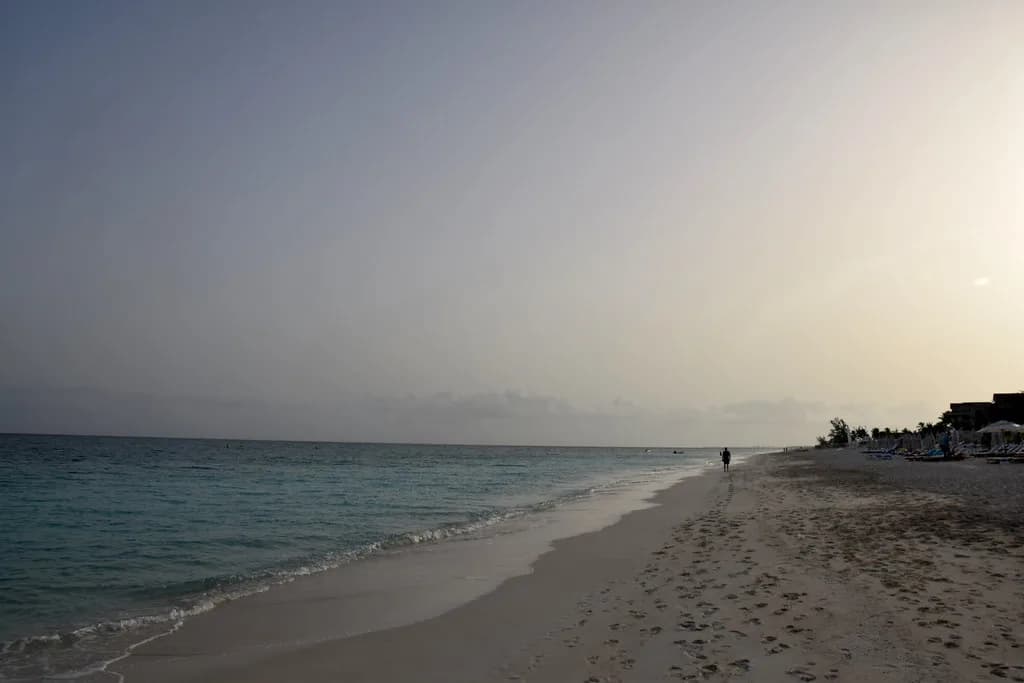
Entry is from the sand: no ladder, no stairs, no boat required. Wade in until you are clear of swimmers, put your mask on in waist-deep water, and fin out toward the ridge. The beach shelves gently, which makes this one of the friendliest shore entries on the island.
Where the reef runs and how deep
The ridge extends about 350 feet from the beach and tops out in 15 to 20 feet of water at its outer reaches. The best coral sits on the deeper eastern side of the system, so once you are comfortable, angle east rather than straight out. Because there is only one main ridge, you can cover the whole site in a single session without worrying about getting lost.
Plan your swim as an out-and-back along the ridge rather than a loop. Start at the inner edge, follow the coral seaward, spend your time at the deep end, then turn parallel to shore to come back. That pattern keeps you outside the buoyed conservation zone and away from the boat lanes beyond the swim boundary.
What you will see
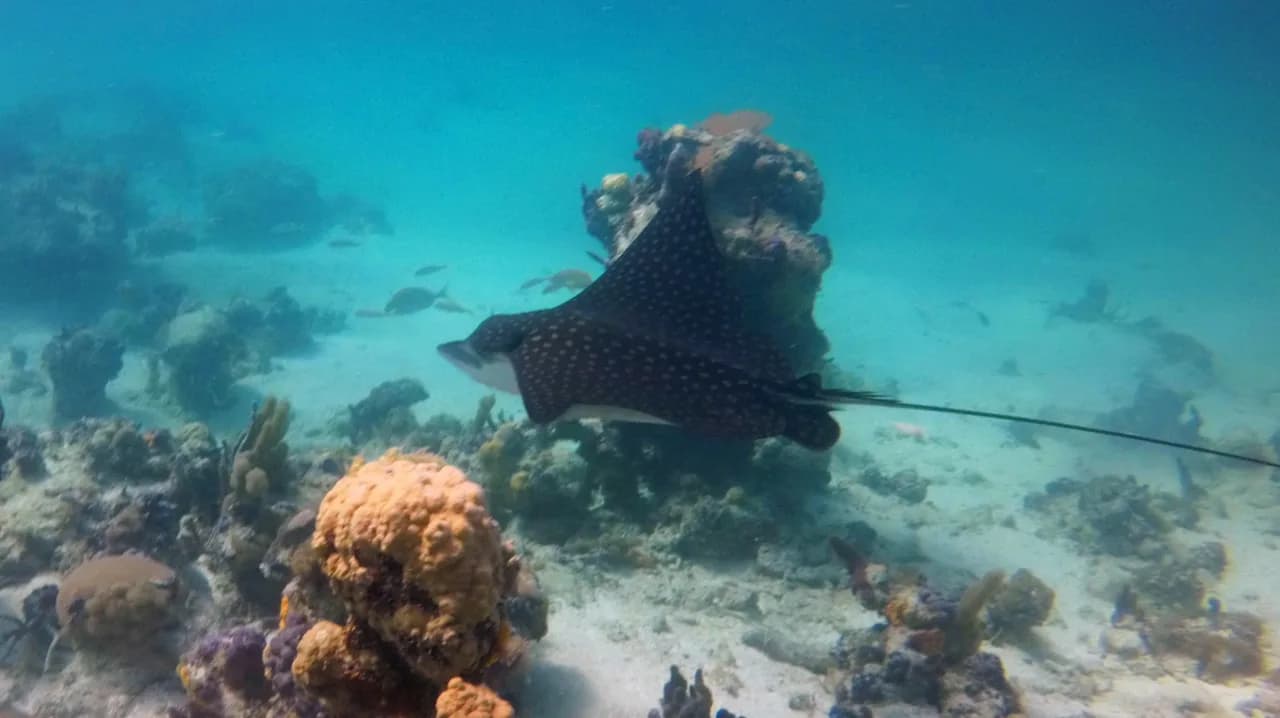
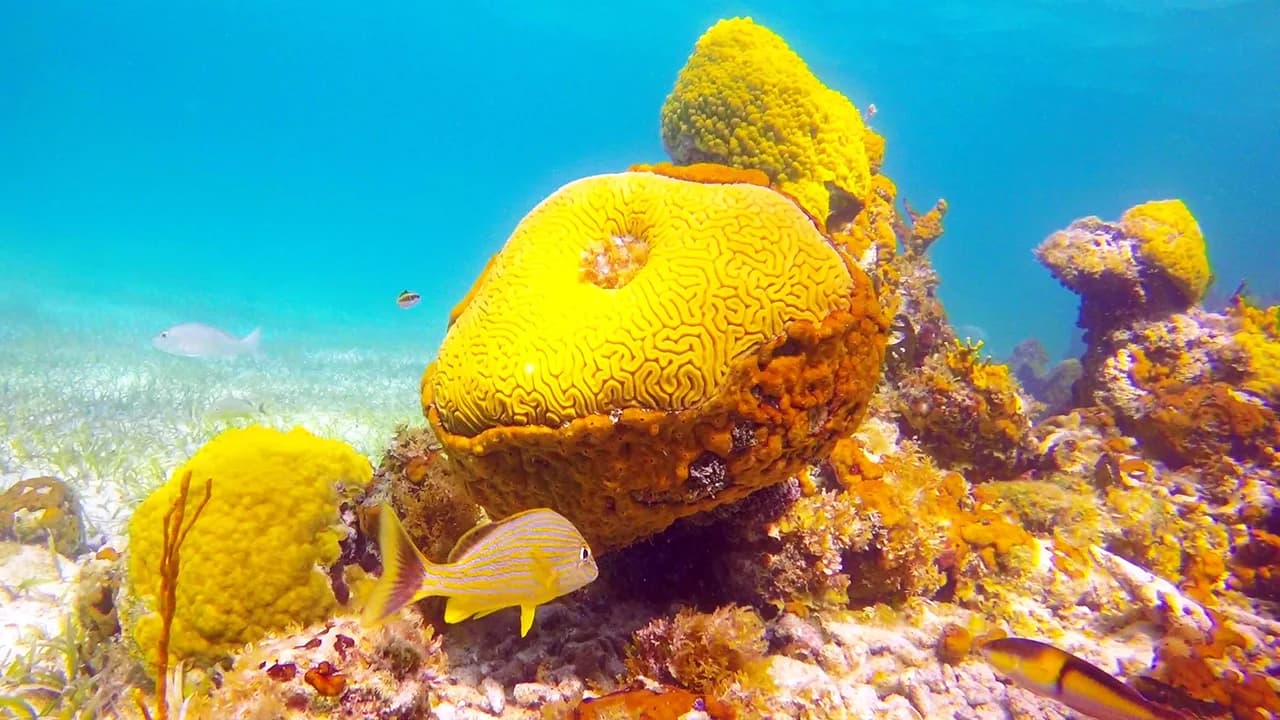
Expect a busy fish list: stoplight and blue parrotfish, Nassau grouper, queen angelfish, butterflyfish, barracuda, porcupinefish, trumpetfish, squirrelfish, yellowtail snapper, queen triggerfish, sergeant majors and yellow goatfish. Under the ledges and in crevices look for Caribbean spiny lobster, banded coral shrimp, spotted moray eels and sea cucumbers. Green turtles and southern stingrays are fairly common, spotted eagle rays appear occasionally, and a nurse shark may be resting on the sand.
The animals here are accustomed to regular snorkelers and tend to be more approachable than at other reefs in the Turks and Caicos, but that is a reason to hold your distance rather than close in. Keep well away from all marine life, never touch or feed anything, and give turtles and rays room to move off on their own. Lionfish are present and carry venomous spines, so look without reaching.
Reef etiquette and the buoyed zone
Red marker buoys surround part of the reef, and the area inside that circle is a conservation zone for fragile corals. Do not swim inside the buoys. Circle outside the markers, view the protected coral from the perimeter, and treat the boundary as the single most important thing to get right on arrival.
Reef etiquette signs stand on the beach at the site. Keep your fins off the bottom, never stand on coral, and stay horizontal when passing over shallow sections. If you need to adjust your mask or catch your breath, move to sand rather than resting on the reef.
Skill level and hazards
Currents and undertows are rarely an issue at Bight Reef, and when water does move it usually runs parallel to shore, so swim toward the beach rather than fighting it and walk back along the sand. Beginners and unsure swimmers should consider a snorkeling vest. The real hazard is boat traffic: small speedboats offering tubing and wake rides travel fast just outside the roped swim zone, and there are no lifeguards in this area.
Watch for boats at all times, especially near sunset when light is low and drivers see swimmers later. Stay inside the swim boundary and surface-check before you drift seaward. Swarms of thimble jellyfish can appear in the Bight Beach and Grace Bay area at times, and if you see them the sensible move is to leave the water.
Best time to go
Visit Turks and Caicos rates snorkeling as generally great when wind is below 12 mph, and incoming or high tide typically brings better clarity. Midday and full sun light up the underwater scene, while interesting creatures such as lobsters and mollusks emerge more often in the morning and evening. For most visitors, a late-morning high tide with light wind is the best compromise between visibility and color.
The site faces the open water of the north coast, so wind direction matters more than any calendar date. If a strong onshore wind is forecast, pick a calmer day or shift to a sheltered shore entry. Wind and weather also affect visibility, and clear water improves the experience more than any other single factor.
Parking and access
Free parking can be found along Penn's Road and Stubb's Road. Look for the signs for Coral Gardens Resort and the Windsong, which are easier to spot than the unobtrusive national park beach access signs. There are two lanes leading to the reef off Lower Bight Road, the route between Grace Bay and Turtle Cove.
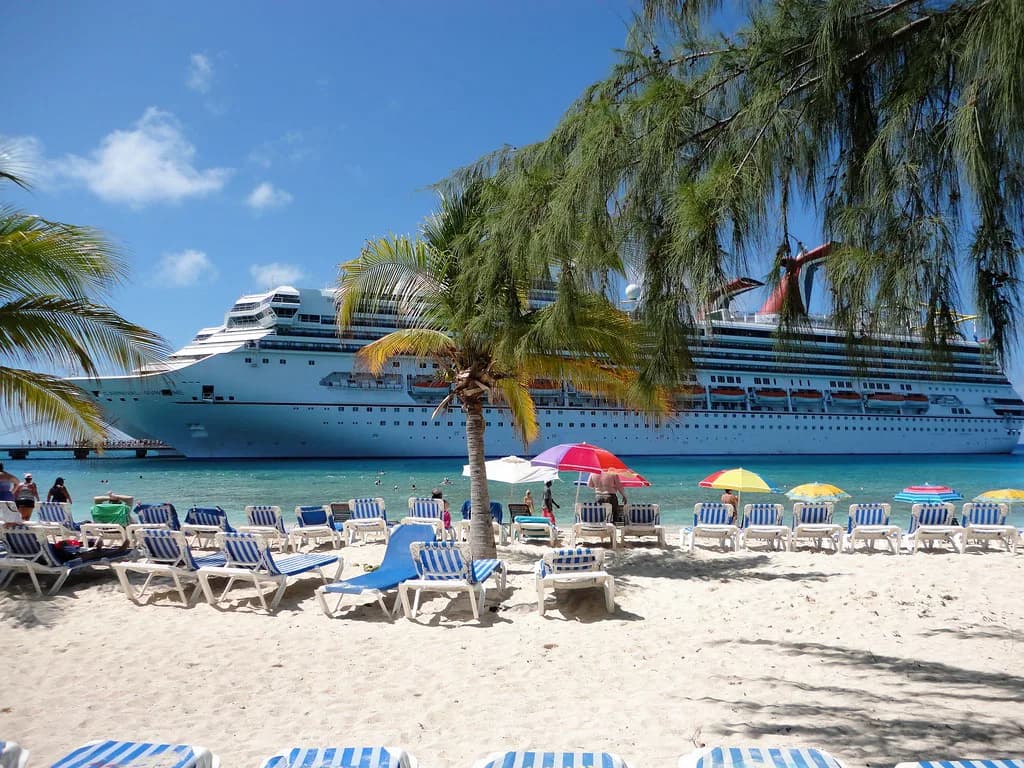
Beach vendors at the Bight typically rent loungers, umbrellas, snorkel gear and other water sports equipment. Two casual restaurants, JoJo's Café and Somewhere Café, sit in the dune behind the beach, which makes it easy to pair a snorkel with lunch. Rental prices and hours are set by the vendors on the sand, so ask on arrival.
Rules in Princess Alexandra National Park
Fishing and collecting conch or lobster are illegal in the national park, and removing shells, corals, plants, animals or sand without government permission is also illegal. Violators face large fines. Keep dogs leashed, take your trash with you, avoid loud music, and leave open fires off the beach. Use zinc oxide or titanium dioxide sunscreen or wear sun-protective clothing.
The no-touch rule applies to everything: coral, fish, turtles and rays. Certain fish and animals are venomous, and touching them can cause serious injury. Photograph from a respectful distance and let the animals choose how close to come.
Bight Reef vs Smith's Reef
Bight Reef is one main coral ridge, while Smith's Reef is a more extensive system with more vibrant coral. If you are new to snorkeling, want a short entry and a simple out-and-back swim, Bight Reef is the better fit. If you want more water to explore and are comfortable navigating a larger reef, cross to the other side of Turtle Cove for Smith's Reef. If you are weighing this same easy-shore-entry decision against other Caribbean islands, our guide to snorkeling in Belize covers comparable reef-and-caye options.
The two spots sit close enough to combine in one trip, with a beach walk or short drive between them. Do Bight Reef first for an easy warm-up, then spend a second session at Smith's Reef for variety. A third option is a boat day to the outer reefs, which typically reach livelier coral than either shore site.
Combining nearby spots
Grace Bay Beach stretches east of the Bight and offers calmer water for a second swim or a beach afternoon. For a change of scene, head west to Turtle Cove and Smith's Reef, or book a boat trip for deeper walls and larger marine life. The compact geography means you can snorkel two shore sites and still have time for lunch at one of the dune cafés.
Plan Your Bight Reef Snorkel
Pick a day with light wind, aim for an incoming or high tide, and arrive before midday to claim parking on Penn's Road or Stubb's Road. Enter from the sand at Penn's Road for the shortest path to the reef, circle outside the red buoys, and stay inside the swim boundary. A snorkeling vest helps beginners, and a rash guard plus reef-safe sunscreen handles the sun.
For a full picture of island options, see the wider guide to snorkeling in turks and caicos, which covers boat trips, other shore entries and seasonal considerations. Bight Reef works best as your first swim of the trip, with Smith's Reef and a boat day filling out the rest.
Frequently Asked Questions
Is Bight Reef good for beginner snorkelers?
Yes. The reef starts close to the beach in shallow water, the swim is a simple out-and-back along one ridge, and currents are rarely an issue. Beginners should stay inside the roped swim zone, consider a snorkeling vest, and avoid the boat lanes outside the boundary.
How far out does Bight Reef go and how deep is it?
The single coral ridge extends about 350 feet from the beach and reaches 15 to 20 feet of water at its outer edge. The deeper eastern side holds the most impressive coral, while the inner section is shallow and easy to view.
Can you snorkel Bight Reef from the beach without a boat?
Yes. Entry is directly from the sand at Penn's Road or Stubb's Road, with no boat, ladder or stairs required. The beach shelves gently, making it one of the easiest shore entries on Providenciales.
Where do you park for Bight Reef?
Free parking is available along Penn's Road and Stubb's Road, the two lanes leading to the beach off Lower Bight Road. Watch for the signs for Coral Gardens Resort and the Windsong, which are easier to spot than the national park access signs.
What fish and animals will I see at Bight Reef?
Parrotfish, Nassau grouper, queen angelfish, trumpetfish, squirrelfish, barracuda, snapper and queen triggerfish are common. Green turtles and southern stingrays are fairly likely, spotted eagle rays appear occasionally, and nurse sharks may rest on the sand. Sightings are never guaranteed.
Is Bight Reef the same as Coral Gardens?
Yes. Bight Reef is also known as Coral Gardens, and the two names refer to the same shore snorkel site on the Bight Beach in Providenciales.
When is the best time of day to snorkel Bight Reef?
Aim for wind below about 12 mph and an incoming or high tide for the clearest water. Midday sun brings out color, while morning and evening are better for shy creatures such as lobsters. Late morning often balances both.
Are there lifeguards at Bight Reef?
There are no lifeguards in this area, so swim at your own risk and know your limits. Stay inside the roped swim zone and keep watch for boats, especially near sunset.
Sources
Snorkeling notes for your next trip
Optional updates to our snorkeling guides.
You might also like
Continue reading
More guides you'll find useful