Turks and Caicos Snorkeling Tours: Which Trip to Book
Compare Turks and Caicos snorkeling tours by departure area, reef destination, trip length and inclusions, so you book the right boat for your group.
On this page
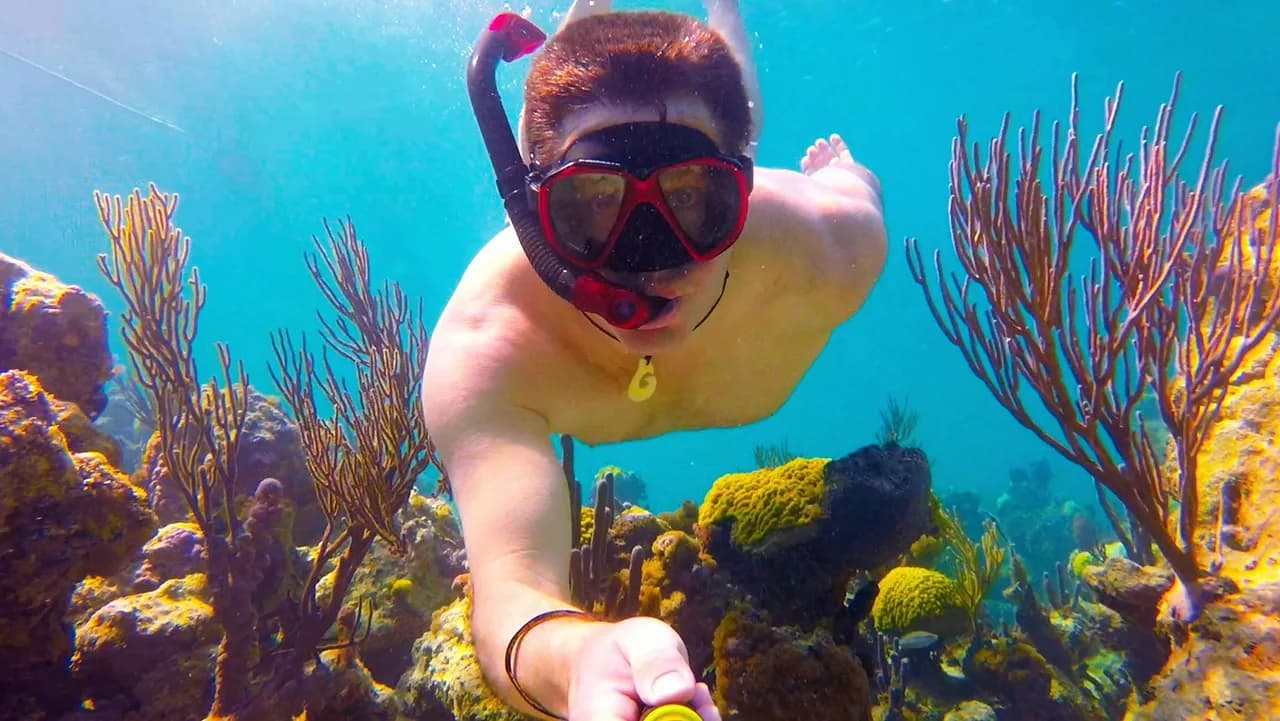
A snorkel boat is the only practical way to reach the best reef terrain around Providenciales, and the choice of route matters more than the logo on the hull. Trips range from three-hour outings on the northern barrier reef to full-day runs toward West Caicos and the Caicos Banks, and each gives you different coral, depth and marine life.
This guide sorts the options by where boats leave from, where they go, how long they run and what comes with the fare, so you can match a trip to your group. If you want the broader picture of shore and boat snorkeling first, start with the snorkeling in turks and caicos overview.
Why a Boat Trip Beats Shore Snorkeling on Providenciales
Shore entries at Smith's Reef and The Bight Reef are easy, but they sit in shallow, accessible water close to the beach. A well-run boat trip reaches better visibility, more dramatic coral formations and a real chance at larger animals such as eagle rays, reef sharks and dolphins.
The trade-off is cost and scheduling: you pay for the boat, you go where the captain chooses and you share the water with the group. If your goal is colorful reef fish, small creatures, the occasional stingray and green turtles in seagrass, a shore swim covers it for far less.
Cruise quality varies widely with the site, the sea state and the captain, and some boats only stop at reefs you could reach from the beach. That is the strongest argument for booking with a dive company or a dedicated snorkel operator rather than a general sightseeing cruise with a snorkel stop bolted on.
Where Tours Leave From: Grace Bay, The Bight and Turtle Cove
Most public snorkel cruises on Providenciales operate out of Grace Bay, The Bight and Turtle Cove, the three resort areas on the island's north shore. Travel time from these departures to the northern barrier reef is typically 10 to 30 minutes, which keeps a three-hour trip mostly in the water rather than under way.
Staying in one of these areas shortens your transfer and usually means an easy morning pick-up or a short walk to the boat. If you are based further east or on the south side, budget extra road time and confirm the meeting point with your operator before you commit to an early departure.
Where the Boats Go: The Barrier Reef North and Northeast of Provo
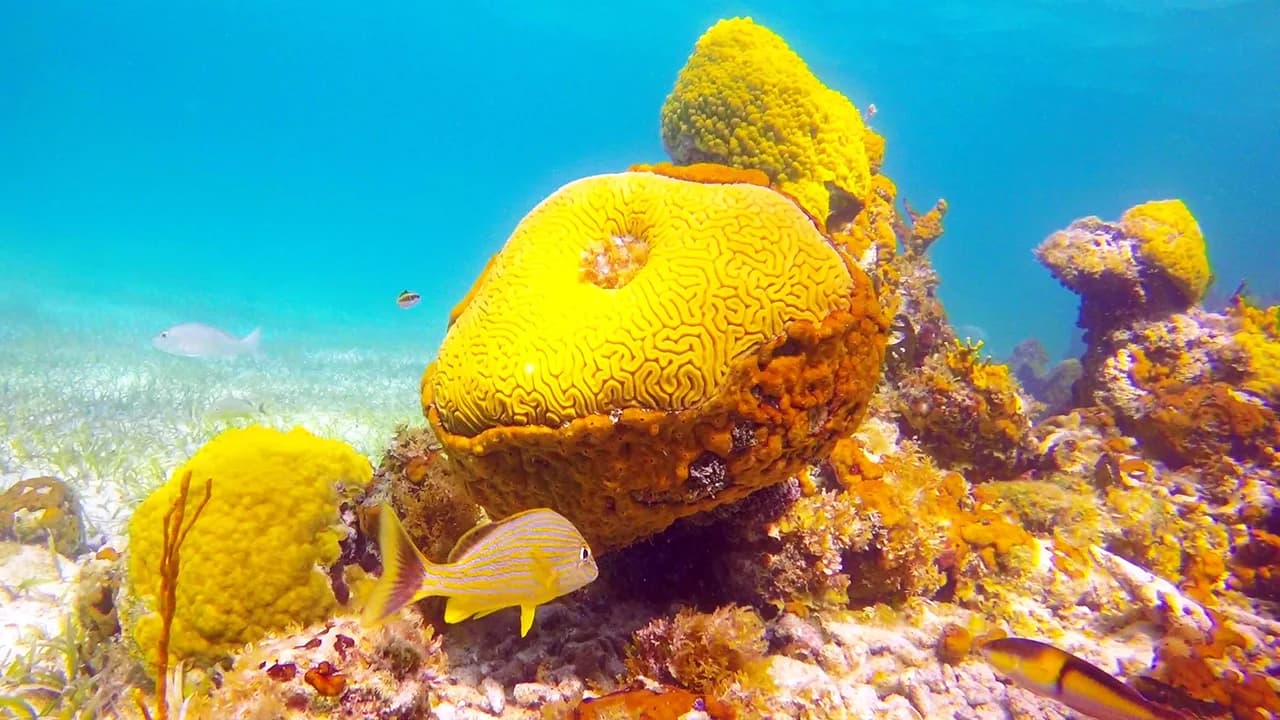
The default route from the north-shore marinas is the Caicos Barrier Reef and its shallow coral heads north and northeast of Providenciales. Shallow sections often hold sea fans in yellow and purple, with schools of blue tang, wrasse, black durgon and yellow goatfish, so even a short trip gives you dense fish life.
Some boats work sites such as Stubb's Cut on the barrier reef, where the reef structure and current patterns differ from the calm inner reefs. Ask your captain which sites the boat plans to visit that day, because a barrier-reef stop and a sheltered inner-reef stop are very different swims.
The Southern Routes: West Caicos, the Marine Park and French Cay
Longer southern runs reach West Caicos and the West Caicos Marine National Park, where the marine cliff drops from about 50 feet into deep water and visibility is exceptional. This is wall and drop-off terrain, and the southwest coast is also where you find the Yankee Town ruins and cliff scenery above the waterline.
French Cay sits alone on the Caicos Banks as a designated wildlife sanctuary, with birdlife above and queen conch, shells, stingrays and nurse sharks in the surrounding shallows. These southern destinations reward snorkelers who want more than a reef-fish stop, and trips there are usually the highlight of a dive-company schedule.
Because these sites are far offshore, they are typically reached on full-day or private charters rather than short shared cruises. That distance is the reason the southern routes cost more and demand a calmer forecast.
Trip Lengths: Three-Hour, Half-Day and Full-Day Cruises Compared
Public trips generally fall into three-hour, half-day and full-day formats. Three-hour and half-day cruises usually include drinks and snacks, while full-day tours step up to a larger lunch.
For a first-timer or a family with young children, a three-hour or half-day trip around the northern reef is usually enough water time without exhausting anyone. Serious snorkelers and photographers get more value from a full day, which allows two or three sites and a southern destination that shorter trips cannot reach.
What Is Usually Included: Gear, Drinks, Snacks and Lunch
Snorkel gear is almost always provided at no extra charge, but the quality on multi-stop sightseeing cruises can be basic. If you own a well-fitting mask and fins, bring them and use the boat's gear as backup.
Drinks and snacks come standard on three-hour and half-day trips, and full-day cruises generally include a proper lunch. Ask the crew whether reef-safe sunscreen is required and pack it yourself, since sun exposure on the water is far stronger than on the beach.
Shared Cruises vs Private Charters: Cost and Trade-Offs
Public snorkeling cruises in Turks and Caicos start at around $140 for a half-day trip including tax, with some companies charging as little as half price for children, usually under 12, and no charge for infants under 2. A four-hour private charter commonly runs between $1,000 and $1,500.
A private charter buys you a custom itinerary, quieter sites and the freedom to stay at a reef as long as you like. For a larger family or group, the per-person rate on a private boat can come out comparable to shared tickets, so run the math before assuming private is out of reach.
Shared cruises are the cheaper route for couples and solo travelers, and the fixed schedule takes the planning out of your day. The trade-off is that you go where the group goes, on the captain's timetable.
Snorkeling Cruises Run by Dive Companies and What Changes
Dive companies tend to run the best dedicated snorkel trips, partly because their captains know the reef systems and partly because their itineraries are built around time in the water. Excursions south to West Caicos and the Caicos Banks generally offer the most to see, and those are most often dive-operator routes.
Big Blue Collective, a long-established eco-adventure operator on the island, runs half-day snorkel tours and a longer Edge of the Banks safari among its excursions. Compare the in-water time and the site list against general boat tours.
If conditions are windy, waiting for the weather to settle is often smarter than booking a marginal day, especially on a short stay. A calm morning on the inner reef beats a rough crossing to a distant site.
Winter Humpback Whale Trips and Why They Need a Private Boat
In winter, migrating humpback whales pass through Turks and Caicos waters, and snorkeling alongside them is possible on a private boat. The whale grounds lie further out and sightings are unpredictable, so shared cruises do not run this as a scheduled product.
Book this as a dedicated private charter with a captain who runs whale trips, and treat any encounter as a possibility rather than a guarantee. Follow the captain's instructions on distance and approach so the animals are not pressured.
Operators to Compare: Big Blue Collective, Sun Charters, Sail Beluga and Others
Beyond Big Blue Collective, several operators on Providenciales are worth pricing for a snorkel-focused day. Sun Charters sails to quiet coral heads where turtles, stingrays and reef sharks turn up, and Sail Beluga runs custom private sailing charters to reefs near Grace Bay and the cays.
Private charter companies such as Moana Charters and Okeanos Charters build custom days across beaches, cays and reefs, which suits groups who want a flexible itinerary. Clear Wave combines a clear-boat excursion with optional snorkeling and a stop to see endemic iguanas in the nature reserve.
Compare operators on in-water time, group size, guide experience and the sites they actually visit, not just the headline rate. Reviews on booking platforms help screen operators, but confirm the itinerary and inclusions directly with the company.
Shore Alternatives: Smith's Reef and The Bight Reef
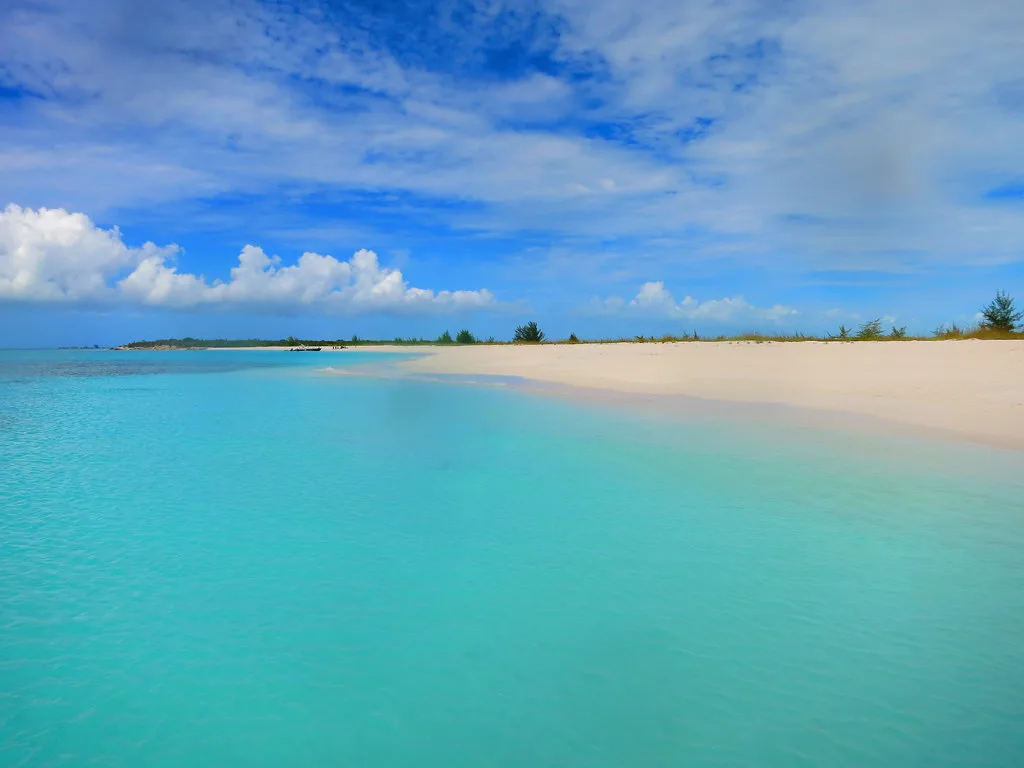
Smith's Reef and The Bight Reef (Coral Gardens) are free to access from the beach, and they deliver colorful reef fish, small sea creatures, stingrays and sea turtles without a boat fare. For families with nervous swimmers or anyone on a tight budget, these two sites cover a lot of ground.
Pair a shore swim at Grace Bay Beach with one boat day to get both experiences. For detail on entry points, reef layout and timing at the north-shore beaches, see the grace bay snorkeling guide.
Who Each Trip Suits: Families, Beginners, Strong Swimmers, Photographers
Families with young children do best on a three-hour or half-day northern-reef cruise with gear provided, short transit and snacks on board. Beginners should favor a sheltered inner-reef site over a wall or drop-off, and tell the captain it is a first snorkel so the guide can stay close.
Strong swimmers and photographers should look at full-day or private southern charters to West Caicos and the Caicos Banks, where visibility and coral formations are the draw. Photographers also benefit from a private boat, since it allows longer bottom time at a single site instead of a fixed rotation.
Large parties often find a private charter cheaper per head than buying individual shared tickets, and it keeps the group together. Couples and solo travelers get better value from shared cruises and can use the savings on a second day of snorkeling.
What You Will See: Reef Fish, Turtles, Rays, Nurse Sharks and Conch
Northern barrier-reef sites bring schools of blue tang, wrasse, black durgon and yellow goatfish over sea fans and hard coral. Southern sites add stingrays, nurse sharks, queen conch and shells around French Cay, while green turtles graze seagrass beds closer to shore.
Treat every sighting as a possibility shaped by season, site and conditions rather than a promised checklist. Keep your distance from turtles and other wildlife, never touch or feed them, and let animals move away on their own terms.
Choosing by Sea Conditions and Time of Year
Wind is the main variable in Turks and Caicos, and a breezy day can turn a northern reef crossing choppy while sheltered inner reefs stay swimmable. If your dates are flexible, hold the southern charter for the calmest day of your stay and keep the short reef trip as your fallback.
Winter brings the chance of humpback whales and slightly stronger trade winds, while summer offers warm, calm water and strong sun. The captain makes the final call on site and departure, so check the forecast the evening before you sail.
Booking and Packing Practicalities
Book popular half-day cruises a few days ahead in peak season, and book private charters earlier since boats and captains are limited. Confirm the meeting point, what gear is provided and whether lunch is included so you are not comparing trips on price alone.
Pack reef-safe sunscreen, a rash guard, a towel and a dry bag, and bring your own mask if you have one that fits well. A light layer helps on the ride back after a long swim, and cash is useful for tips.
Pick Your Boat and Your Reef
Match the trip to your group: a short northern-reef cruise for families and first-timers, a dive-company or private charter to West Caicos and the Caicos Banks for strong swimmers and photographers. Add a shore day at Smith's Reef or The Bight Reef to balance cost and water time. If you are weighing a Caribbean trip built around boat days, it is worth comparing snorkeling in Belize and its reef-and-caye itineraries before you commit.
Compare operators on sites, in-water time and inclusions, then book the boat that fits your group rather than the cheapest listing. For the full picture of reef options around the islands, return to the snorkeling in turks and caicos guide.
Frequently Asked Questions
What is the best snorkeling tour in Turks and Caicos?
There is no single best tour, but dedicated snorkel trips run by dive companies tend to reach the strongest reef sites. For northern barrier-reef fish life, a half-day cruise from Grace Bay, The Bight or Turtle Cove works well; for wall terrain and bank life, look at full-day or private charters toward West Caicos and the Caicos Banks.
Is Turks and Caicos a good place to snorkel?
Yes. Providenciales has accessible shore reefs plus miles of barrier reef, wall and bank terrain reachable by boat. Shore sites suit beginners and families, while boat trips reach better visibility and larger animals.
What is the best beach for snorkeling in Turks and Caicos?
Smith's Reef and The Bight Reef (Coral Gardens) are the main shore snorkeling beaches on Providenciales, both free to access from the sand. They hold reef fish, stingrays and green turtles in shallow water.
How much do Turks and Caicos snorkeling tours cost?
Fares depend on trip length, destination and whether you book shared or private, and operators publish their own rates. Check each company's booking page or ask for a quote for your group size, including child and infant rates, before you compare trips.
Should I snorkel from shore or book a boat in Providenciales?
Shore snorkeling at Smith's Reef and The Bight Reef is free, easy and good for families. A boat trip costs more but reaches the barrier reef, wall and bank sites with better visibility and a chance at eagle rays, sharks and dolphins.
Which snorkeling tour is best for families with kids?
A three-hour or half-day northern-reef cruise with gear provided, short transit and snacks on board suits most families. Tell the captain it is a first snorkel and ask for a sheltered inner-reef site.
Can you snorkel with whales in Turks and Caicos?
Humpback whales pass through in winter, and getting in the water with them requires a private charter because the whale grounds are far offshore and sightings are unpredictable. Treat any encounter as a possibility, not a guarantee.
Sources
Snorkeling notes for your next trip
Optional updates to our snorkeling guides.
You might also like
Continue reading
More guides you'll find useful