Tortola Snorkeling Tours: Which Trip Goes Where
Compare Tortola snorkeling tours by stop: Norman Island's Indians and Caves, Peter Island's Little Harbour, Diamond Reef, Monkey Point and Cistern Point.
On this page
Tortola is a boat-snorkeler's island: the celebrated sites sit on Norman Island, Peter Island, Cooper Island and the cays to the north, scattered across the Sir Francis Drake Channel rather than lined up along a single beach. That layout makes a charter the practical way to sample several reefs in one day, and it means the trip you choose should be picked by its stop list, not its brochure photos. Beginners and families do well on the calm, sandy entries, while confident swimmers get more from the rock formations and cave swims.
Operators running out of Tortola structure their days differently, and the differences matter more than the marketing. A multi-stop itinerary packs four sites around a lunch break, while a half-day trip trims the list and the water time. This guide breaks down what each named site is like to swim, who it suits, and how to match a tour to the skills in your group. For the wider picture of shore and boat options around the island, start with the snorkeling in tortola overview.
Why Tortola Works as a Snorkel Base
The British Virgin Islands chain gives Tortola boats a short run to a wide variety of underwater terrain: fringing reefs off quiet bays, granite rocks rising from deep water, and shallow coral gardens tucked against small cays. That variety is why a single day can move from a beginner-friendly sandy slope in the morning to a cave swim after lunch without a long crossing. The trade-off is that almost none of the headline sites are a walk-in swim from a Tortola beach, so your itinerary is built around a boat.
The main departure point for organized charters is Nanny Cay on Tortola's south coast, a marina base on the channel side of the island. Confirm the meeting point and start time directly with your chosen operator when you book, since schedules vary by season and group. Road Town, the capital and cruise port, is the other natural reference point for guests arriving by ship.
The Main Tour Formats
Two formats dominate. Full-day multi-stop charters string together three or four snorkel sites with a lunch stop in the middle, which suits travelers who want maximum water time and don't mind drying off between swims. Half-day charters cut the number of stops so you spend less time underway, a better fit for families with young children or anyone combining a snorkel trip with a beach afternoon.
Cruise-port excursions form a third option, timed to a ship's call in Tortola; cruise listings describe a roughly three- to three-and-a-half hour outing with snorkeling and sun decks. Shorter windows mean fewer sites and tighter margins, so read the stop list before booking; not every famous site is necessarily included. Ask the excursion company which sites the day will actually visit and how long you get in the water at each.
A representative full day from a Tortola-based operator visits Diamond Reef or Monkey Point first, then Cistern Point or Fallen Jerusalem, breaks for lunch at Cooper Island Beach Club or Pirates Bight on Norman Island, and finishes at Little Harbour on Peter Island plus The Indians or The Caves. That structure is a useful yardstick: if a tour you are considering lists fewer than three named sites, expect proportionally less snorkeling.
Norman Island: The Indians and The Caves
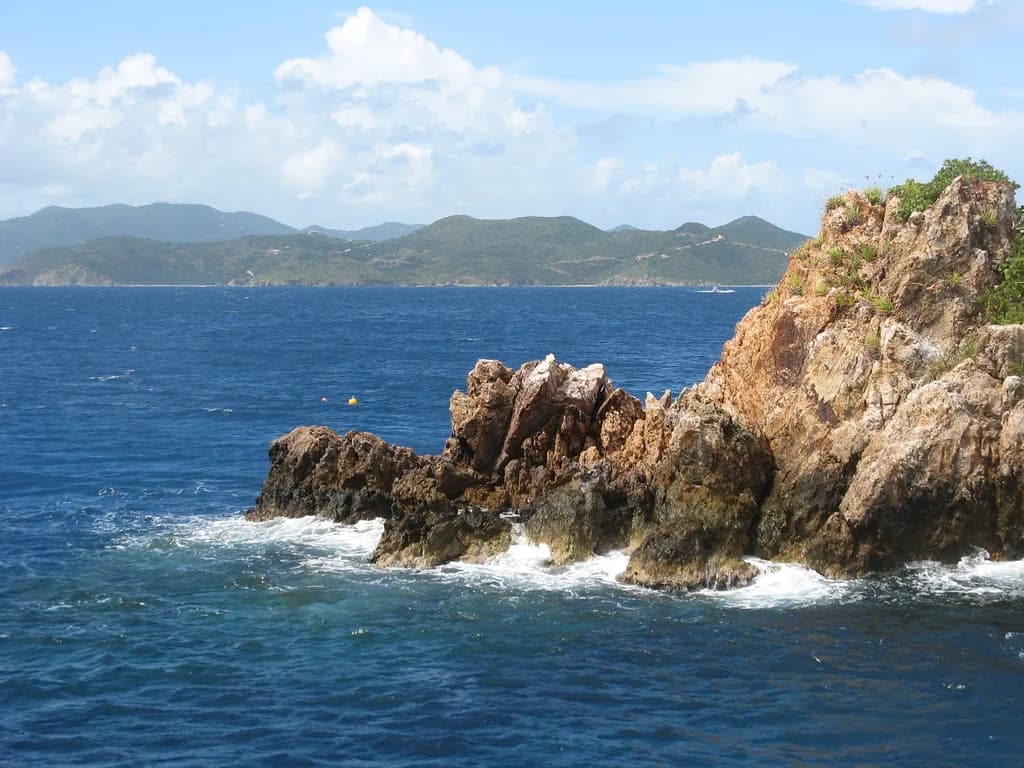
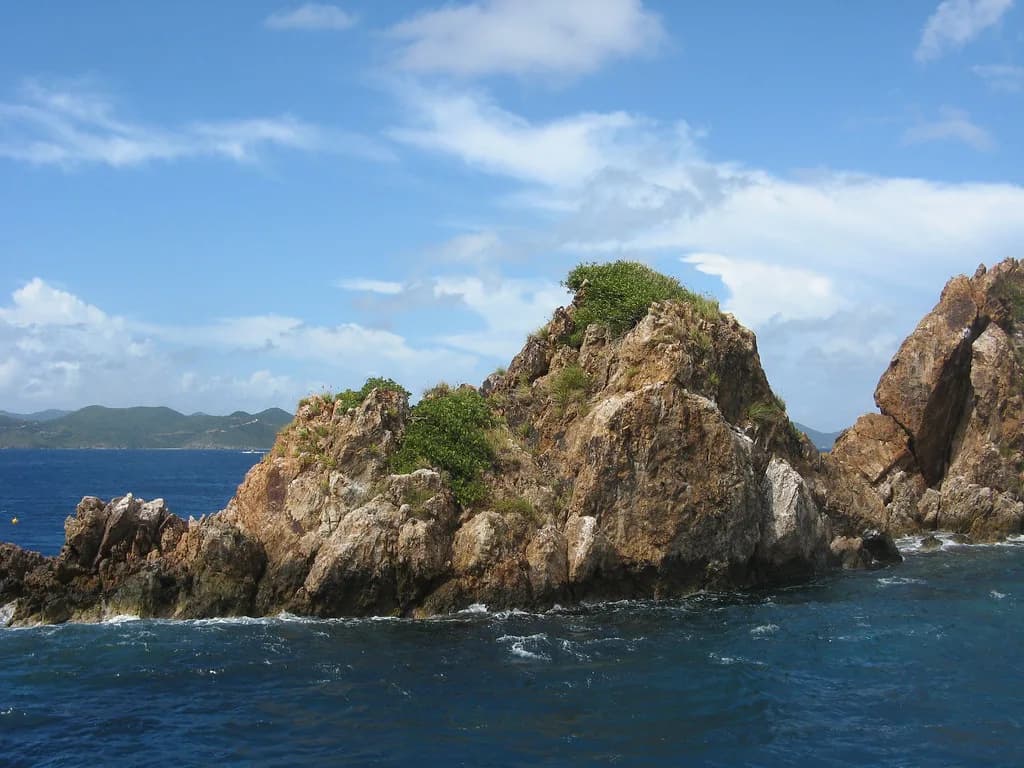
Norman Island supplies the BVI's most distinctive snorkel scenery. The Indians are a cluster of four small rock formations rising straight from the sea, ringed by coral gardens in clear water; you snorkel around the base of the rocks rather than over a flat reef. The setting rewards swimmers who are comfortable in open water with occasional chop, and the coral growth on the rock walls makes it a strong stop for underwater photography. Read more about the site in the Norman Island snorkeling guide.
The Caves on Norman Island offer a different experience: a series of interconnected chambers and tunnels that snorkelers can swim into, with light streaming through cracks in the rock. It feels adventurous and is best for confident swimmers who are relaxed in enclosed water, not for first-timers nervous about overhead rock. Marine life around the caves includes lobsters, crabs and schools of small fish, and the neighboring reefs are where you look for trumpetfish, barracuda and reef sharks.
Peter Island: Little Harbour
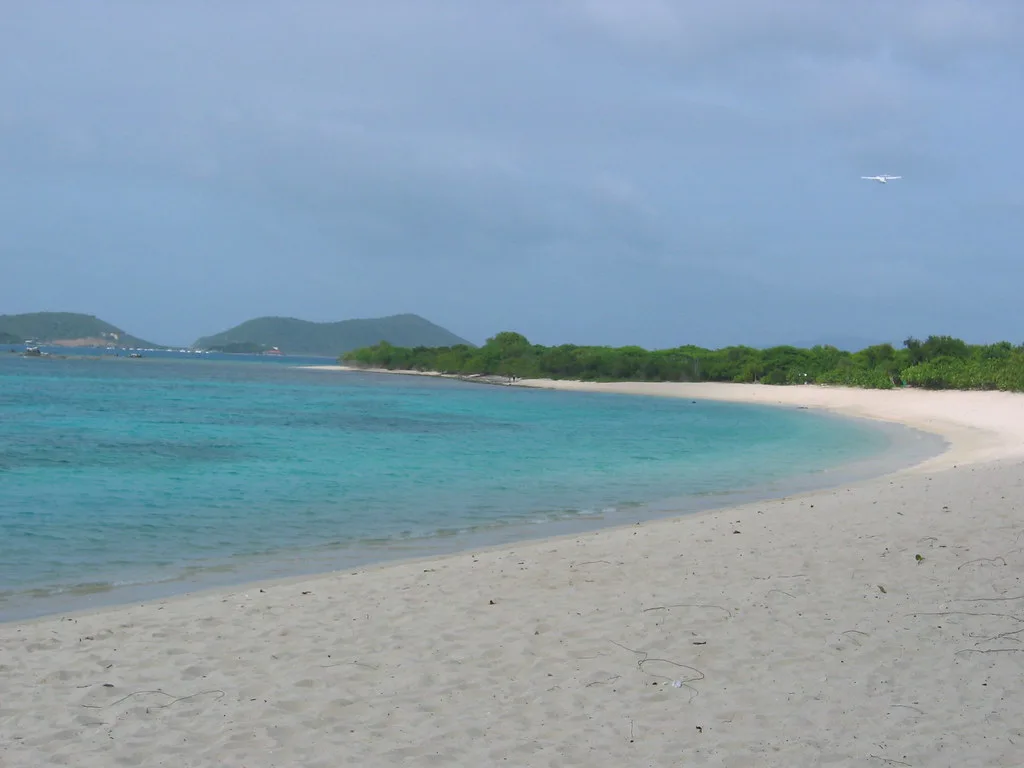
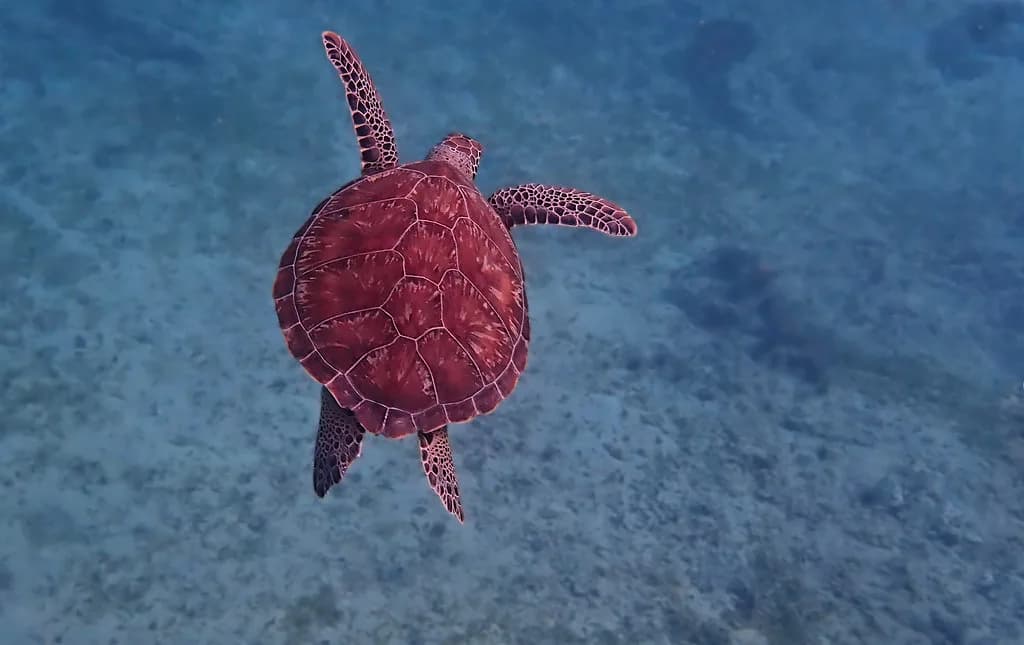
Little Harbour on Peter Island is the trip's easy stop, and often the one beginners remember best. It is a sheltered bay with calm water where the sandy seabed slopes gradually down to a fringing coral reef, so you can wade in, put your mask on over sand and swim out at your own pace. Resident green sea turtles graze the seagrass beds near shore, and blue tangs, sergeant majors and yellowtail snappers are common sights over the reef. Families with children and nervous first-time snorkelers should prioritize a tour that includes this stop.
Because the entry is over sand and the reef sits close to shore, Little Harbour is also the most forgiving site if the day turns breezy; the bay's shelter keeps the surface manageable while more exposed rocks get choppy. Expect to share the anchorage with other charter boats at midday, which is worth knowing if you prefer quiet water.
Diamond Reef and Monkey Point
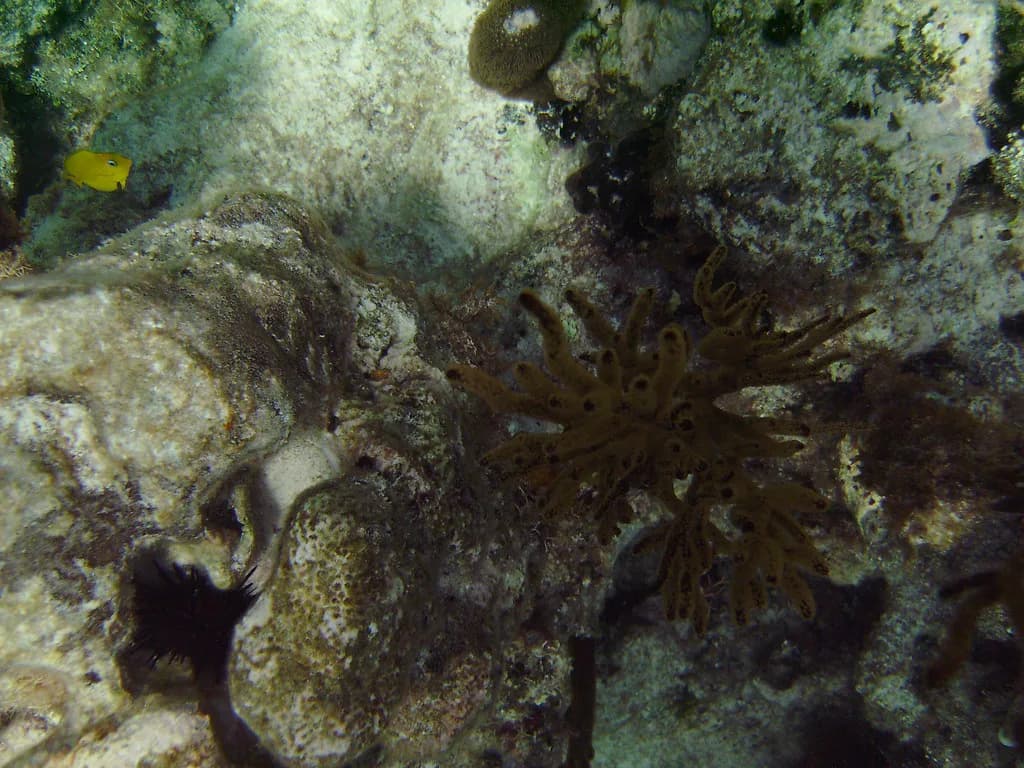
Diamond Reef lies off Great Camanoe Island, and Monkey Point sits close to Guana Island; most full-day charters choose one of the two as the morning opener. Both are known for mixed hard and soft corals, including brain coral, fan coral and pillar coral, which build a varied underwater landscape rather than a single species wall. Fish life is diverse: angelfish, parrotfish and butterflyfish are the expected regulars, with the occasional sea turtle or stingray gliding past.
These are open-water reef stops, so you swim from the boat rather than the beach. Morning is the usual slot and generally the calmer, clearer part of the day, which is part of why operators put this stop first. If you are new to snorkeling, tell the captain; the guides on a multi-stop charter can keep an eye on less experienced swimmers at this kind of site.
Cistern Point and Fallen Jerusalem
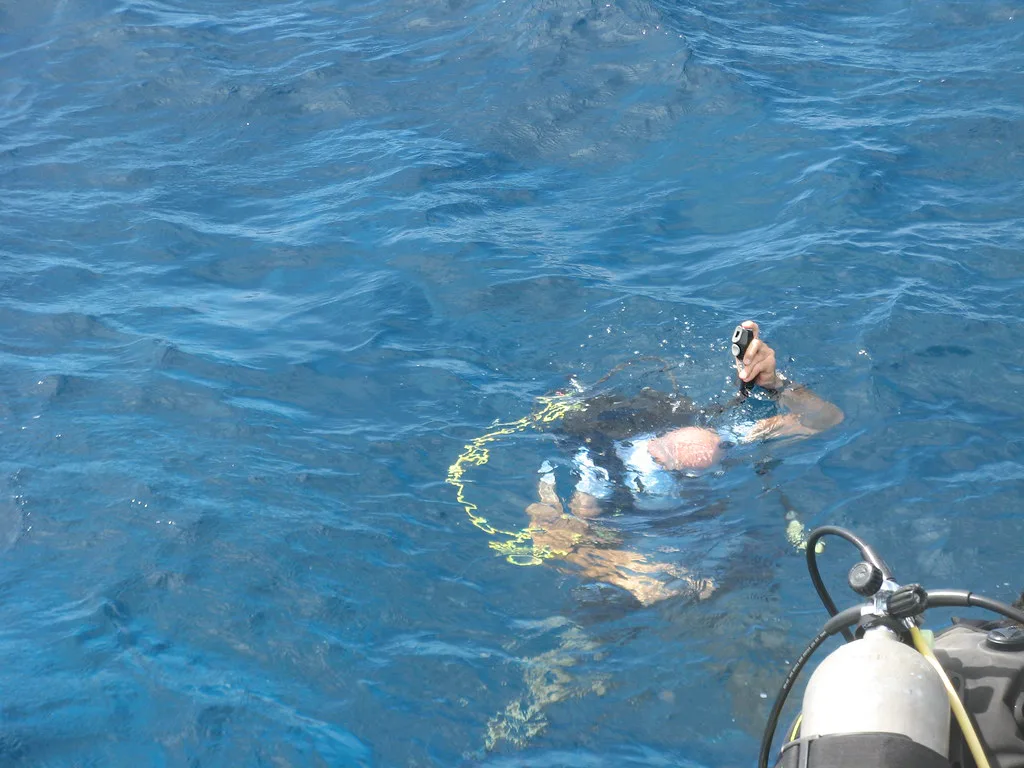
Cistern Point near Cooper Island and Fallen Jerusalem near The Baths make up the middle act of a typical full day. Cistern Point is known for shallow coral formations and rocky outcrops that hide marine life in crevices and small caves, where you look for lobsters, eels and schooling fish; the area is also a reliable place to look for sea turtles. Fallen Jerusalem, a cluster of granite boulders off Virgin Gorda, offers similarly dramatic rock scenery.
These sites reward slow, careful swimming along the rocks rather than fast laps. Hold your line a meter or so off the coral so you can see into the crevices without touching anything, and keep an eye on your buddy, since rocky sites fragment a group's attention.
How a Four-Stop Day Fits Together
A four-stop charter is built around a lunch break, which shapes how much water time you actually get. The pattern is a morning reef, a mid-morning rock or shallow-coral site, lunch ashore at Cooper Island Beach Club or Pirates Bight on Norman Island, then an afternoon at Little Harbour and a final stop at The Indians or The Caves. Lunch at Cooper Island's off-grid beach club is a pleasant reset between swims, and Pirates Bight offers a waterfront alternative on Norman Island.
Because the itinerary is packed, the captain decides the order and may substitute stops when weather makes one site rough or murky. Operators state plainly that the captain modifies stops to suit visibility on the day, so treat the published list as a menu the day is built from rather than a fixed contract. Bring a dry layer for the lunch stop and pack your own reef-safe sunscreen, since a full day in tropical sun between swims is the real exposure risk.
Boats, Guides and Equipment
Tortola-based charter operators run the day with a captain and guide aboard and typically supply masks, fins and snorkels as part of the trip, so you don't need to haul gear across the island. Operators also advertise custom itineraries, which is useful if your group is set on one particular site, such as a turtle-focused morning at Little Harbour. If you prefer your own mask for fit, bring it; a well-fitting mask is the single biggest comfort upgrade on a multi-stop day.
Group size varies by boat and by whether you book a shared or private charter. When you reserve, ask how many snorkelers are aboard, whether a guide is in the water with you or only on deck, and what happens if the weather closes a site. Those answers tell you more about the day than the boat's length or the lunch menu.
What You Will See
Across the BVI sites, the fish list is consistent: angelfish, parrotfish and butterflyfish over the coral, blue tangs, sergeant majors and yellowtail snappers in the shallows, and trumpetfish, barracuda and the occasional reef shark around rocky structures. Sea turtles, both green and hawksbill, graze seagrass beds, with Little Harbour's resident green turtles the most dependable association. Rays, nurse sharks, lobsters and sea urchins round out the sightings.
Treat all of this as the local cast rather than a show schedule. Wildlife encounters are never guaranteed, and the BVI's marine life is best served by keeping your distance, never touching or feeding animals, and letting turtles surface and breathe undisturbed. A patient, slow swimmer sees more than a fast one, especially over seagrass where turtles feed.
Skill Level and Who Each Trip Suits
Beginners, children and anyone who wants a gentle day should look for an itinerary with Little Harbour and favor a half-day format if energy is limited. The sandy slope and calm bay mean you can practice mask clearing in shallow water before heading over the reef. Families should ask the charter company's minimum age and whether child-sized gear is aboard before booking. If you're weighing a Caribbean boat day against alternatives, snorkeling in St. Thomas follows a similar shore-versus-charter logic.
Confident swimmers and repeat visitors get more from trips weighted toward The Indians, The Caves, Cistern Point and Monkey Point, where entries are from the boat, depths vary and rock scenery rewards exploration. The caves in particular call for calm nerves in enclosed water. Match the trip to the weakest swimmer in your party, not the strongest, and the whole group will have a better day.
Best Time of Day and Weather Planning
Mornings generally offer the calmest surface and clearest light, which is why operators put the most exposed reef stop first and save sheltered Little Harbour for the afternoon. Wind against the current can roughen any site, and the captain's read on the day is more reliable than any fixed rule. Build a spare day into your Tortola itinerary so a blown-out snorkel day can slide rather than disappear.
Ask your captain about conditions the evening before, and check the marine forecast issued for BVI waters. If you are prone to seasickness, a full-day charter with crossings between sites is more demanding than a half day, so weigh that against the extra stops.
Wildlife Rules and Reef-Safe Habits
BVI waters are fished and visited heavily, and the sites in best condition are those where snorkelers keep their hands off the coral and their fins off the sand. Keep a respectful distance from turtles and rays, never chase or corner an animal, and resist the urge to stand on coral heads to adjust your mask. Use reef-safe sunscreen and apply it well before you get in the water so it soaks in rather than washing off over the reef.
Marine protected area boundaries and wildlife distance rules vary between sites and are enforced by BVI authorities, so ask your captain where the day's stops fall and what is expected of snorkelers there. Following the guide's briefing at each stop is the simplest way to stay on the right side of local practice.
Combining a Snorkel Tour with Land Time on Tortola
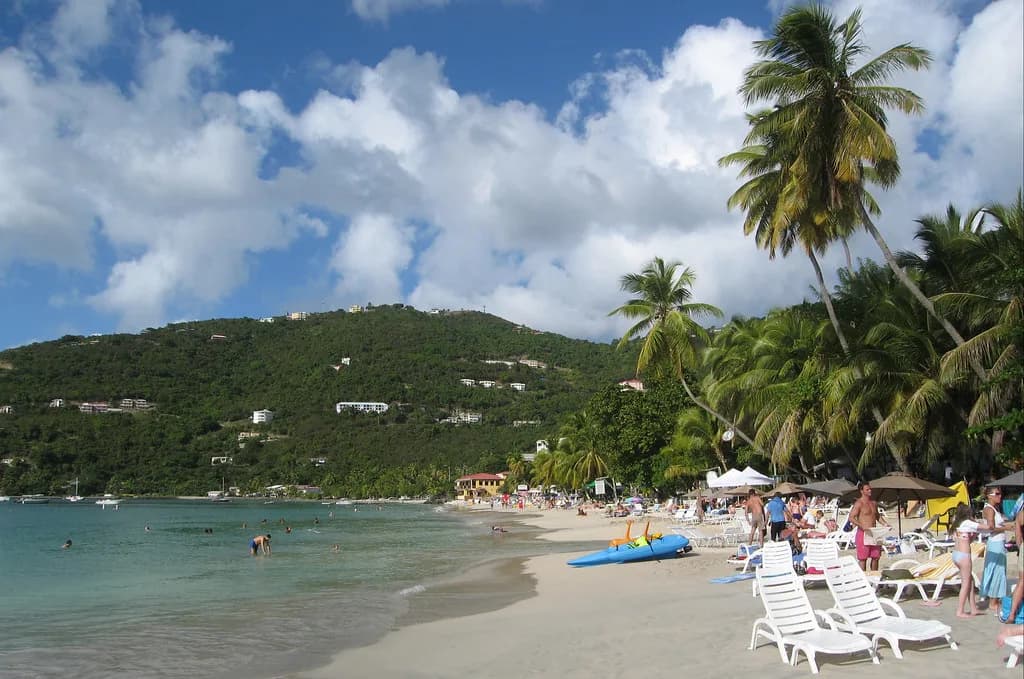
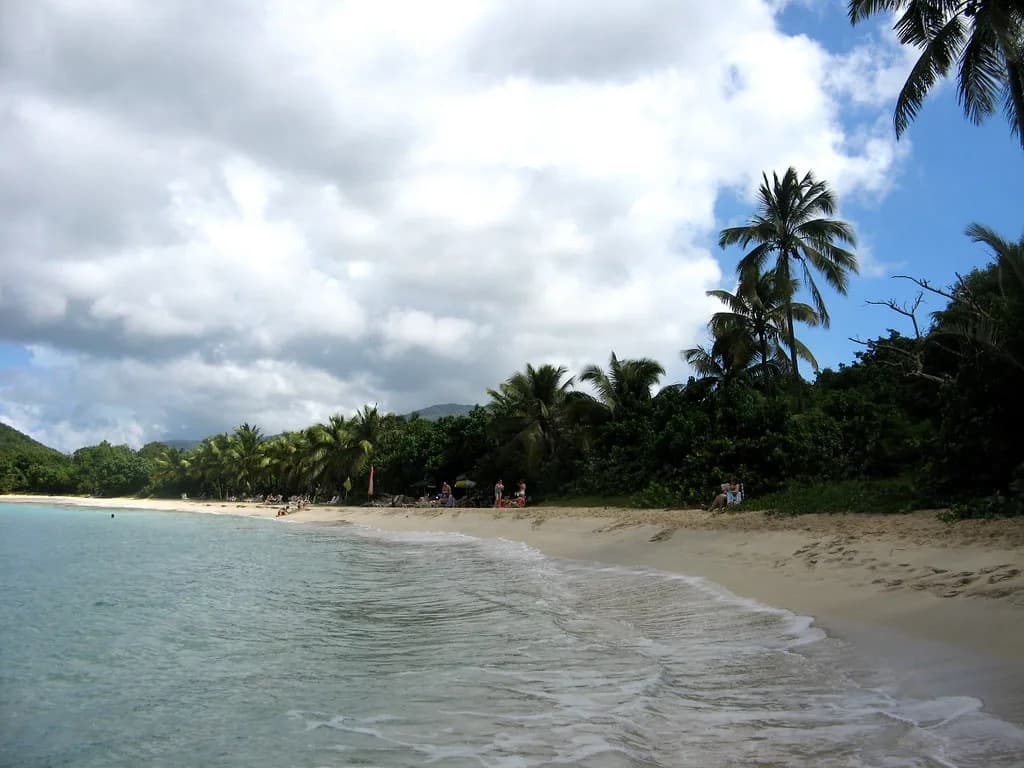
A half-day charter leaves the afternoon free for the island's beaches and viewpoints, and Cane Garden Bay on the north shore is the classic add-on, with a curved beach backed by bars and restaurants. It is also a shore-snorkel option in its own right; see the Cane Garden Bay snorkeling guide for what to expect in the water. Plan the drive back from the north shore with daylight to spare, as the ridge road is slow going.
Travelers with more time can add a second water day elsewhere in the chain. Anegada snorkeling, for example, is a different experience entirely, with shallow reef patches off long empty beaches reached by a short flight or a day charter. If your trip is built around Norman Island, the Norman Island guide covers the caves and Indians in more depth so you can decide whether one visit is enough.
Booking Your Tortola Snorkel Day
Choose your Tortola snorkel tour by the sites it visits and the swimmers in your group: a Little Harbour day for beginners and families, a full four-stop charter for confident swimmers who want The Indians and The Caves alongside the calmer reefs. Book ahead in high season, confirm the departure point and included gear directly with your chosen charter company, and leave slack in your itinerary for a weather day.
Pack reef-safe sunscreen, a rash guard, a dry layer for lunch, and your own mask if fit matters to you. Ask the captain on the morning which stops are on and where the calmest water will be, then let the day unfold around the boat's plan.
Frequently Asked Questions
Which Tortola snorkel tour is best for beginners and families?
Look for an itinerary that includes Little Harbour on Peter Island. It is a sheltered bay where the sandy seabed slopes gently to a fringing reef, so you can wade in and swim out at your own pace, and green turtles are often associated with the seagrass near shore. A half-day format also keeps the day short for young children.
Can you snorkel from shore on Tortola, or do you need a boat?
The headline sites in the Sir Francis Drake Channel, including The Indians, The Caves and Diamond Reef, are boat-accessed swims. For a shore-based session on Tortola itself, plan around a beach bay such as Cane Garden Bay and treat the boat day as the way to reach the offshore rocks and reefs.
Do Tortola snorkel tours include equipment?
Tortola-based charter operators typically supply masks, fins and snorkels as part of the trip, so you do not need to bring full gear across the island. Ask when you reserve whether child-sized equipment is aboard and whether a guide swims with the group or stays on deck.
How long is a Tortola snorkeling tour?
A full-day multi-stop charter generally visits three or four sites with a lunch break in the middle, so most of the day is spent on the water or at anchor. Half-day charters cut the number of stops and the time underway. Cruise-port excursions run on a shorter window timed to the ship's call.
Sources
Snorkeling notes for your next trip
Optional updates to our snorkeling guides.
You might also like
Continue reading
More guides you'll find useful